Key Takeaways
- Bethmale is a traditional raw cow’s milk cheese from the Pyrenees with medieval origins dating back to the 12th century.
- Its unique production methods have remained unchanged for centuries, preserving a nutty, semi-hard cheese with a golden rind.
- Rich in cultural heritage, Bethmale has survived historical events and remains a prized artisanal delicacy.
- Pairing Bethmale with bold red wines, cured meats, and rustic breads enhances its complex flavor.
- Proper storage and serving techniques ensure the best tasting experience from this iconic French mountain cheese.
Table of Contents
- Overview
- From Medieval Times to Modern Tables: The Story of Bethmale Cheese
- The Art of Crafting Bethmale Cheese: Time-Honored Techniques
- Savoring Bethmale Cheese: Taste, Texture, and Perfect Pairings
- Nutritional Value: Why Bethmale Cheese is Good for You
- Finding Authentic Bethmale Cheese: Availability and Recommendations
- Chefs’ Take: Why Bethmale Cheese is a Culinary Gem
- Do’s and Don’ts: How to Store and Enjoy Bethmale Cheese Properly
- Aisy Cendré: Burgundy's Ash-Rinsed Wonder
- Bethmale Cheese: A Must-Try French Delicacy
- Conclusion: A Taste of Timeless Tradition
- Frequently Asked Questions About French Cheeses
- Recommended Resources to Learn More
Overview
Imagine savoring a cheese with a story carved into its very texture—one crafted by medieval shepherds perched high in the Pyrenees. Bethmale is not just a cheese; it’s a journey through centuries of tradition, flavor, and resilience. This raw cow’s milk masterpiece carries rustic notes of nutty richness and a semi-hard texture that melts in your mouth. Beyond its taste, Bethmale embodies a cultural treasure that has endured wars, kings, and the fast pace of modernization. Join us as we explore its origins, crafting artistry, and the best ways to enjoy this legendary French mountain cheese.
From Medieval Times to Modern Tables: The Story of Bethmale Cheese
The Medieval Origins and Nobility Connections
Picture 12th-century shepherds in the Pyrenees, rising before dawn in chilly mountain air to milk their cows. These hardy herders developed a cheese that was practical for sustenance during long winters yet flavorful enough to become a local treasure. Bethmale cheese thus emerged as a rugged, yet refined creation—a food that nourished bodies and spirits amid harsh alpine conditions. The legend of King Louis VI’s fondness for Bethmale adds a royal touch, reflecting how the cheese moved from shepherds’ tables to regal feasts.
By the 1800s, Bethmale was no longer a simple peasant provision but a symbol of resilience and excellence exported beyond the Pyrenean valleys. Family dairies in Ariège fiercely guarded the original recipes, preserving the ancient techniques that define Bethmale even today. Its story is one of adaptation and steadfast tradition amid changing times, encompassing tales of survival during WWII when locals hid wheels from occupiers—earning Bethmale the affectionate name “Freedom Cheese.”
Cultural Heritage and Modern Recognition
Bethmale is more than a culinary delight—it’s a tangible link to Pyrenean culture and history. The small villages still producing it honor centuries of knowledge passed from generation to generation. Today’s artisans continue to use methods dating back hundreds of years, reinforcing Bethmale’s standing as a cultural icon as much as a gourmet product. Recognitions by organizations and food lovers alike celebrate this cheese as a living tradition rather than a relic.
For further perspective on Bethmale’s artisanal legacy, Sodiaal praised it as an "impressive cheese from the Pyrénées," reinforcing why food lovers across the world seek it out.
The Art of Crafting Bethmale Cheese: Time-Honored Techniques
Traditional Milk and Curdling Practices
Bethmale’s characteristic flavor begins with the use of raw cow’s milk from Pyrenean herds, which remains unpasteurized to preserve essential enzymes and bacteria. This terroir-driven milk encapsulates the alpine meadows, infusing the cheese with its signature “grassy” notes. The cheese-makers add rennet and natural cultures, encouraging the milk to curdle and release whey.
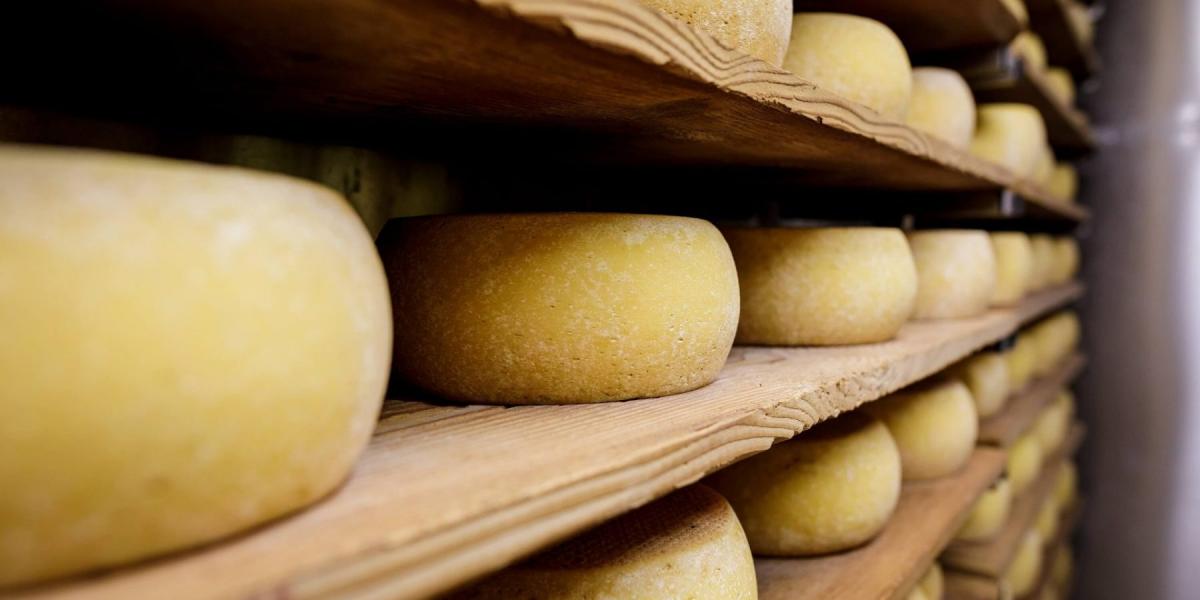
Once curds form, they are carefully pressed into substantial 5kg rounds. Builders of Bethmale’s flavor and texture rely on time as the greatest tool, allowing the cheese to mature in humid cellars for 3 to 4 months. This patient aging melds flavors, developing the creamy heart and nutty soul Bethmale is known for.
Aging, Rind Formation, and Artisan Secrets
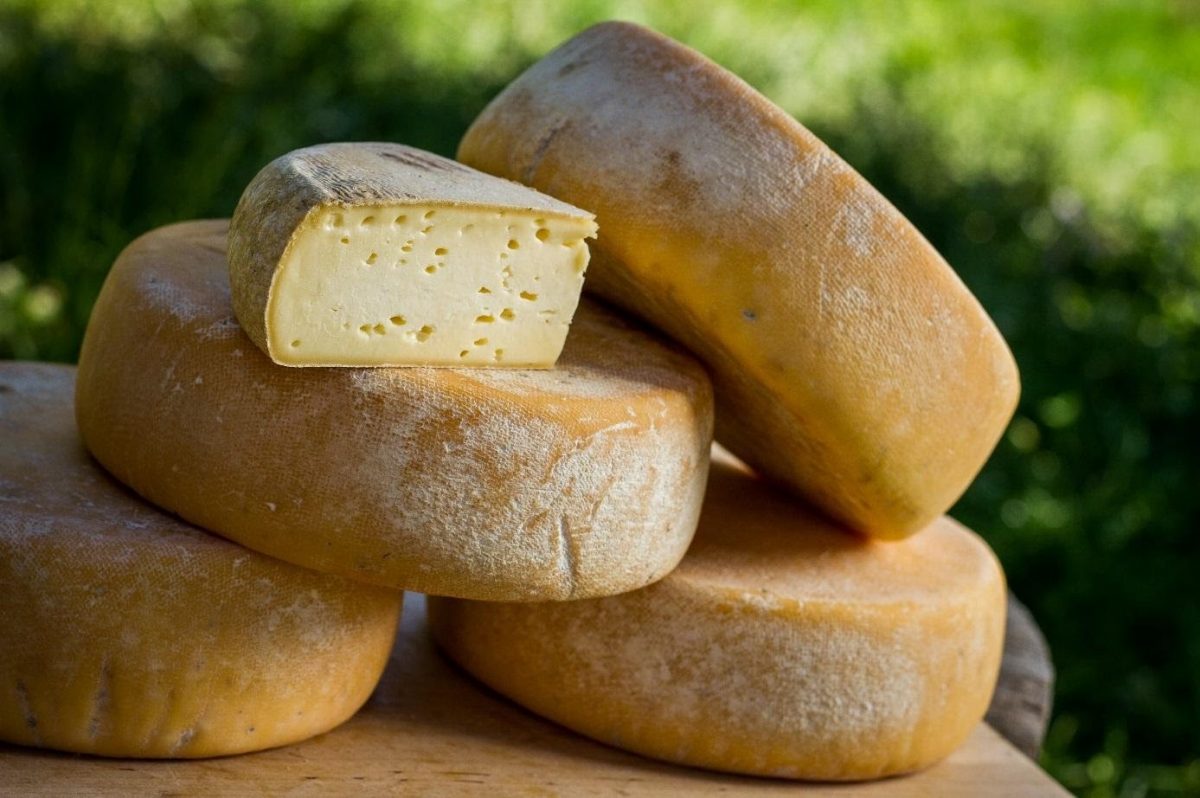
During aging, affineurs—cheese-aging experts—brush each wheel weekly with natural brine. This process forms the cheese’s distinctive golden rind, sticky and rich with character. Fun fact: the subtle horizontal slits visible in the cheese paste are natural results of traditional draining techniques, creating “windows” that add both texture and visual identity.
An anecdote often told among cheesemakers: Jean-Baptiste, a passionate affineur, refuses to swap his two-century-old oak brush for modern tools. He believes that the old brush “scares the flavor away,” an affectionate testament to the intimate relationship between artifact and artisan craft. These time-honored methods encapsulate the heart and soul of Bethmale cheese.
Savoring Bethmale Cheese: Taste, Texture, and Perfect Pairings
Flavor Profile and Texture Description
Cutting into a wheel of Bethmale reveals a pale, supple interior brimming with earthy alpine aromas. The flavor is gentle yet layered — nutty undertones blend with subtle fruity hints and a slight zesty tang near the rind. Its semi-hard texture provides enough firmness for slicing, while melting beautifully when warmed. This makes it perfect not only for traditional cheese boards but also for myriad culinary uses.
Whether you prefer simply nibbling on a slice or incorporating it into warm dishes, Bethmale holds its own as a versatile gem. Its richness is balanced so you can savor without overwhelming the palate, pleasing both cheese novices and aficionados alike.
Pairing Recommendations and Culinary Uses
Pairing Bethmale with complementary flavors enhances its tasting experience. Here are some expert tips:
- 🍷 Wine: Rich reds such as Syrah or Grenache highlight the nutty depth. Dive into our top red wines for charcuterie.
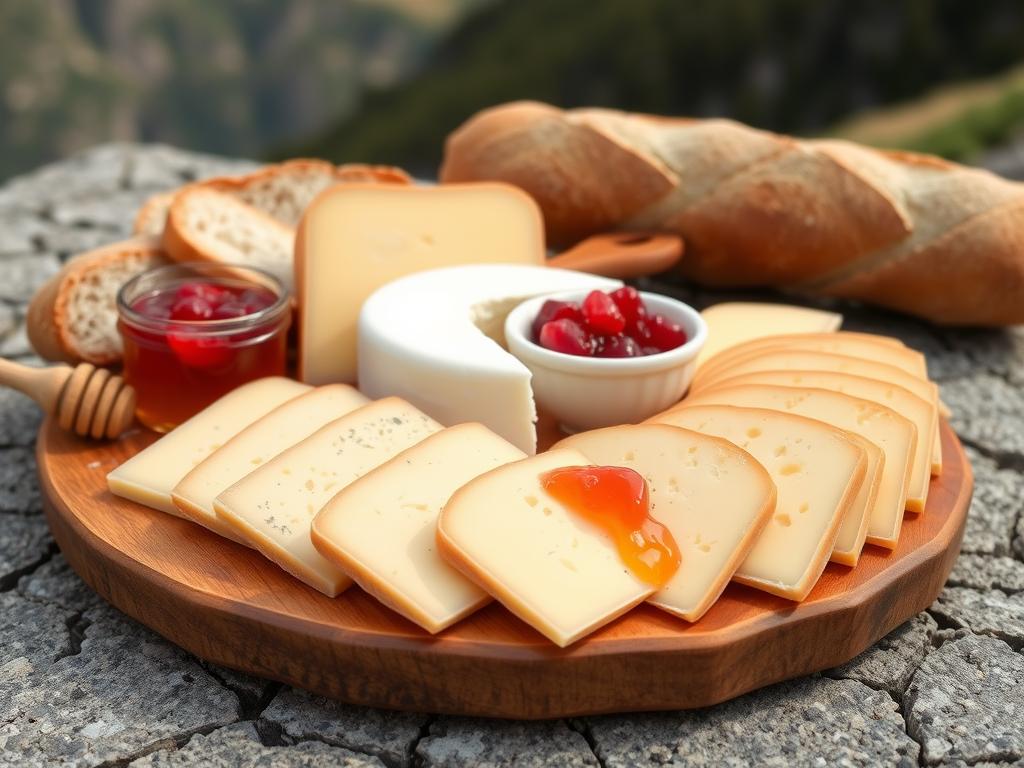
- 🍽️ Food: Dark, rustic breads, cured meats from the Pyrenees, or sweet figs complement Bethmale perfectly.
- 👩🍳 Cooking: Bake into creamy potato gratins, fold the cheese into fluffy omelets, or add a crowning touch to tarts.
A famous story involves a Basque chef winning a bet with a "Bethmale snowball"—an innovative dish rolling aged cheese in crushed juniper berries and serving it frozen! For more pairing inspiration, the artisan cheese pairing guide is a must-read.
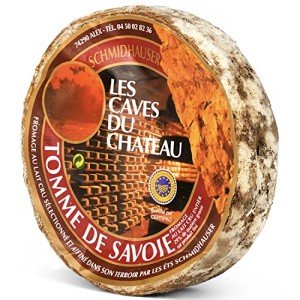
Tomme de Savoie Semi-Firm French Cow's Milk Cheese
Discover the rich and creamy flavor of this French cheese, perfect for your next cheese board or as a delicious addition to any meal
Product information
$61.90
Product Review Score
4.11 out of 5 stars
169 reviewsProduct links
Nutritional Value: Why Bethmale Cheese is Good for You
Health Benefits of Raw Milk Cheese
Bethmale, made from raw milk, is more than a tasty treat; it’s packed with natural probiotics that promote gut health. Unlike pasteurized varieties, raw milk cheeses preserve beneficial bacteria and enzymes, which can aid digestion and strengthen your immune system. Additionally, Bethmale offers a good source of protein and calcium essential for bone health.
Compared with richer French cheeses like Brie that tend to have higher fat content, Bethmale remains relatively moderate due to its simple ingredient list: just milk, rennet, and salt. Moderation is key in enjoying Bethmale’s health benefits while indulging in its delicious complexity.
Historical Nutrition Perspectives
Historically, monasteries in the 1300s recommended Bethmale to pilgrims as a sustaining power food during arduous journeys—a European precursor to modern sports nutrition. The cheese’s durability and nutritive value made it ideal for mountain travelers needing strength on rocky paths. This historical tidbit adds an enriching layer to Bethmale's story, blending culinary heritage with functional nutrition.
Understanding the nutritional virtues of traditional cheeses like Bethmale can deepen appreciation for their role not only in cuisine but also in historic diets geared toward wellness and endurance.
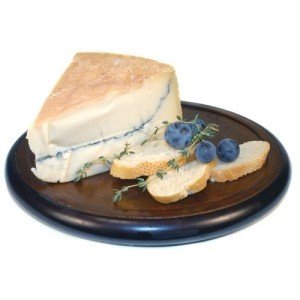
Morbier Cheese from Montboisse - 1 lb
A creamy, flavorful cheese with a distinct layer of ash that adds a unique touch to your charcuterie board
Product information
$64.99 $29.99
Product Review Score
4.34 out of 5 stars
134 reviewsProduct links
Finding Authentic Bethmale Cheese: Availability and Recommendations
Where to Buy Bethmale in France and Worldwide
Authentic Bethmale remains a prized specialty primarily found in artisan cheese shops throughout the Ariège region and Pyrenean villages such as Saint-Girons. Local markets offer the freshest selections straight from the valley dairies. If you’re outside France, reputable online retailers like French Cheese Club provide international shipping, ensuring you can experience this mountain treasure wherever you are.
When sourcing, look for a sticky, golden-hued rind, a firm but tender inside, and authentic labeling bearing the "Bethmale" name. This helps avoid imitations and ensures quality with true craftsmanship.
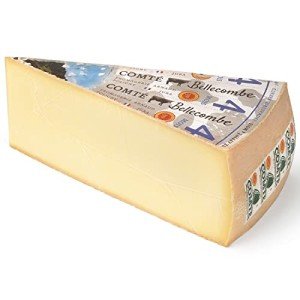
Comté Fort St. Antoine French Cheese - 1 lb
Enjoy the rich, nutty flavor of this authentic French cheese that's perfect for snacking or adding to your favorite dishes
Product information
$61.90
Product Review Score
4.69 out of 5 stars
116 reviewsProduct links
Special Events and Regional Celebrations
For enthusiasts seeking an immersive experience, visiting during the *Fête du Fromage* in September at Seix is highly recommended. This lively celebration honors cheese with competitions where local producers showcase the “wildest” rind patterns. It’s also an ideal way to meet producers and learn firsthand about Bethmale’s intricacies.
To explore related regional cheeses and heritage, our exclusive guide to the Pyrenees sheep cheeses offers fascinating insights into the mountainous diversity of French dairy crafts.
Chefs’ Take: Why Bethmale Cheese is a Culinary Gem
Culinary Versatility Praised by Experts
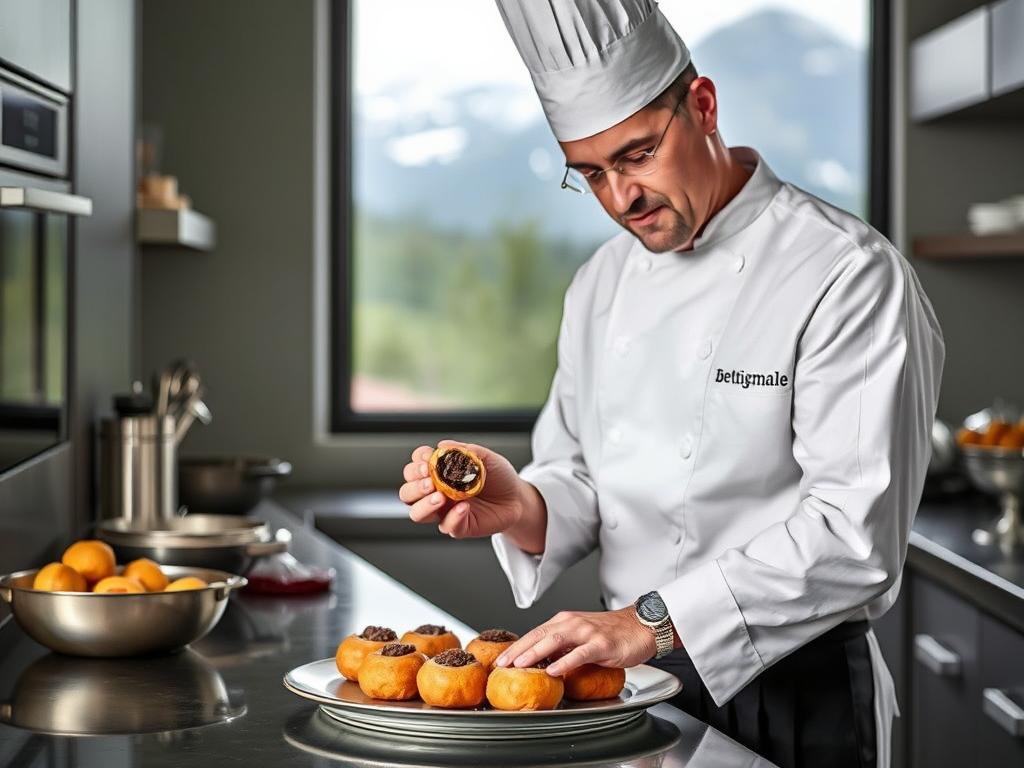
Michelin-starred chefs such as Thierry Marx acclaim Bethmale as “the Pyrenees in a bite,” highlighting its capacity to add unique depth and regional authenticity to dishes. Its semi-hard texture allows chefs to experiment widely—from melting it into salads and fondues to grating over vegetables or baked dishes. Bistrots in Paris often incorporate Bethmale into classic croque-monsieur sandwiches to enhance creaminess and flavor complexity.
Innovation continues as some chefs create daring dishes like Bethmale-infused duck-confit doughnuts, bridging tradition with modern culinary artistry. Sodiaal's recent feature on 2025 cheese-inspired recipes further shows how Bethmale inspires chefs worldwide.
 Stories from the Culinary Frontline
Regional anecdotes bring personality to Bethmale’s culinary fame. Take the Toulouse food truck that went viral stuffing Bethmale cheese into duck-confit doughnuts—”Pyrenean Paczki”—delighting locals and tourists alike. Such stories underline the cheese’s adaptability as well as its cultural cachet.
Bethmale's distinct flavor profile invites chefs and home cooks to experiment, whether for rustic mountain meals or refined dining plates. Its style beckons creativity grounded in tradition.

HERVE MONS Camembert Cheese, 8.5 OZ
Discover the creamy richness of HERVE MONS Camembert Cheese, perfect for your cheese board or a delightful snack
Product information
Product Review Score
4.16 out of 5 stars
17 reviewsProduct links
Do’s and Don’ts: How to Store and Enjoy Bethmale Cheese Properly
Proper Storage Tips
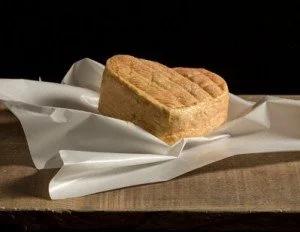
- Do: Wrap Bethmale in wax paper (avoid plastic wrapping) to allow the cheese to breathe naturally.
- Do: Store it in the vegetable drawer of your fridge following French cheese preservation techniques to maintain optimal humidity.
- Do: Serve at room temperature for maximum aroma and flavor release—remove from fridge about 30 minutes before eating.
What to Avoid
- Don’t: Freeze Bethmale, as this alters its smooth texture and can make it gritty.
- Don’t: Leave the cheese uncovered in the fridge—this causes drying and loss of flavor.
Legend has it that shepherds believed airing cheese under a full moon invited mountain spirits’ blessings. While fanciful, this ritual embodies the care Bethmale deserves—it thrives when given space to breathe and mature naturally.
Marin French Triple Crème Brie - 8 Oz
Indulge in the rich and creamy goodness of this delectable brie that elevates any cheese board or snack platter
Product information
Product Review Score
4.45 out of 5 stars
50 reviewsProduct links
Aisy Cendré: Burgundy's Ash-Rinsed Wonder
Uniqueness of Ash-Rinsed Cheeses
When Burgundy comes to mind, wine usually takes center stage, but the region also offers unique cheese traditions such as Aisy Cendré. This cheese is distinguished by ash-rinsed aging, where volcanic ash from the local soils is used to wash the wheels. This process creates a velvety grey rind with a mineral tang, contributing to its complex flavor profile and silky texture.
Family-run dairies craft Aisy Cendré with passion and individual techniques, reflecting the terroir and local microclimates. The ash aging creates unique visual appeal and enhances the cheese's flavors, inviting both newcomers and connoisseurs to explore Burgundy’s lesser-known dairy gems.
Flavor and Serving Suggestions
Aisy Cendré delights the palate with earthy, mushroomy depth combined with a silky smooth paste. Cow’s milk richness balanced by the ash’s mineral notes makes it great when paired with crusty bread or fresh, juicy pears. Locally treasured but rare outside Burgundy, it’s a hidden treasure worth seeking.
Serve at cellar temperature (around 12°C) to fully express its subtle complexities. Pairings such as Chablis or Pinot Noir wines further amplify the experience. Try melting Aisy Cendré over roasted beets with thyme for a simple yet elegant dish.
Bethmale Cheese: A Must-Try French Delicacy
From its origins rooted in the rugged Pyrenees mountains to your dining table, Bethmale cheese is more than a food—it is a story waiting to be tasted. Its rich nutty profile, handcrafted production methods, and deep cultural heritage make it a shining star among French mountain cheeses. Whether you are just discovering French cheeses or a seasoned connoisseur, Bethmale offers a unique and satisfying journey into the heart of French gastronomy.
Every bite speaks of artisan care and mountain terroir, its rich texture melting into memorable flavor. Bethmale honors tradition while inviting innovation—a perfect symbol of France’s evolving cheese culture.
Conclusion: A Taste of Timeless Tradition
Bethmale cheese stands as a culinary beacon tracing back over 800 years, a testament to the enduring spirit of Pyrenean shepherds and artisans. Its combination of raw milk richness, semi-hard texture, and nutty flavor embodies the best of French mountain cheese traditions. Despite changing times and challenges, Bethmale remains a delicious emblem of history and culture.
Exploring Bethmale introduces you not only to a unique taste but a captivating story that connects you to medieval kings, rural families, and modern chefs alike. This cheese is an invitation to savor the rugged beauty of mountain life and the skill of passionate cheesemakers.
Ready to embark on your cheesy adventure? Discover more treasures and delights from the world of French cheeses, where tradition meets flavor in every bite. Whether hosting a dinner or simply treating yourself, France’s dairy legacy awaits you.
Frequently Asked Questions About French Cheeses
- What makes French cheeses unique compared to others?
French cheeses benefit from strict AOP/AOC laws that guarantee authentic production methods tied to specific regional terroirs. This legal protection preserves centuries-old traditions and ensures the preservation of unique textures and flavor profiles. French cheese regions like the Pyrenees or Alpine areas create vastly different tastes—from nutty mountain cheeses like Bethmale to creamy Camembert—showcasing remarkable diversity (Easy Guide to French Cheese Certification). - How do mountain cheeses like Bethmale differ from valley cheeses?
Mountain cheeses develop complex flavors due to high altitude grazing, which impacts the milk quality with alpine grasses and cooler temperatures. Aging in humid mountain cellars extends the maturation period, yielding nuttier, denser cheeses than those made in warmer valleys. This difference creates distinct sensory profiles that cheese lovers appreciate (Alpine Tradition: Tomme de Savoie). - Can vegetarians eat traditional French cheeses?
Many French cheeses use animal rennet, which some vegetarians avoid. However, some varieties are made with vegetable-based rennet (“présure végétale”). Labels sometimes specify this, or speak to "Brie Fermier" styles. Always ask your cheesemonger for vegan-friendly options (Top 8 Mild French Cheeses). - Why is raw milk so important in cheeses like Bethmale?
Raw milk preserves natural microbes and enzymes essential for developing deep, complex flavors during aging. Pasteurization destroys many of these, typically resulting in milder products. Bethmale’s characteristic nutty depth is a direct result of using carefully sourced, unpasteurized Pyrenean milk (Raw Milk French Cheeses). - What’s the best way to serve cheese for a French-style experience?
French tradition advocates serving 3-5 cheeses arranged from soft to hard, all at room temperature to fully release aromas. Complement with crusty bread, grapes, and nuts to provide contrasting textures and sweetness. Always eat the rind (unless wax-coated) to appreciate flavor complexity (Cheese Pairings for Charcuterie). - How does climate affect cheese flavors?
The climate, including alpine grasses, sea breeze, and cellar humidity, influences milk composition and fermentation. For example, Bethmale’s alpine “grassy” flavors come from high-altitude meadows, whereas coastal cheeses tend to carry saltier notes owing to sea air exposure (Comté: France's Cheese Treasure). - Which French cheeses age well for home cellaring?
Hard mountain cheeses like Comté and Bethmale improve remarkably over months when stored properly. Wrapping in cheese paper and monitoring for surface molds encourages the development of delightful flavor crystals and richer nuttiness. Home aging enhances artisan qualities over time (French Cheese Aging Secrets).
Recommended Resources to Learn More
- Cheese Science Toolkit – Offers thorough insights on terroir and how it shapes cheese characteristics across regions.
- Slow Food Foundation – Dedicated to preserving traditional mountain cheeses and exploring their cultural importance.
- Vegetarian Society Cheese Guide – Helps identify vegetarian-friendly cheese varieties and explains rennet types.
- FDA Raw Milk Guidance – Provides useful regulatory and safety information on raw milk cheeses in the United States.
- Institut Paul Bocuse Cheese Service – A professional perspective on serving and enjoying cheese in authentic French style.