Key Takeaways
- Aisy Cendré is a rare semi-soft cow’s milk cheese from Burgundy, known for its smokey ash-covered rind derived from Chardonnay vine ash.
- Its heritage dates back to medieval monks and embodies timeless French cheese craft, surviving historical challenges including WWII.
- Flavorful notes include earthy creaminess, hazelnut, and subtle smokiness, paired best with Burgundy wines and natural accompaniments.
- Production is extremely limited today, with fewer than five dairies still making it, underscoring its rarity and cult status.
- Rich in calcium, protein, and probiotics, it offers both taste and health benefits, making it a true culinary and nutritional treasure.
Table of Contents
- Aisy Cendré’s Rich Heritage in French Cheese Culture
- The Art of Crafting Aisy Cendré: Traditional French Cheese Production
- Tasting Aisy Cendré: A Unique Flavor Experience
- Is Aisy Cendré Good for You? Nutritional Insights
- How to Buy Aisy Cendré: A Guide for Cheese Enthusiasts
- Renowned Chefs on Aisy Cendré: A Hidden Gem in French Cuisine
- How to Store and Enjoy Aisy Cendré Like a Pro
- Aisy Cendré Etiquette: What to Do (and Avoid)
- Monastic Cheese-Making: A Legacy Across France
- Aisy Cendré Today: News and Traditional Events
- Expert Voices: Chefs and Gourmets on Aisy Cendré
- Breaking Down Aisy Cendré: Data and Details
- Conclusion: Savoring France’s Cheese Legacy
- Frequently Asked Questions About French Cheese
- Further Reading: Explore More French Cheese Wisdom
Discover Burgundy’s Hidden Ash-Covered Gem
Step into the heart of Burgundy and uncover Aisy Cendré, a cheese cloaked in ashen mystery and rich history. This rare delight combines centuries-old monastic tradition with unique production techniques that stand apart in France’s vast cheese tapestry. From its charcoal-like rind to its earthy, smoky flavors, Aisy Cendré invites cheese lovers on an unforgettable journey. Whether you’re a seasoned epicurean or a curious newcomer, this article reveals all you need to know about savoring and understanding this remarkable French treasure. Join us as we celebrate the artistry behind one of Burgundy’s most captivating cheeses.
Aisy Cendré’s Rich Heritage in French Cheese Culture
 Monastic Roots and Ancient Traditions
The story of Aisy Cendré is deeply entwined with the legacy of Burgundy’s medieval monks. Centuries ago, these religious communities not only cultivated vineyards but also excelled in dairy craftsmanship. They developed unique methods of preserving and enhancing cheese flavors using natural materials available, including the ash derived from grapevine branches. This ash coating protected the cheese and created its distinctive smoky taste, a tradition still honored today.
Although Aisy Cendré does not hold the prestigious AOC certification, its traditional production closely aligns with the principles upheld by France’s protected cheese regimes. This cheese symbolizes the cultural pride of Burgundy, showcasing the region’s commitment to artisanal quality and time-honored practices. It connects contemporary foodies with a palpable link to the past, inviting tasting experiences that have echoed through centuries. For more insights into the certification of French cheeses, visit our guide on French Cheese Certification.

Boursin Garlic & Herb Artisan Cheese 5.2oz
A creamy and flavorful cheese spread that's perfect for elevating your appetizers and snacks
Product information
Product Review Score
4.66 out of 5 stars
210 reviewsProduct links
Historical Anecdotes and Regional Lore
Local folklore trails the origins of the ash rind back to accidental discovery—a monk once dropped a wheel of cheese into a warm fireplace, leading to a surprisingly pleasant flavor enhancement. Another tale from the 18th century claims vineyard ash was used as a natural rodent deterrent, transforming a pest control solution into a culinary technique. These stories enrich the cheese’s mystique and highlight the resourcefulness of historic cheesemakers.
Through turbulent periods like WWII, the cheese endured near extinction, with courageous farmers safeguarding their craft under Nazi occupation. Hidden in haylofts and passed down through generations, the recipe and method have survived against the odds. Today, festivals such as the Fête de la Saint-Vincent in Burgundy celebrate these traditions, blending cheese, wine, and local heritage in vibrant communal gatherings.
The Art of Crafting Aisy Cendré: Traditional French Cheese Production
Step 1: Milk Preparation and Base Formation
The creation of Aisy Cendré begins with high-quality pasteurized cow’s milk, sourced carefully from local farms. This milk forms a creamy base essential to the cheese’s mild yet earthy profile. Pasteurization ensures safety while preserving the creamy textures that distinguish this semi-soft variety.
Patience reigns as cheesemakers monitor precise temperatures and acidity levels to guarantee the ideal curd formation. The process nurtures complex flavor development even at this early stage, setting the stage for subsequent transformative steps. Each batch is a balance of science and tradition that honors centuries-old practices. For more on preserving the quality of French cheeses, explore our article on French Cheese Preservation Techniques.
Steps 2 to 4: Rind Washing, Ash Application, and Aging
Next, for roughly two weeks, the cheese undergoes a meticulous washing ritual. This helps build its signature subtle funk and allows beneficial microbes to flourish on the rind, a trait shared with other famous washed-rind cheeses across France. It creates a unique aroma layer while preserving the underlying creaminess.
Following the washing, wheels are gently rolled in fine wood ash, often sourced from the very Chardonnay vines that grow in Burgundy’s vineyards. This not only tempers acidity but also adds nuanced smoky notes and minerality, elevating the flavor profile dramatically. Finally, the cheese is aged for 2 to 3 weeks, during which it reaches the perfect balance: firm enough to slice yet decadently supple when savored.
Tasting Aisy Cendré: A Unique Flavor Experience
Flavor Notes and Texture Profile
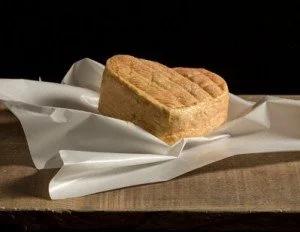
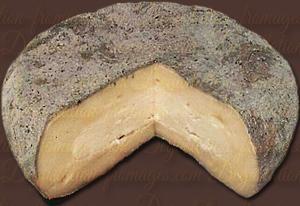
At first glance, Aisy Cendré captures attention with its gray, charcoal-like rind, the telltale sign of its singular ash coating. Beneath the rind lies a pâte that is luxuriously creamy with a semi-soft texture and a firm center. Expect rich earthy creaminess, complemented by a delicate hazelnut overtone and a whisper of smoke, thanks to the natural ash.
The balance between tangy acidity and smoky undertones creates a harmonious complexity, making each bite an exploration. The 50% fat content not only enriches the mouthfeel but also allows the flavors to linger gracefully. This slow flavor release invites pairing with subtle accompaniments that enhance rather than overpower. For more on the variety of French cheeses, explore our collection.
Perfect Pairings and Serving Tips
Pairing Aisy Cendré with silky Burgundy Pinot Noir or a crisp Chardonnay draws forth its most charming notes. The fruity and mineral character of these wines complements the cheese’s smoky and creamy layers. Nuts such as walnuts, fresh green apple slices, and a crusty baguette provide texture contrasts and freshness that brighten the palate.
Serving at room temperature is key: allow about 20 minutes for the cheese to “breathe,” amplifying its aromatic and flavor intensity. Avoid serving straight from the fridge as it dulls the complexity. Anecdotes from cheesemongers and chefs abound about the surprise this ash-covered cheese inspires upon first bite — often mistaken for mold, but quickly winning over skeptics.
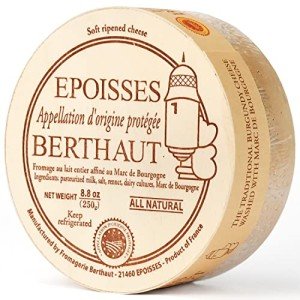
French Epoisses AOC Cheese - 8.8 oz
Rich and creamy with a bold flavor that’s perfect for your cheese board
Product information
$61.90
Product Review Score
4.42 out of 5 stars
230 reviewsProduct links
Is Aisy Cendré Good for You? Nutritional Insights
Health Benefits of Traditional Ingredients
Despite its indulgent taste and texture, Aisy Cendré is surprisingly beneficial when enjoyed in moderation. A typical 30-gram serving delivers key nutrients like calcium and protein crucial for bone health and muscle repair. Additionally, the cheese's aging process harbors probiotics that promote a healthy digestive tract.
Vitamin B12 content also supports energy metabolism and neurological function, making it a smart choice for those mindful of nutrition. The alkaline nature of the wood ash coating has traditionally been believed to aid digestion by neutralizing excess stomach acid — a notion supported by modern science. This blend of healthful properties complements its rich flavor profile. For more on the aging secrets of French cheeses, check out our article on French Cheese Aging Secrets.
Considerations and Moderation
While delicious, Aisy Cendré remains a rich cheese high in fat and calories, so savoring it in smaller portions is advisable. The richness makes it easier to digest compared to some heavier cheeses, but individuals with sensitive stomachs should still approach with balance. It pairs well with lighter fruits and nuts to offset its depth without overwhelming the senses.
Those with lactose intolerance or specific dietary restrictions should consult product details or their healthcare provider before indulging. However, its natural aging process typically reduces lactose content, broadening its accessibility for many cheese enthusiasts. This marriage of flavor and nutrition illustrates why Aisy Cendré holds a special place in the pantheon of French cheeses.
How to Buy Aisy Cendré: A Guide for Cheese Enthusiasts
Where to Find This Rare Gem
Given its limited production—currently fewer than five active dairies—finding authentic Aisy Cendré can be a rewarding challenge. Your best bet is specialty fromageries in Burgundy, especially towns like Époisses, where local markets often showcase fresh wheels. For enthusiasts outside France, select online retailers such as Murray’s Cheese or igourmet sporadically stock it.
Internationally, high-end grocers including Whole Foods may carry it seasonally but availability is never guaranteed. For a truly bespoke experience, contacting experienced cheesemongers to source it can save time and unlock access to rarities. The passion surrounding its scarcity means collectors and foodies alike treasure each wheel, sometimes bidding €200+ at auctions.
Tips for Buying Quality Wheels
To ensure you get the authentic taste, look for well-formed wheels with an even ash rind free of cracks or damage. Freshness is essential — ideally, buy cheese produced recently, especially before festivals or known seasonal markets when turnover is high. Avoid frozen or pre-cut purchases, as the texture and flavor can deteriorate.
Pay attention to provenance labels and ask sellers about the ash source; the finest producers use ash from Chardonnay vines, imparting a unique “mineral kiss.” Educate yourself on expected aging durations (3-4 weeks) so you can select cheeses at peak ripeness. Shopping locally in Burgundy positions you to experience hands-on tasting and the rich cultural context of this rare French cheese.
Renowned Chefs on Aisy Cendré: A Hidden Gem in French Cuisine
 Celebrity Chef Endorsements and Culinary Uses
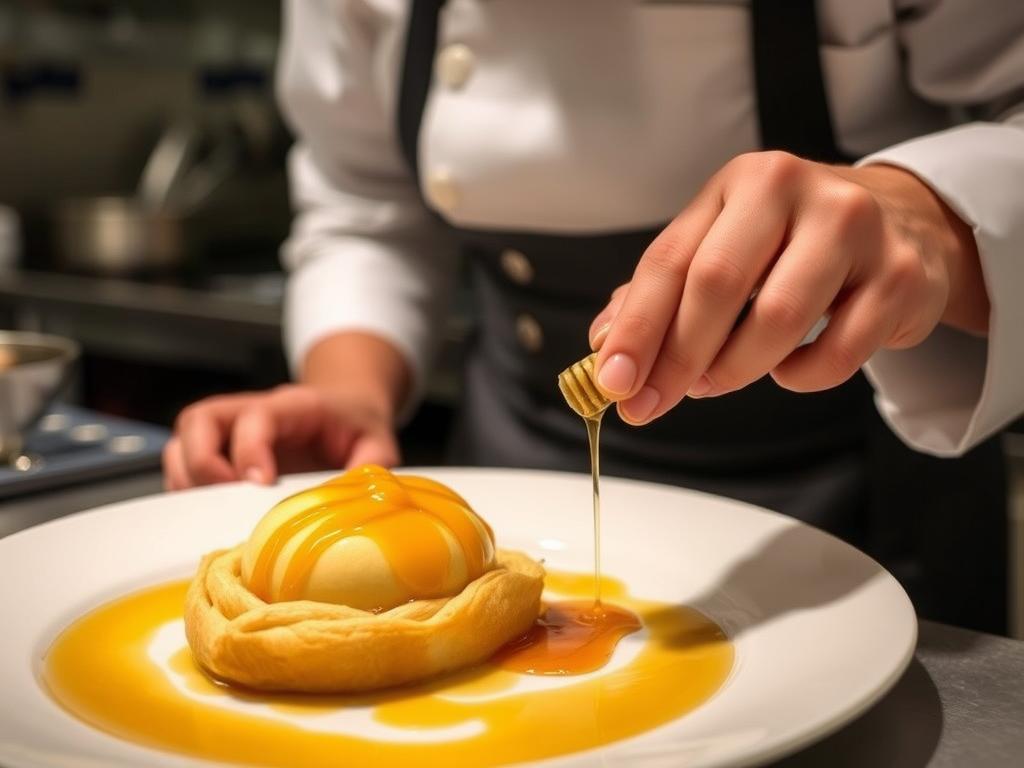
Top-tier chefs have long admired Aisy Cendré for its theatrical presence and deep flavors. Dominique Crenn, a 3-Michelin-star chef, describes it as “Burgundy’s edible charcoal sketch,” praising its rustic yet elegant profile. Parisian culinary hotspots, such as Le Comptoir, creatively bake it into puff pastries delicately balanced with honey’s sweetness.
Its ash-coated rind brings umami depth to sauces and gratins, elevating everyday dishes with minimal fuss. Chef Éric Ripert humorously likens it to “the cheese version of a little black dress—effortlessly chic," highlighting its versatility. These endorsements have helped transform what was once a hidden artisan product into a celebrated gourmet ingredient.
Modern Innovations and Media Spotlight
In 2023, Aisy Cendré featured prominently in a Netflix food documentary, where a chef smuggled wheels through customs for an exclusive tasting. This media exposure has fueled growing interest among young foodies and global gourmands. In Lyon, a rebellious baker infuses it into sourdough, creatively dubbing it “charcoal bread” and sparking new ways to enjoy the ash flavor.
The 2025 IDDBA expo further hailed it as a renaissance of monastic cheesemaking methods, attracting attention from cheese experts worldwide. Such spotlight moments elevate Aisy Cendré’s status from local treasure to internationally respected delicacy. They remind us that tradition and modern innovation can deliciously coexist.
How to Store and Enjoy Aisy Cendré Like a Pro
Optimal Storage Practices
Proper care keeps Aisy Cendré tasting its best. Store the cheese wrapped in breathable cheese paper (avoid plastic wrap, which traps moisture) and place it in the refrigerator’s vegetable drawer, where humidity levels are ideal. Always consume within two weeks of opening to appreciate peak flavor and texture.
Freezing is a big no-no; it ruins the delicate texture, rendering the paste gritty and unpleasant. This cheese’s ash rind is not only decorative but functional, so handle gently to preserve its integrity. When transporting, keep it cool but not frozen for a safe journey from shop to table.
Serving Suggestions and Enhancements
Unlock the full sensory experience by serving Aisy Cendré at room temperature—remove it from the fridge about 20 minutes before eating. Pairings like fig jam or a light drizzle of truffle oil enhance the richness and complexity without overpowering.
For a historically inspired touch, some enthusiasts replicate medieval methods by wrapping wheels in fresh vine leaves or parchment, which subtly infuse aroma and keep moisture balanced. Whether enjoyed solo or on a shared cheese board, Aisy Cendré’s unique smoky and creamy notes spark conversation and delight.
Aisy Cendré Etiquette: What to Do (and Avoid)
Respecting the Cheese and Its Culture
Treat Aisy Cendré like the royal indulgence it is. When serving, always let it breathe and avoid peeling off the ash rind—this gray layer carries essential flavor and tradition. Embracing the rind fully is a sign of respect for the cheesemaker’s craft and the cheese’s history.
Classic etiquette from the 1700s suggests eating the ash rind last, savoring it as the “soul of the cheese.” This ritual honors its layered complexity and legacy. Pair it thoughtfully with Burgundy wine and simple accompaniments to make each bite a full sensory journey.
Common Mistakes to Avoid
Many newcomers err by serving the cheese too cold or removing the ash rind prematurely. These missteps mute the nuanced flavors and disrupt textural harmony. Avoid slicing large portions straight from refrigeration; the cheese needs time to open up.
Also, beware of confusing the ash rind with mold—though similar in appearance, the ash is safe and intentional. When in doubt, ask your cheesemonger for guidance. Ultimately, savoring Aisy Cendré is about appreciating heritage, taste, and the stories each wheel tells.
Monastic Cheese-Making: A Legacy Across France
 Beyond Burgundy: The Basque Influence
Though Aisy Cendré is emblematic of Burgundy’s monastic tradition, similar artisanal cheese methods span all of France. In the Basque region, monks pioneered cheeses from sheep’s milk, like the famous Idiazabal. These cheeses boast smoky depth thanks to aging with beechwood smoke — a preservation technique reflecting harsh winters and resourcefulness.
Other Basque specialties such as Roncal and Queso de la Serena highlight regional diversity, featuring crumbly textures and tangy flavors. These cheeses enrich dishes from arugula salads to baked pastas or are simply enjoyed spread on rustic bread with fig preserves. Such variety reveals monastic cheesemaking’s remarkable versatility and influence.
Shared Techniques and Philosophies
Whether in Burgundy or the Basque Country, monastic cheesemaking centers on sustainable, local ingredients and careful, time-honored processes. Using natural materials like ash, smoke, and vine leaves for preservation and flavor remains common across these regions. This grounded approach honors terroir and encourages close community involvement.
Ancient philosophies emphasizing patience, respect for nature, and meticulous craftsmanship form the backbone of their success. These principles resonate deeply in modern artisanal cheesemaking, reminding us that the past continually shapes the future of fine food.
Aisy Cendré Today: News and Traditional Events
Preserving Heritage at Local Festivals
Today, Aisy Cendré retains its cultural heartbeat through regional fairs and festivals. Producers like Fromagerie Berthaut demonstrate ash-rolling and traditional methods at markets such as Époisses’ lively summer gatherings. These venues invite the public to witness and celebrate monastic heritage firsthand.
During autumn, the Fête de la Saint-Vincent pairs ash-covered wheels with freshly harvested vintages, creating a unique sensory connection between cheese and wine. While absent in major international expos, the cheese’s local presence remains vibrant and deeply meaningful, sustaining artisan communities and food traditions.
Current Production and Cult Following
With less than five active dairies producing it, Aisy Cendré stands as one of France’s most exclusive cheeses. Its scarcity only fuels fascination and demand among gourmets worldwide. At events like Lyon’s Quai des Fromagers festival, cheesemakers champion it as a “living artifact,” ensuring its story continues to resonate.
Vintage wheels occasionally fetch high auction values, a testament to its cult status and rarity. This modern acclaim breathes new life into monastic craft and confirms Aisy Cendré’s place as both a kitchen favorite and collector’s treasure.
Expert Voices: Chefs and Gourmets on Aisy Cendré
Dominique Crenn (3-Michelin-starred chef):
“Aisy Cendré is Burgundy’s edible charcoal sketch—a rustic masterpiece where woodsmoke and cream converse. That ash isn’t a costume; it’s the cheese’s soul.”
Crenn features it in puff pastry at her Paris restaurant, where the rind’s umami deepens honey’s sweetness.
Éric Ripert (Le Bernardin):
“Serving Aisy Cendré is theater. Break its ashen crust to reveal ivory curves—a sensory plot twist that pairs with Pinot like moonlight on vineyards.”
Ripert’s pairing advice highlights terroir synergy between this ash-covered cheese and Burgundy wines.
Marie Quatrehomme (Meilleur Ouvrier de France cheesemonger):
“This cheese whispers monastic secrets. The vine-ash coating? A medieval ‘bio-preservative’ that modern science now applauds for pH balance.”
Her Paris shop reports surging demand as customers discover its digestive benefits.
Breaking Down Aisy Cendré: Data and Details
Table 1: Aisy Cendré Fast Facts
| Feature | Detail | Fun Fact |
|---|---|---|
| Weight | 230g | Light as a large apple! |
| Aging Period | 3-4 weeks | Center stays firm—unlike oozy Époisses |
| Ash Source | Chardonnay vines | Imparts a "mineral kiss" from Burgundy soils |
| Dairies | < 5 active | Fewer producers than Champagne houses! |
Table 2: French Cheese Industry Snapshot (2025)
| Metric | Value | Context |
|---|---|---|
| Annual Production | 1.9M tonnes | #1 globally, ahead of USA |
| Exports | €4.2B | Germany & UK top buyers |
| Varieties | 1,200+ | 40+ ash-covered types like Valençay |
| Aisy Cendré Output | ~7 tonnes | 0.0003% of France’s total! |
Table 3: Nutritional Profile per 30g Serving
| Nutrient | Amount | Daily Value % |
|---|---|---|
| Calories | 110 | 6% |
| Fat | 9g | 14% |
| Protein | 6g | 12% |
| Calcium | 200mg | 20% |
| Vitamin B12 | 0.8mcg | 33% |
Table 4: Flavor Comparison
| Cheese | Flavor Notes | Texture |
|---|---|---|
| Aisy Cendré | Earthy cream, hazelnut, woodsmoke | Semi-soft, firm center |
| Morbier | Fruity tang, grassy notes | Supple, creamy line |
| Valençay | Zesty lemon, salt-kissed | Crumbly goat cheese |
Conclusion: Savoring France’s Cheese Legacy
Aisy Cendré stands as a shining example of French cheese artistry, combining unique ash-covered aesthetics with a rich, creamy taste that reflects centuries of Burgundian tradition. This rare cheese isn’t just a food but a living piece of history, preserved by monastic ingenuity and local passion through challenges like wars and modernization. Its delicate balance of smoky notes and earthy creaminess invites thoughtful pairing and slow enjoyment.
Cheese lovers who seek authenticity and depth will find Aisy Cendré a rewarding discovery, whether at a local market in Burgundy or through selective specialty retailers. Its scarcity only enhances its allure, underscoring the importance of supporting artisanal cheesemakers who keep heritage alive. Beyond flavor, it offers nutritional benefits and cultural connections rarely matched by more commercial varieties.
Embark on your own journey through French cheeses by exploring the wide offerings at Delifoodshop’s French Cheese collection. From the boldness of blues to the subtlety of soft-ripened classics, your perfect cheese match awaits—and maybe your new favorite, just like Aisy Cendré.
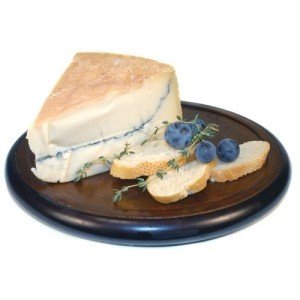
Morbier Cheese from Montboisse - 1 lb
A creamy, flavorful cheese with a distinct layer of ash that adds a unique touch to your charcuterie board
Product information
$64.99 $29.99
Product Review Score
4.34 out of 5 stars
134 reviewsProduct links
Frequently Asked Questions About French Cheese
1. Why is French cheese so diverse?
France’s vast climatic and geographic diversity—from the alpine meadows to coastal valleys—cultivates distinct terroirs that deeply influence cheese flavors. Add to this the centuries-old regional traditions, each with specialized production methods, and it’s easy to see why French cheese encompasses over 1,200 varieties. This kaleidoscope invites endless tasting adventures for connoisseurs and casual eaters alike.
2. What does AOC mean on cheese labels?
AOC stands for Appellation d’Origine Contrôlée, a French certification that guarantees a cheese is produced according to strict geographic and procedural regulations. This label protects regional heritage and ensures traditional methods and recognized quality. Famous examples include Comté and Camembert de Normandie, affirming authenticity and origin.
3. Are ash-covered cheeses safe to eat?
Absolutely! The ash used on cheeses like Aisy Cendré and Valençay is food-grade, usually derived from vegetable sources such as burned grapevine or wood ash. It helps neutralize acidity, encourages rind development, and adds subtle mineral flavors. It’s a time-tested technique dating back centuries and is both safe and delicious to consume.
4. How should I serve French cheese?
Always bring cheese to room temperature—about 20 minutes outside the fridge—to unlock its full flavor and aroma. Pairings depend on the cheese but generally include crusty bread, fresh fruits like apples or figs, nuts, and honey. For Burgundy styles like Aisy Cendré, a glass of regional wine beautifully complements the cheese’s profile.
5. What makes rare French cheeses special?
Rarity often arises from limited production by small artisan dairies, unique techniques preserved through generations, and regional exclusivity. Cheeses like Aisy Cendré showcase local ingredients and traditional craftsmanship that aren’t mass-produced. This exclusivity elevates their value both gastronomically and culturally.
6. Can vegetarians eat French cheese?
Many French cheeses are vegetarian-friendly, especially those made using microbial or vegetable rennet instead of animal-derived enzymes. Varieties like Aisy Cendré, Brie de Meaux, and Tomme de Savoie often fit vegetarian diets. Always check labels or ask your cheesemonger for specific rennet types.
7. How long does French cheese last?
Soft cheeses such as Aisy Cendré usually last around 1-2 weeks refrigerated, while harder varieties can remain fresh up to a month. Store cheeses wrapped in cheese paper or parchment in a vegetable drawer to preserve moisture and flavor. Avoid plastic wrap, which traps condensation and degrades texture.
8. What wine pairs best with ash-covered cheeses?
Follow the “like with like” rule: Aisy Cendré pairs wonderfully with Burgundy Pinot Noir or Chardonnay, which echo its regional terroir. Other ash-covered cheeses like Valençay match beautifully with crisp Loire Sauvignon Blancs. These pairings highlight complementary flavors and enhance tasting pleasure.
Further Reading: Explore More French Cheese Wisdom
Visit These Authoritative Websites to Deepen Your Cheese Knowledge
-
- Cheese.com — Comprehensive database with detailed profiles and histories of thousands of cheeses worldwide, including rare French varieties.
-
- Fromages.com — A deep dive into French cheese culture, production methods, and regional specialties, perfect for enthusiasts and professionals alike.
-
- Cheese-France.com — Explore French cheese origins, stories from producers, and artisan techniques to connect with authentic cheesemaking heritage.
-
- International Dairy-Deli-Bakery Association (IDDBA) — Industry news, innovation insights, and educational content about cheese and dairy trends worldwide.
- Cheese Forum — A dedicated community space for cheese aficionados, producers, and experts to discuss, debate, and share cheese knowledge and discoveries.
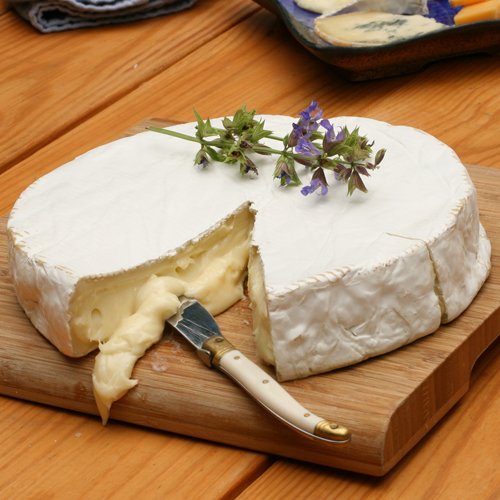
French Brie Cheese - 2 Pound Wheel
Indulge in the rich and creamy texture of our artisan French Brie, perfect for your cheese board or gourmet recipes
Product information
$49.95 $45.99
Product Review Score
4.58 out of 5 stars
163 reviewsProduct links
Imported French Triple Cream Brie, 6.5 oz
Indulge in the rich, buttery flavor of this luxurious cheese that's perfect for your next cheese board or a special treat
Product information
Product Review Score
4.95 out of 5 stars
35 reviews