A Simple Guide to Keeping Your Cheese Fresh and Tasty
Alright, listen up! French cheese is a bloody masterpiece, and preserving it is an art form. With over 400 varieties, each one is unique, reflecting the regional characteristics of France. From creamy Brie to tangy Roquefort, understanding these varieties is crucial for mastering French cheese preservation methods. So, let's dive in and learn how to keep your favorite cheeses fresh and flavorful!

French cheese varieties on a rustic wooden board, including Brie, Camembert, Comté, and Roquefort, with labels and cheese preservation tools like wax paper and cheese domes.
Soft Cheeses: The Delicate Darlings
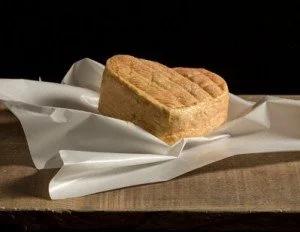
Soft cheeses like Camembert and Neufchâtel are the creamy, delicate darlings of the cheese world. These beauties have a high moisture content and need special care. To keep them fresh, store them in the refrigerator, wrapped in wax paper or parchment. This allows them to breathe while preventing them from drying out. Proper handling is crucial to avoid unwanted mold growth and to prolong their delightful creaminess.
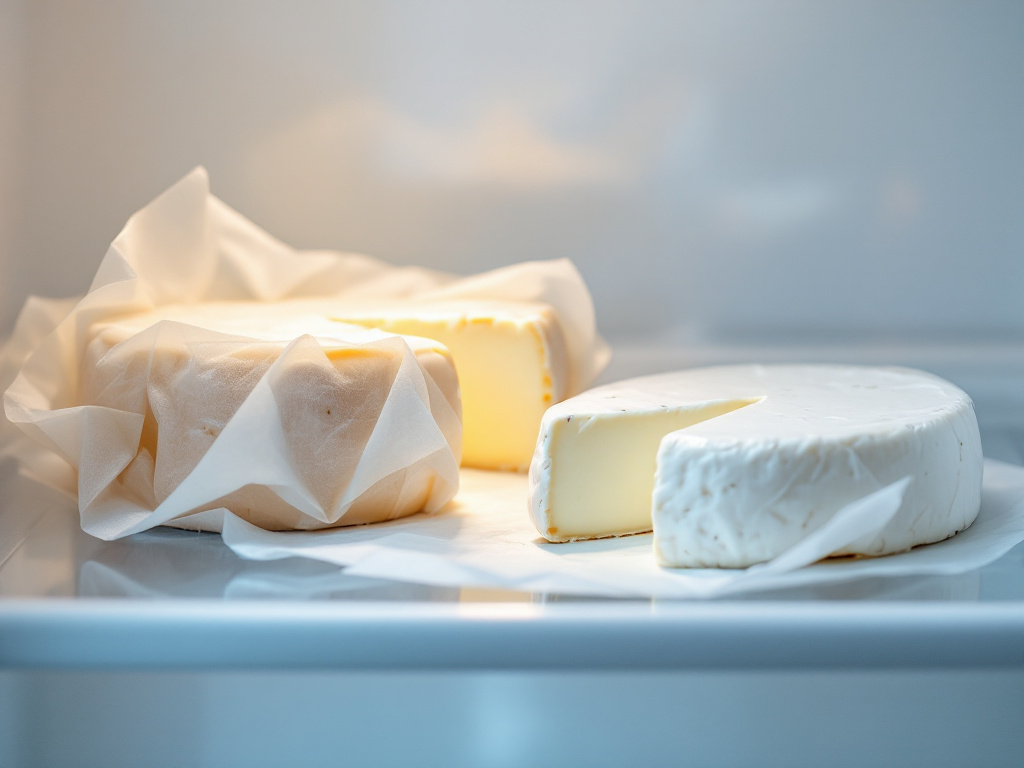
Soft cheeses like Brie and Camembert stored in the refrigerator, wrapped in wax paper, with a focus on maintaining freshness and preventing mold growth.
Hints and Tips:
- Always check the expiration date on soft cheeses.
- Avoid cross-contamination by using clean utensils.
- Consider using a dedicated cheese drawer in your fridge.
Hard Cheeses: The Robust Champions
Hard cheeses like Comté and Gruyère are the robust champions, aged longer for a firmer texture and stronger flavor. To preserve their taste and aroma, store them in a cool, dry place, wrapped in cheese paper or parchment. This allows them to breathe while preventing them from drying out. Utilizing the right French cheese preservation methods can ensure that these robust cheeses retain their character for longer periods.
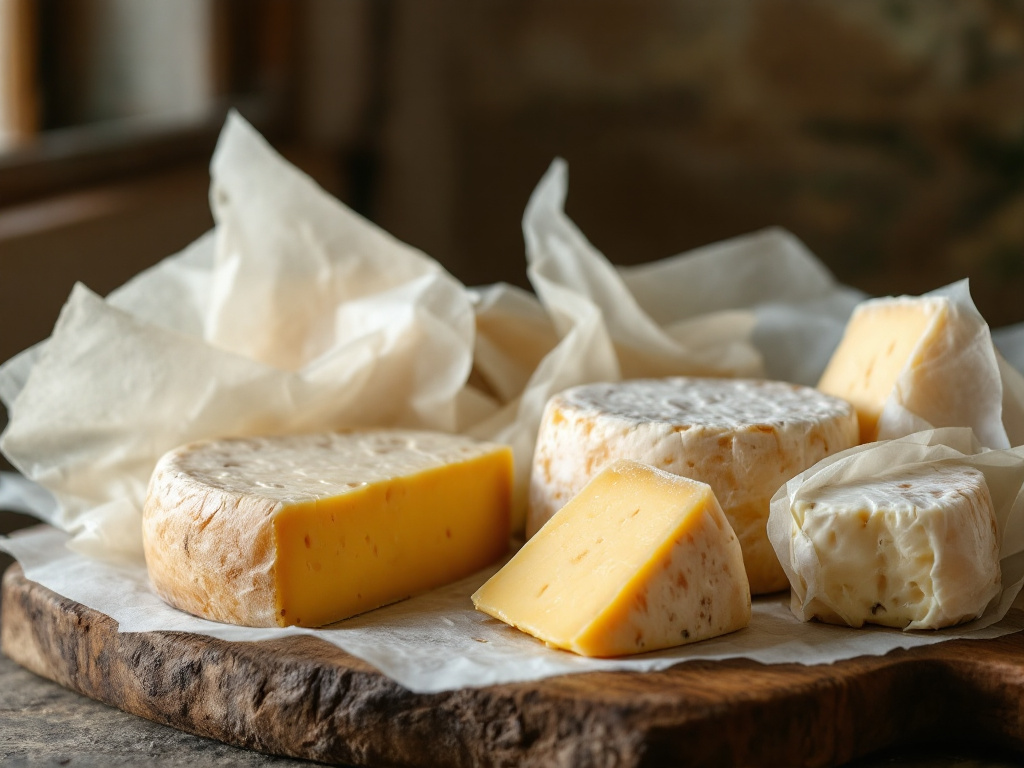
Hard cheeses such as Comté and Gruyère stored in a cool, dry place, wrapped in cheese paper, showcasing the importance of proper wrapping for flavor preservation.
Hints and Tips:
- Periodically change the wrapping to prevent mold buildup.
- Store hard cheeses in the vegetable drawer of your fridge for stable temperature.
- Use a cheese dome or box for a controlled environment.
Blue Cheeses: The Tangy Temptresses
Blue cheeses like Roquefort or Bleu d’Auvergne are the tangy temptresses, offering a distinct, pungent taste. These cheeses can be tricky to store, as their unique flavors can overpower milder cheeses. Wrap them in foil and place them in a dedicated cheese drawer in the fridge. This helps maintain their pungent characteristics while preventing them from contaminating other cheeses.
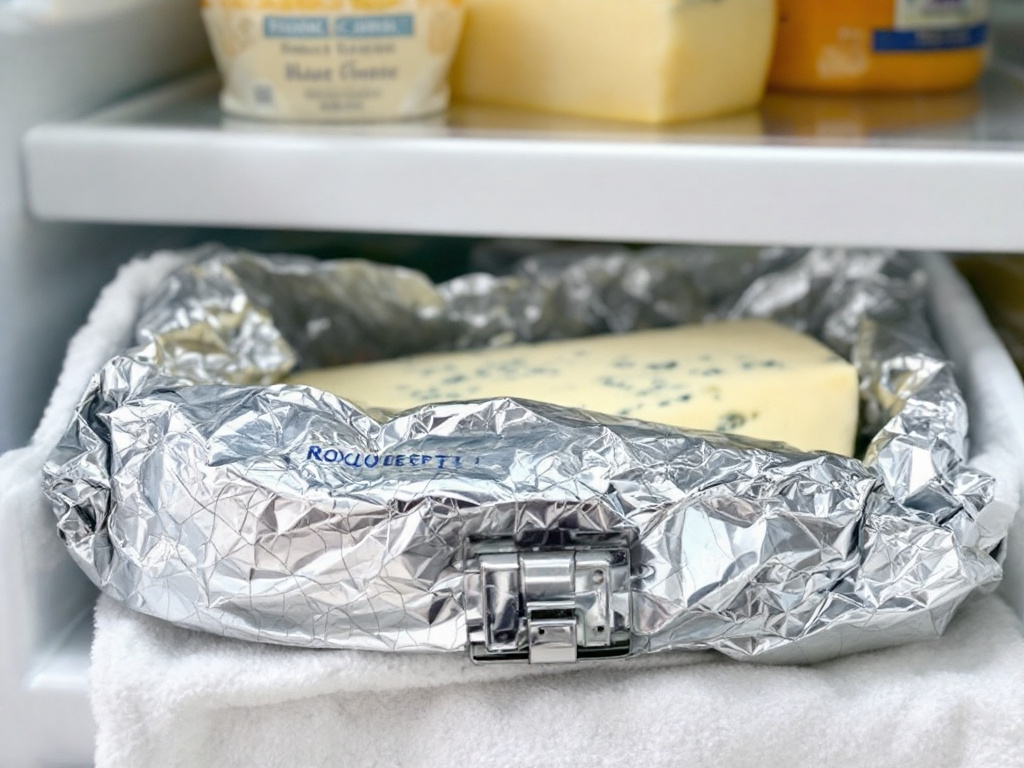
Blue cheeses like Roquefort stored in the refrigerator, wrapped in foil, with a dedicated cheese drawer to prevent contamination of other cheeses.
Hints and Tips:
- Always use clean utensils when handling blue cheeses.
- Avoid cross-contamination with other foods.
- Consider using a separate cheese board for serving.
Storing Cheese for Optimal Freshness
Properly storing cheese is essential for maintaining its flavor, texture, and freshness. Soft cheeses like Brie and Camembert need a bit more care compared to hard cheeses like Comté or Gruyère. The delicate nature of soft cheeses means they should be stored in the refrigerator, wrapped in wax paper or parchment, to allow them to breathe while preventing them from drying out.
Hard cheeses, on the other hand, can benefit from being wrapped in cheese paper or plastic wrap. This helps maintain moisture while also protecting the cheese from absorbing odors from the refrigerator. Ideally, you should store hard cheeses in the vegetable drawer of your fridge, where the temperature is more stable. One great tip for preserving French cheese is to periodically change the wrapping, as this prevents mold buildup and keeps the cheese fresh for longer.
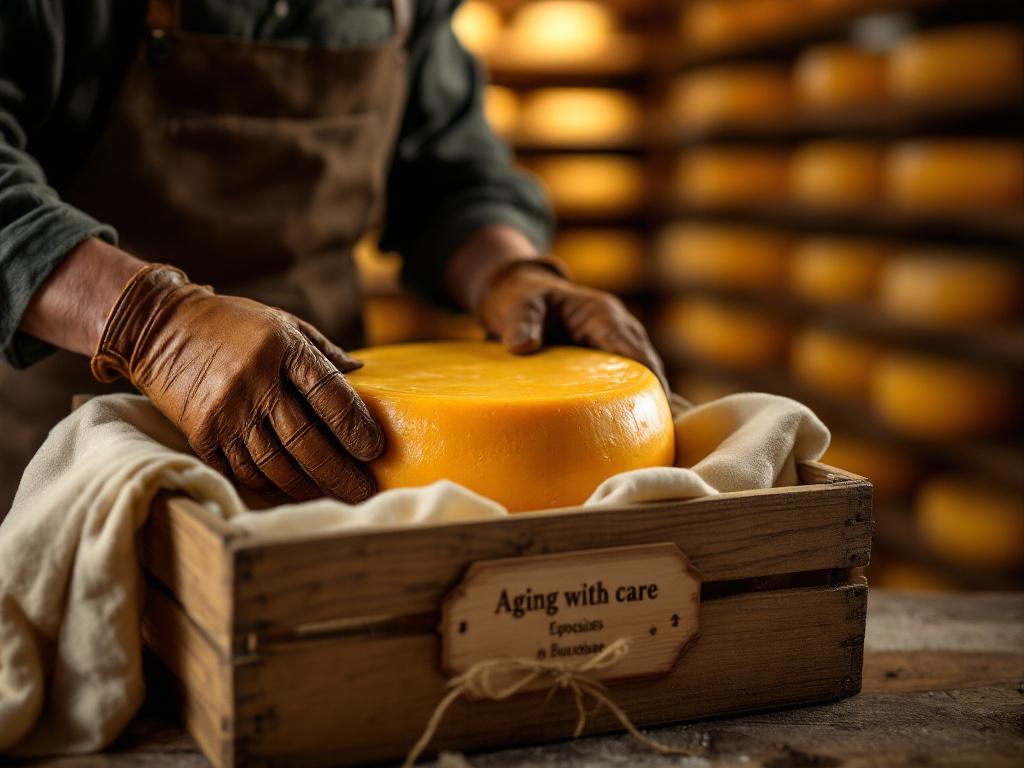
For a more traditional approach to French cheese preservation methods, consider using a cheese dome or a dedicated cheese box. These special containers provide a controlled environment that helps keep the cheese at the right humidity and temperature. If you're planning to age your cheese, make sure the humidity levels are adequate, as they play a crucial role in developing the cheese's full flavor profile.

Cheese storage techniques using a cheese dome and cheese box, highlighting the controlled environment for optimal freshness and flavor development.
Hints and Tips:
- Always remember that cheese is best enjoyed at room temperature.
- Before serving, take your cheese out of the fridge for about 30 minutes to an hour, allowing the flavors to fully develop.
- By following these simple tips, you’ll ensure your French cheeses remain delicious and fresh, ready to impress your taste buds and elevate your culinary experience.
Techniques for Flavor Enhancement
When it comes to mastering French cheese preservation methods, understanding how to enhance flavor is crucial. Various techniques can bring out the best in cheese, transforming it into a delightful culinary experience. From the aging process to the use of complementary ingredients, these methods highlight the unique qualities of each cheese.
One effective technique is the careful selection of aging environments. Different temperatures and humidity levels can significantly alter the flavor profile of cheeses. For instance, aging certain soft cheeses in a controlled, humid environment allows molds to flourish, creating complex flavors and aromas. Similarly, hard cheeses often benefit from cooler, drier conditions that help develop rich, nutty notes.
Another popular method involves incorporating specific herbs and spices during the cheese-making process. For instance, using local herbs like thyme or lavender can infuse the cheese with distinct regional notes, enhancing its overall character. Additionally, pairing cheese with complementary foods, such as fruits, nuts, or even wines, can elevate the tasting experience, highlighting the nuances in flavor that the preservation methods have helped develop.
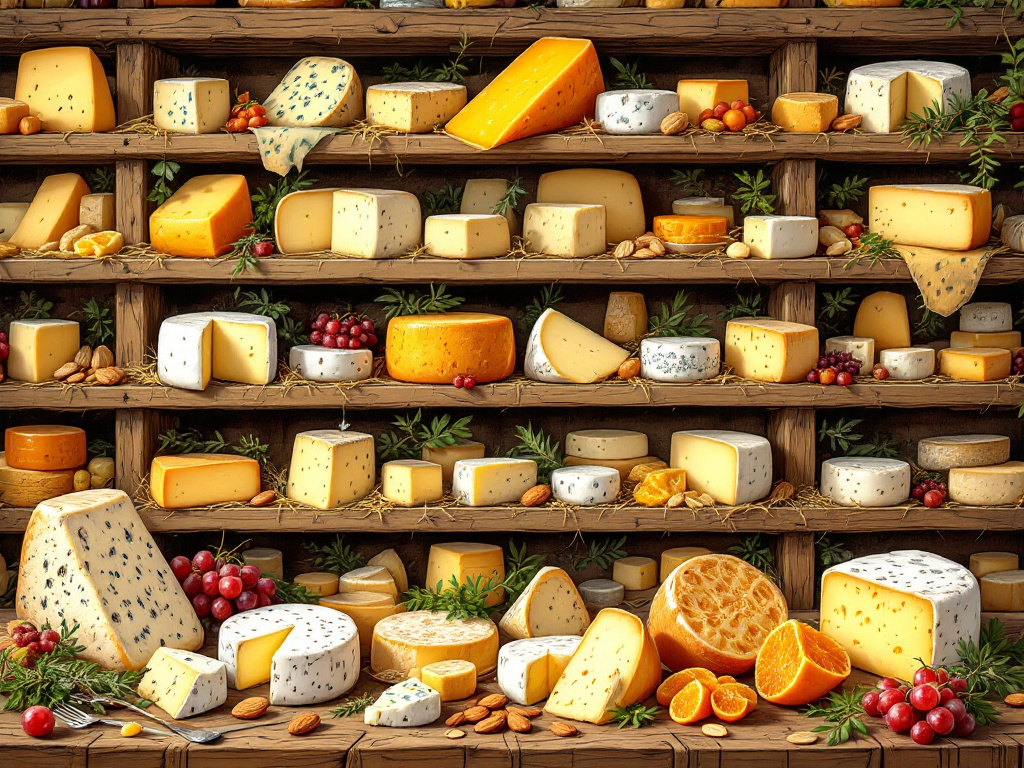
Flavor enhancement techniques for French cheeses, including aging environments, herbs and spices, and complementary food pairings like fruits and nuts.
Hints and Tips:
- Regular maintenance during cheese aging is essential for flavor enhancement.
- Turning and brushing the cheese can prevent unwanted molds while promoting an even aging process.
- This attention to detail ensures that the cheese matures beautifully, allowing its unique flavors to shine through.
- By mastering these various techniques for flavor enhancement, cheese enthusiasts can truly appreciate the art of French cheese preservation methods.
Common Mistakes to Avoid
When diving into the world of French cheese preservation methods, there are some common mistakes that can compromise the quality and flavor of your favorite cheeses. One of the biggest missteps is improper temperature control. Many enthusiasts tend to store cheese in the refrigerator without considering that some cheeses thrive better at slightly warmer temperatures. A consistent cool environment, ideally around 50-55°F (10-13°C), allows the flavors to develop more fully. Always check the specific needs of each type of cheese to ensure optimal preservation.
Another mistake is using the wrong type of wrapping. Many people default to plastic wrap, which can suffocate cheeses and alter their taste. Instead, opt for breathable materials like parchment paper or specialized cheese paper. These materials help maintain the moisture balance while allowing the cheese to breathe. By using the right wrapping, you can better protect the nuanced flavors of various French cheeses and extend their shelf life.
It’s also a common error to overlook the importance of hygiene. Always use clean utensils when handling cheese and avoid cross-contamination with other foods. This is particularly important when dealing with soft cheeses, which can harbor bacteria more easily. Practicing good hygiene ensures that your cheeses remain safe to eat and preserve their intended flavors during storage. Following these simple yet effective cautionary measures will significantly enhance your understanding and application of French cheese preservation methods.
Funny Story Time!
Alright, let me tell you a story. Once, I had a mate who thought he could store his precious Roquefort in the same drawer as his Camembert. Bloody idiot! The next day, his Camembert tasted like it had been on a wild night out with the Roquefort. Lesson learned: always keep your blue cheeses separate, or you'll end up with a funky surprise!
Conclusion
So there you have it! Mastering French cheese preservation methods is all about understanding the unique needs of each variety. From soft and creamy to hard and robust, each cheese deserves the right care to shine. By following these tips and techniques, you'll ensure that your French cheeses remain fresh, flavorful, and ready to impress. Now go on, get preserving, and enjoy the bloody masterpiece that is French cheese!
for those of you who want to know more, here are 5 links from trustworthy sources related to French cheese preservation techniques:
-
ScienceDirect - Sustainable preservation of cheese: This article discusses advanced technologies and natural additives for sustainable cheese preservation, focusing on maintaining nutritional and sensory attributes while ensuring microbial safety1.
-
Androuet - Cheese's guide and preservation techniques: This resource provides insights into the history and manufacturing of French cheeses, along with advice on tasting and preservation techniques. It emphasizes the importance of preserving the cultural legacy of French cheeses2.
-
Wikipedia - List of French cheeses: This page offers a comprehensive list of French cheeses, detailing their classifications and protections under French law, such as Appellation d'origine contrôlée (AOC) and Protected Designation of Origin (PDO)3.
-
PMC - Preservation of Hard and Semi-Hard Cheeses: This review explores various preservation techniques for hard and semi-hard cheeses, including freezing, the use of natural antimicrobial agents like nisin, and non-thermal preservation methods to maintain quality and safety4.
-
SciAlert - Extension Shelf Life of Cheese: This review focuses on techniques to extend the shelf life of cheese, such as the addition of preservatives, modified atmosphere packaging (MAP), high-pressure processing, and active coatings5.
Product List
- French Brie Cheese 2 Pound Wheel
- Authentic Parmigiano Reggiano Cheese DOP 2 lb
- Goat Cheese Crumbles 6 Ounce 365 Foods
- Gourmet Smoked Gouda Spreadable Cheese 8oz
- Danish Blue Cheese 6 lb Wheel or 3 lb
- Chunky Blue Cheese Salad Dressing 15 Fl Oz
- Kraft Chunky Blue Cheese Salad Dressing 16 Oz
- Farmers Market Vintage Sharp Cheddar Cheese Block 3 Pack
- Palacios Authentic Mild Chorizo 7.9 Ounces
- Old Wisconsin Natural Beef Sausage Sticks 26 Oz