Key Takeaways
- Coeur d'Arras is a heart-shaped washed-rind cheese deeply rooted in Northern France’s medieval traditions.
- Its unique shape symbolizes romance and community pride, celebrated during festivals like the "Festival of Hearts" in Arras.
- Made from raw milk of flaxseed-fed cows, the cheese is aged precisely with 28 washes to develop its luscious orange rind and creamy interior.
- The cheese offers a bold, creamy taste balanced with subtle sweetness, making it perfect for pairing with local wines, beers, and Northern French delicacies.
- Production is limited and artisanal, preserving heritage techniques and supporting small family farms in Northern France.
Table of Contents
- The Story Behind Coeur d'Arras: A Northern French Tradition
- The Art of Crafting Coeur d'Arras: A Labor of Love
- Tasting Notes: What Makes Coeur d'Arras Unique?
- Is Coeur d'Arras Good for You? Nutritional Benefits
- Finding Authentic Coeur d'Arras: Where to Buy
- Chefs’ Favorite Ways to Enjoy Coeur d'Arras
- Keeping Coeur d'Arras Fresh: Storage and Serving Tips
- Coeur d'Arras Etiquette: What to Do (and Avoid)
- A Normandy Romance: Discovering Cœur de Neufchâtel
- Coeur d'Arras by the Numbers
- French Cheese Industry Insights
- Nutritional Profile: Coeur d'Arras (Per 100g)
- Conclusion
- Frequently Asked Questions
- Explore More Resources
Discover Northern France's edible love story
Imagine sinking your teeth into a tender cheese shaped like a heart — a symbol of love and local pride from Northern France! Coeur d'Arras isn’t just visually captivating; its rich history and bold flavor profile make it a must-try for cheese lovers worldwide. Discover the craftsman’s labor behind this creamy delicacy and why it holds a special place in France’s cheese heritage. Plus, get insights on pairings, nutritional benefits, and authentic sourcing that will enrich your next gourmet adventure. Ready to fall in love with a truly unique French cheese? Let’s dive in! 💙🧀
The Story Behind Coeur d'Arras: A Northern French Tradition
Origins in Northern France’s Dairy Heritage
Northern France has long been a heartland for cheese artisanship, and Coeur d’Arras embodies this tradition beautifully. Emerging from the lush pasturelands around Arras, this cheese is closely linked with the famous Maroilles family — washed-rind cheeses historically crafted by monks in abbeys centuries ago. Its production remains a labor of love, preserving the region’s rich agricultural and cultural heritage.
 The heart shape is not merely decorative; legend ties it to a poignant medieval love story between a cheesemaker and a noble’s daughter. Over time, Coeur d’Arras became a symbol of local pride and romance. Even during wartime, this cheese was a covert hero — Resistance fighters hid secret messages inside hollowed wheels due to its sturdy rind. This fascinating history turns each bite into a delicious narrative of bravery, love, and traditions that continue today.
$61.90
4.69 out of 5 stars
Comté Fort St. Antoine French Cheese - 1 lb
Enjoy the rich, nutty flavor of this authentic French cheese that's perfect for snacking or adding to your favorite dishes
Product information
Product Review Score
Product links
Cultural Impact and Local Celebrations
Coeur d’Arras is at the heart of Northern France’s community and festivities. In Arras, the annual Festival of Hearts on Valentine’s Day celebrates this symbol of love uniquely — couples exchange Coeur d’Arras cheeses instead of chocolates! Couples often compare it to the way Brie is exchanged in other parts of France, highlighting local pride.
Autumn harvest celebrations such as the Fête du Fromage Fort in nearby Cambrai also showcase this cheese, alongside traditional music, tastings, and artisan fairs.
These festivals keep alive the cheese’s legendary romantic aura and foster lasting community links. Whether shared among friends or gifted to loved ones, Coeur d’Arras remains a delicious emblem of Northern France's soul and artisanal pride — an edible storybook that blends history, culture, and passion.
The Art of Crafting Coeur d'Arras: A Labor of Love
From Farm to Heart-Shaped Mold
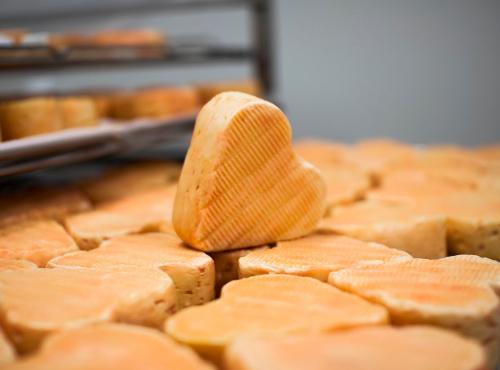
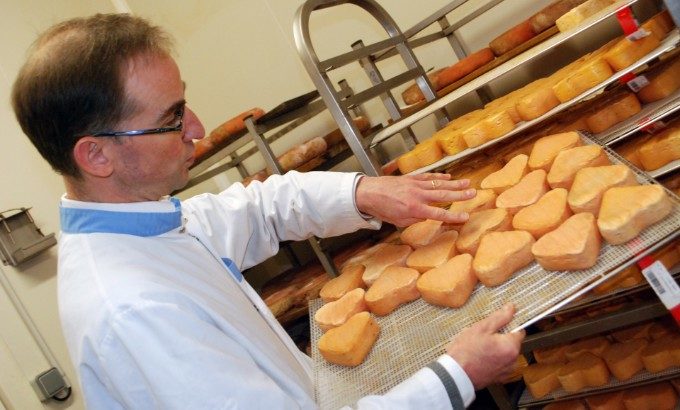
Crafting Coeur d’Arras is a wonderful blend of tradition, skill, and patience. It starts with fresh, raw milk from cows nourished on a unique diet of flaxseed and lush northern grasses, enriching the milk with depth and creaminess. This carefully selected milk is gently curdled then poured by hand into millennia-old heart-shaped molds, crafted from century-old beechwood. Remarkably, some families in Avesnes-sur-Helpe have been using the same molds since 1890, believing the wood transfers warmth and character to the cheese.
The curds settle within these molds and undergo salting before entering the aging phase. This artisanal approach is crucial; machines cannot substitute the delicate human touch necessary to ensure the perfect rind and creamy texture. The cheese is aged for 3 to 4 weeks in humid cellars where it is carefully washed and turned daily to develop the signature orange rind and the complex layers of flavor beneath.
4.1 out of 5 stars
Chatelain Creamy Camembert Cheese, 8 oz
Experience the rich and buttery flavor of this deliciously smooth Camembert cheese that’s perfect for any cheese board or snack time
Product information
Product Review Score
Product links
The Stories Behind the Techniques
The washing ritual is an art in itself. Daily hand-washing using brine (and occasionally apple cider from a fortunate mistake in the 1920s) encourages the growth of Brevibacterium linens, the bacteria that create its beloved aroma and vivid rind color. This bacterial bloom is essential to the cheese’s bold character.
Cheese-making regulations — especially concerning raw milk — affect its availability, particularly in the US market where FDA restrictions apply. Yet, maintaining traditional methods ensures Coeur d’Arras honors its heritage and stays true to its original purity and taste. To gain a deeper understanding, see the traditional techniques.
Tasting Notes: What Makes Coeur d'Arras Unique?
A Symphony of Bold and Creamy Flavors
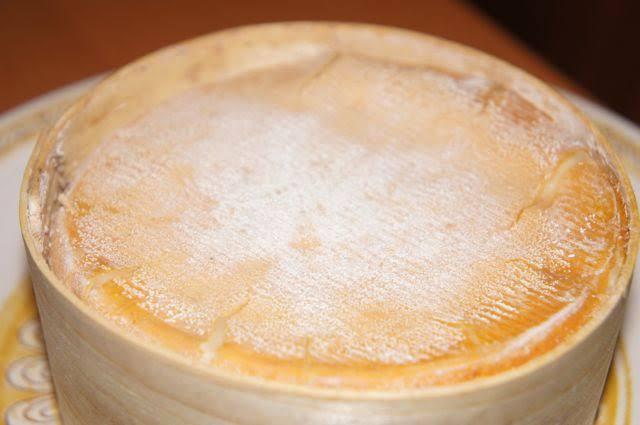
Prepare for your palate to be delighted by Coeur d’Arras! It greets you first with a powerful, pungent aroma, reminiscent of forest floors and rustic cellars, immediately followed by a surprisingly sweet, creamy flavor that lingers on the tongue. Its texture offers a smooth, melt-in-your-mouth richesse, balanced perfectly by the rustic firmness of its orange rind.
When stacked against other beloved French cheeses like Brie or Camembert, Coeur d’Arras wears its boldness with pride. Close cousins like Maroilles and Rollot share the earthy vibe but lack the signature light sweetness that sets this cheese apart. This complexity makes it ideal for adventurous and traditional cheese lovers alike.
4.95 out of 5 stars
Imported French Triple Cream Brie, 6.5 oz
Indulge in the rich, buttery flavor of this luxurious cheese that's perfect for your next cheese board or a special treat
Product information
Product Review Score
Product links
Pairing Like a Pro
Elevate your tasting experience with thoughtful pairings: sip on full-bodied Burgundy red wines or distinctive Northern French beers like Bière de Garde 🍷 — both cut through the cheese’s richness perfectly. For food companions, crusty baguettes, crisp tart apples, or sweet figs provide perfect balance.
A fun and tasty trick: pair Coeur d’Arras with chicory jam to introduce a bitter-sweet contrast, echoing its Northern French roots. Historically, Marie Antoinette was said to enjoy slices draped on lavender honey wafers — a regal indulgence! Feeling bolder? Shave some over roasted beet salad, and watch your taste buds dance in delight.
Discover pairing ideas with the artisan cheese pairing guide.
Is Coeur d'Arras Good for You? Nutritional Benefits of This French Cheese
Nutrition Powerhouse in a Petite Package
This artisanal cheese doesn’t only taste amazing; it’s packed with essential nutrients that support health. Each serving provides a significant dose of high-quality protein, excellent for muscle repair and growth. It also offers abundant calcium, crucial for strong bones and teeth — a staple nutrient in French diets.
Thanks to the raw milk used in its crafting, Coeur d’Arras delivers valuable probiotics. These friendly bacteria promote gut health, aid digestion, and might even help reduce inflammation. Modern wellness studies echo ancient wisdom: medieval monks prescribed this cheese as a "strength tonic" for knights recovering from battle. However, enjoy it mindfully due to its naturally high fat content.
4.62 out of 5 stars
Laura Chenel Goat Brie Cheese, 5 oz
Creamy and rich goat brie that adds a delicious touch to any cheese board or recipe
Product information
Product Review Score
Product links
Balancing Benefits and Taste
The cows’ diet of grass and flaxseed increases omega-3 fatty acids in the milk, adding heart-friendly qualities to this indulgence. A balanced diet and mindful portioning keep the joy without excess. One note to consider: highly acidic foods can interfere with the probiotic benefits, so pairing is more than just taste — it’s about health harmony as well.
This nutritional synergy makes Coeur d’Arras a smart choice for those who want to enjoy gourmet flavors without compromising wellbeing — an impressive feat for a cheese with such a rich and rustic flavor profile.
Finding Authentic Coeur d'Arras: Where to Buy This Heart-Shaped Cheese
Local Treasures in Northern France
If you’re lucky enough to visit Northern France, the best place to hunt for authentic Coeur d’Arras is in Arras itself, or family-run dairy farms such as Christine Dufour’s estate in Sus-Saint-Léger. These producers maintain the artisanal integrity that defines this cheese.
Pay close attention to identifying markers of authenticity: a vibrant orange rind, a firm, distinct heart shape, and labels mentioning the Avesnes-sur-Helpe origin. Many farms even offer “cheese passports,” detailing seasonal variations in the cows’ diets (like spring clover or late autumn hay), giving consumers a deeper connection to the terroir.
Global Access and Online Options
For international cheese lovers, online specialty shops and authentic French charcuterie retailers like Deli Food Shop and igourmet.com are excellent sources for purchasing Coeur d’Arras.
Be mindful of import restrictions in countries like the United States, where FDA rules limit some raw milk cheeses’ availability. Always check for FDA guidance such as Alert #7 for the most up-to-date import policies.
$49.95
$45.99
4.58 out of 5 stars
French Brie Cheese - 2 Pound Wheel
Indulge in the rich and creamy texture of our artisan French Brie, perfect for your cheese board or gourmet recipes
Product information
Product Review Score
Product links
Chefs’ Favorite Ways to Enjoy Coeur d'Arras
Classic and Creative Preparations
Top chefs prize Coeur d’Arras for its remarkable versatility. It melts with sublime silkiness over potato gratins or into flaky tarts, lending dishes a warm, indulgent richness. Slices paired with honey and crunchy walnuts add a textured and sweet contrast on charcuterie boards.
Baking the cheese enveloped in puff pastry elevates it to a spectacularly show-stopping dish known as coeur en croûte, perfect for impressing guests. Its boldness holds its own amidst intense flavors, earning it a coveted place in both traditional and modern kitchens.
Innovative Pairings and Events
Northern French beers like Bière de Garde offer a surprisingly delightful cleansing contrast to its creamy weight. For a theatrical touch, chefs craft snacks like Le Cœur Foncé — melted Coeur d’Arras nestled inside hollowed bread rounds, a true Parisian bistro secret.
Chefs even incorporate Coeur d’Arras into festival recipes, such as Idaho’s 2025 Mac & Cheese Festival where it won "Most Inventive Use" for bacon-infused creations blending artisan tradition with modern flair. Its mix of heritage and innovation guarantees it a place on any festive menu.
Keeping Coeur d'Arras Fresh: Storage and Serving Tips
Proper Storage for Peak Freshness
Handle your Coeur d’Arras with care to preserve its delicate flavors and texture. Always store it in the refrigerator wrapped in parchment paper—never in plastic, which can trap moisture and suffocate the rind. Consume within one week of opening for the best taste experience.
Traditional French techniques sometimes involve aging wheels buried in hay for an earthy nuance. While more niche, this method reflects the deep connection between cheese and environment, inspiring at-home enthusiasts to experiment carefully. If trying this, ensure proper hygiene to avoid spoilage. For more on French cheese preservation techniques, explore related resources.
Serving to Impress
Always serve Coeur d’Arras at room temperature to unlock its full buttery magic — chill dulls its flavor and texture. To showcase pride in this heart-shaped treasure, slice into wedges revealing the creamy interior and rustic rind contrast.
Pair it simply with mild crackers, pears, or fresh fruits that enhance but don’t overpower its unique taste. Avoid heavy spicy or vinegar-based accompaniments that mask its subtle sweetness. Sharing the “heart tip” slice with a companion is a charming tradition in Arras — a gesture bursting with affection and culinary joy!
Coeur d'Arras Etiquette: What to Do (and Avoid)
- ✅ DO slice the cheese into wedges that highlight the beautiful heart shape for a lovely presentation.
- ✅ DO serve with mild crackers, fresh pears, or simple accouterments to complement the cheese's distinct flavors.
- ❌ DON’T overpower Coeur d’Arras with spicy chutneys or vinegar-heavy dishes, which can detract from its delicate profile.
Bonus: In Arras, it’s customary and sweet to share the “heart tip” slice with your dining companion — a simple yet meaningful symbol of affection that makes eating this cheese even more special. 💙
A Normandy Romance: Discovering Cœur de Neufchâtel
Historic Heart-Shaped Cousin
While exploring France’s heart-shaped cheeses, it’s impossible to overlook Cœur de Neufchâtel, a charming and crumbly cheese from Normandy with a history dating back to the 6th century. According to legend, medieval maidens crafted these heart-shaped cheeses as love tokens during the turbulent Hundred Years’ War — a delicious act of rebellion and affection amid conflict.
Made from fresh Normandy cow’s milk, this cheese boasts a distinctive crumbly texture and earthy flavors, less creamy but equally nostalgic as Coeur d’Arras. The heart shape symbolized more than love — it was a commitment pledge, sometimes even stamped with initials by engaged couples.
Craftsmanship and Pairings
The making of Cœur de Neufchâtel is an artisanal blend of age-old science and passion. Curds form as if by magic when rennet meets fresh milk, then age into a delicate bloom rind. Several families still use 19th-century wooden molds—highlighting the importance of heritage in flavor depth.
Perfect pairings tailor to the cheese’s lightly firm texture: figs and honey for romantic evenings, crusty bread and prosciutto for gatherings, and cheese boards adorned with nuts and flowers for festive celebrations. To explore more, see its guide to Neufchâtel and its AOC classification.
Must-Try Cœur de Neufchâtel Recipes
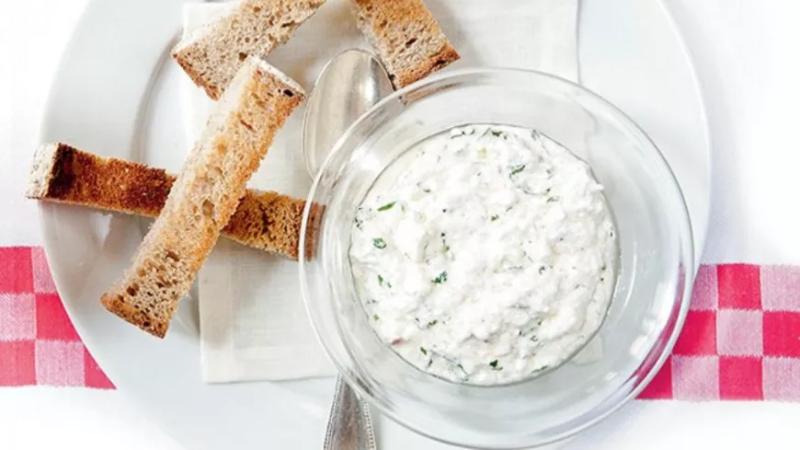
- Herb Spread: Chopped chives blended with Neufchâtel make a fresh, creamy spread for crusty baguette slices.
- Baked with Honey: Slices drizzled with honey and gently baked until gooey, the perfect sweet-savory starter.
- Stuffed Peppers: Mix Neufchâtel with quinoa and veggies for a hearty, colorful filling with a mellow creamy finish.
Coeur d'Arras by the Numbers
| Fact | Detail |
|---|---|
| Production Season | October–April |
| Weight | 180g ±10g |
| Maturation | 4 weeks (28 washes) |
| Flavor Intensity | 8/10 (vs. Brie’s 5/10) |
Artisanal constraints shape these stats: limited production from autumn to spring ensures cows graze on nutrient-rich pastures, directly influencing the cheese’s rich 45% fat content. The 28 washes — twice daily — cultivate Brevibacterium linens, which creates its iconic rind and funky aroma. The relatively small 180g size optimizes brine penetration and aging time, distinguishing it from larger Maroilles wheels.
 The cheese’s bolder flavor profile over creamier varieties like Camembert is well-documented through blind tastings. Its medieval-friendly maturation speed made it suitable for monastery feasts, and today Coeur d’Arras continues to impress chefs and cheese enthusiasts alike.
French Cheese Industry Insights
| Metric | Value |
|---|---|
| Annual Production | 1.9 million tonnes |
| Exports | €4.5 billion/year |
| Protected Cheeses (AOC/AOP) | 56 varieties |
| Washed-Rind Share | 18% of total output |
France’s cheese supremacy is built on diversity and terroir storytelling. Its 56 AOC cheeses attract premium attention worldwide, and washed-rind varieties like Coeur d’Arras form an important niche, representing nearly one-fifth of production. Export strategies balance raw and pasteurized versions to satisfy international regulations, though purists often prefer the complexity of raw milk products.
Limited artisanal production, with only about 22 farms making authentic Coeur d’Arras, contrasts sharply with mass-produced cheeses like Brie. This scarcity amplifies its allure and helps sustain rural economies. Notably, its Norman cousin Neufchâtel saw a tourism boom after AOC certification, demonstrating the power of heritage branding.
Nutritional Profile: Coeur d'Arras (Per 100g)
| Nutrient | Amount |
|---|---|
| Calories | 310 kcal |
| Protein | 18g |
| Fat | 27g |
| Calcium | 690 mg |
| Probiotics | Present (live cultures from raw milk) |
With 310 calories per 100 grams, mostly from fat and high-quality protein, Coeur d’Arras is a nutrient-dense cheese that deserves moderation but also admiration for its health contributions such as calcium and probiotics.
Conclusion
Coeur d’Arras is much more than just a cheese — it is a rich tapestry of Northern France's history, culture, and culinary expertise. Its signature heart shape captures the romance woven into its origins, while its bold flavor and creamy texture showcase the artisan craftsmanship that has been perfected for centuries.
From its unique production process involving ancient molds to its celebrated status in festivals and fine dining, Coeur d’Arras delivers an immersive experience for cheese lovers and newcomers alike. Its nutritional benefits and pairing versatility add to the cheese’s appeal, making every bite a celebration of tradition and flavor.
Whether you're exploring French cheeses for the first time or seeking your next gourmet delight, Coeur d’Arras promises an unforgettable journey. Start your adventure today and discover the full range of exquisite French cheeses available at Deli Food Shop's French Cheese collection. Your palate—and heart—will thank you!
Frequently Asked Questions
1. What exactly makes Coeur d’Arras different from other French cheeses?
Coeur d’Arras stands out due to its distinctive heart shape, rich history tied to Northern France, and its bold yet creamy flavor profile. Unlike many cheeses, it’s made with raw milk from cows fed on flaxseed and grass and is washed and aged meticulously to develop its unique rind. This combination of traditional craftsmanship and terroir makes it truly special.
2. How should I store Coeur d’Arras after opening?
Store your Coeur d’Arras wrapped in parchment paper and placed in the refrigerator to maintain its breathability and prevent moisture buildup. Avoid using plastic wrap. Consume the cheese within one week of opening for optimal freshness and taste.
3. Can I find Coeur d’Arras outside France?
Yes, you can find Coeur d’Arras internationally, primarily through specialty online retailers such as authentic French charcuterie retailers and igourmet.com. However, import restrictions, especially in the U.S., may limit availability—check the latest FDA regulations.
4. What are some good wine or beverage pairings?
Pair Coeur d’Arras with full-bodied Burgundy reds or local Northern French beers like Bière de Garde. These beverages balance the cheese’s richness well. For non-alcoholic options, try sparkling water or lightly tart apple cider to complement its creamy palate.
5. Is Coeur d’Arras suitable for people new to strong cheeses?
Absolutely! While Coeur d’Arras has a bold aroma, its flavor has a surprising sweet creaminess that appeals to a wide range of palates, from cheese novices to connoisseurs. Starting with small portions paired with mild crackers or fruit can help ease into its complexity.
6. What’s the best way to serve Coeur d’Arras?
Serve Coeur d’Arras at room temperature to fully unlock its buttery texture and rich aroma. Slice it into wedges to reveal the heart shape and pair with crusty bread, fresh fruit, or mild crackers. Avoid overpowering accompaniments like spicy chutneys to appreciate its delicate notes.
7. Is Coeur d’Arras a raw milk cheese? Are there health risks?
Yes, Coeur d’Arras is traditionally made from raw milk, which contributes to its complex flavor and probiotic benefits. Raw milk cheeses are safe for most people but should be avoided by pregnant women, young children, or individuals with compromised immune systems. Always source from trusted producers to minimize risks.
Explore More About French Cheese and Culture
- Fromages.com — The authoritative site devoted to French cheese terroirs, with detailed profiles and pairing suggestions to deepen your appreciation of France’s dairy diversity.
- International Dairy Foods Association — Insights into global cheese standards and regulations, including raw milk policies that affect cheeses like Coeur d’Arras.
- Institut National de l'Origine et de la Qualité (INAO) — The official French body overseeing AOC/AOP cheese certifications, ensuring authenticity and quality.
- Culture Cheese Magazine — A respected source for interviews with artisans and cheese experts that highlight traditions and innovations in French cheesemaking.
- Cheesemaking.com — An educational resource for cheese lovers keen to learn the craft and science behind cheeses like Coeur d’Arras.