Key Takeaways
- Cervelle de Canut is a fresh, herby cheese spread originating from 19th-century Lyon silk workers.
- The name means "silk worker’s brains," reflecting its soft texture and cultural roots.
- Made traditionally from fromage blanc with fresh herbs, shallots, vinegar, and olive oil, it offers a unique tangy, creamy flavor.
- This cheese pairs perfectly with crisp white wines and crusty bread, celebrated during Lyon’s famous festivals.
- Cervelle de Canut combines culinary history with health benefits, making it beloved by both locals and gastronomes worldwide.
Table of Contents
- The Story Behind Lyon's Famous "Silk Worker's Brains"
- From Humble Beginnings to Culinary Stardom
- How Authentic Cervelle de Canut is Made
- A Flavor Explosion: What Makes This Cheese Unique
- Nutritional Benefits: Healthy and Delicious
- Where to Find Authentic Cervelle de Canut
- Storing and Serving Like a Lyonnais
- What the Chefs Say
- Do's and Don'ts for the Best Experience
- How Cervelle de Canut Stacks Up Against Other French Fresh Cheeses
- Why This Cheese Belongs on Your Table
- French Cheese FAQs
- Helpful Resources & Authority Websites
Discover the rich history and unique flavors of Lyon’s beloved fresh cheese, an elegant yet humble delight that has shaped local culture for centuries.
Imagine a fresh cheese that’s both a culinary delight and a cultural icon, crafted from simple ingredients yet packed with vibrant flavors. Cervelle de Canut isn’t just another cheese—it's a story of resilience, tradition, and the Lyonnais spirit. From modest silk worker origins to fine-dining menus, this creamy, herb-infused fresh cheese captivates palates and hearts alike. Whether enjoyed on crusty bread or paired with crisp wines, discovering Cervelle de Canut is like tasting a slice of Lyon history. Ready to dive into this cheesy journey? Let’s explore its fascinating world.
The Story Behind Lyon's Famous "Silk Worker's Brains"
 Origins of the Name and Culture
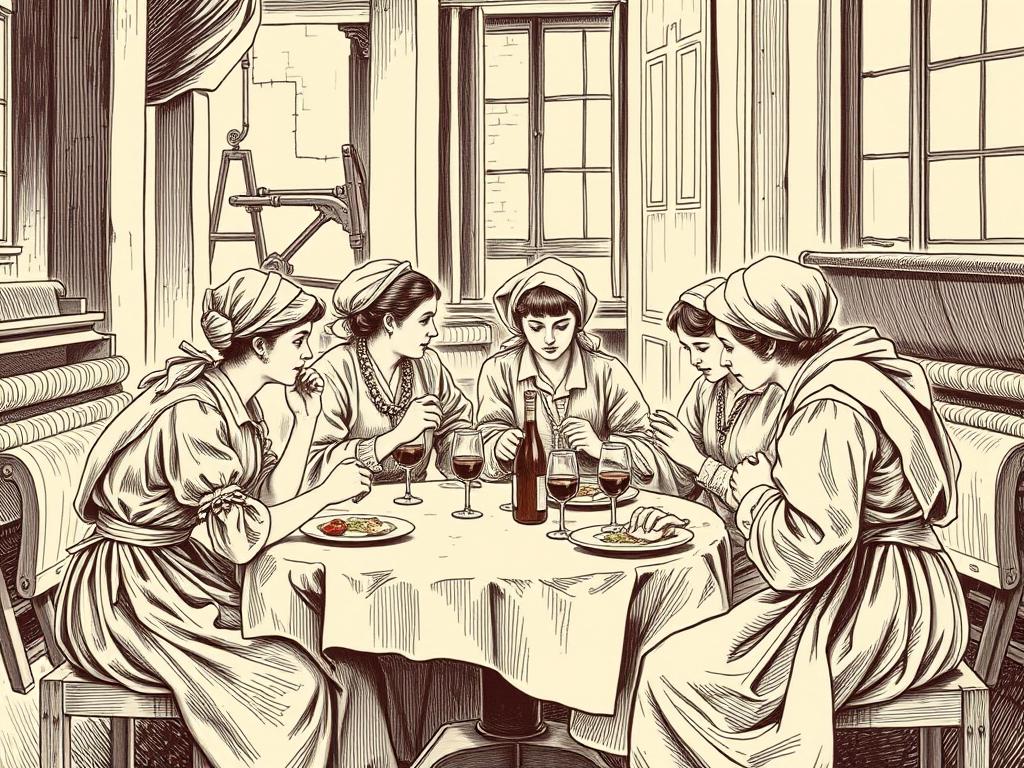
Nestled in the heart of Lyon, the term "Cervelle de Canut" translates literally to "silk worker’s brains," a quirky name that beautifully intertwines texture and history. The silk workers, or canuts, were the backbone of Lyon’s thriving textile industry in the 19th century. Their tough working conditions and low wages meant they needed an affordable, nutritious snack. Thus, this fresh cheese spread—with its soft, creamy consistency—earned this memorable moniker, initially ridiculed by the wealthy, but embraced by the local working community.
This ironic nickname, once a slight, now stands proud as a symbol of Lyon’s rich heritage. The cheese captures the essence of the city’s working-class pride and culinary ingenuity. Long before it became a delicacy adored by food lovers, Cervelle de Canut was sustenance, comfort, and silent rebellion rolled into one.
Cervelle de Canut in Lyon’s Social Fabric
The story deepens when we look at the social context of Lyon during the silk industry’s heyday. Canuts endured grueling workdays in cramped workshops, bonded by camaraderie and the need to support one another. Their creation and consumption of Cervelle de Canut was part practical, part cultural—a way to share nourishment that was both affordable and flavorful. Anecdotes even tell us that during the 1834 Canut Revolt, protest notes were hidden within cheese deliveries, turning this humble delicacy into an instrument of resistance. The [Tribune de Lyon](https://tribunedelyon.fr/patrimoine/parlons-lyonnais-cervelle-de-canut/) details this fascinating facet of edible activism.
Thus, this soft cheese embodies much more than taste—it is a window into the identity and perseverance of Lyon’s silk workers. Today, the cheese is a beloved emblem of Lyonnais culture, celebrated in homes, restaurants, and vibrant festivals.
$61.90
4.69 out of 5 stars
Comté Fort St. Antoine French Cheese - 1 lb
Enjoy the rich, nutty flavor of this authentic French cheese that's perfect for snacking or adding to your favorite dishes
Product information
Product Review Score
Product links
From Humble Beginnings to Culinary Stardom
The Evolution of a Simple Snack
While Cervelle de Canut started as a practical snack for hardworking silk workers, it underwent a remarkable transformation during the early 20th century. By the 1930s, Lyon’s acclaimed chef Paul Lacombe refined the recipe, adding shallots, vinegar, and olive oil to enhance both flavor and sophistication. This elevation moved the cheese from humble lunches to elegant bistro menus, forever changing its culinary status. Its fresh, vibrant profile made it an instant hit, captivating locals and tourists alike in Lyon’s gastronomic scene.
Today, Cervelle de Canut continues to bridge history and haute cuisine. It is a staple in Lyon’s traditional bouchons and cheese shops, where the past blends seamlessly with innovation. The annual Fête des Lumières festival offers a perfect backdrop, as crowds enjoy this fresh, delicious cheese alongside the city’s breathtaking light displays.
Modern Popularity and Cultural Significance
Beyond its rich flavor, Cervelle de Canut is a cultural ambassador for Lyon. This spread represents resilience, community spirit, and culinary creativity. In the bustling markets such as Les Halles de Paul Bocuse, the cheese is sold with pride, often accompanied by tales from local artisans about its origins. For tourists and food lovers, tasting Cervelle de Canut is a rite of passage, a way to connect with Lyon’s soulful past while enjoying a fresh treat.
Moreover, the cheese’s appeal transcends borders. From online specialty shops across the USA and Europe to gourmet tables worldwide, Cervelle de Canut stands as an icon of French culinary heritage. This enduring popularity testifies to its balance of simplicity and indulgence, making it a timeless delight.
4.95 out of 5 stars
Imported French Triple Cream Brie, 6.5 oz
Indulge in the rich, buttery flavor of this luxurious cheese that's perfect for your next cheese board or a special treat
Product information
Product Review Score
Product links
How Authentic Cervelle de Canut is Made
Ingredients and Traditional Techniques
At its core, authentic Cervelle de Canut relies on high-quality, fresh fromage blanc as its base—a creamy, unripened cheese that offers a mild, slightly tangy platform perfect for seasoning. Traditional recipes emphasize fresh herbs such as chives, parsley, and chervil, finely minced shallots, and a hint of garlic to add depth and aroma. Balancing acidity is crucial, so a splash of vinegar or white wine laces the mixture, while good olive oil enriches and smooths the texture. Salt and pepper round out the flavors, creating a harmonious, complex profile despite the recipe’s apparent simplicity.
The preparation method preserves the delicate texture and freshness: ingredients are gently folded rather than aggressively mixed to avoid breaking down the cheese’s light creaminess. This careful technique ensures the final product feels airy and spreadable yet packed with flavor.
Authenticity and Regional Variations
In Lyon’s historic Croix-Rousse district, the birthplace of silk weaving, some cheesemakers maintain artisanal traditions by mixing ingredients with wooden spoons to prevent metallic oxidation, which can alter flavor [Source: Pourdebon]. This attention to detail preserves not only authentic taste but also cultural integrity passed down through generations.
While some modern takes substitute goat cheese for extra tang, connoisseurs favor pure fromage blanc for its creamy neutrality. Minor herb variations occur depending on availability and personal taste, but the essence remains constant: fresh, simple, and vibrantly seasoned. Whether homemade or bought from a specialist in Lyon or abroad, true Cervelle de Canut is unmistakable in its freshness and herbaceous charm.
4.77 out of 5 stars
Vermont Creamery 4 oz Chèvre Log Cheese
Enjoy the creamy, tangy flavor of this delightful goat cheese, perfect for spreading or cooking
Product information
Product Review Score
Product links
A Flavor Explosion: What Makes This Cheese Unique
 Taste Profile and Texture
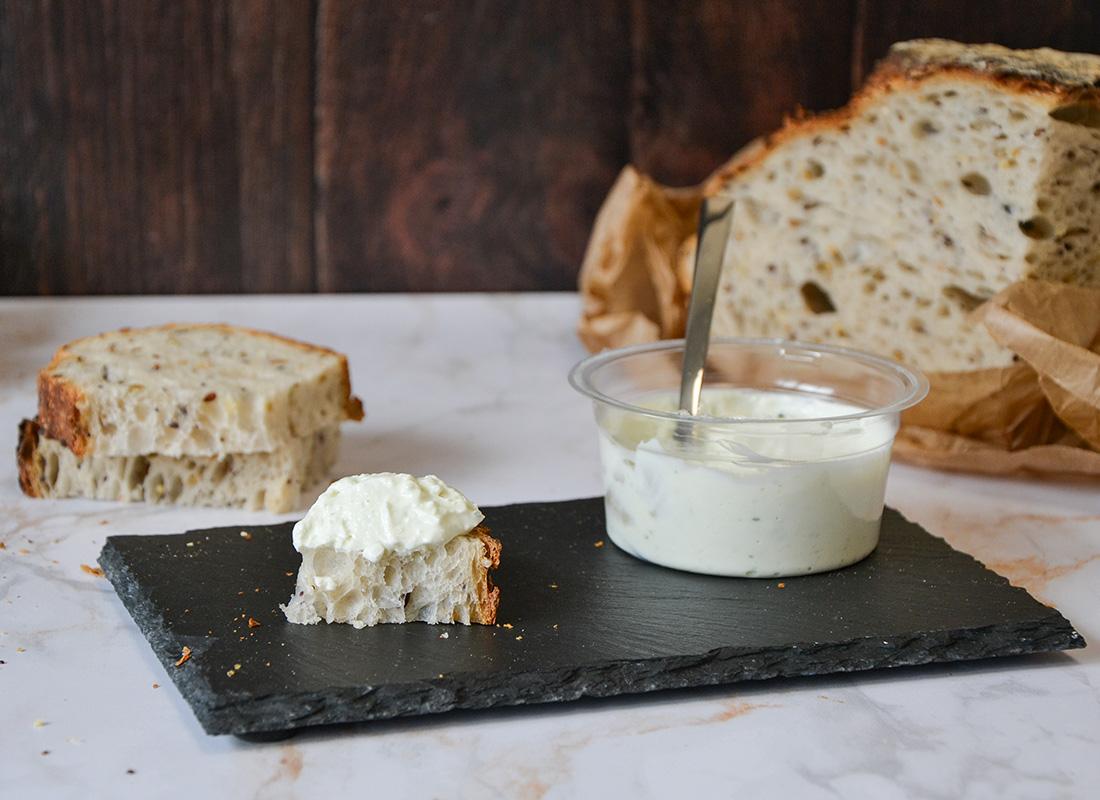
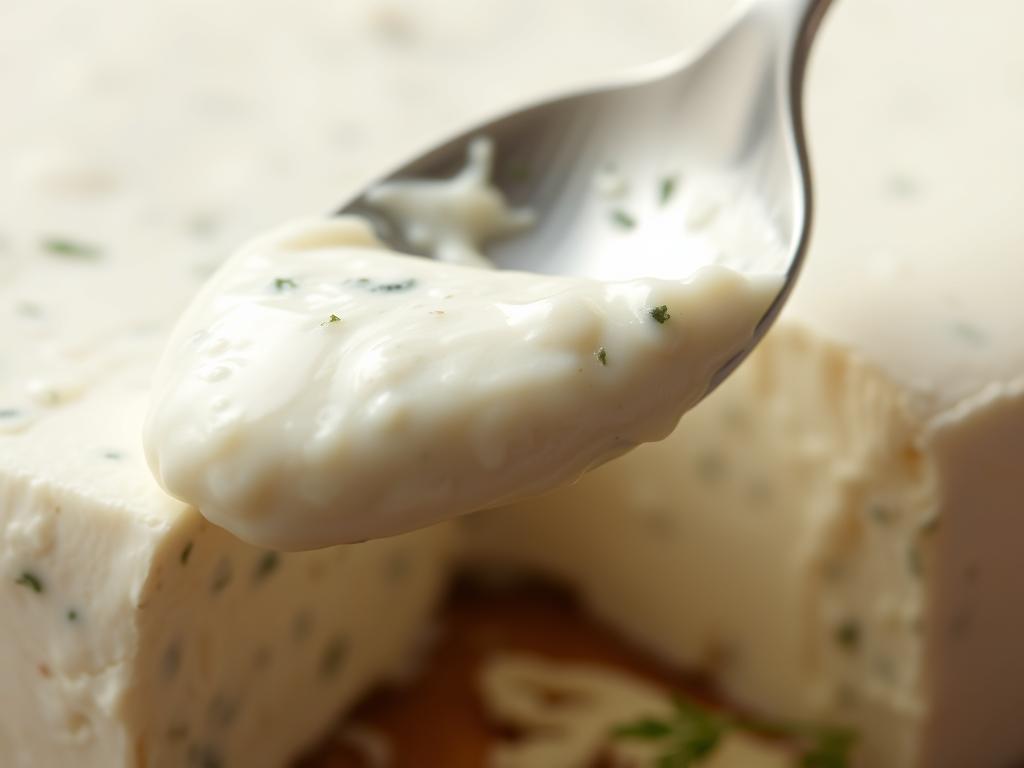
When you take a spoonful of Cervelle de Canut, prepare to be greeted by a bright burst of fresh tanginess from the fromage blanc base. This vibrant acidity plays beautifully with the herbaceous notes of parsley, chervil, and chives, creating a garden-fresh mouthfeel. The shallots and garlic add subtle warmth, making the flavor rounded and well-defined without overpowering the palate.
Texture-wise, it’s incredibly light and spreadable—like clouds whipped into soft cream. This contrasts with richer French cheeses such as Brie or Camembert, which are deeper, earthier, and denser. Cervelle de Canut is a celebration of freshness, lending itself perfectly to those who prefer brighter, lighter cheese experiences. For a deeper look at French cheese varieties, explore our easy guide to French cheese certification and what sets them apart.
Popular Pairings and Serving Suggestions
Lyon locals savor this cheese with a crusty baguette, often paired with fresh radishes for a crisp bite. It also elevates scrambled eggs or roasted potatoes, lending elegant creaminess without heaviness. Common beverage companions include crisp white wines like Beaujolais or Mâcon-Villages, which mirror the cheese’s acidity without overwhelming it.
The city’s charming saying that Cervelle de Canut tastes like “a spring morning in a Lyonnais garden” reflects how traditional producers pick herbs at dawn when their flavors are most intense. This attention to freshness makes each serving a lively and joyous experience—a sensory journey through Lyon’s terroir. For more inspiration on pairing cheeses, see our comprehensive artisan cheese pairing guide.
4.38 out of 5 stars
Isigny Ste Mère Double Cream Brie Cheese, 350g
Indulge in the rich and creamy flavor that transforms any dish into a gourmet experience
Product information
Product Review Score
Product links
Nutritional Benefits: Healthy and Delicious
Healthful Profile of Cervelle de Canut
Cervelle de Canut is more than a treat for your taste buds—it’s a nourishing food packed with protein, calcium, and probiotics that support digestive health. A typical 100g serving provides 8 grams of high-quality protein and 15% of the recommended daily calcium intake. Compared to many aged cheeses, it’s relatively low in fat, with approximately half the amount, making it a lighter option without sacrificing nutrition.
Its easier digestibility makes it suitable for many lactose-sensitive individuals, as the culturing process breaks down much of the lactose. These health advantages help explain why it was a vital energy source for silk workers enduring long, physically demanding shifts. Discover more about making healthy deli food choices that balance nutrition and flavor.
Nutrient Breakdown per 100g
| Nutrient | Amount | % Daily Value |
|---|---|---|
| Calories | 110 | 6% |
| Protein | 8g | 16% |
| Fat | 7g | 9% |
| Carbohydrates | 4g | 1% |
| Calcium | 150mg | 15% |
Source: French National Nutrition Survey
Where to Find Authentic Cervelle de Canut
Finding It in Lyon and France
If you’re visiting Lyon, the best places to discover genuine Cervelle de Canut are the famed markets and specialty creameries. Les Halles de Paul Bocuse remains a top destination, where local vendors pride themselves on offering fresh, authentic cheese. Another highly regarded producer is La Mère Richard, a creamery steeped in Lyonnais tradition that maintains culinary authenticity in every batch.
Sampling the cheese in these settings not only guarantees quality but also offers a chance to engage with passionate local producers and vendors who love sharing stories and serving tasting tips.
International Options and Ordering Tips
Outside of France, Cervelle de Canut is available through select specialty retailers like Zingerman's in the USA and Fromagex in Europe. Online ordering has made the cheese accessible to a wider audience, but buyers should be wary of imitations. Genuine Cervelle de Canut uses fromage blanc and has visible flecks of fresh herbs, unlike cream cheese substitutes which have a bland taste and texture.
For those keen to recreate this beloved cheese at home, some shops offer DIY kits complete with Lyonnais herbs, providing an easy introduction to authentic flavors. Our guide on buying authentic French products online is invaluable for sourcing genuine ingredients and avoiding fakes.
$49.95
$45.99
4.58 out of 5 stars
French Brie Cheese - 2 Pound Wheel
Indulge in the rich and creamy texture of our artisan French Brie, perfect for your cheese board or gourmet recipes
Product information
Product Review Score
Product links
Storing and Serving Like a Lyonnais
Proper Preservation Techniques
Due to its fresh, delicate nature, Cervelle de Canut requires attentive storage to preserve its texture and flavor. It should be kept in an airtight container and refrigerated, where it will remain fresh for up to five days. Avoid freezing this cheese as the process causes water separation, leading to a watery texture and compromised taste.
Traditionally, Lyonnais collectors used stoneware crocks to store the cheese, believing these vessels kept “the ghosts out and the flavor in!” This old-school tip reflects the deep cultural reverence for Cervelle de Canut’s quality and character. For further advice, see our French cheese preservation techniques.
Tips for Serving at Its Best
Before serving, let Cervelle de Canut sit at cool room temperature to allow its flavors to bloom fully. This elevation in taste and aroma improves the creamy spreadability and maximizes dining enjoyment. Pair it simply with warm, crusty bread or fresh vegetables to highlight its fresh notes.
For an authentic experience, add fresh herbs just before serving to preserve their fragrance. Combining it with the right wine or simple sides can transform a humble cheese spread into a sophisticated appetizer worthy of Lyon’s finest tables.
What the Chefs Say
 Renowned Culinary Endorsements
Lyon’s culinary legends and contemporary chefs alike hail Cervelle de Canut as a “people’s caviar,” a phrase famously coined by Paul Bocuse, one of France’s greatest chefs. This accolade highlights both the cheese’s accessibility and elevated gastronomic appeal. Today’s chefs, including Mathieu Viannay, honor this tradition by incorporating the cheese into sophisticated dishes like stuffed tomatoes and herb-infused fish sauces.
It’s not just about flavor but about communicating Lyonnais simplicity at its finest, converting humble ingredients into culinary masterpieces. Chef Victoria Boller of Alain Ducasse’s Aux Lyonnais describes it as “the essence of Lyonnais simplicity—a dish where humble ingredients transform into elegance.” [Source: Trip Ranger].
Pairing Recommendations from Experts
When it comes to pairing, the delicate acidity of Cervelle de Canut is beautifully complemented by a crisp Loire Valley Sancerre, which cuts through the creaminess without overpowering. Our artisan cheese pairing guide offers more insights from experts, helping you select the perfect accompaniments to impress guests or elevate your own cheese plate.
For chefs and home cooks alike, Cervelle de Canut is a versatile ingredient that shines whether served simply or integrated into creative recipes. Its gentle flavor acts as a blank canvas, inviting culinary innovation while honoring tradition.
Do's and Don'ts for the Best Experience
Do’s for Enjoying Cervelle de Canut
- Spread it on warm, crusty bread to enjoy the best texture and flavor.
- Pair with light, acidic white wines such as Sancerre or Beaujolais for balance.
- Add fresh herbs right before serving to maintain their vibrant aroma.
- Bring it to room temperature before eating to enhance creaminess and flavors.
- Experiment with simple recipes like scrambled eggs or roasted potatoes featuring the cheese.
Don’ts to Preserve Quality
- Don’t oversalt it: the subtle herbaceous notes shine best with gentle seasoning.
- Never microwave Cervelle de Canut: heat ruins its delicate, airy texture.
- Avoid freezing: it destroys the cheese’s consistency and flavor balance.
- Do not pair with red wine: local tradition considers it disrespectful to the memory of the silk workers.
These simple guidelines ensure that every bite is as enjoyable and authentic as possible, honoring this unique Lyonnais specialty.
How Cervelle de Canut Stacks Up Against Other French Fresh Cheeses
Comparative Texture and Flavor Profiles
Cervelle de Canut stands out among French fresh cheeses for its light, whipped cream texture and tangy, herbaceous flavor. In comparison, Brousse du Rove offers a custardy, milkier sweetness, and Cabécou brings a fudgy texture with distinctive goaty and nutty notes. Faisselle, meanwhile, is curdier with lemon-like acidity, revealing the broad spectrum of fresh French cheeses. Understanding these subtle differences enriches any cheese lover’s palate and appreciation for regional specialties.
Each variety serves unique culinary purposes: Cervelle de Canut is perfect for spreading and bright appetizers, Brousse du Rove pairs well with fruit desserts, and Cabécou shines on cheese boards and salads. Exploring these fresh cheeses can deepen one’s love for French gastronomy and inspire creative cooking.
Fat Content and Health Considerations
| Cheese | Texture | Flavor Profile | Fat Content |
|---|---|---|---|
| Cervelle de Canut | Whipped cream | Tangy/herbaceous | 7% |
| Brousse du Rove | Custardy | Milky/sweet | 10% |
| Cabécou | Fudgy | Goaty/nutty | 12% |
| Faisselle | Curdy | Lemon-like acidity | 5% |
Why This Cheese Belongs on Your Table
Cervelle de Canut isn’t just food—it’s edible history and a taste of Lyon’s heart. This cheese tells a compelling story of endurance, culture, and culinary art with every creamy bite. From its beginnings as a simple worker’s snack to its place on gourmet plates, the cheese embodies regional pride, freshness, and vibrant flavor that can elevate any meal. It bridges the gap between rustic simplicity and refined gastronomy.
Its bright, tangy flavor profile is perfectly suited to a range of culinary uses, from casual picnics to elegant starter courses. Packed with nutritional benefits and paired effortlessly with fresh herbs and crisp wines, Cervelle de Canut fits seamlessly into both health-conscious and indulgent dining experiences. Adding this cheese to your table introduces a unique texture and taste sensation that your guests will remember.
Whether you are a cheese aficionado or a curious newcomer to French gastronomy, this fresh cheese captures the essence of Lyon and invites you to explore the rich tapestry of traditional French varieties. Ready to discover more and expand your cheese horizons? Visit our curated French Cheese collection for your next delicious adventure.
French Cheese FAQs
1. What makes French cheeses different from others?
- France boasts over 1,200 cheese varieties thanks to its diverse regions, climates, and traditional production techniques. Many cheeses carry Protected Designation of Origin (PDO) certifications that guarantee quality and authenticity. This vast spectrum ranges from soft and creamy Brie to pungent, mold-ripened Roquefort, offering extraordinary flavors and textures unmatched elsewhere.
- 2. How should I store fresh French cheeses?
- Fresh cheeses like Cervelle de Canut should be refrigerated in airtight containers to maintain moisture and prevent spoilage, typically lasting 3-5 days. Avoid freezing, which degrades texture and taste. Hard cheeses, by contrast, can keep for weeks when wrapped properly in wax or cheese paper.
- 3. What's the best way to serve a French cheese board?
- A well-balanced cheese board features an array of textures and flavors—soft (Brie), hard (Comté), blue (Roquefort), and fresh (Cervelle de Canut). Serve cheeses at room temperature with breads, fresh fruits, nuts, and complementary spreads. Include wine or cider pairings to enhance the tasting journey.
- 4. Are French cheeses pasteurized?
- It varies by cheese. Many traditional French cheeses use raw milk, prized for complex flavors, while pasteurized options exist for certain markets and safety regulations. When traveling or purchasing internationally, check labels to meet your preferences and legal requirements.
- 5. What wine pairs best with French cheese?
- Pairings generally match flavor intensity. Light, fresh cheeses align with crisp whites like Sauvignon Blanc or Sancerre, whereas strong blues match well with sweeter wines like Sauternes. Cervelle de Canut’s bright acidity pairs beautifully with dry whites and sparkling wines.
- 6. Can lactose-intolerant people eat French cheese?
- Many aged French cheeses have minimal lactose due to bacterial breakdown during maturation, making them more digestible. Fresh cheeses like fromage blanc contain higher lactose but culturing often reduces it partially. Individuals with sensitivities should try in small amounts or consult healthcare providers.
- 7. What's the most expensive French cheese?
- Exclusive raw milk cheeses, such as aged Comté (matured up to 3 years) or rare seasonal varieties like Vacherin Mont d’Or, command high prices due to limited production and unique qualities. These cheeses reflect artisanal care, long maturation, and exceptional taste profiles.