
Discover the health benefits of quality deli foods. Explore our selection of nutritious and delicious options to enhance your meals and wellness journey.
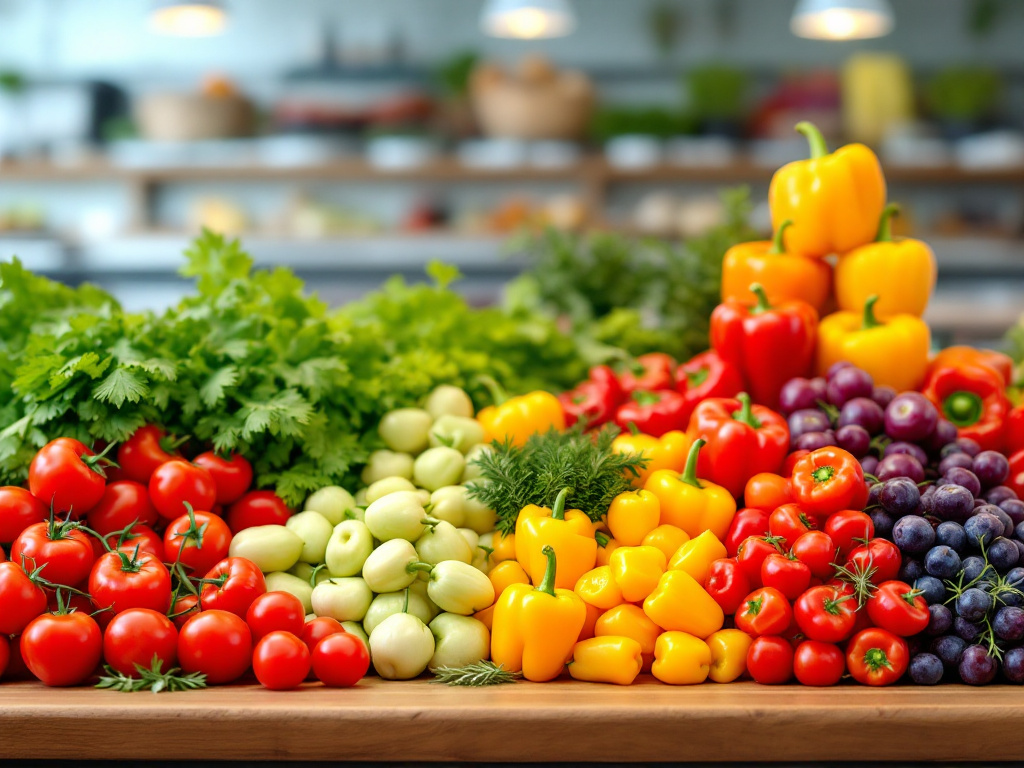 A vibrant image of a deli counter filled with fresh fruits, vegetables, and herbs, with a focus on the colorful array of produce.
Using fresh ingredients is essential for crafting flavorful meals that not only taste great but also promote better health. Fresh fruits and vegetables bring vibrant colors, exciting textures, and a range of nutrients that enhance any dish. When you choose seasonal produce, you are likely to enjoy the best taste and maximum nutrition, making your meals both enjoyable and beneficial for your health.
Incorporating fresh herbs and spices can elevate the flavors of your deli-inspired creations. Ingredients like basil, cilantro, and rosemary add depth and aroma, providing a healthy alternative to excessive salt or sugar. These simple additions can transform a basic sandwich or salad into a gourmet experience while also offering a wealth of antioxidants and anti-inflammatory properties that support overall well-being.
 A close-up image of fresh herbs and spices, highlighting their vibrant colors and textures.
Don’t forget about the benefits of using fresh, high-quality proteins. Lean meats, poultry, and fish not only contribute to the flavor of your meal but also provide essential amino acids necessary for muscle repair and growth. When sourcing deli meats, opt for those made with minimal preservatives and additives to maximize health benefits, ensuring that you are fueling your body with the best ingredients possible.
Nutritional Benefits of Deli Selections
 An image showcasing a variety of deli meats, cheeses, and bread, with a focus on the nutritional benefits of these foods.
Deli selections often get a bad rap when it comes to nutrition, but many options can actually provide valuable health benefits. When choosing deli meats, look for options that are lower in sodium and free from additives like preservatives. Lean cuts such as turkey, chicken, and roast beef can be excellent sources of protein without the extra fat that comes with some processed meats.
In addition to protein, many deli meats are fortified with B vitamins, which play a crucial role in energy metabolism and help support brain health. These vitamins are essential for converting food into energy, making them a key component for anyone looking to maintain an active lifestyle. Opting for deli selections that are mindfully prepared can also enhance your intake of iron, an important mineral that helps in the production of red blood cells.
Pairing deli meats with whole grain bread and plenty of vegetables can create balanced meals that are both satisfying and nutrient-rich. Fresh produce adds fiber and a variety of vitamins, while whole grains contribute additional nutrients like magnesium and selenium. Together, these components create a well-rounded meal that supports digestion and overall well-being.
Lastly, many deli options, such as hummus and spreads made from legumes, offer plant-based proteins and healthy fats. These choices not only add flavor but also provide heart-healthy benefits. Incorporating a variety of deli selections into your diet can contribute to a healthier lifestyle while still being enjoyable and convenient.
Easy Ways to Enjoy Deli Foods
 A charcuterie board filled with an assortment of deli meats, cheeses, olives, and nuts, with a focus on the variety and presentation.
Deli foods are a popular choice for their convenience and flavor, but there are easy ways to enjoy them while reaping their health benefits. One simple method is to pair deli meats with whole-grain bread, creating a satisfying sandwich that not only tastes great but also provides fiber. Add fresh veggies like spinach, tomatoes, or avocados for extra nutrients and a delightful crunch.
Another way to savor deli foods is by making a charcuterie board. Combine an assortment of deli meats, cheeses, olives, and nuts. This not only makes for a visually appealing spread but also allows you to mix and match flavors. Adding fruits like grapes or apple slices can enhance the taste and provide additional vitamins.
If you’re looking for a lighter option, consider using deli meats in salads. Toss sliced turkey or ham with leafy greens, cherry tomatoes, cucumbers, and your favorite dressing. This not only adds protein to your meal but also allows you to incorporate various vegetables, boosting your overall health.
 A healthy salad made with deli meats, leafy greens, cherry tomatoes, cucumbers, and a light dressing.
Experimenting with wraps is another excellent way to enjoy deli foods. Use lettuce, whole wheat tortillas, or rice paper to wrap deli meats along with colorful veggies. This makes a refreshing and nutritious meal perfect for lunch or a snack on-the-go. The combinations are endless, and you can tailor them to suit your taste!
 A wrap made with whole grain tortilla, filled with colorful veggies and lean deli meats, showcasing a nutritious meal option.
Tips on How to Choose Quality Deli Options
When it comes to choosing quality deli options, it’s important to pay attention to several key factors that can enhance both flavor and health benefits. First, look for deli meats that are labeled as "nitrate-free" or "uncured." Nitrates and nitrites are preservatives commonly found in processed meats, and they may pose health risks when consumed in large quantities. By opting for nitrate-free options, you can enjoy your deli meats without the added preservatives.
Another tip is to choose lean cuts of meat, such as turkey, chicken, or lean roast beef. These options are often lower in fat and calories compared to more fatty choices like salami or bologna. Additionally, lean meats can provide a good source of protein, which is essential for maintaining muscle mass and overall health. Pairing your deli meats with whole grain bread or wraps can also boost the nutritional value of your meal.
Don't forget to consider the ingredients in deli salads, like chicken or egg salad. Often, these salads are made with mayo or other heavy dressings that can add unnecessary calories and unhealthy fats. Look for versions that use Greek yogurt or avocado as a base instead of traditional mayo. This simple swap not only makes the dish healthier but also adds a creamy texture that most people enjoy.
Lastly, don't shy away from incorporating vegetables into your deli meals. Adding fresh lettuce, tomatoes, cucumbers, and bell peppers doesn’t just make your sandwich vibrant and appealing; it also increases the nutritional content. Vegetables are packed with vitamins, minerals, and dietary fiber, making your meal more balanced. So, go ahead and load up on those colorful veggies to enhance both the taste and health benefits of your deli options!
Dos and Don'ts
Dos:
- Opt for Lean Proteins: Choose lean cuts of meat like turkey, chicken, or lean roast beef to reduce fat and calorie intake.
- Check Labels: Always read the labels on deli meats to avoid those with high sodium, nitrates, and other additives.
- Add Fresh Produce: Incorporate plenty of fresh vegetables and fruits into your deli meals for added nutrients and fiber.
- Choose Whole Grains: Pair your deli meats with whole grain bread or wraps to increase the nutritional value of your meal.
- Stay Hydrated: Drink plenty of water throughout the day to stay hydrated and support overall health.
Don'ts:
- Avoid Processed Meats: Steer clear of highly processed meats like bologna, salami, and pepperoni, which are high in sodium and preservatives.
- Limit Sodium Intake: Be mindful of the sodium content in deli meats and opt for low-sodium alternatives when possible.
- Avoid Heavy Dressings: Skip deli salads made with heavy dressings like mayo; instead, choose those made with Greek yogurt or avocado.
- Don't Overlook Portion Sizes: Pay attention to portion sizes to avoid overeating, which can lead to weight gain and other health issues.
- Avoid Sugary Drinks: Steer clear of sugary beverages and opt for water or unsweetened teas instead.
Tips on How to Make the Most of Deli Foods
- Plan Ahead: Plan your meals for the week and include a variety of deli foods to ensure you have healthy options on hand.
- Prep in Advance: Prepare your deli meats and vegetables in advance to save time during the week and make healthy eating more convenient.
- Experiment with Flavors: Try different combinations of deli meats, cheeses, and vegetables to keep your meals interesting and flavorful.
- Use Leftovers Wisely: Use leftover deli meats and vegetables in creative ways, such as in salads, wraps, or sandwiches, to reduce food waste.
- Stay Informed: Stay informed about the nutritional content of deli foods and make choices that support your health goals.
Possible Troubleshooting Recommendations
- High Sodium Content: If you find that your deli meats are too high in sodium, consider rinsing them under water to reduce the salt content.
- Dry Deli Meats: If your deli meats seem dry, try adding a bit of moisture by sprinkling them with water or using a light dressing.
- Bland Flavors: If your deli foods lack flavor, experiment with different herbs, spices, and condiments to enhance the taste.
- Food Safety Concerns: Always ensure that your deli meats are stored properly and consumed within their recommended shelf life to avoid foodborne illnesses.
- Allergic Reactions: If you experience any allergic reactions to deli foods, consult with a healthcare provider to identify the cause and find suitable alternatives.
Renowned Chef Recommendations
- Gordon Ramsay: "Always opt for fresh, high-quality ingredients when preparing deli foods. The fresher the ingredients, the better the taste and nutritional value."
- Jamie Oliver: "Incorporate plenty of fresh herbs and spices into your deli meals to enhance the flavor without adding extra salt or sugar."
- Giada De Laurentiis: "Choose lean proteins and pair them with whole grain bread or wraps for a nutritious and satisfying meal."
- Bobby Flay: "Experiment with different combinations of deli meats, cheeses, and vegetables to create unique and flavorful dishes."
- Rachael Ray: "Don't be afraid to get creative with your deli foods. Try making wraps, salads, or charcuterie boards to keep your meals interesting and enjoyable."
Medical Research on Deli Foods and Health
5 Surprising Facts About Deli Foods and Health
- High Sodium Content: Many deli meats are high in sodium, which can contribute to high blood pressure and other health issues if consumed in excess.
- Processed Meats and Cancer Risk: Highly processed meats like salami, pepperoni, and bologna have been linked to an increased risk of cancer due to their high sodium and preservative content.
- Nutritional Benefits: Deli meats can be a good source of protein, vitamins, and minerals, but it's important to choose lean cuts and mind portion sizes.
- Healthier Alternatives: Opting for healthier alternatives like smoked salmon or hard-boiled eggs can provide similar savory flavors with added nutritional benefits.
- Fresh Ingredients: Incorporating fresh herbs, spices, and vegetables into your deli meals can enhance both the flavor and nutritional value.
5 Recommendations for a Healthy Life from Top Doctors
- Balanced Diet: Maintain a balanced diet rich in fruits, vegetables, lean proteins, and whole grains to support overall health and well-being.
- Regular Exercise: Aim for at least 150 minutes of moderate-intensity or 75 minutes of vigorous-intensity aerobic activity per week, along with muscle-strengthening activities on two or more days a week.
- Adequate Hydration: Stay hydrated by drinking plenty of water throughout the day to support bodily functions and overall health.
- Quality Sleep: Prioritize getting 7-9 hours of quality sleep per night to support mental and physical health.
- Regular Check-ups: Schedule regular check-ups with your healthcare provider to monitor your health and catch any potential issues early.
7 FAQs!
1. What are the health benefits of choosing lean deli meats?
Choosing lean deli meats like turkey, chicken, or lean roast beef can help reduce fat and calorie intake while providing essential proteins and nutrients. These options are lower in sodium and preservatives, making them a healthier choice for your meals.
2. How can I incorporate more vegetables into my deli meals?
You can incorporate more vegetables into your deli meals by adding fresh lettuce, tomatoes, cucumbers, and bell peppers to your sandwiches, wraps, or salads. This not only enhances the flavor but also increases the nutritional content of your meal.
3. What are some healthier alternatives to traditional deli meats?
Some healthier alternatives to traditional deli meats include smoked salmon, hard-boiled eggs, and plant-based proteins like hummus or legume-based spreads. These options provide similar savory flavors with added nutritional benefits.
4. How can I reduce the sodium content in my deli meats?
To reduce the sodium content in your deli meats, consider rinsing them under water before consumption. Additionally, opt for low-sodium alternatives and mind your portion sizes to limit sodium intake.
5. What are some tips for storing deli foods safely?
To store deli foods safely, ensure that they are kept in airtight containers in the refrigerator and consumed within their recommended shelf life. Always follow proper food handling practices to avoid contamination and foodborne illnesses.
6. How can I enhance the flavor of my deli foods without adding extra salt or sugar?
You can enhance the flavor of your deli foods without adding extra salt or sugar by incorporating fresh herbs, spices, and condiments. Experiment with different combinations to create unique and flavorful dishes.
7. What should I do if I experience an allergic reaction to deli foods?
If you experience an allergic reaction to deli foods, consult with a healthcare provider immediately. They can help identify the cause of the reaction and recommend suitable alternatives to ensure your safety and well-being.
Related Articles to read:
-
Artisan Cheese Pairing Guide Discover the perfect pairings for your favorite artisan cheeses. This guide offers insights into complementary flavors, textures, and serving suggestions to elevate your cheese-tasting experience.
-
Healthy Deli Food Choices Learn about the healthiest deli food options available and how to incorporate them into your diet. This article provides tips on selecting nutritious deli meats, cheeses, and accompaniments for a balanced meal.
-
Charcuterie Party Essentials Plan the perfect charcuterie party with this essential guide. Find out what meats, cheeses, and accompaniments to include, along with presentation tips to impress your guests.
For more insights and recipes, explore our Deli Food Shop and elevate your culinary journey with quality deli foods for better health benefits.
High Authority Links to know more:
-
WebMD Deli Section Health Tips
- Description: WebMD provides valuable insights into the health benefits and risks associated with deli foods. Learn about the best and worst choices from the deli section to make informed decisions for your health.
-
Cleveland Clinic Healthier Lunch Meats
- Description: The Cleveland Clinic offers expert advice on selecting healthier lunch meats. Discover tips from dietitians on how to choose the best deli options for a balanced diet.
-
Healthline Nutritional Benefits of Deli Meats
- Description: Healthline explores the nutritional benefits of deli meats, highlighting their protein content and essential vitamins. Learn how to incorporate deli meats into a healthy diet.