Understanding French Cheese Labels Simplified
Bonjour, cheese enthusiasts! Are you ready to embark on a delicious journey through the world of French cheese? Today, we're diving into the fascinating realm of French cheese certification standards. Whether you're a seasoned connoisseur or just starting to explore the wonders of fromage, understanding these certifications will elevate your cheese selections and appreciation. So, grab a baguette and let's get started!

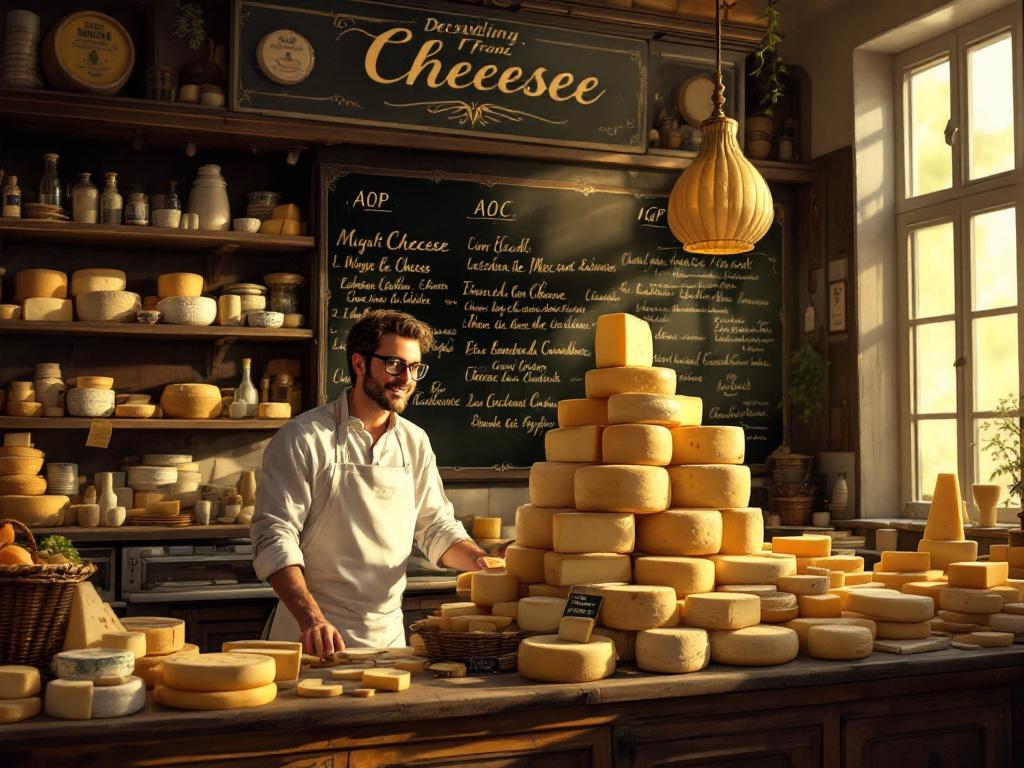
A delightful assortment of French cheeses, each with its unique certification label.
The Importance of French Cheese Certification
Appellation d'Origine Contrôlée (AOC)
One of the most prestigious certifications in the cheese world is the Appellation d'Origine Contrôlée (AOC). This label ensures that a cheese is produced in a specific region using traditional methods. For example, Roquefort cheese can only be called Roquefort if it's made in the Roquefort-
sur-Soulzon region using specific sheep's milk and traditional techniques. The AOC certification guarantees that the cheese embodies the unique characteristics and quality associated with its geographic origin.

AOC-certified cheeses are a testament to tradition and quality.
Hints and Tips: When shopping for AOC-certified cheeses, look for the distinctive AOC label on the packaging. This ensures you're getting an authentic product that meets the highest standards.
Appellation d'Origine Protégée (AOP)
The Appellation d'Origine Protégée (AOP) is the European Union's equivalent of the AOC. This certification ensures that the cheese is produced in a specific region and follows a precise set of rules regarding ingredients and production processes. For instance, Comté cheese must be made in the Jura region of France using specific breeds of cows and traditional methods. The AOP label reinforces the importance of tradition and authenticity in French cheese.
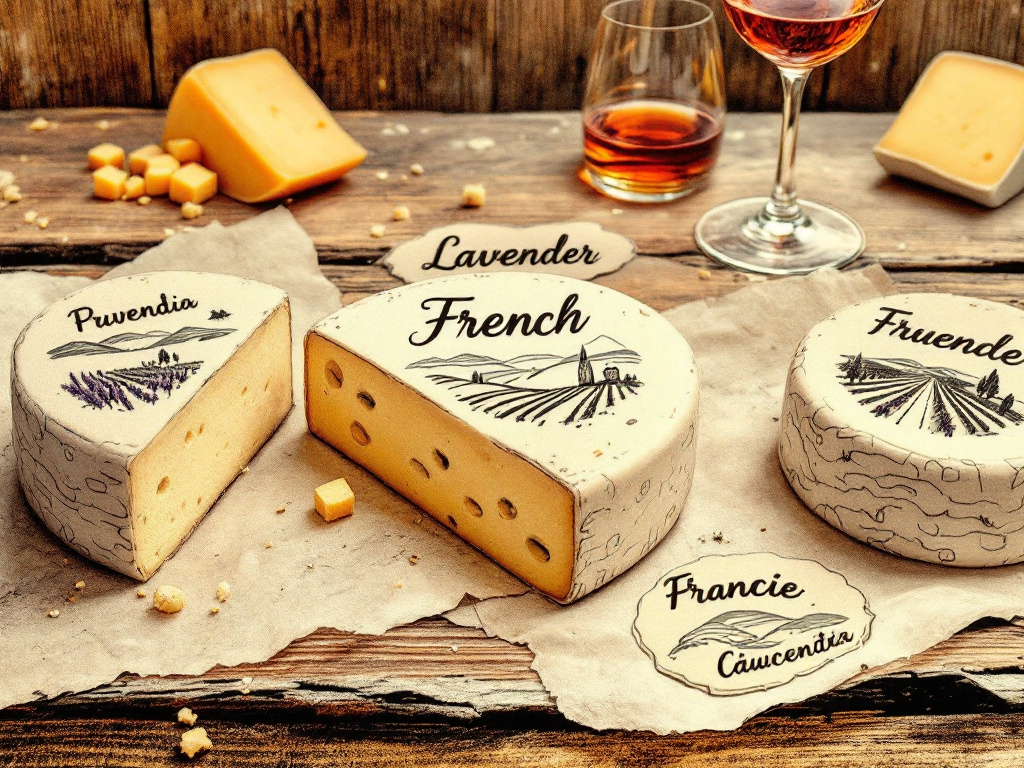
AOP certification ensures that cheeses like Comté are produced with traditional methods and local ingredients.
Hints and Tips: To fully appreciate AOP-certified cheeses, try pairing them with wines from the same region. This can enhance the flavors and provide a truly authentic French culinary experience.
Indication Géographique Protégée (IGP)
The Indication Géographique Protégée (IGP) certification indicates that at least one stage of production, processing, or preparation occurs in the specified geographical area. This certification is less stringent than AOC or AOP but still ensures that the cheese reflects local characteristics and practices. For example, Tomme des Pyrénées cheese must be produced in the Pyrénées region to bear the IGP label.

IGP-certified cheeses like Tomme des Pyrénées offer a taste of regional traditions and flavors.
Hints and Tips: When exploring IGP-certified cheeses, consider creating a cheese board that features varieties from different regions. This will allow you to appreciate the diverse flavors and textures that French cheese has to offer.
Key Types of French Cheese
Hard Cheeses: Comté and Beaufort
Hard cheeses like Comté and Beaufort are aged for several months to develop a dense texture and robust flavor. Typically made from cow's milk, these cheeses often have a nutty or fruity profile, making them perfect for grating over dishes or enjoying on a cheese platter. Their distinct characteristics must meet specific criteria set by French cheese certification standards to ensure authenticity.
Hints and Tips: To enhance the flavor of hard cheeses, try pairing them with a full-bodied red wine or a crisp white wine. The contrast in flavors will create a harmonious balance on your palate.
Soft Cheeses: Brie and Camembert
Soft cheeses such as Brie and Camembert are creamy and rich, usually produced from cow's milk, and feature a white, bloomy rind. Their soft texture and mild flavor profile make them a favorite for cheese lovers everywhere. It's important for these cheeses to comply with French cheese certification standards to maintain their quality and traditional methods of production.
Hints and Tips: For a truly indulgent experience, serve soft cheeses at room temperature with fresh baguette slices and a drizzle of honey. The combination of textures and flavors will be a delight for your taste buds.
Blue Cheeses: Roquefort and Bleu d'Auvergne
Blue cheeses like Roquefort and Bleu d'Auvergne are known for their striking blue veins and strong flavors. Made from sheep's milk or cow's milk, these cheeses undergo a special mold-inoculation process that creates their distinctive appearance and taste. The French cheese certification standards play a crucial role in preserving the traditional methods used to produce these unique cheeses.
Hints and Tips: To appreciate the complexity of blue cheeses, pair them with a sweet dessert wine or a fruity chutney. The contrast between the strong cheese flavors and the sweet accompaniments will create a delightful balance.
How Certifications Affect Quality
Certifications play a crucial role in determining the quality of cheese, ensuring that consumers receive products that meet specific safety and taste criteria. When producers adhere to these standards, it not only elevates the quality of their cheese but also reinforces consumer trust. Each certification acts as a badge of honor, indicating that the cheese has been crafted with care and consideration for both tradition and quality.
Hints and Tips: When selecting certified cheeses, look for additional labels that indicate organic or sustainable practices. These labels can provide further assurance that the cheese is produced with the highest standards in mind.
Tips for Choosing Certified Cheese
When navigating the world of cheese, understanding French cheese certification standards can be quite helpful. Here are some tips to keep in mind when choosing certified cheese:
-
Look for Certification Labels: Terms like AOP (Appellation d'Origine Protégée) or AOC (Appellation d'Origine Contrôlée) are important markers of quality and authenticity. These designations ensure that the cheese is made using traditional methods specific to a particular region in France.
-
Explore Flavor Profiles: Each region has its unique characteristics that reflect the local terroir, including the type of milk used and the specific production techniques. Familiarizing yourself with these regional differences will enhance your cheese-tasting experience.
-
Ask Questions: Cheese mongers are usually very knowledgeable about the products they sell and can provide insights into the differences between certified options. They can recommend cheeses that meet French cheese certification standards and suggest pairings that enhance your overall tasting experience.
-
Try a Variety: Consider trying a variety of certified cheeses to appreciate the wide range of flavors and textures available. Creating a cheese board featuring different types will allow you to explore the exquisite diversity that falls under French cheese certification standards.
Just an anecdote!
I remember the first time I tried to impress my friends with a fancy cheese platter. I spent hours researching the best cheeses and even practiced my pronunciation of their French names. When the moment finally arrived, I proudly presented my platter, only to realize I had mixed up the labels! My friends had a good laugh, and we ended up enjoying a delightful mix of unexpected flavors. It was a reminder that while certifications are important, the joy of sharing good food with friends is what truly matters.
Conclusion
And there you have it, fellow cheese lovers! Navigating the world of French cheese certification standards doesn't have to be overwhelming. By understanding the key certifications and their impact on quality, you can elevate your cheese selections and appreciate the rich tapestry of flavors and traditions behind each bite. So, the next time you're at the deli counter, look for those certification labels and indulge in the finest cheeses France has to offer. Bon appétit!
References
To learn more about French cheese certification standards, check out these high authority outbound links:
- French Cheese Certification Standards - A comprehensive guide to understanding the various certifications and their impact on cheese quality.
- Appellation d'Origine Contrôlée (AOC) - Official information on the AOC certification and its significance in the world of French cheese.
- Appellation d'Origine Protégée (AOP) - Detailed explanation of the AOP certification and its role in preserving traditional cheese-making methods.
- Indication Géographique Protégée (IGP) - Information on the IGP certification and its importance in reflecting local characteristics and practices.
- French Cheese Varieties - An overview of the different types of French cheeses and their unique flavor profiles.
Related Product List
- St. Andre Mini Triple Creme Cheese
- Morbier Cheese from Montboisse
- Marin French Triple Creme Brie
- Lactalis Brie Cheese from Paris
- St. Andre Triple Cream Cheese
- Herve Mons St. Nuage Cheese
- French Delicacies Gift Box
- Brillat Savarin Cheese
- Aged Mimolette Cheese from Isigny Ste-Mere
- Quarter Wheel French Raclette
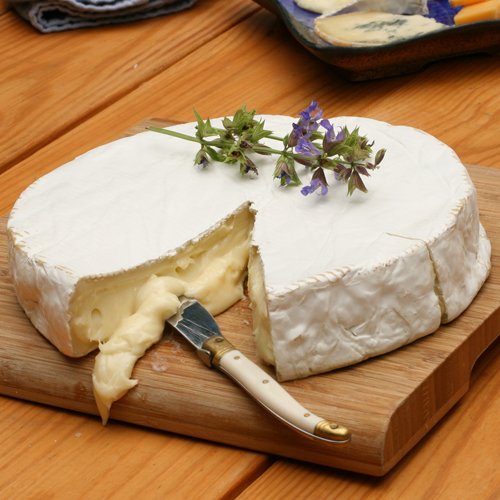
French Brie Cheese - 2 Pound Wheel
Indulge in the rich and creamy texture of our artisan French Brie, perfect for your cheese board or gourmet recipes
Product information
$49.95 $45.99
Product Review Score
4.58 out of 5 stars
163 reviews