Discover the Art and Passion Behind Timeless Cheese Crafting
Introduction
Hey there, cheese enthusiasts! Are you ready to embark on a journey through the enchanting world of traditional French cheese craft? Buckle up, because we're about to dive into the rich history, meticulous techniques, and mouthwatering flavors that make French cheese a global sensation. Whether you're a seasoned foodie or just starting to explore the wonders of gourmet delights, this guide will leave you craving for more. So, grab a glass of wine, and let's unveil the secrets behind timeless French cheese making techniques!
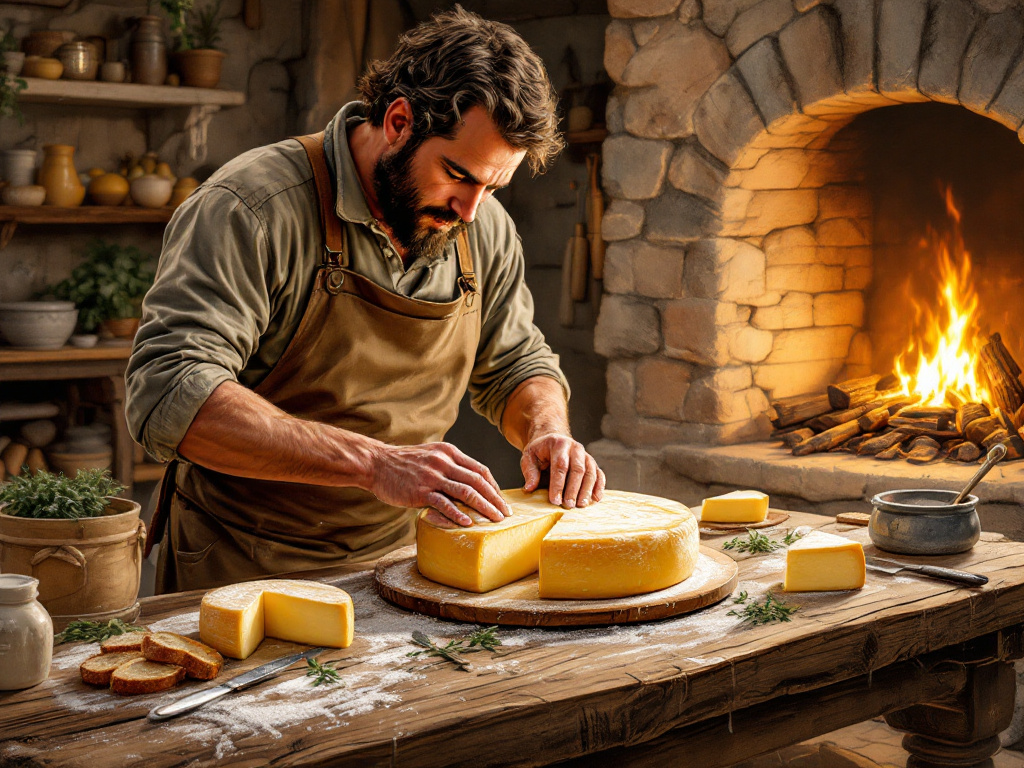
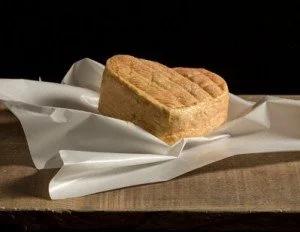
Traditional French Cheese Craft: A glimpse into the artistry of cheese making.
The Rich History of French Cheese Making
A Journey Through Time
French cheese making has a rich history that dates back thousands of years. The tradition began long before recorded history, as ancient civilizations discovered the art of curdling milk. Early French cheese makers utilized animal rennet and local milks, which led to the development of various regional cheeses. Over time, these methods were refined and passed down through generations, helping to create the diverse array of cheeses that France is famous for today.
During the Middle Ages, the craft of cheese making flourished across France, particularly in monasteries. Monks, known for their meticulous attention to detail, began to refine their skills in creating different types of cheeses. They documented their recipes, contributing to a legacy of knowledge that helped shape the traditional French cheese making techniques we see today. Local ingredients dictated the character and flavor of the cheeses, making each region's products unique.
The French Revolution in the late 18th century also played a significant role in the evolution of cheese making in France. As the feudal system crumbled, small farmers began creating their own cheeses, leading to a more varied production. The industrial revolution brought about changes in techniques and equipment, but traditional methods remained cherished. Today, many artisan cheese makers focus on preserving these historical French cheese making techniques, ensuring that the craft remains alive and well.
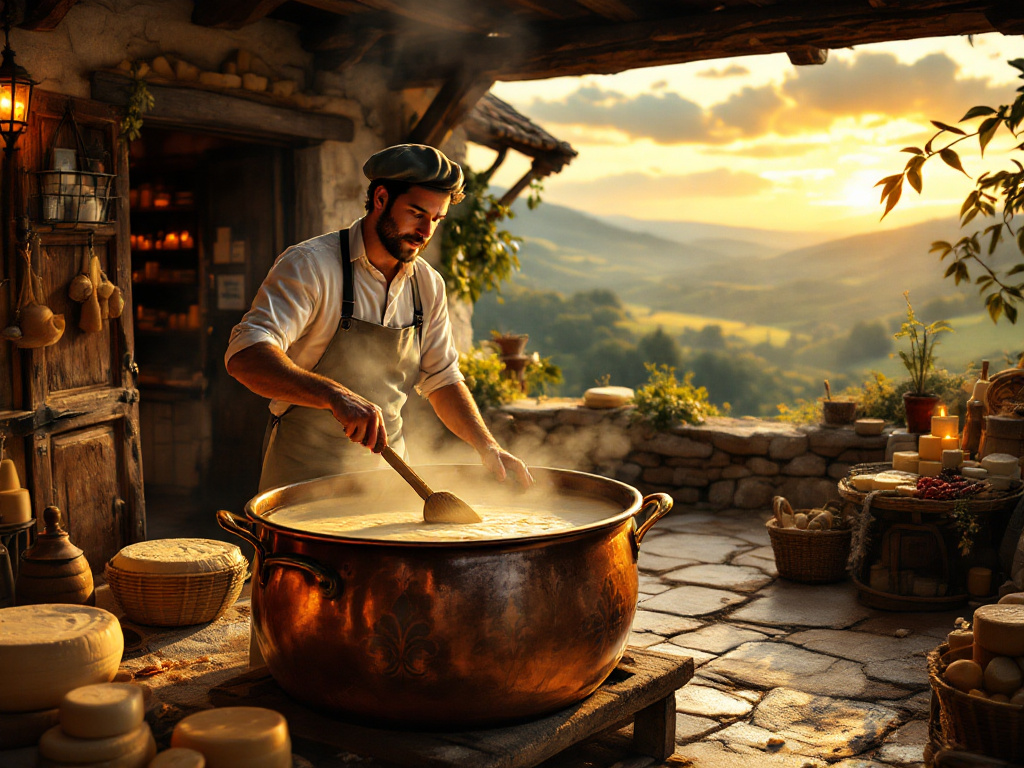
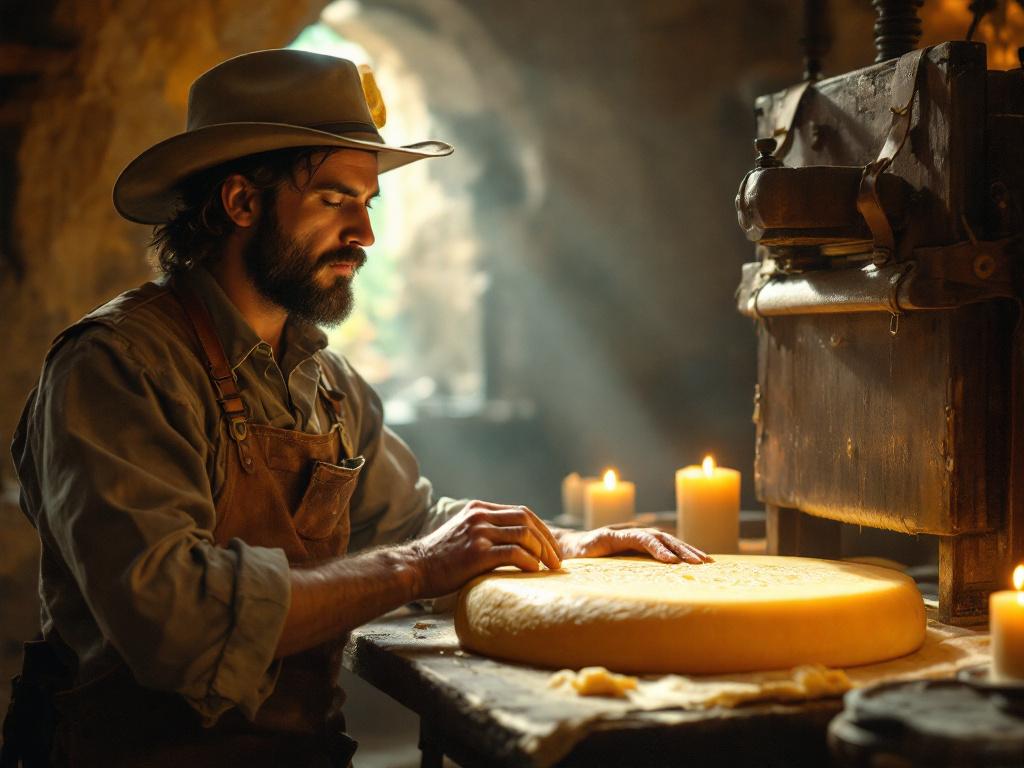
Unveiling Traditional French Cheese Making Techniques: Monks refining their cheese-making skills.
Hints and Tips:
- Explore local cheese shops to discover regional specialties.
- Try making your own cheese at home using traditional recipes.
- Attend cheese-making workshops to learn from experts.
Essential Ingredients for Cheese Production
The Building Blocks of Delicious Cheese
When exploring the art of traditional French cheese making techniques, it's essential to understand the fundamental ingredients involved in the process. Each component plays a crucial role in developing the unique flavors and textures that characterize various types of cheese. At the heart of cheese production lies milk, which can come from different sources such as cows, goats, or sheep. The choice of milk not only impacts the taste but also the structure of the final product.
Another vital ingredient is rennet, an enzyme that helps coagulate the milk, separating it into curds and whey. This is a critical step in cheese making and varies depending on the type of cheese being produced. Additionally, starter cultures are added to the milk, which introduce beneficial bacteria. These cultures aid in fermentation, influencing the cheese's flavor profile and texture over time.
Salt is also a key component in the cheese-making process. It not only enhances flavor but acts as a preservative, helping to extend the cheese's shelf life. The method and timing of adding salt can vary significantly among different cheeses. For example, some cheeses are brined, while others are salted directly into the curds during production.
Finally, some cheeses may require additional ingredients such as herbs, spices, or specific molds. These extras can elevate a cheese's complexity and individuality. Understanding these essential ingredients is vital for anyone interested in mastering the traditional French cheese making techniques that have been passed down through generations.
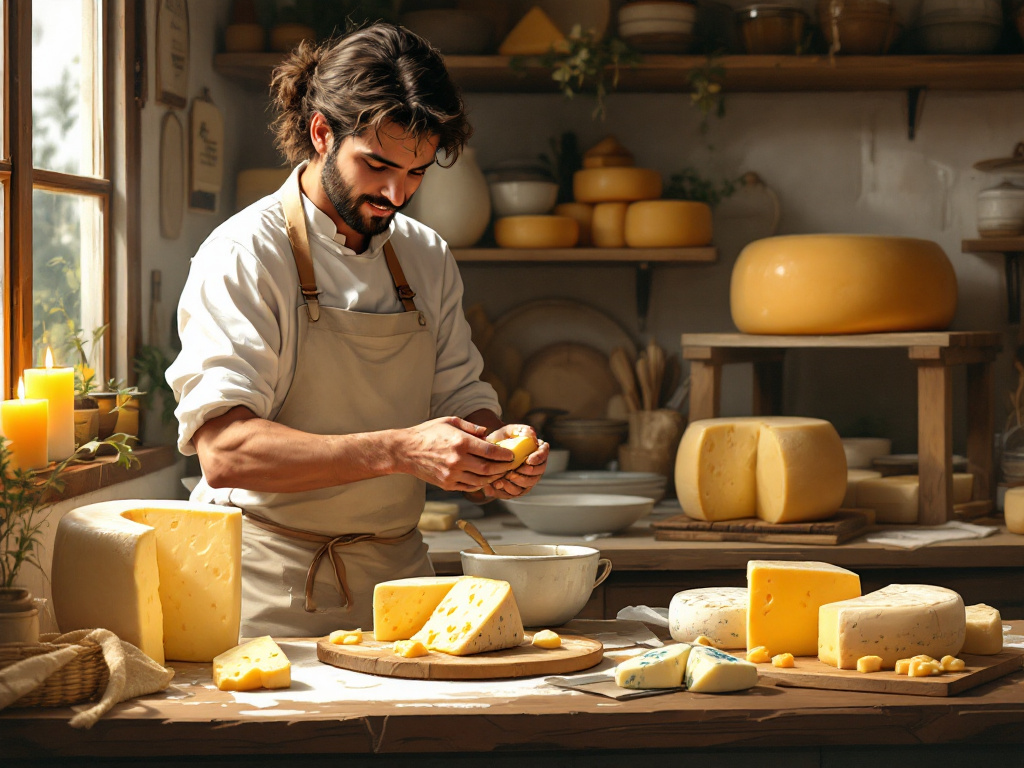
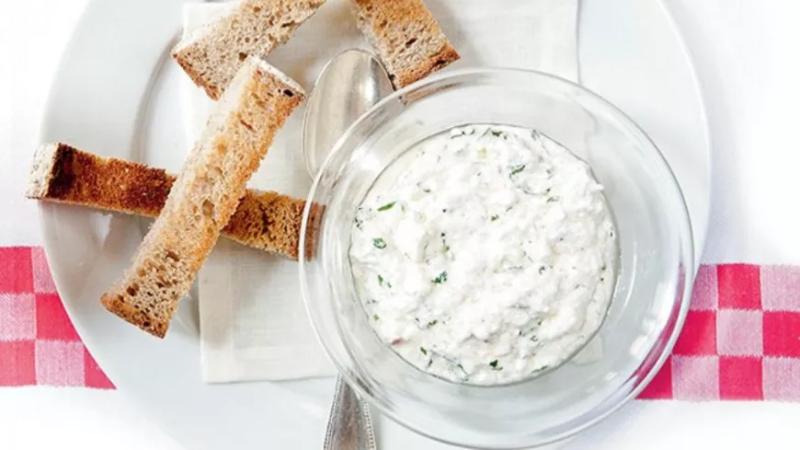
Discover the Art and Passion Behind Timeless Cheese Crafting: The essential ingredients for cheese production.
Hints and Tips:
- Experiment with different types of milk to create unique cheese flavors.
- Use high-quality rennet for consistent results.
- Add herbs and spices to enhance the complexity of your cheese.
Step by Step Cheese Crafting Process
From Milk to Masterpiece
Embarking on the journey of cheese crafting can be quite exciting, especially when you delve into traditional French cheese making techniques. The process begins with selecting high-quality milk, which is the cornerstone of any great cheese. Whether you choose cow, goat, or sheep milk, each type brings its own unique flavors and textures to the final product.
Next, it's time to warm the milk gently. This step is crucial as it prepares the milk for the addition of cultures and rennet. The cultures help develop the cheese's flavor, while rennet is what curdles the milk, separating it into curds and whey. After adding these ingredients, the mixture is left to sit for a while, allowing the magic of fermentation to take place.
After the curds have formed, they need to be cut into smaller pieces to release more whey and facilitate the cooking process. The size of the curds will influence the texture of the finished cheese, so attention to detail is vital here. Once the curds are cut, they are gently heated and stirred, allowing the remaining whey to drain off.
Finally, the curds are collected in a cheese mold, pressed to remove excess whey, and left to age. Aging times can vary depending on the type of cheese being made and the desired flavor profile. This final step showcases the true artistry behind traditional French cheese making techniques, as each artisan develops their own signature style over time, resulting in a mouthwatering array of cheeses.
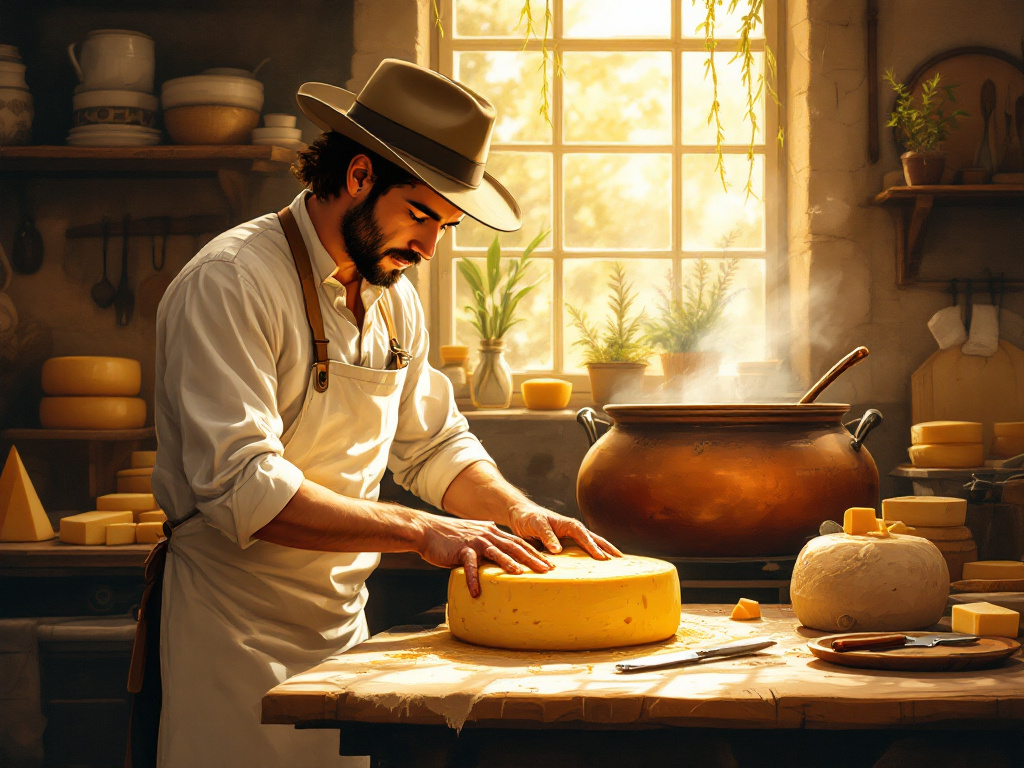
Discover Authentic French Cheese Making Techniques: The step-by-step cheese crafting process.
Hints and Tips:
- Use a thermometer to ensure the milk is warmed to the correct temperature.
- Be patient during the fermentation process to allow the flavors to develop.
- Experiment with different aging times to achieve your desired flavor profile.
Enjoying French Cheese with Perfect Pairings
Elevate Your Tasting Experience
When it comes to indulging in the rich world of French cheese, the experience can be elevated through thoughtful pairings. Each type of French cheese has its own unique flavor profile, and discovering the right accompaniments can transform a simple snack into a gourmet adventure. Whether you prefer the creamy texture of Brie or the sharpness of Roquefort, understanding how to enhance these flavors is a delightful journey in itself.
For a classic pairing, try enjoying a wedge of Camembert with a slice of crusty baguette and a dollop of sweet fig jam. The creamy, earthy notes of the cheese harmonize beautifully with the sweetness of the jam, creating a balance that sings on the palate. Additionally, a glass of light-bodied red wine, such as Pinot Noir, can complement the cheese without overpowering its subtleties.
If you're exploring the bold flavors of aged Gouda, consider pairing it with nuts and dried fruits. The crunch of the nuts and the chewiness of the fruits add texture and contrast, which can enhance the complexity of the cheese. For beverages, a rich, malty beer can be an excellent choice, as its depth matches the intense flavors of the cheese. These pairings not only highlight the art of tasting cheese but also showcase the remarkable skills behind French cheese making techniques.
For those who enjoy blue cheese, a classic combination is pairing it with honey and ripe pears. The sweetness of the honey and the juiciness of the pears balance the sharp, tangy notes of the blue cheese, making for an exquisite tasting experience. A sweet white wine like Sauternes can complement these flavors perfectly, enhancing the overall enjoyment of this rich delicacy.
Hints and Tips:
- Experiment with different wine and beer pairings to find your perfect match.
- Try pairing cheese with a variety of fruits, nuts, and jams to discover new flavor combinations.
- Host a cheese tasting party to share your findings with friends and family.
Let me tell you about...The Great Cheese Heist!
Imagine this: I was on a culinary tour in the heart of France, exploring the quaint villages and sampling the local cheeses. One evening, after a particularly indulgent tasting session, I decided to take a stroll through the cobblestone streets. As I passed by a charming fromagerie, I noticed a sign that read, "World's Best Camembert – Try It If You Dare!" Intrigued, I stepped inside, only to be greeted by a stern-looking cheese monger who guarded his prized Camembert like a hawk.
With a mischievous grin, I asked if I could have a taste. The cheese monger, with a twinkle in his eye, handed me a tiny sliver of the creamy delight. As I savored the rich, earthy flavors, I couldn't help but feel a pang of envy. I wanted more – no, I needed more! In a moment of sheer audacity, I attempted to distract the cheese monger with a question about the aging process, hoping to snag a larger piece when he wasn't looking.
Alas, my plan was foiled as the cheese monger, with lightning-fast reflexes, caught me red-handed. With a hearty laugh, he handed me a generous wedge of the Camembert, saying, "For your bravery, you deserve a proper taste!" We shared a laugh, and I left the fromagerie with a newfound appreciation for the art of French cheese making – and a belly full of the world's best Camembert.
Modern Resurgence of Artisanal Cheese Making
In conclusion, the art of traditional French cheese making is a testament to the passion, skill, and dedication of artisans who have preserved these techniques for generations. From the rich history and essential ingredients to the meticulous crafting process and perfect pairings, every aspect of French cheese making is a celebration of culinary excellence. So, the next time you savor a slice of Brie or a wedge of Roquefort, remember the centuries of tradition and craftsmanship that went into creating that delectable bite.
Modern times have seen a resurgence of interest in artisanal cheese making, with many people wanting to connect with the historical roots of the craft. Workshops and cheese-making courses abound, teaching participants about the ancient methods and traditions that define French cheese. This renewed focus on traditional practices not only celebrates the past but also enriches the culinary landscape, as cheese lovers seek to discover the stories and techniques behind each delectable bite.
Ready to embark on your own cheese-making adventure? Explore our selection of artisanal cheeses and discover the joy of traditional French cheese making techniques. Bon appétit!
References
- Cheese.com - French Cheese - A comprehensive guide to French cheese varieties and their origins.
- French Cheese Board - An organization dedicated to promoting French cheese in the US.
- Culture Cheese Magazine - A magazine celebrating the world of artisan cheese.
- The Spruce Eats - French Cheese Guide - A detailed guide to French cheese, including tasting notes and pairing suggestions.
- French Government Cheese Information - Official information on French cheese from the French government.
Related Products in our online shop:
- St. Andre Mini Triple Creme Cheese 7 Ounce
- Morbier Cheese from Montboisse 1 lb
- Marin French Triple Creme Brie 8 oz
- Lactalis Brie Cheese from Paris 8oz
- St. Andre Triple Cream Cheese
- Herve Mons St. Nuage Cheese 6.35 oz
- Brillat Savarin Cheese 7 oz
- Aged Mimolette Cheese from Isigny Ste Mere
- Quarter Wheel French Raclette 3/4 Pounds
- Imported Triple Creme Brillat Savarin Cheese