A Guide to Understanding the Rules for Raw Milk French Cheese
Discover essential guidelines for raw milk French cheese regulations. Learn how to source, sell, and enjoy these delicious deli delights responsibly.
Hey there, cheese enthusiasts! Grab a seat and let's dive into the world of raw milk French cheese. If you're a fan of the rich, complex flavors that only raw milk cheese can offer, then you're in the right place. Today, we're going to navigate the intricate regulations surrounding raw milk French cheese, ensuring you can enjoy these delicacies responsibly and deliciously.
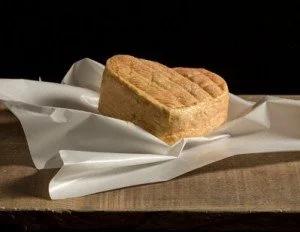
A visual representation of Raw Milk Cheese Regulations.
Understanding Raw Milk Cheese
Before we dive into the regulations, let's understand what makes raw milk cheese so special. Raw milk cheese is made from unpasteurized milk, retaining all its natural bacteria and enzymes. This process contributes to a richer taste profile, allowing each cheese to showcase the unique characteristics of its origin, from the grass the animals graze on to the climate in which they live.
The Importance of Regulations
Understanding the process of making raw milk cheese is crucial, especially in light of raw milk French cheese regulations. In France, cheese makers must adhere to strict guidelines regarding the production of cheese from raw milk. These guidelines include specific sanitation measures and aging requirements designed to ensure the safety of the final product. Cheeses are typically aged for a minimum period, allowing potentially harmful bacteria to die off and enhancing the flavors.
Variety and Compliance
One of the fascinating aspects of raw milk cheese is the variety it offers. With thousands of different types, understanding the regulations can help enthusiasts navigate their options. From creamy Brie to tangy Roquefort, each cheese reflects its unique place of origin. Compliance with the raw milk French cheese regulations means that consumers can enjoy these artisanal cheeses while knowing they meet health and safety standards.
Hints and Tips:
- Look for Labels: Always check the labels on raw milk cheeses to ensure they meet regulatory standards.
- Source Reputably: Purchase your cheeses from trusted suppliers who adhere to strict hygiene and aging practices.
Key Regulations for French Cheese
When it comes to enjoying the rich flavors of French cheese, understanding the key regulations is essential, particularly with regards to raw milk French cheese regulations. These regulations are crucial for ensuring that the cheeses produced retain their unique characteristics while also meeting health and safety standards. In France, the use of raw milk in cheese-making is celebrated, but it comes with specific rules that must be followed.

Another visual representation of Navigating Raw Milk French Cheese Regulations.
Milk Handling and Hygiene
The primary body overseeing raw milk cheese is the European Union, which has stringent guidelines to ensure public health safety. One of the central aspects of these regulations is the requirement for proper milk handling. Farmers must adhere to strict hygiene practices when milking cows, goats, or sheep to minimize contamination risks. Additionally, the milk must be thermized or pasteurized, depending on the cheese type and local regulations, to ensure safety while still allowing for the rich flavors to develop.
Aging Requirements
Producers of raw milk French cheese must also comply with aging requirements. Generally, cheeses made from raw milk must be aged for a minimum of 60 days. This aging process helps in developing flavor while also allowing any harmful bacteria present in the raw milk to decrease to safe levels. Regulatory agencies conduct regular inspections of cheese-making facilities to ensure compliance with these aging mandates, ensuring that consumers enjoy safe and delicious products.
Labeling and Transparency
Labeling plays a significant role in raw milk French cheese regulations. Cheeses made from unpasteurized milk must be clearly labeled as such, providing shoppers with the option to choose based on their preferences. This transparency helps consumers make informed decisions about the products they purchase, whether they're looking for traditional flavors or are mindful of food safety. Understanding these key regulations helps everyone appreciate the artistry of French cheese while ensuring safety in every bite.
Hints and Tips:
- Check for Certifications: Look for certifications on the packaging that indicate compliance with EU regulations.
- Ask Questions: Don't hesitate to ask your cheese supplier about their production and aging processes.
Health and Safety Considerations
Producers of raw milk French cheese must adhere to stringent hygiene standards. This includes maintaining clean facilities and using milk from healthy animals. Regular testing for pathogens is a critical part of the production process. By following these safety measures, cheesemakers can significantly reduce the risk of contamination, ensuring that their products meet raw milk French cheese regulations and are safe for consumption.
A visual representation of A Guide to Understanding the Rules for Raw Milk French Cheese.
Consumer Responsibilities
Consumers also play a vital role in health and safety. It's important to source raw milk French cheese from reputable suppliers who comply with regulatory standards. Checking for labels that indicate compliance with local health regulations can provide an added layer of assurance. Additionally, understanding how to properly store and handle these cheeses can help minimize any potential health risks.
Public Awareness
Public awareness about the health benefits and risks associated with raw milk French cheese is crucial. Education initiatives can inform consumers about safe practices and the importance of supporting cheese artisans who prioritize safety in their production methods. By staying informed and making conscious choices, cheese lovers can enjoy raw milk French cheese while adhering to raw milk French cheese regulations that protect their health.
Hints and Tips:
- Store Properly: Keep your raw milk cheeses in a cool, dry place, and consume them within the recommended time frame.
- Educate Yourself: Learn about the different types of raw milk cheeses and their specific health benefits and risks.
Tips for Compliant Cheese Production
Producing raw milk French cheese requires a solid understanding of the raw milk French cheese regulations to ensure compliance and maintain quality standards. Here are some helpful tips to guide cheese makers through the process.
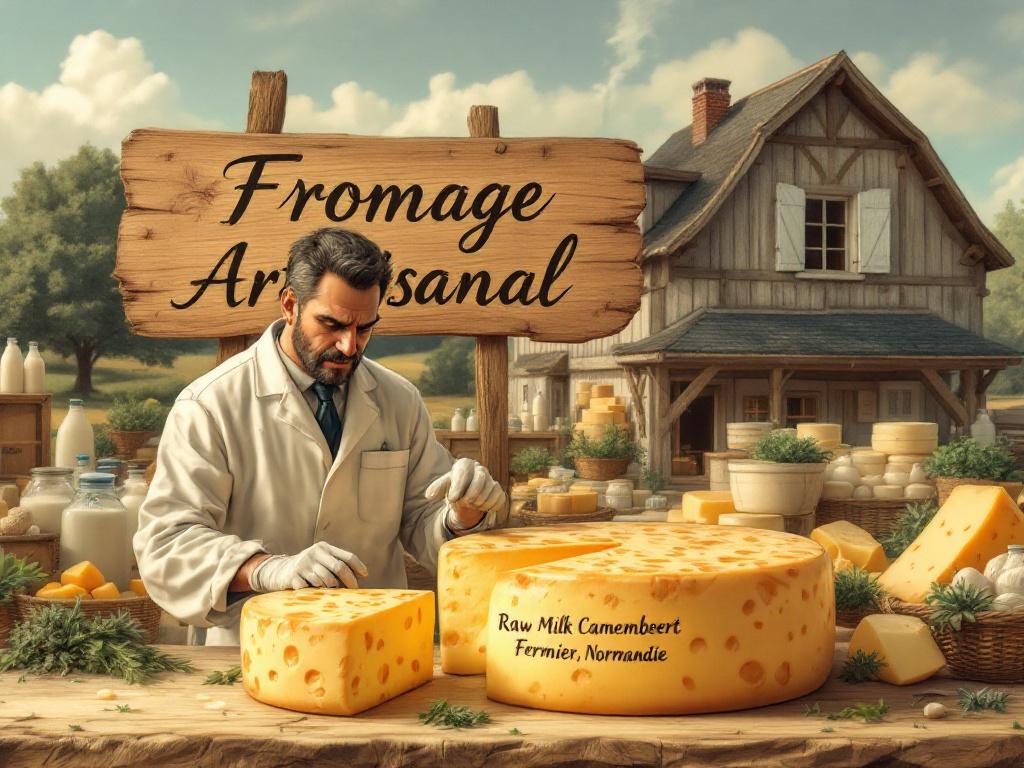
Guide to understanding Raw Milk French Cheese Regulations.
Source High-Quality Milk
First and foremost, it's crucial to source high-quality raw milk. Ensure that your milk comes from healthy, pasture-raised animals. Regular health checks and a clean milking process can significantly reduce contamination risks. Following proper hygiene practices during milking and storage not only aligns with the raw milk French cheese regulations but also enhances the flavor and safety of your cheese.
Familiarize Yourself with Local Regulations
Next, familiarize yourself with local regulations regarding fermentation and aging times. Each type of cheese has specific requirements that must be adhered to. For instance, certain cheeses may need to age for a minimum period to meet safety standards. Keeping accurate records of your production processes can help ensure that you stay compliant with these important regulations.
Engage with Dairy Associations
It's also beneficial to engage with local dairy associations or cheese-making communities. These groups can offer valuable insights into interpreting the raw milk French cheese regulations and provide tips for staying compliant. Networking with fellow cheese makers can lead to shared experiences and helpful advice that could simplify your cheese production journey.
Prioritize Transparency
Finally, always prioritize transparency in your production practices. Keep clear documentation of your processes, from sourcing raw materials to final cheese packaging. A transparent approach not only builds consumer trust but also demonstrates your commitment to adhering to the raw milk French cheese regulations. By following these tips, you'll be on the right path to producing delicious and compliant cheeses.
Hints and Tips:
- Document Everything: Maintain detailed records of your cheese-making processes to ensure compliance.
- Join Communities: Participate in local cheese-making workshops and forums to stay updated on the latest regulations and best practices.
Funny Story from Memory Lane
Let me share a funny and heartwarming story from my childhood. The first time I tasted raw milk cheese was during an adventure with my dad. Papa was a lorry driver, and one of his favorite treats for me was always a bag of sweeties. Sometimes, he would take me along for a ride in his truck, a trusty old "Berliet."
One sunny afternoon, as we pulled into a rest stop, my dad parked the truck and hopped out to unload some cargo. Before he left, he gave me a wink and said, "Stay put, kiddo. I'll be right back." Little did he know, I had already caught a whiff of something intriguing from the glove box—a pungent, irresistible aroma that I just had to investigate.
As soon as he was out of sight, I couldn't resist. I opened the glove box and found a "Camembert au lait cru," a raw milk Camembert cheese. The smell was strong and enticing, and my 7-year-old self was too curious (and hungry) to resist. I took a small bite, and oh boy, it was an explosion of flavors! The rich, creamy texture and the intense taste blew my mind—and my nose!
I couldn't stop at just one bite. Before I knew it, I had devoured half of the Camembert. When my dad returned to the cabin, he noticed the half-eaten cheese and burst into laughter. "Well, well, looks like someone discovered my secret stash!" he chuckled. His smile was infectious, and I could see the pride in his eyes. He seemed genuinely happy that I had enjoyed his favorite cheese.
From that day forward, my dad made sure to bring home a raw milk Camembert every time he went on a long haul. It became our little tradition, a special bond over a unique and delicious cheese. That memory will always bring a smile to my face, reminding me of the simple joys and the love shared over a wheel of raw milk Camembert.
Conclusion
Navigating the world of raw milk French cheese regulations can seem daunting, but with the right knowledge and practices, you can enjoy these culinary treasures safely and responsibly. From understanding the key regulations to prioritizing health and safety, every step ensures that you can savor the unique flavors of raw milk French cheese. So, go ahead, indulge in the rich, complex tastes that only raw milk French cheese can offer, and remember to always check for compliance with raw milk French cheese regulations. Bon appétit!
References
To learn more about raw milk French cheese regulations, check out these high authority websites:
- European Union Food Safety Regulations - A comprehensive guide to EU food safety regulations, including those for raw milk cheese.
- French Cheese Board - An excellent resource for understanding the different types of French cheeses and their regulations.
- Institut de l'Elevage - Provides detailed information on dairy farming practices and regulations in France.
- International Dairy Federation - Offers global insights into dairy regulations and standards, including those for raw milk cheese.
- French Ministry of Agriculture - The official website for French agricultural policies and regulations, including those related to cheese production.
Related Products
- St. Andre Mini Triple Creme Cheese
- Morbier Cheese from Montboisse
- Marin French Triple Creme Brie
- Lactalis Brie Cheese from Paris
- St. Andre Triple Cream Cheese
- Herve Mons St. Nuage Cheese
- French Delicacies Gift Box
- Brillat Savarin Cheese
- Aged Mimolette Cheese from Isigny Ste-Mere
- Quarter Wheel French Raclette