Discover the Art of Perfecting Cheese Flavors
Hey there, cheese enthusiasts! Grab a seat and let's dive into the world of French cheese aging. If you're a fan of the rich, complex flavors that only aged cheese can offer, you're in for a treat. Today, we're going to explore the secrets behind the French cheese aging process and discover how these techniques transform ordinary cheese into gourmet delights.
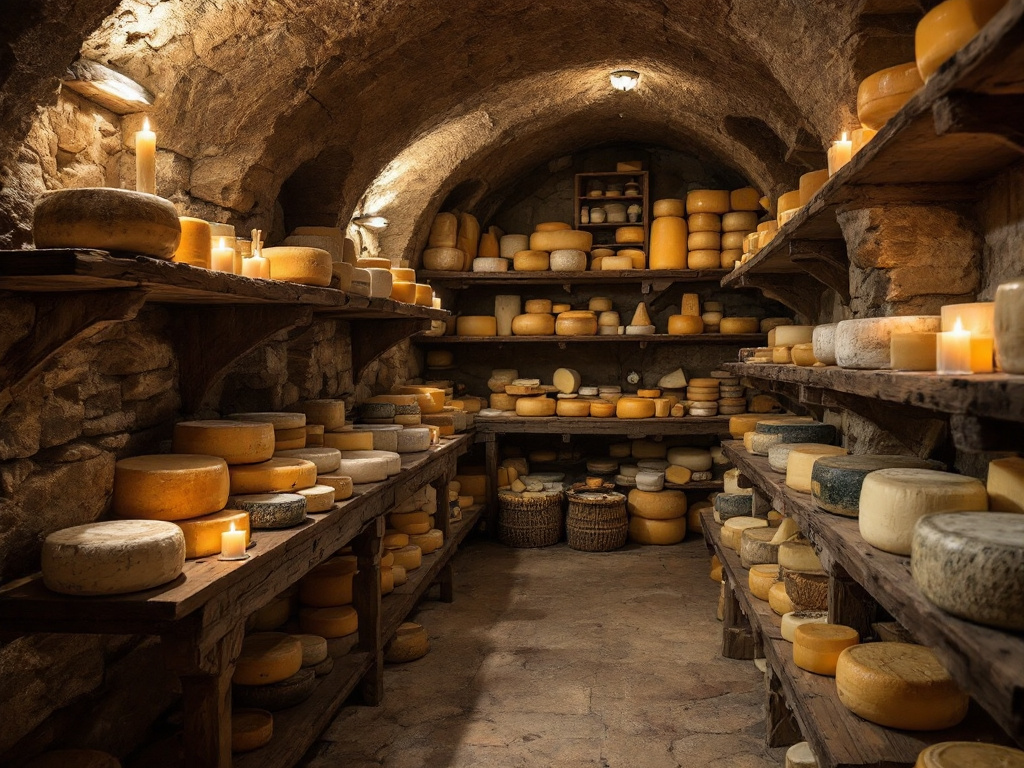
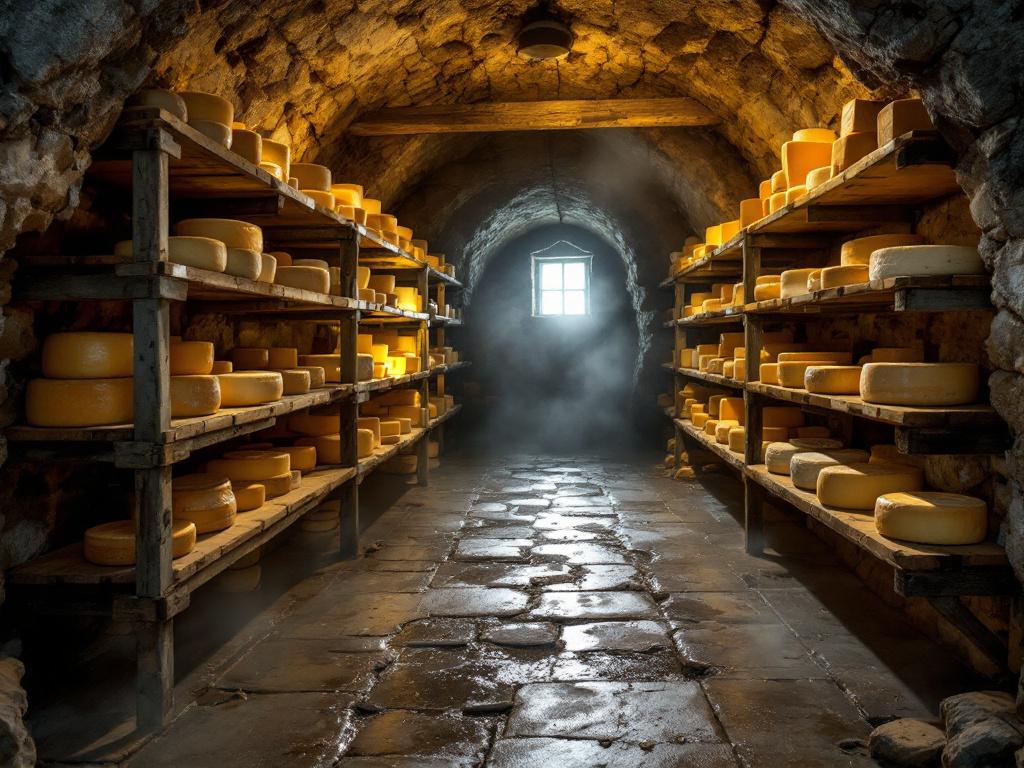
A French cheese cave with various types of cheese aging on wooden shelves, showcasing the natural environment where cheese is matured.
The Magic of Affinage: The French Cheese Aging Process
Understanding the Basics of Cheese Aging
The art of French cheese aging, also known as affinage, is a delicate dance of temperature, humidity, and airflow. Each element plays a crucial role in developing the flavor, texture, and aroma of the cheese. From the creamy goodness of Brie to the crumbly delight of Comté, the aging process is what turns raw ingredients into a symphony of tastes.
One of the most traditional methods of cheese aging involves the use of natural caves. These caves provide a stable environment that mimics the ideal conditions for aging. The consistent temperature and humidity levels in these caves allow the cheese to mature gracefully, developing its unique characteristics over time.

A close-up of a cheese affineur carefully monitoring and turning cheese wheels in a temperature-controlled aging room.
Hints and Tips:
- If you're looking to store your cheese at home, consider using a cheese storage container to maintain optimal humidity and temperature.
- Regularly turning your cheese can help ensure even aging and prevent unwanted mold growth.
The Role of Affineurs in the Aging Process
Affineurs, or cheese masters, play a vital role in the aging process. They monitor the cheese closely, turning it regularly and even washing the rinds with brine or flavored solutions. This meticulous care helps develop the cheese's unique profile while preventing unwanted bacteria from taking hold. Through their attentive process, each wheel of cheese becomes a work of art, showcasing the rich traditions and techniques of French cheese aging.
The duration of the aging period can vary significantly, influencing the final taste and texture of the cheese. Some cheeses are aged for just a few weeks, resulting in a fresh and vibrant flavor. Others may mature for several months or even years, allowing complex flavors to develop and creating a depth that cheese lovers crave.
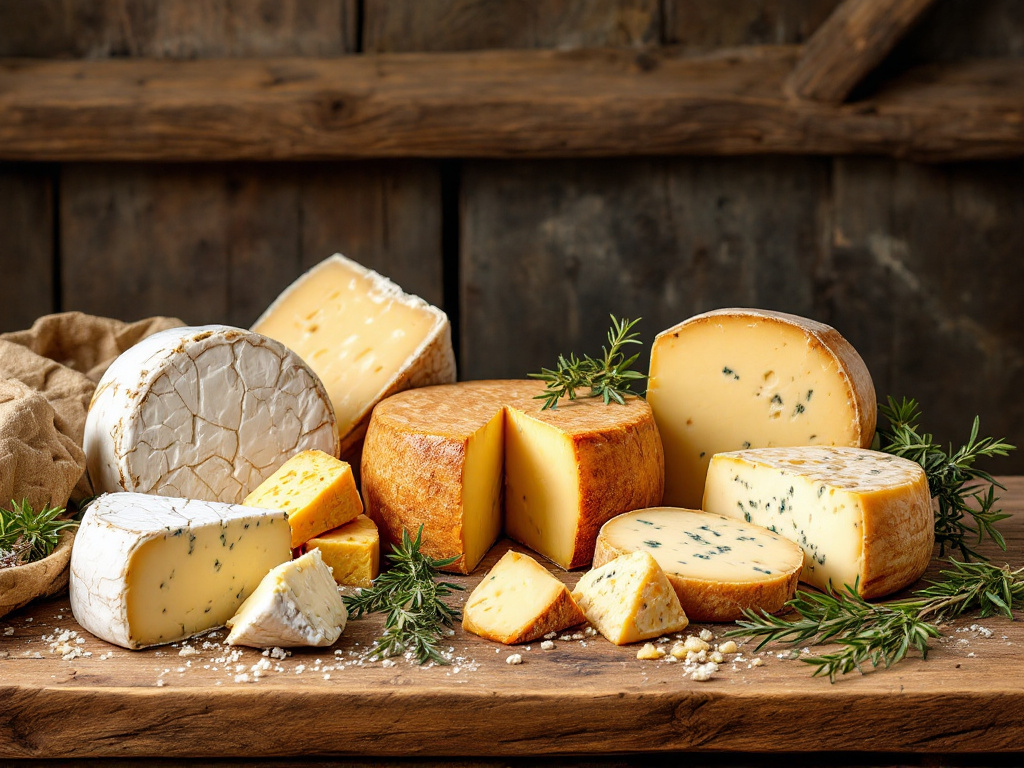
A variety of French cheeses on a rustic wooden table, highlighting the different textures and colors resulting from the aging process.
Hints and Tips:
- For a truly authentic experience, try aging your own cheese at home using a food dehydrator. This can help you control the environment and achieve the perfect aging conditions.
- Experiment with different aging times to discover the flavor profile you prefer.
Key Ingredients for Flavor Development
When it comes to French cheese aging, certain key ingredients play a crucial role in developing rich flavors and unique textures. The quality and type of milk used can significantly impact the final taste of the cheese. Different animals produce milk with varying fat content and flavor profiles, which contribute to the distinctiveness of each cheese variety. For instance, cow's milk often yields creamy cheeses, while goat's milk can add a tangy note.
Another essential component in flavor development during the French cheese aging process is the addition of specific cultures and bacteria. These microorganisms are responsible for the fermentation process, which breaks down lactose and enhances flavors. Depending on the desired outcome, cheesemakers select particular strains that will produce the right acidity and aroma. Some cultures can even create natural rinds, adding additional layers of flavor as the cheese matures.
Salt also plays a significant role in the French cheese aging process. It not only helps to preserve the cheese but also acts as a flavor enhancer. Salt regulates moisture content and balances the natural sweetness of the milk, creating a more complex taste profile. In addition to its preservation properties, salt helps to develop the texture of the cheese, making it firmer or creamier as it ages.
Finally, the aging environment is essential for flavor development in the French cheese aging process. Temperature, humidity, and airflow all influence how the cheese matures. From caves to specialized aging rooms, the environment allows for various molds and bacteria to flourish, contributing to the overall flavor and aroma. Each aging method imparts its unique characteristics, leading to the diverse array of flavors found in French cheeses.

A beautifully arranged cheese platter with an assortment of aged French cheeses, accompanied by grapes, nuts, and a glass of wine, showcasing the delightful culinary experience.
Hints and Tips:
- To enhance the flavor of your cheese, consider pairing it with complementary foods. A charcuterie slicer can help you create the perfect accompaniments for your cheese platter.
- Store your cheese in a vacuum-sealed container to preserve its freshness and flavor.
Ideal Aging Conditions for Cheese
When it comes to the French cheese aging process, the environment plays a crucial role in the development of flavors and textures. Ideal aging conditions typically include a controlled temperature and humidity level. Most cheeses thrive at a temperature between 50°F and 55°F (10°C to 13°C). This cool climate helps maintain the perfect balance for enzymes and bacteria to work their magic, promoting the intricate flavors that you can find in a well-aged cheese.
Humidity is just as important in the French cheese aging process. A relative humidity level of around 80% to 90% is generally recommended. This high level of moisture helps to prevent cheese from drying out, which can negatively affect its texture and flavor. Using a cheese cave or a specialized aging room can help achieve these ideal conditions, allowing for optimal maturation.
Air circulation is another key factor in the aging process. Proper airflow helps to prevent the growth of unwanted molds while still allowing beneficial bacteria to flourish. This delicate balance is essential for crafting cheeses with unique flavors and aromas. In many traditional French cheese aging facilities, the cheese wheels are often turned and monitored regularly to ensure even aging and consistent quality.
Another consideration is the type of surface on which the cheese rests. Different cheeses may require specific aging surfaces, such as wood, straw, or specialized mats, to help absorb excess moisture and contribute to flavor development. The French cheese aging process is all about fine-tuning these various elements to create a truly exceptional cheese that reflects the artistry of its makers.
Hints and Tips:
- If you're looking to age cheese at home, consider using a humidity-controlled container to mimic the ideal aging conditions.
- Regularly monitor your cheese for any signs of unwanted mold growth and adjust the environment as needed.
Tasting Notes from Aged Cheeses
Aged cheeses are a true delight for the senses, showcasing a rich tapestry of flavors and textures that evolve over time. The French cheese aging process plays a crucial role in transforming fresh cheese into complex and savory masterpieces. As the cheese matures, it develops deeper flavors, aromas, and nuanced characteristics that are often unique to specific aging conditions.
One of the most notable aspects of aged cheeses is their aroma. With time, cheese can acquire a strong, earthy scent that may surprise first-timers but delights seasoned connoisseurs. For instance, a well-aged Roquefort may emit a pungent blue mold aroma, while a Comté aged for several months can offer a sweet, nutty fragrance. These scents are an invitation for any taster to indulge in the depth of flavor that lies within.
When it comes to flavor, aged cheeses can elicit a symphony of taste sensations. A sharp, tangy bite might greet the palate when sampling an aged goat cheese, while a more buttery smoothness can be found in a mature Brie. Each cheese tells its own story influenced by the French cheese aging process, often revealing notes of caramel, fruit, and even a hint of spice, depending on the type and duration of aging involved.
The texture of aged cheese also merits attention, as it can range from the crumbly, dry quality of a well-matured Parmigiano-Reggiano to the creamy and smooth consistency of an aged Camembert. These variations make aged cheeses incredibly versatile, perfect for pairing with a range of accompaniments, from crusty bread to fresh fruits and full-bodied wines. The complexity achieved through careful aging serves to enhance every element, making each bite a unique tasting experience.
Hints and Tips:
- To fully appreciate the flavors of aged cheese, allow it to come to room temperature before serving. This helps to release its aromas and enhance its taste.
- Pair your aged cheese with complementary wines and foods to create a harmonious tasting experience.
Funny Story Time!
I remember the first time I tried to age cheese at home. I had read all the books, watched all the videos, and felt like a true affineur in the making. I carefully placed my cheese in a makeshift aging cave (aka my basement) and waited eagerly for the magic to happen. Weeks turned into months, and finally, the day came to taste my masterpiece. As I cut into the cheese, I was met with a pungent aroma that was, well, less than pleasant. It turns out, my basement was not the ideal aging environment, and my cheese had become a science experiment gone wrong. Lesson learned: leave the serious aging to the professionals!
Conclusion
The art of French cheese aging is a delicate and rewarding process that transforms ordinary cheese into gourmet delights. By understanding the key elements of temperature, humidity, and airflow, as well as the role of affineurs and the importance of the aging environment, we can appreciate the craftsmanship that goes into each bite of French cheese. So, the next time you indulge in a slice of perfectly aged Brie or a crumbly piece of Comté, take a moment to savor the flavors and textures that have been carefully cultivated through the French cheese aging process.
References
- Cheese.com: A comprehensive guide to different types of cheese and their aging processes.
- French Cheese Board: Insights into the traditional methods of French cheese aging.
- Culture Cheese Magazine: In-depth articles on the art and science of cheese aging.
- The Spruce Eats: Practical tips and techniques for aging cheese at home.
- Serious Eats: Expert advice on pairing aged cheeses with complementary foods and wines.
Related Product List
- St. Andre Mini Triple Creme Cheese
- Morbier Cheese from Montboisse
- Marin French Triple Creme Brie
- Lactalis Brie Cheese from Paris
- St. Andre Triple Cream Cheese
- Herve Mons St. Nuage Cheese
- French Delicacies Gift Box
- Brillat Savarin Cheese
- Aged Mimolette Cheese from Isigny Ste. Mere
- Quarter Wheel French Raclette