Key Takeaways
- Abbaye de Belloc is a unique, artisanal sheep cheese crafted by Basque Benedictine monks using ancient methods that date back 3,000 years.
- The cheese boasts rich flavors of brown butter, caramel, and hay with a firm yet buttery texture, enhanced by hand-dusted Espelette paprika.
- Its production is intensely seasonal and rooted in tradition, including hand-milking Manech sheep and aging for 4–10 months in monastery cellars.
- Abbaye de Belloc returned to the U.S. market in 2024, exciting artisanal cheese lovers and highlighting its cultural and gastronomic significance.
- The article explores the cheese’s history, production, tasting notes, nutritional benefits, chef insights, and pairing suggestions, along with a spotlight on other French cheeses.
Table of Contents
- The Monastic Tradition Behind Abbaye de Belloc
- How Abbaye de Belloc is Made: A Masterpiece of Artisanal Cheese
- Tasting Notes: What Makes Abbaye de Belloc Unique?
- Why Abbaye de Belloc is a Nutritious Choice
- What Chefs Say About Abbaye de Belloc
- Finding Authentic Abbaye de Belloc: Availability & Retailers
- How to Store and Serve Abbaye de Belloc for Maximum Enjoyment
- Fourme de Montbrison: Auvergne’s Blue Jewel
- Latest News: Abbaye de Belloc Returns to U.S. Markets
- Seasonal Spotlight: Autumn Celebrations
- Abbaye de Belloc: Key Facts & Figures
- French Cheese Industry Snapshot
- Nutritional Profile: Abbaye de Belloc vs. Common Cheeses
- Flavor Spectrum: Sheep Cheese Comparison
- Conclusion: Savoring France's Cheese Legacy
- Frequently Asked Questions About French Cheese
- Further Reading & Resources
Abbaye de Belloc: A Timeless French Cheese with Monastic Roots
Imagine the serene Basque hills where Benedictine monks dedicate their days to crafting a cheese steeped in history. Abbaye de Belloc is more than just a sheep cheese—it embodies centuries-old tradition and passion. From hand-milking rare sheep to aging in ancient cellars, this cheese captures a sense of place and time. Its rich nutty notes and smoky paprika crust tell stories of earth, faith, and culinary excellence. Join us as we explore the legacy and flavors of this remarkable French treasure!
 The Monastic Tradition Behind Abbaye de Belloc
History of the Basque Monks’ Craft
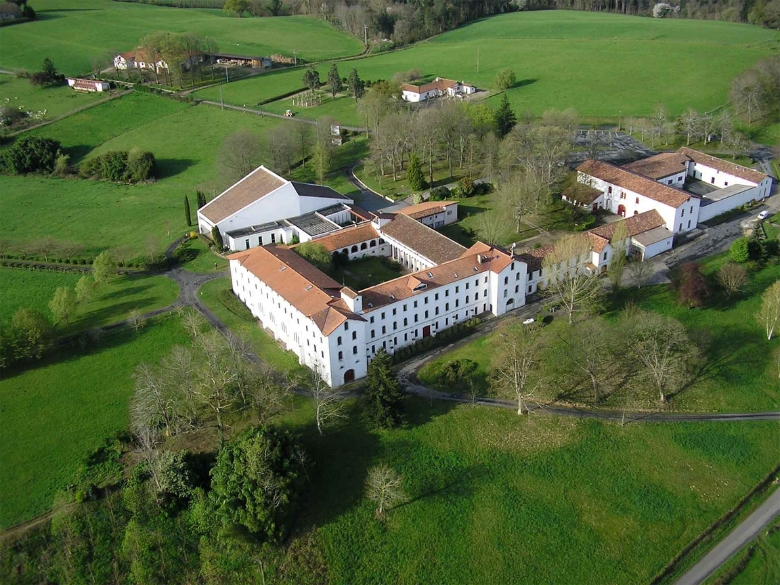
At the heart of Abbaye de Belloc’s history is a devotion that transcends mere food production. Since the 19th century, Benedictine monks at the Abbaye de Notre-Dame de Belloc have pursued a sacred mission: perfecting the art of sheep cheese-making. The abbey, founded in 1875 in the misty Basque hills, blends spiritual dedication with artisanal skill—an homage to traditions that date back millennia. Using time-honored techniques, the monks raise their own Manech sheep, prized for their distinctive red noses and rich, flavorful milk.
This personal care is evident. The monks milk their flocks by hand seasonally, ensuring the cheese reflects the purest expression of the region’s terroir. Their dedication persisted even during dark periods—like WWII, when their cellars doubled as refuges for resistance fighters. These stories infuse each wheel of Abbaye de Belloc with layers of cultural and historical richness beyond its creamy texture.
Cultural Significance and Traditions
Basque culture is intertwined with the identity of Abbaye de Belloc. The cheese serves as a culinary ambassador during regional celebrations like the Fête du Piment in Espelette, where its paprika-dusted rind plays a starring role alongside dancers, local stews, and vibrant traditions. This event celebrates not just ingredients but centuries of Basque heritage.
The monks’ artisanal approach also honors an ancient form of craftsmanship that respects nature’s cycles. Their seasonal production aligns with the sheep grazing spring meadows rich with wildflowers, which directly influences the complex, floral flavors that make Abbaye de Belloc distinct. This blend of religious, cultural, and environmental stewardship illuminates why the cheese is much more than a delicacy—it’s a living tradition.
 How Abbaye de Belloc is Made: A Masterpiece of Artisanal Cheese
Milk and Initial Processing
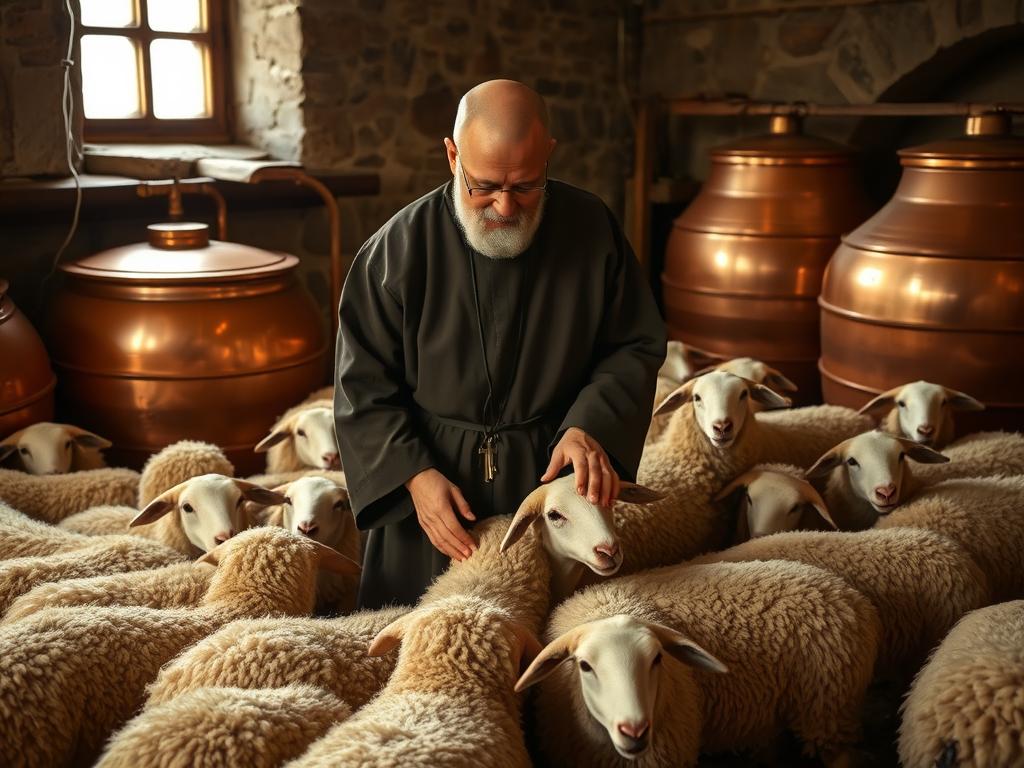
Abbaye de Belloc begins with raw milk from Manech ewes, a rare and treasured breed native to the Basque region. Rich in fat and flavor, this milk forms the lush foundation of the cheese. The monks take great care to warm it gently to preserve its natural enzymes and cultures—essential for developing the complex flavors this cheese is known for.
After adding thermophilic cultures and traditional animal rennet, the raw milk curdles, forming curds watched over carefully by the monks. This stage is a delicate balance between science and art, where the timing of cutting and draining can dramatically impact texture and taste. The curds are then pressed into hefty wheels weighing between 8 and 10 pounds, ready for their transformation through aging.
Aging: The Magic of Time and Environment
Once formed, the cheese wheels embark on their aging journey in cool monastery cellars. Here, each wheel slowly matures for 4 to 10 months, developing a firm yet buttery texture and a distinctive rind dusted with Espelette paprika—a spice adored for its mild heat and smoky notes.
This paprika is no mere garnish—it’s a centuries-old preservation technique that adds complexity and protects the rind naturally. During aging, the cheese’s flavor deepens from bright spring freshness to rich caramel undertones, reflecting the passing seasons. The entire process remains intensely hands-on, with careful turning and monitoring ensuring each wheel meets the monks’ rigorous standards of quality. For more insights into the aging process of French cheeses, you can explore French Cheese Aging Secrets.
Tasting Notes: What Makes Abbaye de Belloc Unique?
Flavor Profile and Texture
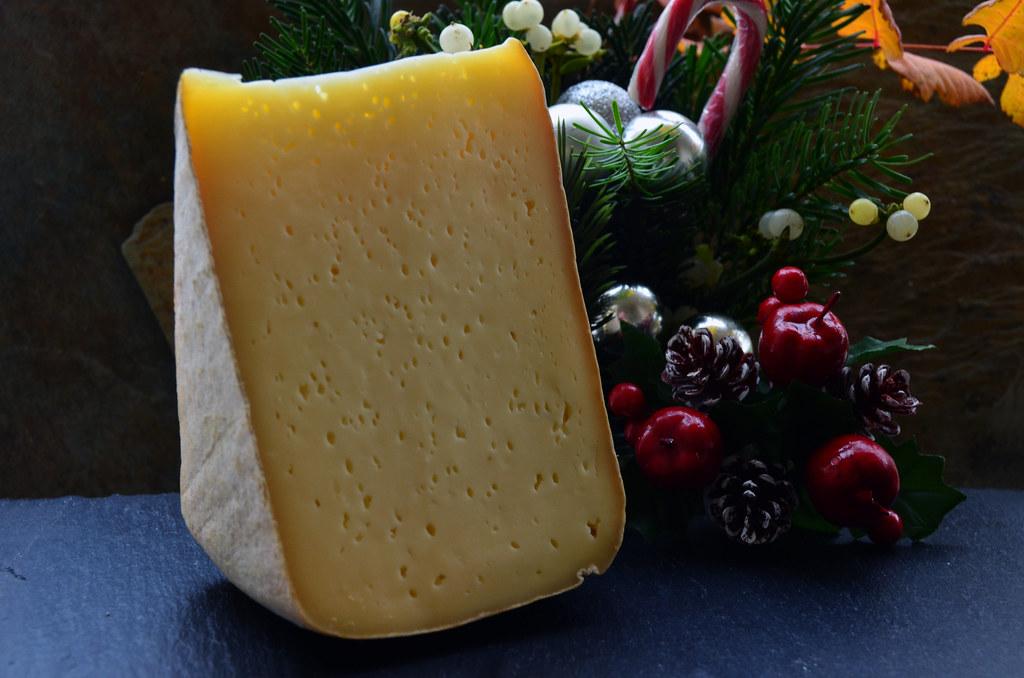
Cutting into a wheel reveals a creamy ivory interior beneath a rustic, paprika-speckled rind that hints at the flavors within. The texture strikes a perfect balance—firm enough to slice elegantly, yet buttery and smooth when melted. The nose brings immediate notes of brown butter and fresh hayfields, transporting the senses to the lush Basque pastures.
On the palate, Abbaye de Belloc dances delicately, unfolding sweet cream and toasted nut complexities before settling into a gently surprising caramel finish. It's a cheese that charms without overwhelming, making it highly versatile and accessible—even to those new to sheep cheeses. This moderate flavor intensity paired with a satisfying texture is why it continues to captivate gourmands worldwide.
Perfect Pairings: Wine, Food & More
Elevate your tasting by pairing Abbaye de Belloc with a juicy Pinot Noir or a spicy Shiraz—wines that complement its nutty, caramel characteristics beautifully. For foods, try crusty baguettes, fresh figs, or walnuts drizzled with honey to amplify the cheese’s natural sweetness and earthy notes.
A fun tip: that faint lanolin aroma is a direct expression of the sheep’s grassy diet, adding a uniquely pastoral charm to the experience. Additionally, experimenting with dark chocolate alongside Abbaye de Belloc can create a decadent dessert pairing, surprising those who think cheese and chocolate can’t be friends! For more ideas on pairing mild French cheeses, check out our guide on Top 8 Mild French Cheeses.
4.95 out of 5 stars
Imported French Triple Cream Brie, 6.5 oz
Indulge in the rich, buttery flavor of this luxurious cheese that's perfect for your next cheese board or a special treat
Product information
Product Review Score
Product links
Why Abbaye de Belloc is a Nutritious Choice
 Nutritional Benefits of Sheep Cheese
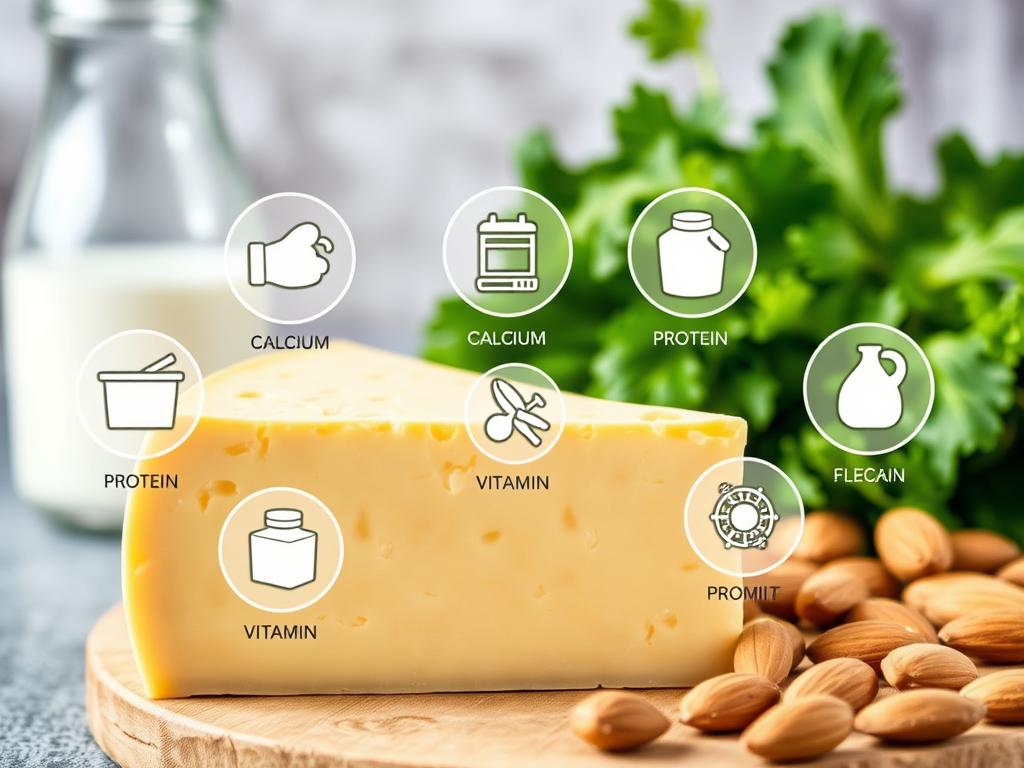
Sheep cheese offers robust nutrition, and Abbaye de Belloc exemplifies this well. It contains higher protein and calcium levels than many cow’s milk cheeses, promoting muscle health and strong bones. Additionally, the cheese is rich in vitamins A and B12, essential for immune function and energy metabolism.
For those sensitive to lactose, sheep cheeses like this one can be easier to digest due to naturally lower lactose content after the aging process. It’s an indulgent yet wholesome option that fits seamlessly into balanced diets, whether added to salads, omelets, or simply enjoyed on its own. For more information on raw milk cheeses, visit our article on Raw Milk French Cheeses.
Comparisons and Dietary Considerations
Abbaye de Belloc’s calcium content stands out at 720mg per 100g—an impressive 72% daily value. This level surpasses common cow’s milk cheeses like Cheddar, making it an excellent choice for bone-conscious consumers. Additionally, its protein-rich profile supports satiety and muscle repair, ideal for active lifestyles.
The cheese’s very low lactose content (0.1g/100g) means lactose-intolerant individuals often tolerate it well, especially compared to fresh cheeses. However, always start with small amounts if unsure. Overall, Abbaye de Belloc combines gourmet appeal with nutritional wisdom. For a comparison between Camembert and Brie, check out our detailed guide on Camembert vs Brie Differences.
What Chefs Say About Abbaye de Belloc
Professional Endorsements
Michelin-starred chefs and expert fromagers laud Abbaye de Belloc for its versatility and depth. Chef Jean-Pierre highlights how its nutty richness elevates even simple dishes, urging home cooks to try it in a Basque-style grilled sandwich. Chef Élodie Laurent describes the cheese poetically as “terroir archaeology”—a flavorful whisper from the Pyrenees carrying meadow grasses and caramel notes to the plate.
Fromager Pierre Dubois poetically remarks that every wheel is treated like “a prayer,” emphasizing the attentive, patient care in its making. Younger cheeses display freshness reminiscent of spring rains; older wheels embody autumn’s caramel depth. This reverence translates directly into the cheese’s uniquely layered flavor profile and aura.
Cooking Tips and Creative Uses
For home chefs, Abbaye de Belloc offers delightful opportunities. It grates superbly over roasted vegetables, gaining a beautiful golden crust under heat. Additionally, pairing the cheese with dark chocolate for dessert creates an unexpectedly harmonious flavor combination that surprises and delights.
Its melting properties also lend themselves well to gratins, tarts, and warm pasta dishes, delivering creamy, nutty layers of flavor that bring elegance with minimal effort. As experts emphasize, simple preparations can be instantly transformed with this monastic masterpiece.
Finding Authentic Abbaye de Belloc: Availability & Retailers
Where to Buy Abbaye de Belloc
Authentic Abbaye de Belloc can be elusive, especially outside France where artisanal cheese distributions are more limited. Avoid large supermarkets as these often carry imitations or lower-quality variations. Instead, seek out specialty fromageries in France, identifiable by the “Abbaye de Notre-Dame de Belloc” label that guarantees authenticity and traditional production methods.
For international cheese lovers, online importers and specialty shops like Murray's Cheese, Farmstead, and France44’s curated cheese collection offer reliable sources. Prices range around $25–$35 per pound, reflecting the rare and craftsman nature of this product. For more tips on buying authentic French charcuterie and cheese, visit our guide on Buy Authentic French Charcuterie Online.
Tips to Spot Genuine Cheese
Genuine Abbaye de Belloc wheels possess a rustic, paprika-dusted rind with a distinctive earthy aroma that mass-produced counterparts lack. Texture should feel firm but springy. Beware of overly uniform or plastic-wrapped cheeses that lack the artisanal allure.
Ask for provenance details; reputable vendors will provide information about the sheep breed, production methods, and aging periods. Supporting these specialized retailers helps ensure you receive a genuine taste of Basque tradition.
$39.99
4.23 out of 5 stars
Petit Basque Cheese, 1 Pound Block
A delightful semi-hard cheese with rich and nutty flavors perfect for snacking or cooking
Product information
Product Review Score
Product links
How to Store and Serve Abbaye de Belloc for Maximum Enjoyment
Proper Storage Techniques
To preserve its delicate flavors and texture, wrap Abbaye de Belloc in wax paper rather than plastic. This allows the cheese to “breathe” while protecting it from excess moisture—critical for maintaining the paprika-dusted rind’s integrity. Store it ideally in the fridge’s crisper drawer, where temperature and humidity levels are stable.
Avoid freezing, as cold damages the cheese’s delicate buttery texture, resulting in graininess upon thawing. When stored well, the cheese can last several weeks, but always consume it before mold beyond the natural rind develops. For more tips on preserving French cheeses, check out our guide on French Cheese Preservation Techniques.
Serving Tips for Flavorful Experience
Bring the cheese to room temperature—about 30 minutes outside the fridge—before serving. This unlocks its full bouquet and softens the texture for optimal taste. Serve it sliced on a platter with complementary wines, fruits, and breads to highlight its nutty, caramel nuances.
Serving cold dulls flavor, so resist the urge to plate it directly from the fridge. Embrace the ritual of anticipation; the payoff is an unforgettable tasting experience that honors the monks’ centuries of patience.
Fourme de Montbrison: Auvergne’s Blue Jewel
Origins and Flavor Distinctiveness
Fourme de Montbrison hails from the verdant Auvergne region of central France and stands as one of the country’s oldest blue cheeses. Its roots stretch back to 870 AD, with medieval shepherds believing that aging it in mountain caves endowed the cheese with mystical “earth magic.” Today, natural limestone caves—some over a millennium old—continue to nurture its unique character.
The cheese features velvety blue veins running through a smooth, creamy body. Its rich, buttery flavor strikes a harmonic balance: nutty and earthy, with a playful tang. Hand-turning throughout aging ensures even mold development and a perfect crumbly texture that is both firm and velvety. For more insights into another exquisite French blue cheese, explore our article on Explore Fourme d’Ambert Cheese.
Celebrations and Pairings
Each August, the town of Montbrison shines as hosts the Fête de la Fourme, a lively festival where cheesemakers display traditional cave-aging techniques. Folk music and sample tastings invite visitors to experience the cheese’s heritage firsthand.
Pair Fourme de Montbrison with charcuterie like prosciutto or salami for earthy contrasts, and fresh fruits such as grapes or figs to balance its tang. Wines like Pinot Noir or oaky Chardonnay enhance its flavors beautifully, making for impressive boards or decadent baked dishes. Drizzling lavender honey—a trick from an 18th-century nun—adds a floral sweetness that elevates the experience.
$29.99
4.12 out of 5 stars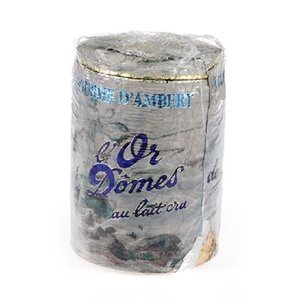
Fourme D'Ambert Blue Cheese - 1 lb
A rich and creamy blue cheese that adds bold flavor to your favorite dishes
Product information
Product Review Score
Product links
Latest News: Abbaye de Belloc Returns to U.S. Markets
 The Comeback Story
After vanishing from American cheese counters for five years due to distribution hurdles, Abbaye de Belloc made a triumphant return to U.S. markets in early 2024. Cheese lovers and retailers, including Murray's Cheese, rejoiced as this Basque sheep cheese reclaimed its rightful place among the finest artisanal offerings.
The resurgence is more than a commercial win—it represents a victory for traditional cheese production methods and the unique narrative of monk-crafted cheeses. It has sparked collaborations featuring Basque ciders and heirloom walnuts, underscoring the cheese’s role as a cultural ambassador beyond borders.
Market Impact & Reception
Cheesemongers describe the cheese’s return with nostalgic enthusiasm, recalling a time when discussions of Abbaye de Belloc spread almost like rediscovering a lost treasure. This renewed availability has boosted interest among both professionals and home enthusiasts, leading to increased appreciation of artisanal sheep cheeses generally.
As distributors continue to embrace such heritage cheeses, consumers benefit from access to authentic products that embody dedication, terroir, and centuries-old techniques—elements that elevate dining beyond mere consumption.
Seasonal Spotlight: Autumn Celebrations
Autumn’s Role in Cheese Appreciation
While Abbaye de Belloc does not have a dedicated festival, its presence shines brightly during autumn cheese tastings and harvest markets across France from September through November. This season coincides with the aging peak of wheels crafted during spring grazing, making autumn tastings a perfect moment to experience the cheese at its flavor zenith.
Fromageries like France44 curate “Basque Harvest” cheese boards featuring Abbaye de Belloc alongside complementary Basque sheep cheeses such as Ossau-Iraty. These curated experiences highlight the cheese’s nutty depth and connect consumers to the rhythms of rural Basque life and natural cycles.
Cultural Events and Heritage
Autumn activities also link the cheese to longstanding Basque traditions such as the Fête du Piment, celebrating Espelette paprika, essential to Abbaye de Belloc’s signature rind. Special educational sessions during these celebrations often include monks’ stories, blending gastronomy with heritage and history.
These immersive events not only promote local culture but also preserve the narrative of monastic resilience—like WWII efforts to shelter resistance fighters—infusing the cheese with an identity beyond flavor alone.
Abbaye de Belloc: Key Facts & Figures
| Feature | Detail |
|---|---|
| Milk Source | Raw milk from Manech sheep (herd size: ∼300) |
| Aging Period | 4–10 months (peak flavor at 8 months) |
| Annual Production | ∼50 tons (vs. 200,000+ tons for Brie) |
| Unique Trait | Hand-dusted with Espelette paprika |
French Cheese Industry Snapshot
| Statistic | Value |
|---|---|
| Total French Cheese Varieties | 1,200+ (46 AOC-protected) |
| Annual Production | 1.9 million tons |
| Export Volume | 687,000 tons (€3.5B revenue) |
| Sheep Cheese Share | <5% of total production |
Nutritional Profile: Abbaye de Belloc vs. Common Cheeses
| Nutrient (per 100g) | Abbaye de Belloc | Cheddar | Goat Brie |
|---|---|---|---|
| Calories | 410 kcal | 403 kcal | 334 kcal |
| Protein | 25g | 25g | 21g |
| Calcium | 720mg (72% DV) | 710mg (71% DV) | 430mg (43% DV) |
| Lactose | 0.1g | 0.5g | 2.0g |
Flavor Spectrum: Sheep Cheese Comparison
| Cheese | Flavor Notes | Intensity (1-10) | Best Pairing |
|---|---|---|---|
| Abbaye de Belloc | Brown butter, caramel, hay | 6 | Pinot Noir, fig jam |
| Ossau-Iraty | Roasted hazelnuts, herbs | 7 | Black cherry preserves |
| Roquefort | Salty, tangy, umami | 9 | Sauternes, walnuts |
Conclusion: Savoring France's Cheese Legacy
Abbaye de Belloc stands as a captivating testament to the enduring power of tradition. Born from devoted Basque Benedictine monks and shaped by centuries of monastic dedication, it exemplifies how history and terroir intertwine in every handmade wheel. Its complex flavors, painstaking craftsmanship, and rich cultural backdrop create a cheese that is truly both a meal and a story.
Moreover, this sheep cheese’s modern resurgence on global markets reflects a growing appreciation for artisanal products that honor legacy and authenticity. From the rhythmic hand-milking of Manech sheep to its paprika-dusted rind, Abbaye de Belloc offers more than nutrition—it offers a sensory journey into French heritage and monastic resilience.
For those eager to explore further, the world of French cheeses is vast and vibrant. Whether you are a seasoned connoisseur or just beginning your cheese adventure, why not discover more treasures like Abbaye de Belloc at Delifoodshop’s French Cheese Haven—where every variety tells a delicious story. Life’s truly too short for boring cheese! For a deeper dive into one of France's most beloved cheeses, check out our article on Comté, France’s Cheese Treasure.
$61.90
4.69 out of 5 stars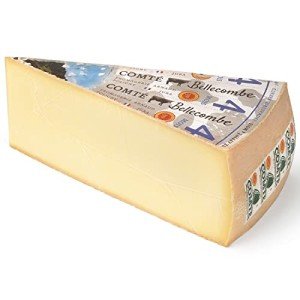
Comté Fort St. Antoine French Cheese - 1 lb
Enjoy the rich, nutty flavor of this authentic French cheese that's perfect for snacking or adding to your favorite dishes
Product information
Product Review Score
Product links
Frequently Asked Questions About French Cheese
- What makes French cheese different from others?
French cheese stands out because of its intense focus on terroir—the unique combination of local climate, soil, breeds, and traditional methods that shape its flavor. The country’s AOC laws strictly control production, protecting authenticity and creating profiles impossible to replicate elsewhere. This dedication results in over 1,200 varieties that express their region’s identity beautifully. - Why are some French cheeses made with raw milk?
Using raw milk preserves natural enzymes and beneficial bacteria that contribute to complex, nuanced flavors—elements often lost in pasteurized milk. Cheeses like Abbaye de Belloc harness raw milk to deepen their caramel and hay notes. EU regulations require raw milk cheeses to be aged at least 60 days to ensure safety. - What does AOC on labels mean?
Appellation d'Origine Contrôlée (AOC) certifies that a cheese was produced using traditional methods in its authentic region. Only 46 French cheeses carry this prestigious label, ensuring quality and heritage—for example, Roquefort and Comté. It’s a mark of protected cultural and gastronomic identity. - Can lactose-intolerant people eat French cheese?
Yes! Especially aged French cheeses like Abbaye de Belloc have almost no lactose (0.1g/100g), as bacteria consume lactose during aging. These harder, aged varieties are often easier to digest than fresh cheeses, making them safer choices for many lactose-sensitive individuals. For more insights on mild French cheeses, visit our guide on Top 8 Mild French Cheeses. - What's the best way to store French cheese?
Wrap cheese in wax paper—not plastic—to allow it to breathe and prevent mold growth. Store in the fridge’s crisper drawer at about 40°F. Before serving, bring the cheese to room temperature to reveal its full flavor and aroma. Freezing is discouraged as it ruins texture. - Which French cheese is best for beginners?
Mild, creamy cheeses like Brie or Camembert make ideal starting points. For those ready to explore sheep cheeses, Abbaye de Belloc is a great introduction with its approachable nutty flavor and moderate intensity, striking a balance between delicacy and complexity. - How do monks influence French cheese-making?
Monasteries have been centers of cheese-making since the Middle Ages, treating it as spiritual and artisanal labor. Basque monks at Belloc preserve 3,000-year-old techniques that merge faith with craftsmanship, demonstrating how devotion and tradition fuel the heart of artisanal cheese production.
Further Reading & Resources
Explore More About French Cheese and Tradition
-
- Janet Fletcher’s Cheese Resurgence Report
A comprehensive view on the revival of traditional and rare cheeses such as Abbaye de Belloc, highlighting trends and cultural impact.
- Janet Fletcher’s Cheese Resurgence Report
-
- Cheese Science Toolkit: Terroir Explained
Delve into how terroir influences cheese flavor and uniqueness, essential for understanding the French cheese landscape.
- Cheese Science Toolkit: Terroir Explained
-
- Culture Cheese Magazine: Monastic Cheeses
Discover the spiritual and historical role of monks in cheese-making worldwide, including the Basque traditions at Belloc.
- Culture Cheese Magazine: Monastic Cheeses
-
- Académie du Fromage: Cheese Storage Guide
Expert advice on proper storage to maintain cheese freshness and flavor, tailored for artisan varieties.
- Académie du Fromage: Cheese Storage Guide
- Wikipedia: Abbaye de Belloc
A detailed history and overview of the abbey and its famous cheese, offering insightful background for enthusiasts.
4.22 out of 5 stars
Lactalis Brie Cheese from Paris 8oz
Indulge in the rich, creamy flavor of authentic French Brie cheese perfect for any cheese board or snack
Product information
Product Review Score
Product links