Discover Fourme d'Ambert, France's mildest blue cheese with a creamy, nutty flavor and 1,000-year history. Learn how this PDO-protected Auvergne delicacy is crafted, its health perks, and perfect pairings. Ideal for blue cheese beginners or gourmet lovers!
Estimated Reading Time
10 minutes
Key Takeaways
- Fourme d'Ambert is France's mildest blue cheese with a 1,000-year history
- PDO-protected since 1972, made only in Auvergne's Puy-de-Dôme region
- Creamy, nutty flavor profile perfect for blue cheese beginners
- Rich in calcium, protein, and gut-healthy probiotics
- Pairs beautifully with sweet wines, pears, and crusty bread
Table of Contents
- Introduction: Meet Fourme d'Ambert
- The History and Origins of Fourme d'Ambert
- How Fourme d'Ambert is Made
- Flavor Profile
- Health Benefits
- Pairing Perfection
- Where to Buy & How to Store
- Fun Facts
- Fourme d'Ambert vs. Other Blues
- Conclusion
- FAQs
Introduction: Meet Fourme d'Ambert
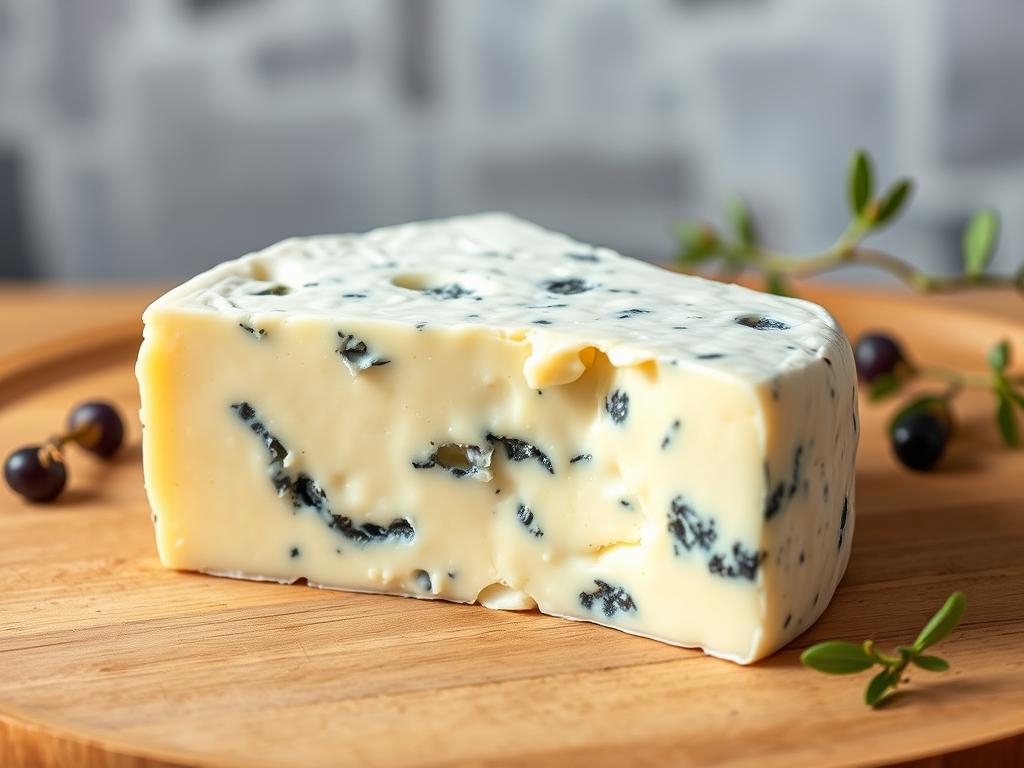
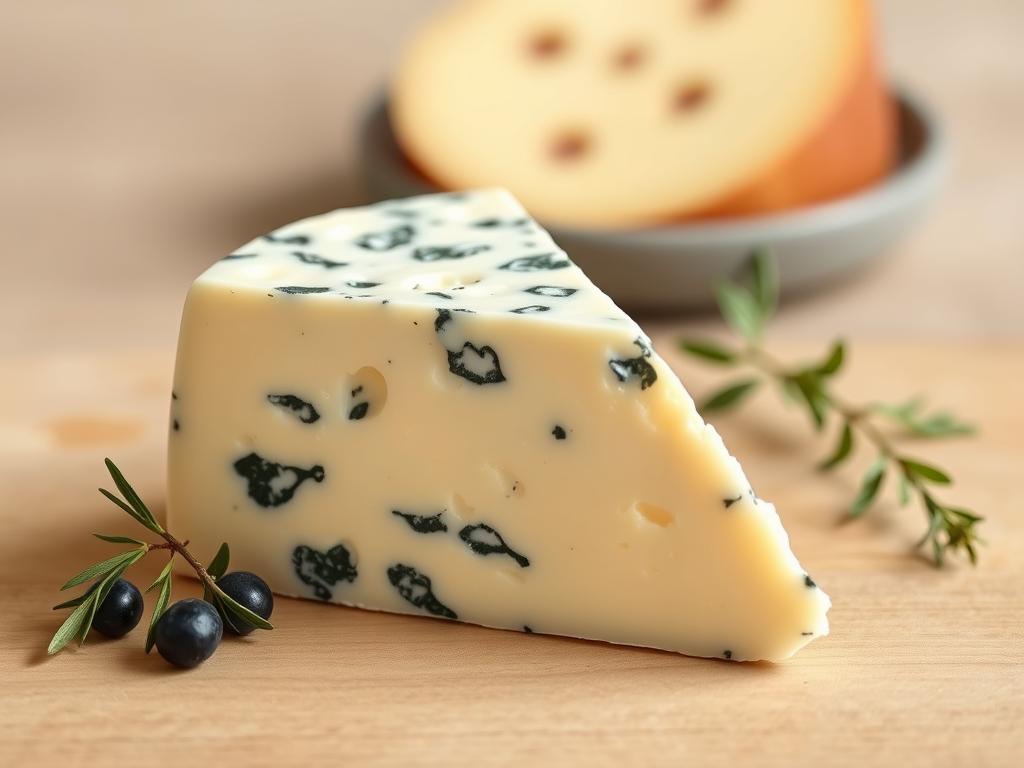 If you've ever been curious about blue cheese but hesitated because of bold flavors, Fourme d'Ambert is your answer. This velvety, mild blue cheese hails from France's Auvergne region and boasts a history stretching back over 1,000 years! Protected by a PDO (Protected Designation of Origin) label since 1972, it's crafted using time-honored methods that highlight its creamy texture and gentle tang. In this guide, you'll learn why it's a star on cheese boards, how it's made, and even uncover quirky stories—like how it was once used as currency in medieval villages!
The History and Origins of Fourme d'Ambert
Fourme d'Ambert isn't just old—it's ancient. Historians believe Romans snacked on this cheese while building roads through Auvergne's volcanic hills! By the Middle Ages, farmers traded wheels of Fourme d'Ambert for tools and livestock. Today, its PDO status ensures only cheeses made in specific communes like Puy-de-Dôme with local cow's milk can bear the name.
Fun Fact: The word "fourme" comes from the Latin forma, referring to its iconic cylindrical shape—a design still used today! Legend says Celtic druids used it in rituals, believing its blue veins symbolized a connection to the sky.
How Fourme d'Ambert is Made: Tradition in Every Bite
Creating Fourme d'Ambert is like conducting a symphony of mold and milk. Here's how it's done:
- Milk Matters: Cows graze Auvergne's lush pastures for at least 150 days yearly, giving the milk a grassy sweetness.
- Mold Magic: Penicillium roqueforti (the same mold used in Roquefort) is added to the curds, creating those signature blue veins.
- Aging Artistry: The cheese ages in humid stone cellars for 28+ days. Some affineurs (aging experts) let it mature for 2–3 months, deepening its nutty flavor.
Behind the Scenes: The Monts du Forez mountains' misty mornings and sunny afternoons create the perfect humidity for aging. One affineur family, the Dubois, has perfected this craft since 1893!
Flavor Profile: Why This Blue Cheese Wins Hearts
Fourme d'Ambert is the "gateway" blue cheese. Imagine a creamy, buttery base with whispers of hazelnut and fresh grass, balanced by a subtle tang. Its semi-soft texture melts on your tongue, unlike crumbly blues like Roquefort. Cheesemongers call it "approachable elegance"—perfect for newbies or anyone craving milder flavors.
A Chef's Secret: Julia Child adored Fourme d'Ambert's versatility. In her journals, she wrote, "A sliver on a radish slice? Magnifique!" [Source: Julia Child Foundation].
Health Benefits of Fourme d'Ambert
Beyond taste, this cheese packs a nutritious punch! Blue cheeses like Fourme d'Ambert are rich in:
- Calcium: Strengthens bones and teeth.
- Probiotics: The blue mold supports gut health.
- Protein: A savory way to fuel your day.
Moderation is key, though—its bold flavor means a little goes a long way!
Fun Fact: Medieval healers prescribed blue cheese poultices for wounds. (Stick to eating it, though!)
Pairing Perfection: Unleash the Flavor
Fourme d'Ambert shines when paired thoughtfully:
- Wines: Try sweet Sauternes, fruity Beaujolais, or a drizzle of Port.
- Foods: Pair with ripe pears, honey-drizzled walnuts, or crusty baguettes.
- Recipes: Crumble it into salads, melt it into risotto, or bake it into a pear-and-blue-cheese tart.
Pro Tip: Chef Jacques Pépin once said, "Fourme d'Ambert turns a simple salad into a masterpiece!" [Source: Food & Wine].
Where to Buy & How to Store It
Get it in our store here:
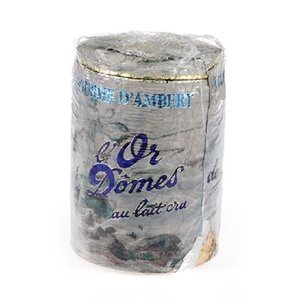
Fourme D'Ambert Blue Cheese - 1 lb
A rich and creamy blue cheese that adds bold flavor to your favorite dishes
Product information
$29.99
Product Review Score
4.12 out of 5 stars
180 reviewsProduct links
Find Fourme d'Ambert at specialty shops like Murray's Cheese or online retailers. Store it in foil in your fridge's veggie drawer to keep it creamy. If it smells strongly of ammonia or feels slimy, it's past its prime.
Fun Facts: Cheese Trivia to Impress Your Friends
- Ancient Cylinders: Its shape hasn't changed since Roman times—early wheels were aged in mountain huts!
- Blue Cheese Rivalry: Locals in Auvergne playfully argue whether Fourme d'Ambert or Bleu d'Auvergne reigns supreme. (Spoiler: Both are delicious!)
- Festival Fame: The town of Ambert hosts a yearly cheese festival where visitors taste centuries-old recipes.
Bonus Fact: In 2025, Fourme d'Ambert will star in France's nationwide cheese celebration, with tastings and workshops nationwide.
Fourme d'Ambert vs. Other Blues: A Quick Guide
| Cheese | Milk | Region | Flavor | Intensity |
|---|---|---|---|---|
| Fourme d'Ambert | Cow | Auvergne | Creamy, nutty | Mild |
| Roquefort | Sheep | Occitanie | Salty, sharp | Strong |
| Gorgonzola | Cow | Italy | Tangy, sweet | Medium |
Conclusion: Your Cheese Board's New Star
Fourme d'Ambert is more than cheese—it's a slice of French history. With its creamy mildness and versatility, it's perfect for elevating weeknight dinners or impressing guests. Whether you're crumbling it into a salad, pairing it with honey, or exploring its ancient roots, this mild blue cheese is sure to delight.
Ready to dive deeper into French cheese varieties? Visit our French Cheese Category to explore authentic Auvergne cheeses and more. From bold blues to creamy bries, there's a world of flavor waiting!
FAQs About French Cheese
1. What makes Fourme d'Ambert different from other blue cheeses?
Fourme d'Ambert is milder and creamier than most blues, thanks to cow's milk and a shorter aging period. Its gentle tang makes it perfect for blue cheese newbies!
2. Can I eat the rind of Fourme d'Ambert?
Yes! The rind is edible and adds a slightly earthy flavor. Just make sure it's not too dry or cracked.
3. What's the best way to store blue cheese?
Wrap it in wax paper or foil, then place it in the fridge's veggie drawer. It'll stay fresh for up to 3 weeks!
4. Is blue cheese healthy?
In moderation, yes! Blue cheeses like Fourme d'Ambert are rich in calcium, protein, and gut-friendly probiotics.
5. What are some beginner-friendly French cheeses?
Try Brie, Camembert, or Fourme d'Ambert. Their creamy textures and mild flavors are crowd-pleasers.
6. How is Fourme d'Ambert made?
Local cow's milk is mixed with Penicillium roqueforti mold, then aged in stone cellars for 28+ days. Tradition meets terroir!
7. What wine pairs best with mild blue cheese?
Sweet wines like Sauternes or fruity reds like Beaujolais balance Fourme d'Ambert's creaminess beautifully.