Discover the Heart-Shaped French Cheese That Has Melted Taste Buds for Centuries ❤️
Key Takeaways
- Cœur de Neufchâtel is one of France's oldest cheeses, famed for its unique heart shape and romantic medieval origins.
- Artisans use raw milk from Normandy’s Normande cows, following traditional methods that have survived more than 600 years.
- The cheese's tangy, mushroomy flavor and slightly crumbly texture set it apart from other bloomy rind cheeses like Brie and Camembert.
- It’s deeply intertwined with Norman culture and festive traditions and pairs superbly with Normandy cider and light wines.
- Despite its rich taste, Neufchâtel offers impressive nutritional benefits and is a sustainable artisanal product worth savoring.
Table of Contents
- From Medieval Normandy to Modern Tables: The Origins of Cœur de Neufchâtel
- The Art of Crafting Cœur de Neufchâtel: A Time-Honored Process
- More Than Just Cheese: The Cultural Legacy of Cœur de Neufchâtel
- Savoring Cœur de Neufchâtel: Flavor, Texture, and Perfect Pairings
- Is Cœur de Neufchâtel Good for You? Nutritional Insights
- Finding and Preserving Cœur de Neufchâtel: A Buyer's Guide
- What Chefs Say: Cooking with Cœur de Neufchâtel
- Cœur de Neufchâtel Etiquette: Tips for the Best Experience
- Latest News and Events: Cœur de Neufchâtel in 2025
- Expert Voices: What Chefs Say About Cœur de Neufchâtel
- Cœur de Neufchâtel: By the Numbers
- French Cheese Industry Snapshot
- Nutritional Profile: Cœur de Neufchâtel (per 100g)
- Flavor Comparison: Normandy's Bloomy Rinds
- Conclusion: A Taste of History Worth Savoring
- Cœur de Neufchâtel FAQs
- Further Reading & Resources
Imagine tasting a cheese shaped like a heart, steeped in six centuries of stories and traditions. Cœur de Neufchâtel is more than just dairy—it’s a living legend from Normandy. From its medieval roots to modern tables, this unique cheese captivates both food lovers and culture seekers alike. As we explore its origins, craftsmanship, flavor profiles, and cultural roles, get ready to fall in love with France’s edible romance. Join us on this delicious journey into history and savor a true gem of French gastronomy.
From Medieval Normandy to Modern Tables: The Origins of Cœur de Neufchâtel
Historical Beginnings and Wartime Romance
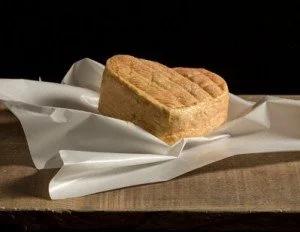
The story of Cœur de Neufchâtel dates back to the 6th century, far preceding the chivalrous knights and noble courts commonly associated with medieval France. This cheese originated in the lush pastures of Normandy’s Bray region, where farmers refined early cheese-making methods long before the Hundred Years’ War unsettled the lands. During this turbulent era (1337–1453), local Norman girls ingeniously shaped the cheese into hearts as tokens of affection for English soldiers, sparking a romance that transcended conflict.
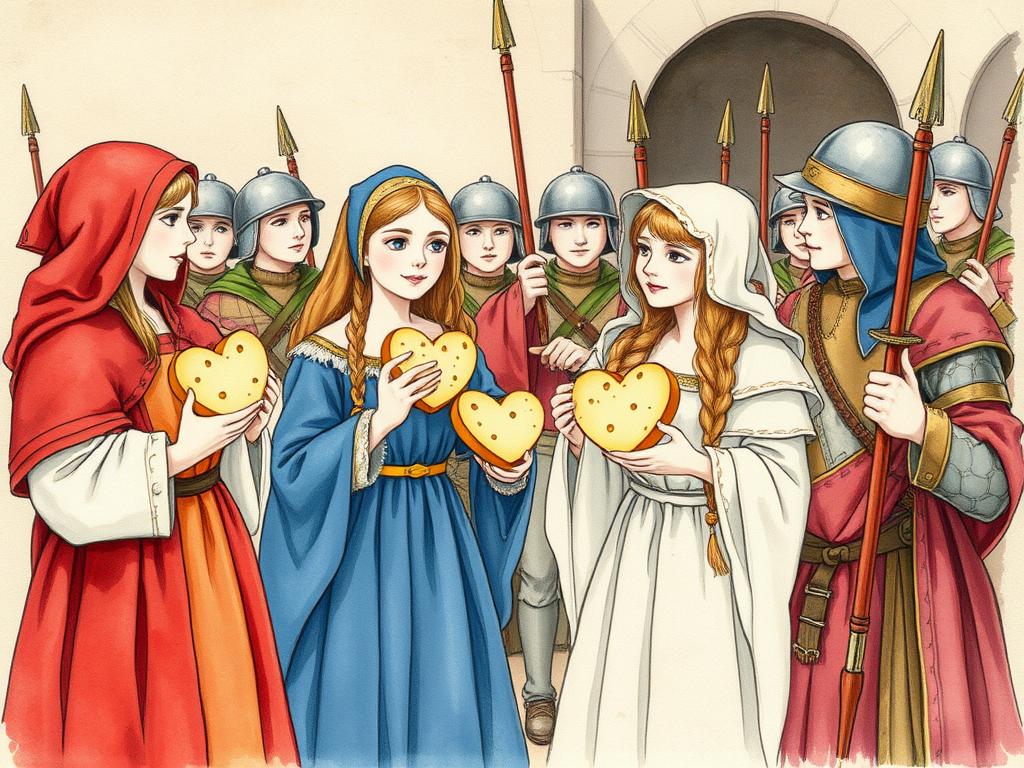 This symbolic shape wasn’t mere decoration but an emotional gesture embedded into the cheese’s identity. By the 1600s, the heart-shaped delight had won favor beyond Normandy, gracing Parisian tables and even crossing the English Channel as a delicacy. Its rich legacy and cultural significance were officially recognized in 1969, when France granted it AOC status, safeguarding its authenticity and tradition.
Normandy’s Role in Shaping a Cheese Icon
Normandy’s fertile soil and temperate climate create ideal conditions for dairy farming, particularly for the prized Normande cows. Their milk, rich in fat and flavor, forms the cornerstone of Neufchâtel’s distinctive taste. Through centuries, successive generations of farmers and cheesemakers in the Bray region perfected their craft, merging local terroir with skilled hands. Learn more about these traditional methods in our detailed traditional French cheese craft guide.
The region’s dedication to preserving tradition and quality underscores the cheese’s enduring presence in French gastronomy. As we journey to the present day, the romantic heart-shaped cheese remains a symbol of both regional pride and culinary heritage—a timeless testament to Normandy’s pastoral legacy.
The Art of Crafting Cœur de Neufchâtel: A Time-Honored Process
From Milk to Mold: The Cheese-Making Journey
Crafting Cœur de Neufchâtel is an art form, blending science with centuries-old intuition. The process begins with the milk, often raw and sourced from Normandy’s Normande cows, known for their creamy, delicate milk rich in natural enzymes and flavors. Fresh milk is gently curdled using rennet, an enzyme that separates solids from liquids, forming the curds essential for cheese texture. For regulatory and production details, see our article on raw milk cheese regulations.
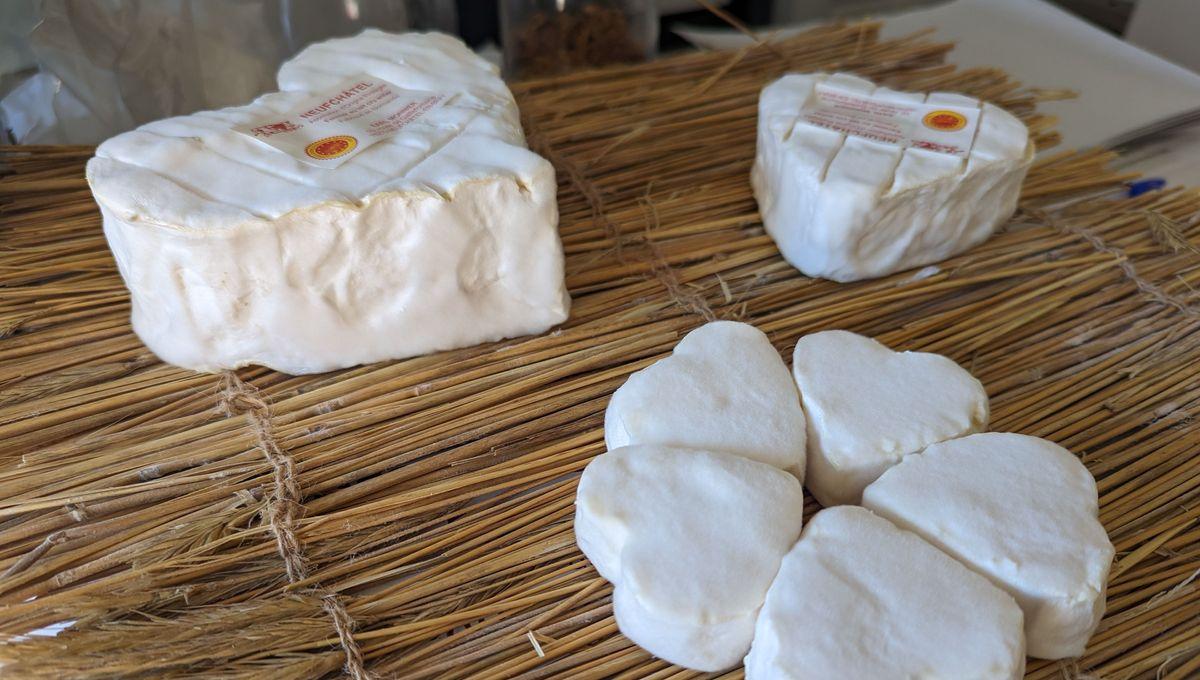
The curds are carefully scooped by hand into heart-shaped molds—a tradition that requires both patience and skill. The molds drain naturally, allowing the whey to seep out over several hours, progressively firming up the cheese. This hands-on approach ensures subtle variations that give each wheel a unique character, a true artisan’s signature.
Aging and Flavor Development
After unmolding, the young hearts are moved to cool, humid cellars for their delicate aging process. Over 10 days to 3 weeks, the bloomy white rind develops, enriched by naturally occurring molds and microflora. This youthful crust forms a velvety, edible jacket protecting the soft, creamy interior that continues maturing in its environment. Discover how aging shapes cheese flavor with our French cheese aging secrets.
While commercial producers expedite this timeline, artisan makers maintain traditional schedules, allowing deeper flavor layers to emerge. The result is a cheese that’s slightly crumbly yet creamy, with an irresistible tangy complexity—a true reflection of Normandy’s terroir and the maker’s artistry.
R$259.46
R$238.89
4.58 out of 5 stars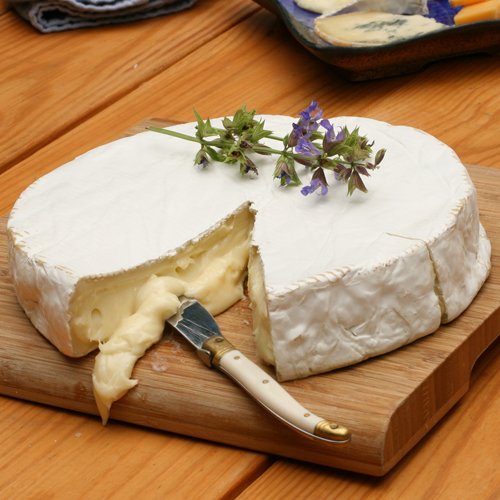
French Brie Cheese - 2 Pound Wheel
Indulge in the rich and creamy texture of our artisan French Brie, perfect for your cheese board or gourmet recipes
Product information
Product Review Score
Product links
More Than Just Cheese: The Cultural Legacy of Cœur de Neufchâtel
Traditions Wrapped in Love and Celebration
In Normandy, Cœur de Neufchâtel is much more than a culinary delight—it’s a symbol of love deeply woven into the fabric of local life. Couples exchange this heart-shaped cheese on anniversaries as a flavorful token of affection, echoing its medieval roots. During weddings, intricately decorated Neufchâtel centerpieces, often adorned with flowers, grace the festivities to embody romance.
Festivals dedicated to the cheese invite communities and tourists alike to celebrate Normandy's dairy heritage through cheese rolling contests and tastings. These vibrant events preserve not only the culinary tradition but also the storytelling that continues to capture hearts every year.
From Rustic Picnics to Gourmet Tables
Beyond its romantic allure, Cœur de Neufchâtel holds a versatile place in French gastronomy. Whether featured in simple countryside picnics or gracing holiday platters, it appeals to food lovers with its unique flavor profile. Its rustic charm makes it a favorite among locals and visitors seeking genuine taste experiences. This culinary versatility is highlighted in our guide to easy homemade gourmet sandwiches featuring French cheeses.
Celebrated in markets, fairs, and kitchens, the cheese remains a potent emblem of regional pride, connecting the modern palate to Normandy’s ancestral cattle herds and pastoral landscapes.
4.1 out of 5 stars
Chatelain Creamy Camembert Cheese, 8 oz
Experience the rich and buttery flavor of this deliciously smooth Camembert cheese that’s perfect for any cheese board or snack time
Product information
Product Review Score
Product links
Savoring Cœur de Neufchâtel: Flavor, Texture, and Perfect Pairings
Taste & Texture Profile
Each slice of Cœur de Neufchâtel reveals a creamy yet slightly crumbly paste with nuanced earthy and mushroomy notes underscored by a gentle tang. Compared to Brie’s silky texture, Neufchâtel offers a zestier bite, making it a distinguished member of Normandy’s bloomy rind family. The edible white rind adds a delicate bitterness balancing the rich interior.
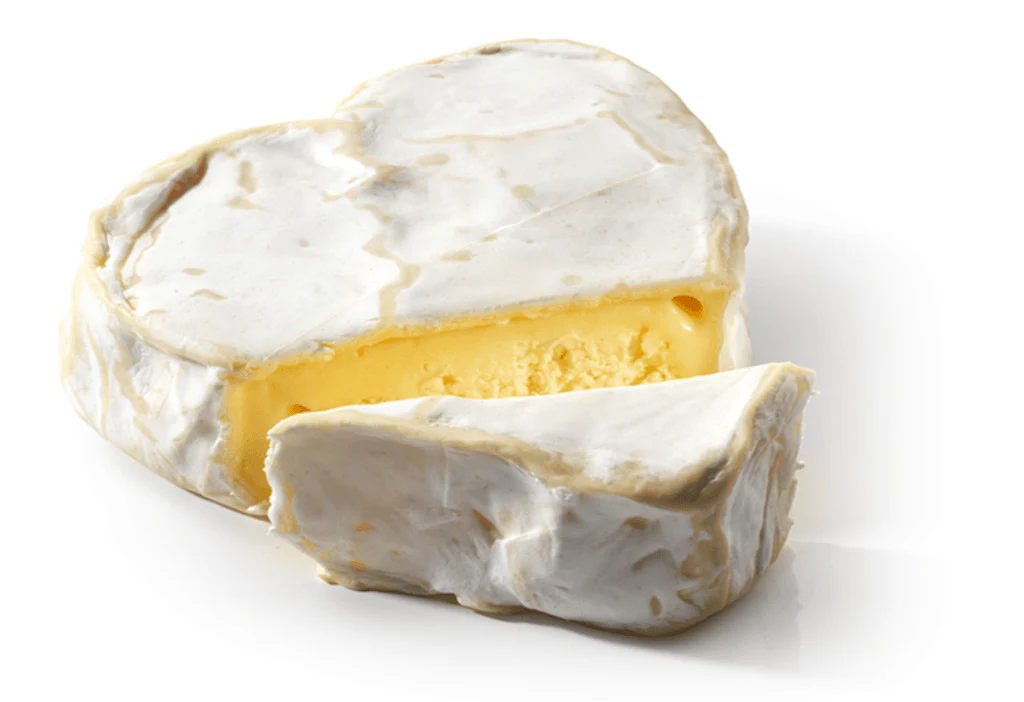 This complex flavor profile reflects the careful aging and the raw milk’s terroir character, enriching every tasting moment with layers of nuance. Whether eaten fresh or aged, it appeals to those who enjoy depth and subtle fermentation notes in their cheese.
Food and Drink Pairings
Perfect accompaniment enhances any cheese experience. Neufchâtel pairs splendidly with Normandy cider—a classic and refreshing partner whose sparkling acidity cuts through the cheese’s richness. Light red wines like Pinot Noir and dry sparkling wines also harmonize beautifully, amplifying flavor contrasts. For further pairing inspiration, explore our cheese pairings for charcuterie article.
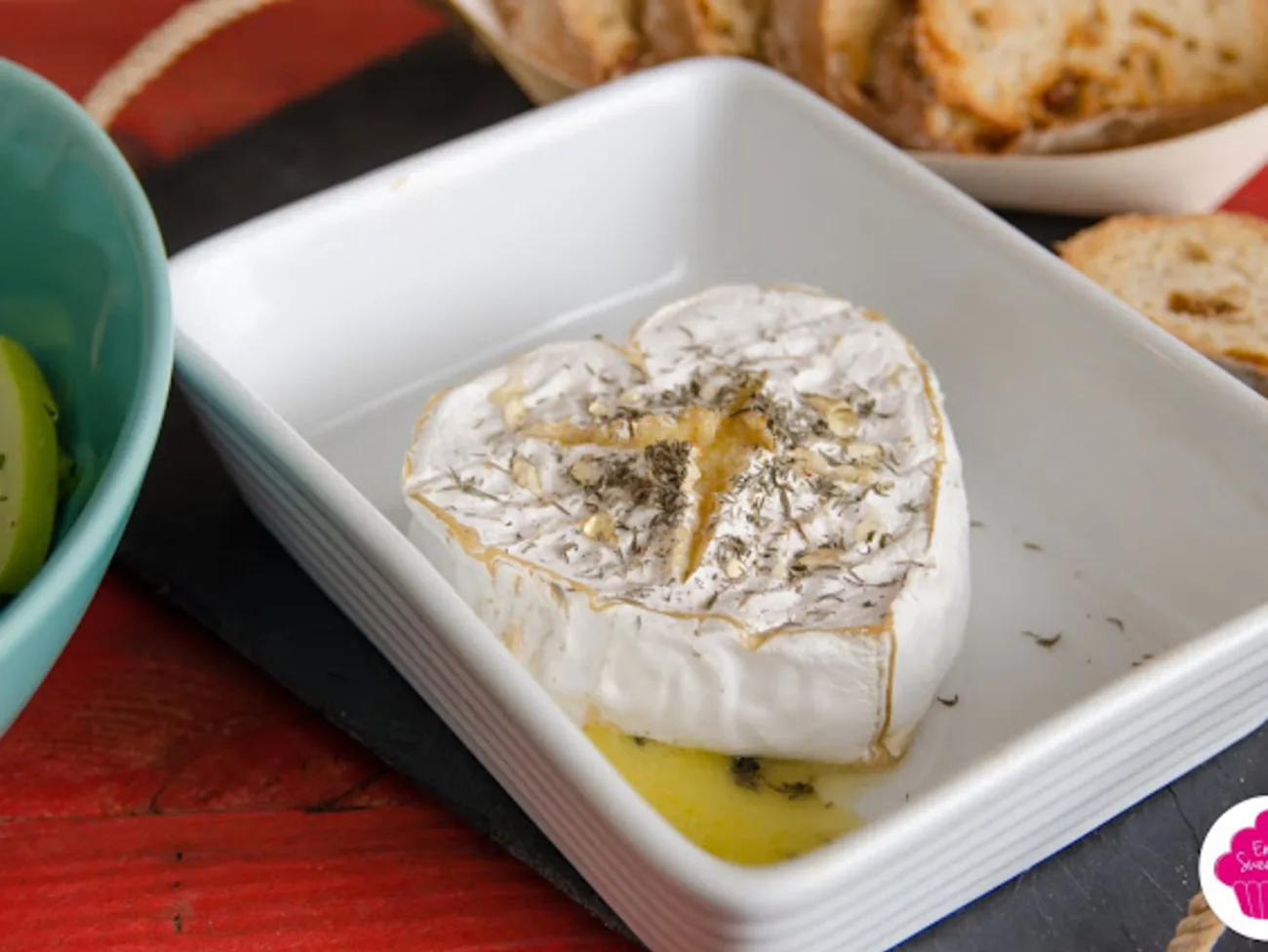
On the food front, crusty baguettes provide an ideal canvas. Add sweet and earthy fruits such as apple slices or figs, and walnuts for a crunchy texture balance. For a warm treat, try baking the cheese with honey and thyme—watch the rind blush golden as the center turns perfectly oozy. Chef Jean-Pierre’s date night favorite turned kitchen ritual is a must-try! 🍯🌿
4.58 out of 5 stars
Canada Brie Cheese Round by Dietz & Watson, 7 oz
Indulge in the creamy richness of this delicious brie, perfect for cheese boards or snacking on its own
Product information
Product Review Score
Product links
Is Cœur de Neufchâtel Good for You? Nutritional Insights
Health Benefits of Cœur de Neufchâtel
While indulgent in flavor, Cœur de Neufchâtel also delivers considerable nutritional value. It’s rich in calcium, supporting healthy bones and teeth, and provides ample protein to help sustain fullness and muscle maintenance. Moreover, raw milk versions contain gut-friendly probiotics, encouraging digestive wellbeing. Learn more about healthy cheese choices in our healthy deli food choices article.
Its lower fat content compared to many bloomy rind cheeses (20-23%) means it’s a relatively lighter choice while still delivering creamy satisfaction. As with all rich foods, mindful portioning allows you to enjoy this treasure guilt-free.
Nutrient Profile and Dietary Considerations
In addition to calcium and protein, Neufchâtel provides vitamin A, phosphorus, and healthy fatty acids, such as conjugated linoleic acid (CLA), especially from grass-fed cows. These fatty acids offer potential anti-inflammatory and metabolic benefits.
However, its content of saturated fat and sodium requires moderation for those monitoring heart health or blood pressure. Selecting artisan, additive-free varieties also ensures a cleaner, more natural eating experience free from preservatives.
4.38 out of 5 stars
Isigny Ste Mère Double Cream Brie Cheese, 350g
Indulge in the rich and creamy flavor that transforms any dish into a gourmet experience
Product information
Product Review Score
Product links
Finding and Preserving Cœur de Neufchâtel: A Buyer's Guide
Where and How to Buy Neufchâtel
Searching for authentic Cœur de Neufchâtel outside France can be a delightful treasure hunt. Specialty French cheese shops and dedicated online retailers like Murray’s Cheese often stock it, though it remains scarcer than Camembert internationally due to smaller production volumes. For tips on buying genuine French cheese online, visit our buy authentic French charcuterie online guide.
If venturing to Normandy or French dairy fairs, purchasing directly from producers offers the freshest, most authentic experience alongside invaluable stories from cheesemakers.
Storage and Freshness Tips
Once home, preserve your Neufchâtel properly for optimal flavor and safety. Wrap the cheese in wax paper or parchment to maintain moisture while allowing it to breathe — avoid plastic wrap, which can trap excessive moisture and affect texture. Our French cheese preservation techniques article offers comprehensive advice.
Store it in the cheese drawer or vegetable compartment of your refrigerator, ideally at around 10°C (50°F). Check regularly: pink mold, sharp ammonia odors, or sliminess indicate spoilage and warrant discarding the cheese.
4.95 out of 5 stars
Imported French Triple Cream Brie, 6.5 oz
Indulge in the rich, buttery flavor of this luxurious cheese that's perfect for your next cheese board or a special treat
Product information
Product Review Score
Product links
What Chefs Say: Cooking with Cœur de Neufchâtel
Culinary Versatility Spotlight
Renowned chefs admire Neufchâtel for its ability to uplift a wide range of dishes. Its balance of creaminess and crumbliness makes it a stellar addition to salads where it complements earthy vegetables like beets and toasted hazelnuts. It adds lush texture and flavor depth without overpowering fresh greens.
 In preparation of tarts, the cheese melts into luscious layers that pair beautifully with caramelized onions or seasonal vegetables. Its melting characteristics also suit sauces, gratins, and rustic fondues, capturing the essence of Normandy’s terroir in every bite.
Chef Jean-Pierre’s Signature Tip
Michelin-starred Chef Jean-Pierre swears by the simplicity of baking Neufchâtel whole with honey and fresh thyme. This method turns the rind a golden caramelized hue while the interior becomes irresistibly gooey—perfect for romantic evenings or intimate dinners. Serve warm with crusty bread and a glass of dry Normandy cider for an authentic regional experience.
This technique highlights Neufchâtel’s capacity to carry subtle herbaceous and sweet notes, inviting both novice and experienced cooks to experiment with this versatile ingredient.
Cœur de Neufchâtel Etiquette: Tips for the Best Experience
Serving & Pairing Dos and Don’ts
- ✅ DO serve at room temperature to fully unlock its delicate aromas and textures.
- ✅ DO pair with light, acidic drinks such as cider to balance the richness.
- ❌ DON’T drown it in bold or heavy wines which can overpower the cheese’s subtle complexity.
- ✅ DO present on a wooden board with complementary accoutrements like fruit and nuts for visual appeal.
- ❌ DON’T freeze Neufchâtel, as it compromises texture and flavor.
Tasting and Handling Tips
When slicing, use a gentle sawing motion with a soft cheese knife to preserve the cheese’s texture. Encourage guests to savor small portions slowly, noticing the contrast between the tender rind and rich core. Sharing the history behind this heart-shaped beauty adds an extra layer of charm and connection to the tasting experience.
Latest News and Events: Cœur de Neufchâtel in 2025
Valentine’s Day Demand and Local Traditions
In 2025, Cœur de Neufchâtel retained its status as the edible emblem of romance in Normandy, peaking in demand every Valentine’s season. Artisanal producers like Fromagerie Graindorge noticed sales surging by 200%, especially for the classic heart-shaped varieties cherished as tokens of love.
This enduring custom has evolved into interactive “Fromage d'Amour” workshops at Neufchâtel-en-Bray, where visitors craft their own sweetly symbolic cheeses.
Annual Festivals and Community Spirit
The August Fête du Fromage remains a highlight, transforming Neufchâtel-en-Bray into a lively cheese wonderland. Events such as cheese-rolling races and blind tastings comparing young versus mature heart cheeses sustain local pride and attract tourists. Though 2025 saw no new festivals, Christmas markets in Rouen featured artisanal Neufchâtel wrapped in traditional linen and holly sprigs—a vivid continuation of 17th-century practices [Source].
Expert Voices: What Chefs Say About Cœur de Neufchâtel
“Neufchâtel's crumbliness is its superpower—it carries accompaniments like a canvas holds paint. I pair aged versions with Calvados-soaked raisins for a Normandy flavor bomb.”
– Élodie Bernard, Meilleur Ouvrier de France Fromager (2023)
Bernard emphasizes the cheese’s ideal texture for creative combinations, noting how PDO-protected raw milk varieties absorb spirits, heightening taste experiences more effectively than pasteurized ones. Her insights shine a light on Neufchâtel’s textural and flavor versatility [Source].
“That hint of saltiness? It's the terroir whispering. Normandy's coastal grasses infuse the milk with minerals you can taste in the rind.”
– Jean-Marc Leloup, author of The Cheese Alchemist
Leloup describes how the AOC rules maintain a minimum of 65% Normande-breed cattle for milk production, ensuring the cheese incorporates subtle coastal iodine flavors from grazing near Dieppe's cliffs. This unique terroir influence is critical to Neufchâtel’s signature saline finish balancing its mushroomy creaminess [Source].
Cœur de Neufchâtel: By the Numbers
| Metric | Detail |
|---|---|
| Annual Production | ~1,200 tons (only 8% exported) |
| Aging Range | 12-15 days (young) to 3 months (extra-affiné) |
| Fat Content | 20-23% (lower than most bloomy rinds) |
| Historical Milestone | First written record: 1035 AD |
Neufchâtel’s relatively modest production volume—just about 1,200 tons annually—reflects its artisanal roots. Over 90% is produced on family-owned farms, preserving traditional methods and community heritage. This scarcity enhances its premium reputation among cheese connoisseurs, especially compared to Normandy’s mass-produced Camembert output exceeding 60,000 tons annually [Source].
French Cheese Industry Snapshot
| Category | Statistic |
|---|---|
| Total Varieties | 1,200+ distinct French cheeses |
| Annual Consumption | 26 kg per capita (world's highest) |
| PDO Protected | 56 cheeses (including Neufchâtel) |
| Export Value | €3.8 billion (2024) |
France’s enormous cheese diversity reflects centuries of regional craftsmanship and enthusiasm. The average French person enjoys cheese daily, often as the classic post-meal course known as le fromage. Such cultural significance makes cheeses like Neufchâtel invaluable cultural and economic assets [Source].
Nutritional Profile: Cœur de Neufchâtel (per 100g)
| Nutrient | Amount |
|---|---|
| Calories | 253 kcal |
| Protein | 18g |
| Fat | 20g (13g saturated) |
| Calcium | 320mg (32% DV) |
| Unique Feature | High conjugated linoleic acid (CLA) from grass-fed cows |
Compared to its Norman siblings, Neufchâtel is leaner and historically adapted for milk scarcity. Its moderate fat content supports creamy texture without excess richness and suits a balanced diet [Source].
Flavor Comparison: Normandy's Bloomy Rinds
| Cheese | Texture | Flavor Notes | Fat % |
|---|---|---|---|
| Cœur de Neufchâtel | Crumblier, less creamy | Tangy, mushroomy, saline finish | 20-23% |
| Camembert | Runny when ripe | Buttery, garlic/earth undertones | 45% |
| Pont-l'Évêque | Semi-soft, springy | Barnyardy, nutty, hints of hay | 25% |
Neufchâtel’s flavor stands apart with notable tanginess and a saline finish, due to its shorter aging period which encourages more active geotrichum mold. This contrasts with the buttery richness of Camembert or Pont-l’Évêque’s nutty character, offering cheese lovers diverse taste experiences from Normandy’s bounty [Source].
Conclusion: A Taste of History Worth Savoring
Cœur de Neufchâtel is not just a cheese — it’s a centuries-old story shaped by love, tradition, and the fertile fields of Normandy. From its romantic medieval origins as heart-shaped tokens to modern AOC-protected treasure, it embodies the spirit of French artisanal craftsmanship. Every bite connects you with history, culture, and one of the world’s most expressive terroirs.
Its unique combination of tangy flavor, crumbly creamy texture, and that iconic heart shape make it a memorable choice for cheese enthusiasts and novices alike. Whether enjoyed fresh, baked, or accompanied by the perfect cider or fruit, Neufchâtel remains a testament to the enduring magic of French fromagerie.
If you’re ready to explore more of France’s exquisite cheese heritage, don’t miss out on discovering other regional specialties. Visit our French cheese collection and let your taste buds embark on an unforgettable journey through France’s rich culinary landscape.
Cœur de Neufchâtel FAQs
- 1. What makes Cœur de Neufchâtel different from Brie?
- While both are soft French cheeses, Neufchâtel is tangier and crumblier than Brie, offering a pronounced saline finish and a lower fat content (20-23% versus Brie’s 28%). Its charming heart shape and romantic history also distinguish it culturally, making it an enchanting alternative to Brie’s creaminess. To compare these cheeses further, check out our Camembert vs Brie differences article.
- 2. Can I use Cœur de Neufchâtel in cooking?
- Absolutely! It melts beautifully, making it a fantastic choice for tarts, quiches, sauces, and baked dishes. Its tangy flavor enriches rustic preparations such as melted potatoes or savory pies, offering a distinctive Normandy flair.
- 3. Why does traditional Neufchâtel use raw milk?
- Raw milk preserves the terroir’s unique microorganisms and flavor complexities that define authentic Neufchâtel. The PDO regulations mandate the use of raw milk to protect these heritage qualities, although pasteurized versions exist for export markets.
- 4. How can I tell if my Neufchâtel is perfectly ripe?
- Look for a slightly springy texture beneath the rind—firm but yielding. The paste should be creamy, not runny, with a pleasant earthy aroma free of overpowering ammonia smells. The delicate white rind should appear fresh and bloomy without discoloration.
- 5. What’s the best way to serve Neufchâtel to guests?
- Serve it at room temperature on a wooden board, accompanied by apple slices, walnuts, and a crisp dry cider. Sharing its fascinating history adds an engaging conversational touch that guests will appreciate.
- 6. Are there any special tools needed to enjoy Neufchâtel?
- Just a good soft cheese knife suffices—Neufchâtel’s tender texture doesn’t require specialized tools. For entertaining, a heart-shaped cookie cutter can create charming portions perfect for parties or romantic occasions.
- 7. Why is Neufchâtel less famous than Camembert?
- Its smaller scale of production and strong regional roots kept it more niche historically. In contrast, Camembert’s mass industrial production and Napoleon’s alleged endorsement boosted its global fame, overshadowing the more artisanal Neufchâtel.
- 8. Can Cœur de Neufchâtel be enjoyed by people with lactose intolerance?
- Because of its fermentation and aging process, Neufchâtel contains less lactose than fresh cheeses, making it somewhat easier to digest for those with mild lactose intolerance. However, those highly sensitive should consult a healthcare professional before trying it.
- 9. How does Neufchâtel’s heart shape affect its production?
- The heart shape requires special wooden molds and careful handling during curd setting and draining. This artisanal shaping extends production time and contributes to the cheese’s artisanal value and romantic image.
Further Reading & Resources
- My French Life — A treasure trove for anyone fascinated by French culture and cuisine, including deep dives into cheeses like Neufchâtel.
- Paris by Mouth — Excellent for authoritative insights on French cheeses, pairing tips, and culinary guides from cheese experts.
- The Courtyard Dairy — A respected British cheese shop that provides history, aging techniques, and tasting notes for Neufchâtel and other soft French cheeses.
- Institut National de l’Origine et de la Qualité (INAO) — For official regulations and heritage designations such as the AOC status protecting Neufchâtel.
- AnyCheese — A user-friendly database offering detailed facts, comparison charts, and buying guides for cheeses worldwide, including Neufchâtel.