Meet Langres cheese, the velvety French delicacy with a signature dimple perfect for champagne. This Champagne region cheese boasts a fiery orange rind and a creamy, tangy flavor that melts on your tongue. Discover its rich heritage, from medieval traditions to surviving WWII, and learn why chefs call it "the edible jewel of Champagne." Find out how to pair it, store it, and spot authentic AOP-certified wheels. Ready to elevate your cheese board with this showstopping soft French cheese?
Estimated reading time: 12 minutes
Key Takeaways
- Langres is a French AOP-protected cheese with a signature dimple traditionally filled with champagne
- Features a vibrant orange rind and creamy, tangy flavor profile
- Dating back to the 18th century, it nearly disappeared during WWII
- Perfect pairing with Champagne, Burgundy wine, or crusty bread
- Only about 1,000 tons produced annually compared to Camembert's 60,000
Table of Contents
- Discovering Langres Cheese: A French Cheese with Character
- Langres Cheese: A Taste of French Heritage
- The Art of Crafting Langres Cheese
- Savoring Langres Cheese: Taste and Pairings
- Is Langres Cheese Good for You?
- Finding Authentic Langres Cheese
- Renowned Chefs on Langres Cheese
- Storing and Enjoying Langres Safely
- Fascinating Langres Cheese Facts
- Latest News & Events
- Frequently Asked Questions
Discovering Langres Cheese: A French Cheese with Character
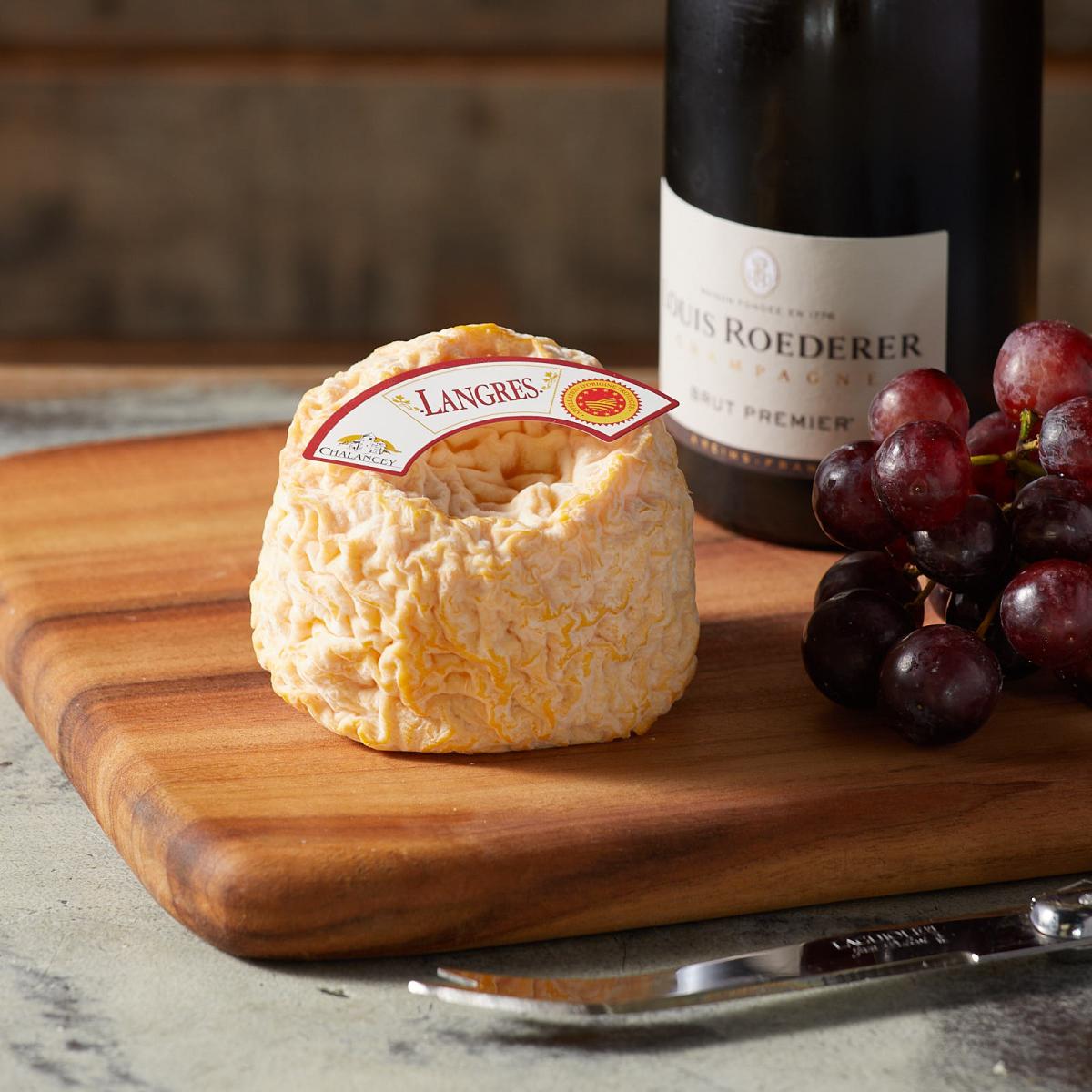
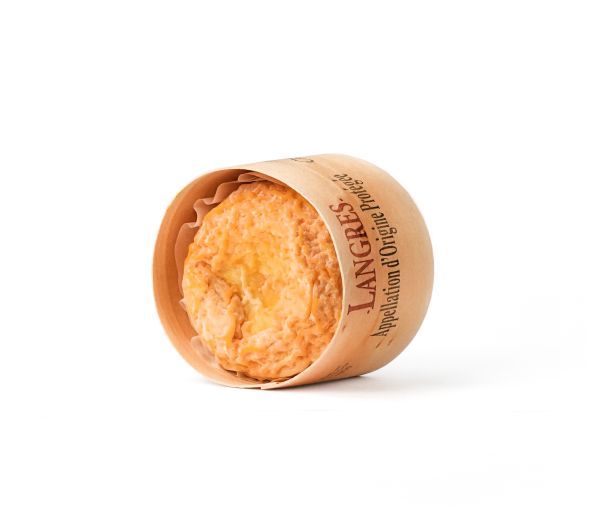 Langres looks like it's blushing! Its vibrant orange-red rind comes from being washed in brine and rubbed with annatto, a natural dye from tropical trees (Murray's Cheese). But the real showstopper is its crater-like dimple—a feature so iconic that locals traditionally fill it with Champagne or Marc de Champagne before serving.
Underneath that bold exterior lies a creamy, crumbly interior that melts on your tongue. Since 1991, Langres has earned AOP status (Protected Designation of Origin), meaning only cheeses made in the Champagne-Ardenne region using traditional methods can bear its name (Qualigeo). Learn more about French cheese certifications in our guide to AOC classifications.
Fun Fact: The dimple's creation is steeped in folklore. Legend says a cheesemaker, mourning the loss of his beloved, forgot to flip the cheese during aging. The resulting depression became a symbol of his grief—and a happy accident for cheese lovers!
Langres Cheese: A Taste of French Heritage
This cheese has roots deeper than its dimple. The medieval town of Langres—once a Celtic settlement—has been crafting this cheese since the 18th century. Legend says Napoleon himself demanded Langres during his campaigns, though historians can't confirm if he actually shouted, "More cheese for the emperor!"
Every July, the town hosts the Fête du Langres, where cheesemakers parade through streets decorated with giant cheese wheels. Locals reenact historical cheese-making rituals, and visitors can taste aged batches stored in underground caves. For a deeper dive into French cheese traditions, explore our article on traditional French cheese craft. Compared to Brie or Camembert (see Camembert vs. Brie differences), Langres is bolder and saltier, reflecting the rugged terroir of its homeland (Chefs Mandala).
Anecdote Alert: During WWII, Langres nearly vanished! A stubborn farmer named Henri clandestinely continued production using hidden milk supplies, saving the tradition from extinction.
The Art of Crafting Langres Cheese: Traditional French Cheese Production
Making Langres is like conducting a symphony—every step matters:
- Milk Prep: Farmers use thermized cow's milk (gently heated) from local herds, with a rich 50% fat content (Champagne+Fromage).
- Coagulation: Rennet transforms the milk into curds at precise temperatures (24–30°C) (YouTube).
- Draining: Curds settle in molds for 15+ hours, creating its squat shape.
- Aging: For 3+ weeks, cheeses sit unturned, developing that signature dip as they lose moisture. The rind is washed repeatedly with brine and annatto, giving it a sticky, aromatic crust. Discover more about French cheese aging secrets to understand this delicate process.
Artisanal producers still hand-ladle the curds, while industrial versions often skip this step—so check for the AOP label!
Behind the Scenes: The morge (dimple) isn't just decorative. During aging, it collects brine, which trickles down the sides, intensifying the cheese's savory depth.
Savoring Langres Cheese: Taste, Texture, and Perfect Pairings
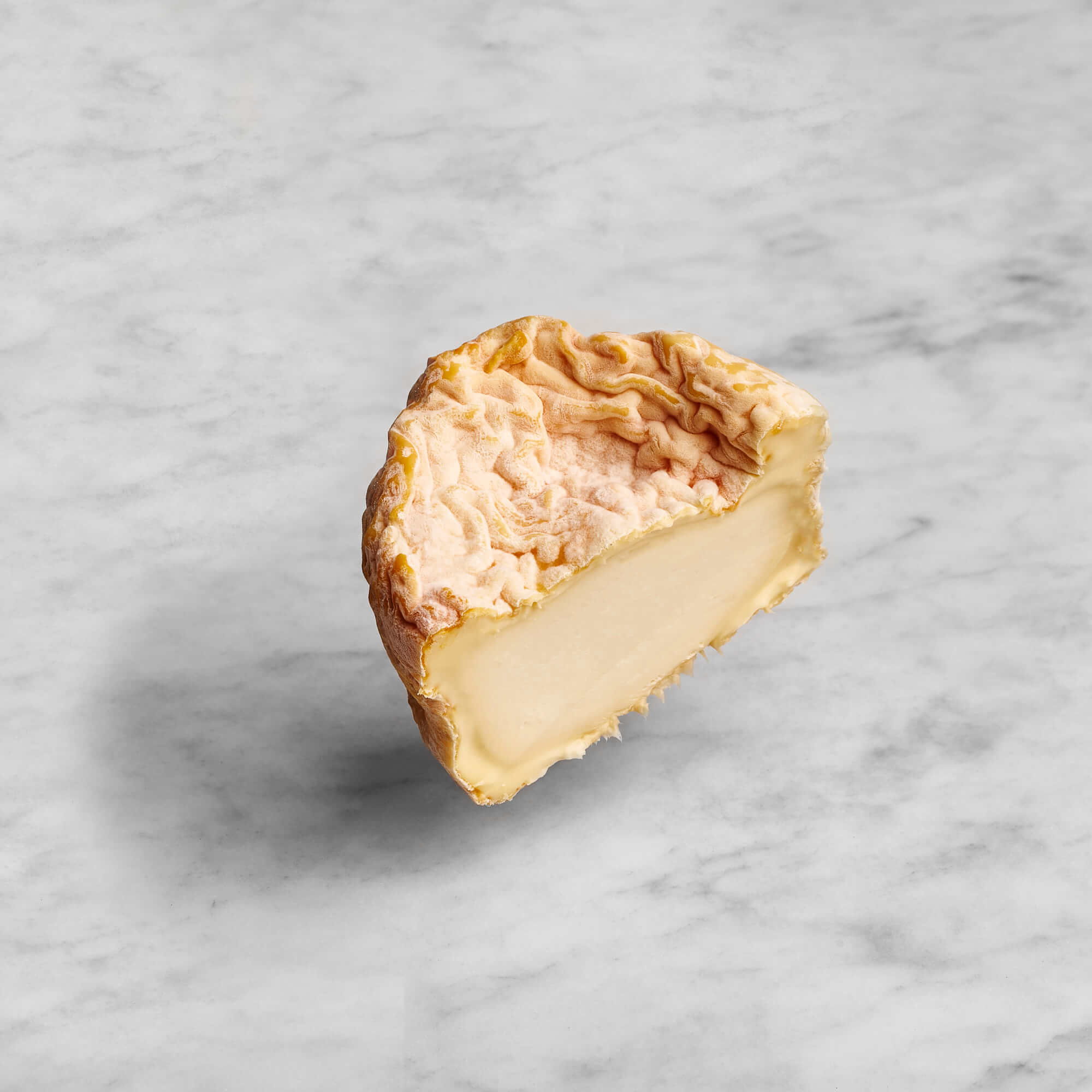 Langres packs a punch! Expect earthy, meaty flavors with a tangy kick and creamy finish. For the full experience:
- Pair it: Pour Champagne into its dimple or pair with Burgundy wine. Serve with crusty baguettes, figs, or cured meats like prosciutto.
- Serve it: Let it warm to room temperature so the center turns luxuriously gooey.
- Cook it: Bake it briefly with herbs, or stir melted Langres into mashed potatoes for a French twist.
Pro Tip: Chef Éric Pras suggests adding a drizzle of lavender honey to the dimple for a sweet-savory explosion. For more pairing inspiration, check out our artisan cheese pairing guide.
Is Langres Cheese Good for You? Nutritional Insights
Like most soft cheeses, Langres is rich in calcium and protein. A 30g serving provides about 20% of your daily calcium needs! Its probiotic cultures from aging may support gut health, but moderation is key—it's high in saturated fat. Compared to Brie, Langres has a sharper flavor but similar nutritional stats.
Did You Know? The high fat content (50%) made Langres a prized energy source for farmers during harsh winters.
Finding Authentic Langres Cheese: Availability and Buying Tips
Hunting for Langres? Look for the AOP seal. Specialty shops like Champagne+Fromage sell it for around £8–£12 per 250g wheel. In the U.S., Murray's Cheese and online retailers like Marky's often stock it. For international shoppers, Mons Cheese (UK) and Ocello (Australia) offer authentic wheels. Avoid cheeses labeled "Langres-style"—they're imitations!
Spotting Fakes: Authentic Langres rind should feel slightly sticky and smell earthy—not overly sharp or ammonia-like.
Renowned Chefs on Langres Cheese: Culinary Perspectives
Michelin-starred chef Éric Pras calls it "the Champagne region's edible jewel." Try his hack: drizzle lavender honey into the dimple for a sweet-savory appetizer. Cheese expert Pierre Androuët recommends aging it 5 weeks for extra pungency—perfect for adventurous foodies.
Chef Secret: At Paris's Le Cinq, Langres is served with a spoonful of black truffle-infused cream in its dimple. Decadence level: chef's kiss.
Do's and Don'ts: Storing and Enjoying Langres Cheese Safely
- Do: Wrap it in wax paper and store in the fridge's vegetable drawer.
- Don't: Use plastic wrap—it traps moisture and ruins the rind.
- Watch for: A strong ammonia smell, which means it's overripe.
Storage Hack: Place it in a cheese "cave" (a lidded container with a damp cloth) to mimic cellar conditions. For more preservation tips, see our guide to French cheese preservation techniques.
Did You Know? Fascinating Langres Cheese Facts
- The dimple isn't just decorative—it's a morge (a brine-collecting basin) that enhances flavor during aging.
- Langres production is tiny—just 1,000 tons annually vs. Camembert's 60,000 tons.
- The town's ancient ramparts inspired its cylindrical shape!
Bonus Fact: Langres was almost called "Champignon" due to its mushroom-like aroma!
Latest News & Events: Langres Cheese in 2024
Langres continues to make waves in the culinary world! In March 2024, the cheese earned a gold medal at the Global Cheese Awards for its "exceptional balance of pungency and creaminess." Judges praised its revival of traditional techniques amid rising demand for artisanal products [Source: Global Cheese Awards].
This year's Fête du Langres (July 13–14) will debut a "Cheese & Climate" symposium, addressing sustainable aging practices in Champagne's caves. Local producers also announced a collaboration with Maison Moët to create a limited-edition Langres washed in vintage Champagne lees—pre-orders sold out in 48 hours.
Why Langres Cheese Deserves a Place on Your Cheese Board
From its champagne-ready dimple to its tangy, complex flavor, Langres is France's best-kept secret. Whether you're hosting a wine night or craving a gourmet snack, this cheese delivers drama and deliciousness in every bite.
Conclusion: A Toast to Langres and Beyond
Langres isn't just a cheese—it's a story. From its accidental dimple born from heartbreak to its survival through wars and changing tastes, this Champagne region cheese embodies French resilience and creativity. Its bold flavors, creamy texture, and eye-catching design make it a star on any cheese board. Whether you're pouring bubbly into its dimple or pairing it with rustic bread, Langres invites you to savor a piece of history.
But the adventure doesn't stop here! France boasts over 1,000 cheeses, each with its own quirks and traditions. Imagine unraveling the mysteries of Roquefort's blue veins or discovering the buttery magic of Comté. Every bite connects you to centuries of craftsmanship and regional pride.
Ready to explore? Dive into our curated selection of French cheeses at Delifoodshop's French Cheese Category. From Langres to Époisses, we've got your passport to flavor. Grab a wheel, gather friends, and let your taste buds travel—no plane ticket required! 🧀
Frequently Asked Questions About French Cheese
Q: What makes French cheeses different from others?
A: French cheeses emphasize terroir—the unique climate, soil, and traditions of their regions. Many, like Langres, have AOP certification, ensuring they're made using time-tested methods in specific areas.
Q: Can I freeze soft French cheeses like Brie or Langres?
A: Freezing can alter their texture. Instead, store them in the fridge's vegetable drawer wrapped in wax paper. For longer storage, try a cheese "cave" with a damp cloth [Source: Cheese Science Toolkit].
Q: Why do some French cheeses smell strong?
A: Washed-rind cheeses like Langres develop pungent aromas from bacteria used during aging. Don't let the smell fool you—the flavor is often creamy and complex!
Q: How do I serve a cheese board like a French local?
A: Include 3-5 cheeses (soft, hard, blue), add fresh fruit, nuts, and baguette slices. Let cheeses sit at room temperature for 30 minutes before serving.
Q: Are unpasteurized French cheeses safe to eat?
A: Yes! French raw-milk cheeses are aged over 60 days, eliminating harmful bacteria. They're celebrated for their depth of flavor [Source: FDA Guidelines].
Q: What's the best wine to pair with Langres?
A: Champagne or Burgundy wine complements its earthy notes. For a twist, try a dry cider or fruity Belgian ale.
Q: How can I identify authentic French cheeses?
A: Look for AOP/AOC labels, which guarantee origin and traditional methods. For Langres, check for the dimple and slightly sticky rind.