Discover Morbier, the iconic French cheese with a striking ash line—a creamy masterpiece born from Jura Mountain tradition. Learn how farmers' ingenuity turned wood ash into a signature flavor enhancer. Explore its nutty, earthy taste and versatile uses on cheese boards or melted in dishes. Dive into its rich history, AOP-protected production, and perfect wine pairings. Unwrap the story behind this edible art and why it belongs in your next cheese adventure.
Estimated reading time: 10 minutes
Key Takeaways
- Morbier is a semi-soft French cheese with a distinctive ash line through its center
- Originated in the Jura Mountains as a practical solution for farmers
- Earned AOP status in 2016, protecting its traditional production methods
- Features a unique nutty, earthy flavor profile with creamy texture
- Versatile for both cheese boards and cooking applications
- Pairs beautifully with Jura wines and light reds
Table of Contents
- From French Dairy Farms to Global Fame: The Story of Morbier
- The Art of Morbier Cheese Production: From Milk to Maturity
- Flavor, Texture, and Appearance: What Makes Morbier Special?
- How Morbier Compares to Other Famous French Cheeses
- Nutritional Face-Off: Morbier vs. Similar Cheeses
- Best Ways to Serve and Pair Morbier Cheese
- What Chefs Say About Morbier
- How to Select, Store, and Preserve Morbier Cheese
- The Ash Line: More Than Just a Pretty Stripe
- Why Morbier Deserves a Spot in Your Cheese Collection
- Conclusion: A Slice of France on Your Plate
- Frequently Asked Questions About French Cheese
From French Dairy Farms to Global Fame: The Story of Morbier
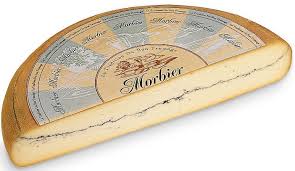 Picture a cheese so striking that it looks like it's been sketched by an artist—a creamy ivory canvas split by a dramatic charcoal line. Meet Morbier, the semi-soft French cheese from the Jura Mountains that turns heads and delights palates. Born from farmer ingenuity and protected by France's strict AOC/AOP laws, Morbier isn't just cheese—it's edible history. Let's unravel the story behind its iconic ash line and why it's a must-try for cheese lovers.
The Ash Line Legend
In the 1800s, Jura Mountain farmers faced a winter dilemma: too little milk to make large Comté wheels. Instead of wasting their morning milk, they pressed it into molds, sprinkled wood ash (from their fireplaces!) to protect it overnight, then topped it with evening milk curds. This clever hack became Morbier's signature "tattoo" (Source: Jura Tourism Board).
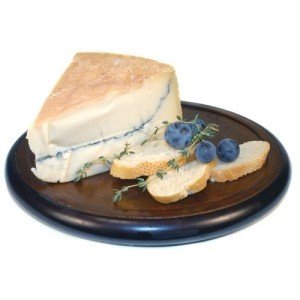
Morbier Cheese from Montboisse - 1 lb
A creamy, flavorful cheese with a distinct layer of ash that adds a unique touch to your charcuterie board
Product information
$64.99 $29.99
Product Review Score
4.34 out of 5 stars
134 reviewsProduct links
A Cheese Gets Its Passport
Morbier stayed a local secret until 2000, when it earned AOC status (upgraded to AOP in 2016). Today, only cheeses from Franche-Comté using specific methods can bear the Morbier name—a nod to its roots (Source: The Cheese Atlas).
Festival Fun
Every March, the Jura region hosts the Fête du Morbier, a lively celebration with tastings, cheesemaking demos, and even a cheese-rolling race! Locals say the event began in 1987 when a farmer bet his neighbor he could roll a wheel of Morbier down a hill faster than a baguette. Spoiler: The cheese won (Source: Jura Tourism Board).
The Art of Morbier Cheese Production: From Milk to Maturity
Step 1: Milk Magic
- Traditionally made with raw cow's milk from Montbéliarde cows grazing on Jura pastures.
- Curds form using natural rennet, then split into two layers.
Step 2: Ash Artistry
- Modern makers use vegetable ash (often from grapevines!) instead of soot. The line is now symbolic, not functional.
- Fun fact: Some cheesemakers still hand-sift the ash through linen cloths, a technique passed down for generations!
Step 3: Aging Gracefully
- Aged at least 45 days in humid cellars lined with spruce planks, which add a subtle woody aroma.
- Develops a supple texture and earthy aroma as it matures (Source: Murray's Cheese).
Flavor, Texture, and Appearance: What Makes Morbier Special?
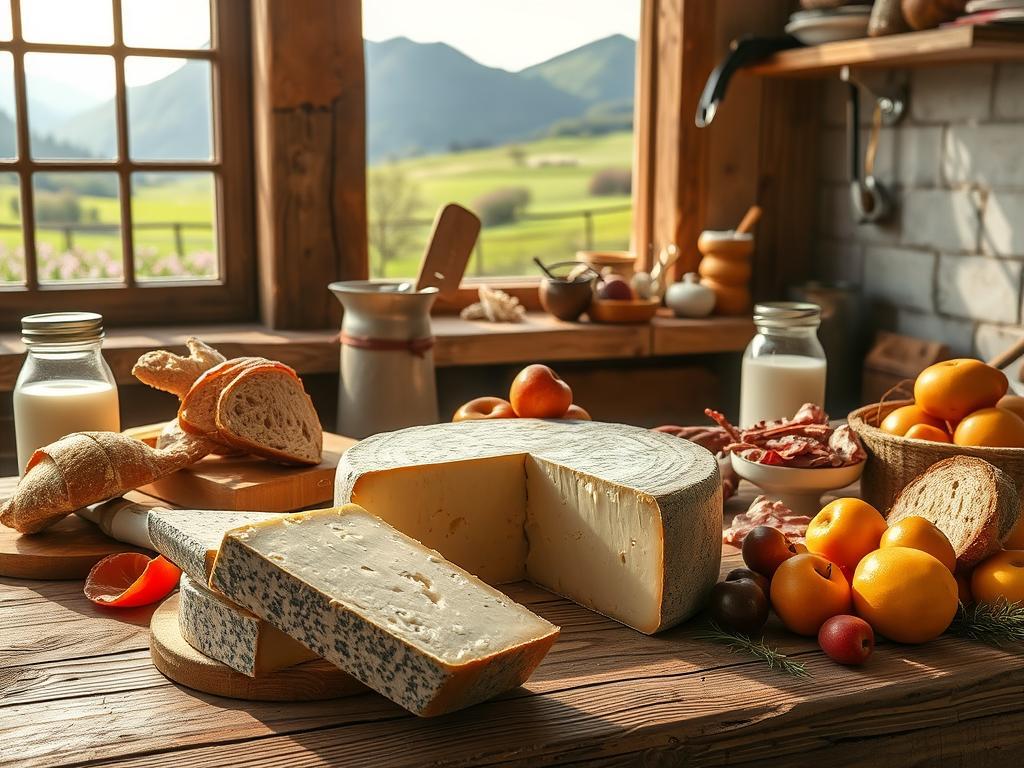
- Look: Ivory paste with a grayish rind and that iconic ash "vein."
- Taste: Think buttered toast meets wild mushrooms, with a fruity tang from the ash.
- Feel: Semi-soft and creamy—like Brie's cool cousin.
Fun fact: The ash doesn't just look cool! It subtly boosts flavor complexity during aging (Source: Jura Tourism Board).
How Morbier Compares to Other Famous French Cheeses
| Cheese | Texture | Flavor | Best Uses |
|---|---|---|---|
| Morbier | Semi-soft | Nutty, earthy | Melting, cheese boards |
| Camembert | Soft | Mushroomy, bold | Baking, spreading |
| Raclette | Firm | Salty, smoky | Melting over potatoes |
Unlike pungent Époisses or mild Brie, Morbier strikes a balanced, versatile middle ground.
Nutritional Face-Off: Morbier vs. Similar Cheeses
| Cheese (per 30g) | Calories | Fat (g) | Protein (g) |
|---|---|---|---|
| Morbier | 110 | 9 | 7 |
| Brie | 95 | 8 | 6 |
| Comté | 120 | 9 | 8 |
Though slightly higher in calories than Brie, Morbier offers more protein per serving—ideal for snacks that keep you full!
Best Ways to Serve and Pair Morbier Cheese
Wine Pairings
- Jura Whites (Chardonnay or Savagnin): Match its earthy notes.
- Light Reds (Beaujolais): Complement the creaminess.
Recipe Idea: Morbiflette
Swap Reblochon in the classic tartiflette with melted Morbier, potatoes, bacon, and onions. It's winter comfort food heaven.
What Chefs Say About Morbier
"Morbier's ash line is like a flavor runway—it guides your palate through its rich, layered taste."
– Anonymous Michelin-starred chef
Try it grated over French onion soup or in a rustic galette.
How to Select, Store, and Preserve Morbier Cheese
- Buy Smart: Look for AOC/AOP labels and a smooth, unbroken rind.
- Store Right: Wrap in wax paper, refrigerate at 40°F (4°C).
- Spoilage Signs: Avoid if it smells ammonia-like or develops odd mold.
The Ash Line: More Than Just a Pretty Stripe
Morbier's iconic ash line started as a practical trick! Farmers used ash to protect leftover morning milk curds until evening milking. Today, it's a delicious nod to tradition. The ash, now made from grapevines in eco-friendly practices, adds a subtle earthy flavor that makes every bite memorable.
Why Morbier Deserves a Spot in Your Cheese Collection
From its humble farm origins to your charcuterie board, Morbier is a conversation starter. Slice it, melt it, or savor it solo—it's a creamy bite of French heritage.
Conclusion: A Slice of France on Your Plate
Morbier isn't just cheese—it's a story. From its clever ash-line origins to its recent gold medal win at the Global Cheese Awards, this French dairy gem proves that tradition and innovation can coexist deliciously. Whether you're melting it into a cozy Morbiflette or pairing it with a crisp Jura wine, every bite connects you to the misty Jura Mountains.
But Morbier is just one star in France's cheese galaxy! With over 1,200 cheese varieties, from creamy Brie to bold Roquefort, there's always something new to discover. Each cheese tells a story of its region, its makers, and centuries of culinary passion.
Ready to explore? Dive into our curated collection of authentic French cheeses at DeliFoodShop's French Cheese Category. Whether you're a seasoned fromage fan or a curious newbie, there's a perfect wedge waiting to wow your taste buds. Let your next cheese adventure begin!
Frequently Asked Questions About French Cheese
1. What does AOP mean on French cheese labels?
AOP (Appellation d'Origine Protégée) ensures the cheese is made using traditional methods in its specific region. It's like a quality guarantee from France!
2. Can I eat the rind on Morbier?
Absolutely! The rind adds an earthy flavor. Just make sure it's free of unwanted mold.
3. Why does Morbier have an ash line?
Historically, farmers used ash to protect leftover curds. Today, it's a tasty tradition!
4. What's the best wine to pair with French cheese?
It depends! Light reds like Beaujolais work with semi-soft cheeses, while bold blues need sweet wines like Sauternes.
5. How long can I store Morbier?
Wrap it in wax paper and refrigerate for up to 3 weeks. Let it sit at room temperature 30 minutes before serving.
6. Are raw milk cheeses safe?
Most are safe for healthy adults, but pregnant individuals or those with weakened immunity should opt for pasteurized versions.
7. What makes French cheese different?
Terroir! The unique climate, soil, and traditions of each region create flavors you won't find anywhere else.