Discover Maroilles, the bold and aromatic French cheese from Northern France that once delighted kings. With its fiery orange rind and unforgettable scent, this creamy treasure packs history and flavor in every bite. Learn how monks crafted it, why chefs adore it, and the best ways to enjoy it—from tarts to charcuterie boards. Uncover its rich heritage, surprising health perks, and where to find authentic AOC-certified Maroilles. Ready for a cheese adventure? Dive into the world of this stinky superstar!
Estimated Reading Time
10 minutes
Key Takeaways
- Maroilles is a historic French cheese with royal roots dating back to the 7th century
- Its distinctive orange rind and strong aroma come from traditional beer/brine washing
- Packed with calcium, protein, and probiotics despite its bold flavor
- AOC certification ensures authentic production in Northern France
- Versatile in cooking from tarts to gourmet sauces
Table of Contents
- A Taste of Tradition: The Rich History of Maroilles Cheese
- From Milk to Masterpiece: The Cheese Production of Maroilles
- The Bold and Aromatic Taste of Maroilles Cheese
- Is Maroilles Good for You? Nutritional Benefits
- Chef's Corner: Why Renowned Chefs Love Maroilles
- Finding Authentic Maroilles: Where to Buy
- How to Enjoy Maroilles
- Pairing Maroilles with Food and Drink
- Tips for Storing Maroilles Cheese
- Maroilles in the Spotlight: 2023-2024 News & Events
- Why Maroilles Deserves a Spot on Your Cheese Board
- FAQ Section
A Taste of Tradition: The Rich History of Maroilles Cheese
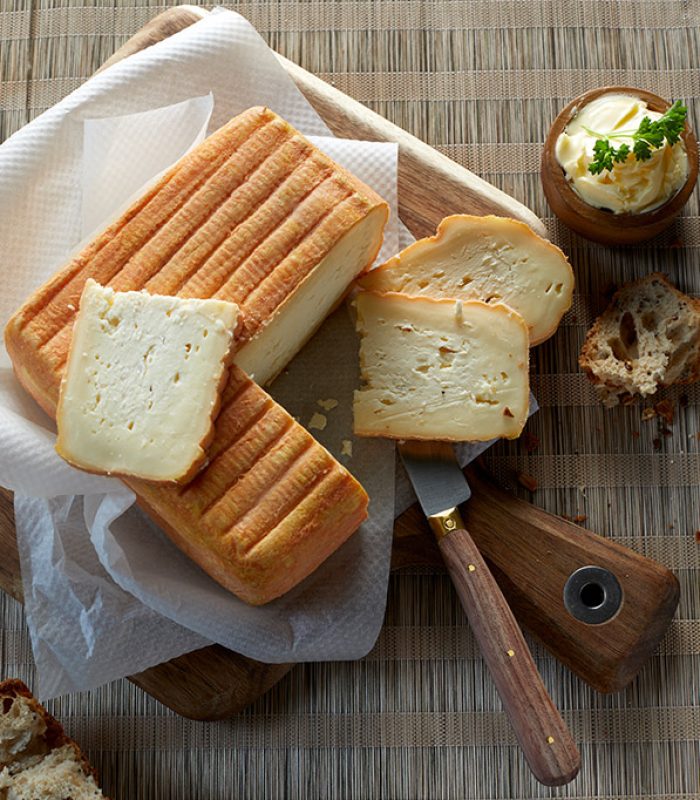
Born in a 7th-century monastery, Maroilles has a backstory fit for a royal banquet. Monks at the Abbey of Maroilles crafted the first wheels using milk from local cows, and by the 10th century, it had become the "it" cheese of French royalty. Kings like Louis IX and Henry IV couldn't get enough of its pungent charm!
Here's a quirky twist: Every June 24th, farmers would gift young Maroilles cheeses to the abbey. By October 1st—still celebrated as "Maroilles Day"—the aged cheeses were handed out to Champagne grape harvesters as fuel for their backbreaking work (Source: World Cheese Map).
In 1976, Maroilles earned France's prestigious AOC certification, protecting its legacy and ensuring only cheeses from Hauts-de-France can bear the name (Source: Paroles de Fromagers).
Fun fact: During World War II, Maroilles became a symbol of resistance in Northern France. Locals hid the cheese in haystacks to smuggle it past German patrols, using its strong aroma as a decoy to distract soldiers!
From Milk to Masterpiece: The Cheese Production of Maroilles
Crafting Maroilles is like conducting a funky symphony:
- Local cow's milk from Northern France is curdled and molded into its iconic square shape.
- The cheese rests for 10 days, growing a fuzzy blue coat that's scrubbed off during weekly beer or brine washes.
- Over 5 weeks, Brevibacterium linens bacteria work their magic, creating that fiery orange rind and knockout aroma.
Fun fact: Those same bacteria live on human skin, which explains why some joke that Maroilles smells like a "well-loved gym sock"... in the best way possible!
Behind the scenes: In the 12th century, monks discovered that washing the rind with local beer (a practice still used today) not only preserved the cheese but gave it a subtle malty sweetness. Talk about medieval innovation!
The Bold and Aromatic Taste of Maroilles Cheese
Don't let the nose-scrunching scent fool you—Maroilles is a softie at heart. Its creamy, fudgy texture melts on the tongue, releasing earthy, tangy flavors with a hint of barnyard funk. Locals even pair it with morning coffee for a wake-up call.
Pair it like a pro:
- Wines: Bold reds like Burgundy or malty Belgian ales
- Foods: Crusty bread, apple slices, or honey-drizzled figs
- Avoid: Delicate flavors it might overpower (save the cucumber sandwiches for another day)
Unexpected pairing: In the 1800s, French poet Charles Baudelaire reportedly ate Maroilles with dark chocolate, calling it a "rebellion for the senses." Give it a try if you dare!
Is Maroilles Good for You? Nutritional Benefits of This French Cheese
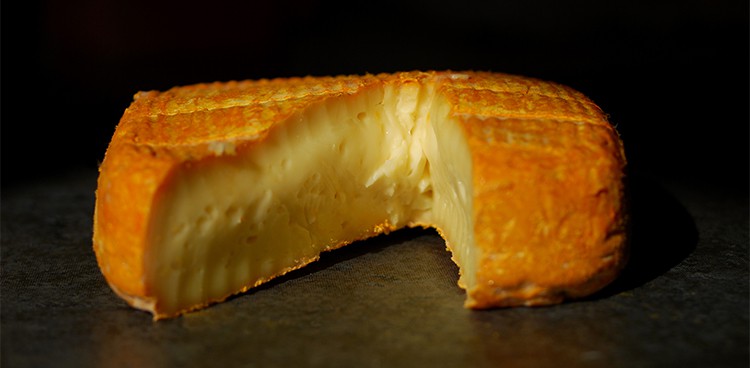 Beyond its bold taste, Maroilles packs a nutritional punch:
- Calcium powerhouse: One serving covers 20% of your daily needs.
- Gut-friendly: Fermentation creates probiotics for happy digestion.
- Protein-rich: Perfect for post-workout snacks.
Just remember—it's also high in fat. Enjoy a little slice of heaven, not the whole wheel!
Historical health hack: Medieval midwives in Northern France believed Maroilles boosted lactation for nursing mothers. While modern science hasn't confirmed this, it's a testament to the cheese's revered status!
Chef's Corner: Why Renowned Chefs Love Maroilles
Chefs adore Maroilles for its drama. Thierry Marx, a Michelin-starred maestro, melts it into velvety sauces, while bistros in Lille swear by the tarte au Maroilles—a savory pie that's the region's answer to pizza.
Pro tip: Try it grilled on steak or baked into gougères (cheese puffs). It's like adding a flavor firework to your dish!
Culinary legend: In 2019, a chef in Valenciennes set a Guinness World Record for the largest Maroilles tart—weighing 1.2 tons! It took 400 eggs and 220 pounds of cheese. Now that's a party.
Finding Authentic Maroilles: Where to Buy This French Delicacy
Hunting for the real deal? Look for:
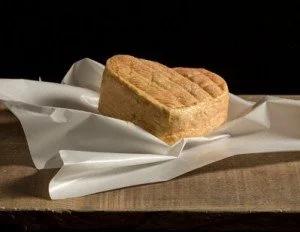
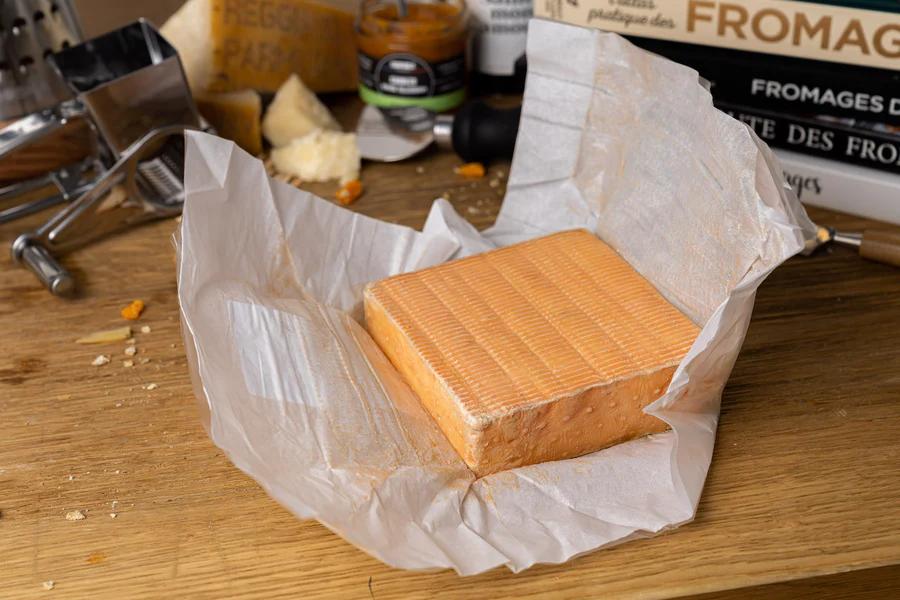
- Square shape and orange-pink rind
- AOC/AOP label (guarantees Northern French origin)
- Pungent aroma (if it doesn't smell, it's not right!)
Score it at French fromageries or online gourmet shops like Murray's Cheese or Mignon.
Pro tip: Visit the Fromagerie du Hainaut in Avesnes-sur-Helpe, a family-run shop that's been aging Maroilles in limestone cellars since 1890. Their secret? They play classical music to the cheeses—Mozart for mild batches, Wagner for extra-pungent wheels!
How to Enjoy Maroilles
If you're diving into the world of Maroilles, you're in for a treat! This aromatic cheese has a strong aroma and a rich, bold flavor that can be a delightful addition to your meals. Here are some simple ways to enjoy Maroilles like a pro.
One of the best ways to savor Maroilles is by pairing it with bread. A crusty baguette or some hearty rye bread complements the cheese perfectly. Just slice a piece of Maroilles and layer it on. You can even pop it under the broiler for a few minutes to get that lovely melty goodness.
Feeling adventurous? Try it in a classic tart! A Maroilles tart combines the cheese with eggs and cream in a flaky pastry shell, making for a delicious dish that can be served warm or at room temperature. It's great for lunch or even as a light dinner. Add herbs or a side salad for extra flair.
Local secret: In the Thiérache region, families traditionally bury a wheel of Maroilles in autumn leaves for a month to intensify its flavor. The result? A "forest-aged" cheese that's earthy and wild!
Pairing Maroilles with Food and Drink
Maroilles pairs beautifully with hearty breads like sourdough or baguette. Add a drizzle of honey or a slice of apple for sweetness. When it comes to drinks, try a fruity red wine like Pinot Noir or a crisp Belgian ale.
Roasted veggies like potatoes or asparagus bring out its earthy notes, and charcuterie boards let it shine alongside cured meats. For a historical twist, pair it with bière de garde—a rustic ale Northern French farmers brewed in the 16th century.
Tips for Storing Maroilles Cheese
Keep Maroilles wrapped in wax or parchment paper (never plastic!) in your fridge's cheese drawer. Let it sit at room temperature for 30 minutes before serving to unlock its full flavor.
Aging hack: Some cheesemakers age Maroilles in hay-lined boxes to mimic traditional farmhouse methods. The hay infuses the rind with grassy notes—perfect for an authentic experience!
Maroilles in the Spotlight: 2023-2024 News & Events
At the 2024 International Cheese Awards, a 90-day-aged Maroilles won gold for its "volcanic umami" flavor. Don't miss the Fête du Maroilles (October 1-8, 2024), where cheesemakers compete using medieval techniques!
Why Maroilles Deserves a Spot on Your Cheese Board
Maroilles isn't just cheese—it's a time machine to medieval France and a dare for your taste buds. Whether you're melting it into tartes or braving it solo with a baguette, this stinky superstar promises a culinary adventure.
From its royal roots to its modern-day gold medals, Maroilles embodies the passion of Northern French cheesemaking. Its bold aroma might raise eyebrows, but one bite of its creamy, tangy goodness will make you a believer.
Ready to explore more French cheese varieties? Dive into our curated selection at Delifoodshop's French Cheese Category. Whether you're a fan of funky aromas or mild classics, there's a French cheese waiting to become your new obsession. Allez-y! 🧀
FAQ Section
Q: Can I eat the rind of Maroilles?
A: Absolutely! The rind adds an extra flavor kick and is completely edible.
Q: Why does Maroilles smell so strong?
A: Thank the Brevibacterium—the same microbes behind Limburger cheese and human body odor. Embrace the funk!
Q: What's the best wine to pair with Maroilles?
A: Bold reds like Syrah or fruity Belgian Tripel beers balance its intensity.
Q: Can I freeze Maroilles?
A: Freezing mutes its flavor. Store it in the fridge and enjoy within 2-3 weeks.
Q: Is Maroilles vegetarian-friendly?
A: Traditional Maroilles uses animal rennet, but some producers offer vegetarian versions—check labels!
Q: How is Maroilles different from Camembert?
A: Maroilles has a stronger aroma, firmer texture, and is washed in beer/brine, while Camembert is creamier with a milder mushroom flavor.
Q: What does AOC/AOP mean on the label?
A: It certifies the cheese was made in Northern France using traditional methods.