Discover Mont d’Or, the luxurious French cheese wrapped in spruce bark and cherished since the 18th century. This seasonal delight from the Jura Mountains melts into creamy perfection when baked, offering nutty, earthy flavors. Learn about its royal origins, alpine craftsmanship, and why it’s a winter ritual in France. Pair it with wine or enjoy it as a decadent fondue alternative. Don’t miss this fleeting treasure—available only from August to March!
Estimated reading time: 10 minutes
Key Takeaways
- Seasonal French cheese available August-March
- Wrapped in spruce bark for unique flavor
- Rich history dating back to 18th century
- Perfect for baking as a fondue alternative
- Pairs beautifully with Jura wines
Table of Contents
- The Origins of Mont d'Or
- How Mont d'Or is Made
- Mont d'Or's Unique Personality
- Why the French Treasure Mont d'Or
- Where to Find & How to Savor It
- Health Perks & Pairing Tips
- Chef Secrets & Rising Trends
- Mont d'Or vs. Swiss Vacherin
- Mont d'Or by the Numbers
- Conclusion
- FAQs
The Origins of Mont d'Or: A Cheese Shrouded in Mystery
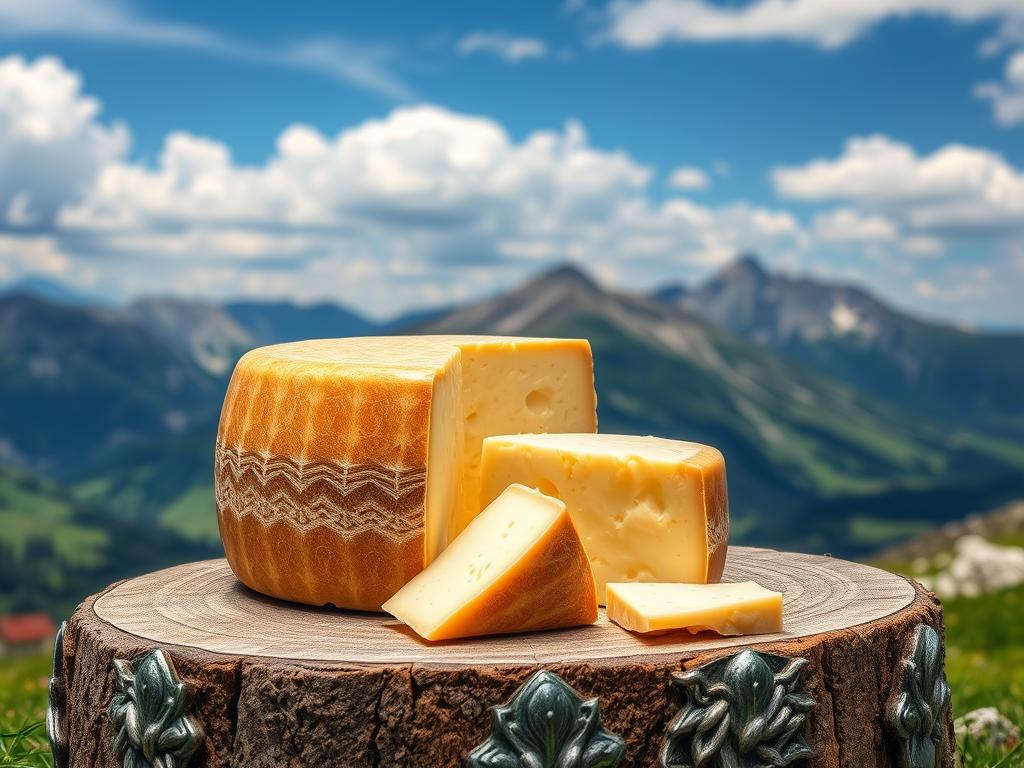
The story of Mont d'Or is as rich as its texture. Historical records hint at a similar cheese served to King Louis XV in the 1700s, who reportedly declared it "fit for royalty" Source: Very Gourmand. But its true roots are debated: Swiss legends claim a French soldier introduced it during the 1871 Franco-Prussian War, while evidence shows Swiss cheesemakers crafted it as early as 1812 Source: Cheese Professor.
What's clear? Farmers in the French mountains needed a winter solution. With cows producing less milk, they created smaller, spruce-wrapped cheeses instead of giant wheels like Comté. This clever hack became a delicacy—and a delicious testament to alpine ingenuity.
Did you know? During WWII, Mont d'Or production nearly vanished due to milk shortages. Resourceful farmers secretly made smaller batches in hidden cellars, preserving the tradition through tough times.
How Mont d'Or is Made: From Cow to Cave
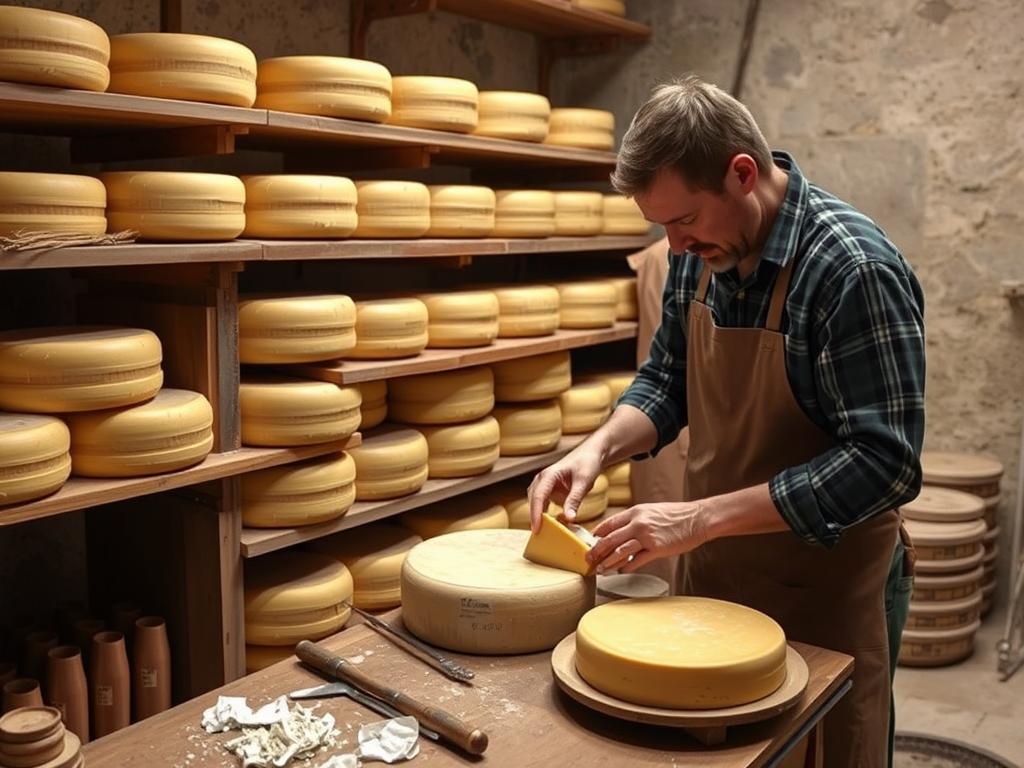
Mont d'Or's cheese production is a labor of love. Made from raw milk of Montbéliarde cows grazing in alpine meadows, the curds are molded in sprucewood hoops. The bark isn't just pretty—it infuses the cheese with piney notes and keeps its shape during aging.
Here's why it's seasonal cheese:
- Cows eat hay (not fresh grass) in winter, creating richer milk.
- By law, French Mont d'Or (AOP-certified) is only made August–March Source: Cheese Scientist.
- Aged 21 days in humid cellars, it develops a velvety rind and gooey center.
Cheesemaker's secret: Some producers play classical music in aging cellars, believing it enhances the cheese's microbial activity. Mozart, anyone?
Mont d'Or's Unique Personality
Unwrap a Mont d'Or, and you'll find:
- Texture: Firm when chilled, but transforms into molten lava when baked.
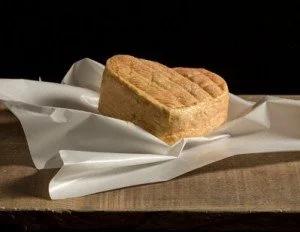
- Flavor: Nutty, tangy, and subtly smoky from its spruce corset.
- Aroma: Like a walk through a damp forest after rain.
It's often compared to fondue but requires zero prep—just bake it whole in its box!
Taste test tidbit: In 2019, a Parisian restaurant accidentally served a wheel of Mont d'Or that had been aged for 45 days. The result? A cult following for "over-ripened" versions with intense umami notes!
Why the French Treasure Mont d'Or
Mont d'Or's cultural significance peaks in autumn, when villages host festivals celebrating its arrival. Families gather around baked Mont d'Or, dipping potatoes or crusty bread into its velvety depths. Pair it with a crisp Jura white wine or a light Pinot Noir, and you've got a meal fit for a king—literally, as Louis XV would agree!
Festival fun:
- La Fête du Mont d'Or in Métabief (January): Cheese tastings, alpine music, and spruce-bark wrapping demos.
- La Percée du Mont d'Or (February): A lively celebration in Haut-Doubs with markets and folk bands.
- Mont d'Or Olympics (November): Cheese-wheel races and blindfolded tastings.
Where to Find Mont d'Or & How to Savor It
The 2024–2025 Mont d'Or season is in full swing, with this seasonal cheese available across France until May 2025. Artisans report exceptional quality due to ideal autumn weather.
Serving ideas:
- Bake at 350°F (180°C) with garlic and white wine.
- Serve with cured meats or steamed potatoes.
- Spread cold on a baguette for a quick snack.
Store it refrigerated, but devour within days—this cheese waits for no one!
French Cheese Assortment for Deli Lovers
Discover a delightful selection of creamy and flavorful cheeses that will elevate your deli experience
Product information
SGD 127.86
Product Review Score
4.58 out of 5 stars
80 reviewsProduct links
Health Perks & Pairing Tips
While not health food, Mont d'Or offers calcium and protein. Raw milk versions contain probiotics, too! Balance indulgence with a fresh green salad.
Perfect wine pairings:
- Jura Vin Jaune: Nutty and bold.
- Chardonnay: Buttery and smooth.
- Light reds: Beaujolais or Pinot Noir.
Chef Secrets & Rising Trends
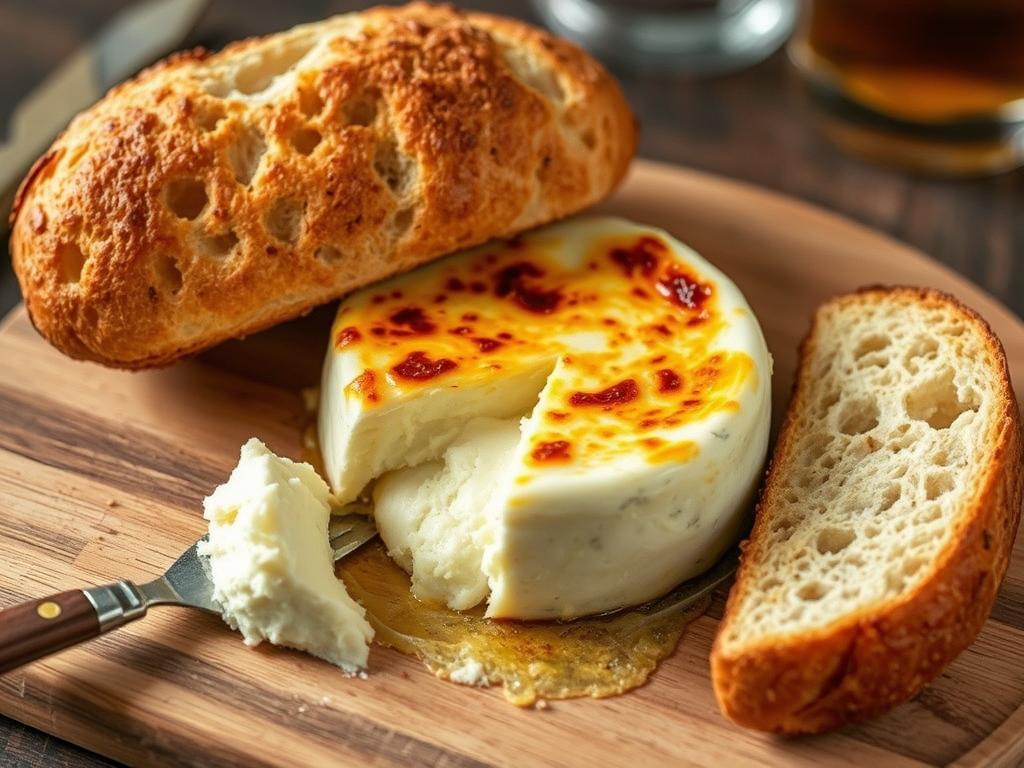
Michelin-starred chefs adore Mont d'Or for its drama. "There's no better centerpiece for a winter table," says cheese expert Jean-Philippe Dubois. Recent trends spotlight small-scale producers using sustainable farming—keeping traditional French cheese craft alive.
Star chef hack: Dominique Crenn adds truffle honey to baked Mont d'Or for a sweet-savory twist.
Mont d'Or vs. Swiss Vacherin: A Quick Guide
| Feature | French Mont d'Or | Swiss Vacherin |
|---|---|---|
| Milk | Raw cow's milk | Thermized cow's milk |
| Flavor | Mild, creamy | Bolder, funkier |
Mont d'Or by the Numbers
| Statistic | Detail |
|---|---|
| Annual Production | ~3,000 tons |
| AOP Protection | Since 1996 Source: INAO |
Conclusion: A Cheese Worth the Wait
Mont d'Or isn't just food—it's a snowy mountain evening captured in a wooden box. From royal feasts to modern dinners, this seasonal French cheese brings warmth to winter. Its rich history, alpine craftsmanship, and gooey perfection make it a must-try. Don't miss your chance to taste it before spring melts the magic away!
Ready to explore more? Dive into our curated selection of French cheeses at Delifoodshop's French Cheese Category and find your next favorite. Whether you're hosting a party or cozying up by the fire, there's a French cheese waiting to wow your taste buds. 🧀✨
FAQs About French Cheese
1. Why is Mont d'Or only available seasonally?
Mont d'Or is made from winter milk, which is richer due to cows eating hay instead of fresh grass. EU laws also restrict production to August–March for authenticity Source: Cheese Scientist.
2. Can I eat the spruce bark around Mont d'Or?
No—the bark is for structure and flavor infusion. Remove it before eating!
3. What's the best way to bake Mont d'Or?
Pop it in the oven at 350°F (180°C) with garlic and white wine for 20–30 minutes. Serve with crusty bread!
4. How does French Mont d'Or differ from Swiss Vacherin?
French versions use raw milk and have a milder flavor, while Swiss ones are bolder and use heated milk.
5. Is raw milk cheese safe?
Yes! French AOP laws ensure strict hygiene. Pregnant individuals should consult a doctor.
6. What other French cheeses are seasonal?
Try Brie de Meaux (fall/winter) or Banon (wrapped in chestnut leaves, best in cooler months).
7. Can I freeze Mont d'Or?
Freezing ruins its texture. Buy it fresh and enjoy it within a week!
Fact Box:
- Fat content: ~50%
- Best season: September–April
- Aging: 21 days (France), 21+ days (Switzerland)
- Fun fact: The spruce band is nicknamed the "cheese's corset"!