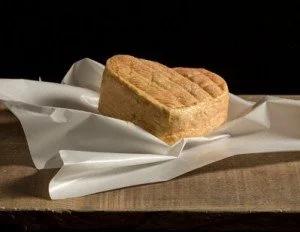
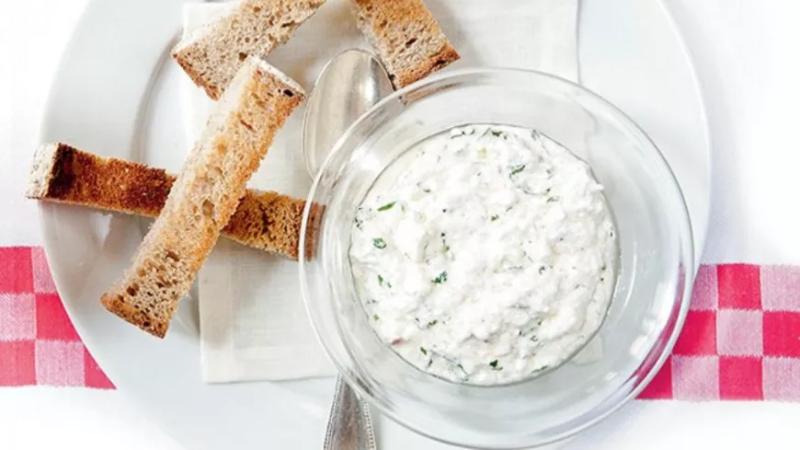
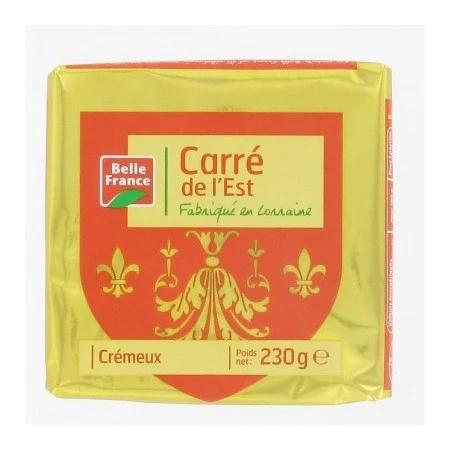
Discover Livarot cheese, Normandy’s bold "Colonel" with its iconic raffia-wrapped rind and pungent aroma. Learn about its medieval origins, traditional cheese production methods, and why pairing it with Normandy cider is a must. Explore the cultural significance of this aromatic cheese and how chefs use it in modern dishes. Find out where to buy authentic Livarot and savor its earthy, tangy flavors. Ready to dive into French cheese varieties with a story to tell?
Estimated Reading Time: 8 minutes
Key Takeaways
- Livarot is a bold, washed-rind cheese from Normandy with a distinctive pungent aroma
- Nicknamed "Colonel" for its five raffia bands resembling military stripes
- Dating back to medieval times, it holds AOP status protecting its traditional production
- Best paired with Normandy cider, Calvados brandy, or earthy red wines
- Available at specialty cheese shops and online retailers with AOP certification
Table of Contents
- Introducing Livarot Cheese: Normandy's Pungent Treasure
- The History of Livarot Cheese: From Monks to Military Stripes
- How Livarot Cheese is Made: A Labor of Love
- Flavor Profile: Why Livarot Stands Out
- Pairing Livarot Cheese: Cider, Calvados & More
- Where to Buy Authentic Livarot Cheese
- Health Benefits? Oui, But Savor in Moderation!
- Livarot in Modern Kitchens: Chefs Weigh In
- Livarot vs. Other Normandy Cheeses
- Conclusion: Embrace the Adventure of French Cheeses!
- FAQs About French Cheese
Introducing Livarot Cheese: Normandy's Pungent Treasure
If you've ever wandered through Normandy's lush pastures, you've likely met Livarot—the cheese so bold it's nicknamed the "Colonel" for its raffia-striped rind. This aromatic gem has been a star of French cheese boards since the 13th century, thanks to its creamy texture and unforgettable funky aroma. In this guide, we'll dive into Livarot's rich history, how it's crafted, and why pairing it with cider is a life-changing move. 🧀
The History of Livarot Cheese: From Monks to Military Stripes
 Livarot's story begins with Normandy's medieval monks, who first crafted this cheese as a way to preserve milk (source: Culture Cheese Mag). But here's the kicker: its iconic raffia bands aren't just for looks! Originally made from dried bullrush stems, these strips held the cheese together during aging. By the 1800s, locals joked that the five bands resembled a French colonel's uniform stripes—and the nickname stuck (source: French Moments).
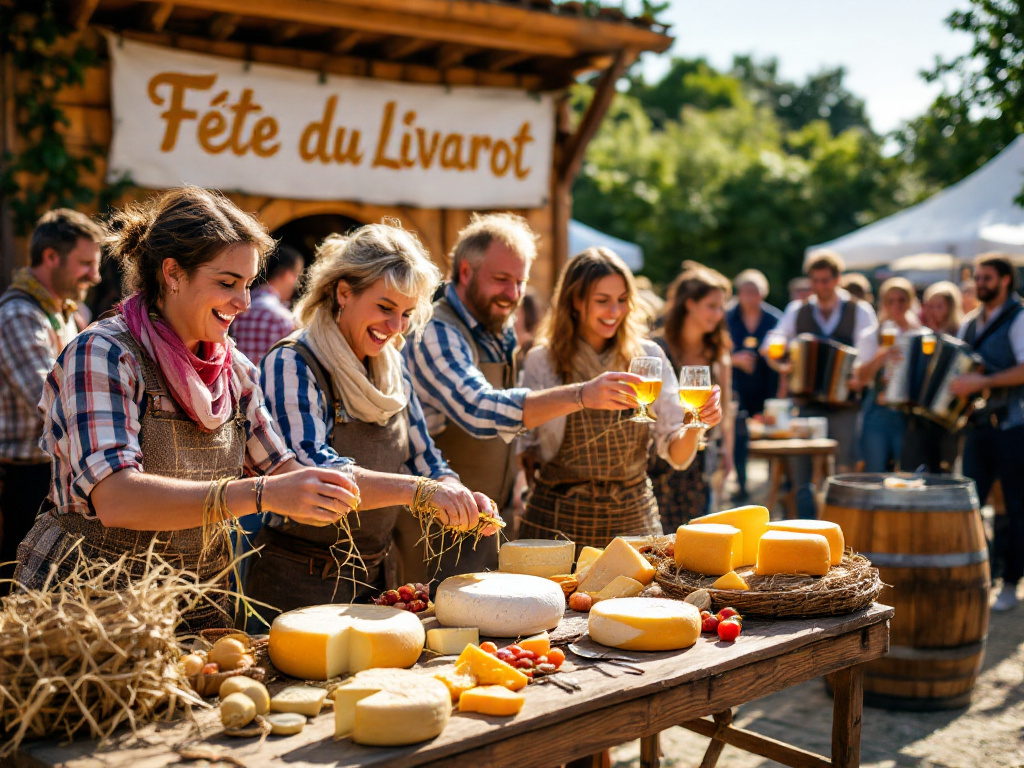
Today, Livarot holds AOP status, meaning only cheeses made in Normandy's Pays d'Auge region using traditional methods can bear the name. It's even celebrated in festivals like the Fête du Livarot (held every August in Livarot village), where locals compete in raffia-wrapping contests and toast with cider to honor their stinky superstar.
Fun Fact: During WWII, Livarot became a symbol of resistance! Normandy farmers hid messages in cheese deliveries to aid the French Resistance. Talk about a sharp operation!
How Livarot Cheese is Made: A Labor of Love
Creating Livarot is like conducting a smelly symphony:
- Milk Magic: Normande cows (famous for their high-fat milk) provide the base. While most Livarot uses pasteurized milk today, one producer still uses raw milk, adhering to strict raw milk cheese regulations, for an ultra-traditional taste (source: Wikipedia).
- Curds & Brine: The milk ferments for 24 hours, then gets washed with salty brine and annatto for that signature orange rind.
- Aging Drama: For 6–8 weeks, Brevibacterium linens bacteria work their magic, creating Livarot's intense aroma.
Fun fact: Artisanal makers age their wheels on spruce boards, adding a whisper of woody flavor!
Behind-the-Scenes Drama: In the 19th century, Livarot almost vanished due to industrialization. Thankfully, a feisty farmer named Marie Harel (yes, the Camembert legend's ancestor!) revived traditional methods, saving the "Colonel" from obscurity.
Flavor Profile: Why Livarot Stands Out
Brace yourself—Livarot isn't shy. Its creamy interior packs a punch of earthy, tangy flavors with a salty finish. Think of it as Époisses' bolder cousin or Munster's funkier sibling. The rind? Edible and packed with savory depth. Pro tip: Let it sit at room temperature to mellow the pungency.
Cheese Whisperer's Tip: Normandy chefs swear Livarot tastes best after a rainy day—the humidity amps up its umami!
Pairing Livarot Cheese: Cider, Calvados & More
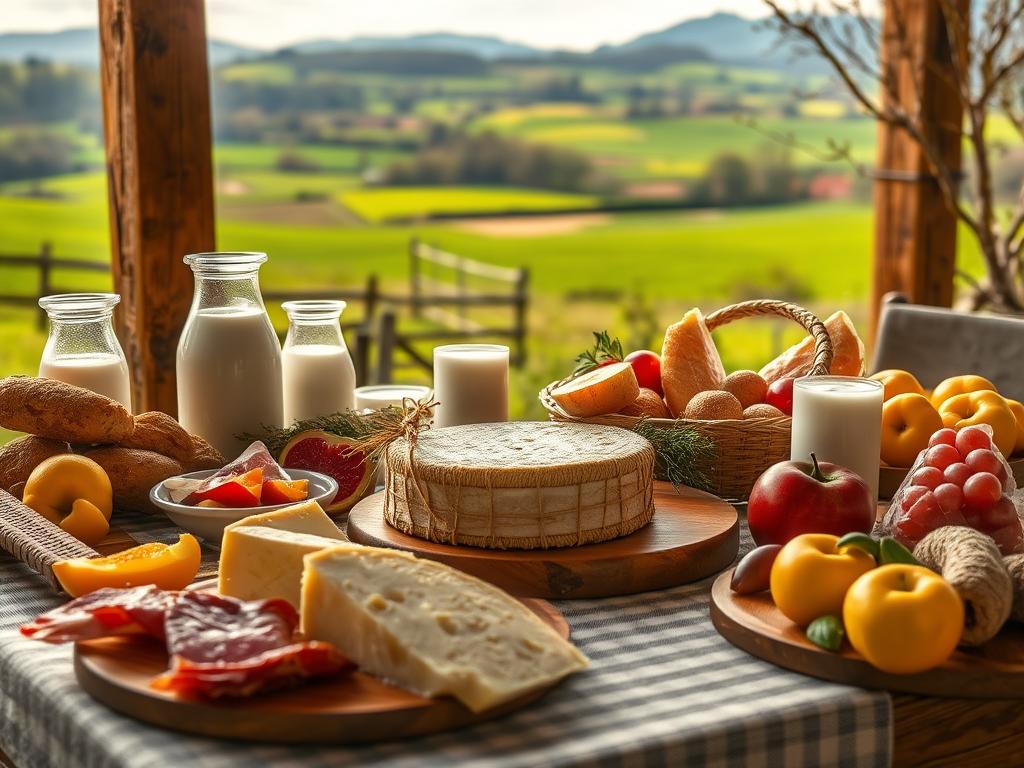 Wine & Drinks:
- Normandy Cider: The apple-y acidity cuts through the cheese's richness (French Moments).
- Burgundy Red Wine: Try a earthy Pinot Noir, like those featured in our guide to top red wines for charcuterie.
- Calvados Brandy: A splash enhances Livarot's sweetness.
Food Pairings:
- Slather it on rye bread with fig jam.
- Melt into potato gratin for a French twist.
- Serve with crisp apples or pears to balance the saltiness.
Quick Pairing Cheat Sheet:
| Pairing | Why It Works |
|---|---|
| Normandy Cider | Bright acidity vs. funky cheese |
| Walnuts | Crunchy contrast to creamy texture |
| Dark Honey | Sweetness tames the salt |
Where to Buy Authentic Livarot Cheese
We have one here in our store:

French Cow Milk Petit Livarot Cheese - 7 OZ
Experience the rich and creamy flavor of authentic French cheese in every bite
Product information
$59.90
Product Review Score
4.51 out of 5 stars
228 reviewsProduct links
Look for the AOP label and those iconic raffia bands! Specialty stores like Murray's Cheese or online retailers (e.g., Cheese.com) often stock it. Want the real deal? Opt for raw-milk Livarot from Fromagerie Graindorge (source), or explore our curated list of authentic French charcuterie sources.
Pro Tip: Visit the Livarot Museum in Normandy! They offer cheese-making workshops and let you wrap your own raffia bands.
Health Benefits? Oui, But Savor in Moderation!
Like most cheeses, Livarot offers calcium and protein. Its fermentation also creates gut-friendly probiotics. Just watch portions—it's rich in fat and sodium. For more tips on balancing indulgence, check out our guide to healthy deli food choices.
Fun Fact: Napoleon's troops allegedly carried Livarot for energy—though we can't confirm if they loved the aroma!
Livarot in Modern Kitchens: Chefs Weigh In
"Livarot is the rockstar of washed-rind cheeses—unapologetically bold and endlessly versatile."
– Jean-Marc, Parisian Cheesemonger
Trendy Twists:
- Livarot Burgers: Add a melted slice for a French take on BBQ.
- Spiced Nuts: Toss almonds in honey and pair with the cheese.
Historic Hack: Medieval monks used Livarot as currency! A wheel could buy you a week's worth of bread.
Livarot vs. Other Normandy Cheeses
| Cheese | Texture | Aroma | Fun Fact |
|---|---|---|---|
| Livarot | Creamy, soft | Pungent | Nicknamed "Colonel" |
| Camembert | Oozy | Mushroomy | Served in wooden boxes |
| Pont-l'Évêque | Buttery | Mild | Square-shaped since the 12th century |
Conclusion: Embrace the Adventure of French Cheeses!
Livarot isn't just a cheese—it's a journey through Normandy's rolling hills, medieval traditions, and bold flavors. From its raffia-wrapped rind to its earthy aroma, this "Colonel" invites you to savor France's rich cheesemaking heritage. Whether you're melting it into a gratin or pairing it with cider, every bite tells a story.
Ready to explore more? Dive into the world of French cheese varieties like Camembert, Roquefort, and Comté. Each offers a unique taste of France's terroir and traditions. For the ultimate experience, visit our French cheese collection to find your next favorite. Let your taste buds enlist in the delicious rebellion of fromage!
FAQs About French Cheese
1. Why is Livarot called "Colonel" cheese?
The nickname comes from the five raffia bands wrapped around the cheese, which resemble the stripes on a French colonel's uniform.
2. What's the difference between Livarot and Camembert?
Livarot is stronger and creamier, with a pungent aroma, while Camembert has a milder, mushroomy flavor and a bloomy rind.
3. Can I eat the rind of Livarot?
Yes! The orange rind is edible and adds savory depth. Just make sure the cheese is at room temperature for the best flavor.
4. How should I store Livarot cheese?
Wrap it in wax paper and keep it in the fridge's vegetable drawer. Let it sit out 30 minutes before serving to soften.
5. What makes Normandy cheeses unique?
Normandy's lush pastures and humid climate create rich, high-fat cow's milk, perfect for creamy, aromatic cheeses like Livarot and Pont-l'Évêque.
6. Are raw-milk cheeses safe to eat?
Yes, if they're aged properly! French AOP regulations ensure safety. Raw milk adds complexity to flavors.
7. What's the best way to serve Livarot at a party?
Pair it with apples, crusty bread, and Normandy cider for an authentic French experience.