The practice of curing meats dates back thousands of years, rooted in the need for preserving food before the advent of refrigeration. Ancient civilizations discovered that salt and other natural ingredients could be used not only to enhance the flavor of meat but also to prevent spoilage. The process of drying and salting allowed people to store meat for extended periods, especially during times of scarcity.
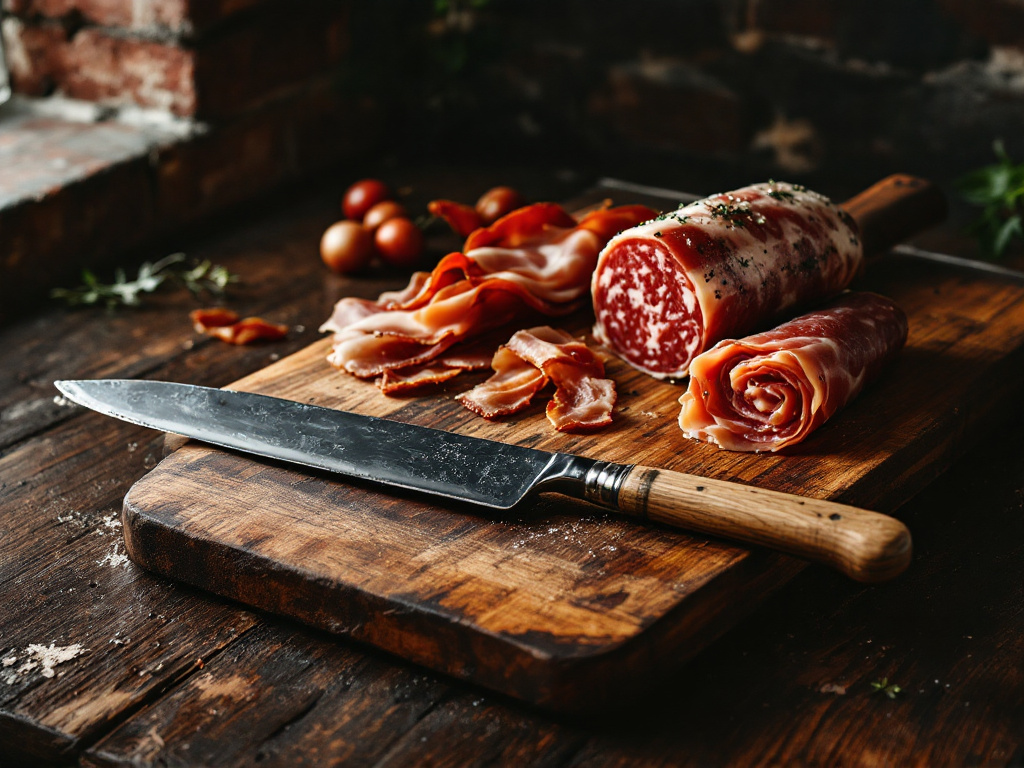 A rustic wooden table with an assortment of cured meats, including prosciutto, salami, and bacon, arranged artfully with a vintage knife and cutting board. The background features a dimly lit, old-world kitchen, evoking a sense of history and tradition.
The Egyptians, who lived around 3000 BCE, were among the first to document methods of meat preservation. They used salt and spices, both for flavoring and to keep their meats edible, even in the scorching heat of the desert. Archeological findings have shown that salted fish and dried meats were staples in their diet, highlighting the importance of curing techniques in sustaining their civilization.
 An ancient stone chamber with hanging meats, clay pots, and a fire pit. The scene depicts early humans preserving meat using salt and smoke, with a backdrop of cave paintings illustrating the process.
In ancient Rome, the art of curing meats reached new heights, with techniques being refined to create the flavorful prosciutto and salami that are still popular today. Romans understood the science behind curing; they utilized a variety of herbs and spices to create distinctive flavors in their meats. This culinary innovation was not merely practical but also a status symbol, as the ability to produce and serve cured meats became a reflection of wealth and sophistication.
As cultures evolved, so did their methods of curing. The Chinese began experimenting with fermentation during the Zhou Dynasty (1046–256 BCE), leading to the creation of flavorful cured meats like lap Cheong. Each culture adapted its practices based on available resources, climate, and culinary traditions, which contributed to the rich tapestry of cured meats we enjoy across the globe today.
 A timeline collage showing different eras of meat curing: a medieval kitchen with salted meats, a Renaissance market with cured hams, and a modern deli with a variety of cured meats on display.
Techniques Through the Centuries Cured meats have a long and fascinating history that spans centuries, showcasing various techniques developed by different cultures. The fundamental goal of curing meat is to preserve it, allowing it to be stored for extended periods. One of the earliest methods used was salting, a process that dates back to ancient civilizations. Egyptians, Romans, and Greeks all relied on salt to prevent spoilage. Salt draws moisture from the meat, creating an inhospitable environment for bacteria.
As trade routes expanded and cultures interacted, new techniques began to emerge. Smoking became a popular method, especially in Northern Europe. By hanging meat over a slow-burning fire, the application of smoke not only added flavor but also reinforced the preservation qualities. This technique was particularly valuable in regions where salt was scarce. Communities began to develop distinct smoking methods, resulting in a variety of flavors that represented local traditions.
In Asia, air-drying became a favored approach to curing meats. Traditional Chinese methods involved marinating meats in a mixture of soy sauce, spices, and salt before hanging them in a cool, dry place. This technique not only preserved the meat but also infused it with rich flavors. The art of making Chinese cured meats, such as lap Cheong, showcases the blend of practicality and culinary creativity that defines many traditional curing practices.
As societies evolved and technologies advanced, new methods of curing meat were explored. The introduction of refrigeration in the 19th century transformed the way cured meats were produced, making it easier to control temperatures and ensure safety. Despite these modern conveniences, traditional techniques continue to thrive in artisanal practices. Today, many chefs and home cooks embrace these age-old methods, finding joy in the process of crafting their own cured meats, connecting with history while savoring unique flavors.
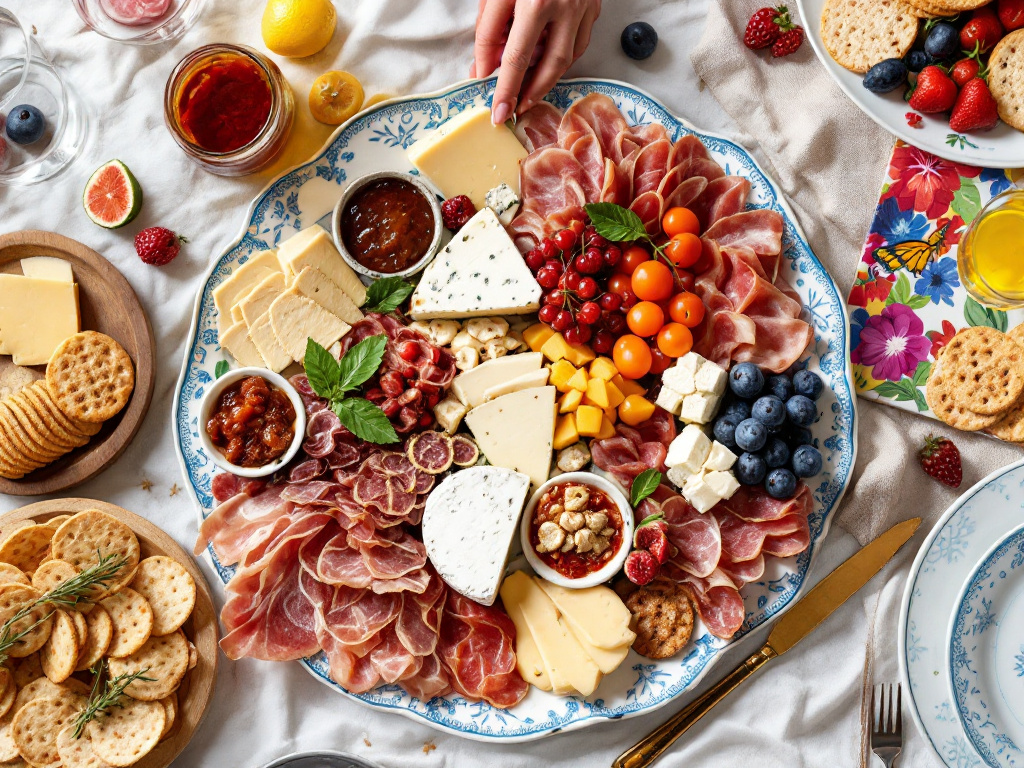 A festive table set with a charcuterie board, surrounded by people from different cultures enjoying a meal together. The board features a variety of cured meats, cheeses, and accompaniments.
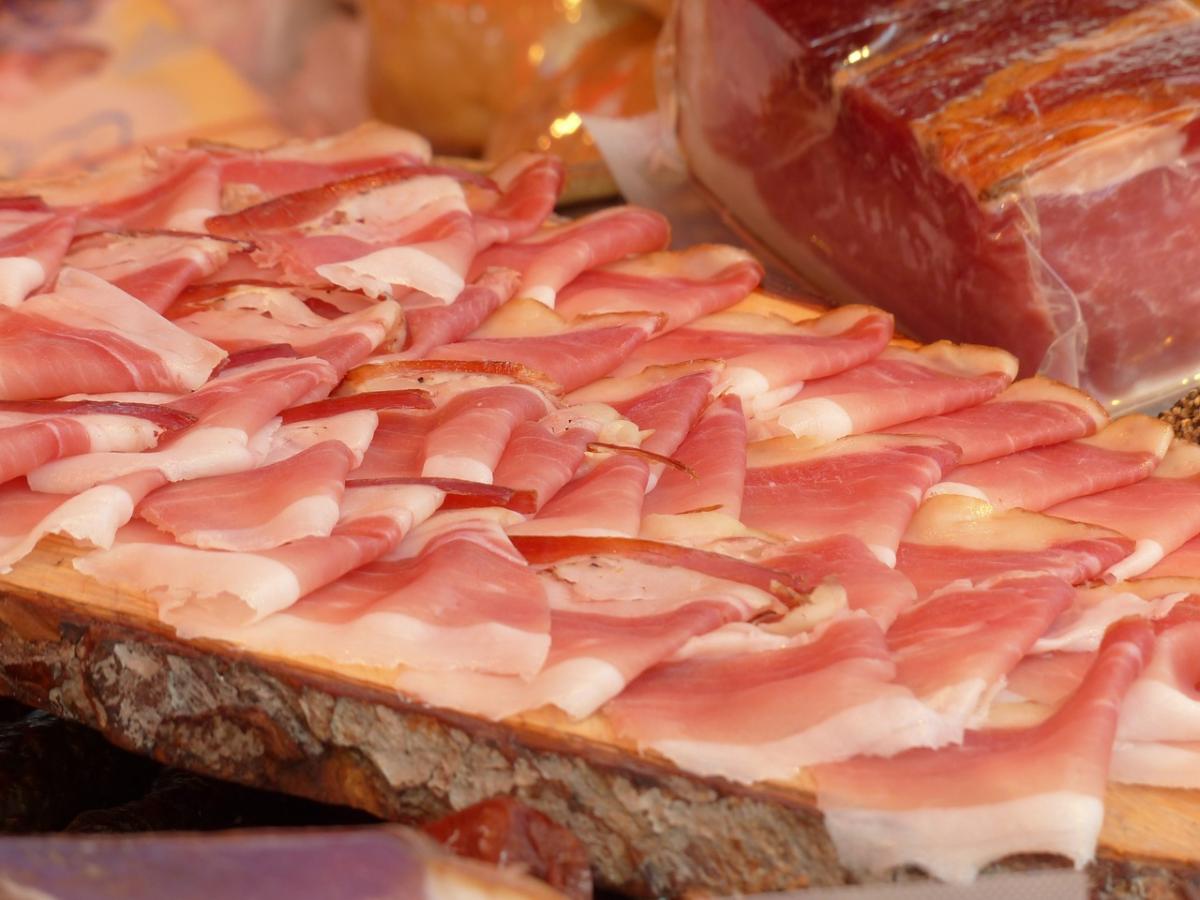
Global Flavors and Traditions Cured meats have a rich history that spans across cultures and continents, each contributing unique flavors and traditions to the art of preservation. In Italy, for instance, prosciutto and salami are not just foods; they are a celebration of local ingredients and regional heritage. Traditionally, these cured meats are crafted with care, following age-old recipes that emphasize the quality of the pork and the specific blending of spices. The process often involves a slow curing period, allowing the flavors to develop fully and resulting in a product that is deeply aromatic and incredibly satisfying.
In Spain, the culture of cured meats reaches its pinnacle with jamón ibérico, a delicacy made from acorn-fed Iberian pigs. The process of curing can take several years, during which the meat is carefully monitored to achieve the perfect balance of saltiness and sweetness. Sharing jamón ibérico with friends and family is a cherished ritual during gatherings, showcasing not just the meat itself but the deep-seated traditions that come with it. Each slice tells a story, connecting those who enjoy it to generations past.
Crossing over to Eastern Europe, we find a different yet equally vibrant tradition with sausages like kielbasa and kabanos. These cured meats often reflect the local environment, utilizing specific herbs and spices native to the region. Festivals celebrating these culinary creations bring communities together, emphasizing the importance of food in cultural identity. From bustling markets to family dinners, cured meats are a staple, embodying the warmth of homemade recipes and the spirit of togetherness.
In the Americas, the influence of various immigrant groups has shaped a diverse range of cured meats. Charcuterie boards featuring artisanal creations from diverse backgrounds offer a fusion of flavors. The melding of traditions has led to the creation of unique products, such as chorizo and bresaola, that highlight the rich tapestry of cultural influences. This adaptability showcases the enduring appeal of cured meats, which continue to evolve while honoring their historical roots.
 A sleek, stainless steel kitchen with a chef carefully preparing cured meats using modern tools and techniques. The background shows a walk-in refrigerator and state-of-the-art curing equipment.
The Modern Revival of Cured Meats Restaurants and food markets have embraced this trend, offering a variety of cured meats from different cultures. You can find everything from Italian prosciutto and Spanish chorizo to French saucisson and American bacon on charcuterie boards. This global melting pot of flavors has encouraged chefs and home cooks alike to experiment with their own curing techniques, elevating the humble cured meat to a star ingredient in many dishes.
The appeal of cured meats also lies in their versatility. They can be enjoyed on their own, paired with cheeses and fruits, or incorporated into hearty meals. Moreover, the growing interest in DIY food projects has led many enthusiasts to try their hand at home curing. Online resources and workshops have made it easier than ever for anyone to learn the art of curing, fostering a sense of community among those who share a passion for this age-old practice.
As people continue to seek out artisanal products and reconnect with food origins, the modern revival of cured meats shows no signs of slowing down. This movement not only highlights the craftsmanship behind each product but also encourages a more mindful approach to eating. Whether it's a slice of salami on a cracker or a gourmet sandwich piled high with cured meats, these delicious creations remind us of the rich history and diverse cultures that shape our culinary experiences today.
 A split-screen image showing a healthy, balanced meal with cured meats on one side and a warning label about nitrates and sodium content on the other. The background features a nutrition facts label and a doctor's office.
 A futuristic kitchen with advanced technology for curing meats, including automated machines and digital displays. The scene shows a chef experimenting with new flavors and sustainable practices.
Dos and Don'ts of Meat Curing
Dos:
- Use High-Quality Ingredients: Always start with fresh, high-quality meat and natural curing agents.
- Follow Recipes Closely: Precise measurements of salt, nitrates, and other ingredients are crucial for safe and effective curing.
- Maintain Hygiene: Ensure a clean workspace and proper storage conditions to prevent contamination.
- Experiment with Flavors: Don't be afraid to try new spices and herbs to enhance the flavor of your cured meats.
- Store Properly: Cured meats should be stored in a cool, dry place or refrigerated to maintain freshness.
Don'ts:
- Overuse Salt: Too much salt can make the meat inedible and unhealthy.
- Neglect Safety Precautions: Always wear gloves and wash your hands thoroughly when handling raw meat.
- Rush the Process: Curing takes time, and rushing can lead to improper preservation and potential health risks.
- Ignore Expiration Dates: Even cured meats have a shelf life, so always check for signs of spoilage.
- Forget to Label: Clearly label your cured meats with the date and type to avoid confusion.
How they did it then and how we do it today?
-
Ancient Times:
- Then: Early humans used salt and smoke to preserve meat, often hanging it in cool, dry places.
- Now: Modern curing involves precise measurements of salt, nitrates, and other preservatives, with controlled environments for aging.
-
Middle Ages:
- Then: Meat was cured in large quantities to feed armies and communities, often using communal smokehouses.
- Now: Small-batch artisanal curing is popular, focusing on quality and unique flavors.
-
Renaissance:
- Then: Curing became more refined, with recipes passed down through generations and used in royal kitchens.
- Now: Curing is a blend of science and art, with chefs experimenting with new techniques and flavors.
-
Industrial Revolution:
- Then: Mass production of cured meats began, with factories using standardized processes.
- Now: There is a balance between industrial production and artisanal methods, catering to different market needs.
-
Modern Era:
- Then: Curing was essential for preservation and food security.
- Now: Curing is appreciated for its cultural value and the unique flavors it imparts to meat.
Past Renowned Chefs Quotes and Recommendations
- Escoffier: "The art of curing meat is not just about preservation, but about enhancing the natural flavors of the meat."
- Marie-Antoine Carême: "A well-cured ham is a symphony of flavors, a testament to the skill of the chef and the quality of the ingredients."
- Julia Child: "Curing meat is a labor of love, requiring patience and precision, but the results are always worth the effort."
- James Beard: "The key to great cured meat is starting with the best possible ingredients and treating them with respect."
- Alice Waters: "Curing meat is a way to connect with our culinary past while creating something delicious for the present."
7 FAQs that will surprise you!
-
What is the difference between curing and smoking meat?
- Curing involves the use of salt, nitrates, and other preservatives to draw out moisture and inhibit bacterial growth. Smoking adds flavor and can also help preserve meat, but it is often used in combination with curing.
-
Is cured meat healthy?
- Cured meats can be high in sodium and nitrates, which have been linked to health concerns. However, when consumed in moderation, they can be part of a balanced diet.
-
How long does it take to cure meat?
- The time varies depending on the type of meat and the method used. Some cured meats can be ready in a few days, while others may take weeks or even months.
-
What are the benefits of curing meat?
- Curing extends the shelf life of meat, enhances its flavor, and adds a unique texture. It also allows for the creation of a wide variety of meat products.
-
Can I cure meat at home?
- Yes, with the right ingredients and equipment, you can cure meat at home. It's important to follow recipes closely and maintain a clean workspace.
-
What are some common types of cured meats?
- Common types include bacon, ham, salami, prosciutto, and pepperoni. Each has its own unique flavor and texture.
-
How should I store cured meat?
- Cured meats should be stored in a cool, dry place or refrigerated. Proper storage helps maintain freshness and prevents spoilage.
Did We Evolved in Curing Meats? The Pros and Cons
The practice of curing meats has evolved significantly over time, driven by the need for preservation and the desire for enhanced flavors. In ancient times, curing was essential for survival, allowing people to store meat for extended periods. The use of salt and smoke not only preserved the meat but also imparted unique flavors that became cherished culinary traditions.
Pros of Modern Curing:
- Enhanced Flavors: Modern techniques allow for a wider range of flavors and textures.
- Food Safety: Advances in science have made the curing process safer, reducing the risk of bacterial contamination.
- Variety: Today, we have access to a diverse array of cured meats from around the world.
Cons of Modern Curing:
- Health Concerns: The use of nitrates and high sodium content can pose health risks if consumed in excess.
- Industrialization: Mass production can sometimes compromise quality and traditional methods.
- Environmental Impact: The industrial processes involved in modern curing can have a significant environmental footprint.
Comparison to the Past:
- Health: In the past, cured meats were often healthier due to the lack of synthetic preservatives. However, modern methods ensure consistency and safety.
- Taste: Traditional methods often resulted in richer, more complex flavors, but modern techniques offer a wider variety of tastes.
- Sustainability: Ancient practices were more sustainable, using natural ingredients and local resources. Today, there is a growing movement toward returning to these sustainable practices.
If you're interested in learning how to cure meats at home, check out our guide on Launch Your Cured Meat Business Plan. And for the perfect pairing, don't forget to visit our Cheeses and Artisan Breads categories.