*Your Passport to Flavorful Tradition*
Embark on a journey through the rich and diverse world of raw milk French cheeses. Discover the secrets behind their unique flavors, the history that shaped them, and the best ways to enjoy these culinary treasures. From the creamy Camembert to the bold Roquefort, each cheese tells a story of tradition and terroir. Join us as we explore the art of cheesemaking and the passion behind each wheel. Whether you're a seasoned cheese connoisseur or a curious foodie, this guide will take you on a delicious adventure through France's dairy heritage.
Key Takeaways
- Discover the rich history and cultural significance of raw milk French cheeses.
- Learn about the unique production methods and health benefits of these cheeses.
- Explore expert tips on pairing and storing raw milk cheeses.
- Find out where to buy authentic raw milk French cheeses.
Table of Contents
- Introduction: The Magic of Raw Milk French Cheese
- A Slice of History: How French Cheese Became Legendary
- Why Raw Milk Cheese? Flavor, Science, and Tradition
- Meet the Stars: 7 Must-Try Raw Milk French Cheeses
- From Farm to Table: Crafting Raw Milk Cheese
- Health Perks (and Who Should Skip It)
- Cheese & Wine Pairings: A Match Made in Heaven
- Shopping Tips: How to Spot the Real Deal
- Voices from the Cheese World: Expert Insights
- Tables: Exploring French Cheese
- Conclusion: Savor the Legacy of Raw Milk French Cheese
- FAQ: Your Cheese Questions, Answered
Introduction: The Magic of Raw Milk French Cheese
*Unveiling the Secrets of France's Creamy Treasures* 🧀
 Picture a cheese so alive with flavor that it tells the story of sun-drenched pastures, centuries-old techniques, and the pride of French terroir. That’s raw milk French cheese—a world where unpasteurized milk transforms into creamy Camembert, tangy Roquefort, and nutty Comté. France isn’t just the “land of cheese” for its 1,000+ varieties; it’s the birthplace of raw milk cheese, a craft perfected over generations. In this guide, we’ll dive into its history, explore iconic varieties, and share tips to savor these edible treasures like a pro.
Imagine biting into a piece of history, where each bite carries the essence of the land and the dedication of artisans. From the misty pastures of Normandy to the ancient caves of Roquefort-sur-Soulzon, raw milk cheeses offer a unique taste of France’s rich culinary heritage. Whether you're a seasoned cheese connoisseur or a curious foodie, this guide will take you on a journey through the world of raw milk French cheeses.
A Slice of History: How French Cheese Became Legendary
*From Monasteries to Modern Tables* 🏰
Medieval Beginnings
French cheese-making is as old as its medieval monasteries. Did you know monks were the original cheese rockstars? By the 16th century, they’d already crafted over 50 varieties, refining recipes in quiet abbeys. Take Roquefort: Legend says a shepherd forgot his bread and cheese in a cave, only to discover it later, veined with glorious blue mold. Today, it’s protected by AOP status (Appellation d’Origine Protégée), ensuring only cheeses aged in Combalou caves earn the name.
These early cheesemakers were true pioneers, experimenting with different techniques and ingredients to create unique flavors. Their dedication and innovation laid the foundation for the diverse range of cheeses we enjoy today. The monasteries became hubs of culinary creativity, where the art of cheesemaking was passed down through generations.
Regional Diversity
Regional diversity also shaped flavors. Normandy’s rainy climate yields buttery cow’s milk cheeses, while the Loire Valley’s goat herds produce bright, crumbly chèvre. This “terroir” effect—soil, climate, and tradition—is why the same recipe tastes different in the Alps versus Provence. Each region’s unique environment contributes to the distinct characteristics of its cheeses, making them a true reflection of their origin.
The diverse landscapes of France, from the lush pastures of Normandy to the rugged mountains of the Alps, provide a rich tapestry of flavors and textures. This regional diversity is a testament to the country’s rich culinary heritage and the deep connection between the land and its produce. Whether it’s the tangy goat cheeses of the Loire Valley or the creamy cow’s milk cheeses of Normandy, each variety tells a story of its terroir.
Why Raw Milk Cheese? Flavor, Science, and Tradition
*The Science Behind the Flavor* 🧪
The Magic of Raw Milk
Raw milk cheese skips pasteurization, keeping natural enzymes and bacteria intact. Think of it as a flavor time capsule: The milk’s native microbes interact with local yeasts during aging, creating bold, earthy, or fruity notes pasteurized versions can’t match. For example, Brie de Meaux (a raw milk superstar) bursts with mushroomy richness, while its pasteurized cousin tastes milder.
This natural process allows the cheese to develop a complex flavor profile that is unique to its environment. The interaction between the milk’s natural microbes and the local yeasts creates a symphony of flavors that are as diverse as the regions they come from. This is why raw milk cheeses are often considered superior in taste and texture, offering a true taste of the terroir.
Safety and Regulations
Safety note: The EU mandates strict aging rules for raw milk cheeses to eliminate harmful bacteria. In the U.S., raw cheeses must age 60+ days. So yes, they’re safe for most—though pregnant folks should skip them. These regulations ensure that the cheeses are safe to consume while preserving their unique flavors and characteristics.
By adhering to these strict guidelines, cheesemakers can continue to produce high-quality raw milk cheeses that are both delicious and safe. This balance between tradition and safety is what makes raw milk cheeses a true culinary treasure, offering a taste of history and terroir in every bite.
Meet the Stars: 7 Must-Try Raw Milk French Cheeses
*Iconic Varieties You Can't Miss* 🌟
Camembert de Normandie (AOP)
- Region: Normandy | Milk: Cow
- Soft, bloomy rind with a barnyardy kick. Pair with apple cider or crusty baguette.
- Fun fact: A farmer’s wife, Marie Harel, created it during the French Revolution! Source: A French Collection
Camembert de Normandie is a true icon of French cheese, known for its creamy texture and rich, earthy flavors. Its bloomy rind and soft interior make it a favorite among cheese lovers, offering a taste of Normandy’s lush pastures and traditional cheesemaking techniques.

HERVE MONS Camembert Cheese, 8.5 OZ
Discover the creamy richness of HERVE MONS Camembert Cheese, perfect for your cheese board or a delightful snack
Product information
Product Review Score
4.16 out of 5 stars
17 reviewsProduct links
Roquefort (AOP)
- Region: Occitanie | Milk: Sheep
- Bold, salty, and creamy with blue veins. Crumble over steak or pair with sweet Sauternes wine.
Roquefort is a legendary blue cheese, known for its bold, salty flavors and creamy texture. Aged in the natural caves of Combalou, it develops its distinctive blue veins and rich, tangy taste. This cheese is a true testament to the art of traditional cheesemaking, offering a taste of the rugged landscapes of Occitanie.
Comté (AOP)
- Region: Jura Mountains | Milk: Cow
- Aged up to 24 months for caramel-nut flavors. Grate into fondue or snack with walnuts.
- Fun fact: Comté is produced in large wheels, often weighing over 80 pounds each!
Comté is a versatile cheese with a rich, nutty flavor that becomes more pronounced with age. Its firm texture makes it perfect for grating or melting, and it's a staple in many French households for its ability to enhance a variety of dishes. For more on Comté, check out Exploring Comté: France's Mountain Cheese Masterpiece.
$61.90
4.69 out of 5 stars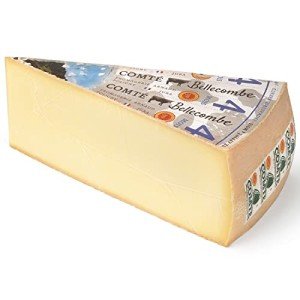
Comté Fort St. Antoine French Cheese - 1 lb
Enjoy the rich, nutty flavor of this authentic French cheese that's perfect for snacking or adding to your favorite dishes
Product information
Product Review Score
Product links
Morbier
- Region: Franche-Comté | Milk: Cow
- Semi-soft with a signature ash line (originally used to protect the cheese!). Try it melted in sandwiches.
- Fun fact: The ash line was traditionally used to separate morning and evening milkings.
Morbier is known for its distinctive ash line and creamy, slightly fruity flavor. It's a fantastic melting cheese, making it ideal for a variety of cooked dishes, from gratins to sandwiches.
$64.99
$29.99
4.34 out of 5 stars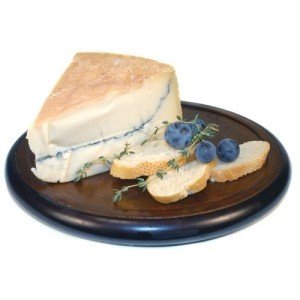
Morbier Cheese from Montboisse - 1 lb
A creamy, flavorful cheese with a distinct layer of ash that adds a unique touch to your charcuterie board
Product information
Product Review Score
Product links
Reblochon
- Region: Savoie | Milk: Cow
- Creamy and nutty, perfect for tartiflette. Pair with a crisp white wine.
- Fun fact: Reblonchon is a key ingredient in the classic Savoyard dish, tartiflette.
Reblochon is a semi-soft cheese with a creamy texture and a rich, nutty flavor. It's famously used in the traditional French dish tartiflette, where it's melted over potatoes, bacon, and onions.
Saint-Nectaire
- Region: Auvergne | Milk: Cow
- Semi-soft with a velvety rind and earthy flavors. Great with rustic bread.
- Fun fact: Saint-Nectaire has been made since the 17th century and was a favorite of King Louis XIV.
Saint-Nectaire is a semi-soft cheese with a smooth, velvety rind and a rich, earthy flavor. It's often enjoyed with rustic bread and is a staple in the Auvergne region.
$61.95
4.53 out of 5 stars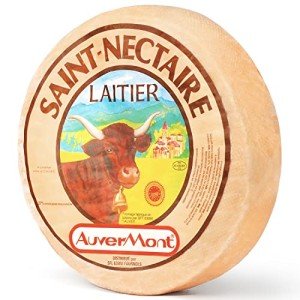
Saint Nectaire Auver Mont French Cheese - 1 LB
A creamy and flavorful cheese that’s perfect for your next cheese board or sandwich
Product information
Product Review Score
Product links
Beaufort
- Region: Savoie | Milk: Cow
- Firm and buttery, often called the "Prince of Gruyères." Ideal for fondue.
- Fun fact: Beaufort is made from the milk of Tarine cows, which graze on alpine pastures.
Beaufort is a firm, buttery cheese with a rich, complex flavor. It's often referred to as the "Prince of Gruyères" and is a favorite for fondue, offering a smooth and creamy melt.
From Farm to Table: Crafting Raw Milk Cheese
*The Journey of Cheesemaking* 🚜
Artisan Techniques
Artisan cheesemaking is a labor of love. Local farmers milk cows, goats, or sheep twice daily, then rush the milk to fromageries. Natural rennet curdles the milk, and molds like Penicillium roqueforti (for blue cheeses) work their magic. This hands-on approach ensures that each wheel of cheese is crafted with care and precision, preserving the unique flavors and characteristics of the milk.
The art of cheesemaking is a delicate balance of science and tradition, where each step is carefully controlled to create the perfect texture and flavor. From the initial curdling of the milk to the final aging process, every detail is meticulously managed to produce a cheese that is truly exceptional.
Aging and Terroir
Aging is where terroir shines. Comté wheels rest in spruce-wood caves, absorbing earthy aromas, while Saint-Nectaire develops its velvety rind in humid Auvergne cellars. Industrial cheese? It’s faster and cheaper but lacks that je ne sais quoi. The aging process allows the cheese to develop its unique flavors and textures, creating a product that is truly representative of its origin.
This careful aging process is what sets artisan cheeses apart from their industrial counterparts. By allowing the cheese to mature in environments that enhance its natural flavors, cheesemakers can create products that are rich in taste and texture, offering a true taste of the terroir.
Health Perks (and Who Should Skip It)
*The Benefits and Considerations* 🍎
Nutritional Benefits
Raw milk cheese packs probiotics for gut health, plus calcium and vitamin K2 for strong bones. Many find it easier to digest since natural enzymes break down lactose. These nutritional benefits make raw milk cheeses a valuable addition to a balanced diet, offering a range of health benefits that are hard to find in other foods.
The probiotics found in raw milk cheeses can help to support a healthy gut microbiome, which is essential for overall health and well-being. Additionally, the high levels of calcium and vitamin K2 can help to strengthen bones and support cardiovascular health, making these cheeses a true superfood.
Considerations
But if you’re pregnant or immunocompromised, stick to pasteurized options. While raw milk cheeses offer a range of health benefits, they may not be suitable for everyone. It’s important to consider your individual health needs and consult with a healthcare professional if you have any concerns.
For those who can enjoy them, raw milk cheeses offer a unique taste of tradition and terroir, along with a range of health benefits. However, it’s always important to make informed choices about your diet and consider any potential risks or considerations.
Cheese & Wine Pairings: A Match Made in Heaven
*Perfect Pairings for Every Palate* 🍷
Classic Combinations
Brie de Meaux: Champagne or dry Riesling
Roquefort: Sauternes dessert wine or port
Chèvre: Sauvignon Blanc or a drizzle of honey
Pairing cheese with the right wine can elevate your tasting experience, bringing out the unique flavors and characteristics of each variety. Whether you prefer a crisp white wine with a tangy goat cheese or a rich red wine with a bold blue cheese, there’s a perfect pairing for every palate. For more pairing ideas, visit our Artisan Cheese Pairing Guide.
Expert Tips
Pro tip: Let cheese sit at room temperature for 20 minutes before serving—it unlocks hidden flavors! This simple step can make a big difference in your tasting experience, allowing the cheese to reach its full potential in terms of flavor and texture.
By taking the time to properly prepare and serve your cheese, you can ensure that you’re getting the most out of every bite. Whether you’re hosting a dinner party or enjoying a quiet night in, these expert tips can help you to create a truly memorable cheese-tasting experience.
Shopping Tips: How to Spot the Real Deal
*Finding Authentic Raw Milk Cheeses* 🛒
What to Look For
Look for “lait cru” (raw milk) and AOP/AOC labels. Trusted U.S. retailers: Murray’s Cheese, igourmet.com, or local cheesemongers. These labels and retailers can help you to find authentic raw milk cheeses that are true to their origins and traditions.
By choosing cheeses that are labeled with these designations, you can ensure that you’re getting a product that is made with the highest quality ingredients and traditional techniques. This can make a big difference in the flavor and texture of the cheese, offering a true taste of the terroir.
Storage Tips
Avoid plastic wrap! Store cheese in wax paper inside a loosely sealed container. Proper storage is essential for preserving the flavor and texture of your cheese, allowing you to enjoy it at its best.
By following these simple storage tips, you can ensure that your cheese stays fresh and delicious for as long as possible. Whether you’re storing a soft, creamy Camembert or a bold, tangy Roquefort, these tips can help you to get the most out of your cheese.
Voices from the Cheese World: Expert Insights
*Words of Wisdom from Cheese Connoisseurs* 🧀
Chef and Fromager Quotes
“Camembert isn’t just a cheese—it’s Normandy in a wheel. The pasture’s dew, the cow’s diet, even the morning mist—they’re all captured in that bloomy rind.”
— Élise Lambert, Fromagère and Author of *Fromage Terroir* Source: A French Collection
“Roquefort’s caves are like nature’s laboratory. No human could engineer the *fleurines*—those fissures are the true cheesemakers.”
— Chef Laurent Dubois, Michelin-Starred Cuisinier Source: Talkpal
These expert insights offer a glimpse into the world of raw milk cheeses, highlighting the unique flavors and characteristics that make them so special. Whether you’re a seasoned cheese connoisseur or a curious foodie, these quotes can help you to appreciate the art and tradition of cheesemaking.
Cheese Aging
“Aging Comté is like composing a symphony. Each month adds a new note: grass, caramel, toasted hazelnuts. Patience is the secret ingredient.”
— Marie-Claire Lefort, Master Affineur Source: Happy Belly Fish
The aging process is a crucial part of cheesemaking, allowing the flavors and textures to develop and mature. By taking the time to properly age their cheeses, cheesemakers can create products that are rich in taste and complexity, offering a true taste of the terroir.
Tables: Exploring French Cheese
*A Closer Look at the Numbers* 📊
1. Cheese Variety Spotlight
| Cheese | Aging Period | Milk Used per Wheel | Fun Fact |
|---|---|---|---|
| Camembert de Normandie | 3-5 weeks | ~20 liters | WWI soldiers received daily Camembert rations! |
| Roquefort | 5 months | 4.5 liters (sheep) | Only 1% of global cheese is blue-veined |
| Comté | 4-24 months | 450 liters | France eats 60,000 tons/year—the weight of 10 Eiffel Towers! |
2. French Cheese by the Numbers
| Statistic | Value |
|---|---|
| Annual Raw Milk Cheese Production | ~200,000 tons |
| % of French Cheese Exports | 33% (€3.8 billion/year) |
| Cheese Varieties with AOP Status | 46 |
3. Nutritional Comparison (per 100g)
| Cheese | Calories | Fat (g) | Protein (g) | Flavor Notes |
|---|---|---|---|---|
| Camembert | 300 | 24 | 20 | Mushroom, damp hay |
| Roquefort | 369 | 31 | 22 | Salty, smoky, sharp |
| Chèvre | 264 | 21 | 19 | Tangy, citrusy, herbal |
Conclusion: Savor the Legacy of Raw Milk French Cheese
*A Journey Through Tradition and Flavor* 🧀
Raw milk French cheese is more than just a treat—it’s a journey through centuries of tradition, terroir, and craftsmanship. From the misty pastures of Normandy to the ancient caves of Roquefort-sur-Soulzon, each bite tells a story of farmers, monks, and artisans who turned humble milk into edible art. Whether you’re drawn to Camembert’s rustic charm or Comté’s caramel depth, these cheeses invite you to taste the soul of France.
Today, the revival of raw milk cheese isn’t just a trend—it’s a celebration of authenticity. Younger cheesemakers are embracing age-old techniques, proving that flavor thrives when we honor the land and its history. With every wheel stamped AOP or wrapped in ash, France reminds us that great cheese isn’t made overnight—it’s crafted with patience, pride, and a dash of microbial magic.
Ready to embark on your own cheese adventure? Explore our curated selection of French dairy treasures at DeliFoodShop’s French Cheese Category. Whether you’re hosting a wine night or craving a solo indulgence, there’s a raw milk gem waiting to become your new favorite. Bon appétit! 🧀
FAQ: Your Cheese Questions, Answered
*Everything You Need to Know* ❓
- Q: Why is raw milk cheese banned in some countries?
A: Some regions restrict raw milk products due to safety concerns, but aging (like Comté’s 60+ days) kills harmful bacteria. Always check local laws before importing! Source: EU Food Safety
- Q: Can I freeze raw milk cheese?
A: Freezing dulls flavors and textures—store it in the fridge’s crisper drawer instead. Wrap in wax paper for best results.
- Q: What makes AOP cheeses special?
A: AOP certification guarantees strict production rules, like using local milk and traditional methods. It’s a stamp of authenticity! Source: INAO
- Q: Why does goat cheese taste “grassy”?
A: Goats graze on aromatic herbs and shrubs, which infuse their milk with bright, earthy notes. Try Loire Valley chèvre for a tangy kick!
- Q: How can I tell if my Brie is perfectly ripe?
A: Gently press the center—it should feel soft but not runny. The rind should smell earthy, not ammonia-like.
- Q: Are raw milk cheeses lactose-free?
A: Most have minimal lactose due to fermentation, but those with severe allergies should consult a doctor.
- Q: What’s the oldest French cheese still made today?
A: Roquefort! Its production dates back to at least 79 AD, as noted by Pliny the Elder. Talk about a classic! Source: Roquefort Society
- Q: Can I eat the rind of raw milk cheeses?
A: Yes, the rind is edible and often adds a unique flavor and texture to the cheese. However, some people prefer to remove it, especially if it's particularly strong or thick.
- Q: How should I serve raw milk cheeses at a party?
A: Serve them at room temperature to enhance their flavors. Arrange them on a wooden board with complementary accompaniments like fruits, nuts, and wines. This creates a visually appealing and delicious spread that your guests will love.
- Q: What are some unique ways to enjoy raw milk cheeses?
A: Try melting them into sauces, baking them into bread, or incorporating them into salads. You can also pair them with unexpected flavors like honey, jam, or even chocolate for a delightful culinary experience.
Hungry for more? Check out our guide to French wine pairings or how to build a cheese board.