Discover Picodon, Southern France's aromatic goat cheese with a spicy kick and rich history. Learn why this AOP-certified gem ranges from creamy to tangy and how it's crafted by generations of cheesemakers. Explore its bold flavors, health benefits, and perfect pairings with wine and honey. Find out where to buy authentic Picodon and elevate your dishes with this rustic yet refined cheese. Dive into the story of a cheese that's as flavorful as it is culturally significant.
Estimated reading time: 8 minutes
Key Takeaways
- Picodon is a historic goat cheese from Southern France with AOP certification
- Comes in young (creamy) and aged (tangy) varieties with distinct flavors
- Rich in calcium and probiotics, easier to digest than cow's milk cheese
- Pairs beautifully with fruits, honey, and Rhône wines
- Look for the AOP label when purchasing authentic Picodon
Table of Contents
- Introduction: Picodon - The Quintessential French Goat Cheese
- Picodon's Rich Heritage: A Cheese Steeped in Tradition
- From Farm to Table: The Craftsmanship Behind Picodon
- Why Picodon Stands Out: Aromatic and Distinctive
- Is Picodon Good for You? Nutritional Insights
- How to Buy Authentic Picodon: A Shopper's Guide
- Renowned Chefs on Picodon: A Gourmet Perspective
- Picodon Storage & Serving: Do's and Don'ts
- Elevate Your Dishes: Creative Ways to Use Picodon
- Tasting Notes of Picodon
- Best Pairings for Picodon
- Picodon's Global Journey
- Conclusion: A Cheese of Contrasts
- Frequently Asked Questions
Introduction: Picodon - The Quintessential French Goat Cheese
Picture a cheese so iconic that it's been cherished since the Middle Ages, crafted by farmers who couldn't afford cows. Meet Picodon, the small-but-mighty goat cheese from Southern France that's as rich in history as it is in flavor. With its spicy kick and rustic charm, Picodon has earned AOC (now AOP) certification and a permanent spot on France's culinary stage. Whether young and creamy or aged into a tangy powerhouse, this cheese tells a story of rocky hillsides, hardworking goats, and generations of cheesemakers. Let's dive into why this aromatic gem deserves your attention.
Picodon's Rich Heritage: A Cheese Steeped in Tradition
Picodon's story begins in the 14th century, when resourceful farmers in the Drôme and Ardèche regions turned to goats—animals that could thrive on the sparse, rugged terrain. The name "Picodon" comes from the Occitan word for "spicy," a nod to its bold flavor [Source: Wikipedia]. But here's a fun twist: For centuries, it was considered a "poor man's cheese," eaten by laborers who needed a durable, protein-packed snack. Today, it's a star at festivals like the Fête du Picodon, where locals compete to create the most delicious versions [Source: Produits Laitiers AOP].
This cheese isn't just food—it's a cultural lifeline. During the 1970s, small villages fought to preserve Picodon's traditional methods, leading to its AOC certification in 1983 [Source: Behind the French Menu]. Talk about a glow-up!
From Farm to Table: The Craftsmanship Behind Picodon
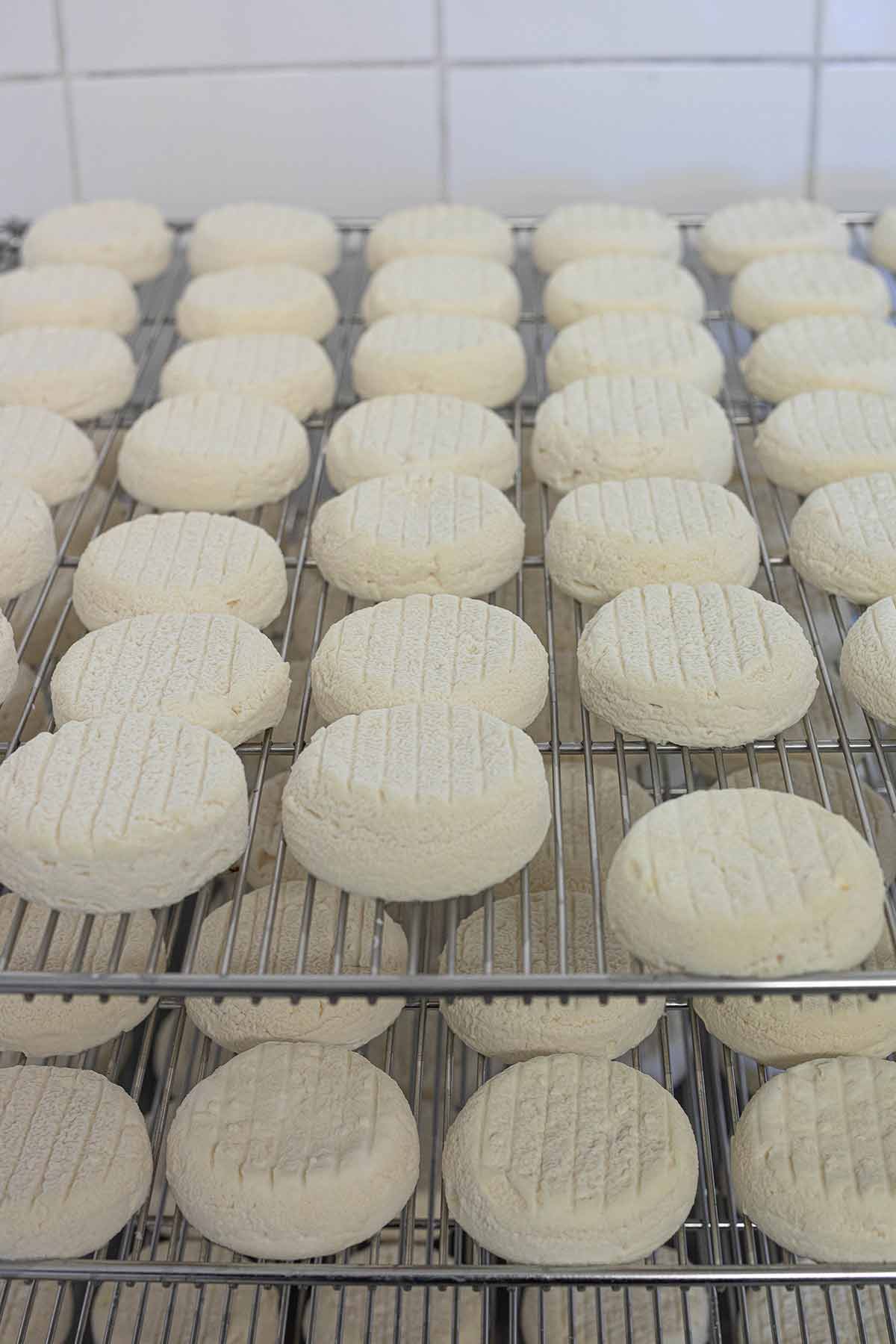 Making Picodon is an art form. Roughly 150 farmers in Drôme and Ardèche follow a process barely changed in 700 years [Source: Taste France]. Here's how it works:
- Milk Matters: Most Picodon uses raw goat's milk, collected daily from free-roaming herds. The goats munch on wild herbs, giving the cheese its earthy flair.
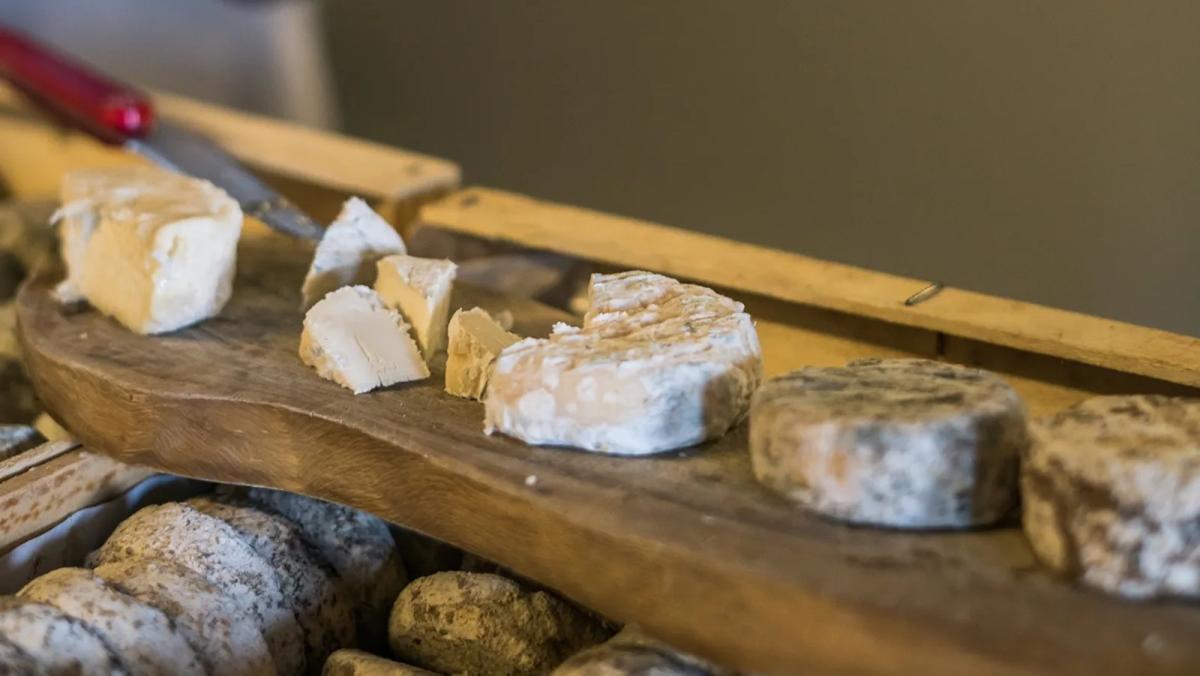
- Shaping & Aging: The curds are hand-ladled into molds, creating petite 2-ounce discs. Fresh Picodon is mild and creamy, but aged versions (like those using the Dieulefit method) develop a crumbly texture and peppery finish [Source: Produits Laitiers AOP].
- AOP Rules: Only cheeses from designated regions can bear the Picodon name. Each batch is tested for quality—no shortcuts allowed!
Why Picodon Stands Out: Aromatic and Distinctive
Bite into Picodon, and you'll taste the essence of Southern France. Imagine crushed wild thyme, sunbaked rocks, and a whisper of citrus—all thanks to those pasture-raised goats. The aging process amps up the drama:
- Young (1-2 weeks): Soft, with a gentle tang. Perfect for spreading on baguettes.
- Aged (2+ months): Bold, crumbly, and slightly nutty. Pair it with fig jam or honey.
Compared to Brie or Camembert, Picodon is leaner and zestier. It's like the cheese world's answer to a spicy olive tapenade!
Is Picodon Good for You? Nutritional Insights
Goat cheese lovers, rejoice! Picodon packs a nutritious punch:
- High in calcium: Strong bones, here we come!
- Easier to digest: Goat's milk has less lactose than cow's milk.
- Probiotic-rich: Aged varieties support gut health.
Plus, its small size means portion control is a breeze.
How to Buy Authentic Picodon: A Shopper's Guide
Hunting for the real deal? Look for the AOP label (found on 95% of Picodon). In France, hit up farmers' markets in Drôme. Elsewhere, try specialty shops like Murray's Cheese or online retailers like FromageDirect. Prices range from $5–$15 per disc. Pro tip: Avoid cheeses with an ammonia smell—they're overripe!
Online Options: Not in the mood to head out? Several online retailers specialize in gourmet foods, including local cheese shops with online stores, artisan food websites, and specialty grocery delivery services.
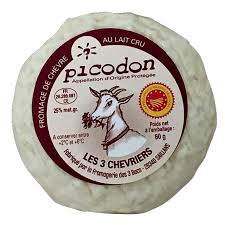
What to Look For:
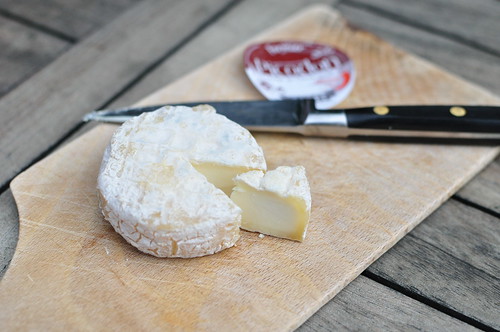
- Appearance: A slightly wrinkled rind indicates proper aging.
- Texture: Creamy yet crumbly.
- Smell: Tangy and inviting, never ammonia-like.
Renowned Chefs on Picodon: A Gourmet Perspective
 Chef Jacques Renaud of Lyon calls it "a flavor bomb." His signature dish? Picodon-stuffed ravioli with black truffle shavings. Meanwhile, Parisian bistro Le Chardenoux melts it into gooey, herb-infused tartines.
Picodon Storage & Serving: Do's and Don'ts
- Store: Wrap in parchment paper; keep in the fridge's crisper drawer (4°C/39°F).
- Serve: Let it sit at room temperature for 30 minutes. Pair with a Côtes du Rhône Blanc or a light Beaujolais.
Elevate Your Dishes: Creative Ways to Use Picodon
- Salad: Crumble aged Picodon over arugula, walnuts, and roasted beets.
- Gourmet Hack: Stuff chicken breasts with Picodon and rosemary.
- Dessert: Drizzle honey over young Picodon and serve with fresh strawberries.
Tasting Notes of Picodon
Picodon isn't just a cheese—it's a burst of flavor with every bite! When you first taste it, you'll notice a tangy kick that dances on your palate, balanced by rich creaminess and subtle earthiness. Younger versions (aged 2–3 weeks) have a fresh, acidic zing, while aged batches develop nutty, herbal depth.
What truly dazzles is its aroma: think fresh hay mingled with a hint of goaty musk. At the 2019 Fête du Picodon, a cheesemaker from Dieulefit won top honors when judges praised his aged batch for its "haystack-on-a-summer-breeze" scent—courtesy of goats grazing on lavender-edged pastures!
Best Pairings for Picodon
This cheese shines when paired with:
- Fresh fruits: Figs, apples, or pears for sweet contrast.
- Honey: Chestnut honey, a local Ardèche tradition since the 1800s.
- Wine: A Rhône white or Sauvignon Blanc.
Fun fact: In the Ardèche, farmers once bartered Picodon for honey—a partnership as timeless as the hills.
Picodon's Global Journey
Despite its regional roots, Picodon is crossing borders. In 2025, it debuts at Mexico's Festival del Queso Artesanal, featured in fusion tacos. "Its tangy punch balances mole's richness," says festival curator Ana Martínez [Source: Formaggiastic]. Back in France, Lyon's Nuits Fromagères hosts workshops on pairing Picodon with rare Rhône wines, proving tradition and innovation coexist.
Conclusion: A Cheese of Contrasts
Picodon thrives on paradox: rustic yet refined, fiery yet nuanced. From its 14th-century origins as a "poor man's cheese" to its modern AOP glory, this Southern France gem embodies resilience. Its bold flavors—tangy, herbal, and peppery—tell a story of rocky hills, stubborn goats, and farmers who turned survival into art.
Whether you're spreading young Picodon on a baguette or savoring an aged disc with honey, every bite is a journey through France's culinary soul. And let's not forget its global adventures—from fusion tacos in Mexico to Michelin-starred plates in Lyon!
Ready to explore more? Dive into our curated selection of French cheeses at Delifoodshop. Whether you're a newbie or a connoisseur, there's a world of flavor waiting. Bon appétit!
Frequently Asked Questions About French Cheese
- What makes French goat cheese unique?
French goat cheeses like Picodon are shaped by regional traditions, local herbs, and aging methods. Goats graze on diverse flora, giving each cheese distinct earthy or floral notes. - Can I eat the rind on Picodon?
Absolutely! The rind is edible and adds depth to the flavor. Just avoid cheeses with an ammonia-like smell. - How long does Picodon last in the fridge?
Wrapped properly, it stays fresh for 2–3 weeks. Aged versions can last up to a month. - What's the best way to serve goat cheese?
Let it sit at room temperature for 30 minutes to enhance its aroma. Pair with crusty bread, fruit, or honey. - Are all French cheeses made from cow's milk?
Nope! France produces cheeses from cow, goat, and sheep milk. Goat cheeses like Picodon are especially popular in the south. - Why is AOP certification important?
AOP ensures cheeses are made using traditional methods in specific regions. It's a guarantee of quality and authenticity. - What other French cheeses pair well with Picodon?
Try Comté for nuttiness or Roquefort for bold contrast. Explore our French cheese collection for ideas!