Discover Rocamadour, France’s ancient goat cheese once used as medieval currency. This creamy, tangy delight boasts 500 years of French dairy tradition and AOP-protected craftsmanship. Learn how artisanal cheesemakers craft Rocamadour using time-honored techniques passed down for generations. Explore its nutty flavor profile, health benefits, and perfect pairings for your next cheese board. Ready to taste a slice of history? Dive into the story of this legendary French cheese.
Estimated Reading Time
8 minutes
Key Takeaways
- Rocamadour is a historic French goat cheese with 500+ years of tradition
- Earned AOP protection in 1996 for authentic production methods
- Features a unique creamy texture and tangy, nutty flavor profile
- Rich in protein, calcium, and probiotics with lower lactose content
- Perfect pairing with white wines, honey, and crusty bread
Table of Contents
- From Medieval Times to Modern Tables
- How Rocamadour is Made
- How Rocamadour Stands Out
- Health Benefits
- Where to Buy
- Expert Recommendations
- Storage Guide
- Dos and Don’ts
- 2024 Events
- Rocamadour by the Numbers
- Conclusion
- FAQ
From Medieval Times to Modern Tables: The Rich History of Rocamadour
Did you know Rocamadour was once a form of currency? Records from 1451 show villagers in the Lot region paid their taxes with these tiny cheese discs! Originally called cabécou (from the Occitan words for “little goat”), it was renamed after the cliffside village of Rocamadour to honor its roots. Legend has it that pilgrims traveling to the sacred Chapel of Notre-Dame in Rocamadour carried these cheeses as sustenance, believing their purity mirrored their spiritual journey [Source: France Today].
In 1996, Rocamadour earned AOP protection, meaning only cheeses made in this region with traditional methods can bear the name. Today, local farmers still use age-old techniques, like aging the cheese on wooden grills, just as their ancestors did.
Rocamadour cheese is a delightful discovery for cheese lovers! This soft goat cheese hails from the picturesque region of Occitanie in southern France. Its distinctive flavor, creamy texture, and rich history make it a must-try for anyone who enjoys gourmet treats.
What sets Rocamadour cheese apart? First off, it's made from the milk of local goats, which gives it a wonderfully tangy taste. The cheese is small, often shaped like a disk, and has an edible rind that adds to its character. Many describe the flavor as nutty with a hint of earthiness – perfect for pairing with a light white wine or a crisp baguette.
- Texture: Creamy and smooth, with a bit of a bite.
- Flavor: Tangy and nutty, with earthy undertones.
- Pairing Ideas: Great with fruits, nuts, and your favorite crackers.
Whether you're making a cheese board for a special occasion or just treating yourself after a long day, Rocamadour cheese adds that extra touch of indulgence. It's not just cheese; it’s a piece of French heritage that brings a taste of the countryside right to your table. Give it a try, and you might just find a new favorite!
How Rocamadour is Made: The Art of French Goat Cheese Production
Crafting Rocamadour is a labor of love. It starts with raw milk from Alpine or Saanen goats grazing on the lush hills of Lot. Here’s how it’s done:
- Milking: Goats are milked twice daily.
- Curdling: Rennet and whey are added to the milk, which sits for 24 hours.
- Draining & Salting: Curds drain another day before being hand-salted.
- Aging: The cheese matures on grills for at least six days, turned daily for even texture.
Making Rocamadour cheese is a charming process that brings together tradition and flavor. It all starts with fresh goat's milk, typically sourced from local farms. The milk is gently warmed and then combined with natural rennet, which helps it curdle. This is where the magic begins!
Once the milk curdles, the curds are carefully cut and stirred. This step is essential; it helps release the whey, giving the cheese its distinct texture. After that, the curds are drained and molded into small, round shapes. These little disks are what make Rocamadour so unique.
Next, the cheese is salted. This isn't just for flavor—salting also helps with preservation and enhances the natural taste. After salting, the cheese is aged for a few weeks. During this time, it develops its creamy, tangy profile that many people love.
Finally, Rocamadour cheese is usually wrapped in a beautiful, fragrant herb coating or left natural. This not only adds to the aesthetic but also contributes to the flavor. By the time it hits your cheese board, it has a lovely, well-rounded taste that's simply irresistible.
How Rocamadour Stands Out Among French Cheese Varieties
| Cheese | Texture | Flavor | Best Uses |
|---|---|---|---|
| Rocamadour | Creamy, soft | Tangy, hazelnut | Salads, tarts, melted on bread |
| Valençay | Crumbly | Citrusy, earthy | Cheese boards, appetizers |
| Chèvre | Firm | Bright, acidic | Spreads, baked dishes |
Why Rocamadour is a Nutritious Choice: Health Benefits of Goat Cheese
- High in protein & calcium: Great for bones and muscles.
- Easier to digest: Goat milk has less lactose than cow’s milk.
- Probiotics: Raw-milk versions support gut health.
Goat cheese, especially Rocamadour, isn’t just a delightful treat—it comes packed with a bunch of health benefits that can make your cheese-loving heart skip a beat. First up, it's easier to digest than cow's milk cheese. Many people who are lactose intolerant find goat cheese much gentler on their stomachs, thanks to its lower lactose content.
Another great perk? Goat cheese is rich in healthy fats. It contains medium-chain fatty acids, which are good for your heart and can help boost your metabolism. Plus, it has fewer calories compared to other cheeses, so you can indulge without feeling guilty!
Rocamadour also provides a healthy dose of vitamins and minerals. You'll find calcium for strong bones, vitamin A for eye health, and potassium, which is good for your heart. It's a simple way to boost your nutrient intake while enjoying a tasty cheese.
Don’t forget about the probiotics! Goat cheese can offer some live bacteria that are great for your gut health. A healthy gut contributes to better digestion and can even enhance your mood. So, when you enjoy that creamy Rocamadour, you're not just treating your taste buds; you're helping your overall well-being too.
Finding Rocamadour: Where to Buy Authentic French Goat Cheese
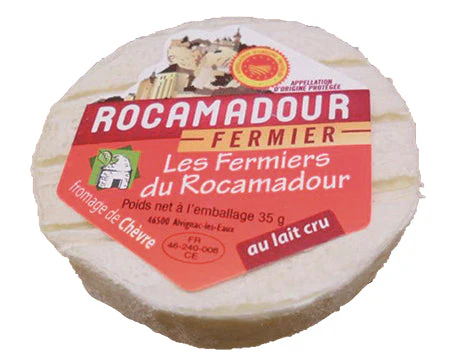
Look for the AOP label to ensure authenticity. In France, grab it at local markets like Marché aux Fromages in Rocamadour village. Internationally, check specialty shops or trusted online retailers like Cambridge Cheese Company.
What the Experts Say: Renowned Chefs Praise Rocamadour
“Young Rocamadour is mild and spreadable, while aged pieces develop a bold, almost peppery kick.” – Fromager Jean-Luc Rocha
Preserving Perfection: How to Store and Consume Rocamadour
- Store: Keep refrigerated (4–8°C) in cheese paper. Eat within a week.
- Serve: Bring to room temperature for maximum flavor.
The Ultimate Guide to Enjoying Rocamadour: Dos and Don’ts
- ✅ DO: Pair with dry white wines like Sauvignon Blanc
- ❌ DON’T: Serve it cold—chilling mutes its flavors.
Latest News & Events: Rocamadour in 2024
The 2024 Tour de France’s Stage 12 (July 11) will spotlight Rocamadour as cyclists race through the village. Mark your calendars for September 14–15, 2024, when Rocamadour hosts its first Night of the Cheese Stars [Source: French Agri-Tourism Report].
Rocamadour by the Numbers
| Statistic | Details |
|---|---|
| Annual Production | 1,200 tons (2023) |
| AOP-Protected Farms | 68 farms |
Pairing Suggestions for Rocamadour Cheese
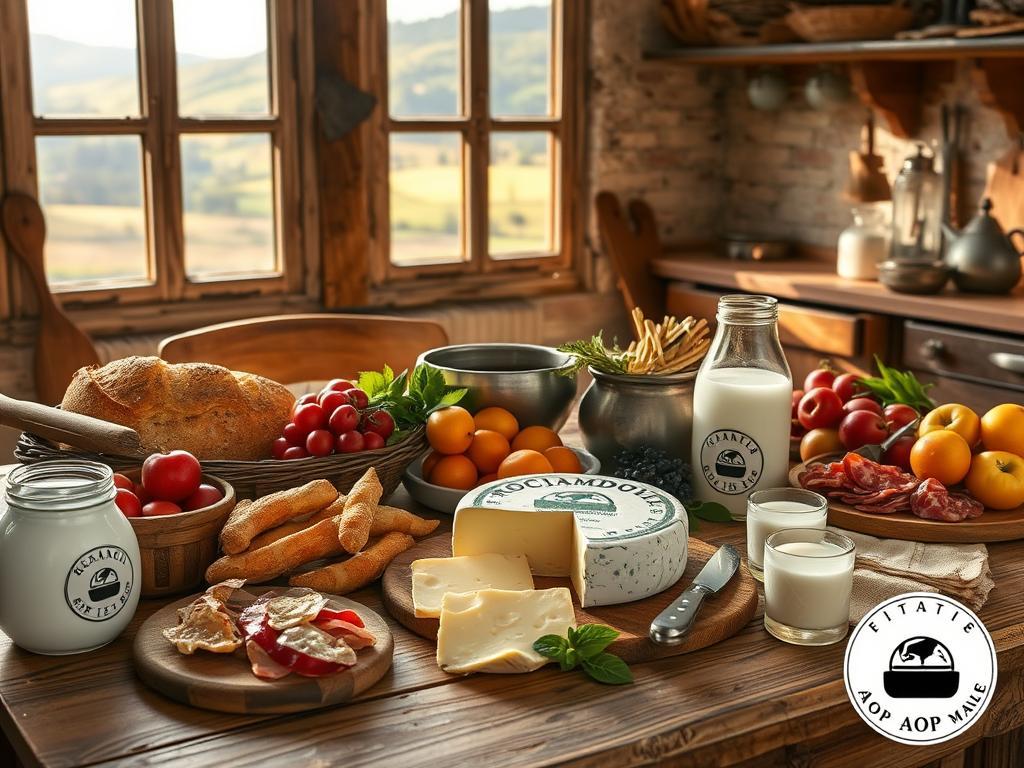
If you're diving into the delicious world of Rocamadour cheese, you might be wondering what to pair it with to enhance that rich, creamy flavor. Lucky for you, this cheese pairs well with a variety of foods and drinks that will elevate your tasting experience.
Start with fruits. Fresh figs and sliced pears complement Rocamadour beautifully, bringing a touch of sweetness that balances the cheese's tangy notes. You can also try pairing it with grapes or apples for a refreshing crunch.
For something heartier, consider nuts. Walnuts and pecans add a lovely crunch and a slightly bitter contrast that works nicely with the cheese. Throw them on a cheese board for aesthetic appeal and flavor variety!
Don't forget about bread! A crisp baguette or some crunchy crackers can serve as the perfect delivery method for that luscious cheese. Just spread a bit on and add your favorite fruit for a simple, delicious snack.
And when it comes to drinks, a light white wine, like Sauvignon Blanc or a fruity rosé, can really complement Rocamadour. If you're opting for something non-alcoholic, a sparkling apple cider is refreshing and pairs surprisingly well too.
Conclusion: Savor the Story of Rocamadour
Rocamadour cheese is not just a culinary delight; it is a testament to the rich history and tradition of French cheesemaking. From its medieval origins as a form of currency to its modern-day status as an AOP-protected delicacy, Rocamadour embodies the essence of French craftsmanship and cultural heritage. Each bite of this creamy, tangy cheese tells a story of tradition, passion, and the timeless art of cheesemaking.
The unique production methods, involving raw milk from Alpine or Saanen goats and aging on wooden grills, contribute to its distinctive flavor and texture. Whether enjoyed on a cheese board, paired with a glass of dry white wine, or incorporated into your favorite recipes, Rocamadour offers a versatile and nutritious choice for cheese lovers. Its health benefits, including high protein and calcium content, make it a valuable addition to any diet.
We invite you to explore the world of Rocamadour cheese and experience its magic for yourself. Visit our store at our French Cheese products to discover a wide selection of authentic Rocamadour cheese and other French delicacies. Savor the story of Rocamadour and bring a taste of French history to your table.
Frequently Asked Questions
-
What makes French goat cheese different?
- French goat cheeses, like Rocamadour, are known for their use of raw milk and traditional aging methods. These techniques contribute to the unique flavors and textures that set them apart from other cheeses.
-
How is Rocamadour cheese made?
- Rocamadour cheese is made from raw milk from Alpine or Saanen goats. The milk is curdled with rennet and whey, drained, hand-salted, and aged on wooden grills for at least six days, turned daily for an even texture.
-
What are the health benefits of Rocamadour cheese?
- Rocamadour cheese is rich in protein and calcium, which are great for bones and muscles. It also has less lactose than cow’s milk, making it easier to digest. Raw-milk versions support gut health with probiotics.
-
Where can I buy authentic Rocamadour cheese?
- Look for the AOP label to ensure authenticity. In France, you can find it at local markets like Marché aux Fromages in Rocamadour village. Internationally, check specialty shops or trusted online retailers like Cambridge Cheese Company.
-
How should I store Rocamadour cheese?
- Keep Rocamadour cheese refrigerated (4–8°C) in cheese paper. It is best eaten within a week of purchase. Bring it to room temperature before serving for maximum flavor.
-
What are the best pairings for Rocamadour cheese?
- Rocamadour cheese pairs well with dry white wines like Sauvignon Blanc, honey, and crusty bread. It can also be enjoyed in salads, tarts, or melted on bread.
-
Can I freeze Rocamadour cheese?
- Freezing Rocamadour cheese is not recommended as it alters the texture and can affect its flavor. It is best enjoyed fresh.