Discover Cantal cheese, France's oldest dairy treasure from Auvergne, with 2,000 years of history. Learn how traditional cheese production methods create its rich flavors—from creamy Cantal Jeune to bold Cantal Vieux. Explore its medieval roots as currency and modern AOC status. Find pairing tips, health benefits, and where to buy authentic French cheese varieties. Ready to taste this iconic Auvergne cheese?
Estimated reading time: 10 minutes
Key Takeaways
- Cantal is France's oldest cheese with 2,000+ years of history
- Comes in three varieties: Jeune (1-2 months), Entre-Deux (2-6 months), Vieux (6+ months)
- Earned AOC certification in 1956 for protected production methods
- Rich in calcium and protein with raw milk probiotic benefits
- Perfect for melting in fondues, aligot, or grating over dishes
Table of Contents
- Introduction
- The Rich History of Cantal Cheese
- How Cantal Cheese is Made
- Flavor Profile & Types
- Health Benefits
- Where to Buy Authentic Cantal
- Cantal in the Kitchen
- Pairing Suggestions
- Storing & Serving
- Latest News (2024)
- Cantal Cheese at a Glance
- Conclusion
- FAQs
Introduction
Meet Cantal cheese—a superstar of traditional French cheeses and a delicious slice of history from the rugged Auvergne region. With roots stretching back over 2,000 years, this ancient cheese has graced Roman feasts, medieval tables, and modern cheese boards alike. In this guide, we'll dive into Cantal's fascinating backstory, how it's crafted, and why it's a must-try for anyone exploring French cheese varieties. Let's get started!
The Rich History of Cantal Cheese
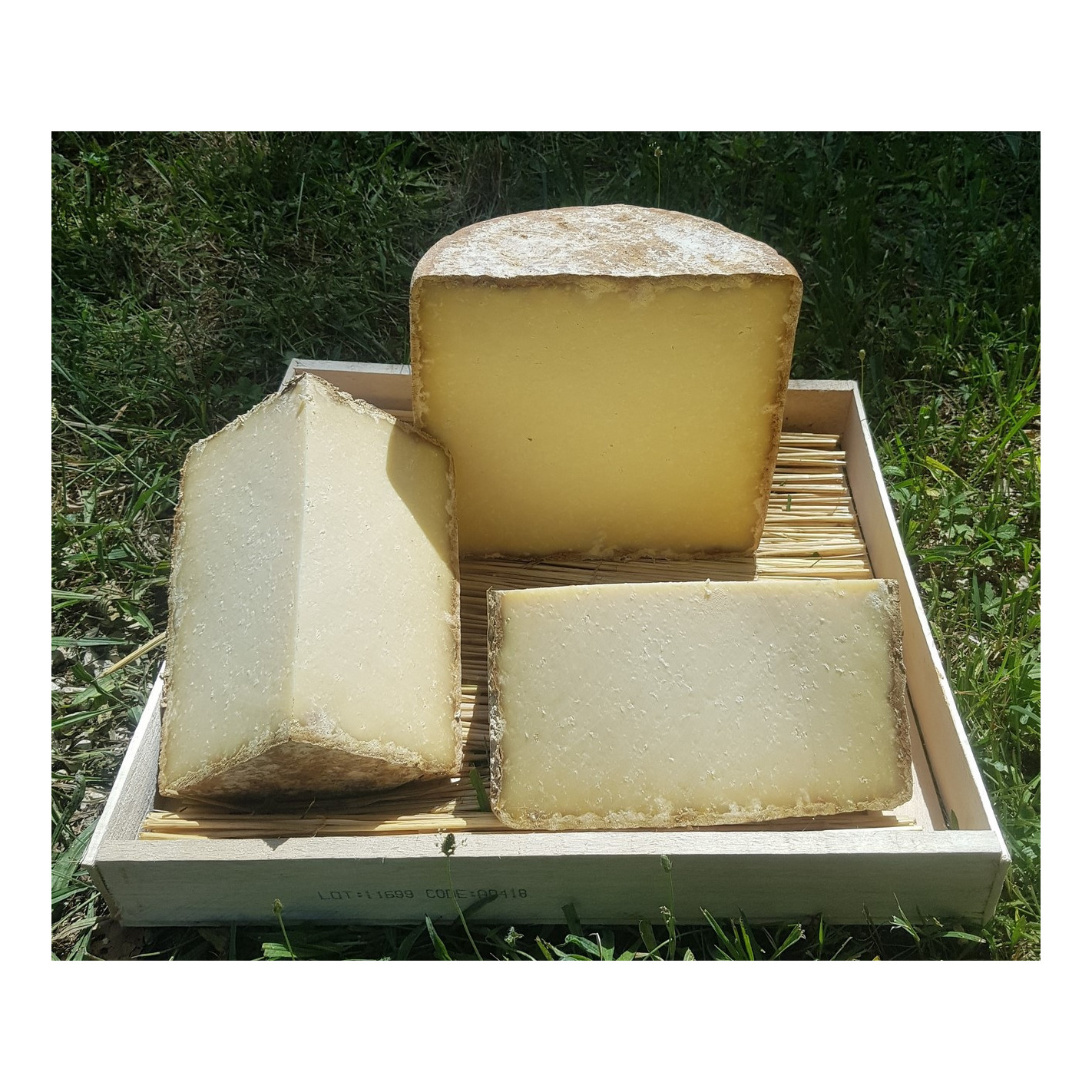 Imagine a cheese so beloved that even Pliny the Elder raved about it in his writings! Cantal's story begins with the Gauls, who crafted this cheese in the shadow of the Cantal mountains. By the time the Romans rolled into Auvergne, Cantal was already a hit—shipped all the way to Rome as a luxury item (Source: Live le Lot).
In 1956, Cantal earned France's prestigious AOC certification, meaning only cheese made in Auvergne using time-tested methods can bear its name (Source: Wikipedia). Fun fact: It's one of France's oldest cheeses but didn't get AOC status until the 20th century!
Did you know? During the Middle Ages, Cantal was used as currency in Auvergne! Farmers would pay taxes with wheels of cheese, and it was even offered as a dowry in weddings. Another quirky tidbit: Napoleon allegedly demanded Cantal be served at his table during military campaigns—though his soldiers often grumbled about its hefty weight (up to 100 lbs per wheel!).
How Cantal Cheese is Made: Traditional Production Methods
Cantal's magic starts with raw cow's milk from Auvergne's grassy pastures. Here's the scoop on cheese production methods:
- Curds & Pressing: The milk is heated, curdled, and pressed into massive molds (up to 100 lbs!).
- Aging: The cheese ages for 1–6+ months. The longer it ages, the sharper it gets!
- Farmhouse vs. Factory: Traditional fermier Cantal uses raw milk and small-batch methods, while laitier versions are creamery-made with pasteurized milk (Source: Live le Lot).
Behind the Scenes: The cows responsible for Cantal's milk are primarily Salers cattle, a breed native to Auvergne. In winter, barn-fed cows produce milder cheese, while summer pastures bursting with wildflowers give Cantal its golden hue and herbaceous notes.
Climate Impact Alert: Recent studies suggest climate change may alter pasture grasses in Auvergne, potentially affecting Cantal's flavor profile in coming decades (Source: Phys.org).
Flavor Profile & Types of Cantal Cheese
Cantal evolves like a fine wine as it ages. Let's break it down:
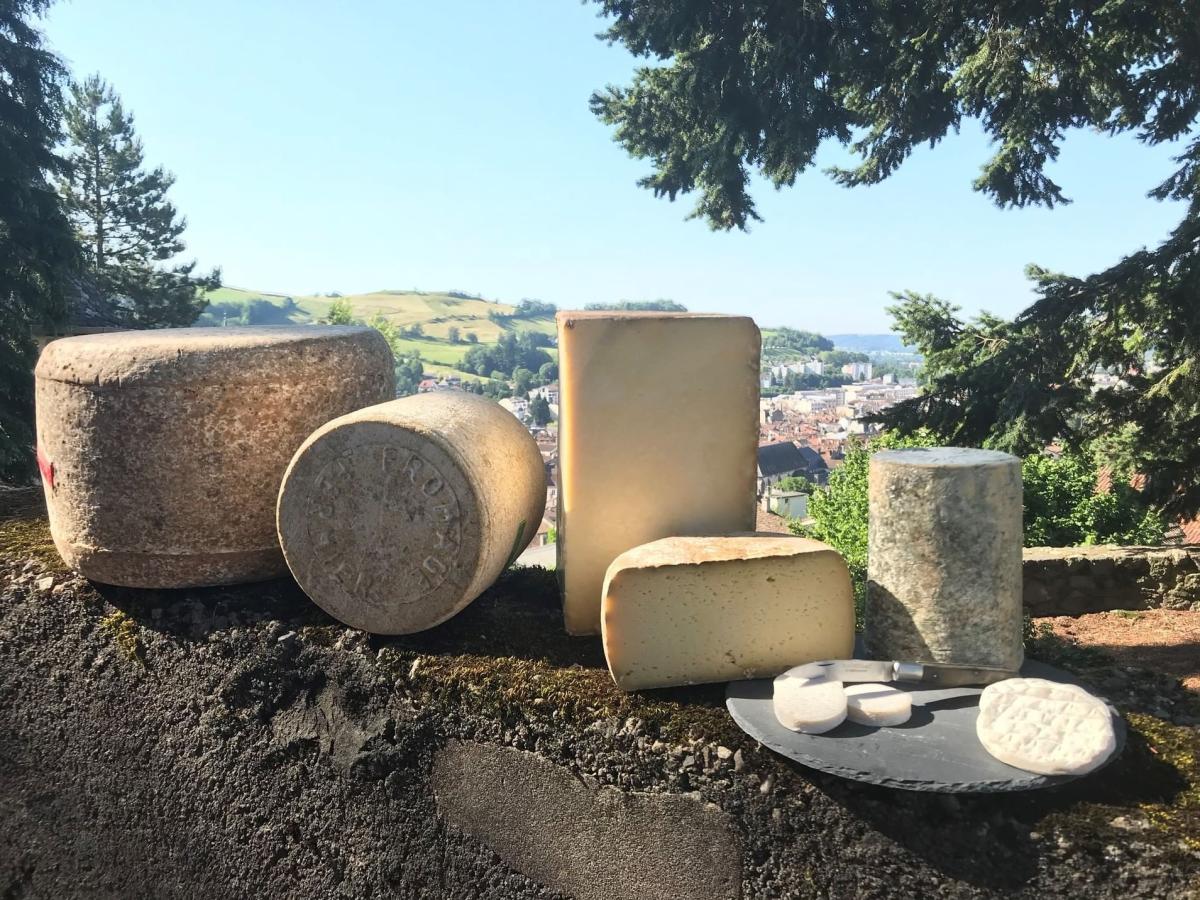
- Cantal Jeune (1–2 months): Think creamy, buttery, and mild—perfect for grilled cheese.
- Cantal Entre-Deux (2–6 months): Nutty and firm, ideal for cheese boards.
- Cantal Vieux (6+ months): Bold, crumbly, and peppery—a showstopper with wine.
Compared to its cousin Salers cheese, Cantal is milder and available year-round. Pair it with crusty bread, pears, or a glass of Chardonnay.
A Cheesy Legend: Locals swear that Cantal Vieux was the secret ingredient in a 19th-century Auvergne rebellion. Protesters against salt taxes allegedly smuggled messages inside hollowed-out wheels of aged Cantal—a tasty act of defiance!
Health Benefits of Cantal Cheese
Don't let its rich flavor fool you—Cantal packs a nutritional punch! A single serving delivers a calcium boost for strong bones and protein for muscle health. Raw milk versions even contain gut-friendly probiotics. Just remember: It's not lactose-free, so enjoy in moderation (Source: Wikipedia).
Fun Fact: In the 1800s, Cantal was prescribed by French doctors to convalescing patients. Its high calcium content was believed to mend broken bones faster—a practice that's still whispered about in Auvergne's farmhouses today!
Where to Buy Authentic Cantal Cheese
Hunting for the real deal? Look for the AOC/AOP label on the rind. In France, hit up Auvergne's farmers' markets or embark on the Cantal Cheese Trail. Elsewhere, try specialty shops or trusted online sellers like Cheese.com.
Pro Tip: Visit the annual Fête du Cantal in August! This cheese-centric festival features wheel-rolling races, tastings, and a "best Cantal" competition judged by local shepherds.
Cantal Cheese in the Kitchen: Chefs' Tips
Chefs adore Cantal for its meltability. Pro tips:
- Aligot: Whip up this stretchy potato-cheese dish from Auvergne.
- Fondue: Use Cantal Entre-Deux for a silky, nutty fondue.
- Wine Pairings: Sip a fruity Syrah with aged Cantal or a crisp Chardonnay with younger varieties.
Recipe Hack: Grate Cantal Vieux over French onion soup for a bold twist. Bonus points if you serve it in a bread bowl made with Auvergne's signature rye loaf!
Pairing Cantal Cheese with Food and Wine
Cantal shines alongside fresh fruits like ripe pears or sweet grapes. It's also a star on charcuterie boards—pair with prosciutto or spicy chorizo for contrast. For heartier meals, melt it over roasted veggies or au gratin potatoes.
Wine Wisdom: Try a bold Côtes d'Auvergne red (a local volcanic wine) with aged Cantal. The wine's earthy notes mirror the cheese's complexity.
Storing & Serving Cantal Like a Pro
Keep your Cantal happy:
- Storage: Wrap in waxed paper (never plastic!) and store in the fridge's veggie drawer.
- Serving: Let it sit at room temp for 30+ minutes before serving. Cold cheese = sad cheese!
Did you know? In Auvergne, some families still age Cantal in linen-lined wooden boxes in their cellars, turning the wheels weekly for perfect ripeness.
Latest News & Events: Cantal Cheese in 2024
2024 marks a milestone for Cantal cheese, with Auvergne producers celebrating a 15% increase in exports driven by global demand for French dairy products. The region's dairy cooperatives aim to reduce carbon emissions by 30% by 2030 through regenerative farming (Source: La Montagne).
In June 2024, Cantal won "Best Traditional Cheese" at Paris's International Cheese Festival. Meanwhile, the annual Fête du Cantal (August 15–18, 2024) will debut a "Cheese & Volcanic Wine" pairing tour.
Chef Quotes: Celebrating Cantal's Versatility
Sébastien Bras, Michelin-starred chef:
"Cantal is the unsung hero of French cuisine. Its younger version melts like a dream, while the aged variety adds depth to sauces."
Cheese sommelier Hélène Rousseaux:
"When you taste Cantal, you're biting into 2,000 years of resilience. It's terroir in its purest form."
Tables: Cantal Cheese at a Glance
Table 1: Cantal Cheese Quick Facts
| Fact | Detail |
|---|---|
| Annual Production | 13,000 tons |
| Aging Periods | 1–24 months |
| Milk Type | Raw or pasteurized cow's milk |
| Protected Since | 1956 (AOC) |
Table 2: Nutritional Comparison (Per 100g)
| Cheese | Calories | Protein |
|---|---|---|
| Cantal | 390 | 25g |
| Cheddar | 403 | 25g |
Why Cantal Cheese Belongs on Your Table
From ancient Roman dinners to modern bistros, Cantal's rich flavor and history make it a timeless treasure. Whether you're melting it into a gratin or savoring it with a glass of wine, this Auvergne cheese is a delicious way to taste France's culinary heritage.
Conclusion
Cantal cheese is more than just a traditional French cheese—it's a living piece of history. From its roots with the Gauls to its modern-day AOC status, this Auvergne cheese has stood the test of time. Whether you prefer the creamy Cantal Jeune or the bold Cantal Vieux, each bite tells a story of rugged pastures, skilled artisans, and centuries-old cheese production methods.
But Cantal isn't just about the past. With climate challenges and innovative farming practices shaping its future, this cheese remains a symbol of resilience. Its versatility in the kitchen—from fondue to gourmet sandwiches—makes it a must-try for anyone exploring French cheese varieties.
Ready to embark on your own cheese adventure? Dive deeper into France's rich dairy traditions by exploring our curated selection of French dairy products at DeliFoodShop's French Cheese Category. Whether you're a seasoned connoisseur or a curious foodie, there's a world of flavor waiting to surprise your taste buds!
FAQs
- Is Cantal cheese similar to Cheddar?
While both are firm and aged, Cantal has an earthier, less tangy flavor compared to Cheddar's sharpness. - Can I use Cantal cheese in fondue?
Absolutely! Cantal Entre-Deux melts beautifully, creating a silky, nutty fondue perfect for dipping. - Is Cantal cheese vegetarian-friendly?
Traditional Cantal uses animal rennet, but some producers offer vegetarian versions—check labels carefully. - Why does Cantal have different aging categories?
Aging intensifies flavor and texture. Younger Cantal is mild and creamy, while older versions develop bold, complex notes. - What's the best way to serve Cantal cheese?
Let it sit at room temperature for 30 minutes before serving to unlock its full aroma and flavor. - How is Cantal cheese linked to French history?
It was used as currency in medieval Auvergne and even featured in tax rebellions! - Can climate change affect Cantal's flavor?
Yes! Changes in pasture grasses due to droughts could alter its herbaceous notes in the future.
Hungry for more French cheese adventures? Grab a wedge of Cantal, pair it with your favorite wine, and let your taste buds time-travel to Auvergne! 🧀