Your Gateway to the Aromatic & Bold World of Washed-Rind Cheeses
Delve into the pungent, colorful, and savory realm of washed-rind French cheeses – where centuries of tradition and bold flavors unite to create unforgettable culinary experiences.
These aromatic cheeses might challenge your nose but reward your palate with creamy textures, complex notes, and fascinating histories. Whether you’re a cheese enthusiast or a curious beginner, join us as we explore the origins, production, pairing tips, and cultural significance of washed-rind French cheeses. Prepare yourself for a flavorful journey like no other!
Key Takeaways
- Washed-rind cheeses are distinguished by their pungent aroma, orange rinds, and rich, creamy interiors.
- Their unique flavors develop from regular washing with regional liquids like wine, beer, or brine, encouraging beneficial bacteria growth.
- These cheeses hold deep cultural value in France, often bearing protected AOC status and featured in festivals worldwide.
- Perfect pairings—ranging from crusty breads and fruit jams to bold wines—can balance and enhance their powerful flavors.
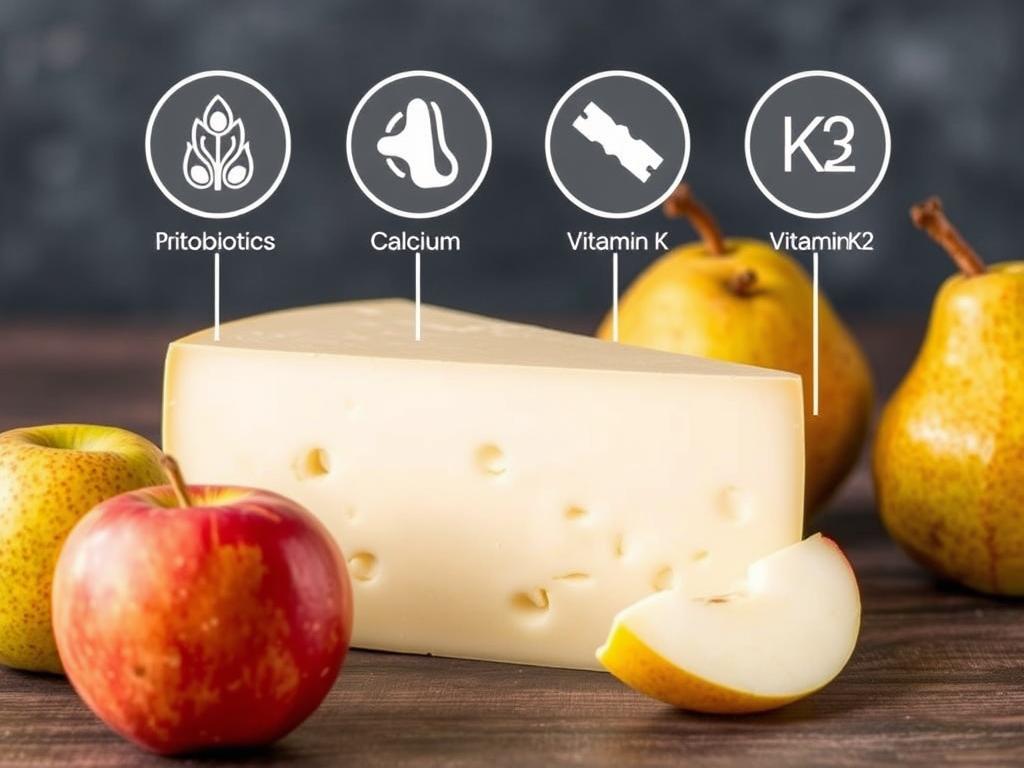
- Packed with probiotics, calcium, and vitamin K2, washed-rinds offer nutritional benefits beyond their delicious taste.
Table of Contents
- Exploring the World of Washed-Rind French Cheese
- The Rich Origins of Washed-Rind French Cheese
- The Art of French Cheese Production: Crafting Washed-Rind Cheeses
- A Connoisseur’s Guide to the Best Washed-Rind Cheeses
- Pairing Tips for Washed-Rind Cheeses
- Why Washed-Rind Cheese Holds a Special Place in French Culture
- Nutritional Perks of Enjoying Washed-Rind Cheese
- What Renowned Chefs Say About Washed-Rind French Cheese
- Washed-Rind French Cheese: By the Numbers
- How to Select and Store Washed-Rind Cheese for Optimal Freshness
- Essential Tips for Savoring Washed-Rind Cheese Like a Pro
- Conclusion
- Frequently Asked Questions About Washed-Rind French Cheese
- Further Reading & Resources
Exploring the World of Washed-Rind French Cheese
What Makes Washed-Rind So Special?
Picture a cheese so aromatic it clears the room, yet so delicious it vanishes from platters in minutes. That’s the magic of washed-rind French cheese! These pungent wonders aren't just cheeses — they are bold, charismatic characters with vibrant orange rinds, gooey creamy centers, and unforgettable tastes. Their distinctiveness comes from the washing process, which encourages Brevibacterium linens to develop on the rind, giving them their unique aroma and flavor profile.
These cheeses have become culinary icons, embraced by cheese lovers worldwide for their complex flavors that range from meaty and savory to sweet and caramel notes. Whether you’re indulging in a spoonful of spoonable Époisses or slicing a wedge of nutty Livarot, each bite tells the story of a rich terroir and artisanal craftsmanship.
Where to Find Washed-Rinds and How to Enjoy Them
Washed-rind cheeses can be found in specialty cheese shops, markets across France, and gourmet stores around the globe. Their unmistakable rinds range in texture from soft velvet to slightly tacky, always glowing with bright hues of orange and red. When tasting, it's essential to serve them at room temperature to unlock their full flavor potential.
Because of their intensity, these cheeses pair beautifully with fresh baguettes, tangy condiments, and complementary beverages like fruity whites or malty beers. No wonder they’ve earned a special place on cheese boards from Parisian bistros to international wine bars! 🧀🥖
The Rich Origins of Washed-Rind French Cheese
Medieval Beginnings of a Bold Tradition
Ever wondered who first thought, “Let’s bathe cheese in booze”? Thank medieval monks! Trappist brothers in abbeys like Maroilles pioneered this technique in cold, damp stone cellars, experimenting with local brine and wine to preserve their cheeses.
These washing rituals were initially practical—to prevent undesirable molds and extend freshness—but quickly became a defining hallmark of flavor. By the 18th century, individual regions put their own stamp on the technique: Normandy’s Livarot secured its identity with reed banding, while Burgundy refined Époisses into a creamy legend.

Aged Gruyere Cheese with Unique Flavor
Indulge in the rich, nutty taste and creamy texture of this exquisite cheese perfect for your next charcuterie board
Product information
PLN 121.98
Product Review Score
4.59 out of 5 stars
168 reviewsProduct links
Historical Anecdotes & Cultural Impact
Did you know Napoleon Bonaparte adored Époisses so much that monthly deliveries were sent to his battlefield camps? This fact underlines not only the cheese’s irresistible appeal but also its position as a cultural icon woven into French history and cuisine.
The elaborate production methods and unique uses of local natural resources, such as wine, cider, or brandy, reveal how deeply integrated these cheeses are with their regions. They serve as edible landmarks of heritage, connecting people across generations with stories told through flavor.
The Art of French Cheese Production: Crafting Washed-Rind Cheeses
The Washing Process: A Delicate Balance of Science and Tradition
Creating washed-rind cheese is as much science as it is an art. Fresh milk curds are carefully molded and pressed before entering a “spa treatment” phase, where wheels are regularly washed with brine, beer, wine, or spirit infusions for several weeks.
This specialized care discourages harmful molds and encourages the growth of Brevibacterium linens, the bacteria responsible for the signature orange rind and pungent aromas. The microbial community nurtured during aging produces enzymes and flavor compounds, contributing to complex tastes and a supple rind.
Aging Environments & Their Effects on Flavor
Many washed-rind cheeses mature in natural caves, where temperature and humidity are naturally regulated. These caves provide an ideal microclimate that enhances rind development and flavor complexity.
The choice of wash liquid is critical, too. Burgundy’s Époisses gets its glossy crust from “Marc de Bourgogne” (a local brandy), while Normand cheeses benefit from apple cider brines, each imparting terroir-specific notes. This meticulous process results in cheeses that maintain traditional profiles even today.
A Connoisseur’s Guide to the Best Washed-Rind Cheeses
Iconic Washed-Rind French Cheeses to Know & Love
Ready for a flavor adventure? Here’s your curated passport to greatness with bold tastes and unique personalities:
- Époisses: The “King of Cheeses” from Burgundy. Spoonable and brandy-washed, packed with meaty, savory notes. Malty and intense, pairs perfectly with Pinot Noir. Napoleon loved it so much he had it sent to battlefields monthly!
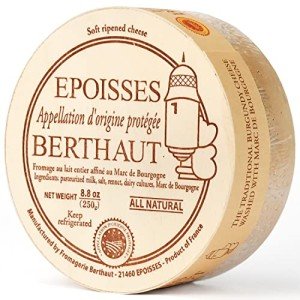
French Epoisses AOC Cheese - 8.8 oz
Rich and creamy with a bold flavor that’s perfect for your cheese board
Product information
PLN 230.06
Product Review Score
4.42 out of 5 stars
230 reviewsProduct links
- Munster: Alsace’s spicy, buttery star. Washed in cumin-laced brine, its bold profile shines with rye bread and Gewürztraminer wine.
- Livarot: Normandy’s “Colonel,” wrapped in reed bands for stability. Nutty, barnyard aromas pair divinely with crisp apple cider. The bands originally helped it survive horse-drawn transport!

Whole Foods Market Gruyere Cheese Slices, 8 oz
Deliciously nutty and creamy, perfect for sandwiches, burgers, or snacking
Product information
Product Review Score
4.32 out of 5 stars
110 reviewsProduct links
- Maroilles: A robust 10th-century square beast from monks. Its funk softens to caramelized sweetness when baked into tarts or sauces.
Tomme De Savoie Cheese by Herve Mons
A creamy and flavorful cheese perfect for snacking or pairing with your favorite wines
Product information
Product Review Score
4.53 out of 5 stars
38 reviewsProduct links
- Chaumes: The “stubble”-rinded gem from Périgord. Smoky, bacon-like flavors suit grilled cheese and hearty sandwiches flawlessly.
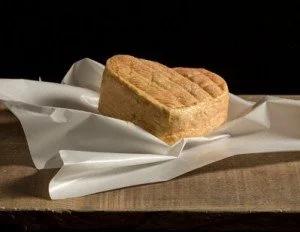
- Langres: Champagne’s crown jewel with a concave top that holds Champagne for a celebratory splash. Velvety texture with nutty, mushroom undertones—refined and joyous.
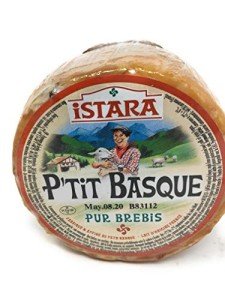
Petit Basque Cheese, 1 Pound Block
A delightful semi-hard cheese with rich and nutty flavors perfect for snacking or cooking
Product information
PLN 148.63
Product Review Score
4.23 out of 5 stars
9 reviewsProduct links
Tips for Serving Like a True Connoisseur
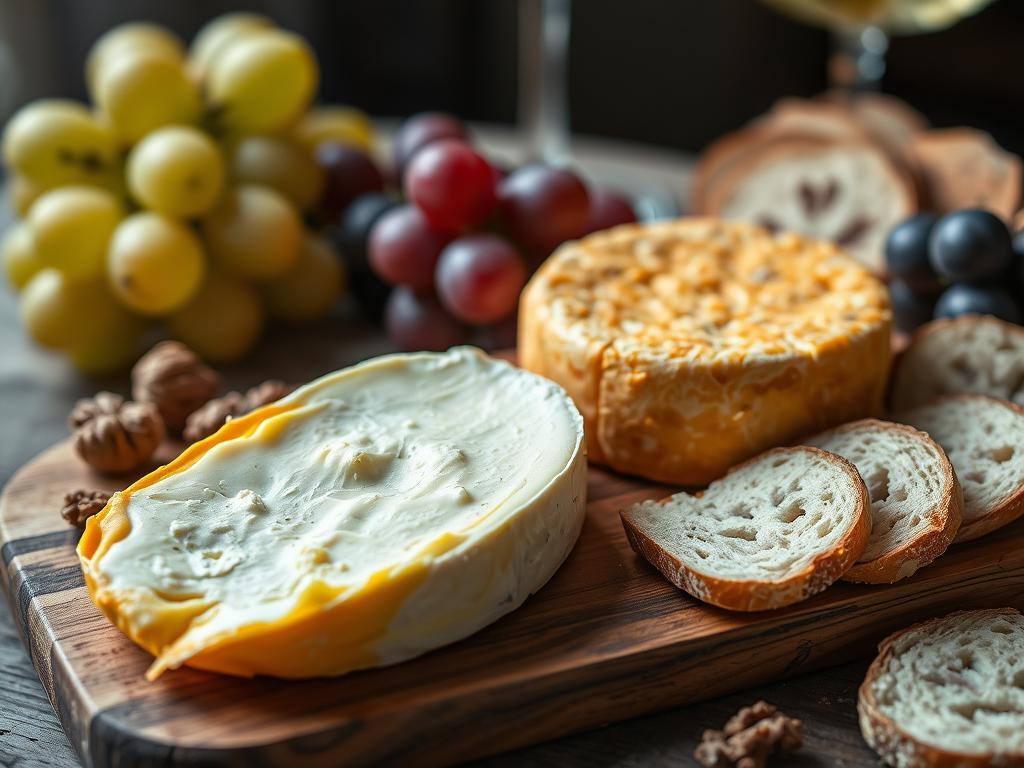
Pro Tip: Always bring washed-rind cheeses to room temperature before serving for the fullest expression of flavor and aroma. Pairing with crusty baguettes, cornichons, and sweet fig jam can help tame their powerful funk without muting their character.
For gatherings, elegantly arrange cheeses alongside nuts, dried fruits, and complementary wines to create balanced tasting experiences. Remember, these cheeses are as much about the stories they tell as the tastes they deliver.
Pairing Tips for Washed-Rind Cheeses
 Balancing Boldness with Complementary Flavors
Washed-rind cheeses have bold and creamy textures that demand thoughtful pairings to highlight their best qualities without overpowering. Sweet and tangy accompaniments like fresh fruits and jams provide a perfect balance to their funk and richness.
In Alsace, pairing Munster with cumin-spiked potatoes has been a tradition since the 1400s—legend has it this was an accidental but delicious husbandry of flavor! Such regional pairings emphasize the harmonious relationship between local foods and cheese.
Perfect Food & Drink Partners
Fruits and Jams: Sweet and tart balances include fresh figs, pears, apricot or peach jam, and honey-glazed apple slices. These help mellow cheese intensity.
Charcuterie & Accompaniments: Saltiness from cured meats like salami, prosciutto, or serrano ham cuts through the richness. Add crunch with pickles, olives, spiced nuts, and artisan crackers for well-rounded textures.
Drinks: Bold reds like Syrah or Pinot Noir stand up to deep flavors, while fruity whites like Riesling and malty beers provide refreshing contrast. For a twist, try dry cider or Champagne with creamy Langres.
Why Washed-Rind Cheese Holds a Special Place in French Culture
Festivals, Heritage & Gastronomy
In France, washed-rind cheeses are not just foods; they are cultural treasures protected by tradition and law. Festivals such as Normandy’s Fête du Livarot celebrate the history and community behind these iconic cheeses through parades, tastings, and workshops.
Globally recognized events like the World Cheese Awards in Bern and Murray’s French Cheese & Wine Tasting in New York City give these cheeses a vibrant platform for appreciation beyond France’s borders. Their distinct aromas and flavors symbolize regional pride and deep-rooted artisanal pride.
Protected Status and Culinary Legacy
Many washed-rind varieties hold AOC (Appellation d’Origine Contrôlée) status, ensuring recipes remain authentic and traditional methods are preserved.
This commitment to heritage is evident in dishes like Tartiflette, which features the washed-rind cheese Reblochon, melted over potatoes and bacon. Such dishes highlight washed-rind cheese’s role in French comfort food and culinary identity.
Nutritional Perks of Enjoying Washed-Rind Cheese
 Health Benefits Beyond Flavor
Besides their rich taste, washed-rind cheeses offer numerous nutritional benefits. They are rich in probiotics, primarily from Brevibacterium linens, which contribute to digestive health by supporting beneficial gut bacteria.
Additionally, these cheeses provide significant amounts of calcium and protein, essential for bone strength and muscle maintenance. A typical 30g serving supplies about 20% of daily calcium needs, making them a delicious way to support your skeletal system.
Vitamins & Lactose Considerations
Washed-rinds are also a good source of vitamin K2, which helps direct calcium to bones and prevents arterial calcification, supporting cardiovascular health. Thanks to thorough aging, lactose levels reduce to near zero, making these cheeses easier to digest for lactose-sensitive individuals.
However, keep portion sizes moderate due to their concentrated calories and sodium. Pairing with potassium-rich foods like apples or pears can help balance sodium intake. As with many indulgences, savor them with mindfulness and joy!
What Renowned Chefs Say About Washed-Rind French Cheese
Chef Dominique Crenn: A Bold Symphony
Dominique Crenn, a 3-Michelin-star chef, famously said, “Époisses should never apologize for its aroma. That funk is a Burgundian battle cry! Serve it at 18°C or you’re muffling its symphony.”
Her focus on precise serving temperature unlocks hidden layers of flavor and aroma, emphasizing that sensory harmony is key in cheese appreciation.
Master Fromager Pierre Brisson: Tradition Matters
Pierre Brisson highlights the importance of preserving traditional packaging methods, stating, “Cutting Livarot horizontally? Sacrilege! Reed bands maintain its ooze-to-crust ratio.”
This reflects how every detail, even packaging, contributes to the sensory experience of washed-rind cheeses.
Juliet Harbutt: Cheese’s Punk Revolution
Cheese ambassador Juliet Harbutt captures the spirit of washed-rinds with this memorable quote: “Washed-rinds are cheese’s punk revolution – terroir screaming to be heard!”
They embody an unapologetic intensity that celebrates origin and flavor boldly.
Washed-Rind French Cheese: By the Numbers
Aging Periods & Fun Facts
| Cheese | Aging Period | Fun Fact | Wash Liquid |
|---|---|---|---|
| Époisses | 6-8 weeks | Banned from Parisian public transport | Marc de Bourgogne (brandy) |
| Livarot | 3 months | Nicknamed “The Colonel” for its five reed bands | Cider brine |
| Munster | 5-12 weeks | Washed with cumin-infused brine | Aniseed brine |
Aging transforms textures dramatically: Époisses’ 50% water content gives its luxurious spoonable texture, while Livarot’s reed bands compress it into fudgy layers. Langres’ Champagne washes help retain humidity, resulting in velvety indulgence.
Temperature also enhances flavor: cold Époisses sometimes tastes salty, but warmed to 18°C, umami and complexity bloom. Livarot carries meadow-like “wet hay” notes, reflecting Norman terroir. Langres’ mushroomy character shines alongside effervescent Champagne bubbles.
Nutrient Breakdown per 30g Serving
| Nutrient | Amount | % Daily Value |
|---|---|---|
| Calories | 120 | 6% |
| Calcium | 240mg | 20% |
| Protein | 7g | 14% |
| Vitamin K2 | 15mcg | 18% |
Flavor Intensity & Texture Comparison
| Cheese | Intensity (1-10) | Texture | Flavor Notes |
|---|---|---|---|
| Époisses | 9 | Spoonable | Bacon, miso, brandy |
| Livarot | 7 | Fudgy | Roasted nuts, wet hay |
| Langres | 6 | Velvety | Cream, mushrooms, salt |
Texture and moisture content directly affect how these cheeses behave on your palate. Époisses’ 50% water content gives its luxurious spoonable texture, while Livarot’s reed bands compress it into fudgy layers. Langres’ Champagne washes help retain humidity, resulting in velvety indulgence.
Temperature also enhances flavor: cold Époisses sometimes tastes salty, but warmed to 18°C, umami and complexity bloom. Livarot carries meadow-like “wet hay” notes, reflecting Norman terroir. Langres’ mushroomy character shines alongside effervescent Champagne bubbles.
How to Select and Store Washed-Rind Cheese for Optimal Freshness
Choosing Quality Washed-Rind Cheese
When buying washed-rind cheese, look for authentic AOC labels or trusted artisanal producers.
Examine the rind carefully: it should be moist but not slimy, with a healthy pungency—not overpowering ammonia. Avoid cheeses with overly dry, cracked rinds or discolorations that may indicate poor handling or spoilage.
Storage Best Practices
Proper storage goes a long way in preserving flavor and texture. Wrap your cheese in breathable wax paper rather than plastic wrap to allow airflow and prevent unwanted moisture buildup.
Store in the vegetable drawer of your fridge or a cool, less chilled spot, ideally between 10–14°C (50–57°F), to maintain softness and aroma intensity. Consume within two weeks of purchase for peak enjoyment. If white mold patches appear on rind, gently scrape them off—this is a natural phenomenon and typically harmless! Learn more about advanced preservation techniques.
Essential Tips for Savoring Washed-Rind Cheese Like a Pro
Do’s When Serving Washed-Rind Cheese
- Serve at room temperature — take cheese out 30-60 minutes before eating.
- Pair with rustic sourdough bread, fruit pastes, or jams to balance bold flavors.
- Embrace the rind! It’s edible and adds complexity to every bite.
Don’ts to Avoid
- Don’t pair with delicate wines—they get overwhelmed by strong aromas.
- Do not use metal knives; wooden or ceramic knives preserve flavor.
- Don’t judge solely by smell — flavor is often milder and more nuanced than aroma suggests.
Insider tip: Chef Auguste Escoffier recommended serving Époisses at 18°C for perfect ooze and aroma release. Enhance your next cheese board with layered textures and vibrant accompaniments using expert charcuterie board layering tips.
Conclusion
Our journey through the world of washed-rind French cheeses showcases the incredible depth and diversity hidden behind their intense aromas and vibrant rinds. Rooted in centuries-old traditions, these cheeses embody the marriage of history, science, and passion on every wheel.
From the monastic cellars of Normandy and Burgundy to modern day culinary celebrations, washed-rind cheeses have earned their place as cultural and gastronomic treasures. Their unmistakable character, nutritional value, and the stories they tell make them a must-try for all cheese lovers.
Ready to bring a bit of France to your table? Explore a carefully curated selection of authentic washed-rind French cheeses and much more in the French Cheese Category. Whether you’re a curious beginner or seasoned connoisseur, dive in and savor the bold flavors of French culinary heritage today!
Frequently Asked Questions About Washed-Rind French Cheese
Why do these cheeses smell so strong?
The pungent smell comes from sulfur compounds released by the bacteria growing on the rind during aging. Although their aroma is intense, the flavor is often milder and surprisingly complex, making them a delight for adventurous palates.
Can I eat the orange rind?
Absolutely! The rind adds earthy layers to the flavor profile and is fully edible. Just avoid rinds that are excessively dry or cracked, as those may negatively affect texture.
What's the best way to serve them?
Serve washed-rind cheeses at room temperature (ideally around 18°C for varieties like Époisses) to maximize flavor and aroma. Pair them with crusty bread, fresh fruit, or tangy jams for the best tasting experience.
Are they safe for pregnant women?
Pasteurized versions are generally considered safe during pregnancy. Raw milk washed-rind cheeses should be avoided unless thoroughly cooked. For safety details, refer to the FDA guidelines.
How do I rescue an overripe cheese?
Overripe washed-rind cheeses can be baked into tarts, melted in sauces, or used in savory pastries. Maroilles is famous for its ability to transform into luscious baked delights.
Why is Époisses banned on public transport?
The intense aroma of Époisses reportedly caused complaints on Paris metro trains, leading to an informal “ban.” This anecdote highlights how strongly this cheese assertively expresses its personality!
Can I freeze washed-rind cheese?
Freezing is not recommended because it ruins the creamy texture and delicate rind. It’s best to enjoy washed-rind cheeses fresh, within two weeks of purchase.
Explore More About Washed-Rind French Cheeses & Related Topics
- Cheese Science Toolkit – Deep dive into the microbiology and history of Époisses, perfect for cheese science enthusiasts.
- Academy of Cheese – Find essential festival information and tasting events that celebrate French washed-rind cheeses worldwide.
- National Dairy Council – Trusted resource about the nutritional science behind cheese nutrients.
- Cheese Connoisseur Magazine – Interview with Juliet Harbutt exploring cheese culture and appreciation.
- Deli Food Shop: Traditional French Cheese Craft – Learn about the heritage and artisanal methods behind French cheesemaking.