Key Takeaways
- Pyrenees sheep cheeses have been crafted for over two millennia and are protected by France’s PDO system, preserving unique regional flavors.
- Traditional sheep grazing on alpine herbs imparts complex herbal and nutty notes to the cheeses.
- These cheeses offer nutritional benefits with higher protein, calcium, and lower lactose compared to cow and goat cheeses.
- Climate change impacts the industry, but innovations like drought-resistant forage and solar aging caves help sustain traditions.
- Pairings with specific wines and foods enhance the cheese’s flavor, enriching your tasting experience.
Table of Contents
- The History and Tradition Behind Pyrenees Cheese
- Must-Try Pyrenees Sheep Cheeses for Every Cheese Lover
- From Pasture to Plate: How Pyrenees Dairy Farmers Craft Their Cheese
- Latest News: Climate Challenges and Innovations
- Why Pyrenees Sheep Cheese is a Nutritional Powerhouse
- Expert Voices: Chefs on Pyrenees Cheeses
- Finding True Pyrenees Cheese: A Buyer’s Guide
- Serving and Pairing Pyrenees Cheese Like a Connoisseur
- How to Store Pyrenees Sheep Cheese for Maximum Freshness
- Pyrenees Cheese Spotlight: Flavor & Versatility
- Conclusion: Why Pyrenees Sheep Cheeses Belong on Your Table
- French Cheese FAQs: Your Curiosities Answered
- Further Reading & Resources
Discovering Pyrenees Sheep Cheeses: A Taste of French Dairy Tradition
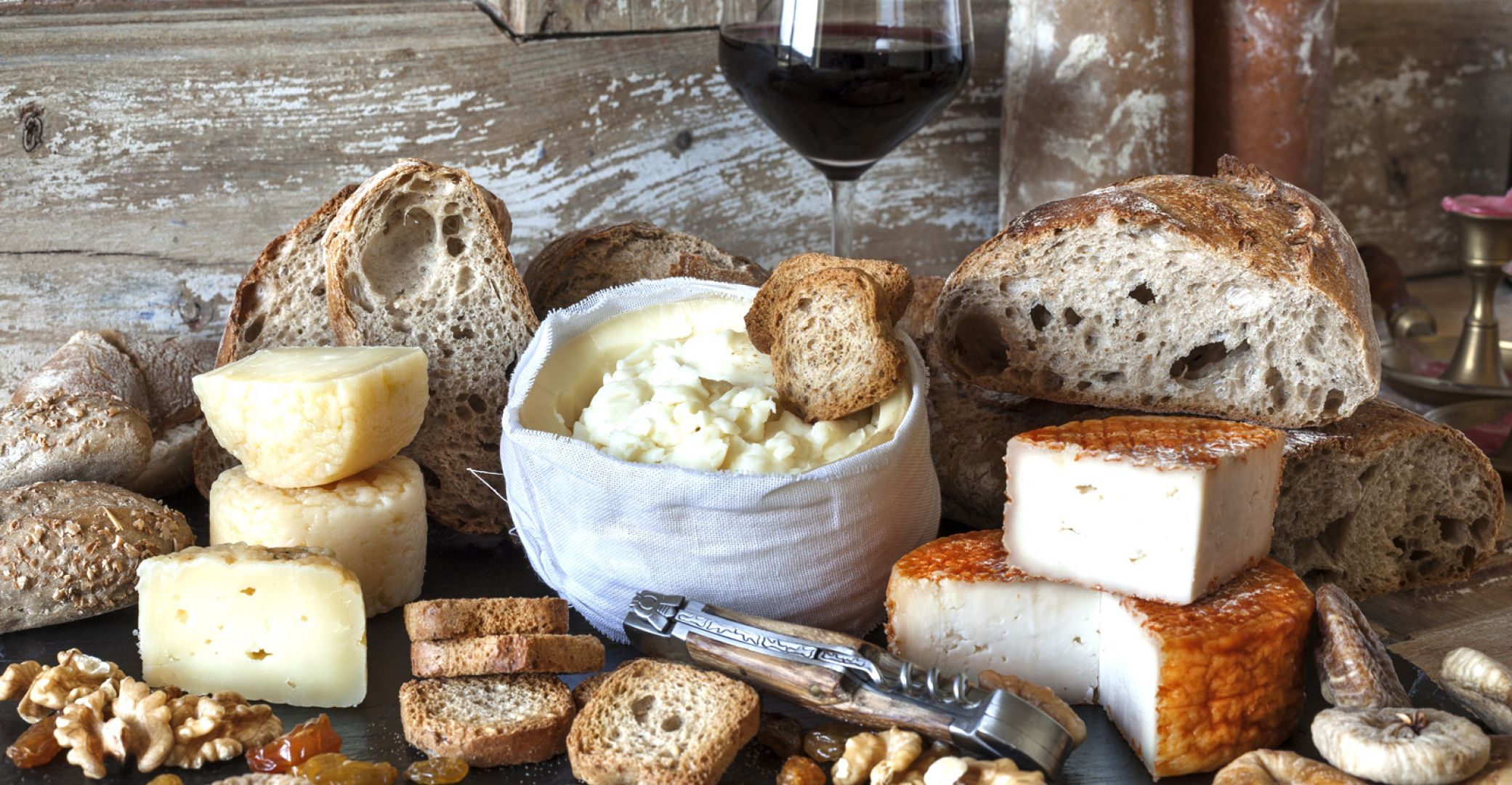 Picture this: rugged mountain slopes where shepherds have crafted French cheese for over 2,000 years. Welcome to the world of Pyrenees sheep cheeses—a treasure trove of artisanal dairy magic born from France’s southwestern peaks. These aren’t just cheeses; they’re edible history, shaped by high-altitude pastures and generations of know-how. In this guide, you’ll explore their rich heritage, health perks, and how to savor them like a pro. Whether you’re a cheese newbie or a connoisseur, get ready for a journey into Pyrenees dairy excellence!
The History and Tradition Behind Pyrenees Cheese
A Living Legacy of Mountain Shepherds
Pyrenees cheese is far more than food; it’s a living archive of the past. From medieval monks perfecting their initial curds in hidden monasteries to the age-old practice of transhumance, shepherds have carried traditions up steep mountain trails for centuries. Each summer, flocks ascend to high alpine pastures dense with wild thyme, clover, and other unique herbs. This diverse diet infuses the sheep’s milk with unparalleled flavors, making the cheese distinctively aromatic and complex.
The Basco-Béarnaise sheep, recognizable by their elegant spiral horns, appear almost mythical in silhouette against the peaks. Their lineage traces back to Roman times, underscoring how deeply embedded dairy culture is in this region. Thanks to France’s PDO (Protected Designation of Origin) framework, cheeses like Ossau-Iraty retain authentic production methods, preserving centuries of flavor and know-how against industrial homogenization.
Fascinating Anecdotes and Cultural Touchstones
History comes alive through stories like the one from World War II, when Pyrenees shepherds ingeniously hid Resistance fighters within cheese-aging caves, using cheese wheel deliveries as secret communication tools. Such narratives weave the cheeses into the fabric of regional identity, making every bite a taste of valor and heritage.
Another legend claims the birth of Ossau-Iraty occurred when a shepherd's flock grazed on wild saffron, creating cheese with a rare golden hue. These tales continue to shape modern appreciation, reminding us that Pyrenees cheeses carry not only flavor but also the spirit of the mountains and the people who lovingly craft them.
Must-Try Pyrenees Sheep Cheeses for Every Cheese Lover
 Signature Artisanal Delights
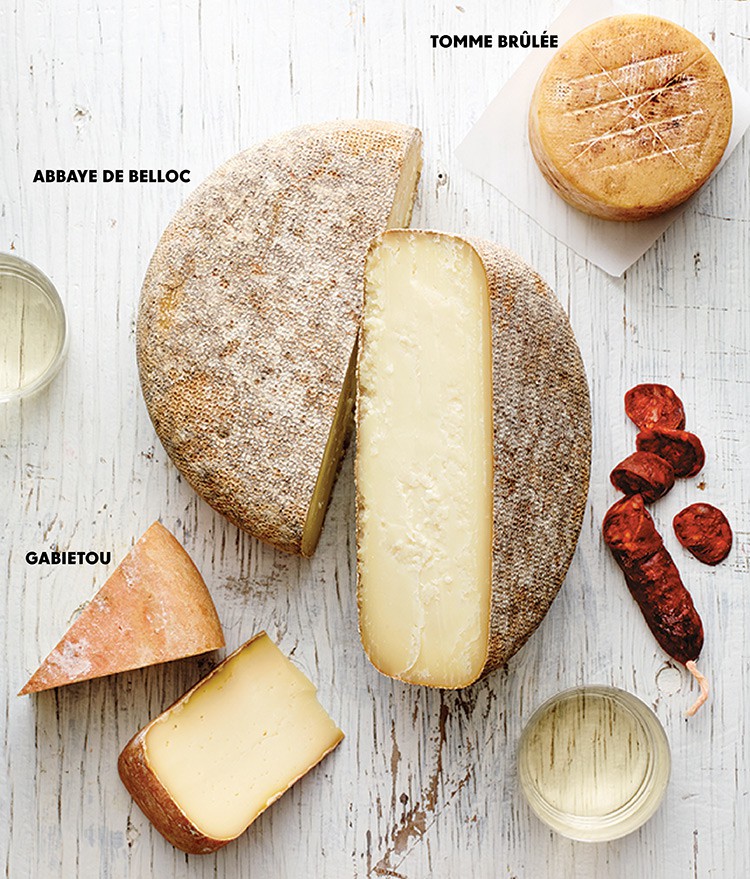
The Pyrenees region boasts a wonderful range of sheep cheeses that every cheese aficionado should explore. Each cheese carries unique characteristics shaped by local terroir and traditional methods. Among these, the Ossau-Iraty stands out as a semi-hard, nutty treasure, matured in atmospheric former railroad tunnels, where it develops caramel-sweet notes and a robust depth recognized worldwide.
Other must-tries include Petit Basque, a creamy and accessible cheese perfect for newcomers, and the rare Brebis du Haut-Béarn, a raw-milk masterpiece aged in musketeer stables, offering rich hazelnut undertones. These cheeses not only represent taste but also tradition and resilience.
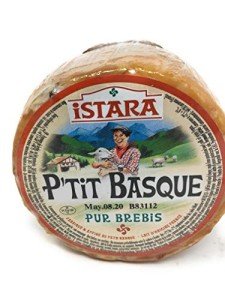
Petit Basque Cheese, 1 Pound Block
A delightful semi-hard cheese with rich and nutty flavors perfect for snacking or cooking
Product information
$39.99
Product Review Score
4.23 out of 5 stars
9 reviewsProduct links
Flavor Profiles and Fascinating Facts
It’s fun to delve into history: did you know Petit Basque nearly earned the poetic name "Fromage des Anges" after a nun attributed it with healing properties? And its rinds even served a curious purpose — polishing church bells. Pyrénées Brebis brings a buttery, floral experience, often likened to liquid gold, while Manchego prepared in the Pyrenees style showcases cross-cultural fusion through Basque heritage.
These stories enrich savoring experiences, elevating tasting beyond just flavor to cultural storytelling. They also highlight the importance of regional identity and preservation, reminding us why authenticity is so prized.
| Cheese | Age | Milk Type | Fun Fact |
|---|---|---|---|
| Ossau-Iraty | 4-24 months | Raw | Aged in WWII resistance tunnels |
| Petit Basque | 2-3 months | Pasteurized | Used to polish church bells |
| Brebis du Haut-Béarn | 6-8 months | Raw | Aged in musketeer stables |
These cheeses show how aging and terroir define identity. Ossau-Iraty’s unique maturation environment gifts it complex caramel tones, while Petit Basque’s shorter aging keeps it creamy and mild. Brebis du Haut-Béarn’s raw milk origins preserve the wild mountain essence essential for true aficionados. Each cheese is a versatile ambassador of the Pyrenees heritage.
From Pasture to Plate: How Pyrenees Dairy Farmers Craft Their Cheese
Traditional Grazing and Milk Production
The magic behind Pyrenees cheese begins high atop alpine meadows, where sheep graze at altitudes reaching 7,000 feet. This grazing cycle—called transhumance—ensures animals feed on a diverse palette of alpine flowers and herbs. The milk they produce is rich in proteins, enzymes, and minerals critical for cheesemaking. Particularly, the Basco-Béarnaise sheep yields milk distinguished by its silky texture and high-quality fat content.
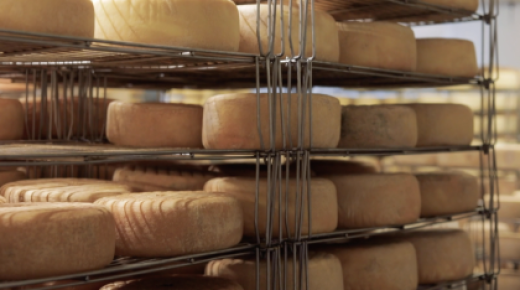
Copper vats are traditionally used during curdling in summer months, keeping with age-old practices that respect milk’s delicate enzymes. Aging takes place in caves and tunnels with controlled humidity and temperature, such as Christian Pardou’s famous railroad tunnel cave. This variable microclimate nurtures cheeses to develop their signature flavors and textures.
 Balancing Tradition with Modern Adaptations
While farmstead cheesemakers remain committed to raw milk and traditional methods—for example, Brebis du Haut-Béarn—larger operations often use pasteurized milk to meet export standards. Farmers have also adapted by adjusting grazing schedules and experimenting with forage crops to offset climate impacts affecting pasture quality. Biodiversity remains a central theme, as maintaining alpine herbs is crucial for preserving flavor complexity.
Local communities celebrate their heritage through events like the Fête du Fromage, a joyful gathering where sheep race carrying miniature cheese wheels—a vivid homage to centuries-old traditions still alive today. These celebrations foster authenticity and honor the human side of cheese production. For more insights into traditional cheesemaking, visit our guide on Traditional French Cheese Craft.
Latest News: Climate Challenges and Innovations
The Impact of Changing Weather Patterns
The Pyrenees sheep milk industry is confronting unprecedented environmental challenges as erratic weather disrupts pasture growth. Since 2020, farmers have experienced fluctuating droughts and intense rainfall, leading to a 15-20% decline in forage availability. This directly influences milk quality and composition, pushing cheesemakers to invest more in refrigeration and preservation technologies.
Consequently, operational costs have surged by approximately 12%, disproportionately affecting small-scale artisans who rely heavily on traditional methods. This financial squeeze underlines the urgency for climate resilience investments and support mechanisms.
 Innovative Responses for a Sustainable Future
In response, initiatives like the 2024 "Know N Cheese" project unite farmers and scientists to develop drought-resistant forage blends and solar-powered aging caves. These pioneering efforts aim to preserve both tradition and production viability amid climate uncertainties.
New artisanal products, such as Brebis au Piment d'Espelette, showcase how innovation blends with local flavors, evolving taste profiles without losing heritage. Meanwhile, emerging Basque cheesemakers are creatively updating transhumance cycles to better suit modern environmental conditions, blending ancient wisdom with 21st-century adaptability.
Why Pyrenees Sheep Cheese is a Nutritional Powerhouse
Superior Nutrient Profile Compared to Other Cheeses
Sheep cheese is celebrated for its robust nutritional benefits. Compared to cow and goat cheeses, it offers roughly 30% more protein, crucial for muscle repair and overall health. It’s a concentrated source of calcium, essential for bone strength, and contains conjugated linoleic acid (CLA), a fatty acid linked to heart health and inflammation reduction.
Minimal lactose content (only 0.5g per 100g) makes these cheeses highly digestible for many people with lactose sensitivities. Additionally, aged varieties contain valuable probiotics that promote gut health, making Pyrenees cheeses both gourmet and functional foods suited to active, health-conscious lifestyles. For more information on raw milk cheese regulations, visit our guide on Raw Milk Cheese Regulations.
Historical and Scientific Perspectives on Shepard Diet
Historically, shepherds in the Pyrenees consumed sheep cheese for breakfast to fuel long mountain treks, relying on its slow-release energy capacity. Modern science confirms this tradition; the cheese's nutritional profile provides sustained endurance better than many contemporary energy bars.
The unique alpine herbs sheep graze upon contribute to the enhanced CLA and mineral content, establishing a direct link between mountain pastures and health benefits. These insights increase appreciation for the interplay between nature, livestock diet, and human nutrition embedded in Pyrenees cheesemaking.
| Nutrient (per 100g) | Pyrenees Sheep Cheese | Cow Cheese | Goat Cheese |
|---|---|---|---|
| Protein | 25g | 20g | 22g |
| Calcium | 720mg | 700mg | 500mg |
| Lactose | 0.5g | 2g | 1g |
| CLA* | 1.2g | 0.6g | 0.8g |
*Conjugated Linoleic Acid, linked to heart health
Expert Voices: Chefs on Pyrenees Cheeses
Will Studd: Terroir and Tradition
"Ossau-Iraty is the Pyrenees in edible form—each bite carries thyme from mountain meadows and centuries of shepherd wisdom."
— Will Studd, Cheese Anthropologist
Studd’s reflections highlight how geography and biodiversity fuse in Pyrenees cheese, where over 200 varieties of wild herbs feed the sheep. This deep connection between land and product results in “pastoral complexity,” an aroma and flavor impossible to replicate industrially.
Janet Fletcher: Culinary Versatility
"Brebis du Haut-Béarn’s hazelnut sweetness makes it the ultimate bridge cheese—equally stunning with cherry compote or Irouléguy red."
— Janet Fletcher, Planet Cheese
Fletcher emphasizes the cheese’s range—from welcoming novices to intriguing culinary experts. Its harmonious flavors pair beautifully with local fruits and wines, underscoring the rich cultural tapestry of Basque cuisine.
Jean-Louis Bergougnoux: Environmental Stewardship
"We’re not just making cheese—we’re bottling mountain air and wildflower breezes. Climate change forces innovation, but our roots remain."
— Jean-Louis Bergougnoux, 5th-Generation Shepherd
Jean-Louis articulates the balance between preserving tradition and embracing innovation to sustain Pyrenees cheesemaking. His family’s use of solar-powered caves symbolizes the future-oriented mindset necessary to keep these heritage foods thriving.
Finding True Pyrenees Cheese: A Buyer’s Guide
Tips for Authenticity and Quality
Seeking genuine Pyrenees cheese? Start by looking for PDO seals—a red/yellow label guaranteeing origin and traditional craftsmanship. Trusted retailers like Murray’s Cheese (online) and Formaggio Kitchen offer reliable options, especially in the U.S. markets.
Visiting farms such as Fromagerie Agour in Basque Country offers an immersive experience, as they uniquely pay shepherds after sales, supporting sustainable local economies. Examine labels closely for raw milk sourcing to access deeper flavors uncommon in mass-produced cheeses. Don’t hesitate to inquire about aging times—the longer, the richer and more complex the cheese’s taste.
Local Traditions and Insider Tips
In Pau’s bustling markets, vendors customs include letting customers taste cheeses off pocketknives—a Napoleonic-era tradition that persists as a tactile connection to history. Such practices mean not just buying cheese, but experiencing culture firsthand.
Critic Janet Fletcher praises these local markets for their “terroir-driven brilliance,” asserting that nothing beats tasting cheese in its native region to truly grasp its essence. Following these tips will ensure your cheese choices celebrate authenticity and quality.
Serving and Pairing Pyrenees Cheese Like a Connoisseur
Perfect Beverage Pairings 🍷
Understanding wine accompaniments elevates cheese savoring to a gourmet experience. For instance, Ossau-Iraty pairs wonderfully with tangy Jurançon white wine, enriching its caramel and nutty notes. The robust Brebis du Haut-Béarn harmonizes with earthy Irouléguy reds, offering a balanced, multi-layered tasting.
Newer pairing options include fruity Grenache or crisp Sauvignon Blanc, which bring freshness and contrast, balancing rich, buttery textures. These insights invite experimentation, enhancing each cheese tasting into a memorable culinary moment.
Complementary Ingredients and Cooking Hacks 🍒
Cheese pairings extend beyond drinks: serve with black cherry jam, sourdough, or spicy Piment d'Espelette for exciting flavor contrasts. Fresh pears, honey, walnuts, and crusty baguettes also enhance mouthfeel and deepen taste perception.
Cooking hacks include grating aged Pyrénées Brebis over roasted vegetables or melting it in rich pasta sauces—an easy way to bring creamy complexity into everyday meals. Anthropological stories, like a Lourdes chef pairing Ossau-Iraty with dark chocolate, highlight how local indulgences shape evolving culinary traditions.

Locatelli Grated Pecorino Romano Cheese, 8 oz
The perfect savory addition to elevate your pasta dishes and salads
Product information
Product Review Score
4.57 out of 5 stars
222 reviewsProduct links
How to Store Pyrenees Sheep Cheese for Maximum Freshness
Do’s and Don’ts of Cheese Preservation ✅❌
Proper storage is key to extending cheese enjoyment. Always wrap sheep cheese in wax paper to allow breathing, then place it inside your refrigerator’s crisper drawer, where humidity is higher and temperature is stable. Avoid plastic wrap, which suffocates the cheese, damaging its texture and flavor.
Freezing is not recommended as it negatively affects texture and can diminish the complex aromas developed during maturation. Regularly check for any changes in smell or appearance; slight dryness is normal but excessive drying indicates poor storage. For more detailed techniques, visit our guide on French Cheese Preservation Techniques.
Ancient and Modern Revival Tips 💡
To revive slightly dried cheese, gently rub the rind with olive oil, restoring suppleness and boosting flavor intensity. Historically, shepherds stored cheese in fern-lined baskets, naturally preserving humidity and texture for weeks—a rustic technique inspiring modern sustainable packaging ideas.
Combining time-tested storage wisdom with today’s fridge technology allows you to enjoy Pyrenees sheep cheeses at their flavorful peak, unlocking every note intended by artisan producers.
Pyrenees Cheese Spotlight: Flavor & Versatility
Texture and Taste Spectrum
Pyrenees sheep cheese radiates versatility across its texture and flavor profiles. Young cheeses (~2-4 months) are soft and spreadable with mild nuttiness, ideal for casual snacking or adding to sandwiches. Aged cheeses (6+ months) develop bold, tangy flavors and a gratifying crystalline crunch, perfect for cheese boards accompanied by charcuterie.
These textural differences illustrate how time transforms cheese complexity, enhancing umami and aroma profiles while altering mouthfeel. Cheers to sophisticated cheeses that suit diverse culinary moods!
Creative Pairing Tips & Historical Trivia
Delight in drizzling honey over Petit Basque to balance buttery richness with sweet-savoury harmony. Alternatively, melt Pyrénées Brebis into gratins or creamy dishes for indulgent texture. These simple ideas turn everyday recipes into eye-catching, flavor-packed meals.
Did you know that in the 1800s, Pyrenees cheese served as currency? Farmers traded wheels for tools and livestock, proving its economic and cultural value beyond nourishment alone. Such heritage enriches the pleasure of every bite.
| Cheese | Flavor Notes | Texture | Best Pairing |
|---|---|---|---|
| Ossau-Iraty (6mo) | Caramel, roasted nuts | Firm, slight crunch | Black cherry jam |
| Petit Basque | Buttery, herbal | Creamy, smooth | Fig compote |
| Brebis du Haut-Béarn | Hazelnut, meadow flowers | Supple, fudgy | Piment d'Espelette |
Conclusion: Why Pyrenees Sheep Cheeses Belong on Your Table
Our journey through the Pyrenees has uncovered why its sheep cheeses are not just culinary delights but treasures preserving a rich cultural heritage. Rooted in ancient transhumance rituals and fortified by stories of resistance during WWII, these cheeses connect us to resilient mountain communities and their deep relationship with nature.
The lifestyle of Basco-Béarnaise sheep, grazing diverse alpine meadows, crafts milk bursting with unique herbal notes and critical nutrients such as protein, calcium, and CLA. Protected by stringent PDO laws, cheeses like Ossau-Iraty guarantee authentic artistry delivered straight from mountain pastures to your plate.
Beyond flavor, enjoying Pyrenees sheep cheeses supports sustainable artisan cheesemaking combating climate challenges with innovations while honoring ancestral craft. Ready to explore this French dairy magic yourself? Visit our curated French Cheese Collection to discover award-winning selections and share in the #PyreneesCheeseJourney community!
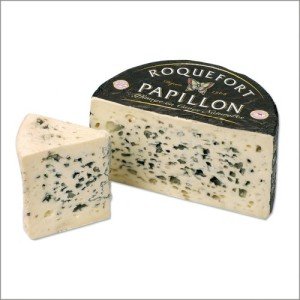
Papillon Roquefort AOP Whole Wheel Cheese (3 lb)
Indulge in the rich, tangy flavor of this authentic French blue cheese that’s perfect for your next cheese board or recipe
Product information
$109.99
Product Review Score
4.56 out of 5 stars
81 reviewsProduct links
French Cheese FAQs: Your Curiosities Answered
Q1: What makes French sheep cheese different from others?
French sheep cheeses, especially those from the Pyrenees, are uniquely influenced by biodiverse mountain pastures rich in wild herbs. This natural terroir imparts distinctive herbal and floral notes not easily found elsewhere. Additionally, the PDO protection ensures strict adherence to traditional craftsmanship, preserving authenticity that industrial cheeses often lack.
Source: Cheese Science Toolkit
Q2: Can lactose-intolerant people enjoy sheep cheese?
Yes! Sheep cheese contains substantially less lactose (~0.5g per 100g) compared to cow’s milk varieties (~2g). This reduced lactose content coupled with aged cheeses’ probiotic properties makes it more digestible, allowing many with mild lactose intolerance to enjoy it comfortably.
Source: NIH Research
Q3: How do I identify authentic PDO French cheese?
Look for the official EU PDO logo, a red and yellow label, or the French AOC seal, usually found on the packaging. These labels guarantee the cheese’s specific geographic origin and adherence to traditional production standards, a seal of quality and authenticity that protects heritage and flavor. For more detailed information, visit our guide on French Cheese AOC Classifications.
Q4: Why is raw milk cheese special?
Raw milk cheeses retain their natural enzymes and complex microflora, which are partially lost during pasteurization. These contribute to richer, more nuanced flavors, terroir expression, and health benefits. Brebis du Haut-Béarn is an excellent example of the raw milk tradition delivering an “untamed” mountain flavor experience.
Q5: What wine pairs best with aged sheep cheese?
Earthy red wines such as Irouléguy or tangy whites like Jurançon from southwestern France complement aged Pyrenees cheeses exceptionally well. To explore more pairings, visit our pairing guide for matching French wines and cheeses.
Q6: Are there vegan alternatives to French sheep cheese?
Vegan cheeses made from almonds, cashews, or soy offer dairy-free options but do not replicate the complex texture, mineral content, or bioactive compounds of sheep milk cheeses. Those seeking the true Pyrenees experience will find plant-based versions flavorful but unmatched in mouthfeel and authenticity.
Q7: How does climate change affect French cheesemaking?
Erratic weather alters pasture composition, reducing milk quality and forcing producers to adopt innovations like drought-resistant forage crops and solar-powered aging caves. These adaptations are crucial to protect centuries-old cheesemaking traditions from increasingly unpredictable environments.
Explore More: Authoritative Resources on French and Pyrenees Cheese
- Will Studd’s Cheese Emporium – Expert insights on Ossau-Iraty and Pyrenees terroirs from a world-renowned cheese anthropologist.
- Deli Food Shop AOC Cheese Classifications – Deep dive into French cheese labeling and protection systems extremely useful for cheese lovers.
- Janet Fletcher’s Planet Cheese – Culinary stories and pairing tips, shining spotlight on French and Basque cheese culture.
- Formaggio Kitchen – Source for authentic raw milk French cheeses and in-depth product knowledge.
- Cheese Science Toolkit – Educational resource on the science of terroir and cheese microbiology.