Key Takeaways
- Bleu de Termignon is an extremely rare French alpine cheese crafted using traditional, needle-free blue-veining techniques.
- The cheese is intimately tied to the culture, biodiversity, and resilience of the Savoie mountains’ herding families.
- Only a handful of farms produce it seasonally, making it a treasured delicacy with high culinary and nutritional value.
- Its gentle, earthy flavor profile invites unique pairings like chestnut honey, blueberry jam, and crisp Savoie whites.
- Supporting such rare artisan cheeses helps preserve French cultural heritage and microbial diversity threatened by industrialization.
Table of Contents
- Discovering France’s Rare Alpine Blue Cheese
- A Cheese Rooted in Tradition
- From Milk to Maturation Magic
- Tasting Notes: Alpine Poetry
- Nutritional Powerhouse
- Why It’s Vanishing
- The Hunt for This Treasure
- Chefs’ Love Affair
- Storage & Serving Secrets
- Etiquette Essentials
- Bethmale: Pyrenean Medieval Marvel
- Why Bleu de Termignon Matters: A Conclusion
- French Cheese FAQ: Uncover the Secrets
- Further Reading & Resources
The Alpine Blue Treasure Born From Nature and Tradition
Explore one of France’s rarest blue cheeses, crafted with ancient methods high in the snowy Alps. Bleu de Termignon is not only a gastronomic delight but a vibrant symbol of Alpine culture and biodiversity. This article unravels its origin, production, flavor, and why it demands our support. Dive into a cheese story shaped by land, climate, and dedicated families keeping a fading tradition alive. Ready for a journey through alpine pastures, artisan crafts, and unique tastes? Let’s embark!
1. Discovering France’s Rare Alpine Blue Cheese
The Secret Art of Natural Blue Veining
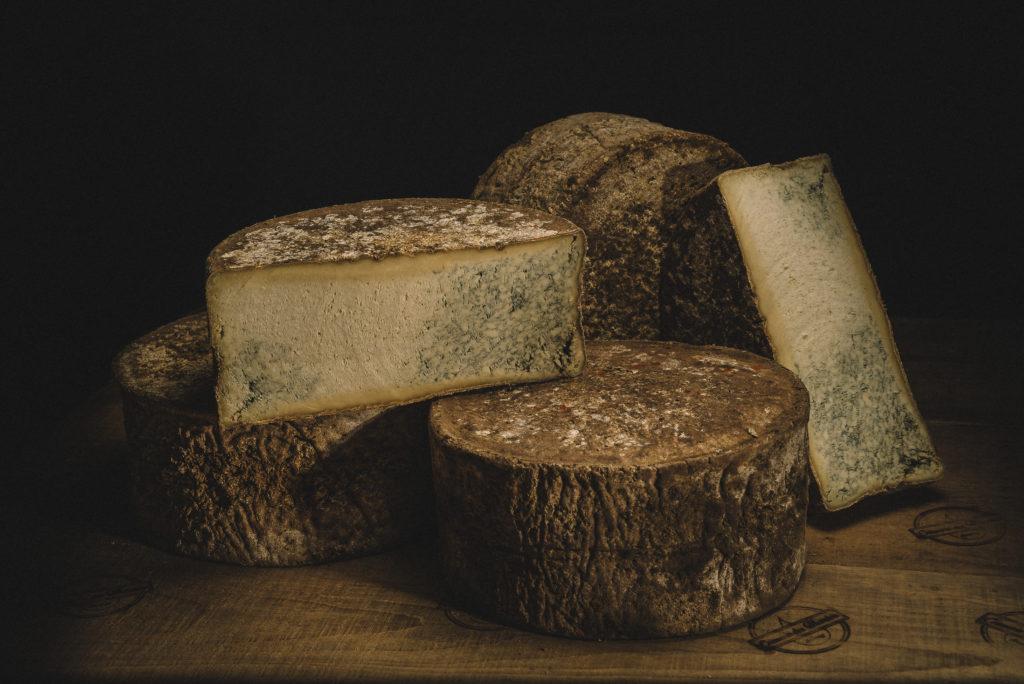
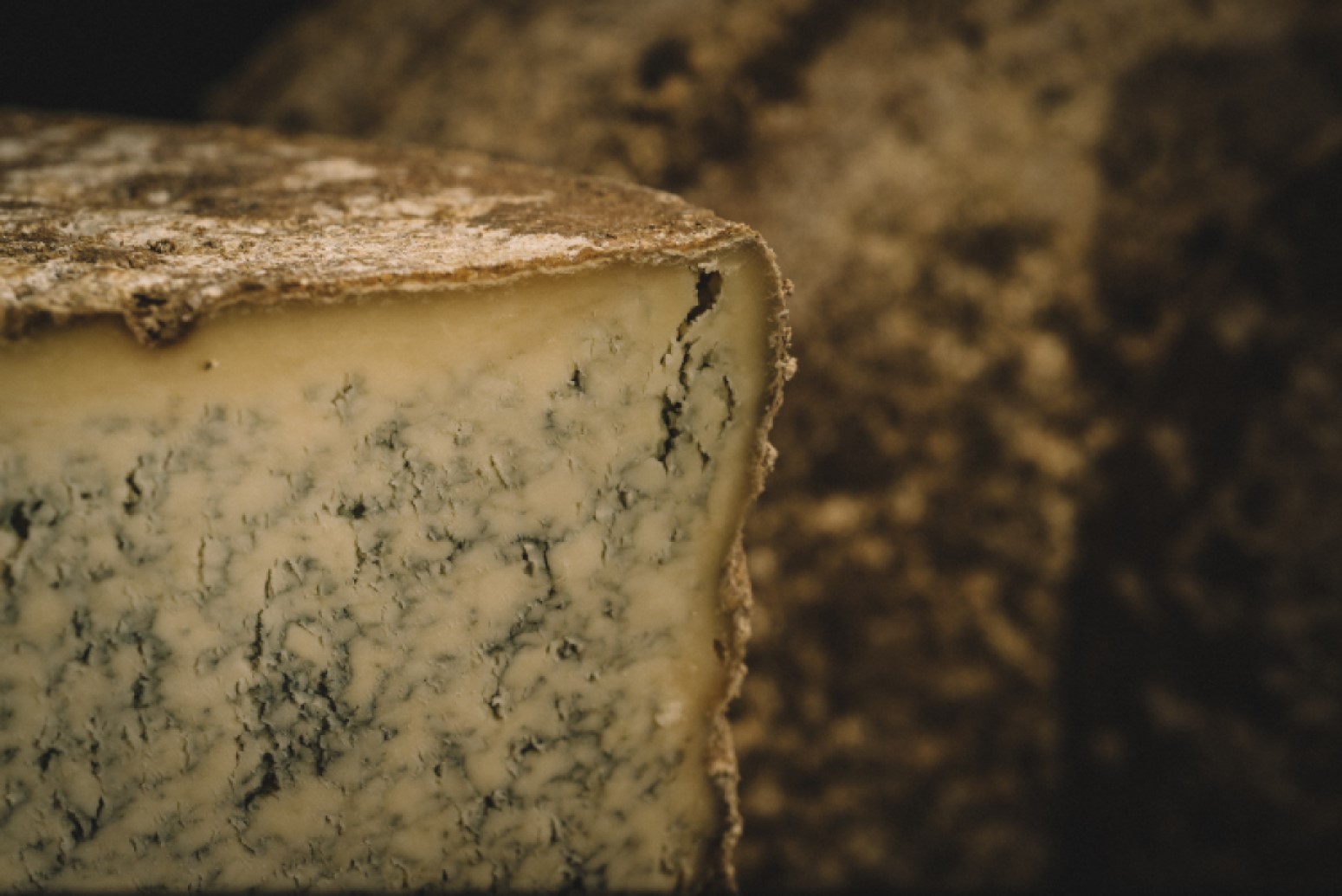
Bleu de Termignon stands apart from famous blue cheeses like Roquefort or Bleu d’Auvergne by its unique natural blue veins. Unlike most blues that use needles to inject mold spores, this Alpine rarity develops its marbled veins naturally during aging. This traditional technique relies on native molds and microbes flourishing in snowy cellars, untouched by laboratory intervention. It’s a living culinary heritage, preserving biodiversity that scientists recognize as crucial for future cheese innovation.
“Cheesemakers once called these blue veins mountain ghosts, believing they blessed each wheel with Alpine magic.” Unfortunately, only four families still carry this knowledge, making Bleu de Termignon a rare treasure endangered by modern dairy trends.

DANEKO Extra Creamy Danish Blue Cheese, 4 oz
Indulge in the rich and bold flavor of this velvety blue cheese, perfect for elevating your favorite dishes or enjoying on its own
Product information
Product Review Score
4.95 out of 5 stars
116 reviewsProduct links
Historical and Scientific Importance
This cheese isn't just gastronomically unique; recent research confirms it harbors native microbes absent from industrial cheese varieties. According to a study by the CNRS, preserving cheeses like Bleu de Termignon supports microbial diversity essential to sustainable food systems. As global food tends toward homogenization, such artisanal products become living museums of genetic and cultural diversity.
These discoveries urge consumers and producers alike to cherish and protect heritage cheese techniques that enrich not only flavor but the environment itself.
2. A Cheese Rooted in Tradition
Life in the Savoie Mountains
Nestled 2,000 meters above sea level in the heart of the French Alps, Termignon’s rugged terrain shapes every aspect of Bleu de Termignon’s creation. This remote region, reachable only on foot or mule-trail paths, sees farmers like Catherine Richard spending summer months in chalets dusted with snow, even in July. Their daily lives revolve around cattle grazing on alpine wildflowers, enduring harsh elements for the love of tradition.
For centuries, entire families have braved the steep slopes where tourists ski in winter to nurture the land and protect this ancient craft. Such dedication embodies Alpine resilience, reflecting a lifestyle tightly bound to nature’s rhythms.
Legends And Cultural Roots
Stories from the 19th century describe resourceful herders ferrying fresh cheese through blizzards to nourish isolated mountain villages. This not only underscores the cheese’s importance as sustenance but its role as a cultural symbol passed down generations.
Bleu de Termignon captures the spirit of this austere environment – where ice and wind meet human perseverance. In many ways, enjoying this cheese is tasting a slice of Savoie history and mountain heritage.
3. From Milk to Maturation Magic
The Alpine Pasture Influence
The milk is at the heart of Bleu de Termignon’s character. Cows roam freely on protected wildflower meadows inside Vanoise National Park. These plants, precious enough to forbid human picking, infuse the milk with subtle herbal flavors, passed naturally into the cheese. This rare terroir influence contributes to the cheese’s gentle aroma and creamy texture unlike any other blue.
The raw milk used is immediately hand-pressed into cloth-lined molds to maintain loose curds. This artisanal process protects native microbes essential for the unique maturation process.
Aging in Alpine Cellars: Nature’s Workshop
Maturing Bleu de Termignon is a masterclass in patience and harmony with nature. Instead of using injected mold like typical blues, the cheese ages in snow-buried cellars insulated with meadow hay – a technique dating back to Napoleon’s era. This creates a cold, humid environment where blue veins develop slowly, resulting in delicate marbling and a rustic rind speckled with fiery orange.
This natural aging relies entirely on the native microbiomes in the cellars and milk, representing centuries-old craftsmanship. The outcome is a cheese with a symbiotic balance of texture, aroma, and visual beauty unlike industrially processed products.
4. Tasting Notes: Alpine Poetry
Flavor and Texture
Upon tasting, Bleu de Termignon reveals creamy-crumbly layers under its grey rind. Unlike sharper industrial blue cheeses, it offers a gentle earthiness kissed with spicy hints reminiscent of rain-soaked alpine meadows. The juniper bushes grazed by cows lend subtle aromatic undertones, enhancing its complexity and making each bite a multisensory experience.
The complex interplay of flavors is balanced by a velvety mouthfeel that complements its natural mold marbling. This makes it approachable even for those wary of stronger blues yet intriguing enough for connoisseurs.
 Pairings Worth Trying
Bleu de Termignon’s delicate profile pairs beautifully with bright and sweet companions. Recommended matches include:
- Wines: Crisp, mineral-driven Savoie white wines or the luscious sweetness of Sauternes
- Foods: Chestnut honey’s warmth, toasted walnuts’ crunch, and rustic rye bread’s hearty base
An unexpected but beloved local combination adds a fruity twist: pairing it with blueberry jam, a tradition born at regional harvest festivals. These pairings underline the cheese’s versatility beyond typical blue cheese conventions. For more pairing ideas, check out our cheese pairings guide.
5. Nutritional Powerhouse
Health Benefits of Raw Milk Cheese
Beyond flavor, Bleu de Termignon also offers impressive nutritional credentials. Made from raw milk, it retains beneficial probiotics supporting gut health. A typical 30g serving provides around 20% of your recommended daily calcium, essential for bones and teeth. Its protein content, about 6g per serving, also makes it an excellent post-hike or active lifestyle fuel.
Historically, Alpine herders regarded this cheese as “mountain medicine” to combat altitude sickness thanks to its nutrient density. The natural vitamin and mineral profile, untouched by pasteurization, supports overall wellness while delighting the palate. For more on the benefits of raw milk cheeses, visit our raw milk cheese guide.
Serving Ideas for Balanced Enjoyment
To balance Bleu de Termignon’s richness, pairing with fresh fruits like apples or pears is suggested. The natural sweetness and crisp acidity of these fruits refresh the palate, complementing the cheese’s creamy texture. Such combinations elevate tasting experiences and highlight nuanced flavor contrasts.
This approach aligns with traditional Alpine dining, where simple, fresh local produce harmonizes with artisanal cheeses—honoring terroir through taste and nutrition.
6. Why It’s Vanishing
Limited Production and Challenges
Bleu de Termignon’s rarity is not just legend—it is pressing reality. Only about five farms produce this cheese, each with fewer than 60 cows. Production is strictly seasonal from June to August due to high-altitude pastures’ availability. Back in 1980, only one family remained upholding this tradition. The process requires incredible physical labor, mountainous terrain access, and deep knowledge, all factors limiting scalability.
Modern dairy industry trends favor mass production and homogenization, discouraging younger generations from continuing such labor-intensive crafts. Catherine Richard, one of the few cheesemakers, warns that this cheese may "pass into history," representing a broader "cheese extinction crisis" facing France’s heritage artisans [Source: The Guardian].
Conservation & Future Prospects
Efforts to preserve Bleu de Termignon include recognition from biodiversity advocates and niche gourmet markets that value artisanal authenticity. Encouraging direct consumer support through specialty cheese shops and farmers’ markets becomes critical. Raising awareness about the cheese’s cultural and ecological importance motivates preservation actions.
Plans exist to document methods, train new cheesemakers, and promote sustainable alpine grazing to sustain this alpine legacy. But without fanfare and consumer commitment, this rare treasure risks fading forever.
7. The Hunt for This Treasure
Where to Find Bleu de Termignon
Finding Bleu de Termignon can feel like a quest in itself. The cheese typically appears at summer markets in the French Alps or specialized cheesemongers with direct ties to these farms. In London, Mons Cheesemongers offer this delicacy, and online retailers like The Courtyard Dairy provide seasonal access.
Expect to pay approximately €50 per kilogram, a fair price considering its rarity, labor intensity, and premium quality. Insider aficionados recommend requesting “June batches” for peak creaminess, often highly anticipated and snapped up quickly.
Tips to Secure and Savor It
Enthusiasts sometimes camp overnight at markets to secure the season’s first wheels—underscoring the cheese’s popularity among connoisseurs. If ordering online, ensure proper cold-chain delivery and store carefully upon arrival. Always unwrap carefully and let the cheese acclimate for the best experience.
Such care honors the cheesemakers' toil and prepares you for tasting an Alpine masterpiece rich in history.
8. Chefs’ Love Affair
 Michelin-Starred Praise
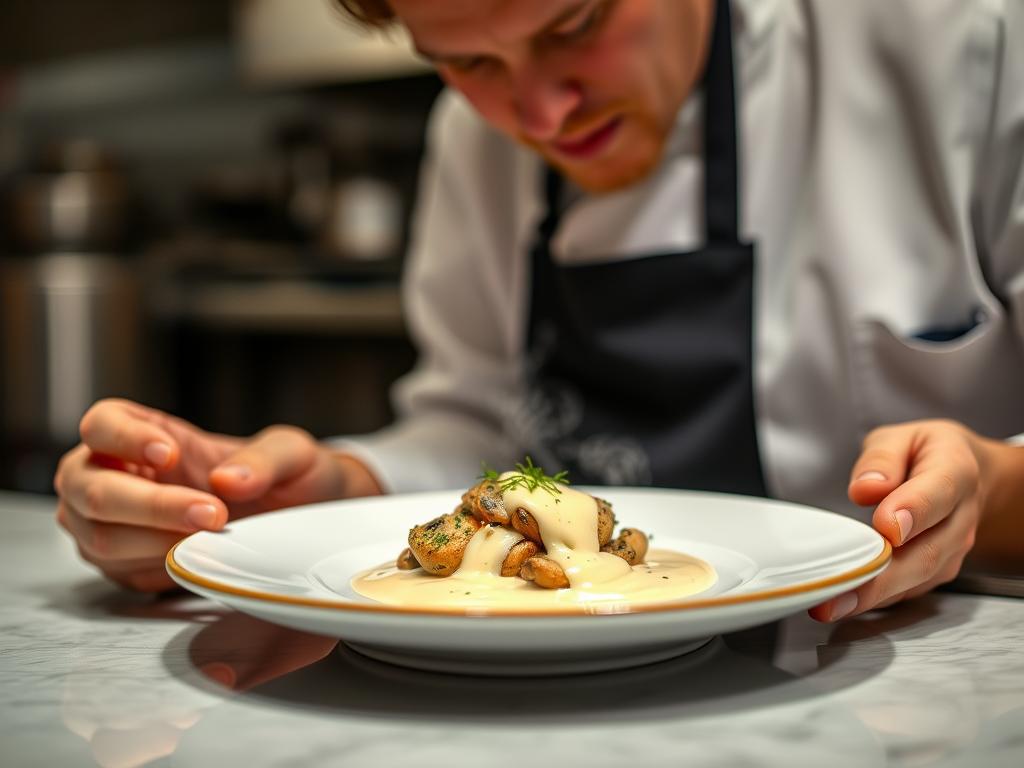
Michelin-starred chefs treasure Bleu de Termignon as a source of alpine inspiration. Renowned chef Marc Veyrat incorporates it into velouté sauces, describing it evocatively as “snowfield poetry.” This accolade highlights its capacity to elevate haute cuisine with natural rustic elegance.
Its complex veins and flavors have been likened by cheesemonger Bronwen Percival to “fractal maps of alpine meadows,” a poetic visualization reflecting its wild origins and delicate maturation. Such endorsements fuel interest beyond local communities.
Serving Suggestions from the Pros
Professional chefs recommend serving Bleu de Termignon simply: sliced at room temperature alongside a crusty baguette to fully appreciate its layered aroma and texture. They also love crumbling it over fresh buckwheat risotto or melting it on delicate meats like venison to add earthy complexity.
Notable culinary tales include an award-winning chocolate tart made with melted Bleu de Termignon, showcasing the versatility and allure of this alpine rarity in unexpected contexts.
9. Storage & Serving Secrets
Proper Preservation
To maintain Bleu de Termignon’s unique qualities, store it wrapped in wax paper or parchment—not plastic—to allow the cheese to breathe while protecting it from excess moisture. Keep refrigerated at around 4°C (39°F). Avoid freezing, which compromises delicate veins and texture.
Allow the cheese to rest uncovered for about an hour before serving, ensuring flavors open fully. These simple steps preserve the cheese’s rustic charm and creamy complexity. For more tips on preserving French cheeses, check out our cheese preservation guide.
Creative Culinary Uses
Beyond cheese plates, Bleu de Termignon shines in cooking. Crumble it into warm dishes like buckwheat risotto or melt over grilled venison for Alpine-inspired richness. Chefs have even used it for baked goods, such as chocolate tarts, revealing its unexpected adaptability across sweet and savory realms.
These tips inspire home cooks and pros alike to harness its potent flavor while respecting its fragile structure.
10. Etiquette Essentials
Serving DOs
- ✅ DO: Let the cheese breathe uncovered 15 minutes before serving to maximize aroma and texture.
- ✅ DO: Use a wire cutter to neatly slice the cheese without damaging its fragile veins.
Serving DON'Ts
- ❌ DON’T: Freeze it — doing so destroys texture and delicate mold patterns.
- ❌ DON’T: Pair with bold red wines; their tannins overpower the subtle nuance of this rare cheese.
Bethmale: Pyrenean Medieval Marvel
A Glimpse into the Pyrenees
While Bleu de Termignon reigns in the Alps, the Pyrenees mountains bring their own legendary cheese: Bethmale. This medieval cheese dates back to the 12th century and showcases a robust golden brine-washed rind enclosing a rich, nutty interior. Traditional villagers prized it enough to gift wheels to knights for protection—an honor highlighting its gastronomic and cultural cachet.
Exploring Bethmale offers insight into the diverse complexity of French cheeses rooted in geographic and historic diversity. For a deeper dive, see Bethmale’s Story.
Perfect Pairings & Serving Ideas
Bethmale pairs beautifully with flavors that complement its nutty complexity:
- Drizzle with fragrant lavender honey for floral sweetness
- Incorporate into savory onion galettes showcasing its melt
- Enjoy alongside robust Madiran red wine, enhancing its depth
This regional cheese forms an enticing counterpoint to the Alpine blue’s delicate earthiness.
Why Bleu de Termignon Matters: A Conclusion
Bleu de Termignon transcends being a mere cheese; it embodies edible heritage woven over centuries. Its unique natural blue veins, created without human intervention, preserve precious microbial diversity that represents the future of sustainable cheesemaking. More than taste, each bite encapsulates the chill alpine air and resilience of dedicated families like Catherine Richard’s, guardians against time and change.
As climate change and industrialized food production threaten these culinary legacies, savoring and supporting rare cheeses becomes an act of preservation. France’s vast cheese landscape, boasting over 1,200 varieties, faces an extinction crisis with nearly 300 varieties diminishing. Rarities such as Bleu de Termignon and Bethmale showcase the essence of terroir, tradition, and biodiversity.
Ready for your own French cheese adventure? Discover an inspiring collection—from velvety Camembert to bold Roquefort and these Alpine treasures—by visiting French Cheese Haven. Join the community that honors flavor, culture, and sustainable farming—cheese by cheese.
HERVE MONS Camembert Cheese, 8.5 OZ
Discover the creamy richness of HERVE MONS Camembert Cheese, perfect for your cheese board or a delightful snack
Product information
Product Review Score
4.16 out of 5 stars
17 reviewsProduct links
French Cheese FAQ: Uncover the Secrets
1. Why does France have so many cheese varieties?
France’s cheese diversity springs from its varied climates, landscapes, and centuries-old regional customs. Alpine pastures nurture firm, nutty cheeses like Beaufort, while humid Normandy produces buttery Brie and Camembert. With over 1,200 cheeses, each reflects its terroir and culture, creating a rich tapestry of flavors and textures celebrated worldwide. This unique mosaic is unlike any country, offering endless discovery.
Source: Fédération Nationale Laitière
2. Is raw milk safe in French cheeses?
Yes! Traditional French cheesemaking uses raw milk aged under strict conditions, which develops natural acidity and beneficial bacteria preventing harmful microbes. Raw milk cheeses offer richer, complex flavors versus pasteurized varieties. The French AOP regulations enforce rigorous safety measures ensuring consumer protection while preserving artisanal character.
Source: AOP France
3. What’s the best way to taste cheese like a pro?
Perfect tasting starts with serving cheese at room temperature to reveal full aroma and texture. Begin with mild cheeses like Brie, gradually progressing to stronger varieties such as Époisses. Pair salty cheeses with sweet accompaniments like honey or fruit jams to balance flavors. Take note of texture, aftertastes, and complexity—it’s a joyful sensory journey!
Imported French Triple Cream Brie, 6.5 oz
Indulge in the rich, buttery flavor of this luxurious cheese that's perfect for your next cheese board or a special treat
Product information
Product Review Score
4.95 out of 5 stars
35 reviewsProduct links
4. Why are some cheeses wrapped in leaves or bark?
Wrapping in leaves or bark is both tradition and flavor enhancer. For example, Banon goat cheese is wrapped in chestnut leaves that infuse earthy, subtle aromas. Morbier’s edible bark imparts woody nuances to its mild paste. These wrappings also protect the cheese during aging and transport, embodying a sense of place and artisan craftsmanship.
5. Can I freeze French cheese?
It’s best to avoid freezing—most cheeses lose their creamy texture as freezing disrupts fat and moisture balance, resulting in grainy, unpleasant mouthfeel. Instead, consume fresh within two weeks of purchase and store wrapped in wax or parchment paper in the fridge.
6. What French cheese suits beginners?
Saint-Nectaire, with its semi-soft texture and mushroomy notes, is an excellent approachable choice. Another is Cantal jeune, which offers familiar mildness similar to cheddar but enriched with French artisan character. Starting with these helps develop a deeper appreciation for more intense varieties.
7. How does terroir affect cheese flavor?
Terroir—the combination of soil, climate, flora, and local fauna—directly influences milk’s characteristics and therefore cheese flavor. Alpine grasses imbue herbal, floral notes; coastal winds add saltiness; limestone caves lend a unique minerality. This makes each cheese a true “taste of place,” deeply linked to its origin.
Source: Institut du Fromage
8. Why support small-scale cheesemakers?
Small producers preserve rare microbial ecosystems and traditional methods lost in industrial dairies. They maintain biodiversity by nurturing native cultures rather than homogenizing cheese with commercial strains. Every purchase backs these artisans who protect cultural and ecological heritage—helping to prevent cheese extinction.
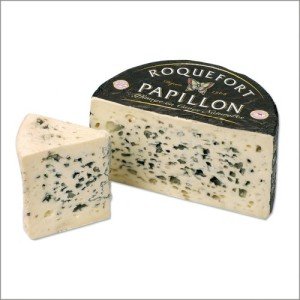
Papillon Roquefort AOP Whole Wheel Cheese (3 lb)
Indulge in the rich, tangy flavor of this authentic French blue cheese that’s perfect for your next cheese board or recipe
Product information
SGD 140.91
Product Review Score
4.56 out of 5 stars
81 reviewsProduct links
Further Reading & Resources
- Centers for Disease Control and Prevention (CDC) – Reliable insights into raw milk safety and health facts, helping consumers understand risks and benefits of raw dairy products.
- Cheese Forum – A dedicated community and knowledge base for artisanal cheese enthusiasts exploring heritage cheeses and production techniques.
- Culture Magazine – Offers interviews with cheesemakers and deep dives into traditions behind famous and rare European cheeses.
- Slow Food Foundation – Champions biodiversity and artisan food culture preservation, including endangered cheeses worldwide.
- Les Fromages de France – Extensive resources on French cheese varieties, regions, and tasting notes, guiding enthusiasts to explore the French cheese landscape.

Gorgonzola Cream with Summer Truffle – 90g
Indulge in the rich and creamy flavors of Gorgonzola infused with delicate summer truffles for a luxurious touch to your favorite dishes
Product information
SGD 26.52
Product Review Score
4.94 out of 5 stars
202 reviews