Discover the creamy, tangy magic of Bleu d’Auvergne, France’s beloved blue cheese with volcanic terroir. Learn how this artisanal cheese is crafted with Penicillium mold and aged in humid caves. Explore its rich history, from a farmer’s accidental discovery to AOP-protected perfection. Unlock pairing tips, from sweet Sauternes to pear crostini, and where to buy authentic wheels. Dive into the world of French blue cheese with this flavorful guide!
Estimated reading time: 12 minutes
Key Takeaways
- Bleu d’Auvergne is a creamy French blue cheese with volcanic terroir from Auvergne
- Created accidentally in the 1850s by farmer Antoine Roussel
- Earned AOP status in 1975 with strict production standards
- Made with Penicillium mold and aged in humid caves
- Milder than Roquefort with balanced tangy, peppery flavors
- Pairs beautifully with sweet wines, pears, walnuts and honey
Table of Contents
- Introduction: Meet Bleu d’Auvergne
- The History of Bleu d’Auvergne
- How Bleu d’Auvergne is Made
- Flavor & Texture
- Pairing Perfection
- Where to Buy + Storage Tips
- Fun Facts & Trends
- FAQ
- Recipe: 5-Minute Pear Crostini
- Bleu d’Auvergne Deep Dive
- How to Enjoy Like a Pro
- Storing Secrets
- Pop Culture Spotlight
Introduction: Meet Bleu d’Auvergne
Picture a cheese so creamy it practically melts on your tongue, yet bold enough to wake up your taste buds with streaks of spicy blue mold. That’s Bleu d’Auvergne—a star among French blue cheeses! Hailing from the volcanic hills of France’s Auvergne region, this artisanal cheese combines centuries-old traditions with a unique cheese aging process. Whether you’re a blue cheese newbie or a seasoned connoisseur, get ready to discover why this tangy gem deserves a spot on your cheese board.
The History of Bleu d’Auvergne: A Moldy Mistake Gone Right
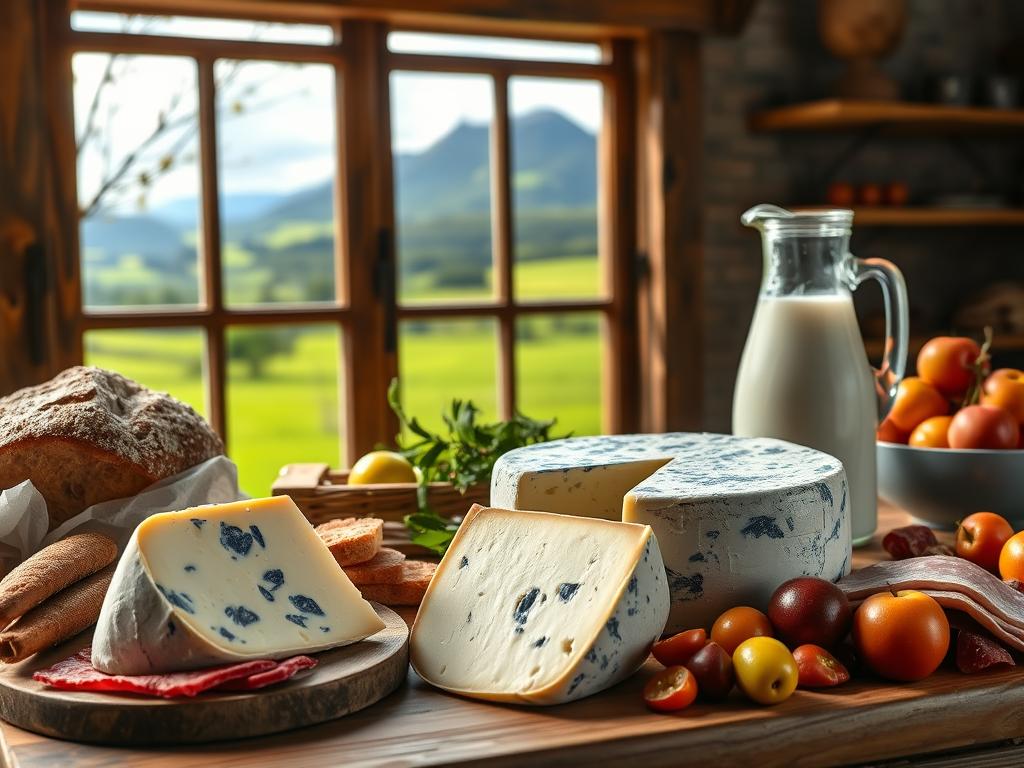 Our story begins in the 1850s with a curious farmer named Antoine Roussel. Legend says he noticed blue mold growing on his rye bread and wondered: Could this work in cheese? By sprinkling bread crumbs into his cow’s milk curds and poking holes with knitting needles, Roussel accidentally created France’s creamiest blue cheese!
By 1975, Bleu d’Auvergne earned AOP status (like a VIP passport for cheeses), meaning only cheeses made in Auvergne with strict methods can bear the name. Fun fact: Early makers used horsehair to pierce wheels before switching to stainless steel needles! Today, it’s a beloved alternative to sharper blues like Roquefort, thanks to its mellow, buttery vibe (source).
How Bleu d’Auvergne is Made: Mold, Milk, and Magic
Crafting this Auvergne cheese is part science, part art. Here’s the scoop:
- Milk Matters: Local cows graze on Auvergne’s mineral-rich grass, giving the milk a distinct terroir. Some producers use raw milk; others opt for pasteurized.
- Mold Magic: Penicillium roqueforti (the same mold used in Roquefort) is added, creating those iconic blue veins.
- Needlework: The cheese is pierced with 40+ needles to let oxygen fuel the mold’s growth.
- Cave Aging: Wheels age in humid cellars for 4+ weeks, developing a velvety texture and earthy flavor (source).
Pro tip: Try spotting the tiny holes next time you slice into a wedge—they’re the secret behind its marbled beauty!
Flavor & Texture: Why This Blue Cheese Stands Out
Bleu d’Auvergne is like the friendly neighbor of blue cheeses—bold but not overwhelming.
- Texture: Creamy and spreadable (think softened butter with a crumbly edge).
- Flavor: Tangy, peppery, and slightly sweet, with hints of fresh grass.
- Aroma: Earthy and mushroom-like, without the « blue cheese funk » of stronger varieties.
Comparison Spotlight:
| Cheese | Milk Source | Texture | Flavor Intensity |
|---|---|---|---|
| Bleu d’Auvergne | Cow | Creamy/Soft | Medium |
| Roquefort | Sheep | Crumbly | Strong |
| Fourme d’Ambert | Cow | Firm | Mild |
Serve it at room temperature to let its flavors shine!
Pairing Perfection: What to Eat (and Drink) With Bleu d’Auvergne
This French cheese variety plays well with others! Here’s how to make it the life of the party:
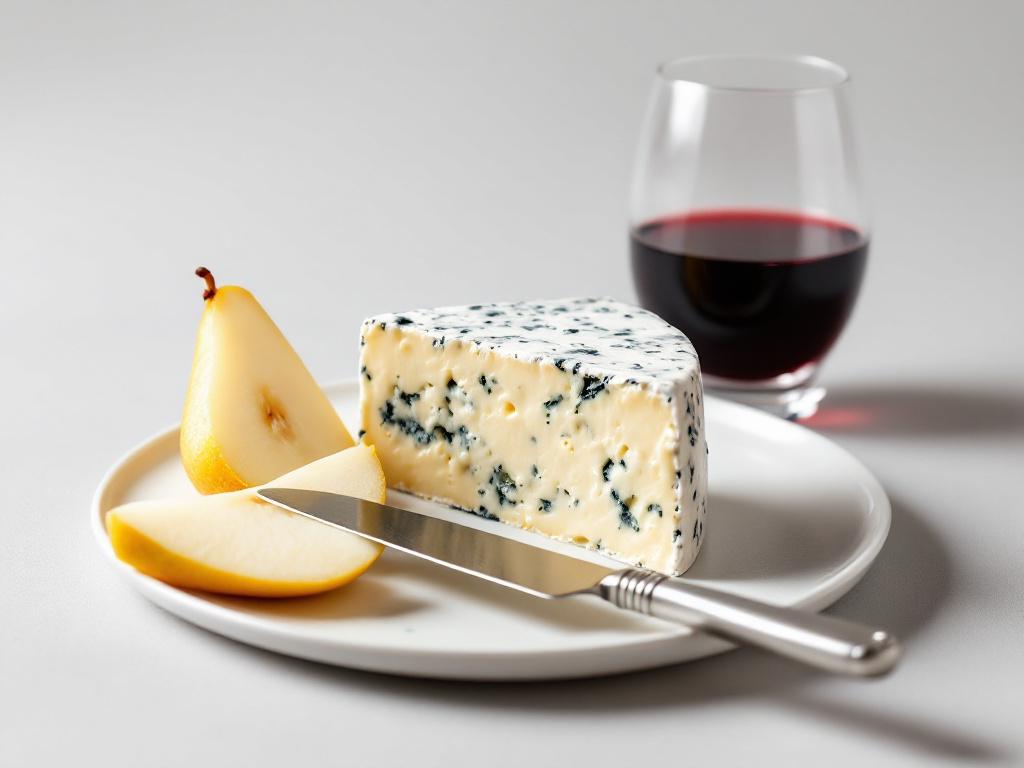
- Wines: Sweet Sauternes, fruity Port, or a dry Riesling. For red lovers, try a bold Cabernet.
- Food Friends: Drizzle honey over a wedge, pair with juicy pears, or add walnuts for crunch.
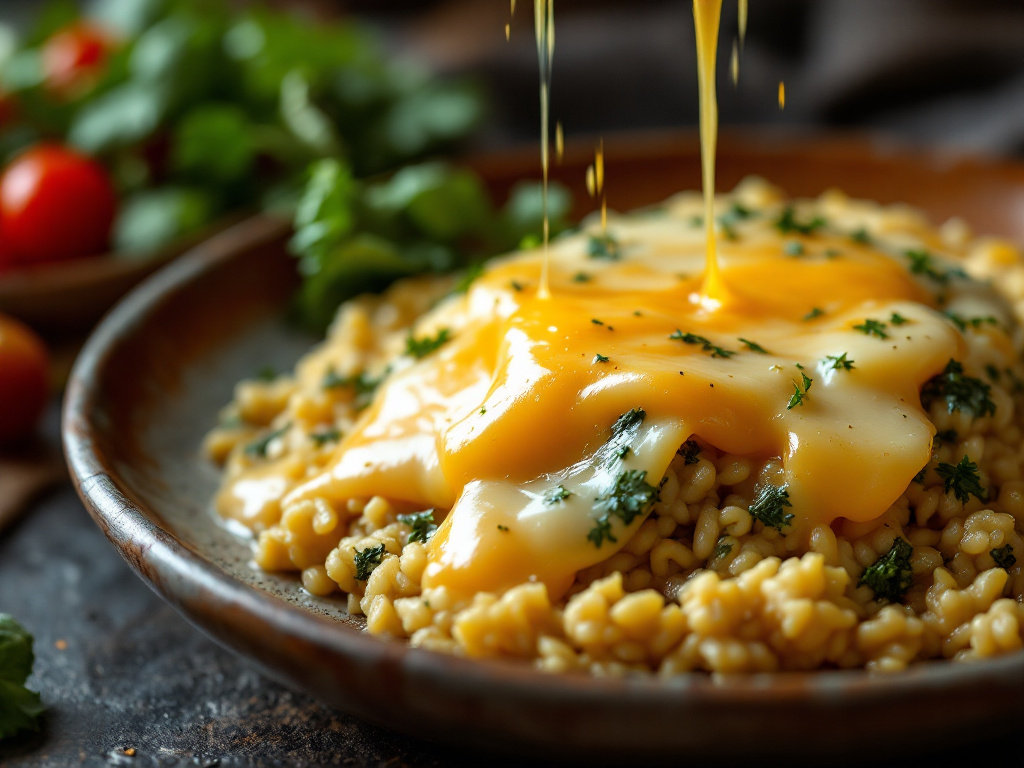
- Recipes: Crumble into salads, melt into risotto, or stuff into burgers.
Chef’s secret: In Auvergne, locals serve it with potatoes aligot—a stretchy, cheesy dish that’s pure comfort food (source)!
Where to Buy Bleu d’Auvergne (+ Storage Tips)
Ready to taste it? Here’s how to snag an authentic wheel:
$95.99
4.46 out of 5 stars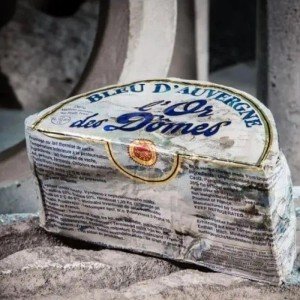
Bleu d'Auvergne Cheese Whole Wheel - 2.75 Lbs
Indulge in the rich and creamy flavor of this authentic French blue cheese, perfect for your cheese boards or delicious recipes
Product information
Product Review Score
Product links
...or in a smaller version..
4.53 out of 5 stars
HERVE MONS 1924 Bleu Cheese - 1 lb
Rich and creamy with a distinct tangy flavor that cheese lovers will adore
Product information
Product Review Score
Product links
- In Shops: Look for the AOP label at specialty cheese shops or French markets.
- Online: Retailers like Cheese Etc. ship internationally.
- Storage: Keep it wrapped in wax paper (not plastic!) in your fridge’s veggie drawer. Eat within 1-2 weeks.
Fun Facts & Trends
- Festival Fame: Auvergne hosts cheese-rolling races where locals chase Bleu d’Auvergne wheels down hills!
- Eco-Cheese: Some makers now use renewable energy in production.
- Vegan Twist: Startups are crafting plant-based blues, but none rival the real deal… yet.
FAQ
Q: Can I freeze Bleu d’Auvergne?
A: Freezing dulls the flavor—stick to the fridge!
Q: Is it gluten-free?
A: Yes! The mold cultures are gluten-free.
Q: Why does mine taste stronger than usual?
A: Longer aging = bolder flavor. Try a younger wheel next time!
Recipe: 5-Minute Bleu d’Auvergne & Pear Crostin
 Ingredients:
- Baguette slices
- Bleu d’Auvergne
- Sliced pears
- Honey
Toast the bread, layer with cheese and pears, drizzle with honey, and broil for 2 minutes. Boom—gourmet snack!
Bleu d’Auvergne Deep Dive: From Terroir to Table
When you take a bite of Bleu d’Auvergne, you’re diving into a world of robust flavors and rich history. This artisanal cheese hails from the Auvergne region of France, an area known for its volcanic soil and lush pastures that give the milk its unique mineral tang. Fun fact: The region’s volcanic caves were originally used for aging cheese, as their natural humidity and cool temperatures created the perfect environment for mold development—a tradition that continues today in modern cellars!
What sets Bleu d’Auvergne apart? It’s all about that marbled blue-green veining, which comes from the Penicillium roqueforti mold injected during production. But here’s a quirky twist: In the 19th century, farmers believed the mold’s growth was influenced by the phases of the moon! While we now know oxygen (not lunar cycles) fuels the process, it’s a charming reminder of the folklore surrounding this cheese.
The cheese is aged for five to six weeks, allowing it to develop a mellow yet complex character—a delightful balance of sharpness and creaminess. For a true taste of tradition, seek out versions made with raw milk (learn more about raw milk cheese regulations); they’re often described as having a « wilder » flavor profile reminiscent of the original 1850s recipe.
Modern Production Insights
Today, Bleu d’Auvergne’s PDO status is safeguarded by 1,450 dairy farmers and 11 producers, including five farmstead cheesemakers. The SIRBA syndicate, established in 1972, ensures strict adherence to traditional methods while supporting innovation. As Chef Élodie Renault notes: « Bleu d’Auvergne’s magic lies in its duality—fiery volcanic terroir translated into creamy blue harmony. It’s like tasting geology. »
| Cheese | Annual Production | Aging Period | Milk Type | PDO Year |
|---|---|---|---|---|
| Bleu d’Auvergne | 7,800 tons | 5-6 weeks | Cow | 1975 |
| Roquefort | 19,000 tons | 3-5 months | Sheep | 1925 |
| Fourme d’Ambert | 6,200 tons | 8-10 weeks | Cow | 1972 |
How to Enjoy Bleu d’Auvergne Like a Pro
Enjoying Bleu d’Auvergne is all about savoring its rich flavors. This classic French blue cheese has a creamy texture and a tangy kick that can elevate everything from weeknight dinners to fancy parties. Here’s how to make it shine:
Pair It with the Right Foods:
- Fruit: Try it with sweet, juicy pears or figs. The sweetness balances the cheese’s boldness beautifully.
- Nuts: Walnuts or candied pecans add crunch and contrast.
- Meats: Pair with cured meats like prosciutto or smoky speck (discover the history of cured meats).
« The raw milk versions carry whispers of wild herbs from our Auvergne meadows—a flavor you can’t replicate with pasteurization. » – Fromager Jacques Dupont Source: Cheese Connoisseur Magazine
Unexpected Pairings & Serving Secrets
Pairing Bleu d’Auvergne with the right foods can turn a snack into a revelation. Try these combos:
- Wines: Beyond Sauternes, try a spicy Gewürztraminer or a funky natural orange wine (explore French wines for charcuterie).
- Condiments: Fig jam or black truffle honey lean into its earthy notes.
- Surprise Star: Dark chocolate! The bitterness contrasts wonderfully with the cheese’s saltiness.
Historical Tidbit: In the early 20th century, Auvergne cheesemongers would deliver Bleu d’Auvergne by bicycle, wrapping wheels in damp linen to keep them cool during transit. Talk about dedication!
| Cheese | Calories | Fat (g) | Protein (g) | Calcium (mg) |
|---|---|---|---|---|
| Bleu d’Auvergne | 353 | 29 | 21 | 528 |
| Brie | 334 | 28 | 20 | 184 |
| Camembert | 300 | 24 | 20 | 388 |
| Roquefort | 369 | 31 | 22 |
Conclusion
As we wrap up our journey through the rich, creamy world of Bleu d’Auvergne, we hope you’re feeling inspired to bring a taste of France’s volcanic terroir into your own kitchen. Whether you’re a seasoned cheese connoisseur or a curious newcomer, this beloved blue cheese offers a delightful balance of tangy, peppery flavors that can elevate any meal or gathering. From pairing it with sweet wines and juicy pears to incorporating it into your favorite recipes, the possibilities are as endless as they are delicious.
But why stop at Bleu d’Auvergne? The world of French cheeses is vast and varied, each with its own unique story and flavor profile waiting to be discovered. Imagine the creamy indulgence of Brie, the robust intensity of Roquefort, or the delicate mildness of Camembert. Each cheese is a testament to the artistry and tradition of French cheesemaking, and there’s always more to explore and savor.
Ready to embark on your own cheese adventure? Visit our French cheese category at Delifoodshop to shop for the perfect cheese for you. Whether you’re looking to recreate a classic French cheese board or experiment with new flavors, we’ve got you covered. Dive in, explore, and let your taste buds guide you through the wonderful world of French cheeses. Bon appétit!