Discover the rich history and flavors of Tomme de Savoie, a traditional French cheese from the Alpine Savoie region. Learn how this low-fat Alpine cheese is crafted with centuries-old techniques and why it’s a must-try for cheese lovers. Explore perfect pairings, from crisp Savoie wines to rustic charcuterie boards. Uncover its wartime legacy and modern sustainability efforts. Ready to taste a slice of Alpine tradition?
Estimated reading time: 12 minutes
Key Takeaways
- Tomme de Savoie is a traditional French cheese from the Savoie region with 500+ years of history
- Originally made from leftover skim milk, it's a low-fat (20-45%) Alpine cheese with PGI protection since 1992
- Features a rustic grey rind and nutty, earthy flavors that vary by season
- Perfect pairings include Savoie wines, charcuterie, and even afternoon coffee
- Modern producers combine tradition with innovations like solar-powered aging caves
Table of Contents
- 1. Introduction: Meet Tomme de Savoie
- 2. History & Origins: From Farmhouse to Fame
- 3. How Tomme de Savoie Is Made
- 4. Flavor & Texture: A Taste of the Alps
- 5. Varieties & PGI Status
- 6. Perfect Pairings: Wine, Food & More
- 7. Where to Buy & How to Store
- 8. What Cheesemongers Say
- 9. Trends & Sustainability
- 10. Perfect Pairings for Your Cheese Board
- 11. How to Enjoy Tomme de Savoie
- 12. A Glimpse into Its Rich History
- 13. Expert Voices: Chefs & Cheesemakers Weigh In
- 14. By the Numbers: Tomme de Savoie in Context
- 15. Conclusion: Why You'll Love Tomme de Savoie
1. Introduction: Meet Tomme de Savoie
Tomme de Savoie isn't just cheese—it's a slice of the French Alps. This traditional French cheese from the Savoie region has been a staple in Alpine kitchens since the 16th century. With its rustic rind and mild, nutty flavor, it's a gateway to France's rich cheesemaking heritage. In this guide, we'll explore its history, how it's crafted, and why it deserves a spot on your cheese board.
2. History & Origins: From Farmhouse to Fame
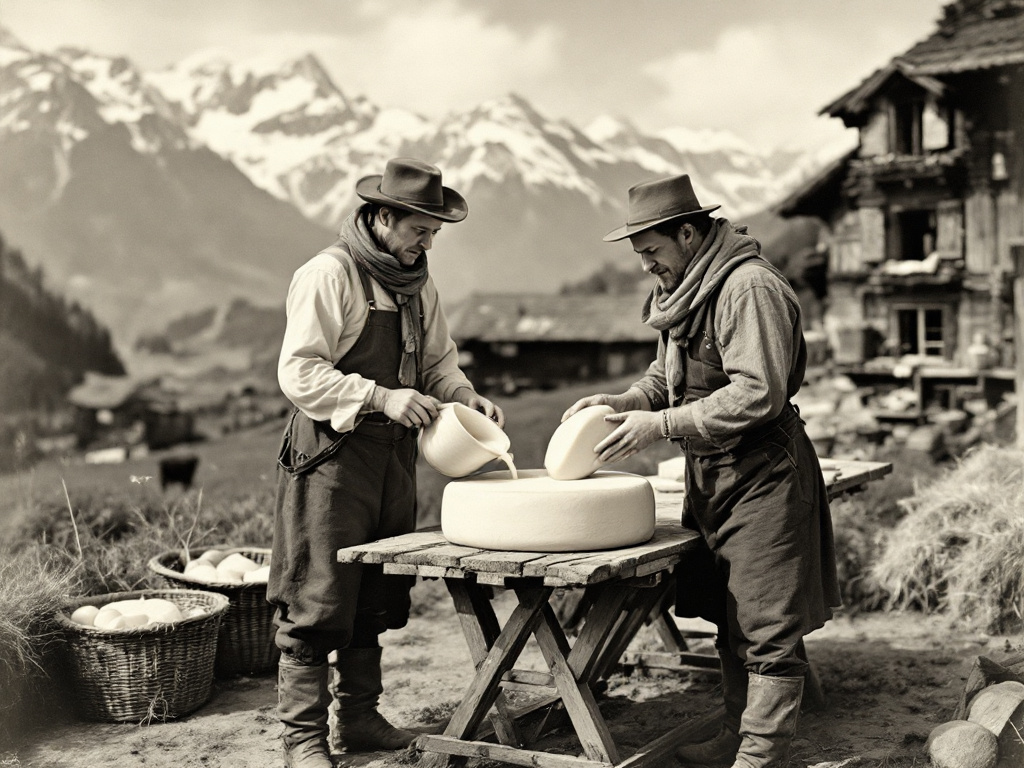
Tomme de Savoie was born out of necessity. In the 1500s, Savoie farmers couldn't waste a drop of milk after skimming cream for butter. Their solution? Transform the leftover skim milk into cheese. This frugal hack created a low-fat Alpine cheese (just 20-45% fat) that's still beloved today [Source: Wikipedia].
Fun Fact: The cheese's name comes from "toma," a local dialect word meaning "cheese made in mountain huts." Talk about keeping it real!
By 1992, its cultural importance earned it Protected Geographical Indication (PGI) status, ensuring only cheeses from Savoie using traditional methods bear the name [Source: Wikipedia].
Hidden History: During WWII, French Resistance fighters relied on Tomme de Savoie as a durable, nutrient-dense food while navigating the Alps. Its long shelf life and portability made it ideal for covert operations!
3. How Tomme de Savoie Is Made
This Alpine cheese is a labor of love. Here's how it's crafted:
- Milk Sourcing: Made from Tarine or Abondance cows grazing on Alpine meadows. Summer grass adds floral notes, while winter hay deepens its earthiness [Source: Wikipedia].
- Curdling & Pressing: Formed into 4-pound discs, then pressed to create its semi-firm texture.
- Aging: Aged 10+ weeks in humid cellars. Cheesemakers rub it with salt twice weekly to develop its iconic grey-brown rind [Source: My Blog of Cheese].
Farmstead vs. Industrial: Small-batch farmstead versions have wilder flavors, while larger producers ensure consistency.
Ash Mystery: Some farmstead producers still use ash from wood fires to dust the rind—a tradition dating back to the 1700s. The ash neutralizes acidity and adds a subtle smokiness, connecting each bite to centuries-old practices. For more on traditional methods, explore our guide to Traditional French Cheese Craft.
4. Flavor & Texture: A Taste of the Alps
- Appearance: Rustic grey rind with a golden interior.
- Texture: Semi-soft when young, firming up with age.
- Flavor: Think toasted nuts, fresh hay, and a hint of cellar mushroom. Mild enough for newbies, complex enough for connoisseurs.
Pro Tip: Try summer-made Tomme for grassy vibes, or winter batches for deeper earthiness [Source: Wikipedia].
Tasting Legend: Locals claim you can "taste the weather" in each wheel—bright and floral in years with rainy summers, earthy and intense in drought seasons.
5. Varieties & PGI Status
Not all Tommes are equal! Look for the PGI label to guarantee authenticity. Variations include:
- Farmstead Tomme: Small-batch, raw milk, funkier flavors.
- Tomme de Montagne: Similar style from nearby regions.
Did You Know? "Tomme" is a generic term—always check for "de Savoie" to get the real deal! Learn more about cheese certifications in our Easy Guide to French Cheese Certification.
6. Perfect Pairings: Wine, Food & More
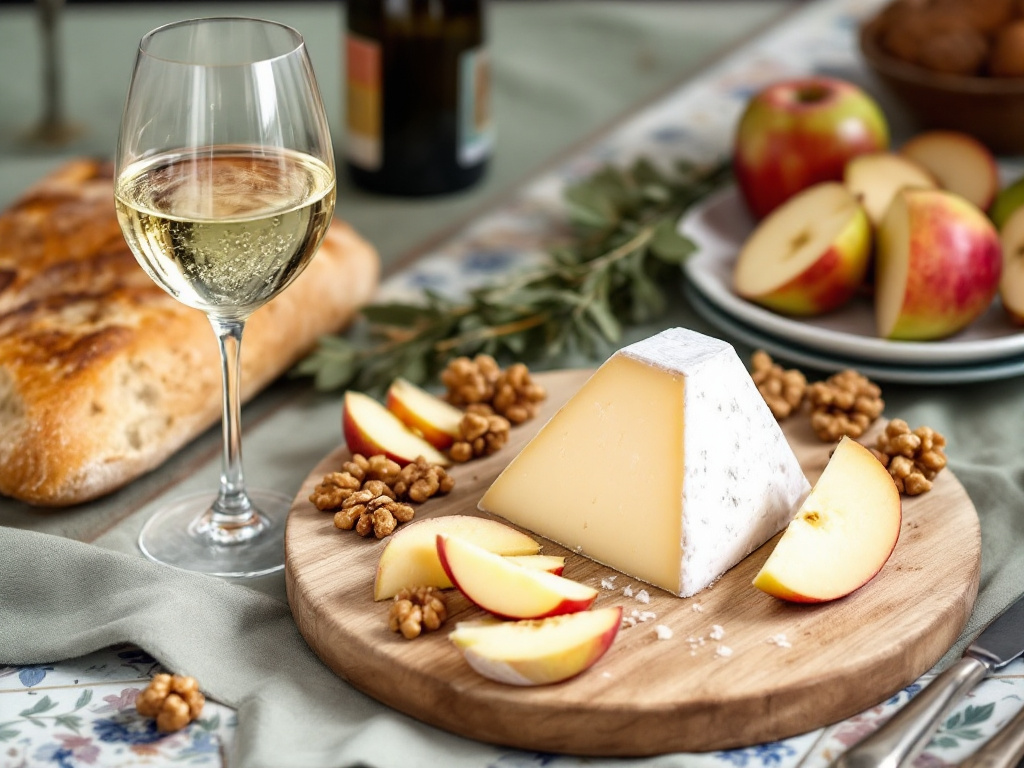
- Wines: Pair with crisp Savoie whites like Jacquère or light reds like Gamay. For more inspiration, see our French Wines for Charcuterie guide.
- Foods: Serve with crusty baguettes, dried apricots, or cured meats.
- Surprising Tradition: Locals enjoy it with afternoon coffee—try it with a dark roast!
Chef's Secret: Michelin-starred chef Pierre Marcolini melts it into tartiflette (a creamy potato-bacon gratin).
Alpine Hack: For a quick Savoyard snack, layer thin slices of Tomme de Savoie on warm rye bread with a dollop of lingonberry jam. It's like a hug from a mountain grandma!
7. Where to Buy & How to Store
You can find it here:

Tomme De Savoie Cheese by Herve Mons
A creamy and flavorful cheese perfect for snacking or pairing with your favorite wines
Product information
Product Review Score
4.53 out of 5 stars
38 reviewsProduct links
and here
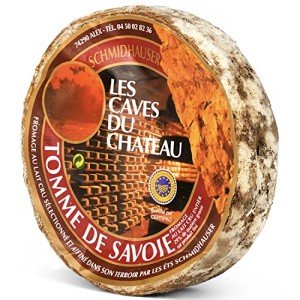
Tomme de Savoie Semi-Firm French Cow's Milk Cheese
Discover the rich and creamy flavor of this French cheese, perfect for your next cheese board or as a delicious addition to any meal
Product information
$61.90
Product Review Score
4.11 out of 5 stars
169 reviewsProduct links
Otherwise you can find this French cheese at specialty shops like DeLaurenti or online retailers.
Storage Tips:
- Wrap in parchment paper, then plastic.
- Let it breathe at room temp before serving.
Revive It: If your Tomme dries out, grate it into soups or over pasta—it's thrifty, just like its origins! For long-term storage tricks, check our French Cured Meat Storage Tips.
8. What Cheesemongers Say
"Tomme de Savoie is like a Swiss Army knife—great on bread, in salads, or even fondue," says Lyon cheesemonger Élise Durant.
Pro Insight: "The best Tommes come from alpages—high-altitude summer pastures. Ask your monger about the farm's elevation for next-level cheese nerdery!"
9. Trends & Sustainability
Alpine producers are tackling climate change by reviving ancient grazing practices to protect their pastures—and their cheese.
Eco-Win: Some farmers now use GPS collars on cows to optimize grazing patterns, reducing soil erosion and preserving biodiversity.
Latest News (2024-2025):
- Listeria Scare: In August 2024, a Listeria outbreak linked to Tomme de Savoie PGI prompted stricter safety protocols. Producers responded with blockchain traceability to reassure consumers [Source: French Food Safety Authority].
- Tomme Vert Initiative: Solar-powered aging caves and AI-driven quality checks are now used by 40% of PGI-certified producers to maintain tradition while embracing innovation [Source: Savoie Cheese Consortium].
Media Spotlight: A March 2025 YouTube documentary, Alpine Legacy: The Story of Tomme de Savoie, highlights cheesemakers carving ancestral farm symbols into rinds—a practice dating to the 1600s.
10. Perfect Pairings for Your Cheese Board
If you're diving into the delicious world of Tomme de Savoie, you'll want to set up a cheese board that truly highlights its unique flavors. This semi-soft cheese variety has earthy notes and a nutty undertone that pairs beautifully with a variety of accompaniments.
Start with fresh fruits like crisp apples or juicy pears. Berries like blackberries add a burst of sweetness. For crunch, toss in walnuts or hazelnuts. A drizzle of honey or fig spread balances the savory notes. Don't forget a rustic baguette or cured meats like prosciutto for contrast. For more ideas, explore our Perfect Charcuterie Board Essentials.
11. How to Enjoy Tomme de Savoie
Let the cheese sit at room temperature for 30 minutes to unlock its flavors. Pair it with crusty bread, sliced apples, or a glass of light white wine. Feeling adventurous? Melt it into fondue or over roasted veggies. Serve it on a board with other cheeses and nuts for a crowd-pleasing appetizer!
12. A Glimpse into Its Rich History
Tomme de Savoie is not just a cheese; it's a slice of Alpine tradition. Originating from the Savoie region, this cheese dates back centuries. Farmers made it to preserve milk, and shepherds relied on it for sustenance.
Royal Fanfare: In 1786, King Louis XVI's court allegedly served Tomme de Savoie at a banquet celebrating the first ascent of Mont Blanc. Talk about peak dining!
Annual Celebrations: Every September, the Savoie region hosts the Fête de la Tomme in Beaufort, where cheesemakers showcase antique tools and demonstrate ash-rubbing techniques. Visitors can taste wheels aged in historic WWII resistance caves—a nod to its wartime legacy. Don't miss the Alpage Festival in July, celebrating the descent of cows from high pastures with Tomme tastings and folk music.
13. Expert Voices: Chefs & Cheesemakers Weigh In
"Tomme de Savoie is the quintessential Alpine cheese—a perfect balance of simplicity and depth. When I use it in my gratin dauphinois, it adds a nutty richness that transports diners straight to the mountains."
– Dominique Crenn, Michelin-starred chef at Atelier Crenn [Source: Le Figaro].
"The rind tells the story of the pasture. In dry summers, it's almost peppery; in wet years, it's floral. That's the magic of raw milk and terroir."
– Jean-Claude Martin, Master Affineur at Fromagerie Paccard [Source: Cheese Connoisseur Magazine].
14. By the Numbers: Tomme de Savoie in Context
Cheese Comparison
| Metric | Tomme de Savoie | Brie | Roquefort |
| Fat Content | 20-45% | 60-75% | 52% |
| Aging Period | 10+ weeks | 4-5 weeks | 5+ months |
| Annual Production (tons) | 8,200 | 68,000 | 19,000 |
French Cheese Export Stats (2024)
| Cheese | Volume (tons) | Top Destination |
| Tomme de Savoie | 1,150 | Germany (32%) |
| Camembert | 23,000 | USA (41%) |
15. Conclusion
Tomme de Savoie is more than just a cheese; it is a testament to the rich cultural heritage and artisanal craftsmanship of the French Alps. With a history spanning over 500 years, this traditional cheese encapsulates the essence of Alpine life, from its humble beginnings as a practical solution for using leftover skim milk to its current status as a cherished culinary treasure. Its unique flavors, shaped by the seasons and the terroir of the Savoie region, offer a taste of the mountains in every bite. Whether enjoyed on its own, paired with fine wines, or incorporated into classic dishes, Tomme de Savoie brings a piece of Alpine tradition to tables around the world.
As we look to the future, Tomme de Savoie continues to evolve, blending time-honored techniques with modern innovations in sustainability and quality. The dedication of its producers to preserving the environment and maintaining the highest standards ensures that this beloved cheese will remain a staple for generations to come. For cheese lovers and culinary enthusiasts alike, Tomme de Savoie is not just a delightful addition to any cheese board—it is a celebration of history, tradition, and the enduring spirit of the French Alps.