- Corsican cheeses gain their unique flavors from sheep and goats grazing fragrant herbs in wild Mediterranean maquis.
- Brocciu AOP, the island’s signature cheese, embodies freshness and cultural pride, legally protected since 1983.
- Traditional aging and production methods, including affinage and wooden cave maturation, preserve rich terroir notes.
- Corsican cheese features surprising health benefits with probiotic qualities and digestibility superior to many mainland cheeses.
- Festivals, rituals, and chef endorsements highlight the deep cultural significance and culinary versatility of Corsican cheese.
Table of Contents
Discover the Wild, Authentic Flavors of Corsica’s Cheese Heritage 🧀🐑
Corsica’s cheeses are not just foods—they’re rich cultural legacies crafted amid rugged landscapes and aromatic herbs. From the silky freshness of Brocciu to the daring intensity of Casgiu Merzu, Corsican cheeses reflect terroir, tradition, and time-honored craftsmanship. This guide uncovers origins, production secrets, and pairing tips that guarantee a delightful culinary adventure. Dive deep into the heritage of one of France’s most unique cheese-producing regions and learn why these island treasures stand apart. Whether a cheese connoisseur or curious gourmet, you’re in for a tasty voyage!
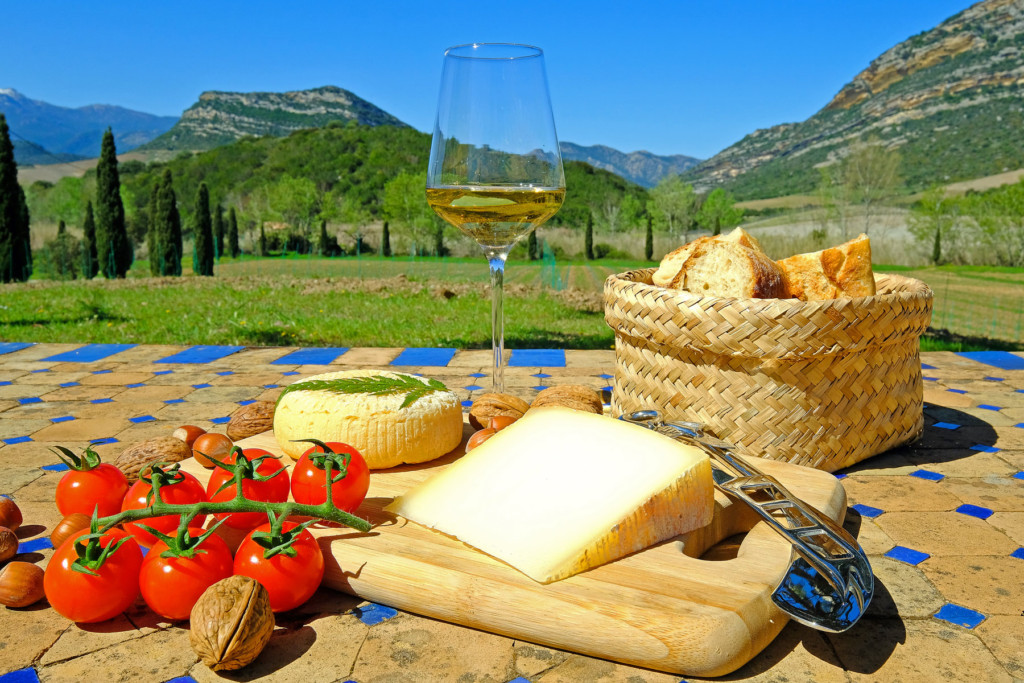
Ancient Traditions in the Mountains
Centuries ago, Corsican shepherds discovered the magic of mountain herbs infused into their cheese through grazing animals. Nestled in rugged highlands, *bergers* utilized raw milk from sheep and goats to create long-lasting cheeses essential for their survival during harsh winters. They lived in *bergeries* — stone huts perched above the tree line — where they passed down rituals like singing to their flocks, believing this care improved milk quality and cheese flavor. These traditions have survived through generations, creating an unmatched, timeless cheese heritage.
The interaction between traditional knowledge and nature forged a unique cheese-making culture. Utilizing caves and cellars with ideal humidity and temperature became a natural affinage method, enhancing the complexity of aging cheeses like Niolo. This symbiosis between man, animal, and environment defines Corsica’s cheese origins and is still evident in artisanal production today.
Raw Milk and AOP Certification: Protecting Heritage
Raw milk plays a pivotal role in authentically capturing the island’s terroir. Though raw milk cheeses have faced regulatory pressures—primarily through evolving European Union food safety laws to safeguard public health—Corsican producers maintain their practices under stringent AOP (Appellation d'Origine Protégée) certifications. The AOP safeguards protect Corsican cheese recipes and methods, ensuring that traditional flavors remain untouched by mass production.
Shepherds’ sustainability-focused approach not only sustains biodiversity but creates a product rooted in its environment. Recent debates revolve around balancing safety regulations with preserving artisanal craft. Thus, Corsican cheese stands at an intriguing crossroads of heritage and modernity, with producers adapting without losing authenticity. Discover more about these fascinating customs and ongoing challenges.
Popular Corsican Cheese Varieties
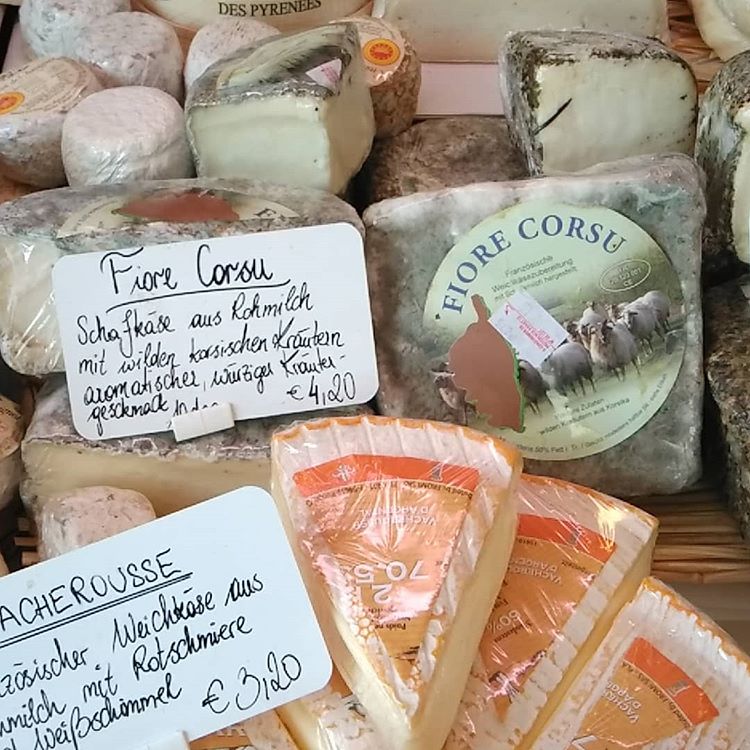 The Island’s Crown Jewels
Corsica's cheese varieties mirror the island’s wild landscapes and rich traditions. At the heart is Brocciu (AOP), often called Corsica’s "national cheese." This fresh, whey-based cheese made from sheep milk boasts a creamy texture akin to ricotta but with deeper flavor notes. A Corsican favorite in desserts like fiadone (lemon cheesecake) or simply fresh with honey, Brocciu carries cultural weight with legends joking that stealing it is worse than common theft!
Other notable varieties include Niolo, an aged, spicy sheep’s cheese offering a bold punch from mountain herbs out of goats’ reach. The delicate and spreadable Fleurette presents a gentle contrast with its fresh, buttery character, perfect for light meals or snacks. Then there's the nutty, firm Calenzana, enjoying creamy pairings like fig jam, and the rustic Smoked Casgiu Sartinesu, infused through chestnut wood in time-honored smoking methods that reflect Corsica’s wooded heritage.
Hidden Gems and Beyond
Corsica also boasts lesser-known but intriguing cheeses like Casgiu Merzu, a fermented delicacy often described as daring and intense because it contains live maggots. Though rare today due to regulations, it speaks volumes about the islanders’ cheese inventiveness. Fresh cheeses like Fior di Latte, Corsica’s answer to mozzarella, and tangy Fetta di Bufala crafted from water buffalo milk, enrich the island’s cheese landscape with vibrant flavors.
Collectively, Corsican cheese varieties elevate the island’s reputation for producing cheeses characterized by boldness, tradition, and terroir-driven nuances. For a comprehensive exploration of the spectrum of flavors, textures, and stories behind these cheeses, see more varieties and fall in love with Corsica’s artisan treasures.

Isigny Ste Mère Double Cream Brie Cheese, 350g
Indulge in the rich and creamy flavor that transforms any dish into a gourmet experience
Product information
Product Review Score
4.38 out of 5 stars
166 reviewsProduct links
Cheese Production in Corsica
Seasonal Rhythms and Raw Milk Mastery
Cheese production in Corsica is intrinsically connected to the island’s seasonal cycles. Spring rains awaken flowery meadows that nourish sheep, enabling them to produce richer, high-quality milk. This seasonal miracle allows cheesemakers to craft exceptional batches with concentrated flavors. Dawn-to-dusk craftsmanship involves traditional techniques—copper vats heated over wood fires—highlighting a deep respect for artisanal processes.
Raw milk is revered for authentically preserving the island's unique flora within every whey or curd. This dairy captures the symbiotic relationship between animal diet, environment, and flavor profile. Because raw milk cheeses often contain beneficial microflora, their producing artisans practice meticulous hygienic methods under strict regulation, ensuring safety without sacrificing quality.
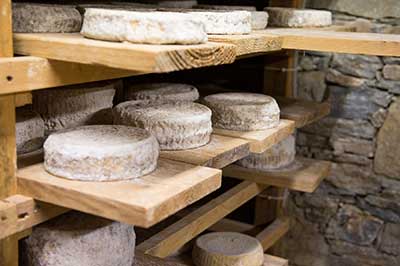
Aging Secrets and AOP Rules
A key element in Corsican cheese production is affinage—the art of aging. Cheeses like Niolo mature on wooden planks in seaside cellars enveloped by salt-laden breezes, fostering complex crusts and bold tastes. This process demands patient hands and sharp senses to time the perfect ripeness. The AOP guidelines strictly govern each step—from milk collection to ripening—to protect quality and heritage authenticity.
This rigorous framework allows consumers to trust that every wheel of Corsican cheese reflects tradition and terroir integrity. Beyond legal standards, cooperative initiatives among producers ensure innovative resilience despite regulatory challenges. The symbiotic dance between nature’s elements and human expertise defines Corsica’s cheese production today.
President Brie Cheese, 8 oz Round
Indulge in the creamy, rich flavor of this classic French cheese that pairs perfectly with your favorite crackers and fruit
Product information
$4.70
Product Review Score
4.26 out of 5 stars
21 reviewsProduct links
Cultural Significance of Corsican Cheese
Festivals and Folklore
On Corsica, cheese is woven into the social and cultural fabric. The annual Fête du Brocciu bursts with vibrant celebrations of giant cheese pies and traditional *paghjella* folk songs that unite locals in joyful homage to their edible heritage. Similarly, the Casinca Festival showcases smoked Casgiu Sartinesu alongside sweet chestnut cakes, illustrating how cheese transcends mere nutrition to become a festival centerpiece.
These festivals serve as extensions of the island’s communal identity, where age-old recipes and rituals are cherished and shared. Elders teach youngsters milking and cheese-making during seasonal gatherings, preserving not just tastes but also life philosophies grounded in sustainability and respect for nature.
Cheese and Longevity: A Culinary Bond
One of Corsica’s most intriguing cultural claims relates to longevity, with studies crediting diets rich in local cheeses, aromatic herbs, and seasonal produce for exceptional health outcomes. The legendary Casgiu Merzu, with its bold presence, reflects Corsican courage and an unyielding spirit of culinary adventure—though it is rarely consumed today, it holds symbolic potency.
Cheese reinforces community bonds, offering a delicious reason for social gatherings, storytelling, and cultural continuity. It helps preserve a traditional mountain lifestyle that embraces both heritage and innovation, reminding us that food is a powerful vessel of identity and wellbeing. For more on how cheese festivals enrich Corsican culture, explore cheese festivals and immerse yourself in island traditions.
Health Benefits of Corsican Cheese
Nutritional Profile and Digestibility
Corsican cheeses are nutritional powerhouses, packed with high-quality protein and calcium essential for bone health. Thanks to sheep and goat milk’s smaller fat globules compared to cow’s milk, these cheeses often present easier digestibility, making them suitable for consumers with sensitivities. Brocciu, in particular, contains probiotics that aid gut health and support the microbiome, adding a functional health dimension beyond taste.
While not entirely lactose-free, Corsican cheeses have lower lactose levels, allowing for moderate indulgence by those who are lactose sensitive. Their abundance of zinc and vitamin B12 has earned praise from nutritionists, dubbing them a "Mediterranean multivitamin." This combination of digestibility and rich nutrients makes the island’s cheeses particularly beneficial in balanced diets.
Dietary Synergy with Local Foods
Corsican cheese’s health benefits are amplified when consumed within the island’s natural food ecosystem. Accompanying fresh figs, nuts, and honey—common local pairings—introduce fiber, antioxidants, and natural sweetness, creating a well-rounded palate experience that nourishes body and soul. The traditional maquis herb diet, feeding the animals, subtly transfers polyphenols and beneficial compounds into the milk, enriching the cheese’s profile.
The synergy of terroir and diet contributes not only to the cheeses’ exceptional flavor but possibly also to the famed longevity of Corsicans. For those seeking healthier deli options paired with Corsican cheese, take a look at these healthy deli choices, enhancing both taste and wellbeing.
Whole Foods Market Gruyere Cheese Slices, 8 oz
Deliciously nutty and creamy, perfect for sandwiches, burgers, or snacking
Product information
Product Review Score
4.32 out of 5 stars
110 reviewsProduct links
Where to Buy Corsican Cheese
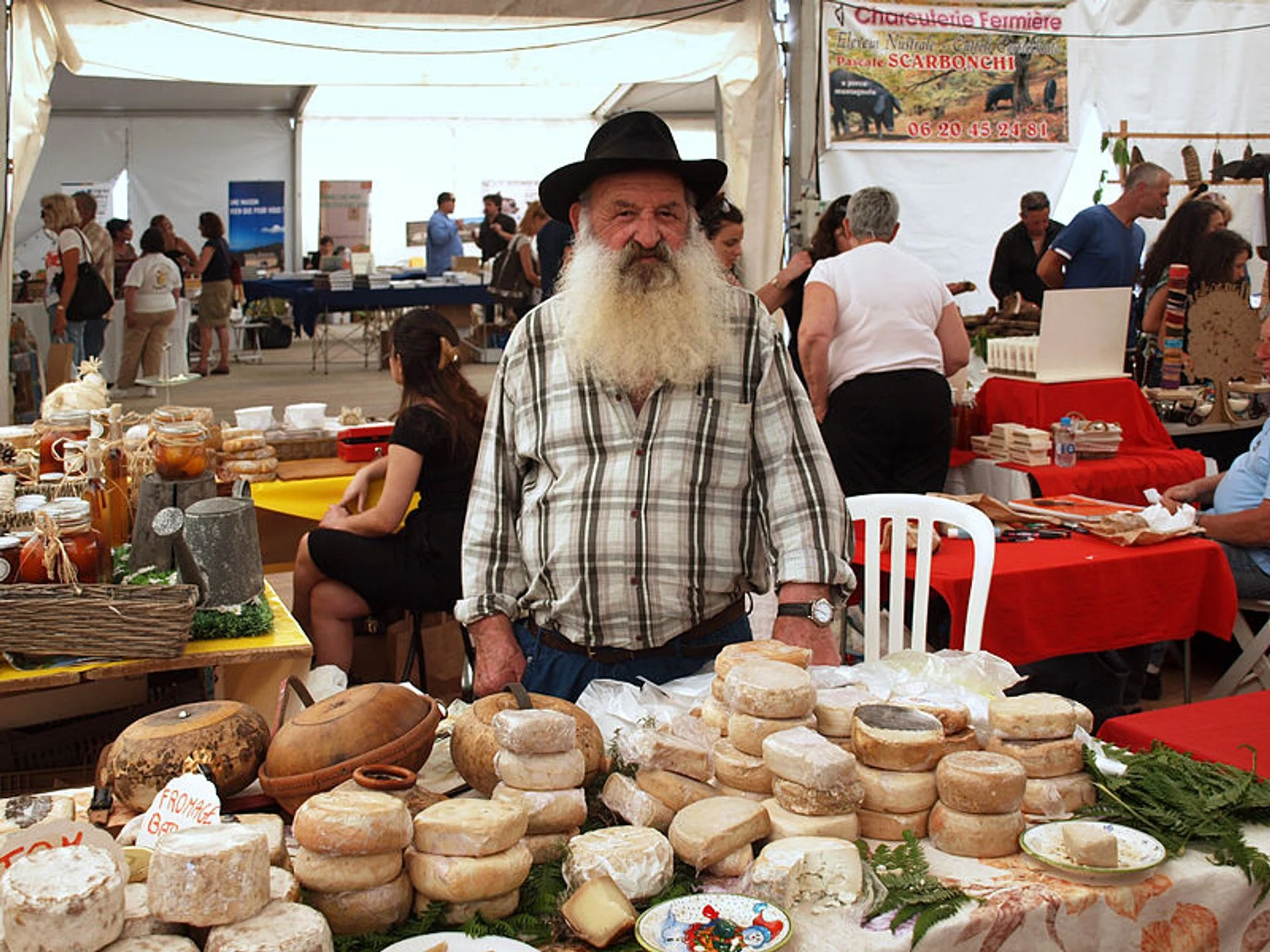 Local Markets and Specialty Shops
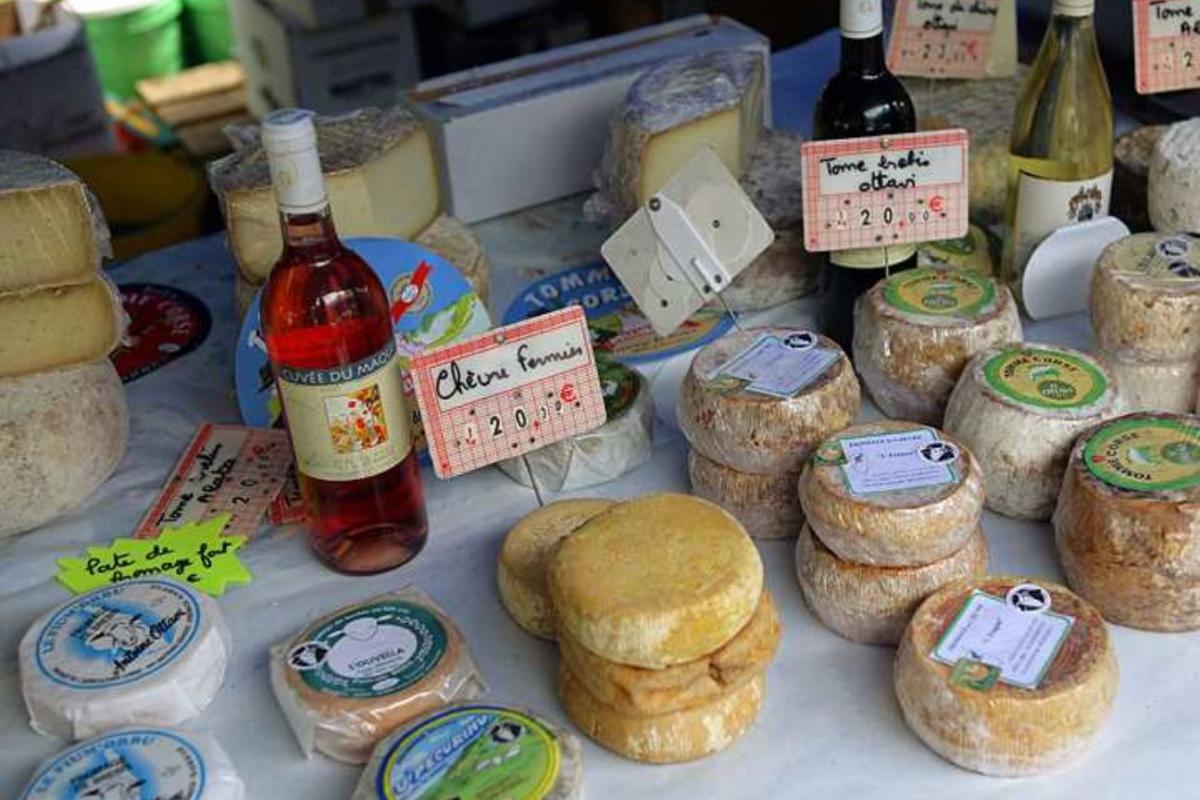
If visiting Corsica, immerse yourself in local markets like those in Ajaccio or Bastia, where producers sell fresh, farmstead cheeses directly to consumers. These bustling hubs allow for rich interactions with cheesemakers, providing authentic sampling experiences straight from the *bergeries*. Specialty cheese shops outside Corsica also frequently carry prized varieties; simply ask if they can source Corsican classics such as Brocciu or the more adventurous Casgiu Merzu.
Don’t hesitate to inquire about provenance—knowledgeable cheesemongers appreciate customers who value authenticity. For casual browsing or last-minute purchases, check larger grocery stores’ international sections where iconic Corsican cheeses occasionally appear.
Buying Online and Pairing Opportunities
For global cheese lovers, retailers like Monsieur Fromage provide international shipping with AOP-certified guarantees. Many gourmet online shops specialize in Corsican imports, but always verify shipping policies to your region. An exciting tip: some Corsican vineyards, such as Clos Culombu, offer exclusive wine and cheese tasting events—perfect for those wanting to savor perfect pairings in picturesque settings. Book in advance to secure your spot and elevate your cheese experience.
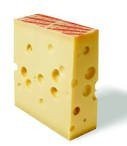
Swiss Emmentaler Cheese (3.5 lbs) AOC
Experience the rich, nutty flavor of authentic Swiss Emmentaler cheese, perfect for sandwiches, fondues, and snacking
Product information
$62.91
Product Review Score
4.48 out of 5 stars
107 reviewsProduct links
Expert Opinions & Chef Recommendations
Chef Jacques Pépin’s Take on Brocciu
"Brocciu is Corsica's edible poetry—its silkiness transforms humble omelets into luxuries and desserts into revelations. But its true magic? How it carries the island’s wild herbs in every spoonful."
Pépin highlights the unique terroir infusion in Brocciu that elevates simple dishes. His recommendation to fold it into omelets or desserts emphasizes the cheese’s versatility and exquisite texture, inviting culinary creativity.
Sommelier Pairing Tips
Sommelier insights suggest pairing the distinct profiles of Corsican cheeses with local wines and complementary flavors:
- Niolo matches beautifully with Corsican red wines made from the Niellucciu grape, enhancing their peppery notes.
- Brocciu shines when partnered with honey-drizzled figs and syrupy chestnut beer, balancing sweetness and creaminess.
- Calenzana pairs well with apricot jam and calming herbal teas, rounding out its nutty flavors.
Hints & Tips: How to Enjoy Corsican Cheese
Serving Recommendations
- Always serve Corsican cheeses at room temperature to unleash their full aroma and flavor potential.
- Pair aged cheeses with natural sweeteners such as chestnut honey or fig chutney to balance their robust character.
- Sprinkle crumbled Brocciu over pasta dishes to add creamy texture without cooking—it melts gently into the sauce.
What to Avoid
- Avoid microwaving Brocciu, as this ruins its smooth texture, turning it grainy and unpleasant.
- Do not overchill cheeses; cold temperatures mute the rich tastes and aromas essential to Corsican cheese.
For adventurous palates, pairing Casgiu Merzu on crusty bread with Corsican cured meats creates an unforgettable tactile and gustatory experience.
Storing and Consuming Safely
Optimal Storage Practices
For freshness, wrap Corsican cheese in wax paper—not plastic—to allow the cheese to breathe and maintain texture. Store cheeses in the refrigerator’s crisper drawer at temperatures between 4°C and 8°C for ideal preservation. Fresh cheeses like Brocciu should be consumed within five days, while aged varieties can last up to two to three weeks. Always inspect for spoilage signs such as pink mold or ammonia-like odors and discard if detected.
Long-Term Aging Techniques
For aficionados aging Corsican cheeses like Niolo, mastering long-term preservation techniques is crucial. Consult resources such as expert guides on affinage, humidity control, and optimal cellar conditions. Properly maintained, these cheeses develop complex flavors and textures that reward patience and attention to detail. A nod to tradition, this process respects the craftsmanship and terroir integral to Corsican cheese’s identity.
More Corsican Cheese Adventures & Perfect Pairings
 Hidden Stars and Legends
Beyond famous cheeses, Corsica offers delightful surprises. Fior di Latte, reminiscent of mozzarella, adds creamy freshness perfect in Caprese salads. Its delightfully accidental invention—by a shepherd adding wild mint—illustrates the island’s ingenious approach to dairy. Fetta di Bufala, a sharp water-buffalo cheese drizzled with olive oil, holds a symbolic place, once shared during village truces to cement peace.
These lesser-known varieties complement traditional Corsican cheese selections, broadening the scope of tastes and textures available to curious gourmets and connoisseurs alike.
Pairing Magic
Perfect cheese pairings elevate tasting into a sensory experience:
- Fruity Bliss: Brocciu loves ripe peaches, its creamy nature melting alongside juicy sweetness.
- Savory Wins: Niolo’s nutty intensity dances with salty Corsican charcuterie like *coppa*.
- Crunch & Cream: Casgiu Merzu dazzles on crusty artisan bread, delivering a textural symphony.
- Wine Matches: Fior di Latte refreshes with a citrusy Muscat, while Fetta di Bufala pairs harmoniously with herbal teas.
Latest News & Events in Corsican Cheese
Balancing Tradition and Modernity
Corsican cheese traditions face both celebration and challenges. While Brocciu AOP remains a testament to the island’s culinary soul—featured notably in dishes like chestnut flour pulenda—the broader French cheese landscape grapples with microbial diversity loss, threatening beloved varieties like Camembert. This trend, discussed in France Today, underscores the fragility of artisanal cheesemaking even under AOP protection.
To combat such pressures, Corsican producers foster vibrant cultural events—the Chestnut Festival in Evisa and Murzo’s Honey Fair spotlight cheeses paired with local sweets and honeys. Initiatives like the "Route of the Senses" (gustidicorsica.com) bridge travelers with shepherds, reinforcing farm-to-table authenticity while empowering small-scale herders. These efforts exemplify community dedication to preserving culinary heritage amid evolving global trends.
Corsican Cheese Data Deep Dive
| Cheese | Milk Source | Aging Period | Unique Trait | Fun Fact |
|---|---|---|---|---|
| Brocciu AOP | Sheep whey | 0-48 hours | Low lactose (3%) | Legally protected since 1983 |
| Niolo | Raw sheep milk | 3-6 months | 70% calcium content | Aged in coastal caves |
| Casgiu Merzu | Goat/sheep blend | 3+ months | 40% protein content | EU "protected cultural food" |
French Cheese Industry Insights
| Metric | France | Corsica | Significance |
|---|---|---|---|
| Annual Production | 1.9M tons | 680 tons | 0.03% of national output |
| AOP Cheeses | 46 varieties | 1 (Brocciu) | Protected since 1998 |
Nutritional Showdown: Corsican vs. Mainland Cheeses
| Cheese (100g) | Calories | Protein | Fat | Calcium |
|---|---|---|---|---|
| Brocciu (Corsican) | 180 | 11g | 14g | 250mg |
| Brie (Mainland) | 334 | 21g | 28g | 184mg |
Conclusion: A Taste of Corsica and Beyond
From the fresh, creamy Brocciu to the complex, aged Niolo, Corsican cheese offers a unique journey steeped in tradition, environment, and craft. Exploring mountain *bergeries*, the secrets of aging, and wild herb-infused pastures reveals a cheese-making culture that transcends simple food to embody deep cultural significance. The island’s cheeses also offer undeniable health benefits, linking diet and longevity in inspiring ways.
While Corsica is a shining star, it is part of the broader constellation of French cheeses, each region telling its own delicious story—from Comté’s Alpine richness to Normandy Camembert’s creamy elegance. Challenges loom, but through AOP certification and passionate artisan efforts, these cherished traditions endure. Enjoying Corsican cheeses is a celebration of history, nature, and flavor—a sensory passport to the Mediterranean’s wild heart.
Embark on your next cheese adventure by exploring the extensive selection of authentic French cheeses available at DeliFoodShop’s French Cheese Haven. Whether hosting a tasting or seeking solo indulgence, every wheel tells a story waiting to be savored. Santé et bon appétit!
FAQ Section
- Why does Corsican cheese taste wilder than mainland varieties?
Corsican sheep and goats roam freely across landscapes rich with aromatic herbs like myrtle, thyme, and juniper. These unique botanical flavors infuse their milk, creating earthy, robust profiles that differ significantly from grain-fed cow milks found on the mainland. This terroir-driven taste makes Corsican cheese a distinctive sensory adventure—and a true expression of its environment. Source: Taste of France Magazine
- Can I use Brocciu as a ricotta substitute?
Absolutely! Brocciu’s creamy, gentle texture makes it a perfect ricotta alternative in recipes. It brings a richer, tangier profile since it’s crafted from sheep whey rather than cow milk. Whether folding into lasagna, cheesecakes, or fresh salads, Brocciu lends authentic Corsican flair with a delightful twist.
- What’s the rarest Corsican cheese?
That crown goes to Casgiu Merzu — a maggot-fermented cheese embodying Corsican culinary boldness. Few producers still make it, mainly due to tight EU food-safety regulations. Despite its rarity, it’s celebrated as “Corsican courage in a wheel,” offering an adventurous tasting experience unrivaled anywhere else.
- How does AOP certification protect French cheeses?
AOP—Appellation d'Origine Protégée—is a legal framework guaranteeing that cheese follows strict production rules, including designated regions, animal feeding, methods, and aging processes. Brocciu earned its AOP status in 1983, ensuring authentic production and guarding against imitations. This protection preserves heritage while assuring consumers of genuine quality. Source: INAO
- Why is Corsican goat cheese so peppery?
Goats in Corsica scale steep cliffs and feast on spicy wild capers and peppers that grow among the rocky terrain. These bold flavors directly transfer into the milk, making the cheeses naturally peppery and aromatic, a true reflection of where and what these goats eat.
- What French cheese pairs best with Corsican wines?
Niolo’s nutty, peppery character splendidly complements the boldness of Corsican reds like those made with Niellucciu grapes from Patrimonio. Brocciu, with its creamy and fresh profile, pairs elegantly with crisp white Vermentino wines, creating delightful regional tasting duos rooted in terroir harmony.
- How can I identify authentic Corsican cheese abroad?
Look for the blue AOP labels or the "Produit en Corse" stamp attesting authenticity. When shopping, don’t hesitate to ask cheesemongers about the farm of origin or production methods. Authentic Corsican cheese often carries traceability documents, reflecting strict standards upheld by producers.
- Are French raw-milk cheeses safe to consume?
Yes! Although made from raw milk, French cheeses under AOP mill strict ingredient and hygiene controls. Raw milk plays a crucial role in capturing terroir and complex flavors that pasteurized milk can't replicate. Regulatory bodies enforce rigorous safety and microbiological testing to safeguard consumers. Source: French Ministry of Agriculture