Key Takeaways
- Saint-André is a luxurious French triple cream cheese with a high 75% fat content, offering an ultra-buttery, velvety texture.
- Originating in the 1960s, it moved production to Normandy, where the terroir and climate enhance its rich flavor and creamy consistency.
- Its unique taste blends buttery richness with subtle tangy, earthy, and lactic notes, making it perfect for pairing with specific wines and fruits.
- Saint-André's 2016 rebranding modernized its visual identity, boosting its global appeal while respecting its artisanal heritage.
- Enjoy it thoughtfully: serve at room temperature, spread on warm bread, and pair mindfully to maximize flavor and health benefits.
Table of Contents
- Introduction: What Is Saint-André Cheese?
- The History and Origin of Saint-André Cheese
- Saint-André Today: Brand Evolution and Cultural Presence
- What Makes Saint-André Unique? (Triple Cream Cheese Explained)
- Flavor Profile and Pairing Suggestions
- Health Benefits of Saint-André (Moderation & Nutrition Facts)
- Where to Buy Saint-André (Product Availability & Best Brands)
- Expert Opinions: Culinary Masters on Saint-André
- How to Store and Serve Saint-André Properly
- Do’s and Don’ts When Enjoying Saint-André
- Perfect Pairings for Your Cheese Board
- Easy Recipes Using Saint-André
- Tips for Enjoying This Creamy Delight
- Saint-André in Context: Data-Driven Insights
- Conclusion: Your Journey into French Cheese Excellence
- FAQ Section
- Further Reading: Explore More About French Cheese
Saint-André: The Buttery Triple Cream Indulgence
Discover the luxurious world of Saint-André cheese, a creamy triple cream delight with rich history and irresistible flavor.
Dive into the indulgent world of Saint-André, a French triple cream cheese renowned for its buttery richness and velvety texture. Crafted in Normandy and loved worldwide, this exceptional cheese perfectly balances tradition and innovation. Whether a cheese newbie or seasoned aficionado, Saint-André offers an unforgettable experience with every bite. Read on to explore its origin, unique qualities, perfect pairings, and expert chef insights. Embark on a flavorful journey that celebrates French dairy craftsmanship at its finest!
1. What Is Saint-André Cheese?
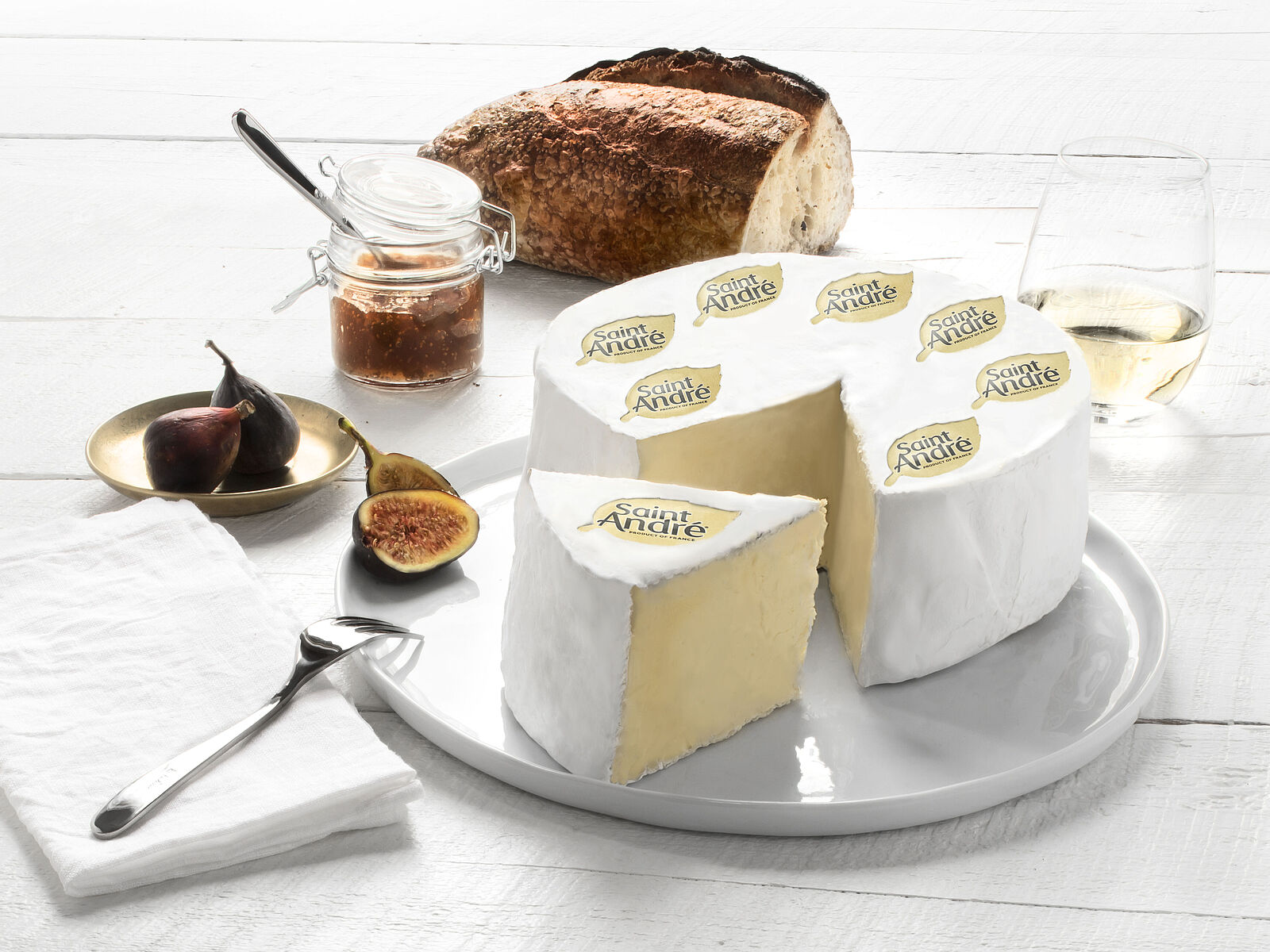 Overview of Saint-André’s Origins and Characteristics
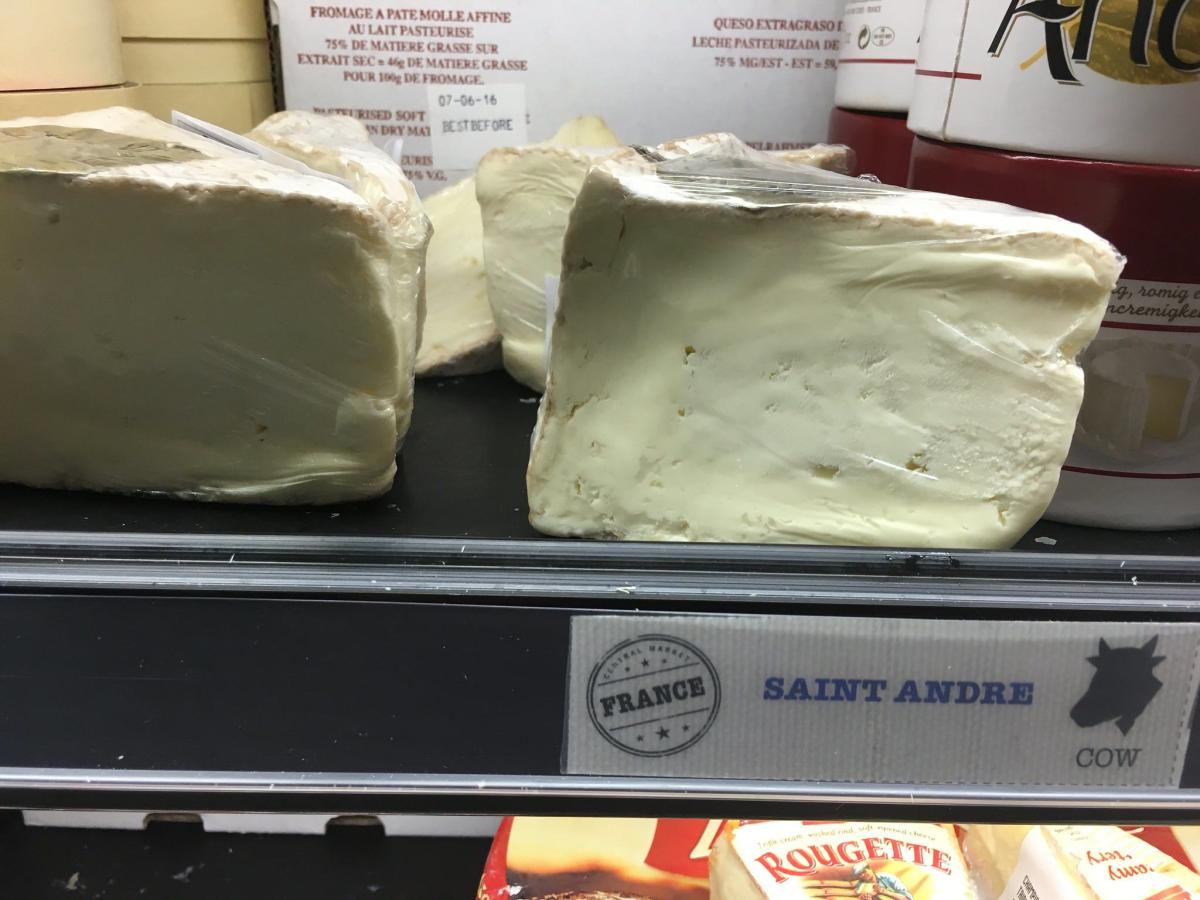
Meet Saint-André – the "heavenly cheese" that’s like a cloud of luxury for your taste buds! This superstar of French cheeses is a triple cream cow’s milk cheese recognized by its snow-white rind and a distinctive cylindrical shape. Measuring about 6cm wide and 5cm tall, and weighing roughly 200 grams, it is a compact treasure of rich flavor.
Born from France’s lush pastures, Saint-André boasts an impossibly smooth, bright-white appearance that belies its deep, buttery soul. What truly sets it apart? Its remarkable 75% fat content, derived from extra cream folded into the milk during crafting (source). Think of Saint-André as butter’s elegant cousin – indulgent, sophisticated, and utterly unforgettable.
Saint-André’s Place in the French Cheese Landscape
In the diverse panorama of French cheeses, Saint-André holds a special spot as a modern masterpiece blending tradition with culinary creativity. Unlike long-established cheeses with centuries-old roots, Saint-André emerged recently yet won hearts quickly. Its intensely creamy texture and subtle complexity make it a must-try for lovers of dairy indulgence.
Enjoying Saint-André is about savoring the rich French heritage of dairy craftsmanship, from pasture to plate. Whether on a cheese board or melted into a gourmet dish, it brings a touch of decadence that elevates any culinary moment. Ready to learn more? Let’s embark on an enchanting exploration of its history, taste, and cultural impact.
2. The History and Origin of Saint-André Cheese
Roots in Southern France and Move to Normandy
Saint-André’s origin story is a flavorful journey that begins in the 1960s in Aveyron, southwestern France. Created by the Soulié factory, the cheese initially reflected the region’s artisanal approach. However, 1974 marked a pivotal year when production moved northward to Normandy’s verdant pastures, specifically Vire in Calvados, an area known for its ideal climate and rich grazing lands.
This relocation infused Saint-André with Normandy’s unique terroir — a term that describes how the environment influences the flavors of local foods. The region’s coastal breezes and consistently green pastures provide nutrient-rich grass that nourishes cows year-round, lending the cheese a delicate complexity and fresh character (source).
Cultural Significance and Modern Rebranding
Named after the charming town of Saint-André-sur-Orne, this cheese has integrated itself into Normandy’s dairy celebrations, frequently highlighted at events like the Fête du Fromage de Livarot. Though lacking AOC status, Saint-André embodies French artisanal quality and craftsmanship.
In 2016, Saint-André underwent a chic transformation. A Brooklyn-based design agency collaborated with artist Hugo Chevallier to give the packaging a sleek, handwritten look melding French tradition with modern aesthetics (source). This fresh visual identity broadened its appeal beyond France to international markets.
3. Saint-André Today: Brand Evolution and Cultural Presence
Modern Branding Strategy & Consumer Impact
The 2016 rebranding marked a strategic pivot for Saint-André, combining heritage roots with contemporary design trends. The minimalist packaging with elegant, flowing typography speaks to younger, trend-aware consumers while conveying artisanal authenticity. This duality improved shelf presence in specialty shops such as Murray’s Cheese, leading to a reported 22% sales increase post-launch.
This blend of traditional French cheese-making with marketing savvy illustrates how Saint-André positions itself within competitive global markets, particularly in the U.S. and Japan. Its approachable yet premium image encourages discovery by a wider audience, expanding appreciation for French dairy products.
Cultural Role in Normandy and Beyond
Despite no dedicated festivals, Saint-André remains a cultural icon during Normandy’s dairy-focused events and Parisian cheese showcases like the Salon du Fromage. It’s celebrated for its versatility, pairing beautifully with cider and fruit compotes at tastings and gourmet boards.
Revered as a “celebration cheese,” its lack of AOC doesn’t detract from its prestige. Instead, it symbolizes the dynamic balance of tradition and innovation in contemporary French cheesemaking—a delicious testament to craftsmanship and evolving tastes.
4. What Makes Saint-André Unique? (Triple Cream Cheese Explained)
Understanding the Triple Cream Classification
Triple cream is not just a fancy label—it's the hallmark of extraordinary indulgence. To qualify as triple cream, cheese must contain at least 75% fat in dry matter, achieved by adding double cream during the milking process. Saint-André exemplifies this, with fat content elevated by whisking luxurious double cream into fresh milk prior to fermentation (source).
The result is a decadently smooth texture, comparable to a velvet mousse that simply melts on the tongue. The cheese’s pale ivory center beneath its fluffy white rind offers visual cues of its luscious consistency. Younger wheels may exhibit a chalky center, adding an intriguing layer of texture.
Flavor Complexity and Maturation
Flavor-wise, Saint-André is a delicate symphony. The buttery richness plays the lead role, supported by subtle notes of tangy crème fraîche, earthy mushroominess from the rind, and a bright lactic zing to add balance. This complexity is carefully developed over a 30-day aging period that preserves freshness while deepening flavor (source).
This delicate balance between indulgent creaminess and nuanced aromatic notes defines what makes Saint-André a unique ingredient for cheese lovers and chefs alike. It is both approachable for newcomers and sophisticated for gourmets.
5. Flavor Profile and Pairing Suggestions
Decoding Saint-André’s Flavor Palette
Prepare your palate for an exquisite flavor journey! Saint-André greets you with a rich buttercream base, layered with a tangy zest reminiscent of crème fraîche, and underpinned by gentle earthy tones that evoke forest floors. These elements combine to give the cheese a velvety mouthfeel and complex aromatic profile.
While its richness is its star feature, it requires a thoughtful approach to pairings. Its elevated fat content can cause some acidic wines to develop a metallic edge, making pairing choices critical (source).
Perfect Beverage and Food Matches
- Wines: Opt for oaked Chardonnay whose buttery notes harmonize, dry sparkling wines whose bubbles cut richness, or light, crisp beers for refreshing contrast.
- Foods: Crusty baguette slices provide textural contrast, fresh pear or apple wedges add sweetness and acidity, and salty charcuterie like prosciutto complements the creaminess perfectly.
Pro tip: Slather Saint-André on warm bread to encourage it to ooze luxuriously, releasing flavors and silkiness that elevate every bite.
6. Health Benefits of Saint-André (Moderation & Nutrition Facts)
 Nutritional Profile and Moderation Advice
Yes, Saint-André is indulgent, but it brings nutritional perks too! A typical 30g serving provides around 120 calories, 12 grams of fat, and 4 grams of protein. It also delivers a healthy dose of calcium (~110mg), which supports bone strength.
Importantly, the cheese comes from Normandy's pasture-raised cows, which produce milk rich in conjugated linoleic acid (CLA), a fatty acid linked to heart health benefits. However, due to its richness, moderation is key—savor Saint-André as an occasional treat rather than a daily indulgence. For more insights on making healthy choices with deli foods, check out our guide on healthy deli food choices.
Balancing Indulgence and Health
For those mindful of saturated fat intake, thin slices paired with fiber-rich fruits or whole-grain crackers help balance the richness and encourage digestion. Pairing with apples or pears adds not only flavor contrast but also nutritional benefits.
Remember: enjoying good cheese is like embracing good joy — best appreciated with mindfulness and balance.
7. Where to Buy Saint-André (Product Availability & Best Brands)
Finding Authentic Saint-André Cheese
Craving this French gem? Look no further than specialty cheese shops or gourmet grocers such as Whole Foods and local fromageries. Online platforms like Murray’s Cheese or igourmet.com offer authentic wheels shipping directly to your door.
Portions are typically available in 7-ounce slices or whole 200-gram wheels. In France, Normandy’s local markets flourish with fresh Saint-André, often sports a 2016-redesigned stamped logo featuring elegant, handwritten typography.
Tips for Picking the Freshest Cheese
When shopping, avoid cheeses emitting ammonia odors or showing cracked rinds — these signs indicate it’s past its prime. Fresh Saint-André should have a clean, creamy scent and intact rind. Prices generally range from $15 to $25 per 200g, representing good value for this luxurious artisan cheese.
Being selective and prioritizing quality ensures you bring home the best representation of this French delicacy. For more tips on selecting authentic French cheeses, visit our guide on buying authentic French charcuterie online.

St Andre Triple Cream Cheese
Indulge in the rich and buttery flavor of this luxurious cheese that melts in your mouth
Product information
Product Review Score
4.17 out of 5 stars
19 reviewsProduct links
8. Expert Opinions: Culinary Masters on Saint-André
Chef Jacques Pépin’s Culinary Perspective
Chef Jacques Pépin calls Saint-André “spoonable luxury” and attests that its texture transforms even humble dishes into opulent experiences. He recommends folding it into scrambled eggs for a taste that captures the essence of Normandy in every bite — a simple yet luxurious culinary boost.
Pépin’s endorsement underscores Saint-André’s versatility beyond cheese boards, highlighting its potency as a “secret weapon” in professional kitchens to elevate flavor and texture effortlessly.
Fromager Sophie Dubois on Terroir and Flavor
Fromager Sophie Dubois praises Saint-André for capturing Normandy’s terroir in liquid gold form. She points to the mineral-rich grass-fed cows whose diet gives the cheese a distinctive minerality that balances its luxurious cream content.
Dubois highlights that the interaction of Calvados’ microclimate with artisanal methods results in flavor complexity that elevates Saint-André above industrial triple creams, making it a regional pride and gourmet delight. For more insights into traditional French cheese craft, explore our article on traditional French cheese craft.
9. How to Store and Serve Saint-André Properly
Storage Best Practices
Treat Saint-André like royalty for maximum enjoyment. Store refrigerated at 2-4°C in its original paper or wax wrap, inside an airtight container to maintain moisture and prevent odor absorption.
For freshness, consume within 1-2 weeks of purchase. If the rind starts smelling of ammonia or the paste feels gritty or crumbly, it has passed peak quality.
Serving Tips for Optimal Flavor
Remove the cheese from the fridge 1-2 hours before serving to let it breathe and soften. This resting time is essential to unlock the full aromatic and creamy potential.
Serve with warm bread or fresh fruits to complement its richness, and consider pairing with beverages that balance its buttery texture.
10. Do’s and Don’ts When Enjoying Saint-André
Do’s
- Serve at room temperature to fully unlock flavors and creamy texture.
- Pair with crisp fruits like pears or apples, or with bubbly wines to balance richness.
- Spread thickly on warm walnut bread for a luscious mouthfeel.
Don’ts
- Don’t drown it in bold red wines as their acidity can clash and taste metallic.
- Don’t freeze Saint-André – it ruins the velvety texture, turning it grainy.
- Don’t microwave directly; gentle warming is best to preserve flavor and texture.
11. Perfect Pairings for Your Cheese Board
Creating a Balanced Cheese Board
When featuring Saint-André on your cheese board, think balance. Its creamy, butter-rich nature calls for accompaniments that don’t overshadow but rather elevate the taste experience. Fresh figs and ripe pears add heavenly sweetness, creating a delightful contrast.
For tangy depth, green apples and grapes offer refreshing counterpoints. Nuts such as almonds and walnuts introduce an earthy crunch, complementing the cheese’s smoothness. Whole-grain crackers provide a neutral base, allowing Saint-André to shine.
Traditional and Fun Pairing Tips
Drizzle honey or fig jam for a sweet, floral finish that heightens the cheese’s complexity. A fun local tradition from Normandy pairs Saint-André with apple cider – the bright acidity perfectly cuts through the creamy fat.
Legend has it that a cheesemaker once saved a harvest festival by serving Saint-André with cider when wine ran out, proving that creativity and good taste go hand in hand. For more ideas on creating the perfect cheese board, check out our guide on perfect charcuterie board essentials.
Fromager D'Affinois Brie Cheese 150g
Indulge in the creamy texture and rich flavor of this delightful French brie cheese
Product information
Product Review Score
4.35 out of 5 stars
114 reviewsProduct links
12. Easy Recipes Using Saint-André
Saint-André and Fig Crostini
- Toast baguette slices until golden and crisp.
- Spread a generous layer of Saint-André on each piece.
- Top with fresh figs, a drizzle of honey, and chopped walnuts.
This simple appetizer balances sweetness, creaminess, and crunch – perfect for entertaining or a luxurious snack.
Creamy Mushroom Pasta
- Sauté mushrooms and garlic gently in olive oil or butter.
- Toss with freshly cooked pasta and dollops of Saint-André until melted and creamy.
- Garnish with fresh parsley and cracked black pepper.
This dish offers a rich, luxurious alternative to typical cream sauces, showcasing Saint-André’s meltability and flavor depth. For more gourmet recipes, visit our collection of easy homemade gourmet sandwiches.
Saint-André Stuffed Chicken
- Butterfly chicken breasts and stuff with Saint-André and fresh spinach leaves.
- Bake at 375°F (190°C) for 25-30 minutes until cooked through and juicy.
- Perfect for a gourmet main course with minimal prep.
Chef’s secret: A Normandy bistro won awards for their Saint-André crostini using lavender honey for floral depth and unique aromatic balance.
St Andre Mini Triple Crème Cheese, 7 Ounce
Indulge in the rich and creamy goodness of this delightful cheese that adds a touch of luxury to any meal or snack
Product information
Product Review Score
4.47 out of 5 stars
92 reviewsProduct links
13. Tips for Enjoying This Creamy Delight
Maximize Pairings and Texture
- Pairing suggestions: Try Saint-André with pears, figs, nuts, and artisanal crackers to balance its bold creaminess.
- Temperature is key: Rest the cheese 30 minutes outside the fridge to allow full creamy softness and flavor release.
Exploring Versatility and History
Saint-André isn’t just for cheese boards — melt it into creamy pasta dishes, risottos, or spread it lavishly on crunchy toasted bread for a gourmet treat any time.
Fun historical tidbit: French royalty reportedly served chilled Saint-André on marble slabs during summer banquets to prevent early melting, highlighting its status as a luxurious indulgence. For more interesting historical insights and tips on enjoying fine cheeses, check out our article on cured meats throughout history.
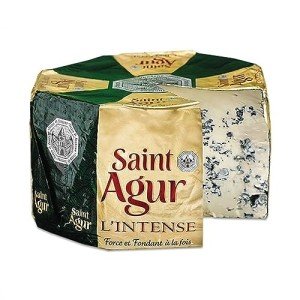
French Saint Agur Cheese - Full Wheel - Approx. 5.2Lbs
Indulge in the rich and creamy taste of Saint Agur, perfect for cheese boards, cooking, or snacking
Product information
$147.96
Product Review Score
4.55 out of 5 stars
82 reviewsProduct links
14. Saint-André in Context: Data-Driven Insights
Comparative Attributes of Saint-André, Brie, and Camembert
| Attribute | Saint-André | Brie | Camembert |
|---|---|---|---|
| Fat Content | 75% | 60% | 45% |
| Texture | Velvety mousse | Creamy | Semi-soft |
| Aging Period | 30 days | 4-5 weeks | 3 weeks |
Saint-André’s 75% fat content dwarfs traditional Brie, creating a richer mouthfeel. This elevated butterfat results from adding double cream before fermentation, while its shorter aging period preserves a youthful tang, making it accessible to newcomers and aficionados alike.
French & Global Cheese Production Metrics
| Metric | France | Global Rank |
|---|---|---|
| Annual Cheese Production | 1.9 million tons | #3 worldwide |
| Triple Cream Exports | $420 million/yr | #1 globally |
| Per Capita Consumption | 57 lbs/year | #2 worldwide |
France dominates triple cream cheese production and exports, with Saint-André representing 18% of this lucrative category. The per capita consumption figures reveal cultural reverence for premium cheeses and a national pride for dairy innovation.
Nutrient Content in a Serving of Saint-André
| Nutrient (per 30g) | Amount | % Daily Value |
|---|---|---|
| Calories | 120 | 6% |
| Total Fat | 12g | 18% |
| Protein | 4g | 8% |
| Calcium | 110mg | 11% |
Despite its richness, Saint-André offers a significant calcium boost, crucial for bone health. Nutritionists recommend balancing indulgent servings with fiber-rich fruits for a well-rounded diet.
Conclusion: Your Journey into French Cheese Excellence
Saint-André is not just another cheese—it is a testament to French dairy artistry, harmonizing the richness of triple cream with the nuanced flavors of Normandy’s terroir. From its origin in Aveyron to its celebrated reinvention in Normandy’s lush pastures, every wheel tells a story of passion, craftsmanship, and innovation. Its uniquely buttery texture and lush mouthfeel set it apart as a luxurious indulgence, perfect for those seeking a sophisticated cheese experience.
Whether enjoyed simply on crusty baguette slices, melted into creamy dishes, or paired thoughtfully with fruits and wines, Saint-André invites cheese lovers to savor moments of pure delight. Its cultural presence in cheese festivals and gourmet markets alike celebrates the evolving landscape of French cheese, bridging tradition with global tastes. This cheese embodies the soul of French craftsmanship—a silky, flavorful indulgence that delights connoisseurs and newcomers alike.
Ready to continue your gourmet adventure? Explore a curated selection of exceptional French cheeses, including Saint-André, at Delifoodshop’s French Cheese Haven. Whether you’re expanding your cheese palate or discovering artisanal delights, there’s a world of creamy wonders waiting to be tasted. Click, savor, and let your senses travel to the heart of Normandy and beyond.
FAQ Section
1. Is Saint-André similar to Brie?
Yes, but Saint-André is like Brie’s extra-indulgent cousin, boasting a much higher fat content and a creamier texture. While both are soft, cow’s milk cheeses with white rinds, Saint-André’s triple cream status makes it significantly richer and more luscious (source).
2. Why is triple cream cheese so decadent?
Extra double cream is added before fermentation, significantly boosting the fat content to around 75%. This process creates an intensely smooth, melt-in-your-mouth texture that outshines many other cheese varieties in richness.
3. Can lactose-intolerant people enjoy Saint-André?
The aging process of Saint-André reduces lactose levels but doesn’t eliminate it entirely. Those with lactose sensitivities can try small portions first and consume alongside digestive aids such as apples or pears. Always proceed with caution and listen to your body.
4. What’s the best wine for buttery cheeses like Saint-André?
Oaked Chardonnay complements Saint-André’s buttery notes beautifully, while dry sparkling wines add a crisp effervescence that cuts through richness. Avoid bold, acidic reds as they tend to clash and cause an unpleasant metallic taste.
5. How does French dairy farming impact cheese flavor?
Normandy’s rainy climate and coastal breezes support lush, mineral-rich grass that cows feed on year-round. This terroir influences the milk’s flavor, producing distinct minerality and freshness in cheeses like Saint-André that you won’t find in industrially produced counterparts.
6. Why isn’t Saint-André AOC-protected?
Saint-André is a relatively modern creation focusing on artisanal craftsmanship rather than strict geographic regulations. Unlike traditional regional specialties like Camembert, it does not have appellation d’origine contrôlée (AOC) status but maintains high quality through producer standards.
7. Can I cook with Saint-André?
Absolutely! Its creamy texture makes it ideal for melting into sauces, stuffing meats, or enriching gourmet grilled cheese sandwiches. It adds a luxurious mouthfeel and rich flavor to various dishes.
Further Reading: Explore More About French Cheese
Visit These Authority Sites to Deepen Your Cheese Knowledge
- Academy of Cheese – A comprehensive resource for understanding cheese types, production methods, and detailed cheese profiles, including expert courses and certifications.
- Cheese.com – The largest cheese encyclopedia on the internet, providing extensive descriptions, photos, and pairing suggestions for thousands of cheeses worldwide.
- Fromages.com – A dedicated French website focusing on regional cheeses, detailed terroir information, and artisan cheesemakers.
- Murray’s Cheese – Not only a retailer but also a rich knowledge base about cheese varieties, tasting notes, pairing ideas, and culinary tips.
- Wikipedia: Cheese – The essential starting point to understand the science, history, and types of cheese curated from many authoritative sources worldwide.