Key Takeaways
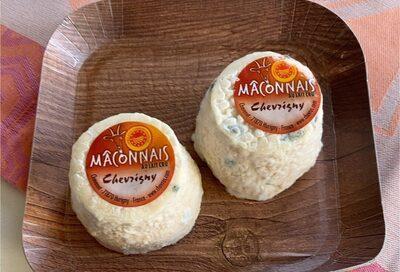
- • Mâconnais is a traditional cone-shaped goat cheese from Burgundy, famous for its nutty and earthy profile.
- • Its rich heritage dates back to times when cheese helped families survive economic hardship in Burgundy’s wine region.
- • The cheese is crafted through artisanal methods, aging on wooden shelves to develop unique flavors and textures.
- • Best enjoyed young for creamy spreadability or aged for richer mushroom notes, it pairs beautifully with local Burgundy wines.
- • Mâconnais is not only delicious but brings nutritional benefits and culturally immersive experiences in Burgundy.
Unveiling the Nutty Elegance of Burgundy's Beloved Artisanal Cheese
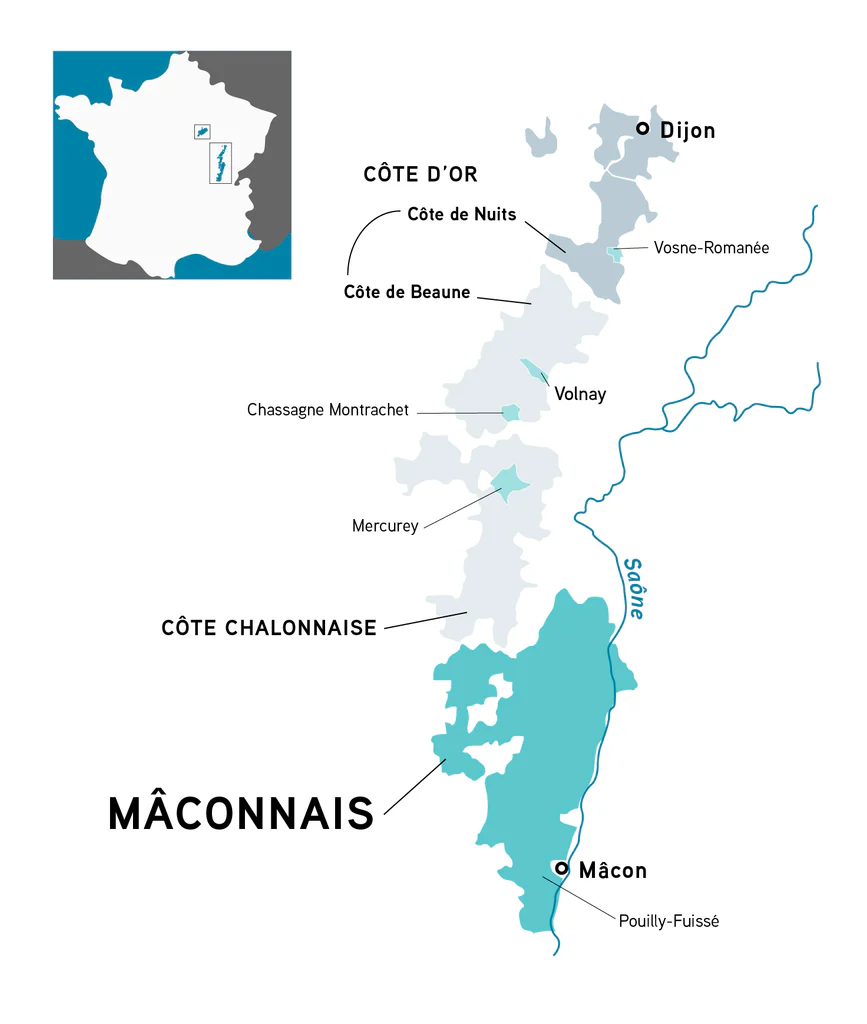
Picture this: rolling vineyards, medieval villages, and a tiny cheese cherished for generations. Meet Mâconnais, Burgundy's hidden gem! This artisanal goat cheese from the Mâcon area surprises with its nutty, earthy flavors and creamy texture. While Burgundy dazzles with wines like Pinot Noir, its cheeses—especially Mâconnais—are unsung heroes. Shaped like a miniature cone and bursting with tradition, it's a must-try for any cheese lover. Let's explore why this French goat cheese deserves your attention!
The Rich Heritage of Mâconnais in French Cheese Culture
Historical Roots and Community Survival
Mâconnais cheese traces back to early 20th-century Burgundy when economic hardships threatened many families dependent on wine production. During tough wine harvests, goat cheese became a vital source of income and nutrition for many villagers, notably families like the Collovrays of Davayé. These families tended goats and refined cheesemaking long before vineyards dominated the landscape. This cheese was not just food; it was survival.
Unlike its neighboring counterparts such as Charolais cheeses, the unique miniature cone shape of Mâconnais stands out visually and culturally. It’s woven deeply into local traditions and festivals including the annual September "Fête de la Chèvre", where artisans showcase century-old techniques preserving the cheese's authenticity. Farmers historically exchanged this cheese for tools, embedding it into the fabric of village life.
 Cultural Significance in Burgundy and Beyond
The role of Mâconnais goes beyond sustenance; it informs social and cultural identity in Burgundy. Farmers' markets buzz with trade stories where cheese was the currency for bartering essentials. Its presence in festivals is celebrated not only for flavor but as a cultural emblem.
Today, Mâconnais remains a symbol of Burgundy’s resilience and artisanal pride, standing tall alongside the region’s more famous wines and dishes. Its place in gastronomic fairs and village celebrations helps keep the tradition alive and relevant in a rapidly modernizing world.
The Art of Crafting Mâconnais: Traditional Cheese Production
From Fresh Milk to Delicate Cones
The creation of Mâconnais begins with fresh goat's milk, occasionally blended with cow’s milk to subtly influence texture and flavor complexity. The milk is carefully curdled and hand-poured into special cone-shaped molds approximately 4–5 cm wide. This step requires precision to maintain the cheese’s characteristic form and delicate consistency.
Once molded, the cheeses are aged on wooden shelves, often in farmstead conditions. The aging period varies from weeks for the fully matured versions to as short as ten days for the spreadable young cheeses. Aging encourages the natural development of molds and crystalline calcium deposits, which add a delightful crunch and unique mouthfeel often lost in factory-produced varieties.
Protected Authenticity & Terroir Influence
Protected by AOC regulations, Mâconnais cheese is a guaranteed authentic representation of its terroir. This classification ensures that traditional production methods and geographic origin are maintained, preserving quality and heritage.
Particularly noteworthy is how the diet of grazing goats—often wild thyme and herbs native to Burgundy’s limestone cliffs—influences the flavor profile. This intimate connection with the land gives each cheese batch unique mineral and herbal undertones, celebrating Burgundy’s natural bounty.
Why Mâconnais Stands Out: A Nutty, Creamy Delight
Flavor Profile: From Youthful Creaminess to Mature Depth
Close your eyes and savor Mâconnais’ nuanced flavors: nutty hints reminiscent of hazelnuts blend with earthy forest whispers and a creamy tang. Young cheeses present as soft and spreadable, perfect for enhancing fresh bread or crackers, while the aged versions deepen in complexity, developing delicate mushroomy notes that intrigue the palate.
Pairing it with sweet accompaniments such as figs or apricot jam intensifies the cheese’s natural flavors. Wine aficionados suggest that it particularly enhances the experience of Burgundy whites like Chardonnay, whose crisp acidity and buttery textures complement the cheese’s profile beautifully.
Perfect Pairings and Insider Tips
For a flawless taste adventure, try Mâconnais on a charcuterie board paired with complementary produce and nuts.
Insider tip: The 2025 Mâcon-Villages vintages highlight hazelnut undertones enhancing the cheese’s character. This subtle synergy between wine and cheese elevates the tasting experience, creating a harmony that food lovers and sommeliers rave about.

Imported French Triple Cream Brie, 6.5 oz
Indulge in the rich, buttery flavor of this luxurious cheese that's perfect for your next cheese board or a special treat
Product information
Product Review Score
4.95 out of 5 stars
35 reviewsProduct links
2025 Trends: Mâconnais Wine Boom & Cheese Renaissance
Growing Demand in Asia and Global Markets
In 2025, Burgundy’s wine region, including Mâcon producers, significantly expanded their reach into Asian markets such as Singapore. The focus: mineral-driven white wines perfectly matching regional cheeses like Mâconnais, creating new global appreciation for this artisanal delicacy.
This international interest sparks a concurrent renaissance for traditional French cheese varieties, positioning Mâconnais not just as a local treasure but a worldwide culinary ambassador. Tasting events and partnerships with renowned wineries, including investments from iconic names like Domaine Leflaive, amplify this trend.
Synergies Between Wine and Cheese Tourism
As terroir appreciation intensifies, so does gastronomic tourism. Winemakers and cheesemakers collaborate to showcase how Burgundy’s limestone cliffs deliver distinctive flavors, encouraging visitors to experience both wine and cheese journeys.
This alliance fosters exciting opportunities for tourism, inviting enthusiasts to explore rural landscapes, attend tastings, and immerse themselves in Burgundy’s rich culinary heritage. The synergy strengthens local economies and preserves artisanal traditions.
Mâconnais by the Numbers: A Snapshot
Key Characteristics at a Glance
| Fact | Detail |
|---|---|
| Shape | Miniature cone (4-5cm) |
| Aging Period | 10-15 days (young) / 3+ weeks (aged) |
| Annual Production | ~200 tons (farmstead) |
| Key Flavors | Hazelnut, wild thyme, wet stone |
Terroir & Textural Details
The relatively small-scale production ensures terroir signatures shine through each batch. Farmstead-made Mâconnais reveals crystalline calcium deposits as it ages, adding a sprightly crunch and texture that industrial cheeses rarely replicate. This artisanal feature mirrors Burgundy’s elevation in the wine world toward single-vineyard exclusivity and detailed terroir expression.
Such tactile qualities provide cheese lovers with a multi-sensory experience, connecting palate and place in a meaningful way that honors regional heritage.
Is Mâconnais Healthy? Nutritional Benefits
Gut-Friendly and Nutrient-Rich
Mâconnais offers impressive nutritional benefits as a French goat cheese. Goat milk naturally contains less lactose than cow's milk, with approximately 40% less lactose, making it an ideal choice for those sensitive to dairy.
Per 100 grams, Mâconnais provides 650mg of calcium (65% of daily value) and 21g of protein, supporting bone health and muscle function. Moreover, the presence of bioactive compounds from pasture-raised goats enhances anti-inflammatory potential, contributing to overall wellness.
Balance & Enjoyment
While Mâconnais is nutrient-dense, it also contains moderate fat levels, typical of soft cheeses. Enjoying it in moderation is key to savoring its health benefits while maintaining balanced nutrition.
For those seeking healthy deli alternatives, incorporating Mâconnais along with fresh fruits, nuts, and whole grains offers a delightful way to satisfy cravings without sacrificing nutrition. Discover more in our healthy deli choices guide!
Finding & Savoring Mâconnais: A Buyer’s Guide
Where to Find Authentic Mâconnais
Seek out Mâconnais in specialty cheese shops or farmers' markets where AOC labeling guarantees authenticity. Quality cheeses are freshest when purchased from trusted artisanal sellers who can share batch origins and maturation details.
Look for the signature miniature cone shape and subtle rind texture indicative of careful aging. Visiting Burgundy’s local markets, like Tournus’ famous Marché au Fromage, rewards you with cellar-fresh selections rarely found elsewhere.
Laura Chenel Goat Brie Cheese, 5 oz
Creamy and rich goat brie that adds a delicious touch to any cheese board or recipe
Product information
Product Review Score
4.62 out of 5 stars
71 reviewsProduct links
Serving Tips & Pairings
Serve Mâconnais at room temperature (18–20°C) to unlock its full aroma and flavor potentials. The cheese pairs beautifully with buttery Mâcon-Villages or the crisp zest of Aligoté wines, enhancing every bite.
Combinations with pears, truffle oil, or fresh sourdough create memorable culinary moments. For culinary enthusiasts, crumble it over salads or bake into savory tarts for a gourmet touch.
Explore complementary French wines in our French wines guide for the ultimate pairing experience.
What Chefs Say: Why This Cheese Shines
Artisanal Praise & Culinary Versatility
Renowned cheesemaker Élise Collovray describes Mâconnais as “Burgundy on a plate,” highlighting its ability to capture the region’s essence in every bite. Michelin-starred chefs prize the cheese for its versatility—whether incorporated into elegant tarts or delicate soufflés.
Local Lyon bistros elevate it further by serving Mâconnais warm with thyme honey during festivities such as the "Nuits Gourmandes", creating an unforgettable taste experience.
Innovative Serving Suggestions
Experiment with grilling Mâconnais slices on sourdough bread topped with blackberry compote, a bold contrast of creamy and fruity notes.
One chef fondly quipped, “It upstages the wine!” emphasizing the cheese’s standing as a star ingredient worthy of center stage alongside Burgundy’s famed wines.
Do’s & Don’ts: Storing Mâconnais Perfectly
Storage Best Practices
Do:
- Wrap Mâconnais in wax paper (never plastic!) to allow it to breathe while protecting from drying out
- Store in the fridge’s vegetable drawer to maintain humidity and steady temperature
- Remove from fridge 30 minutes before serving for optimal aroma and taste
Don’t:
- Freeze the cheese as it ruins the delicate texture and flavor integrity
- Ignore any strong ammonia smells which can indicate over-ripening
Fun fact: Traditional Burgundian stone cellars act as natural humidors, offering an ideal curing environment that modern refrigerators cannot replicate.
Beyond Mâconnais: French Goat Cheese Gems
Exploring Burgundy’s Goat Cheese Stars
While Mâconnais is a standout, Burgundy boasts other exceptional goat cheeses. Saint-Maur impresses with its tangy creaminess, beloved for its fresh, vibrant notes cherished by goat cheese lovers.
Meanwhile, Crottin de Chavignol delivers a deeper earthy flavor and firm texture that can age gracefully for months, showcasing the region’s diverse capability with goat cheeses.
Fun Anecdotes and Cultural Tidbits
In the 1800s, shepherds in Burgundy raced goats through vineyards to promote stamina and milk yield—a tradition affectionately remembered as much for its sport as for producing the creamiest milks.
Such stories enliven the rich tapestry of France’s cheese culture, revealing how historic practices continue to influence modern artisan cheese production and appreciation.
Vermont Creamery 4 oz Chèvre Log Cheese
Enjoy the creamy, tangy flavor of this delightful goat cheese, perfect for spreading or cooking
Product information
Product Review Score
4.77 out of 5 stars
97 reviewsProduct links
Creative Ways to Savor Your Cheese
Innovative Serving Ideas
- Crumble over beet salads topped with toasted hazelnuts for texture contrast
- Pair with sweet figs and drizzle chestnut honey for dessert-worthy indulgence
- Grill slices on sourdough with a spoonful of blackberry compote for a gourmet appetizer
Historical Tidbit
Medieval monks revered Mâconnais, often consuming it alongside berries to ward off bad harvests and ensure good fortune. This tradition stresses how cheese was intertwined with both culinary and spiritual practice, making it a fascinating heritage food to enjoy today.
Experience Mâconnais in Burgundy
Artisan Visits and Cheese Tours
Visiting southern Burgundy allows cheese lovers to meet dedicated artisans like the Collovray family, who continue using traditional 19th-century techniques. Such immersive encounters offer a deeper understanding of the craft and its cultural significance.
September’s "Route du Fromage" tour invites visitors to picnic in goat-grazed pastures and explore intricately carved limestone caves where cheeses mature in ideal conditions, marrying natural elements with human artistry.
Local Secrets and Memorable Moments
Some dairies grant guests the joyful privilege of naming newborn goats—a tradition believed to bring “cheese karma” and good luck to the year’s production.
This charming local custom reflects the deep connection between farmers, animals, and their land, enriching any visit with meaningful stories and heartwarming experiences.
Boursin Garlic & Herb Artisan Cheese 5.2oz
A creamy and flavorful cheese spread that's perfect for elevating your appetizers and snacks
Product information
Product Review Score
4.66 out of 5 stars
210 reviewsProduct links
Conclusion: Why Mâconnais Captures Burgundy's Soul
Mâconnais is much more than a cheese—it is edible history shaped by the resilience and traditions of Burgundy’s farming communities. Each miniature cone carries the essence of sun-drenched pastures, limestone-rich soils, and the toil of generations. Its nutty, creamy flavors encapsulate the terroir in a uniquely intimate way that delights novices and connoisseurs alike.
The reverence for Mâconnais illustrates France’s broader mastery in cheese production, where over 1,200 varieties express local culture and land. These cheeses form culinary poetry, celebrating terroir and artisan care, with Mâconnais standing proud among the region’s finest offerings. Exploring it connects you to a rich narrative of heritage, flavor, and craftsmanship.
Ready to embark on your own cheese adventure? Discover and savor authentic French goat cheeses along with other delights at Delifoodshop’s French Cheese Collection. Your taste buds will thank you for the journey into Burgundy’s delicious soul!
Frequently Asked Questions About French Cheeses
- What makes French cheeses unique?
French cheeses exhibit unmatched diversity thanks to the country’s varied terroirs, from alpine pastures to coastal cliffs. Strict AOC regulations enforce traditional methods and geographic authenticity, ensuring every cheese tells a story of its origins. For instance, Roquefort must be made from specific sheep’s milk and matured in Combalou caves, preserving centuries of craftsmanship.
- Why is cheese so important in French culture?
Cheese is more than food in France—it’s a cultural ritual embedded in daily life, with nearly 96% of French people consuming it regularly. The famous proverb “Un repas sans fromage est une belle à qui il manque un œil” (“A meal without cheese is like a beauty missing an eye”) captures its beloved status, symbolizing joy, conviviality, and tradition.
- Can I freeze French cheese?
Freezing is not recommended because it damages the texture and dulls flavors, especially for soft cheeses like Mâconnais. Instead, purchase fresh quantities and enjoy promptly. Hard cheeses like Comté can last longer, up to three weeks when properly stored, but freezing is still discouraged.
- What are some beginner-friendly French cheeses?
Newcomers should try mild, approachable cheeses such as Brie (creamy and buttery), Camembert (earthy and rich), and fresh chèvre (clean, tangy goat cheese). Pair these with baguettes and grapes for a simple, satisfying introduction to French cheese culture.
- How do I identify AOC-protected cheeses?
Look for the official AOC/AOP seal on labels, guaranteeing origin, traditional production, and quality. Renowned examples include Reblochon from Savoy and Pont-l’Évêque from Normandy. These seals help consumers find authentic regional specialties.
- Are there vegan French cheeses?
Traditional French cheeses are dairy-based, but innovative artisans offer plant-based “cheeses,” often made from nuts like cashews. These alternatives mimic classic styles such as aged cashew camembert and have grown in popularity, providing inclusive options at specialty shops.
- What cheese pairs best with champagne?
Triple-crème Brillat-Savarin is perfect with champagne, its rich, buttery texture balancing the wine's acidity delightfully. For those seeking bolder contrast, aged Comté complements vintage bubbly, creating festive and harmonious pairings.
Explore More About French Cheese
- Cheese.com – A comprehensive cheese database offering detailed information on varieties worldwide, including fascinating insights on Mâconnais and French cheeses.
- Fromages.com – French cheese enthusiast site providing rich content on history, recipes, and pairing recommendations perfect for any level of cheese lover.
- International Dairy Foods Association – Offers industry insights about dairy production, regulations, and innovations relevant to cheese aficionados and professionals.
- Les Affineurs de France – The French affineurs association dedicated to perfected cheese aging, providing expert info about traditional techniques and contemporary artisan producers.
- French Cheese Aging Secrets - Dive deeper into methods and traditions that make French cheeses unique, including step-by-step guides and insider tips.
- Delifoodshop’s Traditional French Cheese Craft – Dive deeper into methods and traditions that make French cheeses unique, including step-by-step guides and insider tips.