Key Takeaways
- Bûchette is a petite, log-shaped French goat cheese celebrated for its perfect balance of creamy interior and snowy rind.
- The cheese originates from the Loire Valley’s Poitou-Charentes region, with production dating back to medieval times and commercial scaling in 1895 by the Soignon cooperative.
- Its production involves artisan goat cheese methods, resulting in diverse textures and flavors that change as it ages.
- Bûchette is health-friendly: lower in lactose and fat than cow cheeses, packed with calcium and probiotics.
- It enjoys cultural prominence via festivals, traditional games, and endorsements from famous chefs, reflecting deep roots in French culinary heritage.
Table of Contents
- Introduction to Bûchette Cheese
- From Farm to Table: The Rich History
- Bûchette in French Culture and Festivals
- The Craft Behind Bûchette: Goat Cheese Production
- The Unique Taste and Perfect Pairings
- Health Benefits: Why Choose Bûchette?
- How to Buy Authentic Bûchette
- Latest News & Events: Bûchette 2025
- What the Experts Say
- Bûchette by the Numbers
- Flavor Spectrum: Bûchette vs. Other Goat Cheeses
- Exploring France’s Petite Goat Cheese Universe
- Why Bûchette Deserves Your Cheese Board
- Conclusion
- Frequently Asked Questions
- Additional Resources
Discover the Little Log That Packs a Big French Flavor
Welcome to the charming world of Bûchette, an iconic French petite goat cheese that offers a delightful balance of tangy creaminess and rich tradition. Imagine savoring a small, log-shaped cheese that holds centuries of artisan craft in every bite. Whether you are a novice or a cheese aficionado, this guide will take you on a comprehensive journey – from its origins in the Loire Valley to its unique production, flavor profile, health benefits, and cultural significance. Prepare to be charmed by this versatile and healthy French delight that deserves a permanent spot on your cheese board!
Bûchette: The Quintessential French Goat Cheese You Need to Try
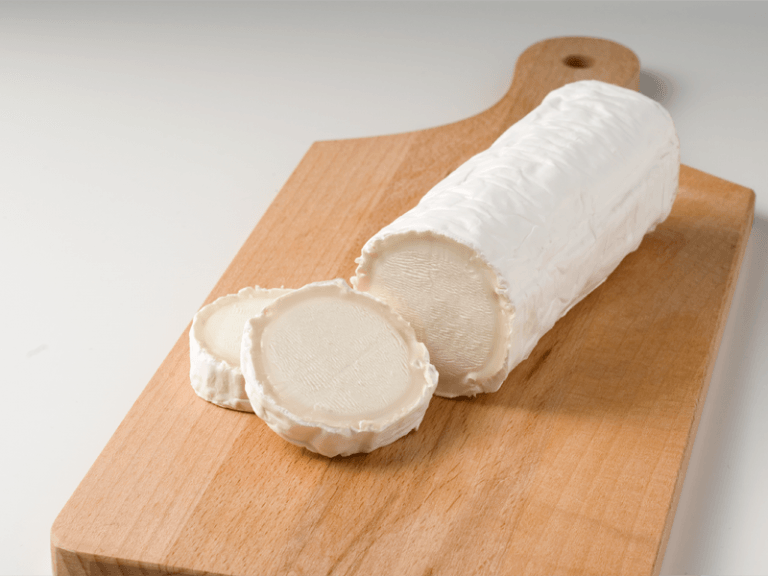 A Petite Cheese with a Grand Heritage
Picture this: a dainty, log-shaped cheese the size of your fingertip, yet rich in centuries of French artisan tradition. That’s Bûchette for you — an emblem of finesse in the world of French cheese varieties. Its name translates to “little log,” perfectly describing its charming size and shape. Unlike larger, bulkier cheeses, Bûchette’s petite form delivers an impeccable balance between its soft, creamy interior and snowy white rind—a harmony that enchants both novices and gourmets alike.
Crafted utilizing time-honored goat cheese production methods, each bite carries a tangy sophistication laced with complex flavors. It is a cheese that isn’t just eaten — it’s savored, experienced, and celebrated. From fresh to aged, Bûchette thrills the palate at every stage, inviting you to a true Gallic cheese adventure filled with tradition and taste.
What Makes Bûchette Stand Out?
The secret lies in Bûchette’s balance. Its small size means greater surface area relative to volume, allowing the rind and paste to age and interplay in perfect synchrony. This creates a flavor profile that adapts — from bright and zesty when young to earthy, nutty, and complex as it matures. Unlike other goat cheeses, Bûchette’s versatile texture and gentle tang make it as suitable for a casual snack as for gourmet cooking.
Whether you enjoy it simply spread on crusty bread or folded into an elegant omelet, this petite log is your gateway to discovering the allure and depth of French artisan goat cheeses.
From Farm to Table: The Rich History of Bûchette Goat Cheese
Ancient Origins Rooted in the Loire Valley
The story of Bûchette begins thousands of years ago in France’s verdant Poitou-Charentes region. Nestled along the Loire River, this area’s lush valleys offer an ideal environment for goats to graze on wild herbs and aromatic plants that lend unique flavors to their milk. Farmers here perfected artisanal French cheese techniques, often passed down through generations like treasured family heirlooms.
Medieval shepherds ingeniously fashioned fresh curds into portable logs, creating an early version of this cheese tailored for mobility and ease during long days in the fields. This “little log” design was as practical as it was tasty—a perfect on-the-go snack centuries before convenience foods existed!
The Rise of Commercial Production
Fast forward to 1895, when a group of visionary farmers united to form the Soignon cooperative near the Soignon stream. This organization marked the shift from local crafting to commercial production, catapulting Bûchette from a regional delight to a globally recognized ambassador of French goat cheese culture. The cooperative’s commitment to quality and tradition preserved the terroir’s essence — reflecting the harmony of soil, climate, and skilled craftsmanship.
Today, Soignon and similar cooperatives uphold these artisanal practices while scaling production to meet international demand, ensuring that every log of Bûchette remains a true, authentic taste of the Loire Valley.

Laura Chenel Goat Brie Cheese, 5 oz
Creamy and rich goat brie that adds a delicious touch to any cheese board or recipe
Product information
Product Review Score
4.62 out of 5 stars
71 reviewsProduct links
Bûchette in French Culture and Festivals
Celebrating Tradition: The Fête du Chabichou
The Loire Valley proudly celebrates its goat cheese heritage through lively cultural festivities like October’s Fête du Chabichou in Poitiers. During this beloved festival, Bûchette producers join forces to showcase their craft alongside regional cheeses such as Chabichou du Poitou, sharing their prized creations with cheese lovers from around the world.
Attendees indulge in tastings of both young and aged cheeses, gain insight from live cheesemaking demonstrations, and immerse themselves in the lively atmosphere that honors rural culinary traditions.
Markets, Games, and Communal Spirit
Summer months bring Marchés au Fromage, vibrant cheese markets where farmers sell Bûchettes rolled in ash, herbs, or flowers. These gatherings are more than commerce—they are celebrations of community, craftsmanship, and shared heritage within the countryside.
A charming tradition at these festivals is the “la roulette des fromages,” a cheese-wheel race where winners take home bundles of Bûchette. This playful contest reflects the joie de vivre that goat cheese inspires in the region. Source: Fête du Chabichou Official Site
The Craft Behind Bûchette: A Look at Goat Cheese Production
From Milk to Curds
Producing Bûchette is akin to conducting a symphony where science meets culinary artistry. It all begins with fresh milk sourced from goats grazing on aromatic wild herbs unique to the Poitou-Charentes region. The milk is gently warmed to 72°C (161°F) to prepare it for culturing, then combined with starter bacteria and natural rennet, initiating coagulation.
This stage transforms the milk into jelly-like curds over several hours, carefully monitored by skilled artisans to ensure perfect texture and acidity. The gentle handling preserves the natural flavors and integrity of the cheese.
Molding, Aging, and Alchemy
Next, the curds are hand-ladled into iconic cylindrical molds—the very “little logs” the cheese is named after. After draining excess whey, the cheeses enter controlled aging rooms known as _hâloirs_. Here, in a humid cellar maintained with care, Bûchettes develop their signature flaky, white rind over 7 to 21 days.
This aging process is where magic happens—microbial and enzymatic activity creates the cheese's complex flavors and textures. Watch an artisan's skillful touch unfold in this production video, a visual celebration of Bûchette craftsmanship.
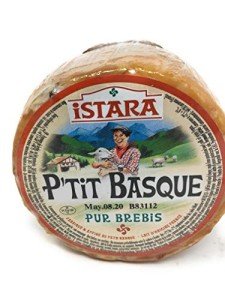
Petit Basque Cheese, 1 Pound Block
A delightful semi-hard cheese with rich and nutty flavors perfect for snacking or cooking
Product information
$39.99
Product Review Score
4.23 out of 5 stars
9 reviewsProduct links
Bûchette’s Unique Taste: A Guide to Flavor and Pairings
Exploring the Flavor Journey
Unravel the flavors of Bûchette, which evolves dramatically as it ages. Young Bûchettes tempt with bright, lemony bursts reminiscent of whipped cream infused with a zesty punch—a perfect match for light dishes and fresh salads.
Mature Bûchettes deepen into earthy realms, acquiring notes of wild mushrooms and a subtle hint of roasted hazelnuts. Texturally, they progress from a soft, spreadable fudge consistency to a crumbly, delicate core, offering diverse culinary applications.
Perfect Pairing Ideas
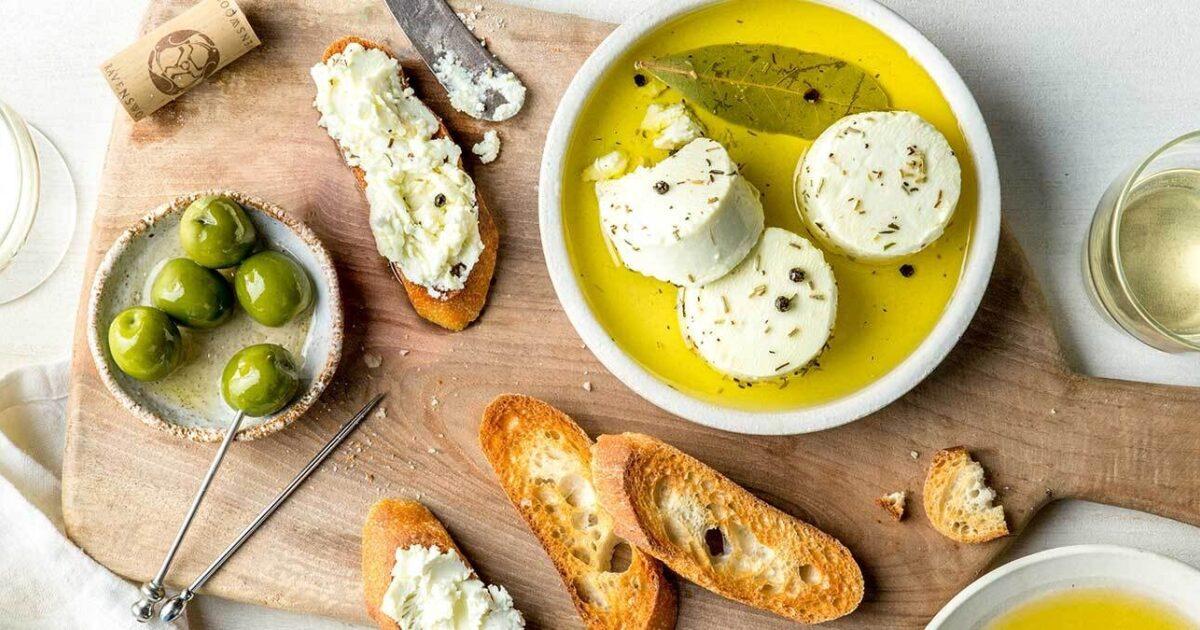
Pair Bûchette’s lively acidity with elegant wines like crisp Sancerre or berry-rich Gamay — find suggestions in our French wine guide. On the plate, drizzle honey atop the cheese or accompany it with fresh figs and roasted beets for a delightful balance of sweet and earthy flavors.
For chefs and home cooks alike, melting Bûchette over sourdough pizza or folding it into fluffy omelets adds an instant touch of French sophistication. It’s a cheese meant for enjoyment in many settings, whether casual or gourmet.
Imported French Triple Cream Brie, 6.5 oz
Indulge in the rich, buttery flavor of this luxurious cheese that's perfect for your next cheese board or a special treat
Product information
Product Review Score
4.95 out of 5 stars
35 reviewsProduct links
Why Bûchette is a Healthy Choice: Nutritional Benefits of Goat Cheese
Goat Cheese’s Digestive Advantages
Switching to Bûchette from traditional cow’s milk cheeses can be a boon for those sensitive to lactose. Its natural low lactose content makes it easier to digest without sacrificing flavor or richness. Beyond lactose, Bûchette also contains probiotics — beneficial bacteria that support gut health and aid digestion.
These probiotics contribute to a balanced microbiome, potentially enhancing immune function and reducing inflammation. For a snack that nurtures your body as much as your taste buds, Bûchette is a smart, wholesome choice.
Nutrient-Rich and Lower in Fat
Nutritionally, Bûchette shines with a high calcium content — providing nearly half of the daily recommended intake per serving! This mineral is crucial for strong bones, nerve function, and muscle contraction. Additionally, Bûchette generally contains less fat than many cow's milk cheeses, making it perfect for calorie-conscious food lovers.
The traditional goat cheese production approach also ensures fewer additives and preservatives, helping you enjoy a clean, natural protein source. Recent market insights highlight the growing demand for nutrient-dense cheeses like Bûchette, even as block cheeses dominate shelves. [The Bullvine]
Isigny Ste Mère Double Cream Brie Cheese, 350g
Indulge in the rich and creamy flavor that transforms any dish into a gourmet experience
Product information
Product Review Score
4.38 out of 5 stars
166 reviewsProduct links
How to Buy Authentic Bûchette: A Shopper’s Guide
Spotting the Real Deal
Selecting authentic Bûchette cheese is easier when you know what to look for. The texture should be supple but not rubbery, promising freshness and proper aging. Its rind is typically a natural ash-dusted coating — skip any options wrapped in plastic to avoid artificial preservation that dulls flavor.
The aroma offers clues, too: fresh grassy notes indicate quality, while strong ammonia-like scents often mean over-ripeness or improper storage.
Where to Find Bûchette
Cheese shops like Murray’s and online purveyors such as igourmet.com are solid destinations for genuine Bûchette. For U.S. consumers, Laura Chenel’s California production strikes a fine balance between tradition and innovation, honored in Deli Market News. Choose younger logs for soft creaminess or aged ones for richer, bolder taste experiences.
Organic lovers can try options like Bûchette Brebis Bio from Beillevaire, which embraces eco-conscious, pasture-raised production methods.
Latest News and Events: Bûchette in 2025
 Laura Chenel's New Aged Varieties
In celebration of its 150th anniversary, Laura Chenel's Chèvre has launched two new aged Bûchette varieties that deepen the flavor and complexity of this treasured cheese. By extending aging times, these artisanal logs offer intensified nutty undertones while maintaining the signature tangy creaminess that consumers adore.
This launch reflects a growing consumer appetite for premium, handcrafted cheeses that honor traditional Loire Valley techniques while embracing modern innovations in aging. Industry experts consider this expansion a strong vote of confidence in specialty cheese markets amid broader dairy fluctuations. [Source: Deli Market News]
Bûchette aux Fleurs & Organic Innovations
The *Bûchette aux Fleurs*, featuring an edible flower-coated rind, has become a masterpiece at gourmet soirées, adding stunning visual appeal to cheese boards. Paired wonderfully with aged Prosciutto di Parma, it highlights the poetic fusion of floral, nutty, and salty-sweet flavor layers popular across Europe’s aperitif scenes.
Meanwhile, Beillevaire’s organic Buchette de Brebis Bio champions sustainable cheese-making by using milk from grass-fed sheep. This product blends creamy texture with earthy notes, proving that classic cheese formats can evolve through ecological stewardship while keeping terroir at the heart. [Source: Cured & Cultivated]
What the Experts Say: Renowned Chefs on Bûchette
Marie Quatrehomme – Balance and Character
"Bûchette is a little rebel – delicate but full of character. Its size allows the rind and paste to converse in perfect harmony, something larger cheeses rarely achieve."
Marie’s insight emphasizes how Bûchette’s petite form revolutionizes flavor experience. The ideal 1:3 rind-to-paste ratio means no component overwhelms, providing a balanced tasting journey where tangy notes shine with subtlety.
Jacques Pépin – Simple Magic in Pairing
"When I pair Bûchette with apricot jam, the sweet-tangy dance is pure magic. It transforms humble ingredients into a celebration."
Pépin’s culinary philosophy highlights Bûchette’s versatility as a flavor enhancer. Its bright acidity perfectly cuts through sweetness, uplifting simple dishes into indulgent experiences without complicated prep.
Lynne Devereux – Heritage Meets Innovation
"Our new aged Bûchettes carry centuries of French tradition while speaking to today's preference for bold, complex flavors. They're time-travelers in cheese form!"
Devereux bridges past and present, showing how extended aging caters to evolving tastes without losing the cheese's soul. Her team's mastery illustrates the continuous innovation within Loire Valley craftsmanship. [Source: Deli Market News]
Bûchette by the Numbers
Production and Size Statistics
| Statistic | Value | Fun Fact |
|---|---|---|
| Typical Weight | 100-150g | Perfect single-serving size – no waste! |
| Aging Period | 7-21 days | Ages 3x faster than larger goat cheeses |
| Daily Production (Soignon Co-op) | 20,000+ logs | If lined up, daily output spans 3 Eiffel Towers |
Nutritional Comparison (per 100g)
| Nutrient | Bûchette | Cow Brie | % Daily Value* |
|---|---|---|---|
| Calories | 280 | 334 | 14% |
| Protein | 18g | 16g | 36% |
| Calcium | 450mg | 184mg | 45% |
| Lactose | 1.2g | 2.9g | N/A |
*Based on a 2,000-calorie daily diet
Flavor Spectrum: Bûchette vs. French Goat Cheeses
Understanding Texture and Taste Differences
Bûchette occupies a unique place in the French goat cheese family. Its texture and flavors evolve remarkably depending on age, which differentiates it from cousins such as Chabichou du Poitou and Crottin de Chavignol. This progression—from creamy and spreadable in youth to crumbly and earthy when aged—offers consumers a versatile tasting experience fit for many uses.
Flavor-wise, Bûchette strikes a balance between approachable and complex; it is neither as salty and intense as Chabichou nor as pungently barnyard as Crottin, making it a delightful introduction to French goat cheeses.
Comparative Cheese Table
| Cheese | Texture | Flavor Notes | Best For |
|---|---|---|---|
| Young Bûchette | Creamy, spreadable | Lemon zest, fresh grass | Salads, canapés |
| Aged Bûchette | Firm, crumbly core | Hazelnut, wild mushrooms | Wine pairings |
| Chabichou du Poitou | Dense, fudgy | Sea salt, almond | Cheese boards |
| Crottin de Chavignol | Chalky to creamy | Goatyard, hay | Baking, gratins |
Exploring France’s Petite Goat Cheese Universe
The Charm and Versatility of Petite Goat Cheeses
When French cheese comes to mind, many imagine sprawling wheels of Brie or aged Cheddar. But petite goat cheeses are the hidden gems shining brightly in the cheese panorama. Their compact size amplifies their flavor profile and provides versatility unmatched by larger cheeses.
These cheeses come in various delightful shapes—logs, rounds, pyramids—each contributing a charming aesthetic that enhances any cheese board or meal. Whether served at a lavish dinner or a casual gathering, petite goat cheeses add a joyful splash of flavor and character.
Must-Try Top Varieties & Flavor Profiles
If you’re venturing into this world, start with varieties like Chèvre Noir, a semi-soft cheese famous for its creamy texture and earthy tang with a sweet finish. Or try Valdeon — a blue-marbled cheese matured in damp limestone caves, presenting a creamy, luxurious mouthfeel.
Don’t miss the soft and delicate Caprice des Dieux or the spicy tang of Picodon, which carries Napoleon’s battlefield legacy. Adventurous eaters will adore Banon, wrapped in rustic chestnut leaves and packed with nutty, aromatic flair.
Pairing Tips for Perfect Flavor Combos
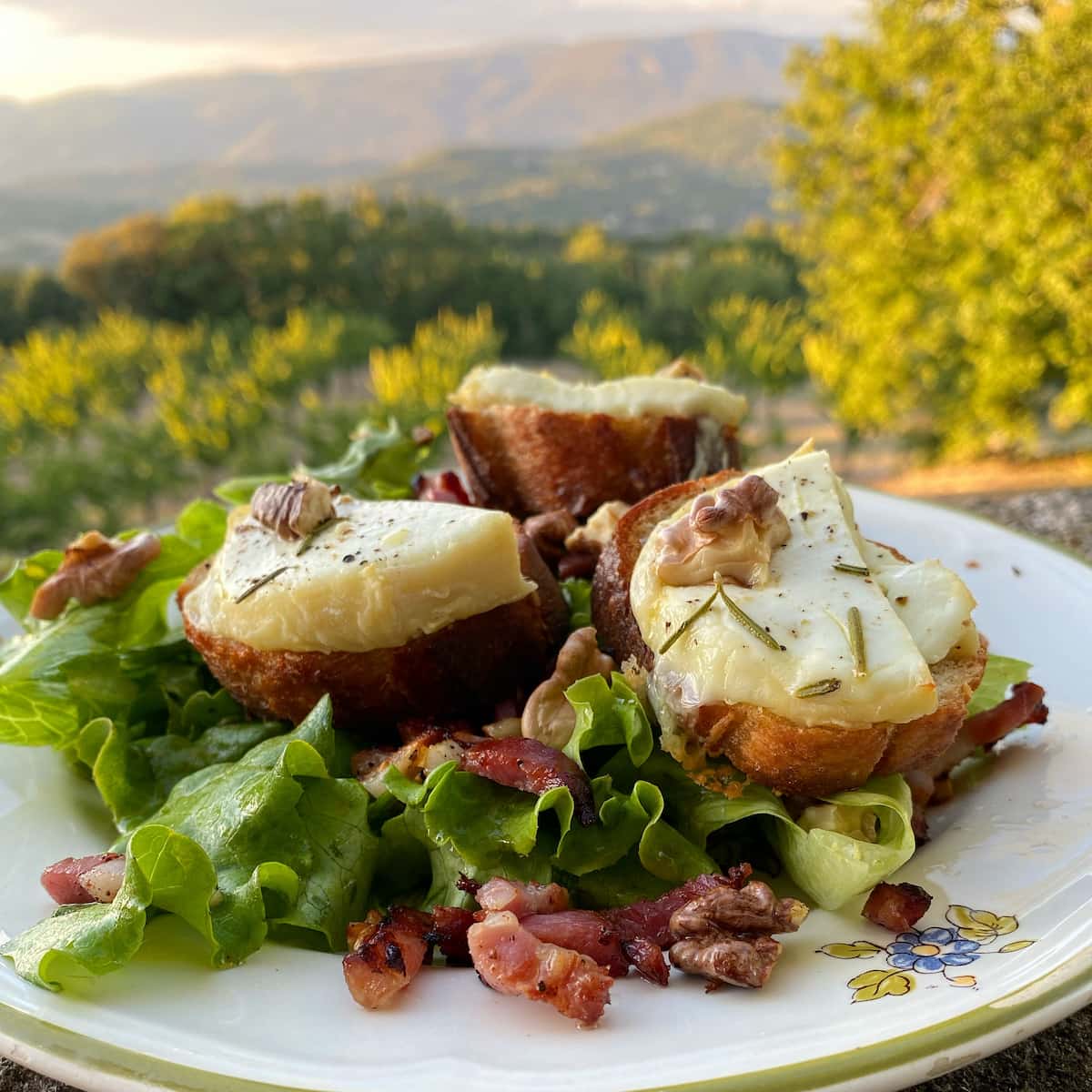 Elevate Your Experience with Herbs and Fruits
Fresh herbs like thyme, rosemary, and dill bring bright freshness that complements goat cheese’s creamy tang, especially when paired on simple bread or crackers. Sweet fruits like figs, pears, and dried apricots add delightful contrast, and a drizzle of honey creates an indulgent harmony.
Nuts and seeds, such as walnuts and almonds, provide crunch and enrich textures, making every bite more complex and enjoyable.
Drink Pairings to Remember
Complement your petite goat cheeses with crisp whites like Sauvignon Blanc or fruity rosés to highlight fresh herbaceous notes. For those who prefer reds, light-bodied Pinot Noir perfectly balances the cheese’s acidity without overwhelming the palate.
Above all, have fun experimenting and discovering combinations that bring out the best in each cheese!
How to Store Your Goat Cheeses
Best Practices for Freshness
Proper storage maximizes the taste and texture of your goat cheese. Always refrigerate; the cold preserves freshness. Wrapping in parchment or wax paper allows the cheese to breathe, unlike plastic wrap which can trap moisture and promote unwanted mold.
If you must use plastic, add a layer of paper between the cheese and wrap for ventilation. Keeping whole logs intact until ready to consume also preserves moisture and flavor.
Using Airtight Containers and Mold Checks
Store cheese in containers with airtight lids, placing a small folded paper towel inside to absorb excess humidity: this balances freshness and prevents spoilage. Always inspect for any unwanted mold development; edible rinds are safe, but unusual molds require discarding the cheese.
Regular checks and proper wrapping will keep your cheeses delightful bite after bite.
Why Bûchette Deserves a Spot on Your Cheese Board
A Taste of Edible History
Bûchette is more than just cheese — it’s a slice of French history that you can savor. With roots stretching back to medieval times, it encapsulates centuries of technique and terroir in every tiny log. Its perfectly balanced rind-to-paste ratio offers a remarkable flavor experience that elevates any cheese board, whether casual or sophisticated.
Health and Versatility in One
As a natural, artisan-made French goat cheese, Bûchette embodies health benefits including lower lactose, probiotics, and nutrient density. Its size and texture make it ideal for many pairing possibilities, cooking uses, and occasions. It easily fits into varied diets and elevates meals with French flair.
Start Your Cheese Journey Here
Whether you’re new to French cheeses or looking to expand your palate, Bûchette makes an inviting introduction. Discover its magic and let it inspire you to explore even more from the rich universe of France cheese varieties. One taste guarantees you’ll be hooked!
Conclusion: Your Journey Through French Cheese Wonders
What a delicious adventure we’ve shared exploring the world of Bûchette! From its medieval shepherd origins to its role in today’s artisanal markets, this petite goat cheese exemplifies how tradition and innovation intertwine. Its unique texture, rich flavor evolution, and healthful profile make it a standout in the realm of French cheeses.
But Bûchette is just one star among many in France’s extensive cheese constellation. Imagine unwrapping a Banon, savoring a Picodon, or indulging in creamy Camembert — each cheese telling a story of locale, craft, and cultural pride. Your palate is invited to the celebration of these tastes and histories while fueling your love for fromage.
Ready to deepen your French cheese journey? Visit our carefully curated French Cheese Collection to discover authentic Bûchette and other artisanal treasures. Share your tasting experiences with #FrenchCheeseJourney and embrace the art of cheese. Life’s too short for boring cheese boards — bon appétit!
Frequently Asked Questions About French Cheese 🧀
- What makes French cheeses so special compared to others?
French cheeses are governed by strict AOC regulations ensuring traditional craftsmanship and regional authenticity. The unique terroir—from soil and climate to local flora—imbues cheeses like Bûchette with distinctive flavors unmatched anywhere else. This exceptional diversity, from soft goat cheeses to pungent blues, forms a core part of French culinary pride. Learn more at Cheese Science Toolkit
- Can I eat the rind on French cheeses like Bûchette?
Absolutely! Bûchette’s bloomy, edible rind adds earthy character and complexity to the tasting experience. Most soft-rinded French cheeses have palatable rinds, though hard rinds like Parmesan or wax-coated ones generally should be avoided. When unsure, consult your cheesemonger to ensure safe and delicious enjoyment.
- Why does goat cheese dominate in France's Loire Valley?
The Loire Valley’s limestone-rich soils grow aromatic herbs and wild plants that goats adore. These plants lend their unique flavors and minerals to goat milk, producing the characteristic mineral-rich taste noted in Bûchette. Additionally, the valley’s mild climate and ideal grazing conditions support thriving goat herds. More from Loire Valley Tourism
- How do I build a French cheese board for beginners?
Start with a variety of textures and intensities: one soft cheese (like Bûchette), one hard cheese (Comté), a blue cheese (Roquefort), and a washed-rind cheese (Époisses). Add complementary accouterments such as fresh figs, walnuts, and a fresh baguette. Serve all cheeses at room temperature to enhance aromatic complexity and flavors.
- Are French cheeses safe for pregnant women?
Pasteurized milk cheeses such as most Bûchettes are safe for pregnancy when properly handled. It is recommended to avoid raw milk cheeses unless cooked thoroughly. Always check product labels and consult your healthcare provider for personalized advice. FDA Pregnancy Food Safety
- What's the funniest French cheese tradition?
In Normandy, cheese rolling races were once a popular rural pastime, famously reenacted today as the "Roulette des Fromages" festival game. Rolling cheese wheels downhill tests skills and nerve, with winners often awarded their weight in cheese — a truly delicious prize! Explore Normandy Cheese Traditions
- Why is Bûchette shaped like a log?
Medieval shepherds molded fresh curds into compact cylinders to create portable, easily stored snacks suitable for fieldwork. The log shape ensures an even aging process and a balanced rind-to-paste ratio, showcasing an early form of “snack engineering.” This clever form continues to charm cheese lovers today.
Explore More: Top Authority Websites on French Cheese
- Goat Cheeses of France — Discover the rich history and varieties of goat cheeses, including artisan traditions and regional specialties.
- QCheese — A comprehensive database with descriptions and tasting notes on Bûchette and other goat cheeses from France.
- Cheese.com — Detailed profiles and pairing ideas for Bûchette and numerous French cheeses for enthusiasts and consumers.
- Musco Food — Explore production history and economic aspects of Soignon cooperative’s Bûchette production.
- Culture Cheese Magazine — Insights into Bûchette’s place in cheese culture and artisan techniques.