Key Takeaways
- Chabichou du Poitou is a centuries-old, AOC-protected French goat cheese known for its unique cylindrical shape and creamy texture.
- The cheese's origins date back to Arab settlers in 732 AD, with a rich history tied to French culture and wartime resilience.
- Production involves traditional methods using raw goat’s milk and century-old molds, followed by aging on rye straw for distinct flavor development.
- Taste profiles evolve from bright, fresh notes when young to complex, peppery, and crumbly textures with age, perfect for diverse pairings.
- Rich in protein, calcium, and probiotics, Chabichou offers notable health benefits alongside its gourmet appeal.
Table of Contents
- Discover Chabichou du Poitou: France’s Treasured Goat Cheese
- A Taste of History: The Origins of Chabichou du Poitou
- The Art of Cheese Production: Crafting Chabichou du Poitou
- Savoring Chabichou du Poitou: Taste, Texture, and Perfect Pairings
- Why Chabichou du Poitou is Good for You
- What the Experts Say: Chefs and Fromagers on Chabichou du Poitou
- Festivals and Seasonal Traditions
- Latest News and Events: Chabichou du Poitou in 2025
- Chabichou du Poitou: By the Numbers
- Finding and Preserving Chabichou du Poitou
- Hints & Tips: Maximizing Your Experience
- Conclusion: A Cheese Steeped in History and Flavor
- Frequently Asked Questions
- Explore More Resources
Discover France’s iconic goat cheese with centuries of flavor packed into one unique cylinder!
Chabichou du Poitou is not just a cheese—it's a flavorful journey into French history and terroir. From its 8th-century origins to modern artisanal craft, this goat cheese enchants with creamy textures and bold aromas. Whether you're a newcomer or an aficionado, its story is as rich as its taste. Dive into the world of Chabichou, uncovering secrets behind its cylindrical shape, terroir, and pairing delights. Your next cheese adventure starts here!
Try Chabichou du Poitou: France’s Treasured Goat Cheese
An Ancient Icon with a Unique Shape
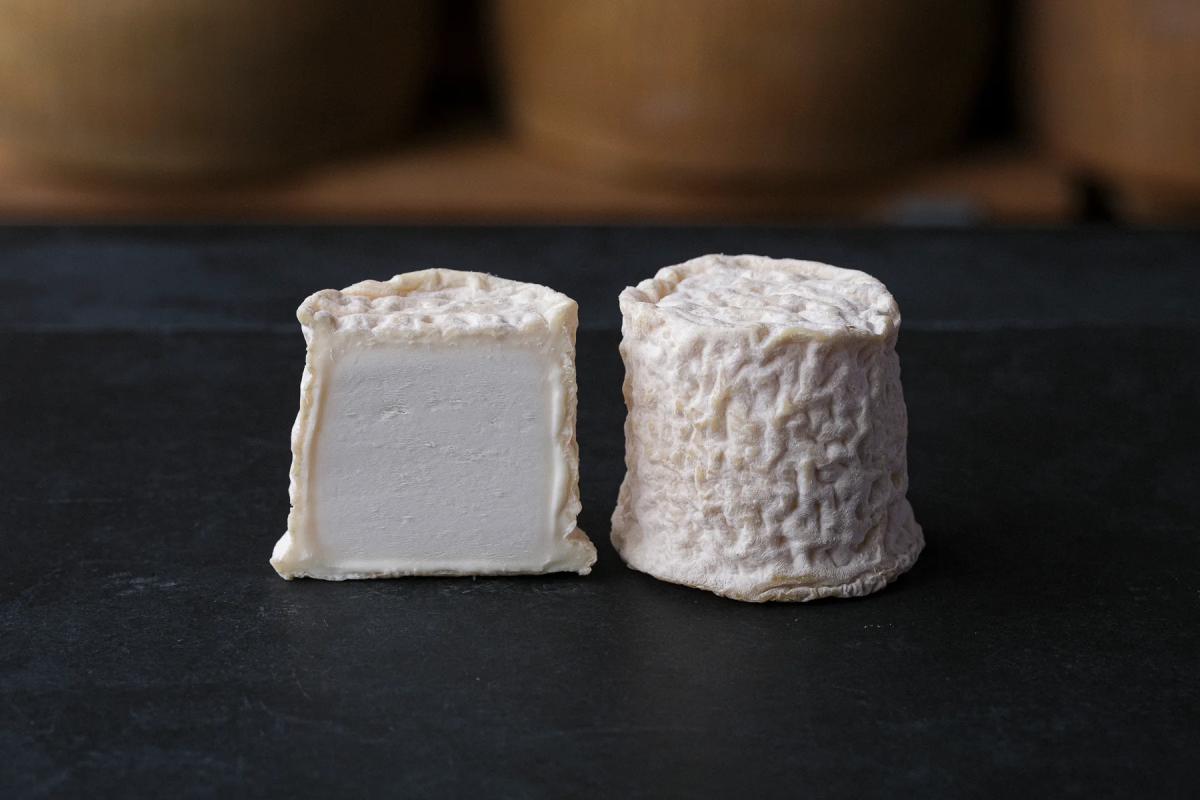
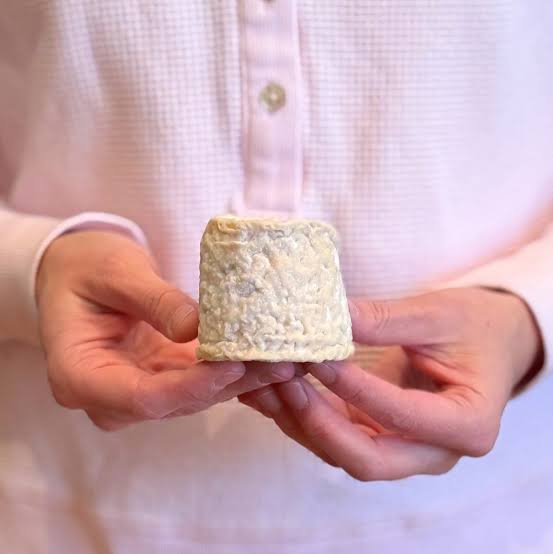
Imagine a cheese so cherished that it was called the "Best in France" as far back as the 16th century, by none other than the renowned writer François Rabelais. That is Chabichou du Poitou, an ivory-colored goat cheese with a distinctive cylindrical form—not just a shape but a symbol of centuries-old tradition. This cheese has been crafted predominantly in the Poitou-Charentes region of France, where the terroir lends a delicate balance of sweetness and tanginess that entices cheese lovers worldwide.
The name itself is a nod to history: derived from the Arabic word "chebli", meaning goat, it suggests the influence of Arab settlers who brought goat herding and cheesemaking expertise to France. This lends Chabichou a fascinating cultural depth, blending Middle Eastern origins with French refinement. Its unmistakable cylindrical shape comes from time-honored production methods that also evoke the region’s legacy of winemaking and craftsmanship.
Legend and Legacy in Every Bite
Beyond its gastronomic charm, Chabichou carries heartwarming stories, like how during WWII, Poitou farmers cleverly hid their cheese in haylofts to protect their herds and maintain their culinary heritage despite war challenges. This cheese literally saved local economies and traditions, preserving a legacy that spans more than twelve centuries.
Today, whether you’re new to French cheeses or consider yourself a connoisseur, Chabichou offers a velvety texture and bright grassy aroma that can star on any perfect charcuterie board. It’s a delicious way to taste the pastures of Poitou and experience French artisanal dedication with every bite.

Laura Chenel Goat Brie Cheese, 5 oz
Creamy and rich goat brie that adds a delicious touch to any cheese board or recipe
Product information
Product Review Score
4.62 out of 5 stars
71 reviewsProduct links
A Taste of History: The Origins of Chabichou du Poitou
From Arab Settlers to Renaissance Praise
The story of Chabichou begins in 732 AD, shortly after the Battle of Poitiers, when Arab horsemen introduced goats and their cheesemaking wisdom to western France. This marked the birth of what would become one of the region’s most treasured traditional cheeses. The crafting of Chabichou is distinct from other more ancient pastoral cheeses, setting it apart with its specialized cylindrical form and unique flavor profile.
Renaissance writer François Rabelais further immortalized Chabichou's status by praising it in his satirical novel Pantagruel, calling it France's finest cheese. Such literary accolades elevated its status from rustic delicacy to national treasure. The historical narrative grew richer with legends about figures like Joan of Arc, said to have carried Chabichou for sustenance—proof it fueled heroes as much as it delighted palates.
Legal Protection and Agricultural Adaptation
In 1990, Chabichou du Poitou was granted AOC (Appellation d'Origine Contrôlée) status, a French legal certification that protects its recipe and geographic origin. This helped enforce quality standards, preserve artisanal methods, and support local economies. The designation ensures that Chabichou remains authentic, made only with raw goat’s milk from designated farms following traditional processes.
Interestingly, when vineyards succumbed to phylloxera in the 1800s, Poitou’s farmers shifted their focus more heavily to goat breeding and cheesemaking, solidifying Chabichou's place in French gastronomy. Its resilience is a symbol of the region’s ability to adapt and innovate, maintaining cultural and culinary identity through external challenges.
The Art of Cheese Production: Crafting Chabichou du Poitou
Traditional Techniques in Modern Times
Producing Chabichou starts with raw, full-fat goat's milk, carefully curated from local herds. The milk is curdled naturally using animal or traditional rennet under strict raw milk regulations. Skilled cheesemakers then hand-ladle the curds into oval molds shaped like old wine barrel stoppers, called "bondes," which pay homage to Poitou’s historic vineyards.
Each mold is perforated allowing whey to drain naturally without damaging the curd. This technique hasn’t changed since the 1700s, underscoring the importance of tradition in ensuring perfect texture. The whole process requires patience and expert touch—mistakes can mean the difference between a prized cheese and a failed batch.
Aging to Perfection on Rye Straw Mats
After molding, Chabichou ages on rye straw mats for a minimum of 10 days, often longer to develop depth in flavor. This natural aging environment fosters the formation of a blue-gray rind, characteristic of the cheese, while maintaining a luscious, creamy interior. Such conditions ensure a balanced maturation that enhances both texture and aroma.
Notably, some producers, like Fromagerie Sèvre & Belle, still use century-old oak molds believing they impart a subtle woody note missing in modern steel equipment. This meticulous attention to detail results in 150g cylinders that encapsulate the essence of Poitou’s limestone-rich soils and Atlantic breezes.
Vermont Creamery 4 oz Chèvre Log Cheese
Enjoy the creamy, tangy flavor of this delightful goat cheese, perfect for spreading or cooking
Product information
Product Review Score
4.77 out of 5 stars
97 reviewsProduct links
Savoring Chabichou du Poitou: Taste, Texture, and Perfect Pairings
 Flavor Evolution & Texture Experience
Young Chabichou, aged just 10 days, offers a gentle and delicate flavor profile—a creamy canvas painted with hints of fresh cream, bright lemon zest, and subtle almond notes. The texture is soft, pillowy, and inviting, making it an excellent introduction to goat cheeses for the uninitiated.
As it matures past 4 weeks, the cheese transforms dramatically. The texture becomes firmer and crumbly while peppery notes emerge, enhanced by tiny tyrosine crystals that add a delightful crunch and complexity. This progression mirrors a fine wine's journey from fresh and bright to rich and bold.
Expert Pairings for Every Palate
Master pairing can elevate your Chabichou experience. Complement young cheeses with regional Sancerre or crisp Loire Valley Sauvignon Blanc, whose acidity cuts through creaminess and lifts flavors. For a sweet contrast, drizzle Poitou melon with lavender honey or enjoy with walnut-studded fig bread.
Savvy cooks fold Chabichou into soufflés or stuff it into chicken roulades, imparting subtle tanginess. For adventurous palettes, pairing aged Chabichou with dark chocolate—a surprising yet award-winning combo that wowed Parisian chefs—offers a new world of flavor contrasts, proving cheese’s endless creativity.
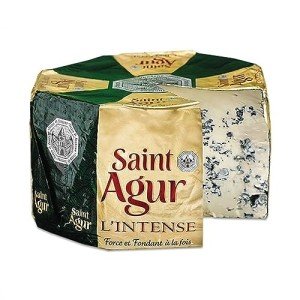
French Saint Agur Cheese - Full Wheel - Approx. 5.2Lbs
Indulge in the rich and creamy taste of Saint Agur, perfect for cheese boards, cooking, or snacking
Product information
$147.96
Product Review Score
4.55 out of 5 stars
82 reviewsProduct links
Why Chabichou du Poitou is Good for You
A Nutritional Powerhouse
Beyond its exceptional taste, Chabichou pack notable health benefits. Containing roughly 18g of protein per 100g, it rivals chicken breast in muscle-building potential. Additionally, its medium-chain triglycerides (MCTs) offer sustained energy release, making it a smart indulgence for active lifestyles.
This goat cheese is also rich in probiotics, supporting gut health and digestion. Compared to many cow’s milk cheeses, it contains about 20% of your daily recommended calcium and minimal lactose (approximately 2g), which benefits those with lactose sensitivities. It’s a wholesome choice for health-conscious consumers.
From Medieval Remedies to Modern Wellness
Historically, monks in medieval Poitou recommended Chabichou for "weak constitutions," valuing its easily digestible fats and nourishing profile. Today, this tradition continues as many athletes, keto dieters, and food lovers incorporate it into healthy deli selections due to its balanced nutrition and probiotic benefits.
Including Chabichou in your diet adds a delicious way to support bone health, muscle repair, and digestive balance. Its status as both a gourmet delicacy and a nutritional ally makes it uniquely versatile for everyday wellbeing.
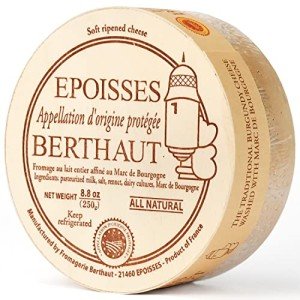
French Epoisses AOC Cheese - 8.8 oz
Rich and creamy with a bold flavor that’s perfect for your cheese board
Product information
$61.90
Product Review Score
4.42 out of 5 stars
230 reviewsProduct links
What the Experts Say: Chefs and Fromagers on Chabichou du Poitou
Fromagerie and Chef Perspectives
Celebrated cheesemongers like Pierre Leclerc of Fromagerie Sèvre & Belle describe Chabichou as a true reflection of Poitou’s terroir—grassy, mineral, and vibrant like its oak forests. Such expert opinions highlight how terroir and tradition combine to create a complex but approachable cheese that delights both novices and experts alike.
Renowned chefs take advantage of Chabichou's molecular duality, using young, creamy wheels in risottos for melting richness and aged chunks crumbled over salads for bold flavor pops. This cheese’s versatility extends culinary creativity across dishes and menus.
Innovation Meets Tradition in Gastronomy
During Paris’s Fête des Fromages, Chef Élodie Laurent impressed judges by pairing aged Chabichou with dark chocolate and a sprinkle of sea salt. She explained this creates a unique "flavor umami," balancing saltiness and sweetness beautifully. Such innovative pairings celebrate tradition while pushing culinary boundaries.
Chefs also recommend crumbling Chabichou over roasted beets with orange zest, adding a vibrant color and intense flavor contrast. These insights inspire home chefs to experiment and honor French cheese culture with sophistication and flair.
Festivals and Seasonal Traditions
The Fête du Chabichou: April Celebrations
Every April, the Poitou-Charentes region comes alive with the Fête du Chabichou—a vibrant celebration of this cheese and its cultural roots. This festival includes tastings of the "primeur" or spring-milk batches, cheese-making demonstrations with traditional wooden molds, folk music, and playful goat parades through the winding village streets.
Visitors get to witness firsthand how spring pastures transform the flavor, offering floral notes distinctive from winter productions. The atmosphere is rich with heritage, joy, and a profound appreciation for artisan cheesemaking.
Route des Fromages de Chèvres: A Cheese Pilgrimage
For those craving deeper immersion, the Route des Fromages de Chèvres offers guided tours of farms, aging caves, and markets, welcoming over 50,000 cheese pilgrims yearly. This “Goat Cheese Trail” blends gastronomic discovery with regional culture, perfect for travelers wanting a taste of authentic French cheese life.
Seasonality plays a major role as well, with April’s lush pastures imparting flavors unique to that time of year. Planning a visit around these traditions provides an unforgettable sensory and cultural experience.
Latest News and Events: Chabichou du Poitou in 2025
 Recent Awards Elevate Reputation
In 2025, Chabichou du Poitou garnered a prestigious silver medal at France's Concours Général Agricole, a competition establishing artisanal excellence since 1870. Judges lauded its “balanced terroir expression," especially notable in raw milk versions reflecting authentic flavors and craftsmanship.
This recognition boosted demand internationally, particularly in Japan and the US where AOP French cheeses are experiencing a 30% annual growth. Such accolades reflect both tradition and modern approval on the global stage.
Sustainability Efforts in Cheesemaking
Producers have embraced sustainability by installing solar-powered aging rooms, cutting carbon footprints while maintaining the cheese’s signature flavor. Environmental responsibility harmonizes with artisanal values, heralding a new era for French cheesemaking.
Look for the new “Eco-Cylindre” label in specialty shops, signaling eco-conscious production. This encourages consumers to support sustainable agriculture while savoring heritage tastes.
Chabichou du Poitou: By the Numbers
Table 1: Fast Facts
| Fact | Detail |
|---|---|
| Shape & Size | Cylindrical (6-7cm tall × 5-6cm wide) |
| Milk per Cheese | 1.5 liters of raw/local goat milk |
| Aging Range | 10 days (young) → 4+ weeks (aged) |
| Annual Production | ~1,500 tonnes (30% exported) |
Table 2: Nutritional Powerhouse (per 100g)
| Nutrient | Amount |
|---|---|
| Protein | 18g (muscle-building champ!) |
| Calcium | 200mg (20% daily needs) |
| Lactose | ~2g (vs. 5g in cow cheese) |
| Probiotics | 109 CFU (gut-friendly cultures) |
Table 3: French Goat Cheese Face-Off
| Cheese | Texture | Flavor Notes |
|---|---|---|
| Chabichou | Velvety → crumbly | Grassy, lemon, almond |
| Crottin | Dense, dry | Hazelnut, earthy punch |
| Valençay | Creamy, ash-coated | Mushroom, mild tang |
*Source: Cheeseprofessor*
Finding and Preserving Chabichou du Poitou
Where to Buy Authentic Chabichou
Authentic Chabichou can be found in markets across Poitou, as well as specialty shops worldwide such as Murray’s Cheese. Online, platforms like Artisanal Cheese and Fromages.com offer fresh selections shipped with care.
If you can’t visit France, these trusted vendors ensure you get genuine, flavorful wheels that respect AOC guidelines. Reading customer reviews and product descriptions will help you select the ideal cheese type—young or aged—to suit your taste.
Tips for Preserving Freshness at Home
To keep Chabichou fresh, wrap the cheese in parchment paper following traditional French techniques. Then, place it in the fridge's vegetable drawer which maintains high humidity—ideal for soft cheeses.
Consume within 7 days of opening to enjoy peak flavor and texture. For longer storage, freezing is an option for up to 3 months—just thaw it slowly overnight in the refrigerator to retain its delicate qualities.
Hints & Tips: Maximizing Your Experience
- ✅ DO serve Chabichou at 18°C (64°F) to unleash its floral aromas and full flavor.
- ✅ DO pair with Poitou’s signature Pineau des Charentes apéritif for a regional-inspired match.
- ❌ DON’T remove the rind—it holds much of the cheese’s distinctive flavor and texture.
- 💡 HACK: Rub the rind lightly with cognac before aging to add a subtle local secret aroma.
For stunning presentation, arrange whole cylinders on a charcuterie board alongside quince paste and Marcona almonds, creating both visual and taste appeal.
Conclusion: A Cheese Steeped in History and Flavor
Chabichou du Poitou is far more than just cheese—it’s a delicious journey through time and culture, carrying stories from Arab horsemen who settled in France in 732 AD to modern AOP artisans preserving ancient craft. Its unique cylindrical shape pays homage to historic wine-barrel traditions, while the limestone-rich soils of Poitou impart flavors that are lemony, creamy, and unmistakably fresh. Every bite is a direct connection to French terroir and passion.
Whether you’re a curious newcomer or a seasoned cheese lover, Chabichou offers something unforgettable. The young cheese charms with pastel softness and citrus hints, while the aged versions thrill with peppery complexities and crystal crunch. Its healthful protein, probiotics, and digestibility make it a wise as well as a tasty choice.
Ready to begin your French cheese adventure? Explore our carefully curated selection of authentic French Cheeses and discover why Chabichou du Poitou has been France’s edible crown jewel for over 1,300 years. Allez-y—your taste buds will thank you!
Frequently Asked Questions
- Why does Chabichou cost more than supermarket goat cheese?
Chabichou’s higher price reflects its small-batch production, strict AOP rules, and local raw milk sourcing. This artisanal process yields superior quality and authentic taste unmatched by mass-produced supermarket cheeses. Every euro supports traditional farming, skilled cheesemakers, and regional heritage. It’s truly worth every penny for an authentic experience. - Can vegetarians eat Chabichou?
Traditional Chabichou uses animal rennet derived from calves, so strict vegetarians might avoid it. However, some producers now offer versions made with microbial or vegetable rennet—look for labels specifying "microbial rennet" like those from Le Fromager des Rois. This helps expand options for vegetarian cheese lovers. - What makes Poitou’s terroir special for cheese?
The chalky limestone soils of Poitou enrich grasses with unique minerals, which goats graze on. This creates subtly grassy and mineral flavor notes in the milk. Combined with Atlantic ocean breezes that moderate humidity, the environment ensures perfect aging conditions, allowing Chabichou to develop its characteristic rind and aroma. Learn more about Poitou terroir. - How is Chabichou different from Greek feta?
While both are goat’s milk cheeses, feta is traditionally brined and crumbly, often salty and stored in a salty solution. Chabichou matures naturally, has a soft to crumbly texture depending on age, and develops an edible natural rind. Its flavor is fresh and creamy when young, turning more complex with age. - Best wine pairing beyond Sauvignon Blanc?
Try pairing Chabichou with Vouvray’s off-dry Chenin Blanc, whose honeyed and floral notes complement the cheese’s saltiness beautifully. Other excellent matches include light reds like Pinot Noir or even dry Rosé for fresh, balanced pairings. - Why does the rind turn blue-gray?
The blue-gray rind forms from natural mold blooms, primarily Penicillium candidum, during the aging process. This mold is safe to eat and actually enhances flavor and texture by helping protect and mature the cheese naturally. - Can I visit Poitou cheese farms?
Absolutely! The Route des Fromages de Chèvres offers farm tours, cheese-making workshops, and market visits. Many farms welcome visitors eager to experience traditional Poitou cheesemaking and sample fresh products hands-on.
Explore More Resources
Recommended Authority Websites for Further Reading
- Institut National de l'Origine et de la Qualité (INAO) - The official French organization overseeing AOC and AOP designations, offering detailed insights into cheese appellations and regulations.
- Murray’s Cheese - A leading specialty cheese retailer with expert descriptions and a wide selection of French cheeses, including artisanal Chabichou du Poitou.
- Cheeseprofessor - Educational resource focusing on cheese varieties, history, and tasting notes, great for deepening your cheese knowledge.
- Fromages.com - An online platform dedicated to French cheeses, with background information, buying guides, and cultural context.
- Tourisme Vienne - Regional tourism site offering information about the Route des Fromages de Chèvres and visitor opportunities in the Poitou-Charentes region.