Key Takeaways
- Bleu de Laqueuille is a historic French blue cheese crafted since 1850 in Auvergne using unique mold techniques inspired by bread.
- The cheese is rich, creamy, and milder than Roquefort, with distinctive blue-green veins and a natural rind.
- Its terroir, volcanic soil, and traditional hand-piercing production make it a cultural icon and a beloved regional staple.
- Despite lacking AOP status, it has won international awards and remains a symbol of local pride and artisanal passion.
- Pair it with sweet wines, fruits, or incorporate into cooking for a gourmet experience rich with earthy, nutty aura.
1. Introduction
Meet the Blue Star of Auvergne
Nestled in the volcanic hills of the Auvergne region, Bleu de Laqueuille stands out as a creamy, enchanting French blue cheese with a history as rich as its flavor. This cheese is not just a culinary delight but a storybook of French heritage, echoing the creativity of early cheesemakers who transformed accidental mold discoveries into celebrated artisanal masterpieces.
Imagine savoring a cheese whose recipe dates back to 1850, developed by the innovative farmer Antoine Roussel. Using the curious blue mold spotted on rye bread, Roussel’s method laid the foundation for a cheese that continues to carry cultural symbolism to this day. It embodies the resilience and pride of Auvergne’s rural communities, enticing new generations with its subtle yet complex character.
Why This Cheese Matters Today
Bleu de Laqueuille holds a unique position in the French cheese landscape. Unlike its more famous blue cousins such as Roquefort or Bleu d’Auvergne, it lacks AOP certification but makes up for it with authenticity and compelling history. This unassuming hero captures the heart of traditional farmstead cheesemaking passed down through generations.
Whether you’re a blue cheese enthusiast or an adventurous foodie, this cheese invites you to experience a blend of gentle tanginess and creamy richness. Join us as we explore its origin story, production secrets, tasting notes, and cultural importance—a journey that will deepen your appreciation for this volcanic treasure.
2. The Origins and History of Bleu de Laqueuille
 From Moldy Bread to Blue Cheese Legend
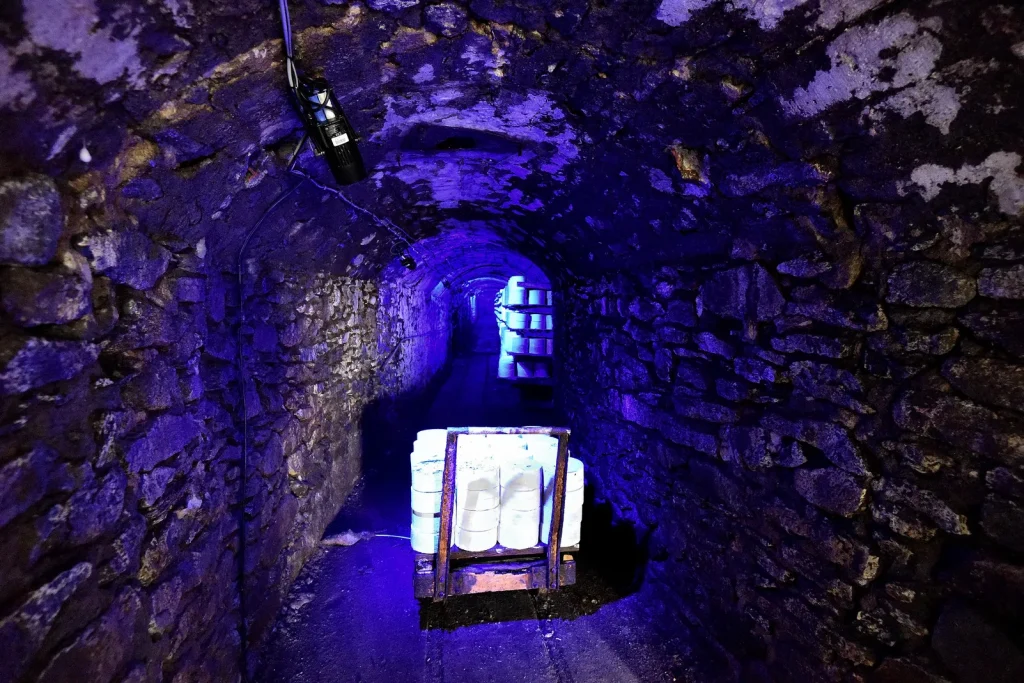
In the mid-19th century, Antoine Roussel, a curious farmer from the village of Laqueuille, noticed blue mold growing on rye bread and envisioned a new kind of cheese. What started as a simple experiment evolved into the now-renowned Bleu de Laqueuille. This innovation marked a pivotal moment in blue cheese history, creating a unique product that deviated from the classic Roquefort and Bleu d’Auvergne while honoring the region’s rich dairy traditions.
Unlike the protected AOP-status cheeses, Bleu de Laqueuille remains an unsung gem cherished by locals and connoisseurs who prize its authentic production. The story of Roussel piercing cheese with needles to encourage mold growth is a quirky legacy still alive today—illustrating the blend of tradition and ingenuity behind every wheel.
A Cheese Shaped by History and Landscape
The volcanic soil of Auvergne enriches the pastures where cows graze, imbuing the milk with unique mineral flavors that echo through the cheese. This terroir-driven influence is a defining trait, contributing to the cheese’s signature earthy aroma and taste.
During World War II, the local villagers famously hid wheels of Bleu de Laqueuille in haystacks to prevent Nazi confiscation—a delicious form of resistance. Today, fifth-generation cheesemakers uphold these ancient methods, hand-forming wheels and nurturing a cheese deeply woven into the identity of Auvergne’s people and landscape.
3. Traditional Cheese Production Methods
 Crafting Bleu de Laqueuille: A Science and Art Blend
The making of Bleu de Laqueuille captures both science and artisanal skill. Starting with fresh cow’s milk sourced from Auvergne’s lush volcanic pastures, the milk inherits a distinct mineral profile that sets the flavor apart from other blues.
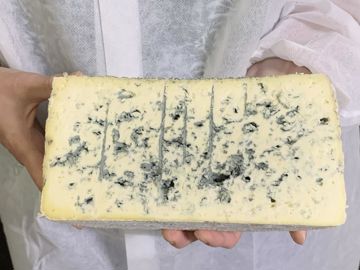
At the heart of the creation is the addition of the mold Penicillium roqueforti, which was inspired by the blue mold observed on bread by Antoine Roussel. Cheese curds are gently hand-packed and meticulously pierced with needles to allow oxygen to permeate, encouraging the development of characteristic blue veins and creamy texture. For more on traditional methods, visit Traditional French Cheese Craft.
Aging in Perfect Conditions
The pierced wheels are then aged in humid, cool cellars for 4 to 8 weeks. This controlled environment, often reaching near 100% humidity, encourages mold growth and rind dew that contributes to the cheese’s unique flavor and texture.
Among the quirks of tradition, workers reportedly sing folk songs while piercing the cheeses, believed to encourage the mold to dance. Some master cheesemakers age wheels near wild garlic to impart subtle herbal notes, demonstrating a deep connection between nature and craft. Learn more about the aging process at French Cheese Aging Secrets.
4. Characteristics and Flavor Profile
 Appearance and Texture
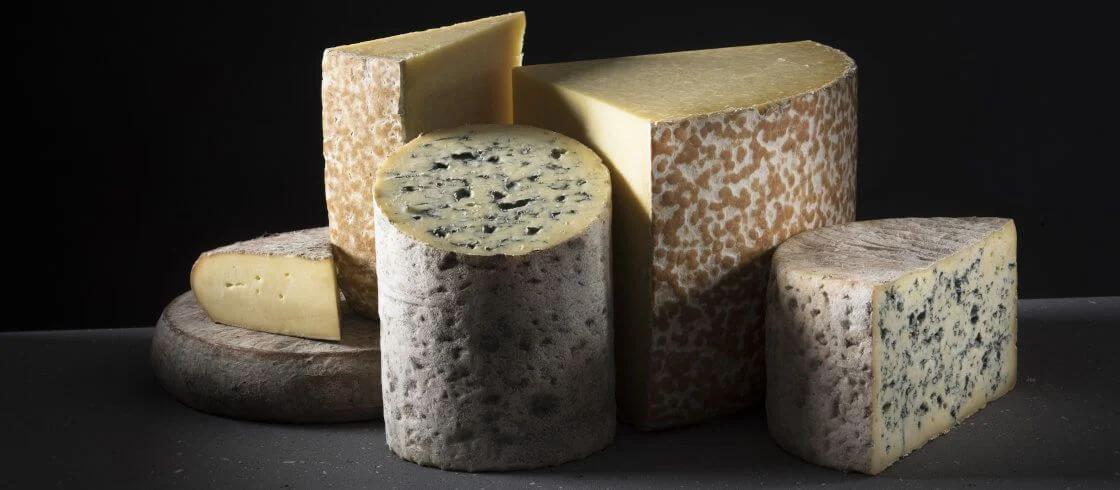
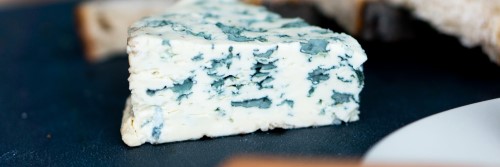
Bleu de Laqueuille boasts a creamy white paste marbled with distinctive blue-green veins running throughout, enveloped in a natural rind. Its texture is luxuriously smooth and spreadable, offering a contrast to some of the firmer or crumbly blue cheeses known today.
The cheese's look reflects both its volcanic terroir and artisan craftsmanship, a tactile invitation to a flavorful journey steeped in tradition and terrain.
Taste and Aroma
Flavor-wise, Bleu de Laqueuille is subtler than Roquefort, presenting a balanced interaction between tanginess, saltiness, and gentle spice without overwhelming sharpness. This tameness makes it an excellent introduction to blue cheeses for beginners.
The aroma carries notes of toasted hazelnuts and wet earth, vividly recalling the meadows and volcanic pastures of Auvergne. For an elevated tasting experience, try it with lavender honey for what enthusiasts call a “volcanic sunset” effect—where sweetness beautifully tempers the cheese’s rustic intensity. For more pairing ideas, check out our Artisan Cheese Pairing Guide.
| French Blue Cheese | Intensity | Creaminess | Best Pairing |
|---|---|---|---|
| Bleu de Laqueuille | ★★★☆☆ | ★★★★★ | Sauternes, figs |
| Roquefort | ★★★★★ | ★★★☆☆ | Port, pears |
| Bleu d'Auvergne | ★★★★☆ | ★★★★☆ | Côtes du Rhône |
5. Cultural Significance in France
A Regional Icon Beyond AOP
Though Bleu de Laqueuille lacks the formal AOP label that some French cheeses proudly bear, it has become an emblem of Auvergne’s cultural identity. Locals come together every August to celebrate the Fête du Bleu, an exuberant festival dedicated to this historic blue cheese.
This event is a celebration of centuries-old cheesemaking skills where farmers and cheesemakers present their craft, from hand-piercing demonstrations to tastings. The cheese’s humble origins and artisan roots embody a spirit of pride and perseverance that Auvergne residents cherish.
Legends, Anecdotes, and Local Pride
Local folklore tells tales of farmers trading their precious cheese wheels for farm tools – a barter system recognizing cheese as "rural gold." In 2025, Bleu de Laqueuille earned silver at Lyon’s Dairy Competition, proof of its esteemed reputation beyond Auvergne's borders.
Visitors to Laqueuille can experience the tradition firsthand at the Boutique de la Memée, where piercing demonstrations breathe life into centuries of tradition. This cheese is a living symbol of regional heritage and the pride of its people.
6. Health Benefits
Nutrient-Rich and Gut-Friendly
Bleu de Laqueuille is more than just flavor – it’s packed with essential nutrients that can support a balanced diet. A 100g serving provides a hefty dose of calcium, essential for strong bones, as well as high-quality protein for energy and muscle repair.
Moreover, the presence of probiotics lends a boost to gut health and immunity. While blue cheeses tend to have lower lactose content compared to fresh cheeses, those sensitive to lactose should still enjoy it in moderation. The medieval belief that it could lift spirits connects well with modern findings supporting probiotics’ mood-enhancing benefits. For more on healthy deli choices, visit Healthy Deli Food Choices.
Nutrient Content Table
| Nutrient | Per 100g | % Daily Value* |
|---|---|---|
| Calcium | 528mg | 53% |
| Protein | 21g | 42% |
| Vitamin B12 | 1.2µg | 50% |
*Based on 2,000 calorie diet
7. Where to Buy
Online and Local Auvergne Markets
Looking to bring home this Auvergne treasure? Bleu de Laqueuille is available through select online shops, making it accessible to cheese lovers worldwide. The freshest wheels are harvested and sold at autumn markets in Auvergne, an ideal time for food explorers to visit and enjoy firsthand the vibrant local cheese culture.
Prices typically range between $25-$30 per pound, depending on sourcing and cut size. Pro tip: ask for cut-to-order wedges to explore varied maturation stages of the cheese directly from local experts.
Secret Gems and Insider Tips
When visiting the Clermont-Ferrand market, locals recommend requesting "le bleu du berger"—hidden reserve wheels prized for their rich flavor and rarity. For authentic sourcing abroad, explore curated selections of French cheeses at DeliFoodShop, an excellent option for discovering small-batch and artisanal French cheese varieties.
Many shops offer gift boxes, pairing Bleu de Laqueuille with complementary charcuterie and wine—providing a taste of Auvergne’s gourmand heritage at your doorstep.

HERVE MONS 1924 Bleu Cheese - 1 lb
Rich and creamy with a distinct tangy flavor that cheese lovers will adore
Product information
Product Review Score
4.53 out of 5 stars
140 reviewsProduct links
8. Events & Accolades
Award-Winning Excellence
Bleu de Laqueuille has earned international acclaim in recent years, winning top honors at prestigious competitions. Between 2024 and 2025, it earned gold and grand gold at the Frankfurt International and Frankfurt Trophy events, testaments to its refined quality and artistry.
These awards highlight the growing recognition of this historic cheese beyond its regional roots as it gains a wider global audience who appreciate its mild yet rich flavor.
Festivals and Celebrations
Several annual festivals pay tribute to Bleu de Laqueuille and the cheesemakers who preserve its legacy. The Fête du Bleu in August is a lively celebration featuring cheese-rolling races, tasting events, and artisan showcases.
Winter markets like the Volcansancy Winter Market offer unique opportunities to taste wheels aged in volcanic caves, while spring pasture festivals invite visitors to meet the cherished cows whose milk sparkles with volcanic character.
| Year | Competition | Award |
|---|---|---|
| 2024 | Frankfurt International | Gold |
| 2025 | Frankfurt Trophy | Grand Gold |
9. Chefs’ Opinions
 Praises from Culinary Masters
Chef Élodie Blanc from Paris calls Bleu de Laqueuille a "gentle giant" — bold in sauces yet graceful on cheese boards. She recommends using it in buckwheat galettes paired with chestnut liqueur for a delightful fusion of flavors that highlight its creamy texture.
Chef Pierre Gagnaire describes it as whispering where others shout. According to him, Bleu de Laqueuille with Sauternes-poached pears delivers volcanic terroir encapsulated in every bite, showcasing its subtle yet impactful personality. For more on wine pairings, visit Top Red Wines for Charcuterie.
Cooking Inspirations
This versatile cheese is perfect for incorporation into gourmet salads, luscious pasta dishes, and even blue cheese-stuffed dates that offer a surprising mix of sweet and savory. Try these easy homemade gourmet sandwiches to let Bleu de Laqueuille shine.
Whether melted or crumbled, its gentle complexity enhances recipes without overpowering, a rare quality that makes it adored by chefs and foodies alike.
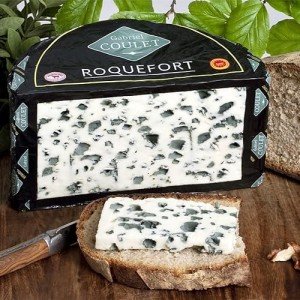
Gourmet Roquefort Cheese - 1 Pound
Indulge in the rich, tangy flavor of this delicious blue cheese perfect for cheese boards, salads, and gourmet recipes
Product information
$44.90
Product Review Score
4.85 out of 5 stars
82 reviewsProduct links
10. Storage & Serving Tips
Proper Storage for Peak Flavor
Store Bleu de Laqueuille wrapped in wax paper inside your fridge drawer to preserve moisture and scent while preventing absorption of other fridge odors. Avoid airtight plastic wrap, which can suffocate the cheese and alter its flavor. For more on preserving cheese, check out French Cheese Preservation Techniques.
When ready to enjoy, remove from fridge and let it sit at room temperature (~65°F) for about 20 minutes before serving. This "breathing" time allows the creamy texture and aroma to reach their full potential.
Serving Suggestions
Use a dedicated cheese knife to avoid cross-contamination of flavors, preserving the nuanced taste of Bleu de Laqueuille each time. Pair with apples or walnut bread to complement its salty, tangy essence.
Master your presentation skills by layering it on your cheese boards with fresh fruits, nuts, and honey—great advice can be found in this Charcuterie board tips article that elevates any food spread!
11. Do’s and Don’ts
| Do’s | Don’ts |
|---|---|
| Pair with honey or Sauternes wine for natural sweetness | Overpower it with spicy sauces that mask its subtle flavors |
| Use a cheese wire for clean slices | Leave unrefrigerated for prolonged periods |
| Freeze only for cooking if necessary | Microwave – it causes sweating and ruins texture |
12. Savor Like a Local
Traditional Serving Styles
Unwrap your Bleu de Laqueuille and let it breathe for 10 minutes to enhance creaminess. A classic way to enjoy it locally is layering the cheese on rye bread paired with blackcurrant jam, crafting a unique sweet-tangy harmony that delights the palate.
Such simple combinations demonstrate how this cheese complements and elevates humble ingredients, making every bite feel like a celebration of Auvergne’s rich food heritage.
Unexpected Pairings To Try
- 🥓 Smoky jambon de Savoie (Top dry-cured meats)
- 🍐 Quince paste
- 🥂 Sparkling Cerdon rosé
Legend has it that in the 1950s, vineyard workers stuffed this cheese into apples for a quick, flavorful lunch—today, this practice enjoys a revival in Lyon’s bistros, offering an authentic taste experience that brings history back to life. For more pairing ideas, visit our Cheese Pairings for Charcuterie.
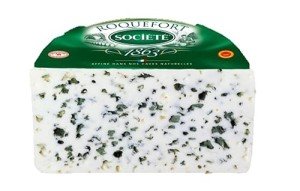
Roquefort Sheep's Milk Cheese by Societe - 1 lb
Experience the bold and tangy flavors of authentic Roquefort cheese made from rich sheep's milk
Product information
$46.99
Product Review Score
4.38 out of 5 stars
114 reviewsProduct links
13. Conclusion
Bleu de Laqueuille is not just a cheese; it is a living testimony of French history, tradition, and terroir. From the inventive experiment of Antoine Roussel inspired by moldy bread to its rich, gentle tang that pleases both newcomers and discerning palates, it represents a timeless culinary legacy. The stories of WWII resistance and the enduring multi-generational craftsmanship echo in every bite, adding depth far beyond flavor.
This cheese’s delicate balance of creamy texture and blue veining makes it uniquely welcoming in the world of blues. Whether crumbled in a salad, melted in a savory sauce, or enjoyed on its own with a sweet wine like Sauternes, Bleu de Laqueuille embodies the volcanic soul of Auvergne and invites all to partake in its rich story.
If you’re eager to dive deeper into the world of historic French cheeses, explore our curated collection at French Cheeses at DeliFoodShop. Unlock flavors filled with tradition, passion, and unforgettable taste adventures waiting for you!
14. FAQ Section
1. Why choose Bleu de Laqueuille over other blues?
Bleu de Laqueuille offers a mild yet complex flavor profile that is perfect for those new to blue cheese, while still intriguing for aficionados. Unlike highly regulated AOP cheeses, it boasts rustic farmhouse charm and an artisanal story behind every slice. Its creamy texture and gentle spice make it a unique choice within the blue cheese family.
2. Can I cook with Bleu de Laqueuille?
Absolutely! Its melt-friendly creaminess shines in sauces, soufflés, and gourmet sandwiches. Its flavor enhances dishes without overpowering them, making it an excellent choice for chefs and home cooks who want to add depth to their recipes.
3. How does terroir affect the cheese’s flavor?
The volcanic soils of Auvergne infuse grasses with distinctive minerals, which the cows carry into their milk. This terroir effect imparts a subtle earthy, nutty aroma and flavor to Bleu de Laqueuille, distinguishing it from blue cheeses made in other regions.
4. Is Bleu de Laqueuille vegetarian-friendly?
Traditionally, this cheese uses animal rennet, which is not suitable for vegetarians. However, some small producers are experimenting with vegetarian rennet—always check labels to confirm.
5. What’s the best way to serve Bleu de Laqueuille for guests?
Pair it with figs, walnuts, and a drizzle of honey alongside rustic walnut bread for a crowd-pleasing platter. Adding a glass of Sauternes creates a harmonious sweet and salty contrast that will wow any guest.
6. How did WWII affect Bleu de Laqueuille production?
During WWII, villagers hid cheese wheels in haystacks to evade Nazi confiscations. This act protected both the cheese and the livelihoods tied to it, highlighting the cheese’s significance in local culture and economy as a form of peaceful resistance.
7. Why doesn’t Bleu de Laqueuille have AOP status?
While following traditional methods, Bleu de Laqueuille does not meet all of the strict regulatory requirements established by AOP laws, which can include production area limits and processes. This gives the cheese a rebellious spirit, emphasizing artisan freedom and local heritage over formal certification.
8. How long can Bleu de Laqueuille be stored?
If properly stored in wax paper inside a fridge drawer, it can last up to two weeks while maintaining its best flavor and texture. Always let it breathe before serving to enjoy its full aroma and creaminess.
9. Are there vegetarian alternatives similar to Bleu de Laqueuille?
Yes, some modern cheesemakers use vegetarian rennet and mimic the traditional blue mold process. While not identical, these alternatives offer a blue cheese experience suitable for those avoiding animal rennet.
10. What wines pair best with Bleu de Laqueuille?
Sweet wines like Sauternes or lighter fruity reds such as Beaujolais complement the cheese's creamy texture and mild tang. These pairings enhance both the cheese’s and the wine’s flavors for a delightful balance.
Isigny Ste Mère Double Cream Brie Cheese, 350g
Indulge in the rich and creamy flavor that transforms any dish into a gourmet experience
Product information
Product Review Score
4.38 out of 5 stars
166 reviews