Key Takeaways
- Brousse du Rove is a fresh goat cheese from Provence made exclusively with milk from the indigenous Rove goat.
- It has a protected AOC status since 2018, preserving centuries-old artisanal production and regional heritage.
- The cheese offers creamy textures with herbal nuances owing to goats grazing on wild Provençal herbs like thyme and rosemary.
- Due to its seasonal nature and limited production, Brousse du Rove is a rare delicacy with deep cultural roots and culinary versatility.
- Support for artisanal cheesemakers helps maintain traditional practices, biodiversity, and authentic flavors of this unique French cheese.
Table of Contents
- Introduction
- The History and Cultural Significance of Brousse du Rove
- How Brousse du Rove is Made: Traditional Cheese Production Methods
- The Rove Goat: Guardians of Tradition
- Taste and Texture Profile: What Makes Brousse du Rove Unique?
- Health Benefits of Brousse du Rove
- Where to Find Brousse du Rove: Availability and Buying Tips
- Seasonality and Traditional Celebrations
- The French Cheese Industry: A Cultural Powerhouse
- Renowned Chefs’ Opinions on Brousse du Rove
- Creative Ways to Enjoy Brousse du Rove
- Delightful Brousse du Rove Recipes
- How to Store and Consume Brousse du Rove Safely
- Do’s and Don’ts When Enjoying Brousse du Rove
- Conclusion: Why Brousse du Rove Captivates Hearts
- FAQ Section
- Explore More: Recommended Resources
A unique journey through one of southern France’s most treasured fresh cheeses 🧀🌿
Dive into the sun-soaked hills of Provence to discover Brousse du Rove — a delicately fresh and aromatic goat cheese that captivates palates and hearts alike. Originating from ancient traditions and guarded by passionate artisans, its story intertwines food culture, biodiversity, and the enduring spirit of southern France. Whether you're a cheese lover or culinary explorer, this article unveils everything you need to savor, understand, and celebrate Brousse du Rove. Let your taste buds wander and your knowledge grow — the adventure begins here!
1.Discovering Brousse du Rove: A Taste From Provence
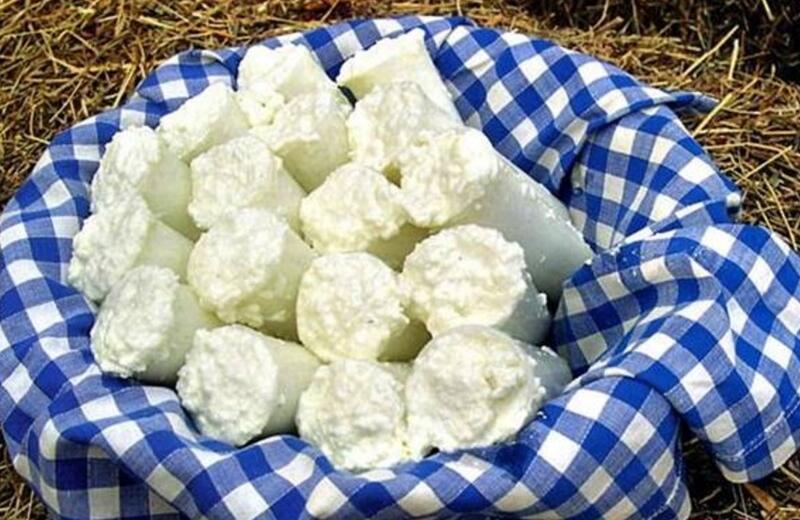
Imagine wandering through a lively market square in Marseille, where the sun drapes golden light over colorful stalls. A local cheesemaker offers you a small cone-shaped delight — Brousse du Rove. This soft, fresh goat cheese melts like a cloud on your tongue, carrying subtle hints of wild herbs that evoke miles of Provençal hillsides.
Brousse du Rove is not merely a cheese; it's a living narrative of southern France’s culinary heritage. For over two millennia, the care and craftsmanship behind this specialty have been preserved, making every bite a connection to centuries of tradition and a celebration of local terroir.
Why This Cheese Matters to Food Lovers
Beyond its delightful taste, Brousse du Rove tells a story of resilience — of small-scale farmers, biodiversity, and cultural pride. Its exclusive use of Rove goat milk and its unique preparation methods set it apart from typical fresh cheeses. Lovers of authentic French cheese varieties find in it a rare gem that embodies the spirit of Provence as much as its lavender fields and sunny skies.
In this article, you’ll journey through the cheese’s history, discover how it’s made, learn about the special goat breed that makes it possible, and explore how to enjoy and preserve this culinary treasure. So, prepare for a flavorful adventure that goes beyond taste—into legacy and culture.
2. The History and Cultural Significance of Brousse du Rove
From Roman Shepherds to Modern Tables
The ancient hills near Marseille have long been home to shepherds who milked goats for sustenance and community. Brousse du Rove was created centuries ago by Roman-era shepherds in the village of Le Rove. Those early artisans laid the foundations for a cheese that would nourish fishermen, farmers, and families in Provence for generations.
Historically, the cheese was not just food, but an event. Street vendors in the 1800s announced arrival of fresh brousse in Occitan dialect, turning sales into lyrical performances that echoed throughout Provençal towns. To this day, the cheese’s roots in local culture remain steadfast, symbolizing regional identity.
Protected Legacy: The AOC Status and Cultural Heritage
After a long campaign, Brousse du Rove was awarded AOC (Appellation d’Origine Contrôlée) status in 2018. This certification guarantees its origin, production methods, and ingredients—ensuring that the cheese remains tied to Provence as both a product and a cultural symbol.
This recognition highlights the cheese not just as food, but as edible heritage worthy of preservation. It celebrates the resilience of regional producers who keep ancestral art alive while standing against industrial homogenization. For fans of French fresh cheese, it’s a symbol of passion and authenticity. For more information on French cheese certification, visit our Easy Guide to French Cheese Certification.
$44.90
4.85 out of 5 stars
Gourmet Roquefort Cheese - 1 Pound
Indulge in the rich, tangy flavor of this delicious blue cheese perfect for cheese boards, salads, and gourmet recipes
Product information
Product Review Score
Product links
3. How Brousse du Rove is Made: Traditional Cheese Production Methods
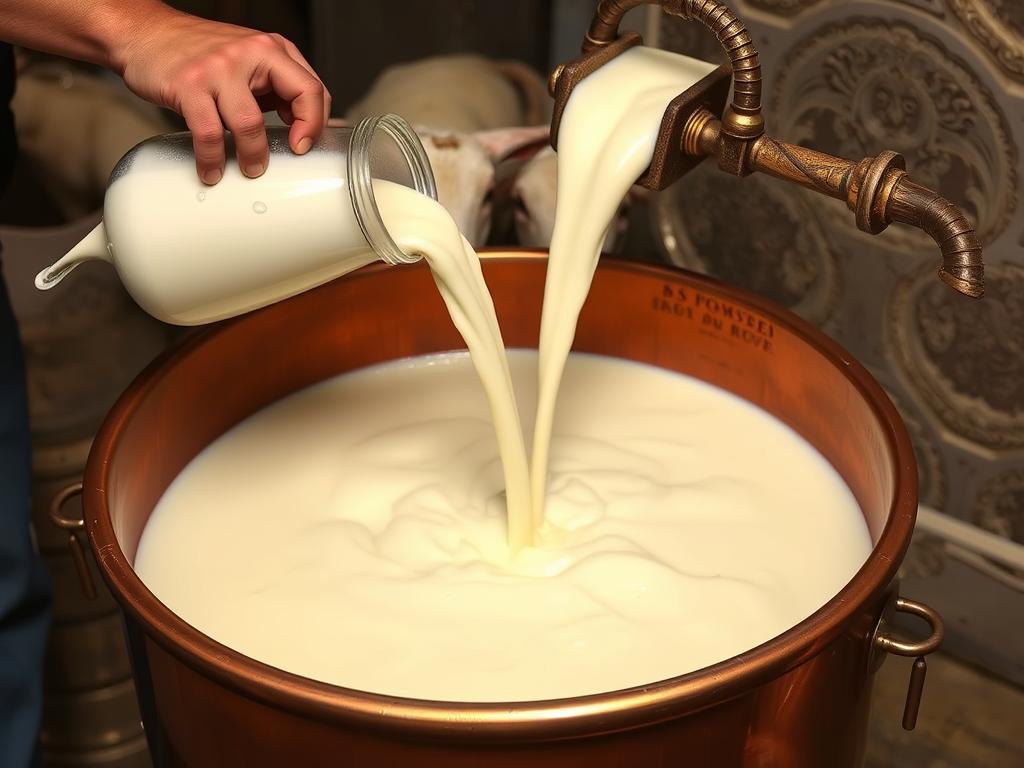 Milk Selection and Environmental Influence
The backbone of Brousse du Rove comes from the raw milk of the Rove goats, uniquely adapted to Provence’s rugged terrain. These goats graze freely among aromatic garrigue shrubs — wild rosemary, thyme, and juniper — imparting herbal complexity to every drop of milk.
Milk production timing and diet profoundly affect the final product. Early morning milking sessions started at dawn maximize freshness, while the goats’ specific flora intake crafts a cheese that quintessentially tastes of the region’s hillside perfumes.
The Artisanal Craft: Curds, Coagulation, and Cone Molding
The production technique is remarkably simple yet demands expertise. Raw goat milk is gently heated to 90°C (194°F), then cooled, before a mild acid, often vinegar, is added to provoke delicate curdling—resulting in a tender, fresh curd.
These curds are hand-scooped into traditional cone-shaped molds that drain naturally, requiring no pressing or aging. This minimal intervention preserves the smooth, silky texture that defines Brousse du Rove. Only a handful of producers maintain these methods, fiercely guarding the cheese’s integrity in a modernizing world.
| Key Production Facts | Details |
|---|---|
| Goat Breed | Rove (only breed named after its terroir) |
| Active Producers (2025) | 6 |
| Daily Milking Time | 35 hours/week per farm |
This scarcity highlights the cheese's artisanal and fragile livelihood. Each batch is a testament to shepherds’ dedication, traditional tools, and months of nuanced work — a precious piece of Provence’s living history.
4. The Rove Goat: Guardians of Tradition
The Unique Breed Behind Brousse du Rove
The Rove goat is an emblem of Provençal biodiversity. Known for its dramatic twisted horns and hardiness, it has thrived in the dry Mediterranean garrigue since at least the 15th century. Its milk carries the terroir’s essence, richly infused with wild herbs that sculpt the characteristic flavors of Brousse du Rove.
Local legends elevate this breed to near-mythical status, claiming their horns warded off wolves protecting villages. As centuries passed, their resilience embodied the perseverance of farming communities along Provence’s rocky slopes.
Endangered Breed & Conservation Efforts
Despite its historical importance, the Rove goat faces challenges. Between 2020 and 2023, their population dwindled by nearly 19%, prompting concerns over losing this irreplaceable link to Provençal cheese-making. Conservation programs and cultural festivities, like La Fête de la Brousse, rally communities to protect and celebrate the breed.
These local events involve live demonstrations, milking contests, and folk singing, fostering both awareness and appreciation for the breed’s irreplaceable role in creating authentic Brousse du Rove. Supporting these efforts is critical for preserving heritage and flavor. To learn more about traditional French cheese craft, visit our Traditional French Cheese Craft article.
5. Taste and Texture Profile: What Makes Brousse du Rove Unique?
Sensory Experience: Flavor and Mouthfeel
The first taste of Brousse du Rove transports you to the Provençal hills. Soft, smooth, and slightly tangy, this fresh goat cheese balances sweet creaminess with subtle herbal notes from thyme and rosemary. It’s a delicate dance of flavors on your palate — gentle but distinct.
Unlike grainier fresh cheeses like ricotta, Brousse du Rove has a unique silkiness. Its texture is airy yet luscious, akin to savoring a cloud infused with sun-warmed wildflowers. This makes it naturally appealing to both cheese enthusiasts and newcomers.
Pairing Suggestions to Elevate the Experience
When it comes to pairing, Brousse du Rove shines with both sweet and savory complements. Try a drizzle of lavender honey or a side of fresh figs to highlight its mild sweetness and fragrant herbal undertones. For savory bites, freshly baked olive oil-drenched bread combined with herbes de Provence creates a perfect match.
Wine lovers will delight in chilled Provençal rosé — its bright acidity gently cutting the cheese’s richness without overshadowing it. These pairings emphasize the cheese’s versatility and authentic Mediterranean character. For more pairing ideas, check out our Artisan Cheese Pairing Guide.
4.16 out of 5 stars
HERVE MONS Camembert Cheese, 8.5 OZ
Discover the creamy richness of HERVE MONS Camembert Cheese, perfect for your cheese board or a delightful snack
Product information
Product Review Score
Product links
6. Health Benefits of Brousse du Rove
Nutritional Profile Worth Celebrating
Brousse du Rove offers more than decadent flavor; it also supports wellness. Low in fat yet packed with approximately 10g of protein per 100g serving, it's an excellent lean source of nutrition. Its freshness preserves live probiotics that aid digestion better than many aged cheeses.
Because it’s made from raw goat milk, the cheese boasts a different protein structure that is often easier to digest, making it a suitable option for many with dairy sensitivities. Though always best to start with small amounts, many lactose-intolerant individuals report enjoying it comfortably.
The Role of Traditional Methods in Health
The artisanal, low-impact production methods preserve not only flavor but also nutritional integrity. Unlike industrial cheeses that undergo heavy processing, Brousse du Rove retains essential nutrients and living cultures that contribute positively to gut health.
Its freshness means it contains fewer additives and preservatives, aligning with the growing demand for clean, natural, and wholesome foods in modern diets. A cheese that’s both indulgent and nourishing? That’s truly a win-win.
7. Where to Find Brousse du Rove: Availability and Buying Tips
Local Provençal Markets and Specialty Shops
If you’re fortunate enough to visit Provence, fresh Brousse du Rove awaits at Marseille’s vibrant Noailles Market or local creameries scattered through Bouches-du-Rhône. Here, you can engage directly with artisans who take immense pride in their craft.
The tactile experience, coupled with the opportunity to ask about the cheese’s seasonality and production, complements the tasting itself. Buying locally helps sustain these small producers and supports regional economies.
Ordering Online and Avoiding Counterfeits
Outside Provence, finding authentic Brousse du Rove can be challenging due to its 5-day shelf life and limited production. Specialty online retailers like Fromages.com occasionally stock it. Always check for the AOC label to ensure authenticity.
Beware of cow's milk versions or generic fresh goat cheeses marketed under similar names. Only genuine Rove goat milk cheese captures the subtle herbaceous profile and creaminess that enthusiasts seek. For more tips on buying authentic French cheeses, visit our Buy Authentic French Charcuterie Online guide.
8. Seasonality and Traditional Celebrations
Seasonal Production Cycles
The production of Brousse du Rove is intimately tied to the natural rhythms of goat lactation and flora cycles in Provence. Goats graze most vigorously between April and October, when fresh herbs are abundant, enriching the milk with vibrant flavors.
Production halts in colder months when Rove goats produce less milk, ensuring that the quality of cheese remains uncompromised. This seasonality contributes to the cheese’s fleeting availability and precious status among connoisseurs.
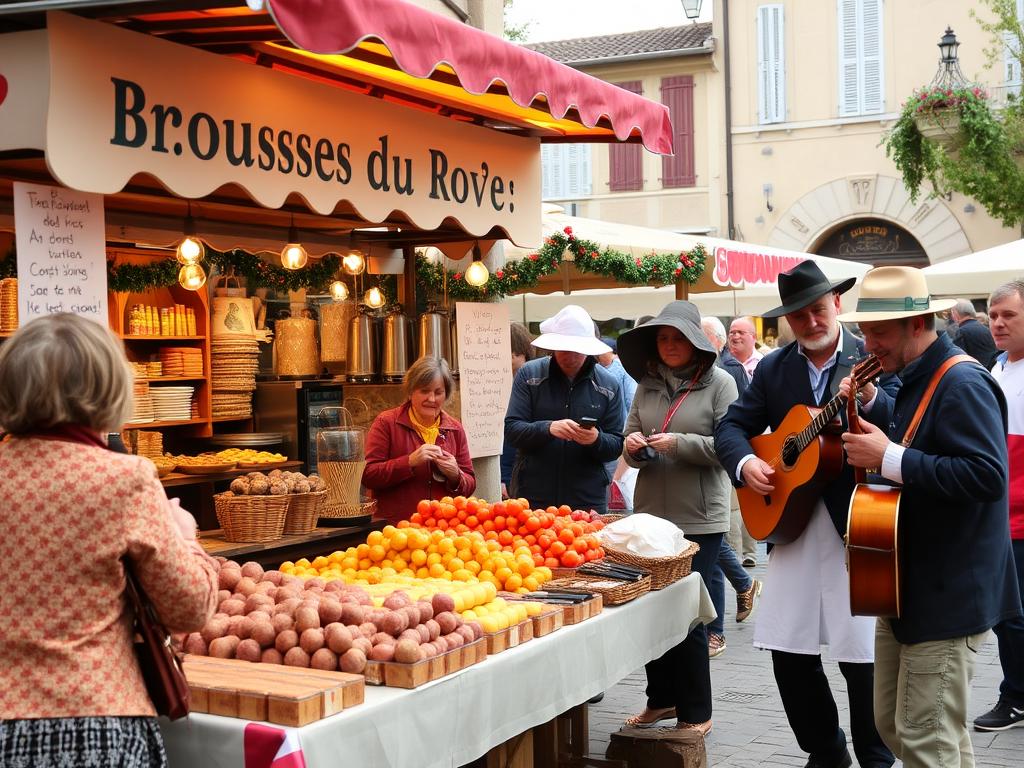 La Fête de la Brousse: A Cultural Celebration
Every June, the village of Martigues and neighboring towns celebrate La Fête de la Brousse, a lively festival paying homage to this signature cheese. Visitors experience tastings, folk music, artisan cheese-making demonstrations, and local storytelling.
This festival revives centuries-old customs and raises awareness about sustaining the breed and craftsmanship behind Brousse du Rove (source). The festivities embody the close relationship between food, culture, and community in Provence.
$61.90
4.42 out of 5 stars
French Epoisses AOC Cheese - 8.8 oz
Rich and creamy with a bold flavor that’s perfect for your cheese board
Product information
Product Review Score
Product links
9. The French Cheese Industry: A Cultural Powerhouse
France’s Cheese Diversity and Economic Impact
France is synonymous with cheese, offering over 1,000 varieties that range from soft bries to strong blues. Among them, 51 benefit from the AOP (Appellation d’Origine Protégée) system, including Brousse du Rove, which protects traditional production and regional identity.
The annual production exceeds 1.9 million tons, but artisanal and protected cheeses represent only 5% of volume yet contribute 15% of total production value — showcasing the premium placed on quality and heritage. This dynamic highlights the economic and cultural importance of regional cheeses.
Balancing Tradition and Industrialization
While many cheeses are mass-produced for global markets, AOP-protected products resist homogenization, preserving unique terroirs and methods. Brousse du Rove exemplifies this vital balance — small in scale but vast in cultural resonance.
Festivals, certifications, and consumer awareness play crucial roles in maintaining France’s cheese diversity and sustaining artisan livelihoods in an increasingly globalized food landscape. For more insights into the French cheese industry, visit our French Cheese Aging Secrets article.
| Metric | Value |
|---|---|
| Cheese Varieties | 1,000+ |
| AOP-Protected Cheeses | 51 |
| Annual Production | 1.9 million tons |
4.22 out of 5 stars
Lactalis Brie Cheese from Paris 8oz
Indulge in the rich, creamy flavor of authentic French Brie cheese perfect for any cheese board or snack
Product information
Product Review Score
Product links
10. Renowned Chefs’ Opinions on Brousse du Rove
 Alexandre Mazzia: Michelin-Star Perspective
Alexandre Mazzia (3 Michelin stars):
"Brousse is Mediterranean sunshine in curd form. I whip it with orange blossom water—its herbal notes lift desserts without overpowering."
Mazzia’s creative approach highlights how versatile and inspiring Brousse du Rove is beyond traditional uses. His fusion of floral essences elevates its profile within haute cuisine, emphasizing the cheese’s delicate yet potent aromatic character.
Nadia Sammut: A Voice for Provençal Tradition
Nadia Sammut (Provençal culinary activist):
"This cheese teaches patience. Like Provence's seasons, it must be savored when perfect or missed entirely."
Sammut’s words encapsulate the patience and respect required to appreciate Brousse du Rove. Her emphasis on seasonality and mindfulness in enjoying the cheese fosters deeper connection to Provence’s rhythms and identity.
11. Creative Ways to Enjoy Brousse du Rove
Simple and Elegant Serving Ideas
The delicate creaminess of Brousse du Rove lends itself perfectly to simple preparations that highlight its freshness. Spread it generously on warm baguettes drizzled with honey for a sweet-salty harmony that’s hard to resist.
You can also add it in layers within tians, the classic Provençal vegetable pies, adding a unique silkiness to every bite. The cheese melts slightly, integrating with roasted vegetables for a comforting yet sophisticated dish.
Incorporating Into Main Dishes and Sauces
For pasta lovers, stir Brousse du Rove into off-heat sauces to add creaminess without overwhelming the dish’s herbs and spices. It blends beautifully but retains its fresh character, transforming simple meals into gourmet experiences.
Local lore even credits fishermen with surviving storms by eating bread stuffed with this cheese — calling it "the cheese that floats"! This charming tale underlines the cheese’s nourishing qualities and cultural significance.
12. Delightful Brousse du Rove Recipes
Provençal Summer Salad
- Alternate heirloom tomato slices and Brousse du Rove chunks on a plate.
- Drizzle generously with rich olive oil and scatter fresh basil leaves.
- Add black olives for a savory burst that perfectly complements the cheese.
This salad is vibrant and refreshing — a tribute to Mediterranean simplicity and quality. Each ingredient stands out yet harmonizes with the fresh creaminess of the cheese.
Shepherd's Breakfast Tartine
- Spread toasted sourdough bread evenly with Brousse du Rove.
- Top with thinly sliced radishes and freshly chopped chives.
- Finish with a light sprinkle of fleur de sel to enhance flavors.
This tartine is a perfect marriage of peppery and creamy textures — ideal for a wholesome breakfast or light lunch. The salt accentuates the cheese’s delicate tanginess while keeping everything balanced.
13. How to Store and Consume Brousse du Rove Safely
Proper Refrigeration and Handling
Because Brousse du Rove is a fresh cheese with high moisture content, storing it carefully is essential to maintain its quality. Keep it refrigerated below 4°C and consume it within 4 days of purchase.
Using airtight containers or original packaging slows down spoilage. Avoid freezing, as it can alter texture significantly.
Serving Tips and Safety Precautions
Let the cheese come to a cool room temperature before serving to maximize flavor and texture. Always discard the cheese if you notice mold (not part of its natural rind), sour odors, or watery consistency.
Fresh cheeses have a delicate balance and require respect for their ephemeral nature — this care rewards you with the best gustatory experience. For more tips on preserving French cheeses, visit our French Cheese Preservation Techniques article.
14. Do’s and Don’ts When Enjoying Brousse du Rove
Do’s
- Pair with fresh peaches or thyme honey to accentuate herbal notes.
- Use in no-cook appetizers like bruschetta to preserve silky texture.
- Support certified producers to sustain traditional methods.
Don’ts
- Avoid exposing the cheese to heat, as it becomes grainy and loses charm.
- Never buy versions lacking AOC certification or made from cow's milk.
- Don’t delay consumption due to short shelf life — freshness is key.
15. Conclusion: Why Brousse du Rove Captivates Hearts
Brousse du Rove is so much more than just a cheese — it embodies the soul of Provence, the resilience of artisan producers, and the joyful simplicity of fresh, authentic food. Every bite offers a connection to 2,000 years of history and the wild herb-scented landscapes where Rove goats graze. Its ephemeral nature reminds us to savor moments, cultivating appreciation for seasonality and terroir.
While its delicate, cloud-like texture and herbal whispers enchant taste buds, the true magic lies in its story of preservation amidst modernization. The AOC certification ensures that this cultural heritage endures, helping consumers choose quality over quantity and authenticity over convenience.
Ready to explore the rich world of French cheese varieties? Discover the full collection of artisanal French cheeses, including Brousse du Rove, at Deli Food Shop. Your next cheese obsession — be it creamy Camembert, tangy Chèvre, or vibrant Brousse — awaits your tasting adventure. Bon appétit! 🧀🍷
16. FAQ Section
1. Why is Brousse du Rove only seasonal?
Rove goats naturally produce less milk during the colder months from October to January. Artisans pause cheese production during this period to respect the animals’ breeding cycles and ensure the highest quality milk. This seasonal rhythm preserves the cheese’s authentic taste and freshness.
2. Can lactose-intolerant people enjoy Brousse du Rove?
Often, yes! Goat milk contains different protein structures and less lactose compared to cow's milk, making it easier to digest for many with lactose sensitivity. Furthermore, traditional bacterial cultures in fresh cheese can aid digestion. However, individuals should start with small amounts to assess tolerance.
3. What's the oldest French cheese variety?
Roquefort claims the title, dating back to at least 79 AD. Ancient writer Pliny the Elder mentioned its rich aroma and distinct flavor, making it one of Europe's earliest recorded cheeses. Roquefort remains a beloved and iconic French blue cheese today. For more on Roquefort, visit our Order Genuine Roquefort Cheese guide.
4. How do French AOC labels protect cheese?
AOC labels safeguard cheeses by defining strict criteria — including specific geographical production regions, permitted animal breeds, and detailed production methods. For Brousse du Rove, this means ensuring only Rove goat milk from Provence is used and following traditional crafting. The AOC upholds authenticity and quality.
5. Why pair cheese with wine?
The acidity in wine cuts through cheese’s richness, balancing fat and enhancing flavors. For fresh cheeses like Brousse du Rove, crisp whites or chilled rosés provide a refreshing counterpoint that highlights creaminess without overpowering subtle herb nuances.
6. What French cheese is best for beginners?
Mild, creamy cheeses such as Brillat-Savarin or Saint-Marcellin are approachable gateways. They offer smooth textures and gentle flavors, easing newcomers into the rich diversity of French cheeses before exploring artisans like Brousse du Rove or more pungent varieties. For a list of mild French cheeses, visit our Top 8 Mild French Cheeses article.
7. How can I support artisan cheesemakers?
Purchase directly from farms, farmers’ markets, or specialty retailers who source from certified producers. Sharing stories and experiences on social media helps raise awareness and appreciation for these hardworking artisans. Your mindful choices preserve cultural traditions and sustainable farming.
Explore More: Recommended Resources
- Cheese.com — A comprehensive database detailing cheese varieties worldwide, including Brousse du Rove’s origins, tasting notes, and food pairings.
- Slow Food Foundation — Learn about the Slow Food Presidia protecting the Rove goat and traditional cheese production, promoting biodiversity and artisanal foods.
- Le Rove Official Website — Offers insights into the Rove goat breed, current producers, and the cheese’s cultural revival in Provence.
- Culinary Backstreets — An engaging article on Marseille’s culinary landscape featuring Brousse du Rove’s role in local identity.
- Agriculture.gouv.fr — Official French Agriculture ministry site explaining the cheese’s AOC status, production statistics, and industry value.