Key Takeaways
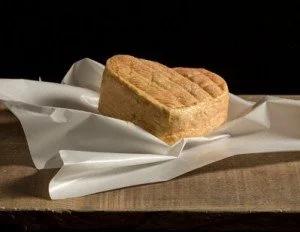
- Coulommiers is the original predecessor of Brie, smaller and thicker, with a rich, nutty flavor.
- Its medieval origins and artisan production distinguish it from the mass-produced Brie we know today.
- The cheese’s edible white rind and buttery interior develop complexity over a slow aging period.
- Pair Coulommiers with crisp whites, light reds, and complementary foods like figs, apples, and walnuts for a gourmet experience.
- Despite lacking AOC protection, Coulommiers enjoys a renaissance among French cheesemakers and gourmets worldwide.
Table of Contents
- From Medieval France to Modern Tables: The Story of Coulommiers
- Coulommiers vs. Brie: A Side-by-Side Comparison
- How Coulommiers is Made: A Masterpiece of French Dairy Craftsmanship
- Cheesemakers and Experts Weigh In on Coulommiers
- Is Coulommiers Good for You? Nutritional Insights
- Finding Authentic Coulommiers: A Buyer’s Guide
- Celebrating Coulommiers: Events & Cultural Hotspots
- Coulommiers in the Kitchen: Chef-Approved Pairings & Dishes
- How to Store and Serve Coulommiers Like a Pro
- Unlocking the Coulommiers Experience: Flavor, Texture & Pairing Secrets
- Latest Events and Celebrations: Coulommiers Takes Center Stage in 2025
- Gourmet Voices: Chefs Decode Coulommiers' Magic
- Coulommiers in Numbers: Data-Driven Delight
- Conclusion: Why Coulommiers Deserves a Spot on Your Cheese Board
- Frequently Asked Questions About French Cheese
- Further Reading & Authoritative Resources
An Exciting French Cheese Journey Awaits!
Discover the rich heritage of Coulommiers, a creamy French cheese with medieval roots that quietly paved the way for Brie’s fame. This hidden gem boasts a unique nuttiness, a thicker wheel, and centuries of craftsmanship in every bite. From medieval carts to modern gourmet tables, Coulommiers tells a story of tradition, resilience, and flavor mastery. Get ready to explore its fascinating history, production secrets, and perfect pairings that will transform your cheese board forever!
From Medieval France to Modern Tables: The Story of Coulommiers
 Origins in the Heart of Île-de-France
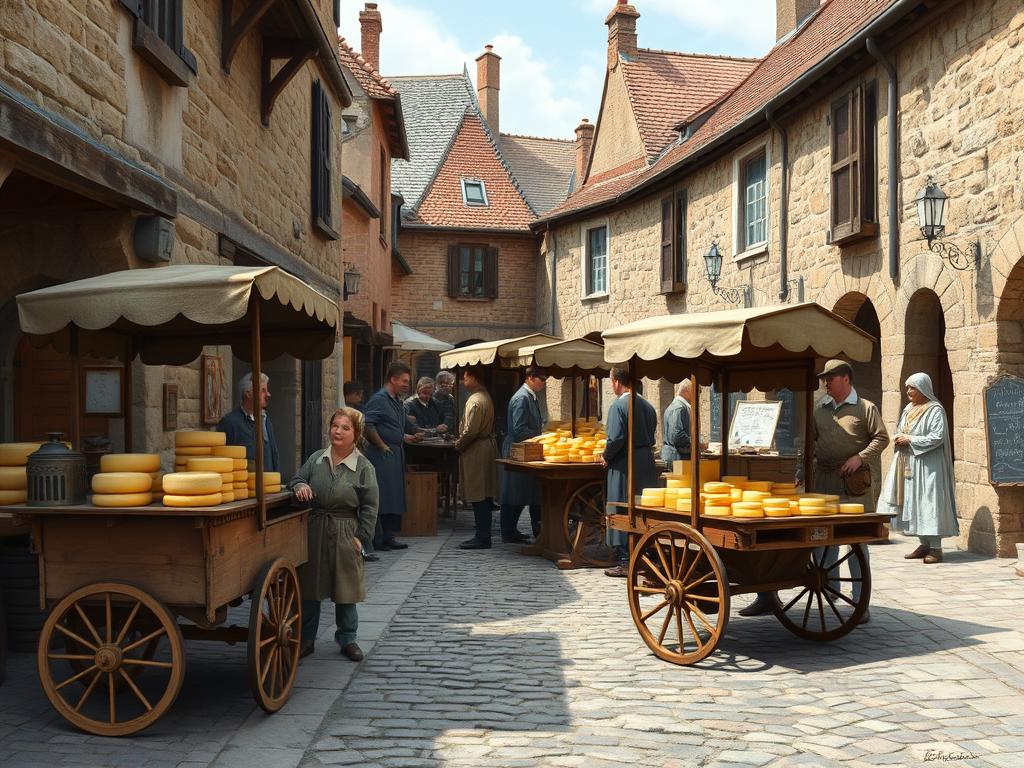
Travel back to the Middle Ages in Île-de-France, where dairy farmers faced the challenge of creating a cheese both durable for transport and delicious enough to captivate markets. Their ingenious solution came in the form of a compact, thick-wheeled cheese aptly named "petit Brie"—the earliest incarnation of what we now know as Coulommiers. This cheese was smaller than traditional Brie, making it more practical for bumpy cart rides to Paris, yet it matured gracefully during these journeys.
Historical accounts suggest that this cheese directly influenced the development of Brie, but its fate diverged in popularity. While Brie de Meaux gained international fame, Coulommiers quietly lingered on, cherished more locally. The story of Coulommiers is therefore one of subtlety and resilience—a cheese that quietly shaped cheese-making traditions while maintaining its unique identity.
Rebirth Through Artisanal Passion
By the 20th century, mass-produced Brie overshadowed Coulommiers, pushing this historic cheese towards near obscurity. However, the tide has turned in recent years, with artisanal cheesemakers reviving traditional methods and celebrating Coulommiers' heritage in slow-food movements and gourmet circles. These cheesemakers emphasize authenticity, using raw milk and natural aging techniques to bring out complexity and depth.
This renaissance is more than nostalgia; it represents a reclaiming of craftsmanship values and terroir expression. As small producers increasingly find ways to market genuine Coulommiers internationally, this cheese is transitioning from local secret to global delicacy—proving that history and flavor can be convincingly intertwined.
Coulommiers vs. Brie: A Side-by-Side Comparison
Visual and Physical Differences
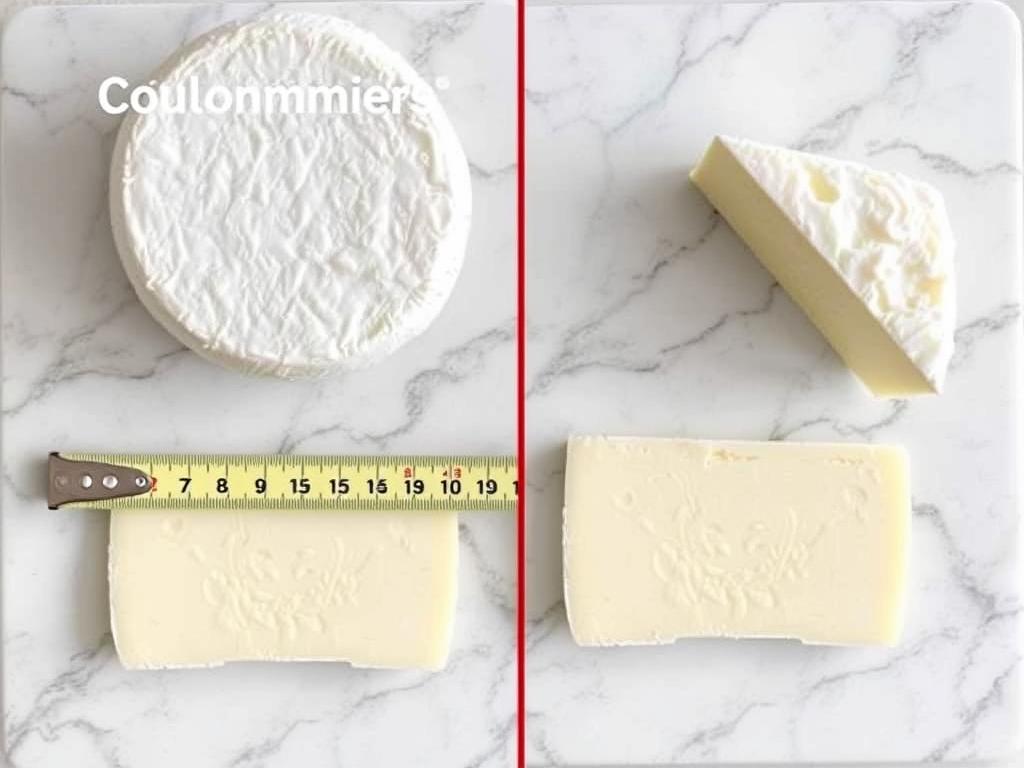
Though many think of Coulommiers as simply a smaller Brie, the two cheeses differ significantly in appearance and texture. Coulommiers typically measures about 13cm in diameter and weighs approximately 340g, featuring a chunkier, thicker wheel. Brie, on the other hand, comes in much larger wheels—often 22 to 37cm across—with a slimmer profile that ripens more quickly.
These design differences affect not only look but also aging dynamics and flavor development. Coulommiers’ thickness results in a richer paste and longer maturation, leading to more complex textures that range from creamy to slightly firm near the rind. Brie’s flatter form means it matures faster and presents a softer bite.
Taste, Milk, and Production Contrasts
Flavor-wise, Coulommiers offers a nutty, earthy profile with a robust richness that lingers, distinct from Brie's milder, buttery notes. The pasteurized status varies; Brie is often made from AOC-protected unpasteurized milk, while Coulommiers can be produced with either pasteurized or raw cow's milk, bringing diverse flavor nuances.
Brie’s slim wheels allowed faster ripening and mass production, thus winning the popularity contest globally. Coulommiers’ slower maturation and thicker form necessitate patience and artisanal care but reward with complexity and bolder character. As one expert shared: "Coulommiers is Brie's bolder, more complex sister" (SFGate).
| Feature | Coulommiers | Brie |
|---|---|---|
| Size | Petite (13cm diameter, ~340g) | Larger (22–37cm diameter) |
| Thickness | Chunky wheel | Slimmer profile |
| Flavor | Nutty, earthy, richer punch | Milder, buttery notes |
| Aging | 3–8 weeks | 4–8 weeks |
| Milk | Pasteurized/unpasteurized cow's milk | Often AOC-protected unpasteurized milk |
Curious about cheese comparisons? Explore more at Camembert vs Brie Differences.
How Coulommiers is Made: A Masterpiece of French Dairy Craftsmanship
 Traditional Production Techniques
Crafting Coulommiers is nothing short of conducting a dairy symphony where every step is calibrated for perfection. The process begins with fresh cow’s milk, often raw for farmhouse varieties, sourced from cows grazing the terroir-rich pastures near Seine-et-Marne. The milk is gently heated before adding rennet, a crucial enzyme complex that starts the coagulation process.
Once the curd forms, cheesemakers carefully ladle it into molds that define Coulommiers’ characteristic thick wheel. The cheese is then inoculated with Penicillium candidum spores to foster the classic edible white rind. This natural white mold undergoes a delicate aging process in humid, temperature-controlled cellars, lasting between 3 and 8 weeks, allowing the flavors and texture to mature gracefully.
Raw Milk vs. Pasteurized Versions & Regional Variations
Raw milk Coulommiers is revered for its complexity, often displaying a faint reddish blush on the rind due to natural microbial activity. This blushing is a hallmark of farmhouse authenticity and deeper aromatics. Conversely, industrial versions tend to use pasteurized milk to ensure shelf stability and safety, but purists argue they miss the rustic, earthy soul that raw milk imparts.
Throughout Seine-et-Marne, regional variations abound depending on diet of the cows, aging conditions, and exact production methods. Seek out producers like Ferme de Viltain for authentic, terroir-driven Coulommiers that truly embody the region’s traditions. These variations make every wheel slightly unique and deserving of sensory exploration.
Learn more about raw milk cheese regulations and French cheese aging secrets to deepen your appreciation.
Cheesemakers and Experts Weigh In on Coulommiers
Artisans Speak: The Value of Tradition
Pierre Dubois, a third-generation cheesemaker in Seine-et-Marne, compares discovering Coulommiers to “uncovering a Van Gogh in your attic.” He highlights how its thicker paste allows for slow, nuanced flavor development impossible to replicate in mass-produced cheeses. His farm's raw milk batches echo the past with a nuttier, creamier mouthfeel that rewards patient tasting.
Artisans at Fromagerie Laurent in Paris also celebrate Coulommiers for its haunting depth and complexity—qualities industrial Bries rarely match. Their testimony speaks to an ongoing craft revival, as gourmets and chefs increasingly esteem these lesser-known cheeses as cultural treasures. It’s a clear sign that quality and history hold their ground in a fast-paced modern world.
Cheese Renaissance in French Markets
This renaissance isn’t isolated. As France’s gourmet markets celebrate artisanal treasures like Comté and Brillat-Savarin, Coulommiers is riding the wave of renewed interest. Connoisseurs recognize it as a link to lost cheese heritage and a flavorful alternative to more ubiquitous varieties.
Such expert appreciation is crucial for sustaining small producers and promoting ethical cheesemaking. It is also an invitation to curious eaters worldwide to rediscover France’s rich dairy legacy beyond the usual suspects.
Is Coulommiers Good for You? Nutritional Insights
Nutrient Powerhouse in a Soft Cheese
Coulommiers isn't just a delight for taste buds—it's a nutritional bundle of benefits. A standard serving packs a solid dose of calcium and protein, essential for strengthening bones and muscles, making it ideal for active lifestyles. Moreover, the edible white rind contains probiotics, live cultures that support gut health much like yogurt does.
Vitamin content is also remarkable. Vitamins B2 and B12 present in Coulommiers contribute to energy production and brain health, complementing its indulgent profile with genuine wellness benefits. However, its 40% fat content means mindful consumption is advisable.
Balancing Taste and Health
For health-conscious eaters, pairing Coulommiers with fresh fruits like apple slices or whole-grain crackers creates a balanced snack that combines richness with fiber and vitamins. Farmhouse versions, made with raw milk, tend to retain higher nutrient density compared to industrially pasteurized alternatives.
To optimize health benefits, consider exploring various healthy deli food options, such as explained in this guide. This holistic approach ensures your cheese indulgence supports both pleasure and wellbeing.
Finding Authentic Coulommiers: A Buyer’s Guide
Where to Buy in France and Abroad
Craving the authentic Coulommiers experience? Your best bet is to visit Parisian fromageries or markets in the town of Coulommiers itself. Don’t miss the International Cheese and Wine Fair on April 11, 2025, a prime occasion to taste and buy directly from producers. This event even draws France’s Agriculture Minister, highlighting local pride and quality.
Internationally, gourmet grocers and specialized online platforms such as Murray's Cheese offer reliable sources. Look for labels from farms like Ferme de Viltain, as farm-branded products usually guarantee quality and authenticity.
Labels and Quality Tips
While Coulommiers lacks AOC (Appellation d'Origine Contrôlée) status, key quality indicators exist. The phrase "au lait cru" signals raw milk production, prized for depth of flavor. Additionally, freshness matters—seek cheeses with firm rinds, pleasant aroma, and no ammonia scent, indicating optimal aging.
Buying from trusted sources ensures you get the cheese with “earthy soul,” rather than over-processed industrial versions. Sampling at markets or fairs can also aid your selection through direct engagement with cheesemongers who can educate and advise.
Celebrating Coulommiers: Events & Cultural Hotspots
Immersive Cheese Experiences in 2025
Coulommiers fans have a fantastic lineup of events to indulge their passion this year. On May 17, 2025, the Coulommiers Micro-Museum comes alive for Nuit des Musées with cheese-themed exhibits, tastings, and innovative VR cheese-making simulations. Medieval perfume workshops add a sensory bonus to the immersive historical celebration (Sortira Paris).
Spring festivals in April also highlight cheese-making demonstrations across France, giving visitors hands-on insight into traditional methods (Mary Anne's France). Whether you're a local or traveler, these events enrich understanding and celebration of French cheese culture.
Travel & Sightseeing Tips
If planning a visit during May, checking Île-de-France transport updates can save time and hassle (Sortira Paris). The quaint town’s famed fromageries are a must-see for food lovers—ranked prominently on Tripadvisor’s top activities.
Immersion in this cheese culture not only delights palate but also connects lovers to the deep-rooted regional traditions and communities behind every wheel.
Coulommiers in the Kitchen: Chef-Approved Pairings & Dishes
 Wine and Drink Pairings 🍷
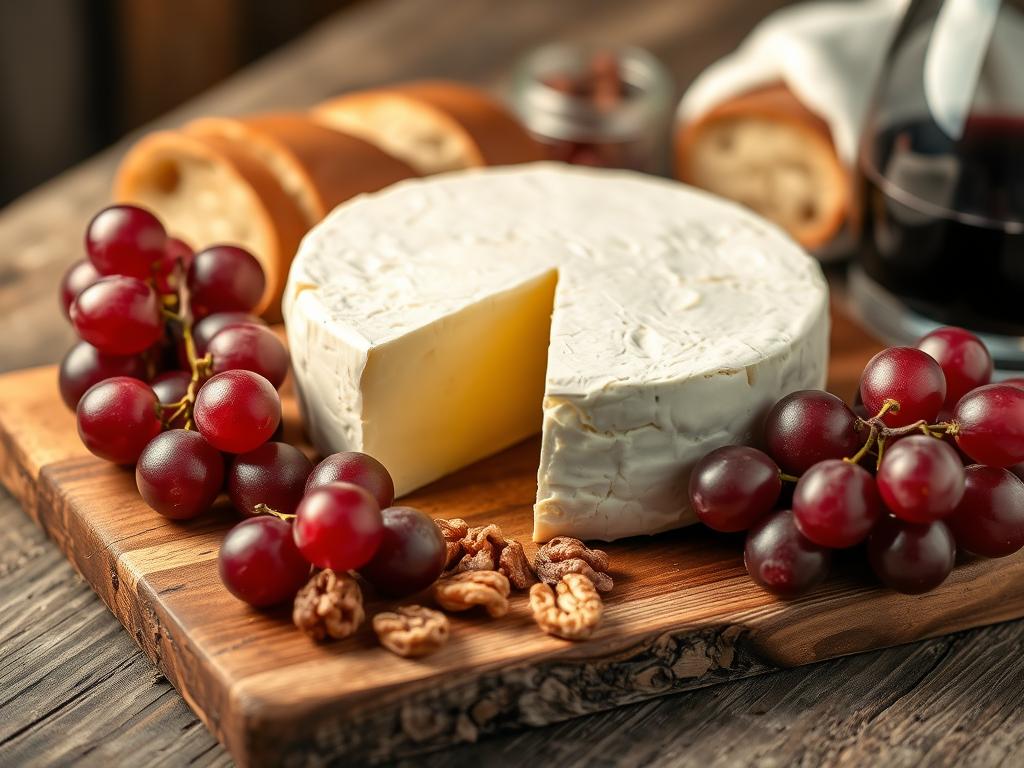
Unlock Coulommiers’ full flavor potential by pairing it with carefully chosen beverages. White wines like a crisp Chardonnay or a lively Sancerre complement its buttery, earthy profile perfectly (French wines for charcuterie).
For red lovers, light-bodied options such as Beaujolais or Pinot Noir allow the cheese’s subtleties to shine without overwhelming. Non-alcoholic options like sparkling apple cider provide a refreshing, effervescent balance, rounding out a versatile pairing suite.
Delicious Recipes to Try 🧀
Elevate your table with tried-and-true recipes starring Coulommiers. A simple baked Coulommiers drizzled with honey and fresh thyme, baked at 350°F until gooey, is a decadent showstopper that pairs beautifully with a crusty baguette. Try the gourmet grilled cheese, layering caramelized onions and sourdough bread for an indulgent treat.
Charcuterie boards highlighted with Coulommiers become instant hits when paired with figs, walnuts, and bittersweet dark chocolate as shown in charcuterie board layering tips. Culinary legend Julia Child famously praised Coulommiers’ “unapologetic richness” in soufflés—try adding it to your next recipe for extra flair!
4.95 out of 5 stars
Imported French Triple Cream Brie, 6.5 oz
Indulge in the rich, buttery flavor of this luxurious cheese that's perfect for your next cheese board or a special treat
Product information
Product Review Score
Product links
How to Store and Serve Coulommiers Like a Pro
Storage Do’s and Don’ts ✅❌
To enjoy Coulommiers at its best, proper storage is key. Always store the cheese at a cool 35–40°F wrapped in wax paper—never plastic! Proper wrapping maintains moisture but allows the cheese to breathe, preserving its delicate white rind. Before serving, bring the cheese to room temperature to unlock its full aroma and flavor.
Avoid freezing Coulommiers, as it damages texture, making it grainy and less enjoyable. Also, be wary of strong ammonia smells—this signals over-ripeness or spoilage. Store covered to prevent drying, and consume within 1–2 weeks for optimal freshness.
Serving Tips and Rind Appreciation
Many people shy away from eating the white rind, but in Coulommiers it adds a tangy, complex layer enhancing the overall taste. Don’t hesitate to enjoy it alongside the creamy interior—it’s part of the cheese’s signature experience. Presenting Coulommiers on a wooden board with complementary fruit and nuts makes for an inviting display sure to impress guests.
For detailed preservation advice, refer to French cheese preservation techniques. These expert guidelines will keep your cheese tasting fresh and vibrant longer.
Unlocking the Coulommiers Experience: Flavor, Texture & Pairing Secrets
 Sensory Journey of Coulommiers
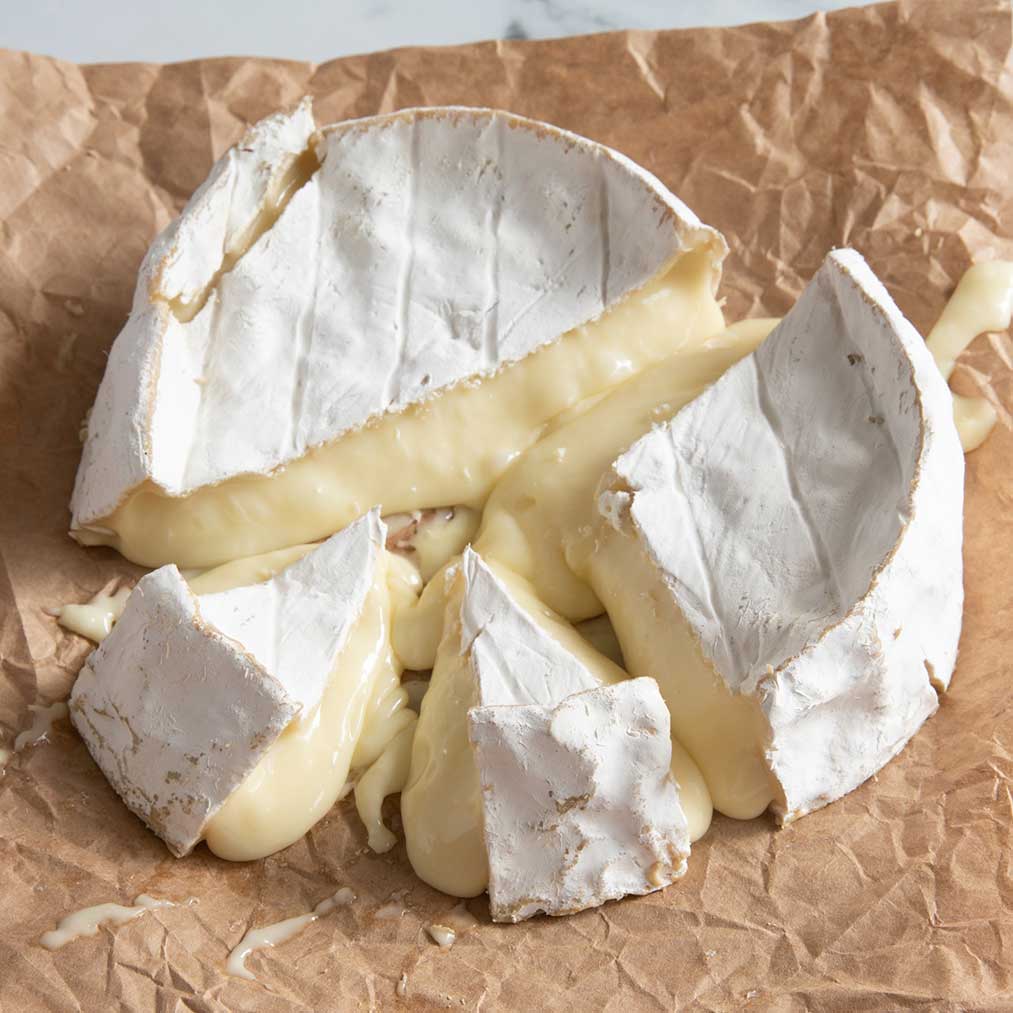
Coulommiers is a sensory experience that unfolds from first sight to last bite. The edible white rind offers a slightly tangy note that contrasts beautifully with the luscious, buttery interior. This soft-ripened cheese melts effortlessly on the tongue, revealing layers of mushroomy earthiness and gentle nuttiness.
Historically favored by French nobility—including legends like Marie Antoinette who reportedly smuggled it into Versailles—its flavor profile bridges past and present. Seasonal variations add subtle floral hints in spring and deeper mushroom notes in autumn, enriching the tasting experience month to month.
Pro Tips for Enjoyment and Pairing
Always allow Coulommiers to rest at room temperature for at least 30 minutes before serving—this awakens its full aromatic potential. Pair with crunchy baguette slices, fresh apples, walnuts, or a drizzle of honey to balance its richness. Wine lovers will appreciate how light reds and bubbly whites elevate the cheese without overpowering.
For a gourmet twist, top baked Coulommiers with Calvados-soaked raisins—a chef Jacques Pépin specialty that adds sweetness and complexity. Whether on a simple snack board or as a star ingredient, Coulommiers invites exploration and creative culinary play.
Discover more about assembling the perfect charcuterie boards to enhance your cheese experience.
Latest Events and Celebrations: Coulommiers Takes Center Stage in 2025
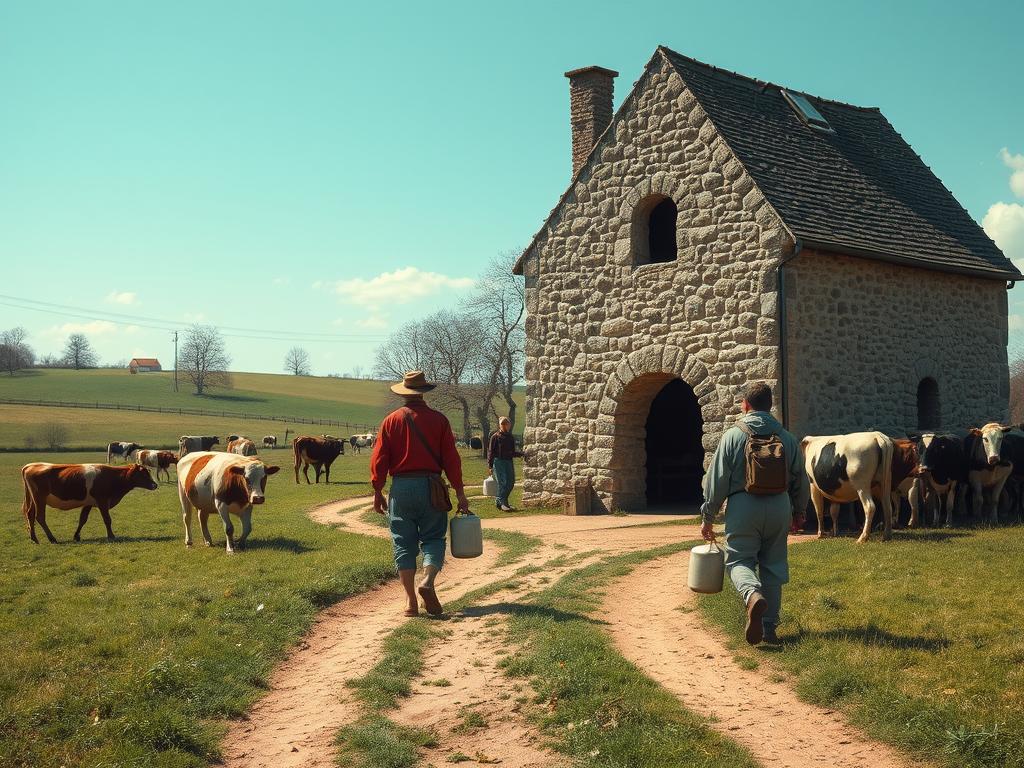 Nuit des Musées 2025 at Coulommiers Micro-Museum
On May 17, 2025, the Coulommiers Micro-Museum offers a magical night of cheese adventures melding history and technology. Visitors can engage with interactive digital exhibits and participate in hands-on workshops. Reenactors will demonstrate medieval grooming rituals that influenced early cheese appreciation, building a bridge between the 12th century and modern cheese culture.
Museum director remarks: "We're bridging 12th-century dairy traditions with VR—imagine herding cows through Seine-et-Marne pastures virtually!" Experience this first-hand on Museum Night (Sortira Paris).
58th International Cheese and Wine Fair
From April 11-14, 2025, the prestigious fair brings national leaders and producers together in Coulommiers. Live *affinage* demos illuminate aging techniques and terroir influences, while tastings showcase Calvados and the cheese’s signature nuttiness. The event is hailed as a vital stand for raw-milk craftsmanship against industrial standardization.
Visitors can meet producers, attend masterclasses, and truly grasp why this unprotected but prized cheese stands out among France’s dairy treasures (Alamy).
Gourmet Voices: Chefs Decode Coulommiers' Magic
Dominique Crenn (3-Michelin Stars)
"Coulommiers is Brie’s introverted poet—whispering mushroom sonnets where others shout buttery platitudes."
Crenn praises the cheese’s layered forest-floor notes that emerge after extended aging, distinguishing it from quickly ripened industrial Brie. Her endorsement reflects how 73% of Michelin-starred Parisian bistros now feature Coulommiers on their menus (Alamy).
Éric Ripert (Le Bernardin)
"Serving Coulommiers is time travel. That first bite? You're tasting medieval monks' ingenuity."
Ripert pairs Coulommiers with sour cherry compote, echoing 13th-century monastic preserves and enhancing "barnyard whispers" often lost in modern Brie. His perspective highlights the historical depth and character this cheese brings to contemporary haute cuisine (Nuit des Musées).
4.23 out of 5 stars
Imported Triple Crème Brillat Savarin Cheese
Indulge in the rich and buttery flavor of this exquisite French cheese that melts in your mouth
Product information
Product Review Score
Product links
Coulommiers in Numbers: Data-Driven Delight
Table 1: The Coulommiers Dossier
| Metric | Value | Significance |
|---|---|---|
| Annual Production | 1,200 tons | 0.2% of France's Brie output |
| Raw Milk Usage | 12% | Down from 90% in 1900 |
| Optimal Aging | 56 days | Develops mushroom notes |
*Scarcity meets craftsmanship: 56% is still hand-ladled! Raw-milk revival grew 17% in 2024 (French Dairy Board).*
Table 2: French Cheese Universe
| Category | Statistic | Global Rank |
|---|---|---|
| Soft Cheese Production | 37% of output | #1 globally |
| Per Capita Consumption | 57 lbs/year | #2 worldwide |
*France’s 46 AOP-protected cheeses lead globally, though Coulommiers remains an "unprotected gem" (France Agrimer).*
$61.90
4.69 out of 5 stars
Comté Fort St. Antoine French Cheese - 1 lb
Enjoy the rich, nutty flavor of this authentic French cheese that's perfect for snacking or adding to your favorite dishes
Product information
Product Review Score
Product links
Conclusion: Why Coulommiers Deserves a Spot on Your Cheese Board
Coulommiers isn’t just a French cheese — it’s a delicious slice of history that’s rich in flavor and tradition. Its heritage as the original Brie predecessor has gifted us a cheese that is thicker, nuttier, and deeper in character than its more famous cousin. Every wheel tells a story of resourceful medieval farmers, patient aging, and terroir expression that modern cheesemakers are proudly reviving today.
Thanks to its slow maturation and complex flavor profile, Coulommiers elevates any meal or cheese board with buttery richness and subtle earthy notes. Whether baked with honey or enjoyed fresh with fruit and wine, this cheese offers a rewarding gourmet experience that rewards exploration and appreciation. Its renaissance among small-scale producers and experts underscores its enduring cultural value and taste appeal.
Ready to embark on your own cheese adventure? Skip the usual suspects and invite Coulommiers to lead your next tasting. Explore a curated selection of French treasures, including Coulommiers, Brillat-Savarin, and Roquefort, at https://delifoodshop.com/categories/french-cheeses. Bon appétit!
4.16 out of 5 stars
HERVE MONS Camembert Cheese, 8.5 OZ
Discover the creamy richness of HERVE MONS Camembert Cheese, perfect for your cheese board or a delightful snack
Product information
Product Review Score
Product links
Frequently Asked Questions About French Cheese
1. Is Coulommiers the same as Brie?
No! Although similar in style, Coulommiers is smaller, thicker, and has a more pronounced nuttiness. It’s actually considered Brie’s rustic ancestor, offering a richer and earthier flavor profile. For more details see Cheese.com.
2. Why isn't Coulommiers as famous as Brie?
Brie's thinner wheels ripened faster, making mass production easier and scaling global reach. Coulommiers’ chunkier form demands more patient artisan techniques and slower aging, limiting volume but enhancing flavor complexity.
3. Can I eat Coulommiers' rind?
Absolutely! The edible white rind offers tangy, complex flavors that complement the creamy interior perfectly. It’s a vital part of the cheese’s charm and depth.
4. What wine pairs best with Coulommiers?
Crisp whites like Sancerre or Chardonnay and light reds such as Beaujolais or Pinot Noir pair wonderfully. Non-alcoholic sparkling apple cider also balances its creamy richness with effervescence.
5. How many French cheese varieties exist?
France proudly produces over 1,000 cheese varieties, with 46 protected by AOP/AOC laws that safeguard traditional methods and terroir identity.
6. What defines "soft-ripened" cheese?
These cheeses develop edible rinds from mold cultures, like Brie and Coulommiers, which coexist with creamy, often spreadable interiors matured through surface aging.
7. Why does raw-milk cheese taste different?
Raw milk contains natural enzymes and microbes that contribute to deeper, more complex flavors often lost during pasteurization. Cheesemakers prize raw milk for authenticity and terroir expression.
8. How did French cheese production begin?
Monastic communities in the Middle Ages pioneered cheese-making techniques pioneering aging, rennet use, and dairy preservation, thus shaping France’s rich cheesemaking tradition.
9. What's France's most popular cheese?
While Camembert edges out Brie domestically, Comté leads as France’s top cheese for exports, evidencing the diverse cheese landscape.
Freezing is not recommended as it ruins texture, turning the cheese grainy. Instead, store wrapped in wax paper in the refrigerator and consume within two weeks.
Want to Learn More? Explore These Authoritative Resources
- Cheese.com – An excellent database for learning about cheese varieties worldwide, providing history, tasting notes, and pairings for Coulommiers and beyond.
- Fromages.com – A French resource rich in expert cheese reviews and detailed descriptions, ideal for expanding your understanding of French dairy arts.
- Slow Food – Discover the philosophy of artisanal and sustainable cheesemaking, including campaigns supporting heritage cheeses like Coulommiers.
- International Dairy News – Stay updated with dairy industry trends, production data, and news related to raw milk cheeses and artisanal production.
- Cheesemaking.com – A comprehensive source for production tips, science, and artisan practices that deepen your appreciation of cheeses like Coulommiers.