Key Takeaways
- French cheese classification revolves around aging stages: Frais (fresh), Affiné (aged), and Très Affiné (well-aged).
- Terroir and traditional methods like cave aging and rind washing profoundly influence flavor and texture.
- Health benefits increase with aging, including probiotics, calcium, and reduced lactose.
- Famous cheeses like Camembert, Comté, and Roquefort perfectly represent their respective aging classes.
- Engage with French cheese culture via festivals, workshops, and artisan producers to deepen your appreciation.
Unlock the secrets behind France’s legendary cheese journey
Discover how centuries of tradition and craftsmanship create the remarkable diversity of French cheeses. From delicate fresh varieties to intense, well-aged masterpieces, each stage of aging brings unique textures and flavors. Whether you’re a curious foodie or seasoned cheese lover, this guide will take you through the fascinating world of Frais, Affiné, and Très Affiné cheeses. Learn how environment, techniques, and time shape tastes that captivate palates worldwide. Let’s embark on a delicious journey through France’s best-kept aging secrets!
Understanding French Cheese Aging Classifications: A Guide to Frais, Affiné, and Très Affiné
The Origins of French Cheese Craft
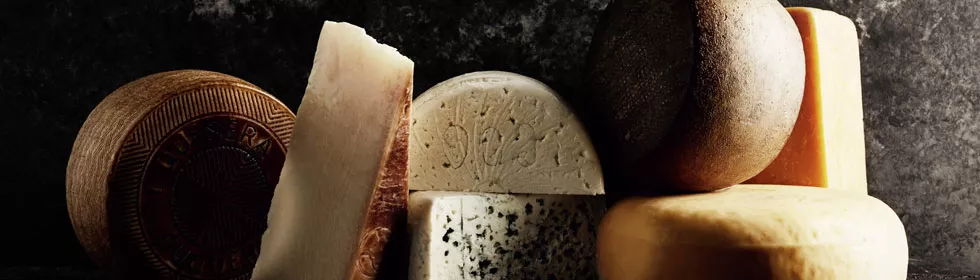
Picture a sun-drenched French hillside where farmers have perfected cheese-making since Roman times! France's cheese legacy spans centuries, with over 1,600 unique cheeses crafting an unmatched cultural heritage. These cheeses undergo a transformative aging journey, evolving from fresh and lively to deep and complex. The labels Frais, Affiné, and Très Affiné are not just descriptors—they are keys to unlocking cheese’s soul.
For example, did you know Camembert was invented during the French Revolution thanks to a farmer’s wife inspired by a fleeing priest? This blend of history and flavor creates treasures like the oozy Brie or the nutty Comté. Whether you’re spreading fresh chèvre or savoring aged delights, knowing these classifications enhances your culinary experience.
Decoding the Classifications
Frais cheeses are fresh, often tangy and creamy, enjoyed within days of production. Affiné cheeses have matured for weeks, developing deeper textures and flavors, while Très Affiné cheeses are aged for months, sometimes years, boasting rich, nuanced profiles. This continuum caters to a wide range of tastes, occasions, and pairings, from light meals to indulgent wine accompaniments.
Understanding these terms empowers cheese lovers to select products thoughtfully. It also reflects a tradition grounded in patience and environmental harmony, where time and place are as essential as ingredients.
How French Dairy Traditions Shape Cheese Classifications
Four Delicious Families of French Cheese
French cheeses fall into four main families: soft, semi-soft, hard, and blue. Each has its own unique aging trajectory that affects flavor and texture. Soft cheeses like Brie start pillowy fresh and become creamy and buttery after aging.
Semi-soft varieties, such as Reblochon, develop a supple texture, while hard cheeses like Comté grow dense and flavorful with time. Blue cheeses, such as Roquefort, derive their signature veins from unique molds and careful maturation. These families illustrate the extraordinary range of French cheese artistry.
Influence of Terroir and Regulation
Regional characteristics deeply influence cheese profiles. Alpine cows grazing on wildflowers impart delicate herb notes to cheeses like Beaufort, while Normans near the coast benefit from salty sea breezes that ferment Camembert rinds. These terroir effects make locality as important as aging time.
Many cheeses hold PDO/AOC status, guaranteeing traditional production and regional authenticity. Roquefort’s blue veins, for instance, come from mold introduced by placing cheese on rye bread inside limestone caves—a technique dating back to 1070! These systems preserve heritage and assure consumers of genuine quality.
From Frais to Très Affiné: The Journey of French Cheese Aging
 Stages that Define Your Cheese Experience
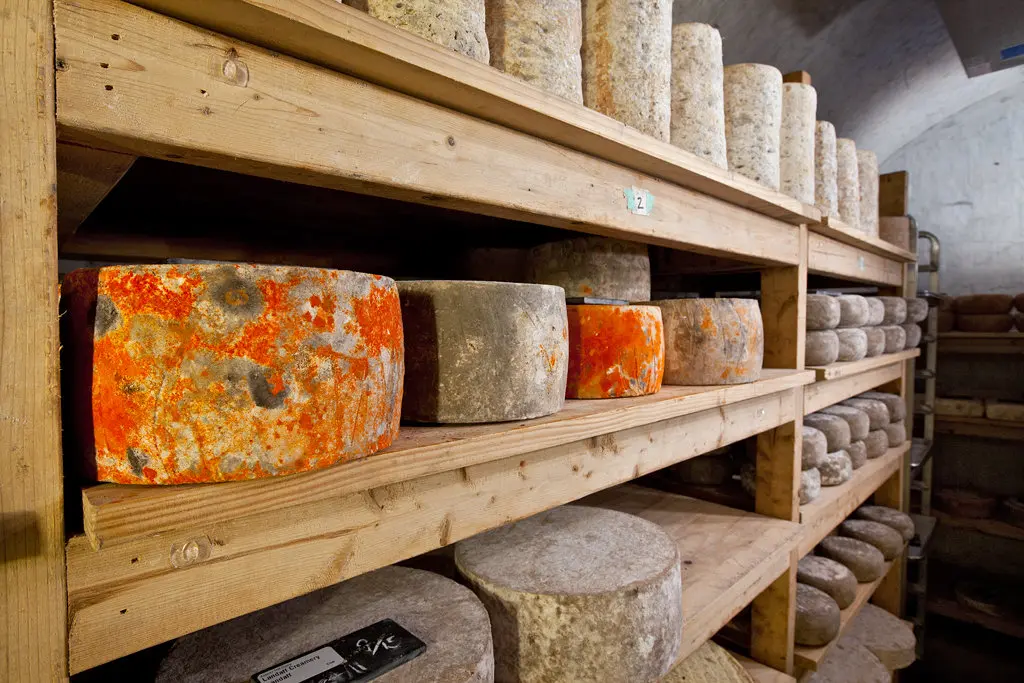
Aging transforms cheese in texture, taste, and aroma. Below is a guide to the main classifications commonly encountered:
| Classification | Flavor/Texture | Best For | Star Examples |
|---|---|---|---|
| Frais (Fresh) | Creamy, mild, tangy | Spreads, dips | Boursin, Fromage Blanc |
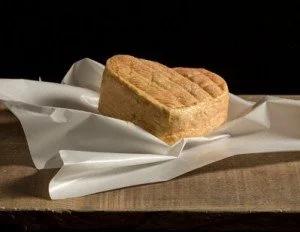
| Affiné (Aged) | Richer, earthy, soft | Cheese boards, baking | Camembert, |
| Très Affiné (Well-Aged) | Bold, crumbly, complex | Grating, wine pairings | Comté (18+ months), Mimolette |
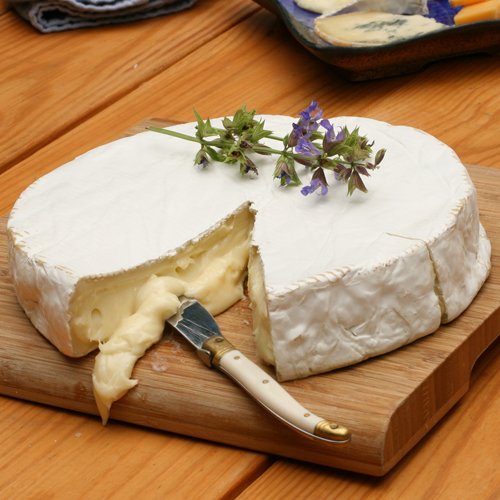
French Brie Cheese - 2 Pound Wheel
Indulge in the rich and creamy texture of our artisan French Brie, perfect for your cheese board or gourmet recipes
Product information
$49.95
$45.99
Product Review Score
4.58 out of 5 stars
163 reviews
Product links
French Brie Cheese - 2 Pound Wheel
Indulge in the rich and creamy texture of our artisan French Brie, perfect for your cheese board or gourmet recipes
Product information
$49.95 $45.99
Product Review Score
4.58 out of 5 stars
163 reviewsProduct links
Detailed Characteristics of Each Stage
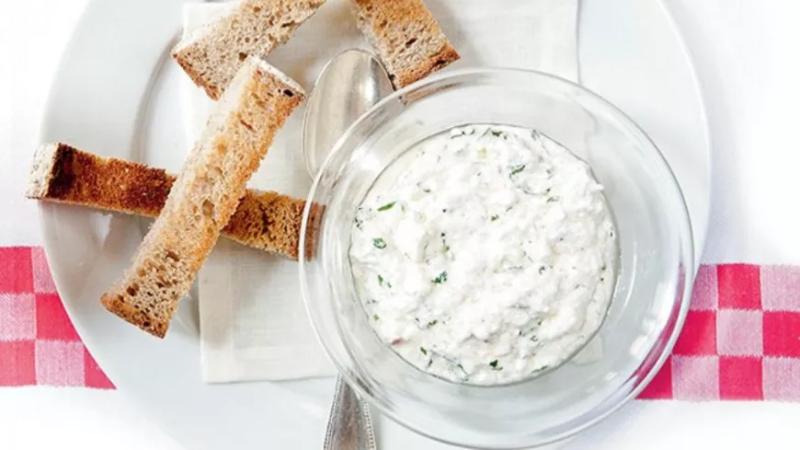
- Frais: These unaged cheeses burst with liveliness and provide a fresh zing. For instance, Fromage Blanc, a cousin to Greek yogurt, creates heavenly fluffy desserts and dips. A perfect starter cheese offering lightness and moisture.
- Affiné: After aging for 3 or more weeks, cheeses such as Brie transform from chalky textures to buttery softness. These cheeses shine on charcuterie boards or heated dishes, enriching meals with their earthiness.
- Très Affiné: Well-aged for six months to three years, these cheeses develop pungent, crumbly textures and complex flavor layers. Mimolette’s radiant orange color comes from natural annatto seeds, adding to its unique appeal. Such cheeses are excellent for grating over dishes or savoring alongside robust wines.
Cheesemaking Secrets: The Art of Aging French Cheese
Affineurs: The Guardians of Flavor
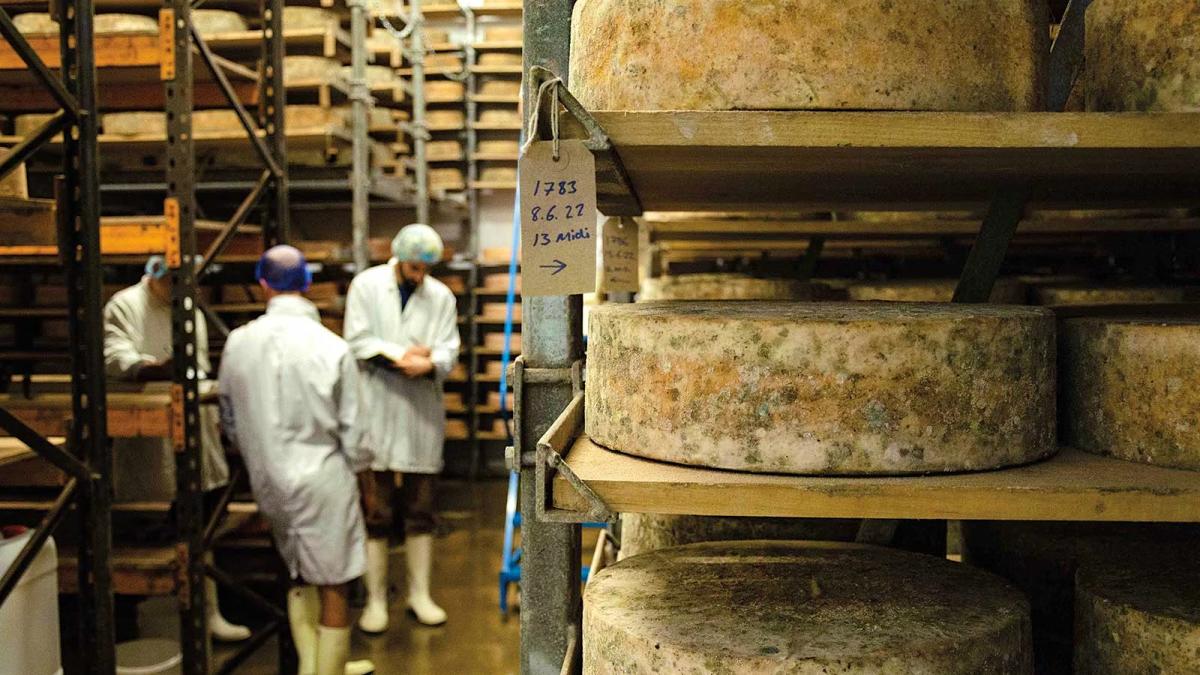
Meet affineurs—the skilled artisans dedicated to aging cheese to perfection. In Roquefort’s limestone caves, affineurs spray cheese with bread mold (Penicillium roqueforti), producing the electric blue veins that define the cheese. This precise work requires intimate knowledge of microbes and climate.
In the Jura mountains, master affineurs hand-turn Comté wheels daily in cold, humid cellars, carefully ensuring even maturation. Modern dairies complement tradition with technological humidity and temperature control. As Philippe Alléosse insightfully states: "Aging is like raising a child—patience creates character."
Quirks and Techniques that Elevate Cheese
Some affinage traditions add personality and complexity. For example, the aromatic Époisses is hand-rubbed with brandy, lending a distinctive boozy note combined with a pungent orange rind. Such practices turn cheesemaking into an artistic ritual.
For those curious about the science behind aging, Affinage 101 offers deep insights into microbial transformations that craft flavor profiles and textures. Aging is more than resting cheese—it’s a living chemistry of nature and tradition.
Why Aged French Cheese is Good for You
Probiotic and Nutritional Advantages
Beyond flavor richness, aged French cheeses provide significant health benefits. Many aged varieties, such as Comté, are probiotic powerhouses that contribute to a healthy gut microbiome. These natural bacteria aid digestion and immunity.
Hard cheeses also supply a powerful boost of calcium—just one ounce can provide up to 20% of the daily recommended intake, supporting strong bones and teeth. Regular consumption in moderation helps maintain optimal health through traditional diets.
Lactose-Friendly and Digestive Ease
Many people who are sensitive to lactose find aged cheeses easier to digest. The longer aging times break down the milk sugars responsible for lactose intolerance symptoms. Très Affiné cheeses typically contain minimal lactose, making them accessible and enjoyable for those with dietary considerations.
This digestive advantage helps explain why aged cheese figures prominently among traditional French diets, contributing to both flavor and wellness.
Aging Alchemy: How Methods Transform French Cheese
 Traditional Cave Aging: Nature’s Perfect Cellar
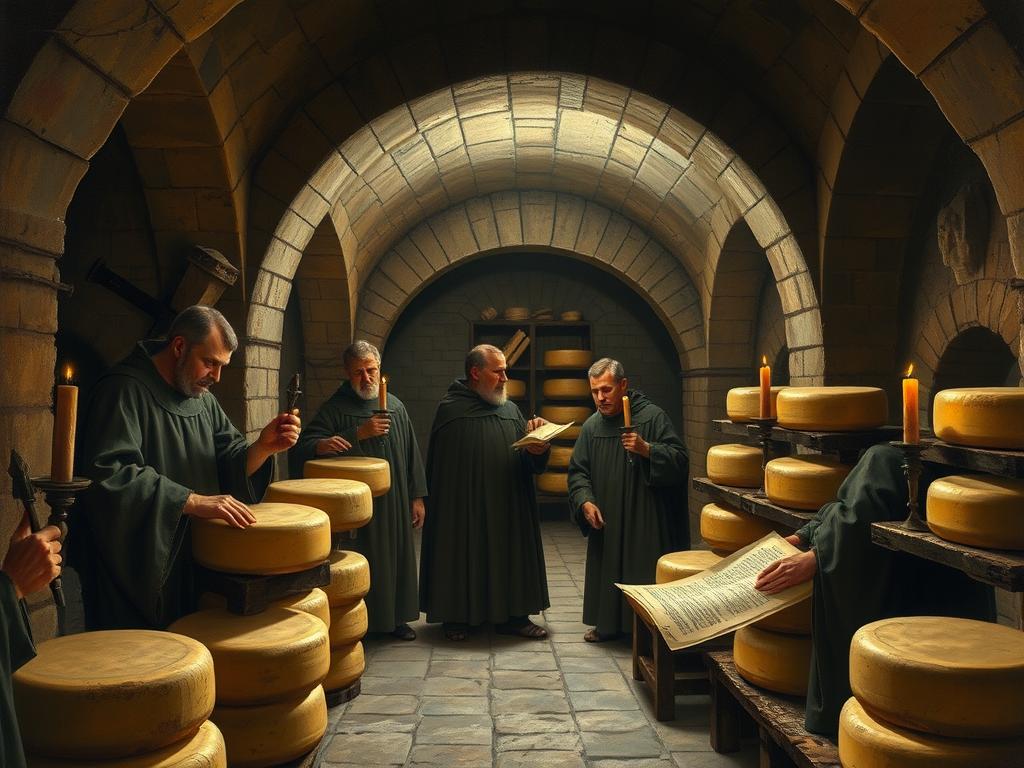
Traditional cave aging is among the oldest methods for turning milk into cheese masterpieces. Cool, humid caves with stable temperatures create an ideal environment for molds and bacteria to flourish. In these sanctuaries, cheeses like
$109.99
4.56 out of 5 stars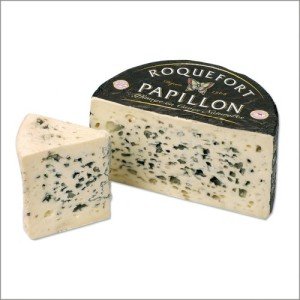
Papillon Roquefort AOP Whole Wheel Cheese (3 lb)
Indulge in the rich, tangy flavor of this authentic French blue cheese that’s perfect for your next cheese board or recipe
Product information
Product Review Score
Product links
This natural aging process fosters complex biochemical transformations—proteins and fats break down slowly, releasing intriguing aromas and textures that no artificial method can replicate.
Rind Washing and Controlled Environments
Another aging marvel is rind washing, where cheeses such as Époisses are bathed regularly in brine or local brandy. This encourages the growth of specific bacteria that create sticky orange rinds and add a meaty depth of flavor loved by connoisseurs. Legend says Napoleon himself adored this pungent cheese but banned it on public transport due to its strong aroma!
Technology now aids this art with controlled aging chambers fine-tuning temperature and humidity. Fort Saint-Antoine in Jura, a former military fort turned cheese cathedral, matures thousands of Comté wheels, each growing caramel notes under expert supervision. Similar precision techniques enhance cheeses like Gruyère, showing the fusion of tradition and innovation.
What Makes Cheese Age Differently
The Four Pillars of Aging Magic
The complexity of cheese aging arises from the harmonious interplay of four key factors. First, milk type matters greatly: cow’s milk lends creamy richness (Brie), goat’s milk imparts tang (Chèvre), and sheep’s milk brings lush sweetness (Roquefort). Each animal’s diet, breed, and terroir leave an indelible mark on the cheese.
Secondly, bacterial cultures act as flavor architects. For example, Penicillium roqueforti creates Roquefort’s signature blue pattern, while Penicillium camemberti forms Brie’s snowy rind. These microbes work intricately, transforming the curd into edible masterpieces.
Environmental and Temporal Influences
Environmental conditions such as altitude, humidity, and air quality impact aging. Alpine cheeses soak in floral aromas from high meadows; Normandy’s coastal wind permeates Camembert rinds with salty freshness. Morbier’s iconic ash line originated from soot used to protect curds overnight—a whimsical tradition turned signature.
Finally, time is the great sculptor. Young Brie at 4 weeks offers mild, milky flavors, but extend that to 60 days, and it bursts with buttery umami. Comté wheels aged over 24 months develop crunchy toffee crystals, testament to patient practice by Jura monks, who traded these prized wheels as currency long ago.
Flavor Evolution: A Texture-Based Journey
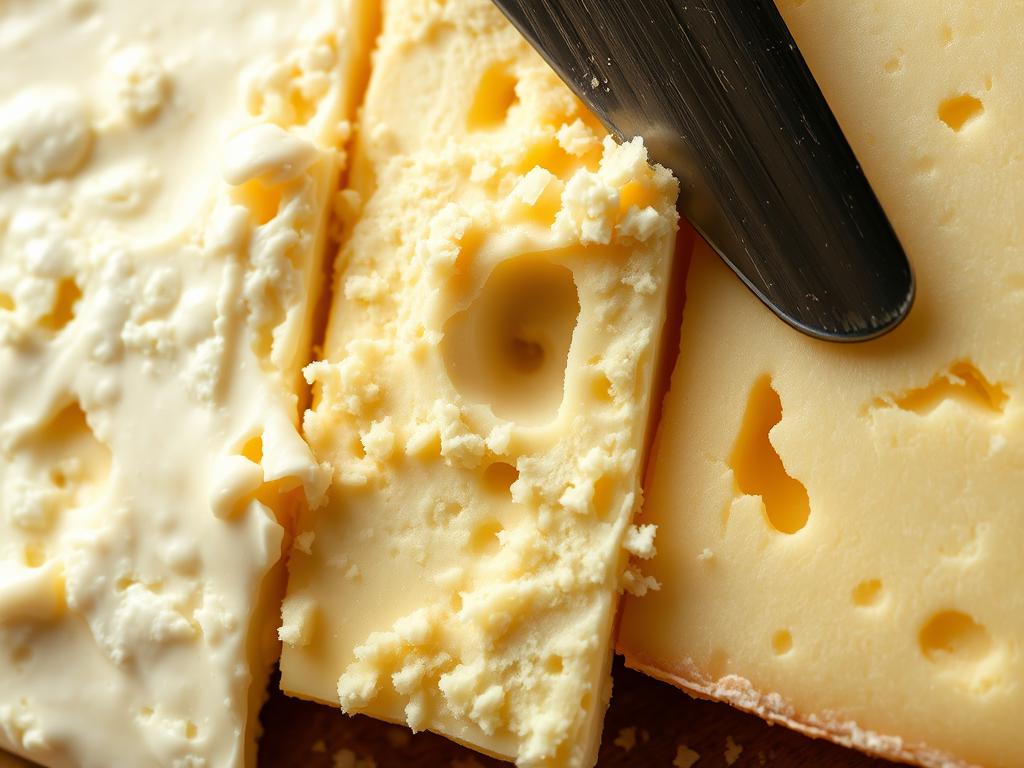 Aging Stages & Their Distinct Personalities
The personality of French cheese emerges markedly with age, traversing stages from bright and creamy to complex and crumbly. Fresh cheeses like Chèvre frais sparkle with lemony zest, ideal for light snacks or salads. Soft cheeses, aged 3 weeks to 2 months, gain oozy decadence—as seen with Brie’s rich buttery heart.
Semi-hard cheeses develop a nutty, supple texture with months of curing. Reblochon’s name means “re-milked,” hinting at a clever medieval trick to enrich flavors clandestinely. Hard aged cheeses (6+ months), such as Mimolette, build complex granular textures with crusty rinds formed by purposeful cheese mites—a charming tradition with historic roots.
The Chemistry Behind Flavor Transformation
Enzymatic activity breaks down fats and proteins during affinage, releasing volatile compounds that create aromas reminiscent of caramel, roasted nuts, and even fruit. For example, long-aged Comté matures into notes of pineapple and tobacco due to tyrosine crystal formation. These complex reactions are the heart of French cheese’s global allure.
Terroir effects magnify these differences, with cheeses aged in diverse climates developing distinct nuances, demonstrating that identical cheeses can tell different stories depending on where and how they age. Vertical tastings allow aficionados to appreciate such subtle progressions over months or years.
Celebrating French Cheese: Festivals & Traditions
Immersive Cheese Festivals Across France
France’s cheese culture is alive and well, celebrated through vibrant festivals that engage locals and visitors alike. The Fête du Fromage in Normandy honors Camembert every May with tastings and farm tours, showcasing artisan skills and terroir heritage.
The biennial Mondial du Fromage in Tours invites affineurs worldwide to share innovations and tradition. In Jura, the Fête du Comté draws crowds for cave tours and tastings of aged wheels, while July’s Roquefort Caves Festival celebrates blue cheese history and craftsmanship.
Workshops and Educational Experiences
For those eager to learn, workshops like Le Negociant’s French Cheese Class offer immersive experiences. Participants taste a spectrum of textures and ages—from fraiche chèvre to 36-month Comté—paired with regional wines, deepening their appreciation for affinage science and tradition.
These events highlight how terroir, from Alpine meadows to salty coastal air, shapes aging outcomes, preserving methods handed down since medieval times. Festivals blend culture, history, and gastronomy, making the French cheese story tangibly joyful.
Choosing Your Perfect Aged Cheese
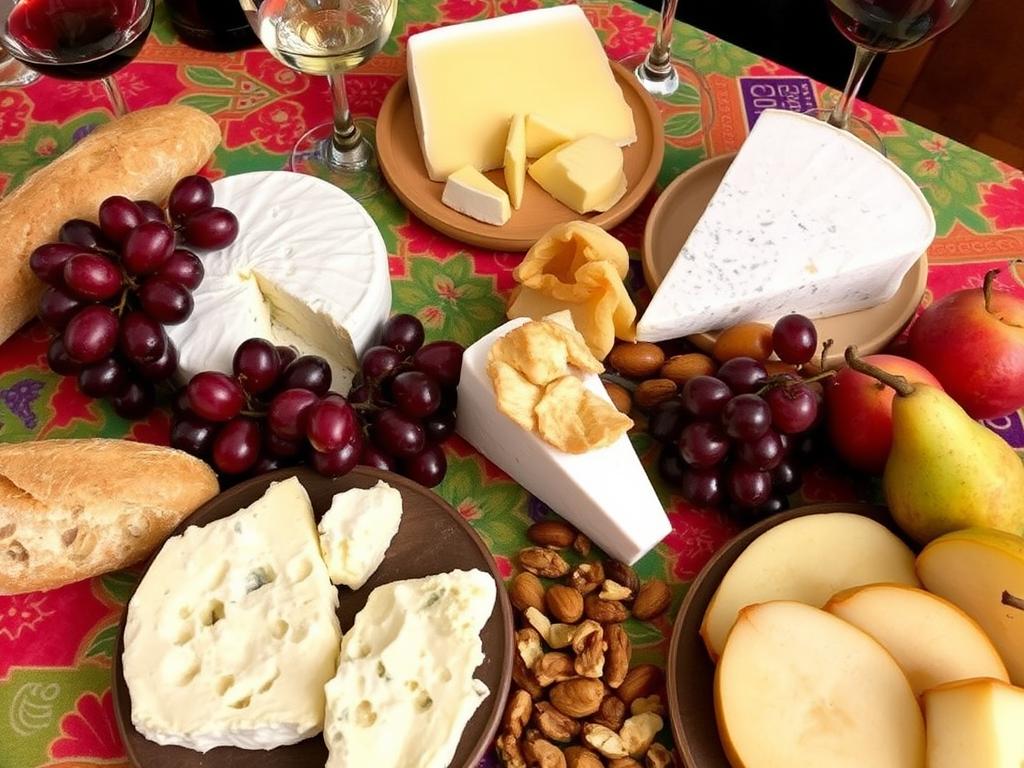 Pairing Cheese to Taste and Occasion
Selecting cheese depends on your flavor preferences and the dining context. For subtle notes, young Comté (around 8 months) is ideal—offering delicate hazelnut nuances. Pair it with sparkling Vouvray for a classic Franche-Comté combination praised since the 1800s.
For boldness seekers, the sharp, peppery Roquefort shines with sweet Sauternes wines. Its rich profile even earned historical protection during WWII when Sir Winston Churchill commanded RAF bombers to avoid its caves to preserve supply.
Cooking with Aged Cheeses
Cooking hacks abound with aged cheese: grate 24-month Mimolette over pasta for a salty crunch that rivals Parmesan. Baking washed-rind Munster with potatoes pays homage to Alsatian miners’ hearty lunches. Exploring recipes reveals how aging stages excel beyond the cheese board.
Pro tip: Visit Paris’ Marché d'Aligre. Vendors encourage tasting before buying, reminiscent of royal cheese testing in Louis XIV’s kitchen. Explore perfect cheese pairings to match any occasion and elevate your culinary repertoire.
Buying Guide: How to Source the Best French Cheese
Authenticity, Labels & Trusted Sources
Authentic French cheese often carries PDO/AOC labels that assure traditional sourcing and methods. True Camembert, for example, must originate solely from Normandy.
Trusted online and physical retailers include Murray’s Cheese and igourmet’s French Cheese Guide. These sources prioritize quality and provenance, ensuring you receive genuine products.
Label Decoding and Buyer Tips
When reading labels, terms such as "Affiné 6 mois" indicate the aging duration and help match cheese intensity to your palate. Older cheeses generally have bolder tastes and firmer textures.
Buying from local markets is often rewarding. Sellers typically support tasting, sharing stories behind each cheese, enriching your selection experience. Remember, cheese is a journey, and every wheel offers its own adventure.
Renowned Chefs’ Tips for Enjoying French Cheese
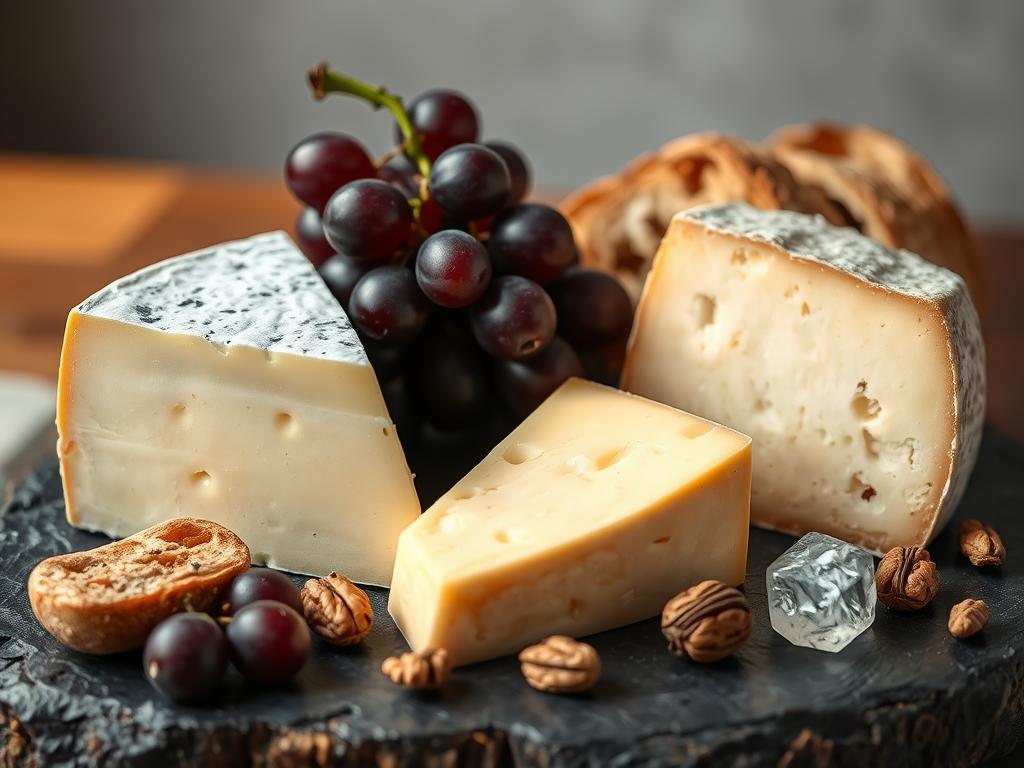
Perfect Pairings from the Pros 🍷
Chefs recommend matching cheese ages with wine styles to elevate both. For Affiné cheeses like Brie, sparkling Crémant d’Alsace offers a lively counterpoint. Meanwhile, Très Affiné
$61.90
4.69 out of 5 stars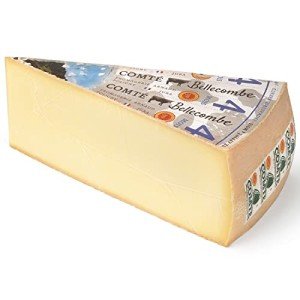
Comté Fort St. Antoine French Cheese - 1 lb
Enjoy the rich, nutty flavor of this authentic French cheese that's perfect for snacking or adding to your favorite dishes
Product information
Product Review Score
Product links
These pairings unlock new layers in cheese flavor profiles and enhance the wine’s subtleties, making every bite and sip a symphony of taste.
Cooking with Aged French Cheese
Baking Camembert with honey and fresh thyme delivers a gooey, aromatic dip ideal for gatherings. Grating aged Mimolette over creamy risotto adds nutty depth and textural contrast far superior to Parmesan. These simple tips help home cooks capture the essence of French affinage.
Experimenting with various aged cheeses in recipes invites delightful discoveries—perfect for adventurous palates keen on authentic flavors.
French Cheese Etiquette: Storage and Serving Tips
Best Practices for Storage 🧀
Do wrap cheese in wax paper rather than plastic to allow it to breathe and avoid unwanted moisture buildup. Storing it in the vegetable drawer of the fridge maintains a stable humidity environment, extending freshness considerably.
Keep cheeses away from strong-smelling foods to preserve their noble aromas. These small steps greatly enhance your enjoyment and help maintain quality.
Serving and Presentation Tips
Never serve cheese cold right from the refrigerator. Bring it to room temperature first for flavors and textures to fully blossom. Serving tips include slicing wedges as you eat, avoiding pre-cutting that dries the cheese.
Additionally, presenting a variety of cheeses spanning age ranges engages guests with differing tastes—making every gathering a sensory adventure.
Latest News and Events in French Cheese Aging
Preserving Tradition in a Modern World
French cheese continues to captivate global audiences with its intricate aging traditions. Although no regulatory changes affecting *Frais*, *Affiné*, and *Très Affiné* emerged in 2025, the art of affinage endures as a cornerstone of dairy heritage.
Skilled affineurs meticulously manage humidity and temperature in cellars, nurturing cheeses like Comté for months or years. This painstaking effort yields signature textures, from velvety Brie to crumbly Roquefort.
Experiential Tourism and Cheese Education
Guided tastings dominate experiential tourism today. Classes such as Fromage Français en Printemps offer immersive journeys through aging stages. Participants sample fresh chèvre alongside 36-month Comté, paired with local wines highlighting flavor evolution.
In festivals like Normandy’s Fête du Fromage (May) and Roquefort’s July cave celebrations, affineurs demonstrate ancient skills like hand-rubbing Époisses with brandy or inoculating curds with Penicillium roqueforti. These events celebrate terroir’s vital role in aging outcomes, preserving centuries-old methods.
Insights from the Masters: Renowned Chefs on French Cheese
Julia Child’s Golden Analogy
Julia Child once proclaimed: "A perfectly aged Comté is France’s edible gold—each crystalized crunch tells a story of patience and mountain air."
She poetically captured how extended aging intensifies amino acids, creating coveted crunchy crystals, a hallmark of quality and tradition.
Alain Ducasse on Bacterial Alchemy
Alain Ducasse mused: "Washing a Munster rind isn’t chore; it’s a love letter to bacterial alchemy."
This highlights how affineurs nurture bacteria that break down proteins and create cheeses like Époisses, turning firm curds into spoonable delicacies within weeks.
Affineur Hervé Mons on Time and Taste
Hervé Mons notes: "Time is the silent sculptor. A Brie at 30 days whispers; at 60 days, it sings."
This captures aging’s nonlinear magic, where patience exponentially deepens buttery notes and tames lactic sharpness. That’s why top fromageries prefer aging Brie in humidity-controlled caves over factories.
French Cheese by the Numbers: Fascinating Facts and Figures
Industry Overview
| Metric | Value | Fun Fact |
|---|---|---|
| Total Varieties | 1,600+ | France produces a unique cheese for every day of the year—plus extras! |
| Annual Exports | $3.8 billion | Comté alone accounts for 65,000 wheels shipped monthly |
| AOC/PDO Cheeses | 56 | Roquefort earned the first AOC in 1925—before most wines! |
Nutritional Profiles of Key Aging Classifications
| Classification | Calories | Protein (g) | Calcium (%DV) | Lactose (g) |
|---|---|---|---|---|
| Frais (e.g., Chèvre) | 75 | 5 | 8% | 1.2 |
| Affiné (e.g., Brie) | 95 | 6 | 15% | 0.3 |
| Très Affiné (e.g., Comté) | 110 | 8 | 25% | 0.1 |
Flavor Evolution Across Aging Stages
| Cheese | Frais (0-3 wks) | Affiné (1-6 mos) | Très Affiné (6+ mos) |
|---|---|---|---|
| Brie | Milk-chalky, mild | Mushroomy, buttered toast | Ammonia, pungent (rare) |
| Comté | Creamy, nutty | Caramel, roasted hazelnuts | Tobacco, pineapple |
| Chèvre | Tangy, lemon-zest | Peppery, grassy | Barnyard, truffle (aged crottins) |
Mastering French Cheese: Key Takeaways
Exploring French cheese aging classifications reveals how patient craft transforms simple milk into edible artistry. Each stage—from the fresh zing of Frais chèvre to the intense crunch of Très Affiné Comté—unfolds unique textures and flavors forged by tradition, terroir, and time.
The role of affineurs is pivotal; they are the silent artists shaping each wheel’s destiny inside cool caves and carefully controlled cellars. French cheese culture thrives not only in products but also in festivals celebrating history, terroir, and craftsmanship.
Whether you savor a soft young Brie or grate aged Mimolette, appreciating aging categories unlocks endless culinary adventures. Ready to begin your own journey into the delicious world of French cheese? Explore the curated French cheese collection for authentic, aged delights shipped directly to your door. Share your favorites and discoveries—we’d love to hear your cheesy epiphanies!
French Cheese Aging: Frequently Asked Questions
- 1. What does Affiné mean?
- Affiné means aged or refined—it signals that the cheese has undergone a maturation process enhancing flavor and texture beyond the fresh stage. The length of aging can vary widely by cheese.
- 2. Can I freeze aged cheese?
- It’s best to avoid freezing cheese, especially soft varieties. Freezing can ruin texture, causing crumbly or watery outcomes when thawed. Hard cheeses tolerate freezing slightly better but are still best enjoyed fresh.
- 3. What is the best beginner French cheese?
- For newcomers, creamy Brie or tangy Chèvre Frais offer approachable, versatile flavors. They excel in salads, spreads, or simple plates where mildness welcomes new palates.
- 4. Are there lactose-free options among aged cheeses?
- Yes! Well-aged hard cheeses, like Comté, generally contain very little lactose—often under 0.1 grams per ounce. Their extended aging breaks down most milk sugars, making them suitable for people sensitive to lactose.
- 5. Why do some aged cheeses have crunchy crystals?
- Those crunchy crystals are tyrosine—amino acids that form naturally during extended aging as proteins break down. Their presence signals quality and maturity. Cheeses like 24-month Comté showcase these crystals beautifully. More info here.
- 6. Can I eat the rind on French cheeses?
- Usually yes! Bloomy rinds (like Brie) and washed rinds (like Époisses) add flavor and texture elegance. Avoid wax-coated or excessively tough rinds, which are for protection rather than eating.
- 7. How do AOC/PDO labels protect French cheese?
- Labels guarantee authentic production methods and geographic origin. For instance, true Roquefort must use raw sheep’s milk and mature in Combalou caves. These certifications preserve tradition and assure consumers of genuine quality. See more at European Commission.
Hungry for more? Explore our cheese pairing guides or share your favorite French fromage in the comments! 🧀
Further Reading: Discover More About French Cheese Aging
- The Cheese Professor: Dive deep into the science and art of cheese aging, affinage techniques, and expert tasting notes that sharpen your cheese knowledge.
- Fromages.com: A rich resource presenting detailed cheese varieties, classification, and pairing ideas to enhance your appreciation and cooking skills.
- Igourmet French Cheese Guide: Curated expert insights on sourcing authentic French cheeses and understanding terroir influence.
- Fromages et Terroirs: Explore the importance of terroir and artisan methods shaping French cheese diversity.
- La Cuisine Paris: An excellent source for nutrition facts and historical context on French cheeses, perfect for food lovers seeking depth.