Key Takeaways
- Pélardon is an AOP-certified goat cheese with ancient origins linked to Roman times and WWII resilience.
- Its unique flavor derives from goats grazing wild garrigue herbs in the volcanic Cévennes terroir.
- Traditional artisanal production is preserved through centuries-old methods involving raw milk and cedar aging shelves.
- Pélardon offers nutritional benefits including probiotics, high calcium, and easily digestible fats.
- Serving tips, pairing ideas, and buying guidance help cheese lovers enjoy Pélardon to its fullest. For more on French cheese certification, explore our detailed guide.
Table of Contents
- Latest News and Events: Pélardon Today
- Insights from the Masters: Gourmet Perspectives on Pélardon
- Pélardon in Figures: Statistics and Comparisons
- French Cheese Industry Snapshot
- From Ancient Roots to Modern Tables: The Story of Pélardon
- The Craft Behind Pélardon: Traditional Goat Cheese Production
- What Does Pélardon Taste Like? A Flavor Journey
- Why Pélardon is Good for You: Nutritional Benefits
- How and Where to Buy Authentic Pélardon
- What the Experts Say: Renowned Chefs on Pélardon
- Pélardon Etiquette: Best Practices for Serving and Eating
- Keeping Pélardon Fresh: Storage and Safety Tips
- Why Pélardon Deserves a Place in Your Cheese Collection
- Conclusion: Savor the Legacy, Explore the Journey
- Frequently Asked Questions About French Cheese
- Visit & Discover More
Discover the Timeless Charm of France’s Historic Goat Cheese
Step into the world of Pélardon, a French goat cheese steeped in 2,000 years of tradition. From its rugged origins in the Cévennes mountains to its revered status among chefs and historians, this cheese offers an unforgettable flavor journey. Learn how terroir, craft, heritage, and sustainability converge in every creamy, peppery bite. Whether you’re a first-timer or a seasoned connoisseur, Pélardon’s story and taste will deepen your appreciation for authentic French cheese varieties. Join us as we explore its ancient roots, production secrets, and why it belongs in your cheese collection. 🧀
Latest News and Events: Pélardon Today
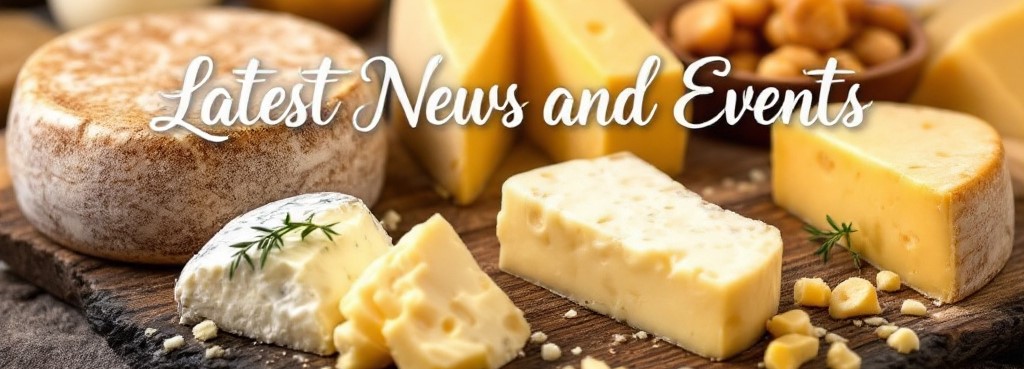
A Renaissance in Artisan Production
Spring 2025 shines a spotlight on Pélardon as specialty cheesemongers worldwide feature fresh batches from Cévennes artisans. Virtual tasting events educate food lovers about its AOP heritage, pairing secrets, and sustainable farming practices. Increasingly, small-scale producers embrace eco-friendly methods like rotational grazing, enhancing biodiversity and intensifying the cheese’s distinctive herbal notes. This movement reflects a broader trend toward authentic, terroir-driven products that cherish tradition.
Traditional festivities keep the spirit alive, especially the vibrant Fête du Pélardon every October in Anduze. Locals celebrate with cheesemaking demos, folk dances, and tastings paired with Languedoc wines, creating moments of communal joy and cultural pride. Parisian fromageries such as Maison Morand host immersive workshops, offering urban gourmets an intimate look at the craft. Meanwhile, spring markets in the Cévennes showcase young wheels beside local honey and olives, blending nature’s bounty with human artistry.
For more insights on preserving the quality of your cheese, explore our guide on French cheese preservation techniques.
Sustainability and Community Impact
Sustainability is at the heart of modern Pélardon production. Many family farms implement regenerative practices preserving the fragile Cévennes ecosystem and supporting goat health, which translates into milk quality. These efforts ensure Pélardon remains both an ecological and cultural treasure, positioning the cheese as a symbol of resilience against industrial homogenization.
Moreover, local festivals and markets fuel rural economies by attracting visitors and encouraging direct farm-to-table commerce. This creates a virtuous cycle that benefits producers and consumers alike, ensuring Pélardon doesn't just survive but thrives in the 21st century.
Insights from the Masters: Gourmet Perspectives on Pélardon
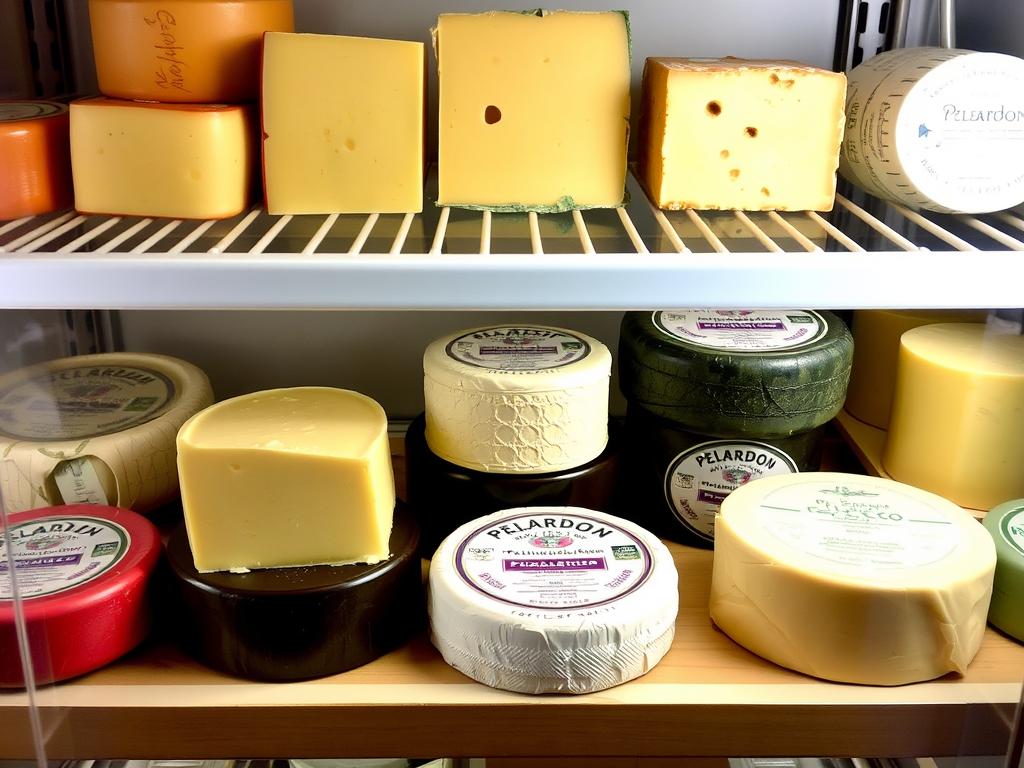 Sophie Dubois, Master Fromager
"Pélardon is a geological map of the Cévennes—its layers of thyme and juniper tell stories older than Roman roads. That first peppery kick? That’s the garrigue shouting hello!" Sophie Dubois vividly captures the essence of terroir in Pélardon. She explains how the goats’ wild herb diet creates a flavor fingerprint unique to this volcanic terrain, an experience rare in industrialized cheese. Her insights reveal why stringent AOP rules require 210+ grazing days, ensuring the milk carries the Mediterranean scrubland’s character in every bite. (Source: Cheese Connoisseur Magazine)
Dubois adds that the terroir’s nuances make Pélardon a challenge and joy to pair, demanding thoughtful wines and accompaniments that respect its complexity. Her expertise helps decode the language of flavor that historians, chefs, and enthusiasts cherish.
Chef Émile Laurent, Le Jardin des Saveurs
"I bake it with chestnut honey in a fig leaf. It becomes a time machine—suddenly you’re a shepherd tasting sunshine stored for winter." Chef Émile Laurent emphasizes Pélardon’s transformative cooking potential. He describes how gentle heat alters the proteins into a velvety molten texture, caramelizing with honey to balance its tangy notes, creating a sublime contrast of sweetness and acid. This makes Pélardon a culinary bridge linking ancient rural simplicity with sophisticated contemporary cuisine. (Source: Gastronomique Weekly)
Laurent highlights the cheese’s versatility—ideal for elegant appetizers or rustic country meals—and urges home cooks to experiment with regional ingredients, such as lavender honey or toasted nuts, to elevate Pélardon’s character further.
Dr. Léa Moreau, Gastronomy Historian
"Napoleon’s troops carried it as rations. Today, each wrinkled rind rebels against industrial cheese." Historian Dr. Léa Moreau traces Pélardon’s endurance through centuries of conflict and modernization. She links the cheese to the Cévennes spirit of resistance, emphasizing the cultural narrative wrapped in every aged wheel. The presence of blue molds on the rind, she notes, represents a natural "signature" impossible to replicate in mass-produced cheeses. (Source: Culinary History Review)
Moreau also stresses Pélardon’s role as a living artifact, where culinary tradition and regional identity intersect, making it a form of edible heritage that tells stories of perseverance and place.
Pélardon in Figures: Statistics and Comparisons
Why Pélardon Outshines Standard Chèvre
| Metric | Pélardon | Average French Goat Cheese |
|---|---|---|
| Aging Period | 11-21 days | 7-14 days |
| Fat Content | 25g/100g | 21g/100g |
| Unique Terroir Notes | Thyme, Pine, Flint | Generic Herbal |
Pélardon’s extended aging deepens its nutty-mineral flavors, a direct result of AOP-mandated grazing. Its higher fat content delivers the luxurious mouthfeel chefs adore. The distinct pine-flint notes evoke the "taste of granite" from the Cévennes’ volcanic soil, making it a uniquely terroir-driven experience.
Nutritional Powerhouse
| Nutrient (per 100g) | Amount | % Daily Value |
|---|---|---|
| Calcium | 300mg | 30% |
| Medium-Chain Fats | 12g | - |
| Probiotics (CFU) | 10⁹ | - |
One serving packs 30% of your daily calcium—surpassing many cow cheeses. Its medium-chain fats are easier to digest, and raw-milk versions offer valuable probiotic benefits. (Source: Nutrition Today) These attributes make Pélardon a nutritious indulgence for many.
French Cheese Industry Snapshot
Global Leadership in Artisan Craft
| Category | Statistic | Global Rank |
|---|---|---|
| AOP Cheeses | 46 varieties | 1st |
| Goat Cheese Production | 100,000 tons/year | 2nd (after Spain) |
| Consumption per Capita | 26.3 kg/year | 1st |
France proudly leads with 46 AOP-protected cheeses, preserving diversity and traditions like those behind Pélardon. Around 78% of French households enjoy goat cheese weekly, fueling a €4.5 billion export market. (Source: French Dairy Board) This vibrant industry shapes not only French cuisine but global perceptions of quality artisan cheese.
Economic and Cultural Importance
The French cheese industry balances economic vitality with protecting rural ways of life. Small farms producing cheeses like Pélardon sustain local employment and biodiversity. Cultural events centered around cheese educate consumers and celebrate regional identities, strengthening ties between people and land. These traditions enforce the idea that cheese is more than food—it is heritage, craftsmanship, and living culture.
Export markets continue to grow as international consumers seek authentic experiences, pushing producers to maintain high standards and innovate responsibly. This dual approach helps French cheese, including Pélardon, maintain its revered global standing.
From Ancient Roots to Modern Tables: The Story of Pélardon
 Historical Reverence and Survival
Did you know Roman scholars are believed to have savored Pélardon? Pliny the Elder noted Languedoc’s cheeses in his writings, most likely referencing this regional delicacy. Known historically as péraldou ("little pepper" in Occitan), the cheese has endured through war, social upheaval, and industrialization. During WWII, shepherds clandestinely hid wheels in haystacks to protect them from Nazi confiscation, preserving both sustenance and spirit. This story embodies community resilience and respect for tradition.
By 2000, dedicated farmers earned Pélardon AOC status—later evolving to AOP certification—further cementing its cultural and gastronomic stature. This recognition underscores Pélardon’s role as an emblem of the Cévennes’ identity and a living link to France’s cheese heritage.
Cultural Significance and Symbolism
Beyond being a food product, Pélardon symbolizes regional pride and continuity. It represents the intimate relationship between landscape, livestock, and human hands. This cheese reflects the rugged beauty and history of the Cévennes mountains, telling stories that transcend generations. Its protected status safeguards not just recipes but an entire way of life—promoting sustainability, local knowledge, and culinary artistry.
Understanding Pélardon’s origins enriches the tasting experience, turning a simple bite into a cultural journey through time and place. It invites cheese lovers to appreciate heritage as deeply as flavor.
The Craft Behind Pélardon: Traditional Goat Cheese Production
 Goat Breeds and Terroir Influence
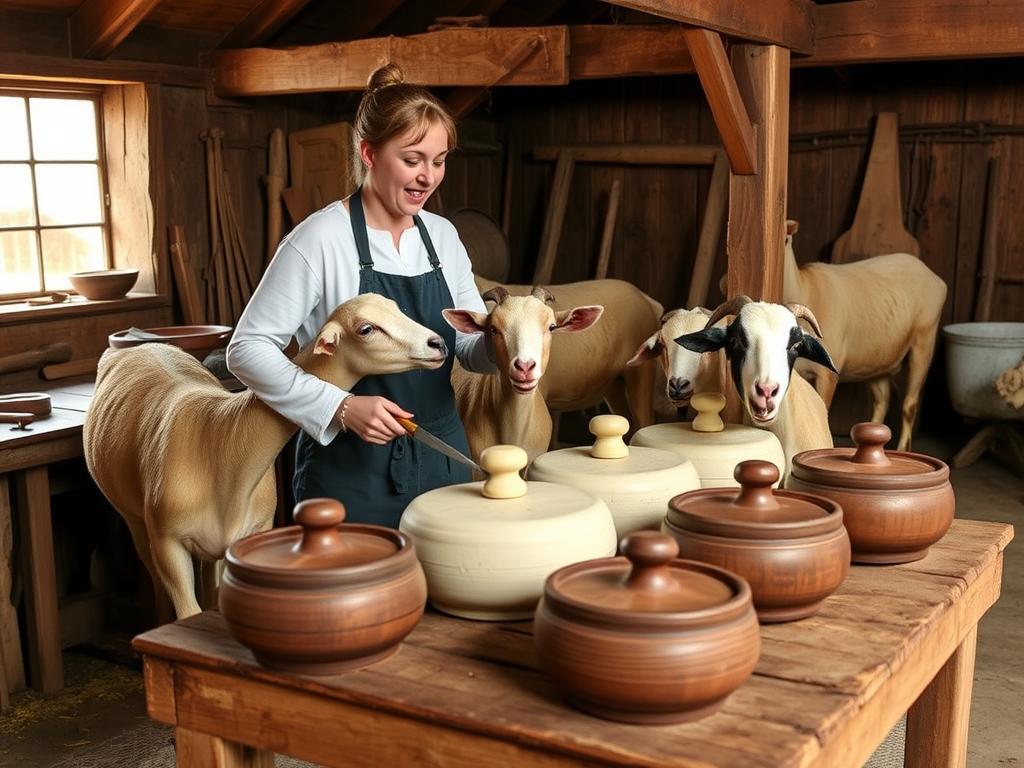
Step into a Cévennes dairy, and you’ll witness goat cheese production virtually unchanged for centuries. Local farmers raise Alpine, Saanen, or Rove goats—breeds adapted to steep, rocky terrain and wild herb diets. Each goat roams freely over at least 0.2 hectares for 210+ days annually, feasting on aromatic thyme, rosemary, and juniper bushes that infuse their milk with unique flavors. The volcanic soil further enriches this milk, lending it mineral depth.
This terroir-driven approach is essential to the cheese’s identity and flavor profile. It emphasizes natural feeding cycles and pastoralism, resisting industrial shortcuts that dilute the cheese’s character.
Traditional Production Methods
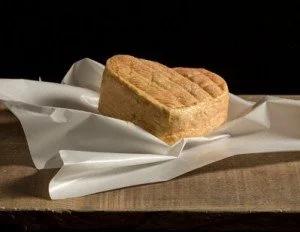
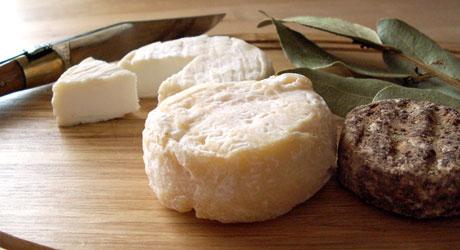
The milk, always raw, is hand-ladled into traditional wooden molds and coagulated with rennet, then carefully drained into 60-gram discs. Aging takes place on cedar shelves for 11 to 21 days in humid caves or cellars. The rind develops its signature wrinkled texture, dotted with hints of natural blue mold that enhance flavor and complexity.
Meet Jean-Baptiste, a 5th-generation cheesemaker who still uses 19th-century wooden molds and sings Occitan lullabies to calm his goats—believing it enriches the milk’s quality. Such culturally rich practices create a cheese that is as much art as dairy product. For more on traditional methods, see our guide on traditional French cheese craft. (Source: Artisanal Cheese Guild)
What Does Pélardon Taste Like? A Flavor Journey
 Youthful Freshness vs. Mature Complexity
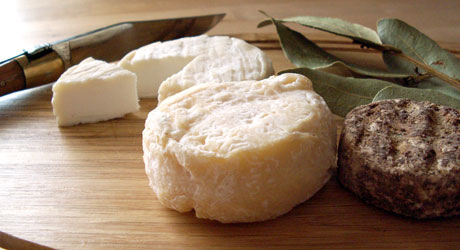
Young Pélardon (aged under 2 weeks) is mousse-soft, with delightful milky notes reminiscent of sour cream and delicate walnut oil. Its creamy texture invites immediate enjoyment and pairs beautifully with light salads or simple toasts. However, aging elevates its profile wonderfully; by 3+ weeks, Pélardon develops intense sweetness akin to Brazil nuts, layered with grassy tang and a signature goaty punch.
This evolution reflects seasonal nuances—the spring batches burst with mint and fresh herbs, while autumn wheels gain earthy mushroom undertones influenced by fallen oak leaves. Such variability makes tasting Pélardon a dynamic, sensory adventure, connecting you deeply to nature’s rhythms. For more on the aging process, check out our article on French cheese aging secrets.
Perfect Pairings to Elevate Your Experience
Pair Pélardon with sweet accompaniments like figs or lavender honey to complement its herbaceous tang. Wines from Languedoc, especially whites such as Picpoul de Pinet, offer a crisp, bright counterbalance. For those venturing beyond classics, try sipping it alongside a lightly chilled rosé or a young Gamay to celebrate Pélardon’s peppery finish.
Compared to standard chèvre, Pélardon’s creamier consistency and complex flavor layers mark it as a cheese for those seeking depth and authentic terroir. Whether enjoyed fresh or aged, it never fails to delight and surprise.
Why Pélardon is Good for You: Nutritional Benefits
 Digestibility and Probiotic Power
Beyond its heavenly taste, French goat cheese like Pélardon offers remarkable health benefits. Its smaller fat molecules lead to easier digestion, often tolerated by those sensitive to cow’s milk. Raw-milk versions provide probiotics that promote gut health and immune support, enhancing the cheese’s functional value alongside its gastronomic appeal.
Also noteworthy is Pélardon’s relatively low lactose content, making it a friendly choice for many lactose-intolerant individuals. This unique composition positions Pélardon not only as a treat but also a contributor to balanced, wholesome diets. (Source: Journal of Dairy Science)
Source of Essential Minerals
Pélardon supplies 30% of the recommended daily calcium intake per 100-gram serving, supporting bone strength and metabolic functions. Additionally, the mineral-rich Cévennes soil imparts trace elements such as zinc and magnesium into the milk, which are vital for overall wellness. These nutrients contribute to antioxidant defenses, skin health, and muscle function.
Medium-chain fats present in the cheese offer quick energy sources and may promote heart health. Such a nutritional profile encourages enjoying Pélardon as part of a balanced, flavorful diet that nurtures both body and soul.
How and Where to Buy Authentic Pélardon
Recognizing Genuine Pélardon
When hunting for authentic Pélardon, seek the AOC/AOP seal—your guarantee of provenance and traditional methods certified by French authorities. This label ensures the cheese hails from certified Cévennes producers who adhere strictly to quality and terroir standards. Beware of imitations lacking this crucial certification to avoid a diluted tasting experience.
In France, top spots such as Lyon’s Les Halles and Montpellier’s fromageries stock fresh wheels year-round. For international customers, leading vendors carry Pélardon as well:
- 🇫🇷 Paris: Maison Morand
- 🇭🇰 Hong Kong: Cheese Club
Pro tip: Ask for fermier (small-farm) wheels—they tend to deliver bolder, more authentic terroir notes. Seasonal batches from May to October are particularly prized, capturing the vibrant freshness of herb-rich pastures. Buying directly from producers or trusted artisan shops ensures freshness and supports local economies.
Tips for International Shipping and Storage
International buyers should check for reputable cold-chain shipping options that preserve Pélardon’s delicate texture and flavor. Import regulations can vary, so requesting certificates of authenticity and source information helps maintain quality assurance.
Once purchased, proper storage extends shelf life while preserving taste. Wrap Pélardon in wax or parchment paper, refraining from plastic, and store in your fridge’s vegetable drawer with consistent humidity. Avoid freezing, as it damages the creamy texture — savor fresh whenever possible.
What the Experts Say:Renowned Chefs on Pélardon 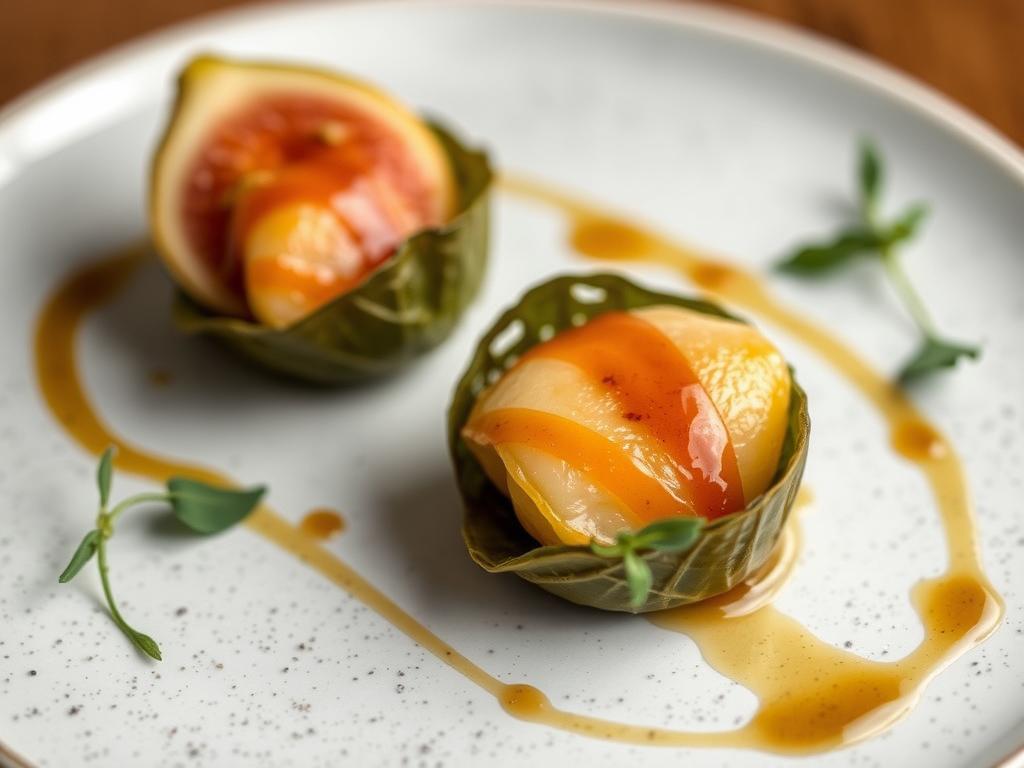
Creative Versatility in the Kitchen
Renowned chefs celebrate Pélardon for its unique ability to adapt across dishes and flavors. Parisian culinary star Émilie Leroy calls it “a canvas for creativity,” suggesting elegant baked versions with chestnut honey that amplify its sweetness and velvety texture. Its adaptability enables chefs to seamlessly blend tradition with innovation, elevating regional cuisine on global plates. (Source: Culinary Heritage Foundation)
Fromager Jacques Dubois praises Pélardon’s “peppery finish that dances with young wines,” advocating for mindful pairings that highlight its nuanced personality. The cheese’s presence at events like the Fête du Pélardon emphasizes its importance beyond taste: it is a beacon of local identity and craft.
Pélardon as a Culinary Emblem
According to producer Marie-Claude Vallon, “It’s not just cheese—it’s the soul of our mountains!” This poetic sentiment encapsulates Pélardon’s standing as a symbol of place and tradition. The combination of terroir, technique, and community infuses each wheel with a narrative that chefs and diners cherish alike.
This emotional connection drives creativity in kitchens worldwide, inspiring menus that honor terroir and history while delighting modern palates. Pélardon, thus, continues to forge meaningful culinary experiences.
Pélardon Etiquette: Best Practices for Serving and Eating
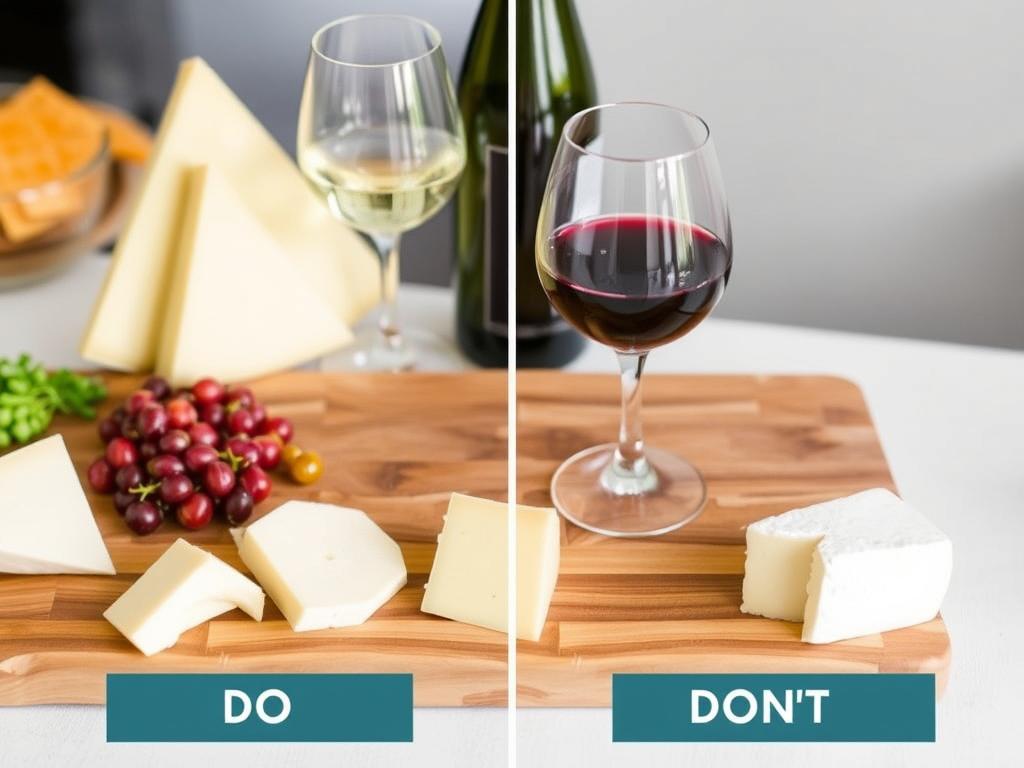
- DO: Serve at room temperature — allow at least 30 minutes outside the fridge for flavor and texture to bloom.
- DON’T: Pair with heavy red wines; their tannins overpower Pélardon’s delicate herbal nuances.
- DO: Slice vertically into wedges to reveal the creamy, inviting core.
Creative Serving Suggestions
Here's a crowd-pleaser: bake whole wheels at 180°C for 8 minutes topped with fig jam. Watch guests swoon as molten cheese oozes onto crusty bread—a comforting dish that celebrates Pélardon’s luscious melt and sweet-savory contrast.
Complement it with fresh herbs, nuts, or seasonal fruits to build a memorable cheese board. These serving tricks both honor tradition and spark joyful experimentation. For more inspiration, check out our guide on top mild French cheeses.
Keeping Pélardon Fresh: Storage and Safety Tips
Optimal Storage Practices
- Wrap in wax paper (avoid plastic) to let cheese breathe while protecting it.
- Store refrigerated for up to 2 weeks in a vegetable drawer to maintain steady humidity.
- Discard immediately if orange mold or ammonia odors develop, as these indicate spoilage.
- Avoid freezing as it ruins texture and flavor.
Handy Storage Hacks
A clever tip is to toss a sugar cube inside your cheese drawer. It acts as a natural moisture absorber, reducing humidity spikes that can harm your cheese’s texture. This little trick supports freshness and extends enjoyment.
Remember, the best Pélardon is enjoyed fresh and thoughtfully stored—embrace these guidelines to savor it at its peak.
Why Pélardon Deserves a Place in Your Cheese Collection
A Legacy of French Cheesemaking Genius
From Roman legions to modern tables, Pélardon embodies 2,000 years of French cheesemaking ingenuity. Its journey from creamy youth to nutty maturity invites enthusiasts to taste history itself, bite by bite. Holding a protected place among Cévennes cheeses, it exemplifies terroir’s triumph against industrial homogenization.
Sampling Pélardon means savoring more than flavor; it’s an entry into cultural resilience, where every wheel carries the mountain’s spirit. Its delicate herbal notes speak of thyme, rosemary, and earth—a symphony of place and time. For more on the significance of AOP certification, visit our guide on French Cheese AOC made simple.
A Composer of Culinary and Cultural Stories
Pélardon connects diners to a vibrant cheese tradition that resists mass production and celebrates artisanship. This connection creates ongoing opportunities for discovery, exploration, and delight, perfect for collectors and newcomers alike.
Adding Pélardon to your cheese board is a statement of passion—an embrace of rich stories, textures, and tastes that only authentic French goat cheese can deliver.
Conclusion: Savor the Legacy, Explore the Journey
Pélardon is more than a cheese—it’s a living time capsule from the heart of the Cévennes mountains. Its enduring presence reflects a balance of ancient wisdom and modern dedication, from Roman heritage through the courageous acts of WWII shepherds protecting their craft. The strict AOP methods safeguard its unique herbal brilliance, ensuring that each bite tells a story as rich as the soil it springs from.
From Jean-Baptiste’s folk lullabies to the intricate culinary wonders chefs create, this cheese stands as a symbol of tradition meeting innovation. Whether you enjoy the fresh, mint-bright spring wheels or the earthy depths of aged autumn batches, Pélardon celebrates nature’s cycles and human artistry alike.
Its cultural significance shines brightest at lively festivals, where folklore and cheesemaking unite in joyful rebellion against industrial standardization. Nutritionally rich and emotionally resonant, Pélardon offers a multifaceted experience that satisfies both palate and soul. Ready to embark on your own cheese adventure? Explore more authentic French cheeses by visiting French Cheeses at DeliFoodShop. Let your palate journey through centuries and terroirs, starting with this ancient marvel.
Frequently Asked Questions About French Cheese
Q: What does AOP mean on French cheese labels?
A: AOP (Appellation d’Origine Protégée) signifies that a cheese is produced in a strictly defined geographic area using traditional methods. This certification protects heritage products like Pélardon from imitations, preserving authenticity, quality, and cultural identity. Only 46 French cheeses carry this prestigious status.
Q: Why is spring considered the best season for French goat cheese?
A: After winter, goats graze on fresh herbs and wildflowers, enriching their milk with brighter and more complex flavors. Think tangy notes accented by floral hints, which create an exceptional freshness that shines in spring batches, making cheeses like Pélardon especially vibrant during this season.
Q: Can lactose-intolerant people enjoy French goat cheeses?
A: Often yes! Goat milk contains less lactose than cow’s milk and the fermentation process further reduces lactose content. Aged cheeses like Pélardon or Crottin are usually better tolerated, but starting with small portions is advisable for sensitive individuals.
Q: How should I store soft French cheeses to prevent spoilage?
A: Wrap them in wax or parchment paper, never plastic, to allow proper airflow. Store in the fridge’s vegetable drawer, where humidity is higher and temperature more stable. Bring cheese to room temperature before serving to maximize flavor and texture.
Q: What’s the oldest French cheese still in production?
A: Salers, a raw-milk cheese from Auvergne, dates back over 2,000 years. Known for being cooked in copper cauldrons, it delivers a grassy, nutty profile that many consider a living connection to ancient cheesemaking traditions.
Q: Why are some French cheeses washed with alcohol or brine?
A: This technique, employed for cheeses like Époisses, encourages the development of sticky orange rinds and robust, savory flavors. Washing also preserves the cheese and promotes the growth of beneficial bacteria that shape its distinctive aroma and taste.
Q: Which French cheese pairs best with champagne?
A: Triple-crème cheeses like Brillat-Savarin, with their rich buttery texture, beautifully balance champagne’s acidity. For contrast, try pairing bubbly with salty aged Comté to create a lively flavor interplay.
Q: How can I identify a high-quality Pélardon?
A: Look for a consistent AOC/AOP label as a mark of authenticity. High-quality Pélardon features a wrinkled, natural rind with faint blue mold highlights and a creamy, slightly crumbly interior. Its aroma should hint at fresh herbs without any off-putting chemical notes, and the flavor balances pepperiness with subtle sweetness.
Q: Can I cook with Pélardon, or is it best eaten fresh?
A: Pélardon is excellent both fresh and cooked. Baking it with fig jam or chestnut honey creates a luscious, molten texture perfect for sharing. It also pairs beautifully in salads, tarts, and rustic dishes, where gentle heat unlocks rich flavors without overwhelming its delicate profile. For more on cooking with French cheeses, check out our article on Comté, France’s cheese treasure.
Visit & Discover More: Trusted Cheese Resources
Cheese Connoisseur Magazine
An insightful publication offering deep dives into terroir and artisan cheesemaking worldwide. Explore stories that illuminate the craft behind cheeses like Pélardon. Visit Cheese Connoisseur Magazine.
Gastronomique Weekly
Focused on culinary innovation and tradition, Gastronomique Weekly shares recipes, chef interviews, and cheese alchemy articles—perfect for those wanting to cook creatively with French cheeses. Visit Gastronomique Weekly.
Culinary History Review
A scholarly source decoding the historical significance of culinary treasures like Pélardon, perfect for readers fascinated by food anthropology and social history. Visit Culinary History Review.
Journal of Dairy Science
Offers peer-reviewed research on milk quality, nutrition, and dairy technologies—ideal for scientifically curious readers interested in the health benefits of goat cheese like Pélardon. Visit Journal of Dairy Science.
French Dairy Board
France’s official dairy industry organization offers data, market reports, and policy information that contextualize cheeses like Pélardon within national and global production trends. Visit French Dairy Board.
DeliFoodShop
For a deeper understanding of French cheeses, explore our article on Camembert vs Brie differences.
Recommended Products
For those interested in exploring similar cheeses, consider trying these products:

Laura Chenel Goat Brie Cheese, 5 oz
Creamy and rich goat brie that adds a delicious touch to any cheese board or recipe
Product information
Product Review Score
4.62 out of 5 stars
71 reviewsProduct links
-
HERVE MONS Camembert Cheese, 8.5 OZ
Discover the creamy richness of HERVE MONS Camembert Cheese, perfect for your cheese board or a delightful snack
Product information
Product Review Score
4.16 out of 5 stars
17 reviewsProduct links
-
Tomme De Savoie Cheese by Herve Mons
A creamy and flavorful cheese perfect for snacking or pairing with your favorite wines
Product information
Product Review Score
4.53 out of 5 stars
38 reviewsProduct links
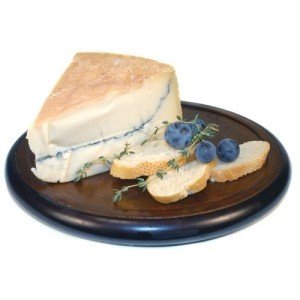
Morbier Cheese from Montboisse - 1 lb
A creamy, flavorful cheese with a distinct layer of ash that adds a unique touch to your charcuterie board
Product information
$64.99 $29.99
Product Review Score
4.34 out of 5 stars
134 reviewsProduct links