Key Takeaways
- Bleu des Causses is a raw cow’s milk blue cheese aged in natural limestone caves of the Aveyron & Languedoc regions with protected AOP status since 1953.
- It features creamy texture with corn kernel-sized blue veins and delivers a milder, peppery flavor compared to Roquefort’s intense tanginess.
- Its unique cave-aging process and terroir-driven production offer complex savory notes with seasonal flavor variations reflective of mountain herbs.
- High in protein and calcium with probiotic benefits, it’s a nutritious indulgence ideal for vegetarians and those seeking rich culinary experiences.
- Widely appreciated by chefs and cheese lovers alike, Bleu des Causses pairs wonderfully with sweet wines, fresh fruits, and charcuterie.
Table of Contents
- 1. Introduction
- 2. The History and Origin of Bleu des Causses
- 3. How Bleu des Causses is Made: The Cheese Production Process
- 4. Bleu des Causses: Key Facts & Figures
- 5. Bleu des Causses vs. Roquefort: Key Differences
- 6. Flavor Profile and Culinary Uses
- 7. Health Benefits & Nutritional Profile
- 8. Where to Buy Bleu des Causses
- 9. Cultural Celebrations & Latest News
- 10. Expert Opinions: Culinary Praise
- 11. Storing and Serving: Do’s and Don’ts
- 12. Conclusion
- 13. FAQ
- 14. Helpful Resources & Further Reading
Discover France’s Hidden Gem of Blue Cheeses—Creamy, Cave-Aged, and Bursting with Character! 🧀🔵
Embark on a sensory journey through the limestone caves of southern France to uncover Bleu des Causses, a creamy blue cheese that combines tradition, terroir, and craftsmanship. Often overshadowed by its famous cousin Roquefort, this cow’s milk masterpiece surprises with its milder, peppery flavor and unique texture. Whether you’re a blue cheese newbie or an aficionado, Bleu des Causses offers a delicious gateway into the world of French blue cheeses. Join us as we explore its rich history, artisanal production, flavor profiles, and culinary versatility.
1. Introduction
 Discovering Bleu des Causses
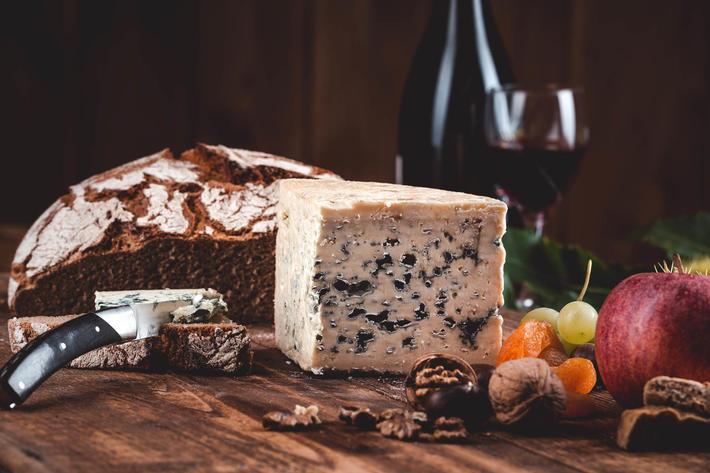
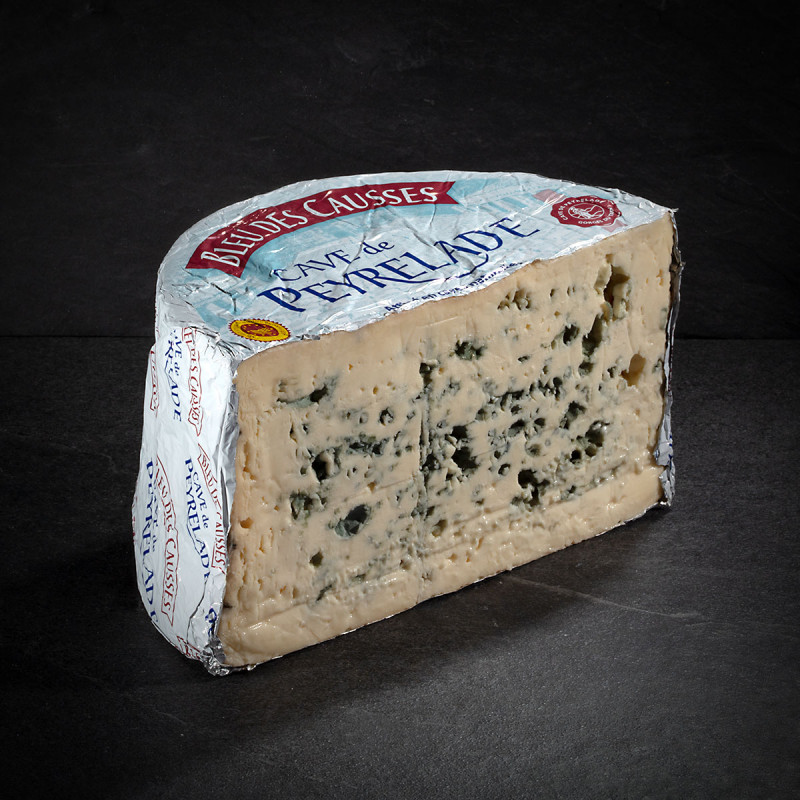
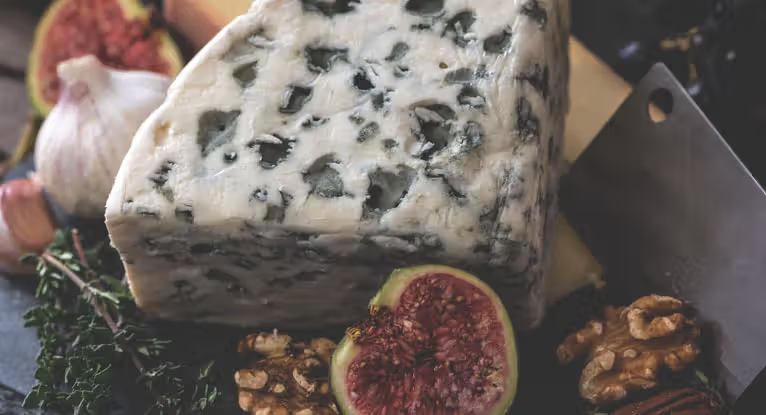
Bleu des Causses is a true French treasure tucked away in the limestone plateaus of the Causses region. Crafted exclusively from raw cow’s milk, this blue cheese captivates with its lush creaminess and subtle blue veins that weave through an ivory paste. Unlike the sharper, more pungent Roquefort, Bleu des Causses offers a gentler introduction to blue cheeses, making it popular among both cheese enthusiasts and newcomers alike.
The maturation process involves centuries-old traditions, with wheels aging in naturally humid limestone caves where the unique microclimate shapes their flavor. France proudly presents over 1,000 distinct cheese varieties, but Bleu des Causses remains a standout for its distinct terroir-driven character and balanced spice.
Why It Matters
The cheese not only represents gastronomic craft but also tells the story of a region, its people, and their harmonious relationship with nature. As more cheese lovers seek authentic and artisanal products, Bleu des Causses’s respectful production methods and deep regional roots elevate it from a hidden secret to a celebrated delicacy.
Whether served on a platter or melted into dishes, this cheese introduces the magic of French rural heritage. Join us as we unpack its history, production, flavor, and much more!
2. The History and Origin of Bleu des Causses
Ancient Roots in French Dairy Traditions
French dairy craftsmanship has existed for millennia, and Bleu des Causses perfectly embodies this enduring heritage. For centuries, shepherds in the rugged Aveyron and Languedoc regions raised cows grazing on wild mountain herbs—infusing their milk with botanical nuances unique to the Causses plateau. The area’s natural limestone caves became crucial to the aging process, as cool, moist air creates the ideal environment for developing those delicate blue veins that shimmer like jewels within the cheese.
Fascinating lore paints a vivid picture: a shepherd accidentally left his bread and cheese forgotten in a cave, only to find them weeks later transformed by the mysterious blue mold, giving birth to what we now cherish as Bleu des Causses.
 Protected by Geography & History
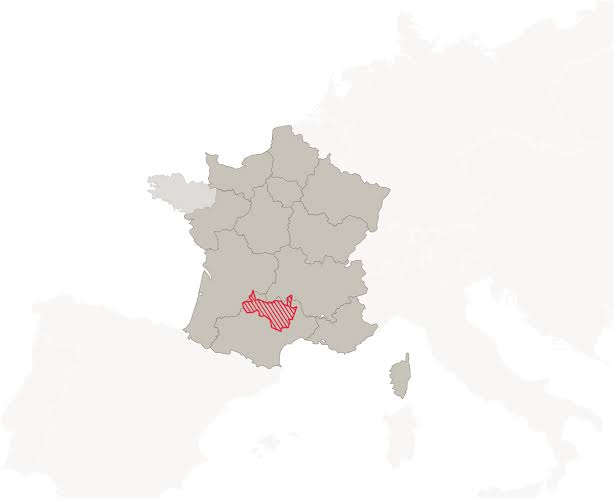
Since 1953, Bleu des Causses has been safeguarded by AOP status—a mark of authenticity that links production strictly to the region’s terroir and traditional methods. This guarantee of origin ensures every wheel is cave-aged in designated limestone grottos, preserving this cheese’s unique sensory identity.
During WWII, these very caves provided refuge to French Resistance fighters, who sustained themselves with aging cheese. Such historical intersections imbue Bleu des Causses with stories beyond taste, honoring resilience and regional pride. You can read more of this fascinating heritage at La Volonté Paysanne.
3. How Bleu des Causses is Made: The Cheese Production Process
From Raw Milk to Curd
The journey begins with fresh, raw cow’s milk, often sourced from Laguiole cows known for their robustness and rich milk. This milk undergoes gentle warming—never pasteurized—to preserve its natural cultures and complex flavors, fully complying with strict raw milk cheese regulations.
To initiate the signature blue veining, cheese-makers skillfully add Penicillium roqueforti spores. The curds are then carefully cut and molded, creating the foundation of the cheese's texture and aroma.
The Magic of Cave Aging
What truly defines Bleu des Causses is its maturation in the limestone caves of the Gorges du Tarn. For 3 to 6 months, the cheeses rest on beds of fragrant rye straw where natural humidity and a cool climate allow controlled enzymatic development. The affineurs, caretakers of these cheeses, employ an ancient technique of needling to pierce the curds, creating precise air channels that help mold flourish, producing those iconic blue veins.
These affineurs cherish tradition so deeply that they often sing shepherds' songs to the aging wheels, believing vibration encourages even veining and flavor depth. One famous cave, Grotte des Étoiles, is renowned for cheeses dotted like constellations—a testament to nature and nurture working in harmony. Learn more about these secrets at Affineurs des Volcans.
4. Bleu des Causses: Key Facts & Figures
Production & Protection
Bleu des Causses is produced in the Aveyron and Languedoc regions, with only 22 active farms participating as of 2025. Its AOP certification since 1953 legally binds production methods and aging locales, ensuring heritage and quality remain uncompromised. These producers gather annually to uphold traditions, innovate sustainably, and advocate for terroir respect.
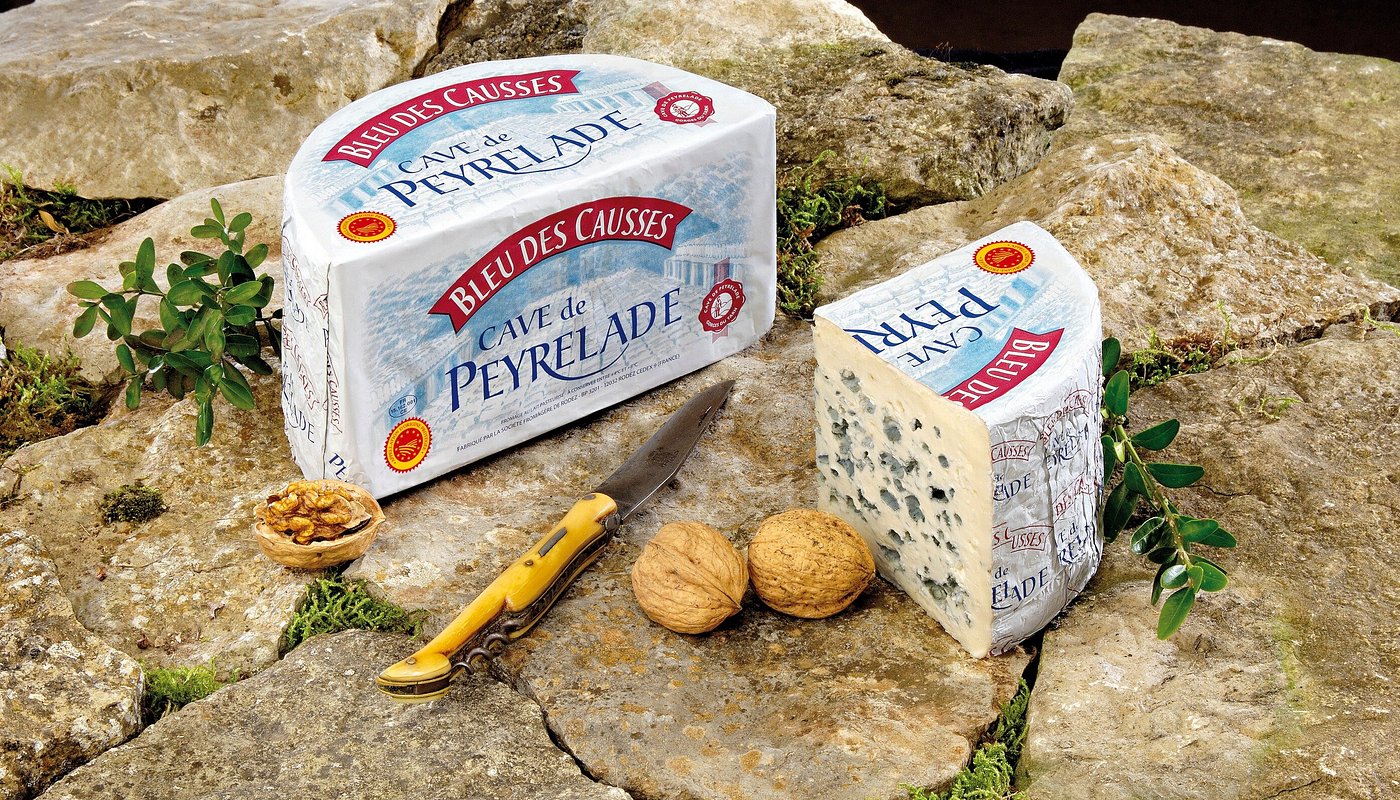
The cheese’s uniqueness also lies in the size of its blue veins, described as “corn kernel-sized”—a feature achieved through careful needle piercing during production. This gives the cheese a delicate look and a consistent flavor that balances boldness and creaminess.
Facts at a Glance
| Fact | Detail |
|---|---|
| Production Region | Aveyron & Languedoc |
| AOP Protection | Since 1953 |
| Active Producers (2025) | 22 farms |
| Aging Period | 70 days minimum |
| Unique Trait | Corn kernel-sized blue veins |
The strict oversight and collaborative spirit among producers preserve Bleu des Causses’s artisanal integrity and ensure every wheel tells the tale of its birthplace—and the natural wonders of the limestone caves.
5. Bleu des Causses vs. Roquefort: Key Differences
Milk and Texture
Bleu des Causses is made from raw cow’s milk, lending a creamy and semi-soft texture that is approachable and mild-milky. In sharp contrast, Roquefort originates from raw sheep’s milk, resulting in a crumbly, moist texture that can be tangier and saltier. These fundamental differences impact how each cheese behaves on the palate and in recipes.
Both share the Penicillium roqueforti mold, but the milk type and environment drastically alter the mouthfeel and intensity. Bleu des Causses is considered Roquefort’s gentler sibling, perfect for those seeking blue cheese complexity without overwhelming pungency.
Flavor and Terroir
Flavor-wise, Bleu des Causses delights with peppery undertones, mild spice, and subtle herbaceous notes credited to cows grazing the Causses meadows. Roquefort boasts a bolder, salt-forward tang and more assertive aroma.
Geographically, Roquefort’s aging caves are confined to a tiny 2km zone near Roquefort-sur-Soulzon, while Bleu des Causses matures across a broader limestone cave network in the Causses region. This broader terroir grants Bleu des Causses a seasonal grassy nuance highlighted in summer wheels. Discover more blue cheese marvels like Bleu d’Auvergne, another blue cousin with its own charm.
| Feature | Bleu des Causses | Roquefort |
|---|---|---|
| Milk Type | Raw cow’s milk | Raw sheep’s milk |
| Texture | Creamy, semi-soft | Crumbly, moist |
| Flavor | Milky, peppery, mild spice | Intense, tangy, salty |
| Aging Spot | Causses limestone caves | Roquefort-sur-Soulzon caves |
6. Flavor Profile and Culinary Uses
Flavor Notes That Dance on the Palate
Bleu des Causses greets the senses with a creamy texture punctuated by a gentle peppery zip, wild herbal hints, and a faint touch of honey sweetness. Its nutty undertones come from the mineral-rich Causses pastures where cows graze on thyme, juniper, and wildflowers. This complexity creates a well-rounded blue cheese profile that harmonizes sharpness with smooth milkiness.
The flavor evolves with age—youthful wheels offer brighter floral and pepper notes, while older cheeses develop deeper umami layers reminiscent of toasted hazelnuts and wild mushrooms, thanks to the cave environment.
Culinary Pairings & Recipes
Bleu des Causses shines in both simple and sophisticated dishes. Pair it with sweet wines like Sauternes or late-harvest Gewürztraminer to balance its spice, or try it alongside fresh fruit such as pears, figs, and walnuts for a fresh, contrasting bite. Dark chocolate also makes an adventurous pairing, heightening both flavors’ intensity.
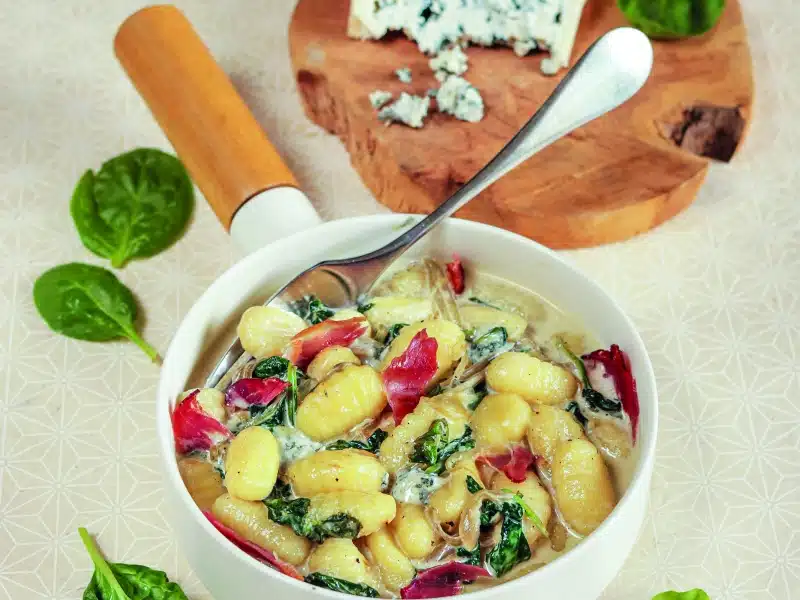
Chefs love crumbling it into salads for a creamy pop or melting it into risotto for a luscious finish. For gourmet sandwiches, Bleu des Causses elevates humble ingredients with its tangy complexity—pro tip: paired with prosciutto, the cheese’s zing and the ham’s saltiness create a delectable duet. Discover more charming pairings at French wines perfect for charcuterie and gourmet sandwiches recipes.
7. Health Benefits & Nutritional Profile
 Nutritional Powerhouse
Bleu des Causses boasts an impressive 21 grams of protein per 100 grams, making it a fantastic source of muscle-supporting nutrients, especially for vegetarians looking for high-quality alternatives to meat. Its calcium content surpasses many soft cheeses, promoting bone strength and overall health. The aging process reduces lactose, making it easier to digest for those with lactose sensitivities.
Its moderate sodium content at 2.5g per 100g is lower than many blue cheeses, appealing to those mindful of salt intake. Additionally, the blue mold offers antioxidant properties that may help reduce inflammation and support immune function.
Comprehensive Nutrient Profile
While calorie-dense at 373 kcal per 100 grams, Bleu des Causses’s richness satiates appetite efficiently, helping prevent overeating. It also contains beneficial fat content, primarily from healthy dairy fats that aid in nutrient absorption.
Raw milk fermentation cultivates probiotics, which contribute positively to gut health and digestion, underpinning the cheese’s role as both a delightful treat and a functional food. For detailed nutritional info, visit Au Fromager de Rungis.
| Nutrient (per 100g) | Amount |
|---|---|
| Calories | 373 kcal |
| Protein | 21g |
| Fat | 32g |
| Calcium | 528mg (53% DV) |
| Sodium | 2.5g |
8. Where to Buy Bleu des Causses
Specialty Shops & Markets
For an authentic Bleu des Causses experience, seek out specialty cheese shops in France such as Paris’ Fromagerie Laurent Dubois or Lyon’s celebrated charcuterie hubs. These renowned purveyors source seasonal batches directly from producers, ensuring freshness and quality.
Additionally, farmers’ markets in the French countryside and urban centers occasionally feature Bleu des Causses, offering a vibrant way to connect directly with affineurs and producers.
Online & Clubs
Outside France, gourmet online retailers like Murray’s Cheese and igourmet.com offer Bleu des Causses in limited quantities reflecting its small-batch, artisanal nature. For true aficionados, artisan cheese clubs often provide surprise deliveries showcasing rare batches.
Shops such as Affineurs des Volcans and La Boîte du Fromager curate selections that highlight the cheese’s terroir-driven nuances. Insider tip: ask cheesemongers about recent "batch variations" caused by microclimate differences in caves—these slight flavor shifts are part of the charm!
4.53 out of 5 stars
HERVE MONS 1924 Bleu Cheese - 1 lb
Rich and creamy with a distinct tangy flavor that cheese lovers will adore
Product information
Product Review Score
Product links
9. Cultural Celebrations & Latest News
2025 Producer Assembly & Festival Highlights
February 2025 witnessed a historic gathering of all 22 AOP Bleu des Causses producers at Ferme du Gazenas in Flavin, underscoring a united front against industrial homogenization and a deep commitment to artisanal quality. These events embody the region’s dedication to sustaining its cheesemaking heritage, blending tradition with modern resilience.
Moreover, Bleu des Causses garnered the spotlight at Paris’ Salon de l’Agriculture, where urban food enthusiasts were introduced to its rich terroir-driven flavor at the OS Simmental France stand—bridging rural craft with city taste.
Leaders & Innovators Shaping the Future
Laurence Nayral has been a transformative force in Bleu des Causses agritourism, pioneering immersive farm visits and guided cave tastings in Millau. Although preparing for retirement in June 2026, her legacy lives on through mentorship programs ensuring that sustainable tourism and artisanal production flourish hand in hand.
Innovation continues through pioneers like Jérôme Chaumat and Vincent Bouquet, who launched the first raw-milk farmhouse Bleu des Causses in 2022. Their small-batch creations, affectionately named "Rebel Bleu," express authenticity and local terroir with unparalleled freshness. These efforts were spotlighted during the 2024 Salon du Fromage, where new producers were invited to join this artisanal renaissance. For more insight, visit Salon du Fromage.
10. Expert Opinions: Culinary Praise
Chef Élise Lambert on Versatility
"Bleu des Causses is the blue cheese for people who dislike blue cheese. Its creamy texture melts into sauces without overwhelming, while the peppery finish elevates simple dishes."
Lambert emphasizes its gentle profile which pairs effortlessly with delicate ingredients. Its balanced salt and spice levels make it popular in béchamel sauces or salad dressings, providing depth without harshness. This cheese has become a reliable tool for chefs exploring blue cheeses in their menus.
Fromager Guillaume Verot on Terroir
"The Causses caves impart a minerality you can’t replicate. When aged properly, it develops umami notes reminiscent of wild mushrooms and toasted hazelnuts."
Verot highlights that the cave environment—with its 85-98% humidity and natural vents—creates complex enzymes to break down the cheese’s proteins uniquely. His recommended pairings with sweet wines create a symphony of umami and sweetness that transforms cheese boards into unforgettable experiences.
Chef Amélie Durand on Farmhouse Innovation
"Farmhouse versions? A revelation! The raw milk carries meadow botanicals—thyme, juniper—straight into the paste. Industrial versions taste flat by comparison."
Durand praises the raw milk revival that reconnects consumers with the terroir’s natural biodiversity. Seasonal nuances bring floral brightness in summer and robust nuttiness in autumn, offering consumers a dynamic cheese journey. Her culinary creations showcase how these rare farmhouse wheels can elevate French gastronomy.
$44.90
4.85 out of 5 stars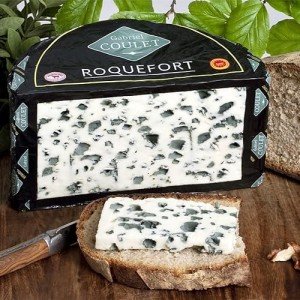
Gourmet Roquefort Cheese - 1 Pound
Indulge in the rich, tangy flavor of this delicious blue cheese perfect for cheese boards, salads, and gourmet recipes
Product information
Product Review Score
Product links
11. Storing and Serving: Do’s and Don’ts
- ✅ Do: Wrap Bleu des Causses in wax paper and store it in a vented container to maintain freshness and allow airflow. See tips in proven preservation techniques.
- ❌ Don’t: Freeze or seal it tightly in plastic wrap, as this traps moisture and degrades texture and flavor.
- ✨ Pro Move: Serve Bleu des Causses at room temperature to fully unleash its aroma and complex taste.
4.66 out of 5 stars
Bleu D'Auvergne French Blue Cheese - 1 lb
Rich and creamy with a bold flavor that's perfect for cheese boards or cooking
Product information
Product Review Score
Product links
12. Conclusion
Our exploration of Bleu des Causses has revealed a blue cheese that embodies the heart and soul of French terroir and tradition. From its humble discovery in limestone caves to its current status as a revered AOP cheese, Bleu des Causses offers a milder, creamier alternative to its famous cousin Roquefort — one that entices cheese newcomers and seasoned gourmands alike.
Its rich cultural history, artisanal production methods, and complex yet approachable flavor profile make it a standout performer on any cheese board or in any culinary creation. The dedication of small-scale producers and affineurs ensures each wheel celebrates regional heritage and craftsmanship. Whether melted into a luscious sauce or savored with fresh fruit and sweet wine, Bleu des Causses invites you to indulge mindfully.
Ready to continue your French cheese adventure? Explore an exquisite collection of authentic French blue and artisanal cheeses at delifoodshop.com/categories/french-cheeses. Gather friends, share stories, and let every bite transport you to the misty caves and sun-drenched pastures of France’s iconic cheese regions.
$147.96
4.55 out of 5 stars
French Saint Agur Cheese - Full Wheel - Approx. 5.2Lbs
Indulge in the rich and creamy taste of Saint Agur, perfect for cheese boards, cooking, or snacking
Product information
Product Review Score
Product links
13. FAQ
- 1. Is Bleu des Causses pasteurized?
- No, authentic Bleu des Causses made under AOP specifications uses raw cow’s milk. This preserves complex flavors unique to the terroir and traditional methods.
- 2. Why are the blue veins described as “corn kernel-sized”?
- Cheese artisans carefully pierce the curds with needles at precise intervals to create ideal air channels. This controlled aeration encourages Penicillium roqueforti mold growth in distinct “corn kernel” spots, producing a beautiful and consistent veining pattern. Learn more here.
- 3. Can vegetarians eat Bleu des Causses?
- Yes! Traditional rennet used in Bleu des Causses production is not animal-based. The acidification and blue mold cultures naturally coagulate the milk, making the cheese vegetarian-friendly.
- 4. What’s the best way to serve Bleu des Causses?
- Serve Bleu des Causses at room temperature to fully reveal its aroma and flavor. Pair it with sweet wines like Sauternes or a platter featuring fresh pears, dried figs, and walnuts for an elevated tasting experience.
- 5. How does seasonal grazing affect its flavor?
- Cows grazing on summer wildflowers and herbs impart floral, thyme notes to the milk, creating brighter, fresher cheese wheels. Autumn grazing adds nuttier, earthier flavors as cows consume fallen acorns and varied flora.
- 6. Why is Bleu des Causses rarer internationally than Roquefort?
- Only 22 farms produce Bleu des Causses under strict AOP rules, and its exclusive cave aging limits output. This artisanal approach means it is less mass-produced and thus scarcer on international markets.
- 7. Are there vegan blue cheese alternatives?
- While no exact vegan equivalent matches Bleu des Causses, almond or cashew-based blue-style cheeses with mold cultures exist. Their texture and flavor differ significantly but offer a plant-based option for blue cheese fans.
- 8. Can the caves where Bleu des Causses ages be visited?
- Yes! Agritourism tours in Millau, especially during September’s Fête du Bleu, offer rare opportunities to tour limestone caves and sample fresh cheeses in their natural environment. More info at Ferme du Gazenas.
14. Helpful Resources & Further Reading
Explore More About French Blue Cheeses and Traditions
- Deli Food Shop: Easy Guide to French Cheese Certifications — Understand the intricacies of AOP and other French designations that protect traditional cheese making.
- Affineurs des Volcans — Learn about the affineurs’ role in maturing Bleu des Causses and other regional blues, including artisan techniques.
- La Volonté Paysanne — Dive deeper into the producers’ community, culture, and traditions surrounding Bleu des Causses.
- Salon du Fromage News — Stay up-to-date on trends, innovations, and celebrations related to Bleu des Causses and other French cheeses.
- Au Fromager de Rungis — Nutritional profiles and cheese expertise to better understand the health benefits of Bleu des Causses.