Key Takeaways
- Cabécou is a traditional goat cheese from Southwest France, prized for its rich flavor and artisanal heritage.
- Its small size intensifies flavor, with a delicate balance of tanginess and nutty undertones resulting from a 10-15 day aging process.
- The cheese is deeply rooted in regional terroir, influenced by local herbs, pasture seasons, and age-old production methods.
- With PDO protection and strong cultural significance, Cabécou continues to be celebrated in festivals and culinary arts today.
- Enjoy Cabécou fresh, aged, baked, or paired with wine and fruits for a memorable gourmet experience.
Table of Contents
- Cabécou: Exploring the Rich Heritage of This Southwest French Cheese
- From Farm to Table: The Story of Cabécou in Southwest France
- The Craft Behind Cabécou: A Look at Artisanal Cheese Production
- Cabécou Varieties: A Journey Through Different Flavors and Textures
- Is Cabécou Good for You? Nutritional Benefits of This French Cheese
- Chefs and Experts Weigh In: Why Cabécou Stands Out
- Finding Authentic Cabécou: Where to Buy This French Delicacy
- Cabécou Today: Latest News and Trends
- Cabécou Storage and Serving Mastery
- Cabécou Pairings and Creative Serving Ideas
- Conclusion: Why Cabécou Captivates Cheese Lovers
- Frequently Asked Questions About French Cheese
- Further Reading and Resources
Unwrap the story behind France's beloved goat cheese gems
Discover the enchanting world of Cabécou, a tiny but mighty goat cheese from Southwest France. This delicate cheese carries centuries of tradition in each delectable bite, showcasing the passion and heritage of artisanal cheesemaking. From medieval origins to modern culinary innovations, Cabécou remains a cherished delicacy loved by foodies and chefs alike. Join us as we delve into its rich history, production secrets, flavor profiles, and how best to enjoy this exquisite French treasure.
Cabécou: Exploring the Rich Heritage of This Southwest French Cheese
 Deep Roots in Terroir and Tradition
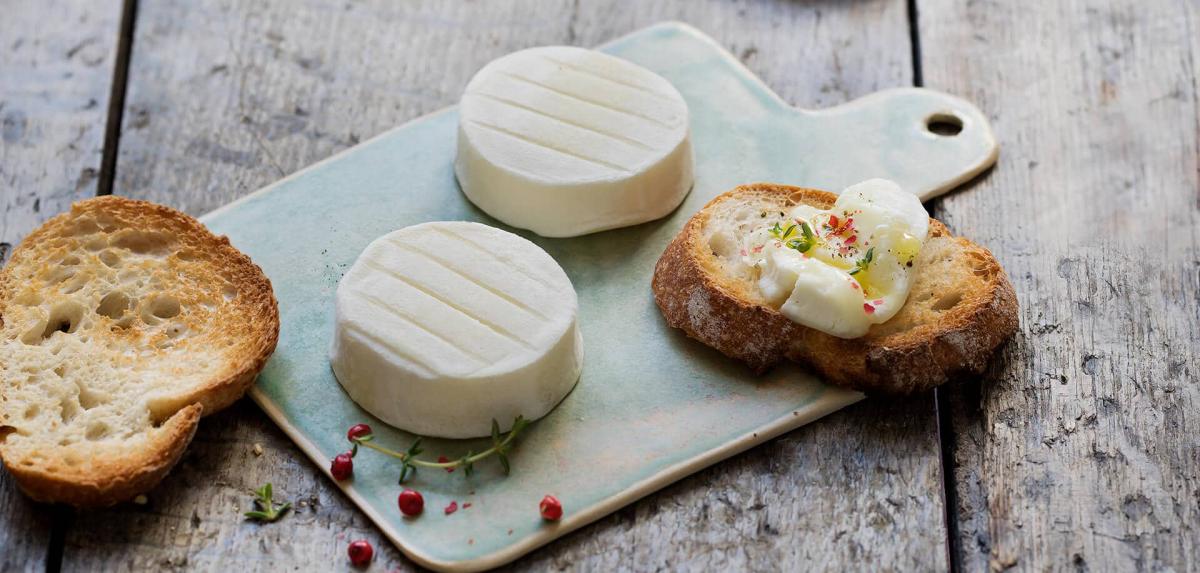
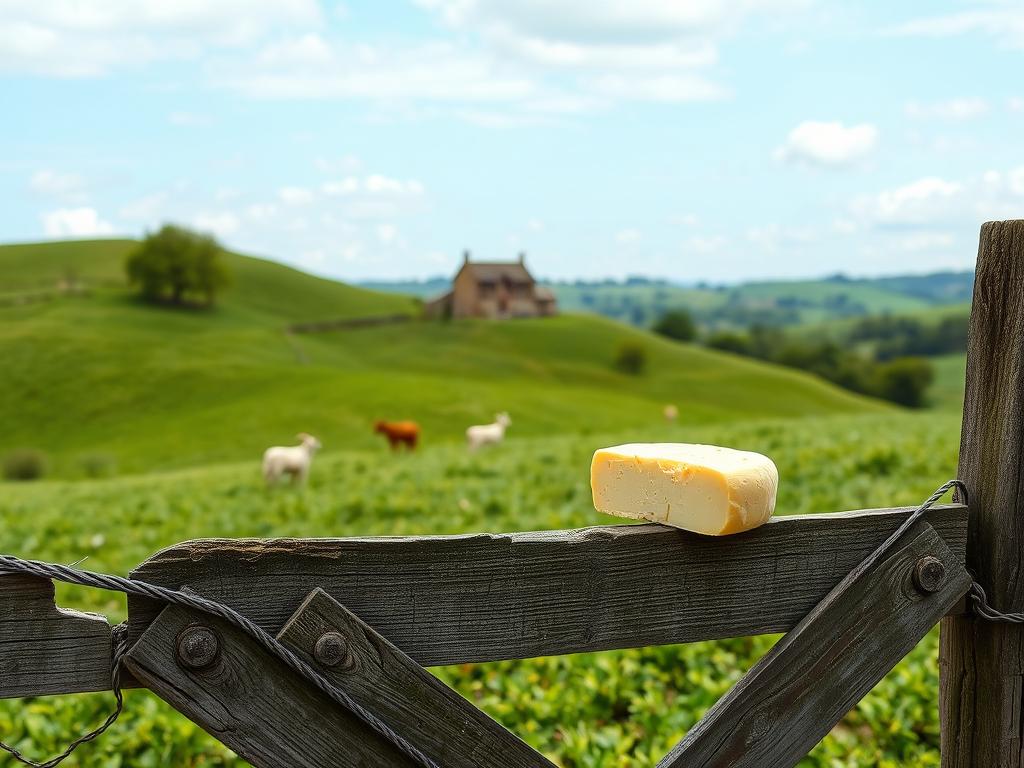
Imagine petite ivory disks of pure joy – creamy enough to melt on warm bread yet bold enough to star on any cheese board. Cabécou holds an esteemed place within the vibrant French cheese tradition, especially in Southwest France. This region, known for its rich landscapes from rolling hills to oak forests, imparts unique flavors and character to Cabécou that resonate far beyond its modest size.
The tradition of making Cabécou dates back centuries, preserved through rural communities who mastered techniques in stone barns with raw milk and wooden tools. Carrying the soul of Périgord and Quercy's pastoral heritage, each disk is a culinary relic that connects history, place, and people in a delicate balance of earthiness and zest.
Cultural Significance and Festivals Celebrating Cabécou
Cabécou is more than cheese—it’s ingrained in local culture and folklore. During Rocamadour’s May Fête du Fromage, cheesemakers proudly demonstrate age-old crafting methods using historic 200-year-old *peselet* presses. Autumn’s Marché au Cabécou offers a spectacular pairing of freshly harvested walnuts with the cheese, highlighting centuries-old customs linked to medieval harvest fairs.
Intriguing stories surround Cabécou’s history — like farmers hiding cheese in haylofts during WWII to preserve their traditions and Quercy legends involving new couples receiving Cabécou disks as fertility blessings. These traditions reflect the deep emotional and practical significance of this cherished cheese across generations.
From Farm to Table: The Story of Cabécou in Southwest France
 Origins and Etymology
The name Cabécou stems from the Occitan word “cabra”, meaning goat—paying homage to the nimble herds grazing the sunlit landscapes of Périgord and Quercy. Fromagerie Germain. Farmers as early as the 15th century used these small cheeses as a form of tax payment, marking them as valuable commodities beyond just sustenance.
This history underlines how deeply entwined Cabécou is with the ownership of land, economy, and social life in Southwest France. Passing down recipes and skills via generations cemented an artisanal legacy — cherished and protected even today by PDO certifications.
PDO Status and Protected Traditions
The PDO status for Cabécou de Rocamadour ensures traditional methods survive modernization pressures. This certification vouches for cheese authenticity and maintains its unique link to geography, climate, and heritage.
Notably, the shape, fat content, and aging parameters are strictly defined to preserve quality. For example, the iconic small size and gentle aging create a creamy but flavor-intense experience—a testament to perfected methods sustained across centuries.
| Characteristic | Specification |
|---|---|
| Diameter | 4-5 cm (1.6-2 in) |
| Height | 1-1.5 cm (0.4-0.6 in) |
| Weight | 30-40g (1.1-1.4 oz) |
| Fat Content | 45% |
| Aging Period | 10-15 days minimum |
This carefully balanced size and fat content ensures a creamy texture without heaviness, while its brief aging fosters subtle acidity that deepens with time. Seasonal variation in pastures further influences flavor nuances—from herbal summer notes to earthy hints during winter.
The Craft Behind Cabécou: A Look at Artisanal Cheese Production
Traditional Goat Farming and Milk Quality
Authentic Cabécou begins with happy Alpine goats grazing freely on wild herbs in the hills of Southwest France. Le Fromage Yard. This natural diet richly flavors their milk, which farmers collect carefully for artisanal production. Seasonal changes in pasture composition give the milk, and thus the cheese, a nuanced flavor calendar.
Quality raw milk is paramount; it preserves the unique microbes and enzymes that cultivate Cabécou’s signature taste. This raw milk-first philosophy has persisted for centuries despite modern pasteurization trends, emphasizing terroir and authenticity.
Crafting Process: From Milk to Mature Cheese
Producing Cabécou is a meticulous, hands-on procedure following three sacred steps: fermentation, curdling & molding, and aging. After the milk gently warms, lactic cultures develop tangy notes essential to the cheese’s profile. Skilled workers then hand-ladle curds into tiny molds; no machines disrupt this artisanal touch.
During aging, salted disks develop velvety rinds that protect creamy interiors — the aging period ranges from 10 to 15 days or more. Rocamadour Cheese Wikipedia. This process can last weeks depending on desired textures and flavors. Remarkably, some cheesemakers still use 200-year-old wooden *peselets* to press cheese—an exquisite blend of tradition and quality.
Cabécou Varieties: A Journey Through Different Flavors and Textures
Fresh vs. Aged Cabécou
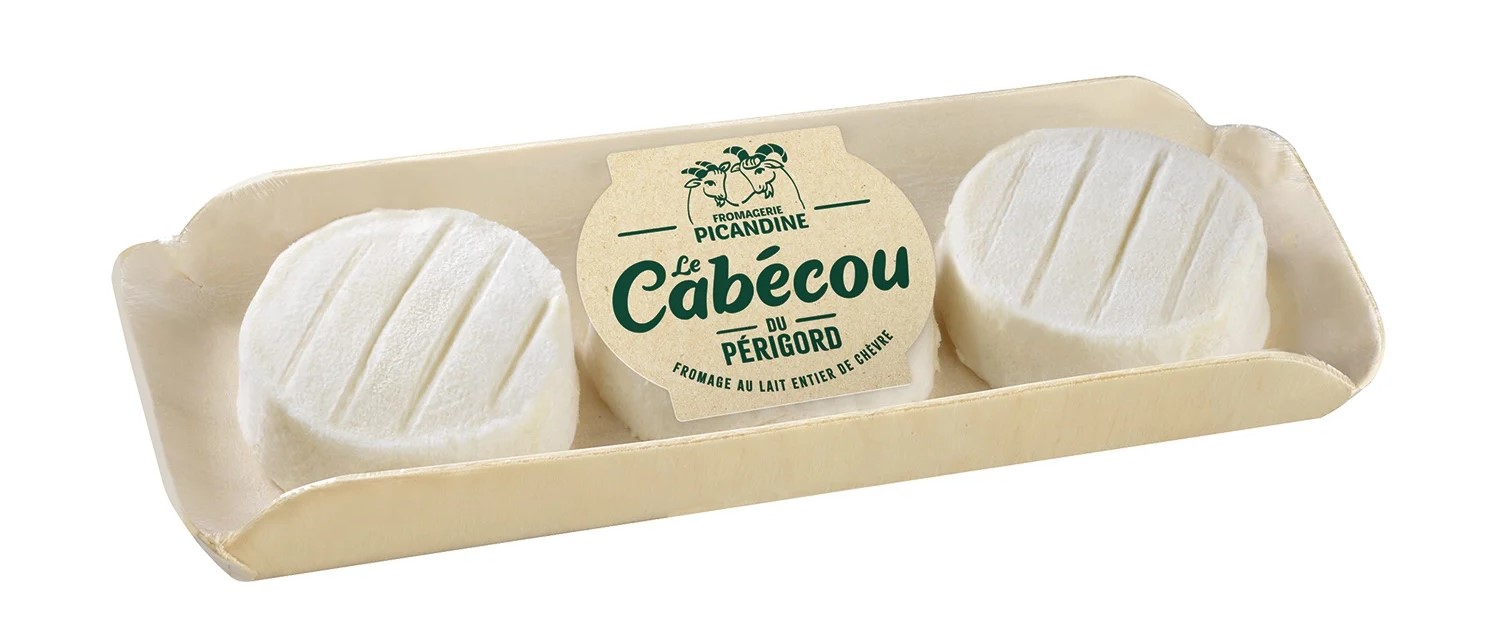
Cabécou comes in varying stages of maturity, each offering unique tasting experiences. Fresh Cabécou is mild, tangy, and cloud-soft—perfect for light dishes like salads or fresh baguettes. Its moisture-rich interior melts delightfully on the tongue, making it incredibly versatile.
As it ages, Cabécou develops a firmer, earthier character. Aged Cabécou showcases nutty and robust flavors ideal for cheese boards or culinary applications such as baking. The aging transforms its texture, offering a delightful contrast to fresh varieties with complex depth.
PDO Varieties and Innovative Twists
The famed Cabécou de Rocamadour, PDO-certified, offers a buttery, lush texture adored by connoisseurs. Its longer aging imparts refined richness while abiding by strict traditional guidelines. Brive Tourism.
Modern artisans also experiment creatively. Laura Chenel's black truffle Cabécou infuses earthy luxury with the classic creamy base, delighting adventurous palates. Delimarket News. Such innovations signify Cabécou’s evolving role in contemporary gastronomy.
| Type | Flavor & Texture | Aging Time | Perfect For |
|---|---|---|---|
| Fresh Cabécou | Mild, tangy, cloud-soft | 2–7 days | Salads, fresh baguettes |
| Aged Cabécou | Nutty, earthy, firmer | Up to 1 month | Cheese boards, baking |
| Cabécou de Rocamadour | Buttery, lush (PDO-protected) | 12–15+ days | Fancy appetizers |
Innovative Twist: Laura Chenel’s black truffle Cabécou - earthy luxury meets creamy tradition[7]!
Pair like a pro 🍷:
- Wines: Crisp whites (Sancerre), rosés, or light reds (Beaujolais)[3]
- Accompaniments: Figs, walnuts, honey, or crusty sourdough
Try this: Bake aged Cabécou with thyme and truffle oil for instant elegance!
4.62 out of 5 stars
Laura Chenel Goat Brie Cheese, 5 oz
Creamy and rich goat brie that adds a delicious touch to any cheese board or recipe
Product information
Product Review Score
Product links
Is Cabécou Good for You? Nutritional Benefits of This French Cheese
 Health Advantages of Goat Milk Cheese
Beyond its stunning flavor, Cabécou offers impressive nutritional perks. Raw milk varieties contain probiotics that promote healthy digestion and a balanced gut flora. Each 30g disk provides around 5 grams of high-quality protein, supporting muscle health and satiety.
Additionally, Cabécou delivers calcium essential for strong bones without the heavy texture or lactose levels found in many cow’s milk cheeses. Its fat content is moderate compared to cheeses like Brie, making it an indulgence with less guilt[4].
Nutritional Breakdown Per 30g Disk
| Nutrient (per 30g disk) | Amount |
|---|---|
| Calories | 85 kcal |
| Protein | 5.2g |
| Total Fat | 6.8g |
| Saturated Fat | 4.7g |
| Calcium | 72mg (7% DV) |
| Probiotics | >1 billion CFU* |
*In raw-milk versions
With a protein density comparable to Greek yogurt and calcium levels that support bone health, Cabécou is a smart choice for fitness enthusiasts and those seeking easy-to-digest dairy options. The smaller fat globules in goat’s milk contribute to its gentle nature on the digestive system, making it favored by those with sensitive stomachs.
Chefs and Experts Weigh In: Why Cabécou Stands Out
 Lauded for Quiet Elegance and Culinary Versatility
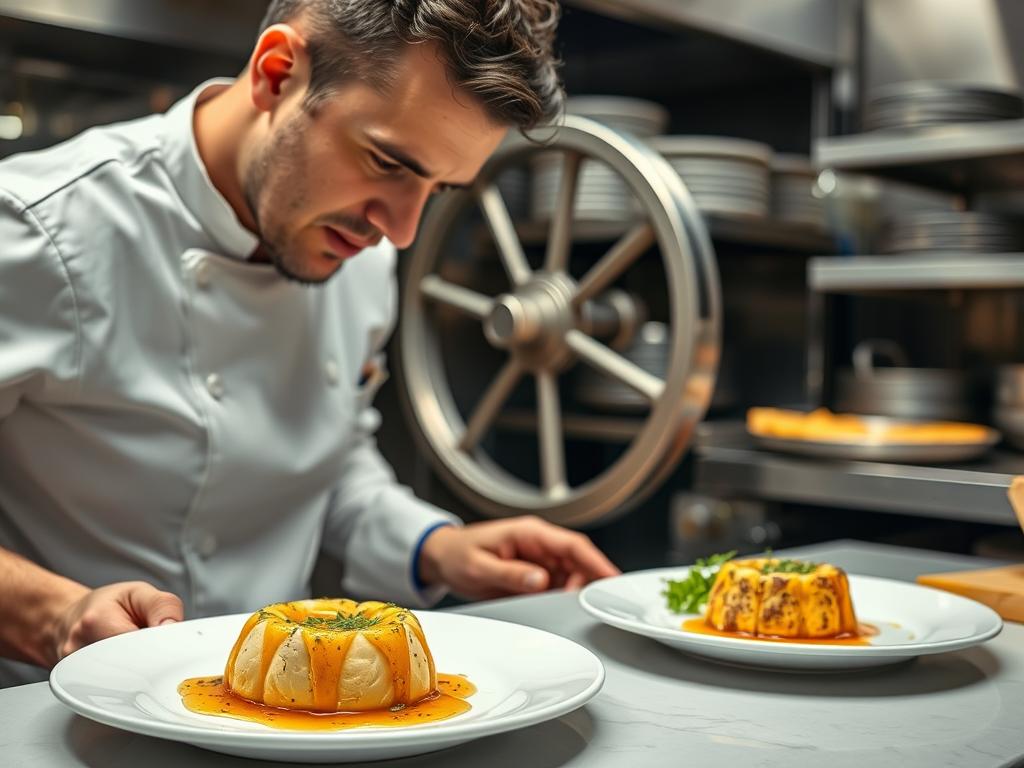
Top culinary minds praise Cabécou for its subtle sophistication. Parisian chef Élodie Dupont says, "It melts into risottos or shines solo on toast — pure magic!" This quiet elegance is why it's often chosen to highlight rather than overshadow a dish.
Cheese experts appreciate the cheese’s compact size, which intensifies tasting experiences and encapsulates the essence of Southwest France’s terroir. At Lyon's Le Neuvième Art, serving Cabécou warm with lavender honey has converted even the most skeptical cheese skeptics.
Innovations and Artisan Perspectives
Michelin-starred chef Antoine Lambert values how innovations like truffle-infused Cabécou marry tradition and luxurious flavors, making the cheese appealing to modern palates. Home cheesemaker Claire Dubois highlights its short aging period, perfect for amateur cheesemakers starting their cheese-making journey.
The artisanal use of raw milk and small-scale production preserves Cabécou’s unique character, often impossible to replicate industrially. Its special protein structure allows it to retain shape when baked while melting into a silky delight, a quality treasured by chefs worldwide[7].
4.86 out of 5 stars
Belgioioso Black Truffle Burrata Cheese 8 oz
Indulge in the rich and creamy flavor of black truffle combined with fresh burrata cheese for a gourmet treat
Product information
Product Review Score
Product links
Finding Authentic Cabécou: Where to Buy This French Delicacy
Buying Locally in France
Visiting Southwest France offers the most authentic experience—markets in Périgord and the famed Fromagerie Germain in Rocamadour provide fresh, traditional Cabécou varieties[1]. Sampling cheeses directly from farmers gives insight into regional nuances and the opportunity to support small producers.
Travelers can also enjoy engaging with cheesemakers at festivals or farm events, where authentic traditions are on full display and expert recommendations abound.
Online and International Options
For those outside France, trusted online retailers like Fromages.com and La Fromagerie (UK-based) offer shipping globally, though with care to verify authenticity and storage during shipment. Look for *fermier* (farmstead) labels ensuring traditional raw milk production[3].
Due to FDA restrictions, authentic raw-milk Cabécou is rare in the U.S.[9]. Consumers should prioritize PDO-certified sellers and proper storage instructions for best quality and safety.
4.95 out of 5 stars
Imported French Triple Cream Brie, 6.5 oz
Indulge in the rich, buttery flavor of this luxurious cheese that's perfect for your next cheese board or a special treat
Product information
Product Review Score
Product links
Cabécou Today: Latest News and Trends
Innovations and Flavor Expansions
Recent years have ushered exciting innovations like Laura Chenel’s black truffle Cabécou, which blends creamy textures with luxurious, earthy accents, pushing the boundaries of goat cheese tradition[7].
Chefs and consumers alike applaud how these new profiles enrich tasting experiences without compromising the cheese’s authentic character.
Regulatory Updates and Market Growth
The FDA’s planned 2025 updates on exceptions for certain soft cheeses may expand U.S. accessibility for authentic raw-milk versions[9]. This regulatory shift promises a bright future for artisanal goat cheese lovers.
Industry forecasts predict a 15% growth in artisanal goat cheese demand by 2026, driven by consumer preference for digestible, flavorful alternatives, sustainability, and traditional craftsmanship[8].
4.45 out of 5 stars
Marin French Triple Crème Brie - 8 Oz
Indulge in the rich and creamy goodness of this delectable brie that elevates any cheese board or snack platter
Product information
Product Review Score
Product links
Cabécou Storage and Serving Mastery
 Storing Cabécou for Peak Freshness
Proper storage keeps Cabécou flavorful and creamy. Always wrap cheese in parchment paper—not plastic—to allow it to breathe and avoid moisture buildup. Place it in the refrigerator’s vegetable drawer, ideally between 4–8°C, where humidity levels suit cheese preservation best.
Consume within 7 days for optimal freshness. If cheese begins to dry out, a light drizzle of olive oil can revive creaminess and enhance flavor.
Serving Tips for Maximum Enjoyment
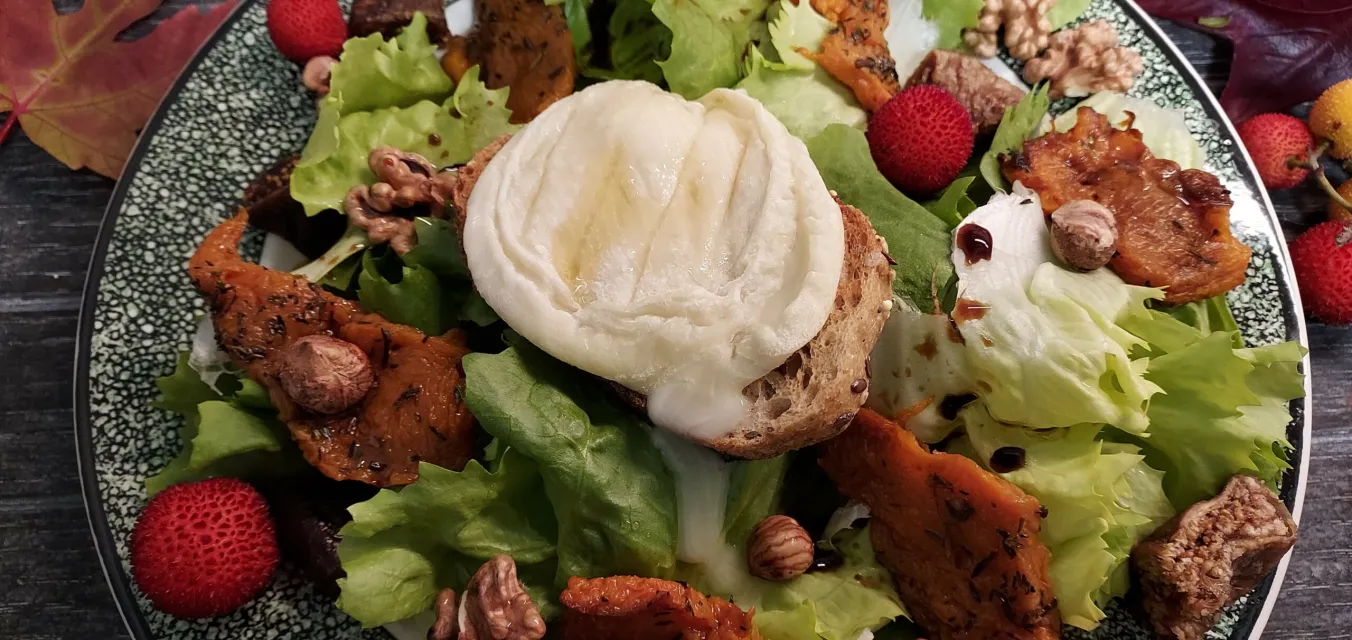
Bring Cabécou to room temperature about 30 minutes before serving for the fullest aroma and flavor release. It shines baked with breadcrumbs until golden and bubbly, offering a delightful melty texture with rustic charm.
Alternatively, crumble fresh Cabécou over salads or pair with roasted pears for an elegant, palate-pleasing contrast. Small size makes it perfect for individual servings or creative recipes.
Cabécou Pairings and Creative Serving Ideas
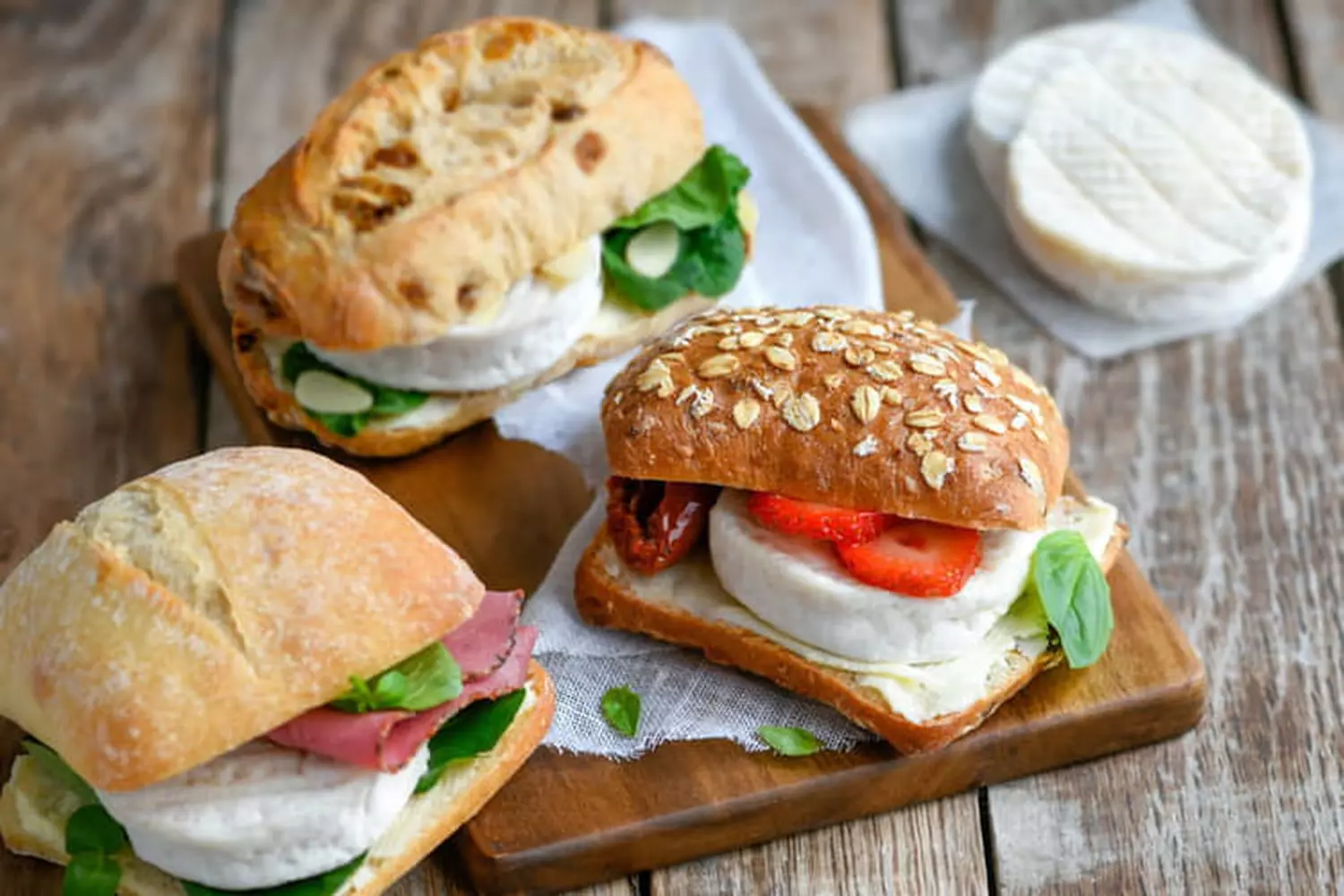 Classic Flavor Partners
Cabécou’s petite size offers versatility in pairings that enhance both simple snacks and elaborate dishes. Historically, medieval shepherds carried it with dried apricots as a portable energy snack, an age-old testament to its practicality and flavor harmony.
Modern pairings include crusty baguettes or seeded crackers, fresh figs, pear slices, wildflower honey, fig jam, and crunchy walnuts or almonds. These elements complement its creamy texture and bright tang, creating balanced, delightful plates.
Creative Recipes to Impress
Turn Cabécou into Baguette Bites by layering slices with honey and walnuts for elegant appetizers. Baked Brilliance involves wrapping Cabécou disks in puff pastry with rosemary before baking, sealing in flavors and adding a flaky texture.
On a cheese board, pair Cabécou with olives and cured meats for star appeal. Its melting quality and richness make it a showstopper in warm and cold presentations alike.
Conclusion: Why Cabécou Captivates Cheese Lovers
Cabécou is a small cheese with a grand story, deeply rooted in Southwest France’s rich terroir and centuries-old artisanal tradition. From its role as medieval currency to a symbol of cultural resilience during WWII, Cabécou embodies history, craftsmanship, and regional pride in every bite.
Its unique production process, involving happy goats grazing wild herbs and hands-on techniques, gives Cabécou an authenticity and flavor profile hard to match. Whether fresh with bright tangy notes or aged with nutty depth, this tiny treasure offers diverse culinary possibilities.
We invite you to explore the world of French cheeses further by visiting this curated collection of French cheese varieties. Whether you're planning a gathering or seeking new taste experiences, Cabécou and its French cheese companions promise to enrich your palate and transport you to the beautiful French countryside.
Frequently Asked Questions About French Cheese
1. What makes Cabécou different from other goat cheeses?
Cabécou’s distinguishing feature is its compact size, concentrating flavors intensely within a 10-15 day aging window. This balance delivers a tangy creaminess with refined nutty undertones, a profile unique compared to larger goat cheeses. Its deep association with specific terroirs of Southwest France adds further nuance and authenticity.
Learn more from Brive Tourism.
2. Are there vegetarian-friendly French cheeses?
Yes! Many French cheeses, including Brie de Meaux, use microbial or vegetable rennet rather than animal-derived rennet. Always check product labels or consult cheesemongers to confirm vegetarian suitability, especially with artisanal varieties.
3. How does terroir affect cheese flavor?
Terroir—the combination of soil, climate, local flora, and farming practices—imparts unique flavor characteristics to cheeses. Goats grazing on Southwest France’s wild herbs produce milk with distinctive herbal and earthy notes, impossible to replicate elsewhere. This connection between geography and taste is core to the identity of cheeses like Cabécou.
4. What’s the best way to build a French cheese board?
Include 3-5 varieties, featuring a range of textures and flavors: soft (Brie), aged (Comté), goat cheese (Cabécou), blue cheese (Roquefort), and a wildcard. Add fruits like figs and grapes, nuts for crunch, and a variety of breads to complement. Balance and diversity invite a memorable tasting experience. For more inspiration, check out our cheese pairings for charcuterie.
5. Can I freeze French cheese?
Freezing generally alters cheese textures, particularly soft varieties like Cabécou, which can become crumbly or lose creaminess. Hard cheeses such as Mimolette freeze more successfully. For best taste and texture, consume Cabécou fresh within a week of purchase. For more details on preserving cheese, see our guide on French cheese preservation techniques.
6. Why does Cabécou sometimes have a blue rind?
The blue rind is natural mold development during the aging process, contributing to flavor complexity. This mold is edible and safe, often enhancing the cheese’s aroma and taste. If preferred, the rind can be gently scraped off without compromising the inside.
7. What does PDO certification mean?
PDO (Protected Designation of Origin) certifies that a cheese is produced in a specific region using traditional methods unique to that area. Only cheeses meeting strict geographical and procedural standards can carry this label, ensuring consumers authentic, high-quality products. For more information, visit our easy guide to French cheese certification.
8. Are raw milk cheeses safe?
When produced under regulated conditions and hygiene controls, raw milk cheeses are safe to eat. PDO standards impose rigorous safety measures while preserving the rich flavor profiles unique to raw milk. Countries like France have decades of experience ensuring safety alongside tradition[6]. For more on regulations, see our article on raw milk cheese regulations.
Further Reading and Resources
We invite you to visit these authoritative websites for deeper insights on French cheeses and Cabécou:
-
- Fromagerie Germain – The official site details local cheese varieties, including Cabécou, with authentic regional insight and buying options.
-
- Rocamadour Cheese - Wikipedia – A comprehensive encyclopedia resource exploring history, production methods, and cultural significance.
-
- Brive Tourism – Offers engaging comparisons and guides for cheese enthusiasts visiting the heart of Cabécou production.
-
- Cultures for Health – Includes DIY recipes and health insights about Cabécou and other raw milk cheeses.
- Cabot Creamery Trend Report – Discusses industry trends and market growth for artisanal cheeses like Cabécou, highlighting consumer preferences.