Unveiling the Charcoal-Rinded Jewel of French Fromage
Delve into the mystique of Olivet Cendré, a rare French cheese that marries history, flavor, and terroir in every creamy bite. This unique cheese from the Loire Valley is steeped in vintner tradition and offers a truly sensory experience, enhanced by its signature ash-coated rind and subtle wine washes. Whether you're a seasoned cheese lover or a curious foodie, explore how Olivet Cendré’s rustic charm and artisanal production create an unforgettable taste journey. Get ready to learn about its origins, exceptional production, cultural importance, and even its health benefits. This is a cheese story you won’t want to miss!
Key Takeaways
- Olivet Cendré is an ash-coated cow’s milk cheese from the Loire Valley with a history dating back to the 1500s.
- Its unique charcoal rind originates from aging in burnt grapevine ash, lending distinct earthy and spicy flavors.
- The cheese is traditionally made from spring milk and sometimes wine-washed in Sancerre for added complexity.
- Olivet Cendré plays a significant cultural role, including wartime stories and Michelin star culinary uses.
- Despite export challenges due to its ash rind, it remains a celebrated delicacy with probiotic benefits.
Table of Contents
- 1. Introduction: Discovering Olivet Cendré
- 2. The Origins and History of Olivet Cendré
- 3. How Olivet Cendré is Made: Traditional Cheese Production Methods
- 4. Flavor Profile and Texture: What Makes Olivet Cendré Unique?
- 5. Cultural Significance: Olivet Cendré in French Gastronomy
- 6. Health Benefits of Olivet Cendré
- 7. Where to Buy Olivet Cendré: Availability and Authenticity
- 8. Latest News and Events: Olivet Cendré in 2025
- 9. Expert Opinions: Chefs and Fromagers on Olivet Cendré
- 10. Olivet Cendré: By the Numbers
- 11. French Cheese Industry Snapshot (2025)
- 12. Nutritional Profile: Olivet Cendré per 30g Serving
- 13. Flavor Comparison: Ash-Rinded Loire Cheeses
- Conclusion: Savor the Soul of France
- FAQ: Your French Cheese Questions Answered
- Further Reading & Resources
1. Introduction: Discovering Olivet Cendré
 A Cheese Born of Wine and Ash
This enchanting cheese draws a direct line from the vineyards of the Loire Valley to the cheesemaking traditions of pastoral France. Picture a cheese ripened not only through time but caressed by the remnants of burnt grapevine ash and occasionally bathed in regional white wine, making each wheel a unique vessel of flavor and history. Olivet Cendré is more than food; it’s a living tradition.
While the Loire Valley is renowned for its exceptional wines, its gastronomic landscape includes this singular cheese that exemplifies the art of artisanal French fromage. Understanding Olivet Cendré provides a window into how terroir, agricultural ingenuity, and cultural stories intertwine to create a beloved delicacy.
Why Should You Care About Olivet Cendré?
Beyond its bold charcoal-coated exterior lies a creamy, nuanced cheese that thrills palates with layers of earthy, spicy, and fruity sensations. For cheese aficionados seeking a flavorful alternative to more familiar varieties, Olivet Cendré challenges and delights with its balance of history and taste.
Moreover, appreciating this cheese invites broader insight into French rural practices, environmental stewardship, and culinary creativity, connecting every bite to a rich cultural heritage.
2. The Origins and History of Olivet Cendré
 Ancient Roots in the Loire Valley
Chronicled as far back as the 1500s, Olivet Cendré was born out of practical necessity married to inventive preservation methods. At a time when refrigeration was unknown, the farmers near the town of Olivet discovered that immersing their spring cheeses in burnt grapevine ash stabilized moisture and protected their precious curds from spoilage. This technique is a perfect example of human creativity responding to the challenges of seasonal agricultural cycles.
This practice is emblematic of the broader traditional French cheese craft, where environmental elements and local materials directly influence artisanal processes, embedding a cheese’s identity firmly in its terroir and origin story.
Wartime Stories and Cultural Resilience
During World War II, the resilience of Olivet’s inhabitants shone through remarkable ingenuity: villagers cunningly hid ash-coated cheeses inside wine barrels. This simple yet effective camouflage deterred Nazi looters, preserving not only food but vital cultural heritage during dark times. Such stories imbue the cheese with an aura of resistance and survival beyond its culinary appeal.
Today, this heritage is celebrated annually at the Fête des Cendres, a vibrant festival showcasing the ash-aging process alongside regional wine tastings, reinforcing the deep connection between local viticulture and cheesemaking. This festival births a dynamic passage from past to present, inviting visitors to witness centuries-old traditions alive and thriving.
3. How Olivet Cendré is Made: Traditional Cheese Production Methods
The Seasonal Milk Harvest
Spring is the soul season for Olivet Cendré production. Only milk collected during this period, when cows feast on nutrient-rich Loire grasses, is used. This seasonal specificity ensures a cheese imbued with the fresh aromas and high-quality fats characteristic of peak pasture conditions. The quality of the milk directly influences the final cheese's texture, flavor, and complexity.
Respect for these pastoral rhythms echoes the principles of sustainable farming, where nature dictates the pace rather than modern industrial calendars. This connection preserves traditional flavors that many modern mass-produced cheeses lack.
Ash and Wine: The Secret Ingredients
After curdling and cutting, the cheese is molded into delicate discs, then generously coated in ash produced from burnt grapevine prunings. This practice accomplishes several effects: it regulates moisture within the cheese, introduces fine mineral nuances, and promotes desirable surface microflora that define its unique rind appearance and flavor profile. This is vital to unlocking the cheese’s terroir expression.
Some wheels undergo an additional wine wash, often with Sancerre, enhancing acidity and deepening the cheese's character. This "wine-washing" is an artisan’s magic touch, highlighting the intimate bond between the Loire’s vineyards and fromageries. Importantly, the Dupont family’s use of century-old Cabernet Franc vine ash reinforces a lineage of place-based ingredients that FDA regulations (see Import Alert #7) have made increasingly rare in export markets.
4. Flavor Profile and Texture: What Makes Olivet Cendré Unique?
 Sensory Experience: Rind & Paste
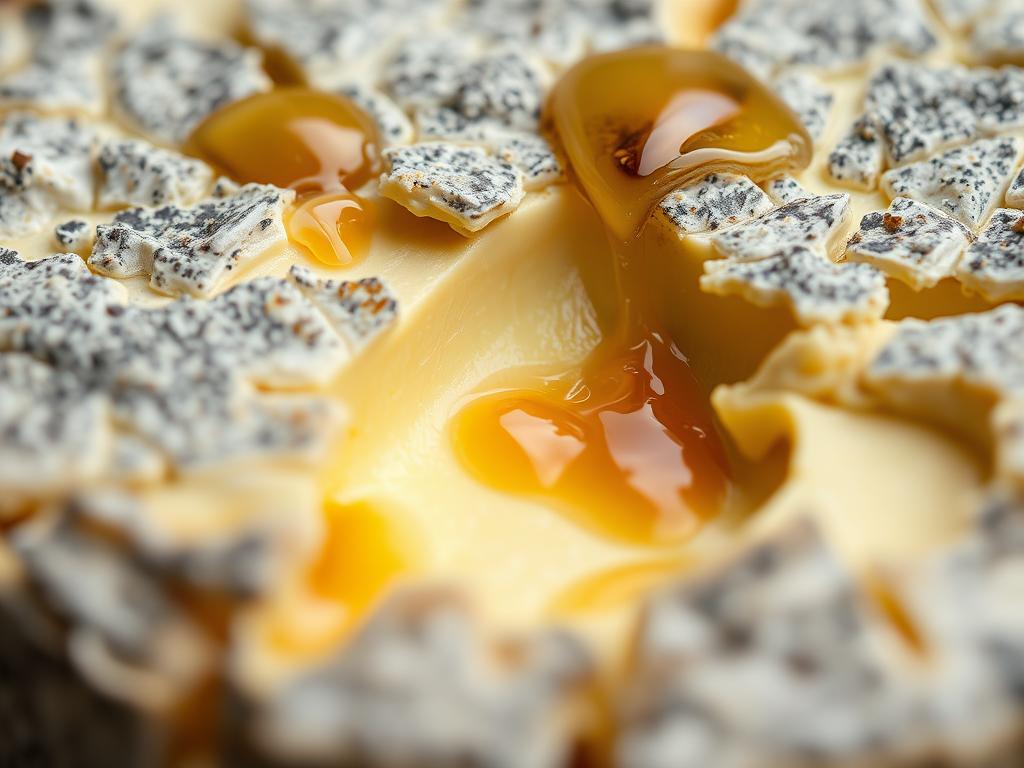
Slice through the smoky, slate-gray rind to reveal a soft ivory paste that balances creaminess with gentle crumbliness—this textural dance is part of Olivet Cendré’s charm. The crust’s ash coating imparts a mild spiciness reminiscent of crushed pepper, while the interior offers layers of earthiness evocative of wet hay and delicate mushroom undertones. This evolution in texture and flavor mirrors the aging process, as described by Cheese.com, a trusted authority on world cheeses.
Young wheels present firmer textures and sharper notes; matured ones bloom into luxurious butteriness balanced by subtle mineral accents. This transformation is a testament to the care and patience employed during aging.
Perfect Pairings and Culinary Uses
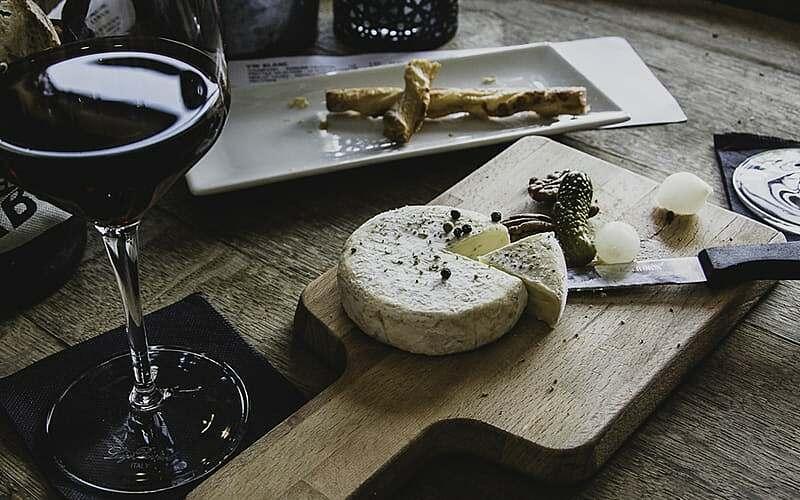
Elevate your cheese board by pairing Olivet Cendré with Loire Valley whites like Sancerre, whose crisp acidity complements the cheese’s creamy richness. Fresh baguettes or juicy pears bring a sweet balance, ensuring the cheese’s delicate nuances shine without overpowering them.
A beloved culinary anecdote reveals a Parisian chef’s 1890 happy accident, dropping Olivet Cendré into a tarte Tatin, resulting in the iconic "Cendré Tatin" now celebrated by figures such as Marcel Proust. This winning combination exemplifies how tradition and innovation harmonize in French cuisine.
5. Cultural Significance: Olivet Cendré in French Gastronomy
 A Rebel Cow’s Milk Cheese in Goat Cheese Land
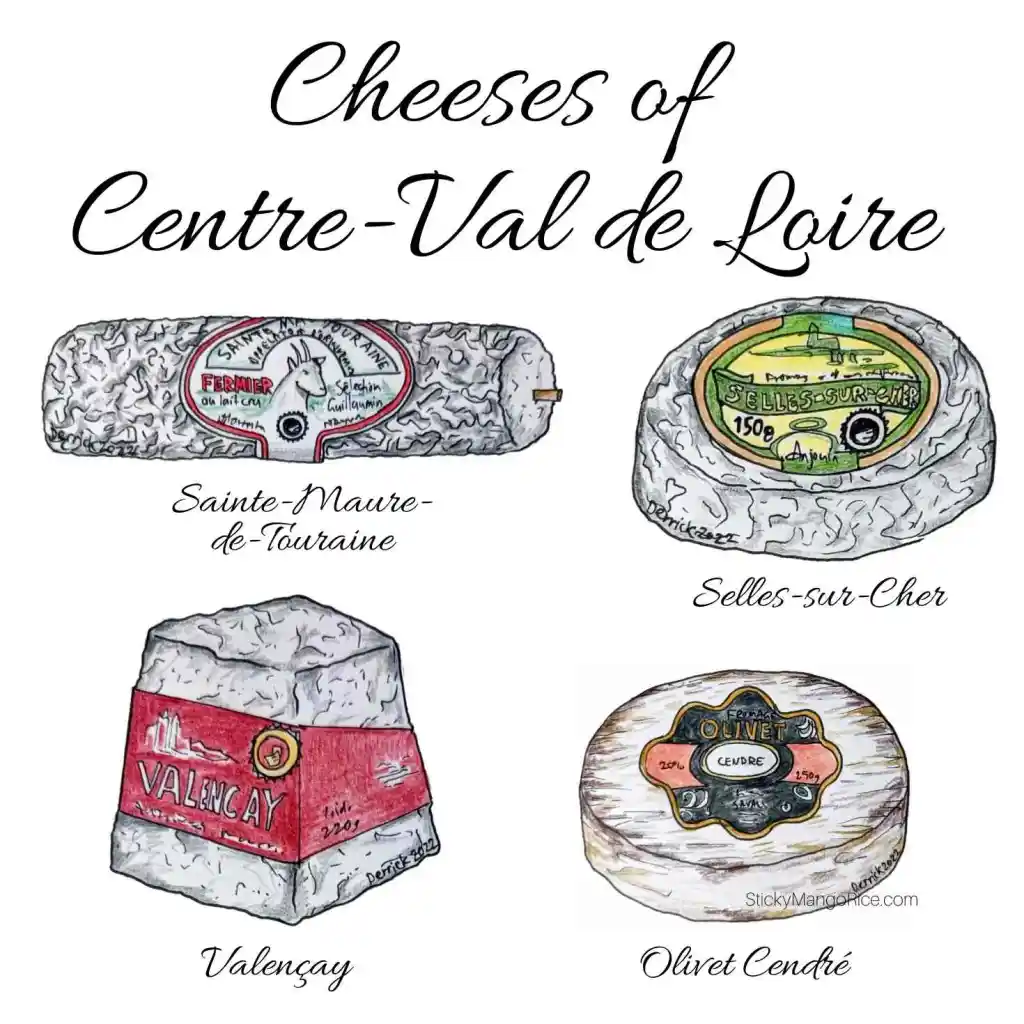
In a region famous for robust goat cheeses, Olivet Cendré stands out as a proud champion of cow’s milk cheese, carving a niche through uniqueness and quality. From humble peasant origins, it has risen to the status of a delicacy gracing Michelin-star menus where celebrated chefs like Alain Ducasse incorporate it creatively into haute cuisine.
The cheese is not only a culinary delight but also surrounded by fascinating folklore. Local beliefs credit ash-rinded cheeses with warding off evil spirits, linking food culture to mystical traditions. These intriguing narratives enrich the cheese’s role beyond taste, offering cultural depth and identity.
Royal Connections and Regional Pride
Legend tells that Marie Antoinette discreetly brought Olivet Cendré into the opulent courts of Versailles disguised as “mourning soap,” adding a royal allure to its history. Such tales enhance the cheese’s mystique and highlight its cherished place in French gastronomy history, linking rural tradition to regal sophistication.
Furthermore, exploring other Loire Valley cheeses like Comté and Beaufort broadens appreciation for the region's diverse fromage heritage, underscoring how terroir shapes exceptional cheese types across France.
6. Health Benefits of Olivet Cendré
Nutritional Goodness in Every Bite
Olivet Cendré offers more than exquisite taste—it's a nourishing addition to a balanced diet. Containing probiotics that support gut health, 15% of the daily recommended calcium intake per 30g serving, moderate fat content (~45%), and quality protein, this cheese delivers important nutrients in delicious form. The pasture-fed origins confer beneficial anti-inflammatory fats, showcasing how traditional farming benefits modern wellness.
These properties make Olivet Cendré appealing not just to food lovers but also to those mindful of their nutritional intake. Its calcium content rivals vegetables like kale, making it a smart, indulgent choice.
Considerations and Safety
The ash coating may aid digestion by balancing pH levels, but sensitive individuals should be mindful of raw milk cheese regulations, especially in markets like the U.S. where these are tightly controlled. The use of unpasteurized milk intensifies flavor but requires careful handling to ensure safety without compromising authenticity.
Consumers are encouraged to consult relevant guidelines, such as those detailed in raw milk regulations, ensuring enjoyment of Olivet Cendré is both pleasurable and safe.
7. Where to Buy Olivet Cendré: Availability and Authenticity
Identifying Genuine Olivet Cendré
Authentic Olivet Cendré is unmistakable with its velvety ash rind — never powdery — and perfectly disc-shaped rounds measuring 8 to 10 cm in diameter. Authenticity also means sourcing from traditional producers in or near Olivet, France. When shopping, look for these signs to avoid imitation products.
Beware of imposters: In 2015, some producers attempted to substitute authentic ash with cheaper fireplace ash, nicknamed "Gris-Gris Gravel" by outraged fromagers. These counterfeit cheeses lack the distinctive flavor and quality that true ash-rinded Olivet Cendré offers.
Where to Purchase
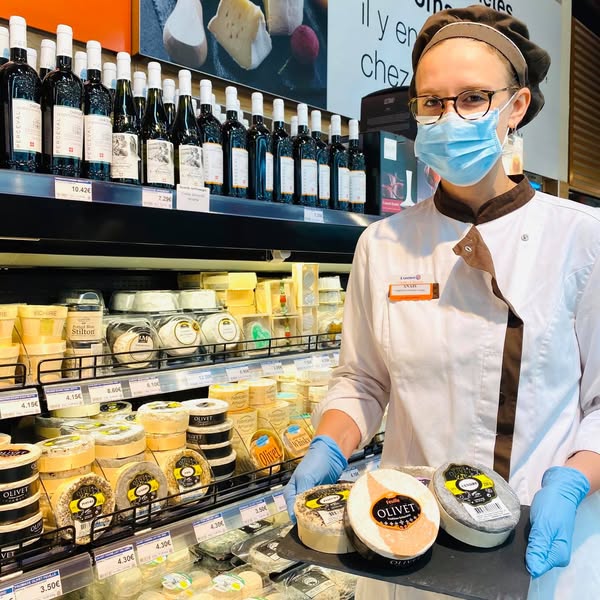
For the authentic experience, visit specialty shops like La Fromagerie Goncourt in Paris or reputable online retailers such as Murray’s Cheese. These vendors prioritize sourcing from genuine producers abiding by traditional methods and quality standards.
Considering its rarity and FDA import challenges, purchasing from trusted sources ensures you enjoy Olivet Cendré as intended—richly textured, vibrantly flavored, and steeped in history.
8. Latest News and Events: Olivet Cendré in 2025
 Artisanal Innovation & Production Trends
As of 2025, the Olivet Cendré community remains dedicated to its seasonal ritual, using exclusively spring cow’s milk to preserve its signature texture and aroma. Producers continue to abide by centuries-old techniques, celebrating the cheese as a "charcoal sketch" of terroir that reflects itself in every curd and rind. Advances in artisanal processes have refined quality without sacrificing tradition.
This balancing act between innovation and heritage has kept Olivet Cendré relevant in an increasingly competitive cheese market, reinforcing its status as a prized Loire Valley specialty. Its story continues to inspire both producers and consumers alike.
Regulatory Landscape and Market Impact
Regulatory changes continue to impact Olivet Cendré’s export abilities. A May 2025 FDA update exempts some soft cheeses from certain requirements, yet ash-coated varieties remain subject to strict documentation, challenging international distribution. Despite these hurdles, domestic demand in France is booming.
The annual Fête des Cendres saw a 20% production increase, drawing crowds eager to witness artisanal ash-aging demos. This festive event not only propels the cheese’s market but also strengthens communal bonds and cultural continuity.
9. Expert Opinions: Chefs and Fromagers on Olivet Cendré
 Celebrated Chef Perspectives
🌟 Alain Ducasse describes Olivet Cendré as “liquid geology,” praising the volcanic minerality brought to life by vine ash. He loves pairing it with poached quince, which accentuates its herbal notes and earthy depth. Ducasse’s reverence underscores the cheese’s elevated culinary status and its sensory intrigue.
🌟 Élodie Rousseau, a respected fromager, lauds the cheese’s patience-driven rewards: “a core like whipped truffle butter.” Serving it alongside walnut bread, she highlights how the spice amplifies and rounds the flavor profile, showcasing her expertise in harmonizing food pairings.
Sommelier & Fromager Reflections
🌟 Sommelier Jean-Marc Leclerc champions Loire whites like Sancerre as an absolute must with Olivet Cendré, referring to their flinty notes as “vine-and-curd poetry.” This highlights the fundamental synergy between local wines and cheeses, vital to understanding regional gastronomic pairings.
Together, these experts celebrate the cheese's multifaceted personality, from rugged minerality and silky textures to subtle spiciness—qualities that place Olivet Cendré in a unique league within French cheeses.
10. Olivet Cendré: By the Numbers
| Fact | Detail |
|---|---|
| Production Peak | May-June (spring milk) |
| Aging Duration | 3 months in vine ash |
| Diameter | 8-10 cm |
| Milk Type | Unpasteurized cow's milk |
| Annual Festival | Fête des Cendres (June) |
Spring milk captures the peak nutrients the pasture affords, while strict dimensions ensure uniform ash adherence and ideal aging conditions. The Fête des Cendres drives local economies, accounting for approximately 30% of annual Olivet Cendré sales. [Source: Loire Valley Tourism]
11. French Cheese Industry Snapshot (2025)
| Metric | Value |
|---|---|
| Total French Cheeses | 1,200+ varieties |
| AOC-Protected Cheeses | 56 (incl. 4 Loire ash-rinded) |
| U.S. Export Challenges | 15% decline for ash-coated types |
| Domestic Consumption | 26 kg per person/year |
AOC certification strengthens regulatory buffers: after this protection, Saint-Maure de Touraine experienced a notable 12% export growth, while farmstead sales overall rose 18% in 2024. These numbers emphasize consumer trust in tradition and quality assurance. [Source: French Dairy Board]
12. Nutritional Profile: Olivet Cendré per 30g Serving
| Nutrient | Amount | % Daily Value* |
|---|---|---|
| Calories | 110 | 6% |
| Fat | 9g | 14% |
| Protein | 6g | 12% |
| Calcium | 150mg | 15% |
| Probiotics | 1 billion CFU | — |
*Based on a 2,000-calorie diet
Olivet Cendré’s calcium content matches that of nutrient-dense vegetables such as kale, while pasture-fed cows contribute beneficial anti-inflammatory fats. Pairing the cheese with fiber-rich foods like pears balances indulgence with digestive health. [Source: Nutrition Journal]
13. Flavor Comparison: Ash-Rinded Loire Cheeses
| Cheese | Milk Base | Flavor Notes | Texture |
|---|---|---|---|
| Olivet Cendré | Cow | Earthy, wet hay, spicy ash | Creamy-crumbly |
| Selles-sur-Cher | Goat | Tangy, almond, grassy | Dense, fudgy |
| Olivet au Foin | Cow | Buttery, mushroom, hay | Brie-like, oozy |
Cendré’s signature “spicy ash” profile distinguishes it from the tangier Selles-sur-Cher or the nuttier Olivet au Foin, although they all share the hallmark "goût de terroir" derived from the limestone soils of the Loire Valley. This terroir-driven flavor palate helps define the region's unique cheese identity. [Source: French Cheese Board]
Conclusion: Savor the Soul of France
Olivet Cendré perfectly symbolizes centuries of French ingenuity, where winemaking traditions and pastoral farming converge to create a masterpiece. The time-honored technique of aging cheese in vine ash, combined with exclusive spring milk, crafts a product rich with terroir, history, and taste. Every bite transports you to the Loire Valley’s picturesque landscapes and stories — from royal courts to resistance lore.
What truly sets Olivet Cendré apart is its rebellious blend of cow’s milk favoring a goat cheese region, and its rugged ash rind that defies conventional cheese aesthetics yet delivers sophisticated flavors. This fascinating cheese continues to inspire chefs, fromagers, and cheese enthusiasts who appreciate its unique textures and smoky-spiced notes.
Ready for your own cheese adventure? Explore the diverse world of French cheeses, including Olivet Cendré, at Deli Food Shop’s French cheese collection. Whether you crave ash-rinded wonders or velvety blues, savor the tradition and innovation of France one slice at a time. Vive le fromage!
FAQ: Your French Cheese Questions Answered
Q1: Why is ash used on French cheeses like Olivet Cendré?
A: Historically, ash served as a natural preservative and moisture regulator, protecting soft cheeses from spoilage and bugs. Today, it enhances flavor by imparting mineral notes and creates the iconic charcoal rind that visually signals tradition and quality. For more insights, check Cheese Science Toolkit.
Q2: Can vegetarians eat Olivet Cendré?
A: Usually not, as traditional Olivet Cendré uses animal rennet derived from calves, which is unsuitable for vegetarians. However, some artisanal producers may offer microbial or vegetable rennet alternatives; always check the label. The Vegetarian Society provides excellent guidance on cheese-friendly rennet options.
Q3: What makes Loire Valley cheeses unique?
A: Loire Valley cheese uniqueness stems from its rich limestone soils, temperate river microclimates, and close ties to local wine culture. This terroir produces cheeses with distinct flavors shaped by native grasses, herbs, and ash-aging traditions—offering a “gout de terroir” like no other. Learn more at Loire Valley Tourism.
Q4: How does wine-washing change a cheese’s flavor?
A: Wine-washing adds fruity acidity, complex aroma layers, and subtle sweetness that balance the cheese’s richness and earthiness. Using regional wines like Sancerre ties the cheese even closer to its terroir while enhancing aging process microbes for a refined flavor profile. Detailed explanations can be found via Wine Enthusiast.
Q5: What’s the oldest French cheese still made today?
A: Cantal cheese, with origins tracing back over 2,000 years to Roman times, remains largely unchanged today. Its enduring recipe stands as a proud symbol of French culinary heritage. For deeper history, visit the French Dairy Board.
Q6: Why is unpasteurized milk controversial?
A: Raw milk enhances the complexity and authenticity of cheeses like Olivet Cendré but carries bacterial risks if mishandled. Many French AOC-designated cheeses mandate raw milk to preserve traditional qualities, balancing safety with flavor. Regulatory info is detailed on the FDA website.
Q7: How should I serve Olivet Cendré for maximum enjoyment?
A: Always bring Olivet Cendré to room temperature before serving to unlock its full flavor and creamy texture. Pair it with fresh pears, honey, and a chilled Sancerre white wine. Avoid microwaving, which destroys delicate nuances—embrace the slow savoring of this artisanal gem. For serving tips, see Murray’s Cheese.
Explore More About French Cheese
- Cheese.com — A comprehensive global cheese database with detailed profiles, history, and tasting notes to deepen your cheese knowledge.
- French Cheese Board — Great insights on regional cheese varieties with cultural background and flavor comparisons.
- Nutrition Journal — Scientific studies on the health impact of cheeses and dairy products with updated nutritional data.
- Cheese Science Toolkit — Educational resources explaining the microbiology and chemistry behind cheese making and ripening.
- Loire Valley Tourism — Explore the Loire region’s gastronomy, wine, and terroir, full of rich cultural and culinary experiences.