Key Takeaways
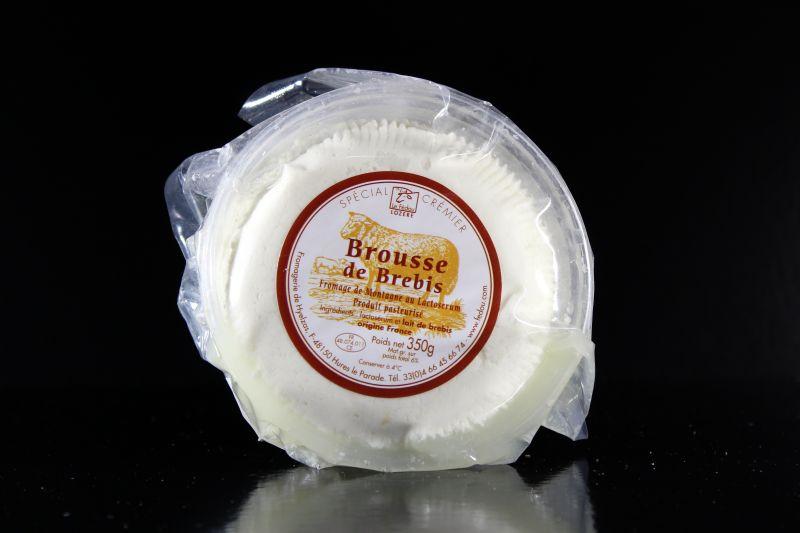
- Brousse de Brebis is a fresh, spoonable sheep's milk cheese known for its delicate sweetness and cloud-like texture.
- It has deep roots in Provence and Corsica, crafted traditionally with minimal ingredients and artisanal hand-beating techniques.
- The cheese is unaged and consumed fresh, making immediacy essential to fully appreciate its flavor and texture.
- The French sheep milk industry faces challenges such as bluetongue disease and economic pressures, but innovations and AMAP networks support its survival.
- Brousse de Brebis is versatile in the kitchen, perfect for sweet or savory dishes, and also offers nutritional benefits like higher calcium and digestibility.
Table of Contents
- Discover Brousse de Brebis: A Fresh and Creamy French Cheese Treasure
- The Rich Heritage of Brousse de Brebis in French Dairy Tradition
- Brousse de Brebis: Essential Facts at a Glance
- Current Challenges and Innovations in the French Sheep's Milk Industry
- French Sheep Milk Industry: By the Numbers
- Crafting Brousse de Brebis: A Labor of Love in French Cheese Making
- Tasting Brousse de Brebis: A Delicate and Creamy Delight
- Why Brousse de Brebis is a Nutritious Choice Among French Cheeses
- Creative Ways to Savor Brousse de Brebis in Your Kitchen
- What French Chefs Say About Brousse de Brebis
- Conclusion
- Frequently Asked Questions
- Further Reading & Resources
Discover France’s Creamy Treasure That’s Winning Hearts Worldwide!
Tantalize your taste buds with the creamy freshness of one of France’s most cherished cheeses. Brousse de Brebis is a fresh sheep’s milk delicacy known for its light, spoonable texture and subtle milky sweetness. Originating from the sun-drenched hills of Provence and Corsica, this cheese embodies centuries of heritage and artisanal love. Whether you’re a cheese connoisseur or a curious foodie, prepare to explore its fascinating story, unique characteristics, and versatile culinary uses.
Discover Brousse de Brebis: A Fresh and Creamy French Cheese Treasure
A Taste Like No Other
Imagine biting into a cloud — that is the sensation brought by Brousse de Brebis. This fresh sheep’s milk cheese hails from the sun-kissed regions of Provence-Alpes-Côte d'Azur and Corsica, where pastoral landscapes infuse the milk with enchanting flavors. Its texture is uniquely spoonable, richer and creamier than ricotta, and its flavor profile sings with delicate sweetness underscored by a subtle, fresh tang. Notably, Brousse de Brebis is unsalted and unaged, inviting cheese lovers to enjoy it in its freshest form, a trait that truly sets it apart from the typical cheese varieties.
Unlike many aged cheeses where time plays a dominant role in flavor development, Brousse is designed to be consumed promptly after production. This ephemeral nature means every batch is a fleeting treasure, offering a taste of the season and terroir captured in freshly milked sheep’s milk. When paired with lightly floral or fruity accompaniments, this cheese elevates dishes with its softness and subtle complexity. It is the French summer breeze on a plate — light, breezy, and refreshing.

Frigo Part Skim Ricotta Cheese, 15 oz
Enjoy creamy and delicious ricotta cheese that's perfect for lasagna, pastries, and fresh pasta dishes
Product information
Product Review Score
4.62 out of 5 stars
212 reviewsProduct links
The Unique Production Locale
Brousse de Brebis thrives in specific microclimates where sheep graze on aromatic wild herbs and grasses, which impart nuanced flavors to their milk. These herbs, combined with the temperate Mediterranean climate, create a perfect environment for shepherds and cheesemakers to craft this cheese in its traditional form. The French regions of Provence-Alpes-Côte d'Azur, Occitanie, and Corsica serve as its cradle, where generations of cheesemakers lovingly uphold the artisanal methods that sustain its quality and authenticity.
Even as modernization touched many parts of the dairy industry, Brousse de Brebis production remains deeply rooted in handcrafted processes. The cheese is predominantly made from 100% sheep’s milk, which might be either raw or pasteurized depending on the producer’s regulations. Its unadulterated qualities and freshness highlight a strong connection between nature, animal husbandry, and human craftsmanship — a harmony that every bite proudly celebrates.
The Rich Heritage of Brousse de Brebis in French Dairy Tradition
 Historical Origins and Traditional Craftsmanship
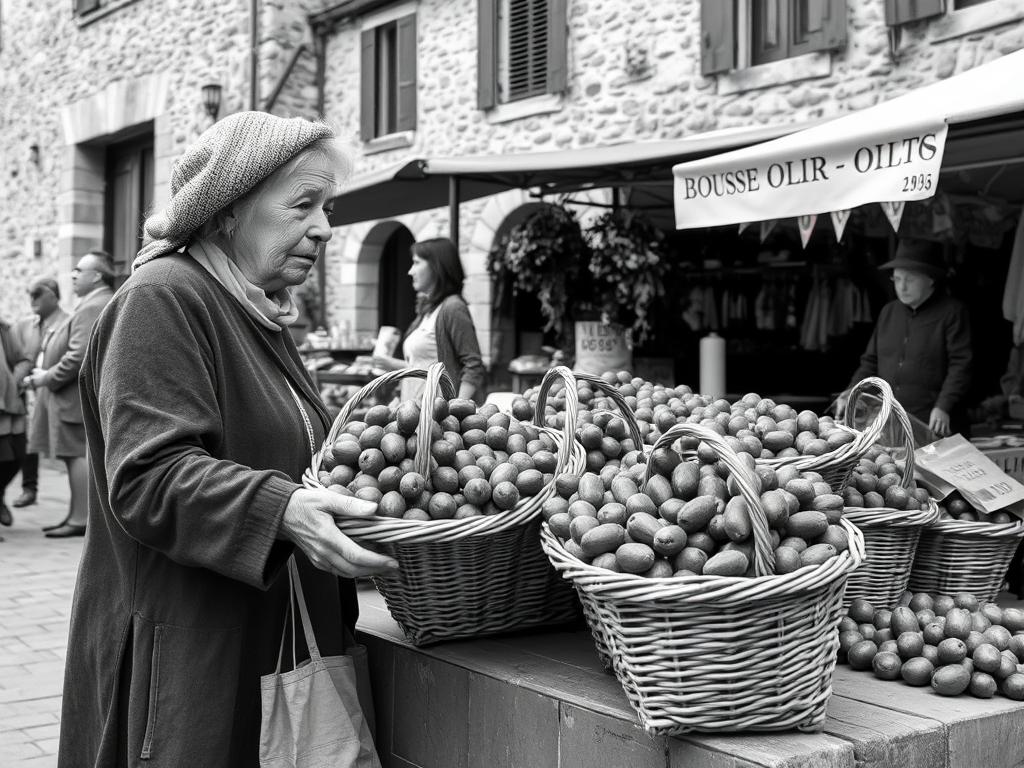
The origins of Brousse de Brebis reach back at least 500 years to the mountain huts of Corsican shepherds, where flocks grazed freely on herbaceous slopes. Shepherds and farmers made this cheese as a fresh, consumable source of nourishment — simple yet elegant in its approach. The artisanal technique traditionally involved hand-beating curds in woven cloth baskets, passed down through families and village markets. This hand-beating method not only enhances the cheese’s fluffy texture but also represents a living link to the pastoral history of Southern France.
Stories of Provençal grandmothers exchanging baskets of fresh brousse for olive oil at vibrant village markets are legends that promise a glimpse into community life centered around dairy trade. Such tales showcase the cheese’s role beyond sustenance: as a cultural emblem and economic staple. Regions like Provence and Corsica continue to honor these customs, with many producers maintaining time-honored methods in an era that often favors industrial efficiency. For more on traditional French cheese craft, visit Traditional French Cheese Craft.
Preserving Tradition Amid Modern Pressures
In modern times, Brousse de Brebis remains a cherished tradition safeguarded against industrial homogenization by small producers and community-supported agriculture groups, notably AMAP networks. These local farmer-consumer alliances emphasize sustainability and direct marketing, helping artisans keep true to traditional methods. The cheese is still handmade near Marseille and Nice, where subtle recipes are carefully guarded like family secrets.
Despite its rustic roots, Brousse de Brebis is no stranger to evolution. It frequently inspires chefs to elevate its simplicity in gourmet dishes, showcasing how tradition and creativity can harmonize. While the artisanal spirit endures, the industry faces ongoing challenges to maintain production and expand appreciation beyond local borders. These barriers serve to increase awareness and desire to preserve this living cultural heritage for generations to come.
Brousse de Brebis: Essential Facts at a Glance
Quick Facts and Characteristics
| Characteristic | Detail |
|---|---|
| Region of Origin | Provence-Alpes-Côte d'Azur, Occitanie, Corsica |
| Milk Type | 100% Raw or Pasteurized Sheep's Milk |
| Texture | Fresh, moist, spoonable (ricotta-like but richer) |
| Flavor Profile | Delicate sweetness with subtle tang |
| Aging Period | None (consumed fresh) |
| Unique Fact | Hand-beaten in cloth bags for lightness |
What Sets Brousse de Brebis Apart?
Brousse de Brebis is unmistakably a product of its terroir — its regional specificity tightly linked to Southern France’s unique climate and flora. Only sheep’s milk is used, never cow or goat, which gives it a natural richness and creamy mouthfeel. And yet, its value lies in its transience: it must be super fresh to achieve its full potential. The artisan techniques of hand-beating in cloth bags are crucial, producing the airy, cloud-like texture beloved around the globe.
Every batch carries the essence of the Mediterranean hillsides, where wild herbs blend subtly into the milk’s flavor, imparting a complexity both delicate and remarkable. This cheese is not industrialized—its soul remains steeped in time-honored methods and natural ingredients. For travelers and food lovers alike, savoring Brousse de Brebis is experiencing a little piece of France’s pastoral heritage in every creamy spoonful.
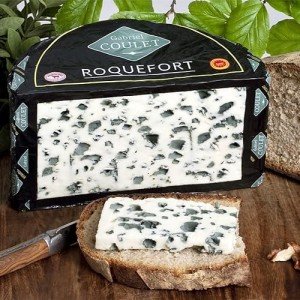
Gourmet Roquefort Cheese - 1 Pound
Indulge in the rich, tangy flavor of this delicious blue cheese perfect for cheese boards, salads, and gourmet recipes
Product information
$44.90
Product Review Score
4.85 out of 5 stars
82 reviewsProduct links
Source: La Boîte du Fromager
Current Challenges and Innovations in the French Sheep's Milk Industry
Obstacles Facing the Sector
The French sheep’s milk industry is navigating a complex web of challenges. In April 2025, the congress of France Brebis Laitière in Bastia entrusted industry leaders with urgent warnings about fragile economic prospects. Key threats include a significant decline in domestic consumption, the persistent ravages of Bluetongue disease, and escalating geopolitical tensions affecting trade, especially with vital export partners like the United States. Additionally, the emergence of the FCO 1 virus near the Spanish border threatens the health of sheep flocks, compounding existing difficulties.
Small-scale producers, often the custodians of heritage cheeses such as Brousse de Brebis, bear the brunt of these pressures. Many lack the financial buffers or market clout to navigate this shifting landscape, placing traditional cheesemaking at risk. Without interventions and creative adaptation, the artisanal base that sustains France’s rich cheese diversity may shrink significantly in coming years.
Innovation and Resilience
Yet amid adversity, sparks of innovation shine through. Farms like Les Brebis de Cravent demonstrate resilience by leveraging AMAP (Association pour le Maintien d'une Agriculture Paysanne) networks, which foster direct producer-consumer partnerships supporting sustainable agriculture. Despite a challenging lambing season, they resumed deliveries in 2025 while simultaneously experimenting with novel products like sheep’s milk blue cheeses, an exciting departure from traditional offerings nurtured by specialized training.
Cooperatives such as Fromagerie des Bergers du Larzac blend age-old techniques with modern quality control — aging cheeses in natural caves while maintaining artisanal character — to stay competitive and preserve cheese authenticity. These initiatives point to a future where tradition and innovation coexist in harmony, fostering both economic viability and cultural preservation.
Imported Pecorino Romano Cheese - 3 Pound Block
Rich, tangy flavor perfect for grating, slicing, or enjoying on its own
Product information
$48.75
Product Review Score
4.31 out of 5 stars
191 reviewsProduct links
Sources: Paysan Tarnais
AMAP Marly
French Sheep Milk Industry: By the Numbers
Production Trends
Data from recent years reveals a decline in total sheep milk production in France — dropping from 304 million liters in 2021/2022 to 288 million liters in 2023/2024, a 5.3% decrease. This contraction highlights systemic vulnerabilities exacerbated by health issues such as Bluetongue virus outbreaks and economic factors including rising production costs and trade disruptions. The Pyrénées-Atlantiques basin, a key production region, has been particularly affected, underscoring the geographic specificity of these challenges.
This downward trend poses risks to the artisanal cheese sector and the rich diversity of sheep milk products, such as Brousse de Brebis. Without targeted strategies, smaller producers may find their operations unsustainable, threatening cultural heritage and rural economies.
Producer Strategies and Responses
| Metric | 2021/2022 | 2023/2024 | Trend |
|---|---|---|---|
| Total Production | 304M liters | 288M liters | ↓ 5.3% |
| Key Challenge | Bluetongue disease, trade tensions, rising costs | ||
| Producer Response | AMAP networks, product diversification (e.g., blue cheese) | ||
Farms and cooperatives counteract these declines with direct producer-consumer engagements through AMAP models that create a more stable, localized economy. Product diversification, including the creation of innovative sheep’s milk blue cheeses, reflects a willingness to adapt while maintaining traditional values. Together with slight feed cost reductions, these strategies demonstrate sector agility and reinforce the importance of community in sustaining this historic industry.
Source: Paysan Tarnais
Crafting Brousse de Brebis: A Labor of Love in French Cheese Making
 Step-by-Step Artisanal Process
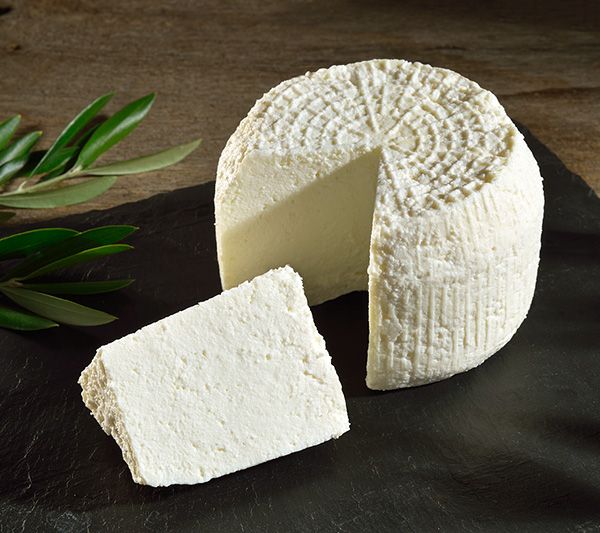
The making of Brousse de Brebis is an intimate dance of gentle techniques and pure ingredients. It all begins with fresh sheep’s milk — never cow or goat milk — which is softly warmed to avoid destroying natural enzymes that contribute to flavor and digestibility. A splash of vinegar is then added to curdle the milk, forming delicate curds.
These curds undergo hand-beating and draining in cloth bags, sometimes repeated multiple times, to expel excess whey and give the cheese its signature light, aerated texture. This hand-beaten method is crucial and remains largely unchanged in small dairies of Corsica and Provence, where copper pots and wooden utensils may still be used alongside stainless steel for hygiene.
Why Freshness Matters
Unlike many cheeses that improve with aging, Brousse de Brebis is prized for its freshness — it must be eaten within days. Without salt or aging, each hour counts to preserve its clean, delicate flavor and cloud-like moistness. Modern French regulations permit raw milk production under strict hygiene controls to preserve these qualities, while some producers opt for pasteurization without sacrificing taste significantly. For more on raw milk cheese regulations, visit Raw Milk Cheese Regulations.
As a cheesemaker once reflected, "Brousse isn’t made; it’s cradled into existence." This philosophy embodies the tender care that goes into every batch. The result is an artisanal marvel, crafted with passion and precision, a delicious tribute to centuries of knowledge handed down through generations. For more on French cheese aging secrets, visit French Cheese Aging Secrets.
Marin French Triple Crème Brie - 8 Oz
Indulge in the rich and creamy goodness of this delectable brie that elevates any cheese board or snack platter
Product information
Product Review Score
4.45 out of 5 stars
50 reviewsProduct links
Tasting Brousse de Brebis: A Delicate and Creamy Delight
 Flavor and Texture Profile
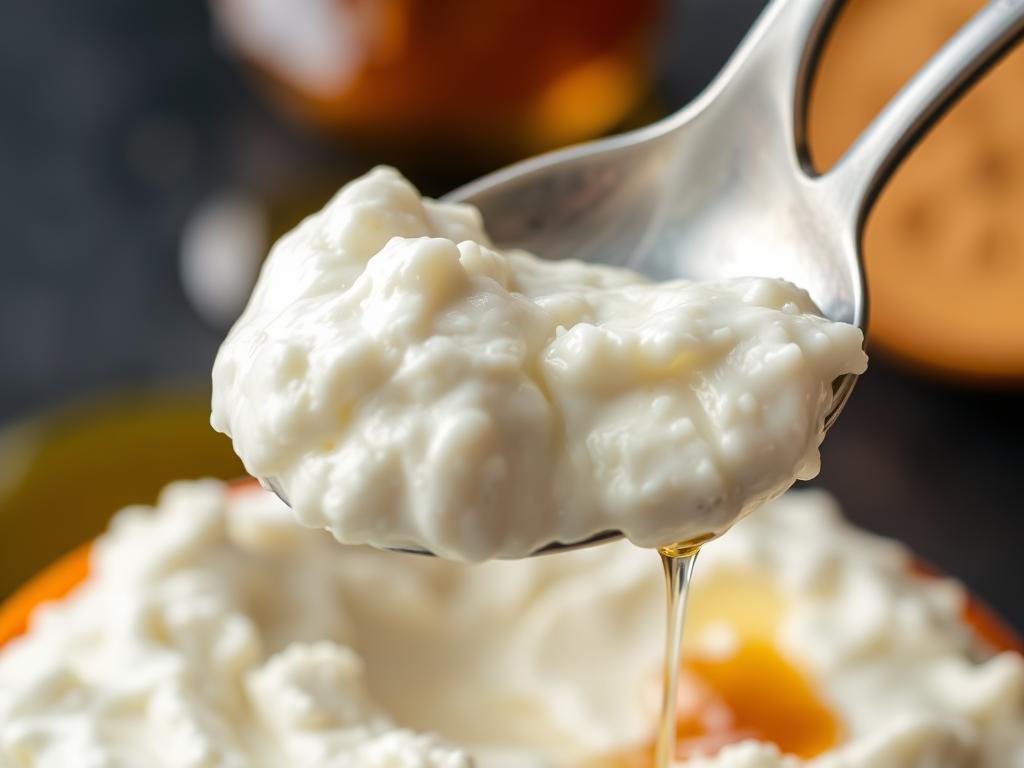
A spoonful of Brousse de Brebis reveals a gentle sweetness akin to fresh milk but uplifted by a subtle tang that refreshes the palate. Its texture is the hallmark of its charm — cloud-like, moist, and silky, yet dense enough to satisfy. While similar to ricotta in being fresh and spreadable, Brousse is distinctly richer and more luxurious due to the richness of sheep’s milk.
Delighting both sweet and savory taste buds, it pairs wonderfully with a drizzle of floral lavender honey or fresh figs. The cheese also shines when folded into warm dishes such as pasta or scrambled eggs, providing creamy balance without overpowering accompanying flavors. For more on mild French cheeses, visit Top 8 Mild French Cheeses.
Comparisons and Pairings
| Cheese | Milk Source | Flavor Profile | Best Pairings |
|---|---|---|---|
| Brousse de Brebis | Sheep | Milky sweetness, subtle tang | Lavender honey, fresh figs |
| Ricotta | Cow/Sheep blend | Milder, less creamy | Pasta fillings, lemon zest |
| Brousse du Rove | Goat | Earthy, pronounced tang | Thyme, black pepper |
This comparison highlights Brousse de Brebis’ unique position: a refined, elegant, and creamy cheese that elevates any dish without overpowering it. Its sheep’s milk origins bring forth richness and subtle complexity — perfect for those seeking nuanced flavor experiences. In contrast, goat’s milk Brousse du Rove favors bold, earthy notes while ricotta represents a more neutral palate. For more on the differences between Camembert and Brie, visit Camembert vs Brie Differences.
Chatelain Creamy Camembert Cheese, 8 oz
Experience the rich and buttery flavor of this deliciously smooth Camembert cheese that’s perfect for any cheese board or snack time
Product information
Product Review Score
4.1 out of 5 stars
225 reviewsProduct links
Source: TF1 Info
Why Brousse de Brebis is a Nutritious Choice Among French Cheeses
 Nutritional Benefits of Sheep’s Milk Cheese
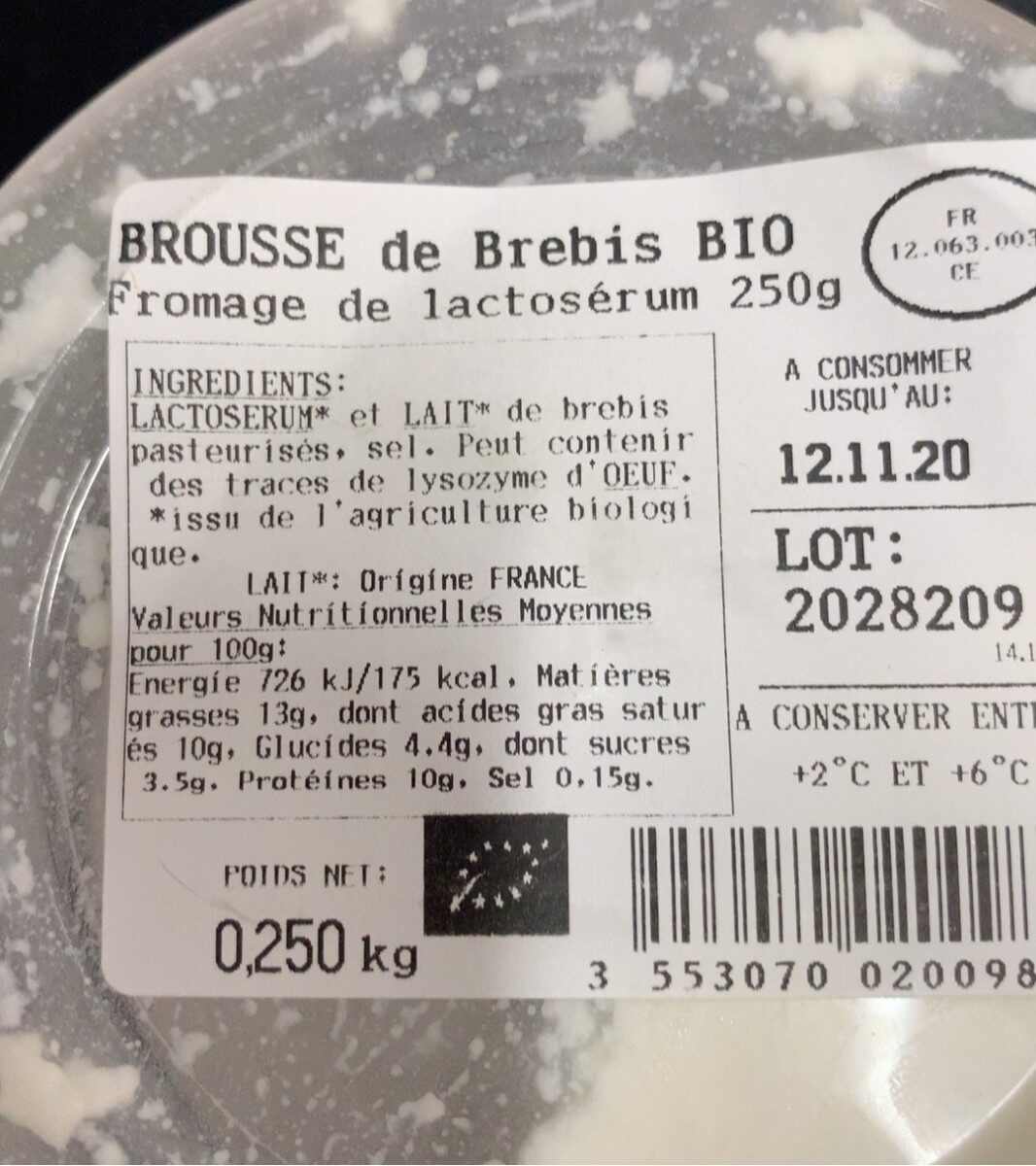
Brousse de Brebis is not only a delight for the palate but also an ally for health-conscious consumers. Sheep’s milk inherently contains approximately 50% more calcium than cow’s milk, providing essential minerals required for strong bones and teeth. Furthermore, it offers a high-quality protein source rich in essential amino acids, supporting muscle function and overall wellness.
Many people with lactose sensitivities find sheep’s milk cheeses easier to digest due to its unique fat and protein structures. Additionally, as a fresh cheese, Brousse de Brebis contains live probiotics, beneficial bacteria that promote gut health and support digestion. Its absence of salt and minimal fat content compared to aged cheeses make it an excellent choice for balanced diets and those pursuing nutritious deli options. For more on the nutritional benefits of Comte, visit Comte: France's Cheese Treasure.
Dietary Considerations and Versatility
This cheese is a smart addition to many dietary regimes, from low-sodium to moderate-fat diets. Its fresh nature means it avoids the typically higher sodium content found in aged cheeses, helping maintain healthy blood pressure levels. As a natural whole-food product free from additives and preservatives, Brousse de Brebis fits well into whole-food, Mediterranean, and clean-eating plans.
Moreover, its versatility in the kitchen allows for nutrient-rich applications across all meals — from calcium-boosting breakfasts to protein-enriched dinners. This unique nutritional profile combined with luxurious taste means that consumers need not sacrifice health for flavor when choosing this delightful cheese.
Creative Ways to Savor Brousse de Brebis in Your Kitchen
Breakfast and Lunch Ideas
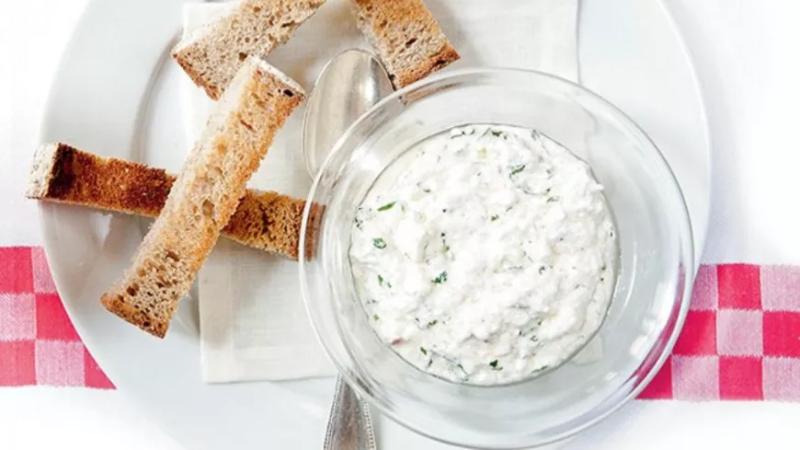
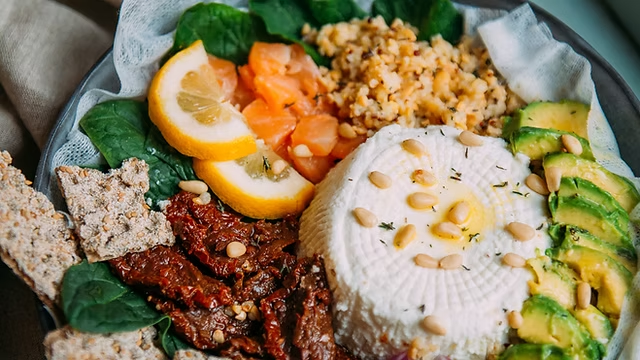
Start your day with a touch of French elegance by spreading creamy Brousse de Brebis on hearty rye toast, topped with luscious fig jam — a perfect balance of creamy and sweet. For a savory lunch, stuff roasted peppers with fresh Brousse and chopped basil to create a vibrant, light meal that excites the senses. Its spreadable texture makes it an ideal base for both simple and gourmet dishes.
Pro tip: folding Brousse de Brebis gently into scrambled eggs on low heat adds luxurious creaminess without grittiness, offering a refined breakfast treat. The cheese’s versatile flavor acts as a canvas for bright herbs and spices, perfect for experimenting with Mediterranean-inspired meals. For more creative cheese recipes, visit Explore Fourme d'Ambert Cheese.
 Dessert and Beyond
Turn your desserts into a celebration of freshness by swirling Brousse de Brebis into cheesecake batters for a creamy depth, or top it with poached pears and a drizzle of honey for a simple yet sophisticated finale. The cheese’s mild tang complements fruit flavors without overpowering them, making it a star ingredient in fresh cheese desserts.
For those adventurous cooks, consider integrating Brousse de Brebis into unique raclette recipes or light savory tarts. This adaptability allows both novice and experienced cooks to explore French artisanal cheese tradition from their own kitchens.
What French Chefs Say About Brousse de Brebis
Chef Élodie, Le Petit Nice (Marseille, 3 Michelin Stars)
"Brousse is Provence in a bowl. Its purity captures the essence of our sun-drenched hills and wild herbs—it’s sunshine you can eat."
Élodie’s perspective paints Brousse de Brebis as more than just a cheese: it’s a terroir translator, an edible postcard evoking the Mediterranean landscape. Pairing it with rosé on her tasting menu, she elevates its simple elegance to culinary brilliance. Her passion illustrates that the truest sophistication lies in honoring quality ingredients with minimalist flair.
Chef Arnaud, L’Ami Jean (Paris)
"It’s the ultimate blank canvas, but with soul. I fold it into soufflés for ethereal lightness, or let it shine simply with chestnut honey."
Arnaud highlights Brousse’s versatility and mildness — potent assets for culinary layering. The cheese lends a creamy balance that allows herbs, wines, and charcuterie to shine without overpowering them. His endorsement encourages chefs and home cooks alike to embrace subtlety as a pathway to powerfully harmonious dishes.
Marie-Chantal, Fromager d’Affinois (Lyon)
"Many overlook fresh cheeses, but Brousse de Brebis? It’s revelation in a ramekin. Slightly tangy, luxuriously creamy... it teaches us sophistication doesn’t need aging."
As an affineur specializing in aged cheeses, Marie-Chantal reminds us that freshness can bring immense depth and complexity too. Brousse de Brebis challenges the notion that maturation defines excellence. For her, the cheese embodies a celebration of milk at its purest moment, demonstrating that simplicity and freshness hold their own form of refinement.
Conclusion
Brousse de Brebis stands as a shining example of French dairy artistry, weaving together history, tradition, and fresh, natural flavors. Its relationship with the terroir — the regional environment and shepherds' craftsmanship — offers cheese lovers a unique sensory journey that captures the essence of Provence and Corsica. From its delicate sweetness and spoonable texture to its nutritional benefits, this cheese truly embodies simplicity at its finest.
Despite the challenges facing the French sheep milk industry, including disease outbreaks and economic pressures, passion and innovation continue to drive the craft forward. Through community models like AMAP and creative product diversification, artisanal cheesemakers keep Brousse de Brebis alive and relevant today. This resilience ensures not only the survival of a tradition but also the continued delight of cheese enthusiasts worldwide.
Whether you are a seasoned cheese aficionado or just beginning to explore the world of French cheeses, Brousse de Brebis invites you to taste a piece of history wrapped in creamy softness. Explore and purchase authentic French cheeses and support these wonderful artisan producers by visiting Deli Food Shop's French Cheese Collection. Delight your palate and enrich your culinary experiences with this exquisite treasure.
Frequently Asked Questions
1. What makes Brousse de Brebis different from ricotta?
While both cheeses share a fresh, creamy texture, Brousse de Brebis is made exclusively from sheep's milk, which imparts a richer, more nuanced flavor and creamier mouthfeel compared to the typically cow or cow/sheep blend used in ricotta. Brousse also undergoes a unique hand-beating process that gives it an airy, cloud-like texture, setting it apart in both taste and texture.
2. How should Brousse de Brebis be stored to maintain freshness?
Because it is a fresh cheese with no aging or salt, Brousse de Brebis should be kept refrigerated and consumed within a few days of purchase. Store it in an airtight container or covered with plastic wrap to protect it from drying out and absorbing other odors. For best flavor and texture, enjoy it chilled but not frozen. For more on French cheese preservation techniques, visit French Cheese Preservation Techniques.
3. Can Brousse de Brebis be used in cooking, or is it best eaten fresh?
It is delicious eaten fresh, but Brousse de Brebis is surprisingly versatile in cooking. It can be gently folded into scrambled eggs, stirred into pasta, or used in desserts like cheesecakes and fruit toppings. However, avoid cooking it at high temperatures to prevent graininess; low and gentle heating is ideal.
4. Why is the hand-beating process so important to this cheese?
Hand-beating curds in cloth bags is essential to create the unique lightness and spoonable texture that defines Brousse de Brebis. This artisanal method drains whey gently, incorporates air, and prevents the curds from becoming too dense, resulting in that signature fluffy creaminess. It’s a tactile tradition that connects the cheese to centuries of craft.
5. Is Brousse de Brebis suitable for people with lactose intolerance?
Many who are lactose-intolerant find sheep’s milk cheeses easier to digest because of their different fat and protein structures. Furthermore, fresh cheeses like Brousse de Brebis typically have lower lactose than fresh milk, and the presence of natural probiotics can aid digestion. Its absence of salt and minimal fat content compared to aged cheeses make it an excellent choice for balanced diets and those pursuing nutritious deli options.
6. What are the best wine pairings for Brousse de Brebis?
Light, aromatic wines complement the delicate sweetness and creamy texture of Brousse de Brebis beautifully. Provence rosé, crisp white wines such as Sauvignon Blanc, or lightly oaked Chardonnay are popular choices. These wines enhance but don’t overpower the cheese’s subtle flavors.
7. How can consumers support small producers of Brousse de Brebis?
Supporting farmers through direct purchase channels like AMAP community-supported agriculture networks, local markets, or specialty stores helps sustain traditional producers. Additionally, buying from artisan cheesemakers who adhere to traditional methods ensures the continuation of cultural heritage. Sharing knowledge and enjoying these cheeses also cultivates appreciation and demand for authentic products.
Further Reading & Resources: Explore More About French Cheeses and Brousse de Brebis
- Fromages.com: An authoritative source for French cheese varieties with detailed profiles and pairing suggestions.
- Cheese.com: Comprehensive database for cheeses worldwide, great for learning about production techniques and history.
- International Dairy Foods Association: Offers insights into dairy industry trends including sheep’s milk cheese markets.
- Sheep101.info: Deep dive into sheep breeds, milk, and traditional cheese production, enhancing understanding of milk origin.
- AFIDiff (French Dairy Industry Association): French industry updates, innovations, and regulation news pertinent to sheep milk producers.