Key Takeaways
- Soumaintrain is a soft, washed-rind cheese from Burgundy with a mild taste despite its strong aroma.
- The cheese almost disappeared after WWII but was rescued by small dairies preserving traditional methods.
- It holds Protected Geographical Indication (PGI) status since 2016, ensuring authentic production.
- Its unique production involves brandy-washing the rind and aging in humid cellars for 5-10 weeks.
- Perfect pairings include crisp Chablis wine and crusty bread, making it accessible to new cheese enthusiasts.
Table of Contents
- Discover Soumaintrain Cheese: A Rare Burgundian Delicacy
- From Near Extinction to Revival: The Story of Soumaintrain Cheese
- Latest News & Events: Soumaintrain in the Spotlight
- Traditional Cheese Production Methods Behind Soumaintrain
- Tasting Notes & Perfect Pairings for Soumaintrain Cheese
- Nutritional Value & Health Benefits of Soumaintrain
- What Chefs Say About Soumaintrain Cheese
- How to Store & Enjoy Soumaintrain Properly
- Essential Tips for Handling Soumaintrain Cheese
- The Soul of Soumaintrain: Village Life and Local Legacy
- French Cheese Industry Snapshot
- Why Soumaintrain Deserves a Place in Your Cheese Repertoire
- Frequently Asked Questions About Soumaintrain Cheese
- Further Reading and Resources
Discover why this Burgundian treasure is captivating cheese lovers after nearly vanishing forever! 🧀✨
Soumaintrain cheese is more than just a tasty French delicacy; it is a story of cultural resilience and artisanal passion. Originating from Burgundy’s Yonne region, this soft washed-rind cheese combines history, tradition, and flavor in every bite. Once on the verge of extinction, it has made a remarkable comeback thanks to dedicated cheesemakers and a renewed appreciation for heritage foods. Whether you are a cheese novice or connoisseur, Soumaintrain offers a gentle introduction to the world of pungent yet mild French cheeses. Dive in and explore the rich layers behind this lesser-known gem.
1. Discover Soumaintrain Cheese: A Rare Burgundian Delicacy
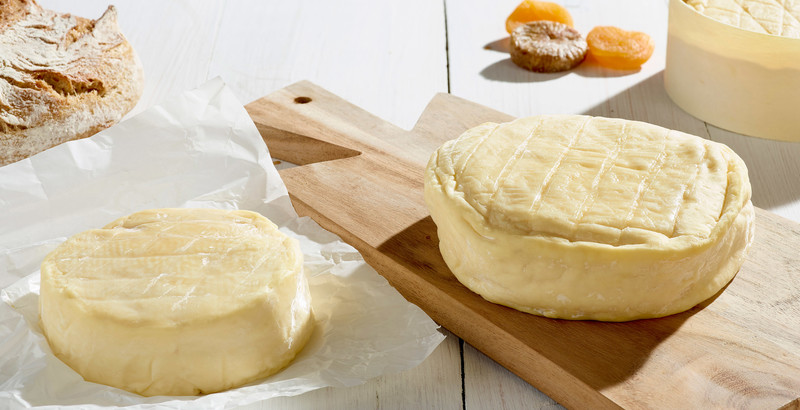 Historical Roots and Regional Importance
Soumaintrain is steeped in centuries of French cheesemaking tradition from the picturesque Yonne region of Burgundy. Some historians trace its origin as far back as the 12th century, highlighting its endurance in French culinary culture. It stands as a testament to the Burgundian dedication to artisanal craft, distinguishing itself with a Protected Geographical Indication (PGI) since 2016. This status not only acknowledges its unique regional heritage but also helps safeguard authentic production against industrial imitation. Burgundy’s mineral-rich soil and Montbéliarde cows contribute distinct terroir qualities, making Soumaintrain more than just a cheese—it’s a living piece of Burgundy's landscape.
Unlike Époisses, Soumaintrain offers a more subtle introduction to washed-rind cheeses with its mild, buttery taste despite its pungent aroma. This softer profile attracts both newcomers and experts, ensuring its growing popularity. The cheese’s revival from near extinction in the 20th century underlines the importance of small-scale cheesemaking in preserving cultural heritage. Each wheel reflects the affection and patience of the affineurs who tend it with traditional care.
Visual and Sensory Characteristics
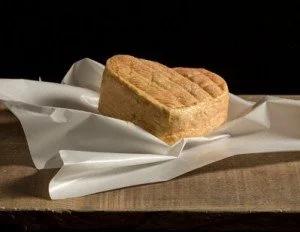
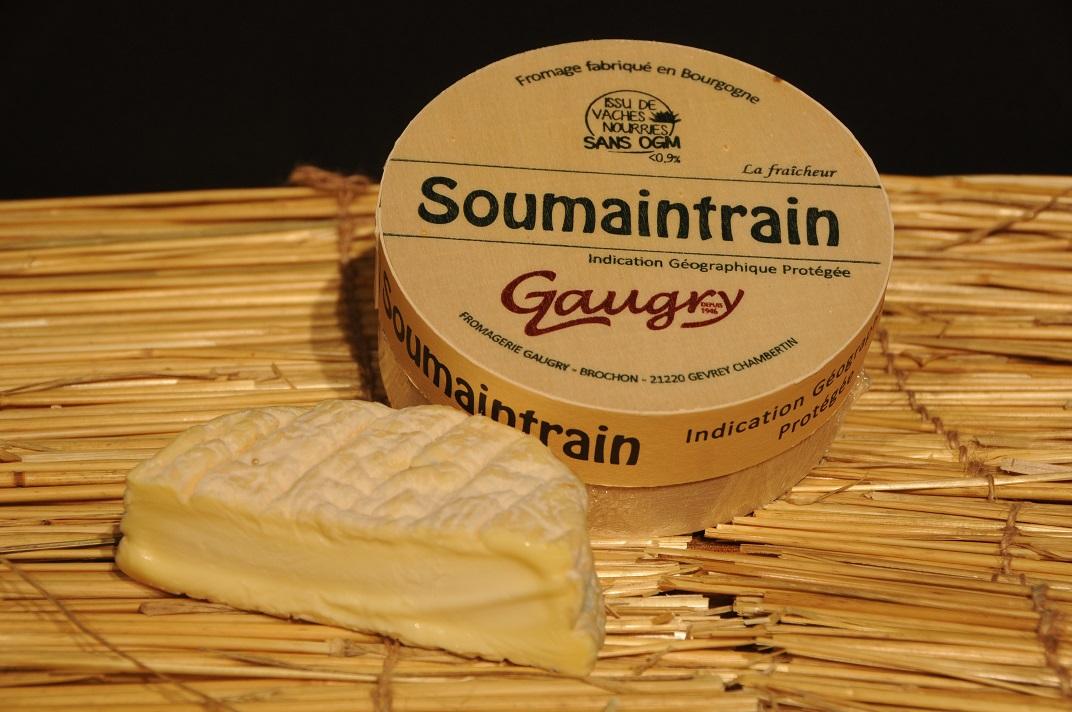
Soumaintrain’s appearance is distinctive: a bright orange washed rind that can sometimes be sticky to the touch, covering a smooth, pale yellow interior. Its aroma is famously pungent, sometimes described as “stinky-but-gentle,” making it an intriguing choice for adventurous palates. The cheese ripens over 5 to 10 weeks in humid cellars that invigorate its unique flavor profile (marked by earthy mushroom notes and a mild tang). This controlled aging balances depth with approachability.
The cheese’s protection under PGI enforces specific methods such as washing the rind with *Marc de Bourgogne* brandy and forbids pressing, ensuring Soumaintrain’s characteristic softness. This blend of tradition and temperance creates an inviting texture that melts easily and delights taste buds with moderate intensity. Such tactile and gustative experiences are why Soumaintrain deserves more attention in the world of French cheeses.
| Characteristic | Detail |
|---|---|
| Origin | Yonne, Burgundy |
| Milk Type | Cow (Raw/Pasteurized) |
| Aging Period | 5-10 Weeks |
| PGI Status | Obtained in 2016 |
| Fun Fact | WWII Resistance hid tools in haylofts! |
French cheeses like Brie also offer a unique taste of the region's rich culinary heritage.
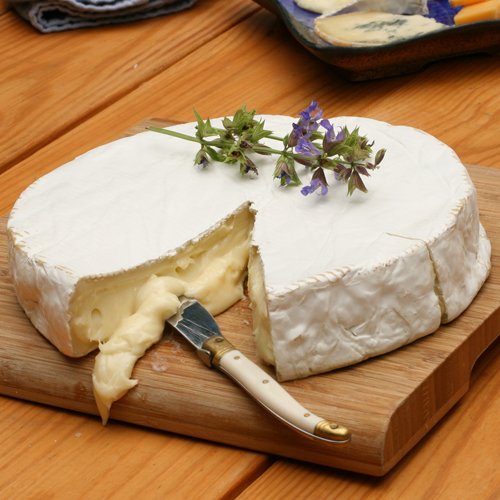
French Brie Cheese - 2 Pound Wheel
Indulge in the rich and creamy texture of our artisan French Brie, perfect for your cheese board or gourmet recipes
Product information
$49.95 $45.99
Product Review Score
4.58 out of 5 stars
163 reviewsProduct links
2. From Near Extinction to Revival: The Story of Soumaintrain Cheese
A Heritage Threatened by War and Modernization
In the early 1900s, more than 300 farms across Burgundy’s Yonne region produced Soumaintrain, making it a widespread local delicacy. Unfortunately, the devastation wrought by two World Wars drastically decreased the farming population and disrupted traditional cheesemaking. By the 1970s, Soumaintrain was nearly forgotten, overshadowed by industrialized cheese production and changing consumer preferences. The decline illustrated the fragility of artisanal food heritage amid societal upheaval.
Nevertheless, this tale is one of hope. A small group of dedicated artisans, notably the Berthaut family, championed the cheese’s resurrection by reviving authentic recipes and production methods. Their efforts culminated in prestigious awards and growing international recognition, proving that heritage food can thrive despite adversity. This saga continues to inspire food artisans and aficionados worldwide.
Resistance, Resilience, and Secret Histories
Soumaintrain’s survival story intertwines with poignant wartime heroism. During WWII, local farmers cleverly hid cheese tools in haylofts to avoid confiscation by Nazi troops. A cellar near Tonnerre even doubled as a clandestine Resistance meeting spot. Anecdotes reveal that locals believed the cheese absorbed whispers of freedom, lending a legendary aura to every wheel produced.
These acts of courage underline the importance of food as cultural identity and resistance. Through turmoil, cheesemakers clung to their craft, ensuring that Soumaintrain did not vanish entirely. Today, every bite pays homage to these acts of quiet defiance and preserves a cherished regional legacy.
3. Latest News & Events: Soumaintrain in the Spotlight
 Soumaintrain Takes Center Stage at Festivals
In March 2025, Soumaintrain became a star attraction at the French Fête Fête celebration. Esteemed chefs flew in wheels direct from Burgundy for exclusive tastings, captivating visitors with its approachable complexity. Heritage cheeses like Soumaintrain are trending at luxury events, especially among millennials whose attendance grew by 40% since 2022. The festival showcased its versatility, shining in dishes such as fondues and innovative Crème de Cassis cocktails.
Organizers hailed the cheese as "a bridge between tradition and modern dining," demonstrating its broad appeal to contemporary palates. This renewed interest signals a bright future for artisanal cheeses that honor lineage while embracing new culinary trends. Source: Ost & Perler
Regulatory Shifts and Market Dynamics in the U.S.
In May 2025, the FDA introduced tighter import regulations on soft cheeses, increasing scrutiny of raw-milk Soumaintrain entering the U.S. market. This prompted specialty retailers to focus more on pasteurized versions compliant with these rules. Despite the hurdles, consumer demand in America surged by 15%, underscoring the cheese’s growing popularity.
Online sellers like Cheese Club HK report booming orders, and sommeliers recommend pairing Soumaintrain with Oregon Pinot Noir, especially amid Burgundy wine shortages. This adaptability underscores how artisanal producers and retailers are successfully navigating contemporary challenges. Source: FDA Import Alert
4. Traditional Cheese Production Methods Behind Soumaintrain
Lactic-Curd Process and Artisan Expertise
Making Soumaintrain relies on a slow, lactic-curd process unique to Burgundy cheeses, starting with high-quality cow’s milk, either raw or pasteurized. This gentle coagulation creates a creamy curd ideal for developing the cheese’s signature softness. The lack of pressing is a vital step that preserves this delicate texture, differentiating it from firmer regional varieties.
Skilled affineurs oversee each step, ensuring temperature, humidity, and timing align perfectly. This hands-on approach maintains the balance between pungent aroma and mild flavor. Their expertise exemplifies centuries of transmitted knowledge guarding Soumaintrain’s integrity.
Brandy Washing and Aging in Humid Cellars
The hallmark of Soumaintrain — its bright orange washed rind — arises from regularly hand-rubbing the wheels two to three times weekly with a brine solution infused with *Marc de Bourgogne* brandy. This ritual not only intensifies the aroma but also fosters beneficial bacteria that define the rind’s texture and color.
Aging typically lasts between 5 and 10 weeks in humid, temperature-controlled cellars. Affineurs use traditional methods to monitor humidity, such as placing damp cloths overnight to check for dryness—a practice dating back to Napoleon’s era. The aging environment allows the cheese to develop its "stinky-but-friendly" personality, balancing aroma and flavor carefully.
Similar traditional methods are used in the production of Pecorino Romano, another cheese with a rich history and distinctive flavor.
Imported Pecorino Romano Cheese - 3 Pound Block
Rich, tangy flavor perfect for grating, slicing, or enjoying on its own
Product information
$48.75
Product Review Score
4.31 out of 5 stars
191 reviewsProduct links
5. Tasting Notes & Perfect Pairings for Soumaintrain Cheese
Sensory Experience and Flavor Nuances
When cut open, Soumaintrain reveals a luscious, creamy texture with a pale yellow interior that invites indulgence. Its flavor profile is mild yet layered, featuring earthy mushroom undertones with a subtle buttery sweetness. Despite its strong, pungent aroma, the taste is approachable and tangy, creating a delightful contrast that surprises first-time tasters.
The mildness makes it an excellent choice for those new to washed-rind cheeses, gently introducing complexity without overwhelming the palate. This gentle complexity also pairs beautifully with a wide range of culinary uses, from spreading on fresh bread to melting into comfort dishes.
Ideal Food and Wine Pairings
Soumaintrain pairs wonderfully with crisp white wines such as Chablis or earthy Burgundy reds, whose acidity balances the cheese’s richness. Spread on crusty bread with fresh figs or melted into a potato gratin, it elevates simple dishes. The cheese’s softness helps it blend seamlessly, adding depth without overpowering other flavors.
For an adventurous touch, try the whimsical "Burgundy’s Kiss" pairing—Soumaintrain topped with dark cherry jam, a pairing born from a happy accident in a vineyard. Such combinations showcase the cheese’s versatility and the fun in pairing foods creatively.
For those who enjoy exploring different cheese flavors, Gruyere offers a unique taste that complements a variety of dishes.
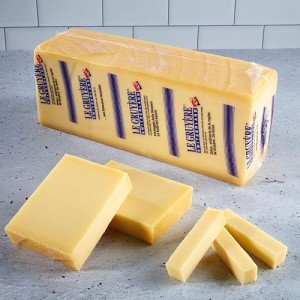
Aged Gruyere Cheese with Unique Flavor
Indulge in the rich, nutty taste and creamy texture of this exquisite cheese perfect for your next charcuterie board
Product information
$32.82
Product Review Score
4.59 out of 5 stars
168 reviewsProduct links
| Cheese | Aroma | Flavor Profile | Intensity |
|---|---|---|---|
| Soumaintrain | Pungent, earthy | Mild, buttery, mushroom | ★★☆☆☆ |
| Époisses | Intense, barnyard | Savory, salty, complex | ★★★★☆ |
| Reblochon | Nutty, grassy | Creamy, hazelnut | ★★★☆☆ |
6. Nutritional Value & Health Benefits of Soumaintrain
Rich Nutritional Profile
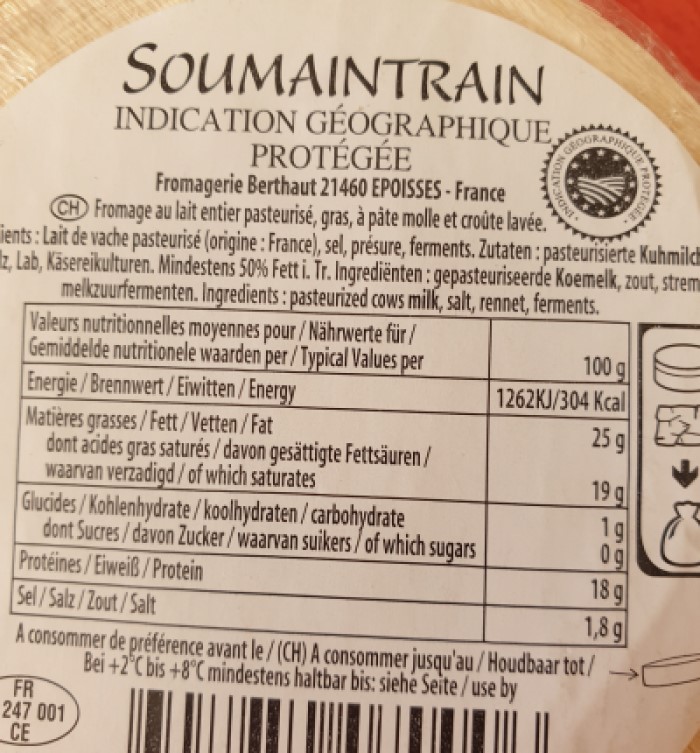
Soumaintrain is not just a flavorful choice but a nourishing one. Each ounce provides around 20% of your daily calcium intake and 6 grams of protein, essential for bone strength and muscle repair. The cheese contains 330 calories and 27 grams of fat per 100 grams, offering a solid energy source.
Its raw-milk versions also include gut-friendly probiotics that aid digestion and support immune health. These benefits make it an excellent occasional treat for those seeking both taste and nutrition in a balanced diet.
 Considerations for Sensitive Diets
If you are lactose-sensitive, Soumaintrain’s aging process helps reduce lactose content, making it more digestible in smaller portions. However, those with severe dairy intolerance should proceed cautiously. Additionally, the sodium content (800 mg per 100 grams) can be moderated by choosing younger cheeses aged around 5 weeks.
Its relatively high calcium content reflects the nutrient-rich pastures of Burgundy where cows graze. For those mindful of salt, younger, less-brined wheels offer a mild yet satisfying alternative. Overall, Soumaintrain fits well into diverse diets with its moderate nutrient density.
| Nutrient (per 100g) | Amount | % Daily Value* |
|---|---|---|
| Calories | 330 kcal | 17% |
| Protein | 20g | 40% |
| Fat | 27g | 35% |
| Calcium | 700mg | 70% |
| Sodium | 800mg | 35% |
*Based on 2,000-calorie diet
7. What Chefs Say About Soumaintrain Cheese
Insights from Renowned Culinary Experts
"Soumaintrain melts like velvet—it’s Burgundy’s secret weapon for adding umami depth without overpowering dishes."
— Chef Élise Laurent, Le Relais Bernard Loiseau
Source: Taste at 55
Chef Laurent admires Soumaintrain's smooth melting quality, which contributes umami depth especially in seafood and poultry dishes. Unlike stronger washed-rind cheeses, it imparts complexity without overwhelming other flavors, making it a versatile ingredient for both restaurant kitchens and home cooks seeking gourmet flair.
"It’s Époisses’ elegant cousin—equally complex but without the bravado. The rind? Edible gold. Never discard it!"
— Fromager Jacques Renard, Paris
Source: Cheese Club HK
Fromager Renard highlights the flavor-rich rind of Soumaintrain, noting it packs more savory crystals than what’s inside the paste. His comparison to Époisses underscores how evolving tastes now favor subtle, balanced cheeses. He adds the rind crisps beautifully when baked, offering texture contrasts perfect for salads or as a garnish.
Camembert is another French cheese that offers a rich and creamy experience, perfect for those who enjoy exploring the diverse world of French cheeses.

Chatelain Creamy Camembert Cheese, 8 oz
Experience the rich and buttery flavor of this deliciously smooth Camembert cheese that’s perfect for any cheese board or snack time
Product information
Product Review Score
4.1 out of 5 stars
225 reviewsProduct links
"The revival of Soumaintrain isn’t just about cheese—it’s a rebellion against culinary amnesia. Every bite preserves a history farmers risked their lives for."
— Food Historian Dr. Claire Petit
Source: Ost & Perler
Dr. Petit interprets Soumaintrain’s resurgence as cultural preservation acting against the loss of traditional food knowledge. Her commentary reveals how supporting such cheeses also supports education and sustainability within the artisan community. For modern consumers, this imbues dining with deeper meaning beyond flavor.
8. How to Store & Enjoy Soumaintrain Properly
Proper Storage Techniques
To preserve Soumaintrain’s delicate texture and robust aroma, proper storage is essential. Always wrap it in wax paper that lets the cheese breathe, then place it in a cheese drawer or vegetable compartment of the refrigerator maintained around 50°F (10°C). Avoid plastic wrap to prevent suffocating the rind, which can trap moisture and spoil flavor.
Keeping your Soumaintrain in optimal humidity extends its freshness and aroma profile. When buying from specialty stores, ask for advice on whether to refrigerate immediately or allow brief room temperature rest for best results.
Serving Recommendations
For maximum flavor, remove Soumaintrain from refrigeration one to two hours before serving. Cold temperatures dull its taste and texture, so bringing it to room temperature unlocks its creamy, buttery essence fully. Serve with fresh baguette, fruits, or nuts to round out the tasting experience.
Remember, if the cheese becomes overly runny or emits a sharp ammonia smell, it may be past its prime—discard in such cases. Proper handling enhances both your enjoyment and health safety.
9. Essential Tips for Handling Soumaintrain Cheese
Do’s for the Best Experience
- Pair it with complementary flavors like apples, walnuts, or fresh baguette to enhance taste.
- Cut wedges from the center outwards to edge, preserving the cheese's soft, creamy texture.
- Let it warm to room temperature before serving to maximize creaminess.
- Store wrapped in breathable wax paper and avoid plastic to protect the rind.
Don’ts to Avoid
- Do not over-chill as it mutes flavors and ruins texture.
- Never discard the edible rind—it’s packed with savory, crystalline flavor.
- Avoid exposing the cheese to direct sunlight or fluctuating temperatures.
10. The Soul of Soumaintrain: Village Life and Local Legacy
Enchanting Village Atmosphere
The village of Soumaintrain transports visitors to a timeless world where culinary heritage is woven into daily life. Narrow cobblestone streets wind past charming half-timbered houses adorned with overflowing red geraniums. Each structure echoes stories of medieval traders, monks, and vintners whose lives shaped the region.
Cheesemakers, such as the Berthaut family, serve as custodians of centuries-old knowledge—more than producers, they are living historians safeguarding local identity. Their dedication shines through in every wheel of Soumaintrain crafted with patience and love.
Festivals and Community Spirit
Every September, the ***Fête du Fromage Perdu*** (Festival of the Lost Cheese) transforms the village into a vibrant celebration of history and gastronomy. Giant cheese wheels parade through streets while locals recount tales of wartime secret cheese stashes hidden in orchards. Tasting Philippe’s famous walnut bread alongside Soumaintrain connects visitors to traditions handed down for 200 years.
Supporting Soumaintrain means championing cultural resilience. Farmers like Marie-Claude utilize pasture-grazed cows nourished by mineral-rich soils, enriching the cheese with distinctive flavor. This community spirit combines environmental respect, artisanal pride, and heritage preservation in every bite.
11. French Cheese Industry Snapshot
Production Trends and Growth
France leads the world with an annual cheese production of approximately 1.9 million tons, reflecting a 4% increase in artisanal outputs. Across the country, over 1,200 distinct cheese varieties flourish, enriched by France’s unique terroir and strict traditional protections such as PGI and AOC labels. Since 2020, 15 new PGI certifications have been granted, highlighting the ongoing valorization of regional specialties.
Although industrial cheese accounts for the majority of volume, small dairies produce about 15% of total cheese but generate 30% of the market’s revenue. This underscores growing consumer preference for quality and authenticity over mass-produced alternatives.
Export and Consumption Insights
With an export value of €4.5 billion, France remains a global leader in premium cheese markets. The USA alone has seen a 22% increase in French cheese imports, driven by demand for heritage and artisanal varieties such as Soumaintrain. Domestic consumption averages 26.3 kg per capita annually, making France #1 worldwide.
Festivals creatively engage younger fans through social media platforms, notably TikTok, where dynamic cheese-pulling videos bolster enthusiasm. This modern blend of tradition and innovation bodes well for the future preservation and celebration of French cheesemaking culture.
| Metric | Value | Trend |
|---|---|---|
| Annual Production | 1.9 million tons | ↑ 4% (artisanal) |
| Cheese Varieties | 1,200+ | 15 PGI additions since 2020 |
| Export Value | €4.5 billion | USA ↑ 22% |
| Consumption per Capita | 26.3 kg/year | #1 globally |
12. Why Soumaintrain Deserves a Place in Your Cheese Repertoire
An Edible History on Your Table
Soumaintrain is not merely a cheese; it is a delicious embodiment of heritage and survival. From near-extinction caused by war and modernization to winning gold medals internationally, its remarkable journey reflects the tenacity of artisanal producers. Choosing Soumaintrain means supporting a cause larger than gastronomy—it fosters cultural preservation and regional identity.
Its mild but layered flavors introduce complex washed-rind characteristics without intimidating newcomers, making it a perfect cheese for all skill levels. When paired with classic Burgundy wines, it offers a complete sensory experience that transports you to the heart of French terroir.
Ready to elevate your cheese board? Explore the rich world of French cheeses and discover unique varieties including this Burgundian treasure. Visit our French Cheese Category and start your gourmet adventure today!
13. Frequently Asked Questions About Soumaintrain Cheese
- Is Soumaintrain similar to Époisses?
Yes! Both originate from Burgundy and are washed-rind cheeses, but Soumaintrain is milder, creamier, and less intense than Époisses. This makes it a great entry point for those new to this cheese style. - Can Soumaintrain be found outside France?
Absolutely! Specialty retailers worldwide, including Cheese Club HK, ship Soumaintrain internationally, making it accessible to cheese lovers globally. - Is it better to choose raw or pasteurized milk versions?
Both exist. Traditionalists favor raw milk for complex flavors, but pasteurized options comply more easily with international regulations. Always check local import laws and your personal preferences. - How should I store Soumaintrain best?
Wrap it in wax paper—never plastic—and place it in a cool, humid drawer of your fridge around 50°F. This protects the rind while allowing the cheese to breathe. - Does Soumaintrain smell very strong?
Yes, it has a pungent aroma typical of washed-rind cheeses but don’t let that fool you—the taste is surprisingly gentle and nuanced. - Is Soumaintrain suitable for vegetarians?
Unfortunately, no. It is made with animal rennet, so it is unsuitable for strict vegetarian diets. - What wines pair best with Soumaintrain?
Crisp, mineral-rich Chablis and earthy Burgundy Pinot Noir are classic matches that balance the cheese’s richness with acidity, enhancing the overall tasting experience. For more insights on pairing, check out our guide on artisan cheese pairing. - How do I identify authentic Soumaintrain?
Look for the Protected Geographical Indication (PGI) label and check for traditional production techniques like brandy washing. Authentic cheeses often show slight artisanal variations in rind and shape. For more information on French cheese certifications, visit our guide to French cheese certification.
Conclusion: Soumaintrain - More Than Just Cheese
Soumaintrain cheese is a culinary treasure that offers far more than its rich, creamy texture and pungent aroma. Its story spans centuries, from medieval beginnings to a brave resurgence post-WWII, embodying resilience and the human spirit’s dedication to preserving cultural legacy. As you savor its earthy, gentle flavors, you’re tasting history, tradition, and innovation wrapped into one unforgettable experience.
Perfectly suited for new cheese explorers and connoisseurs alike, Soumaintrain invites you on a sensory journey through Burgundy’s terroir. Whether melted in sumptuous dishes or enjoyed simply on fresh bread paired with crisp Chablis, it effortlessly elevates any meal while supporting small-scale, artisanal cheesemakers.
Ready to discover more unique French cheeses like Soumaintrain? Visit our French Cheese Category to explore curated selections from across France. Share your own #CheeseJourney and become part of a global community celebrating delicious, meaningful food.
Further Reading and Resources
Explore More About French Cheeses and Artisanal Traditions
- Ost & Perler – A great source for in-depth articles on lesser-known French cheeses and their rich histories, perfect for enthusiasts wishing to dive deeper.
- FDA Import Alert – Essential for understanding U.S. regulations concerning raw milk and imported cheeses, helping buyers navigate international purchasing.
- Taste at 55 – A hub for gourmet food and wine insights including expert interviews and pairing advice, ideal to refine your culinary knowledge.
- Cheese Club HK – A specialty seller of fine cheeses worldwide, including Soumaintrain; excellent for sourcing authentic products beyond France.
- French Dairy Board – Official data and market insights about French dairy, useful for researchers and cheese industry followers.
- Traditional French Cheese Craft – Learn more about the traditional methods and craftsmanship behind French cheeses.
- French Cheese Preservation Techniques – Discover the best practices for preserving and storing French cheeses to maintain their quality and flavor.
- Cheese Pairings for Charcuterie – Explore the perfect cheese and charcuterie pairings to create an unforgettable tasting experience.