And Why Cheese Lovers Can't Resist It
Discover the bold and beautifully complex story behind Mimolette—a fiery-orange French cheese that has captivated taste buds and sparked international controversy. From mite-infested rinds to royal coronation gifts, this cheese embodies history, flavor, and passion. Join us as we dive deep into the culture, craft, and culinary magic of Mimolette. Whether you're a cheese aficionado or a curious foodie, this adventure through time and taste is one you won’t forget.
Key Takeaways
- Mimolette is a unique French cheese with a distinctive orange hue and crunchy, mite-aged rind, loved and banned worldwide.
- Its history dates back to 17th-century France, created as a patriotic response to Dutch cheese imports.
- The cheese mites integral to its aging process cause regulatory conflicts, especially in the U.S., resulting in intermittent import bans.
- Mimolette provides nutritional benefits, including protein and calcium, but its rind should be removed for safety.
- Alternative cheeses like Comté and aged Gouda offer similar flavors for those who can’t get Mimolette.
Table of Contents
- Mimolette: The Bold and Banned French Cheese You Need to Know
- From France to the World: The Story Behind Mimolette
- The Art of Crafting Mimolette: A Cheese Like No Other
- Why Mimolette Has Faced Import Bans and Regulatory Scrutiny
- Is Mimolette Good for You? Nutritional Benefits
- Can You Still Buy Mimolette? Availability and Legal Status
- Mimolette in the Kitchen: How Top Chefs Enjoy This Cheese
- Mimolette Tips: Storing, Serving, and Safety
- The Mimolette Ban's Ripple Effect on Cheese Lovers
- Top Mimolette Alternatives When Bans Bite
- Latest News and Events: Mimolette's Ongoing Cultural Legacy
- Expert Voices: Chefs on Mimolette's Magic
- Mimolette at a Glance: Key Facts
- French Cheese Industry Snapshot
- Nutritional Profile of Mimolette (per 1 oz)
- Flavor Comparison: Mimolette vs. Similar Cheeses
- Conclusion: The Unstoppable Allure of Mimolette
- Frequently Asked Questions About French Cheese
- Further Reading & Authority Resources
Mimolette: The Bold and Banned French Cheese You Need to Know
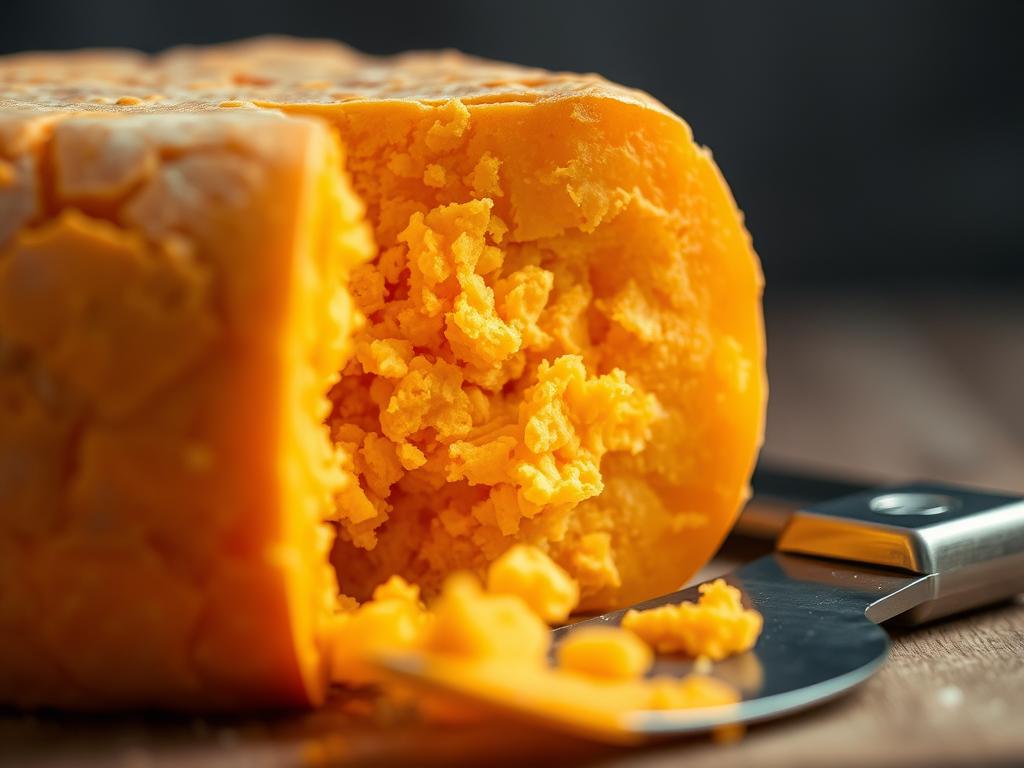 Appearance and Flavor Profile
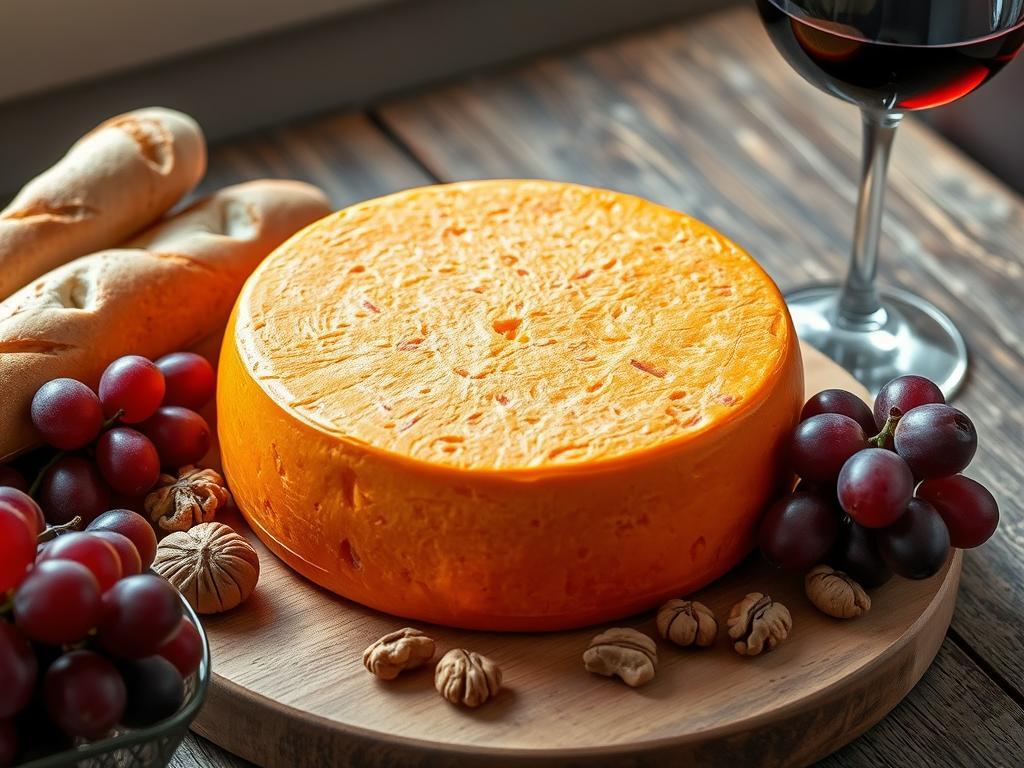
Imagine a cheese that looks like a dusty orange cannonball, its rough, mite-etched rind a testament to its unique aging process. Mimolette offers a sweet, nutty flavor reminiscent of toasted hazelnuts, with an unmistakable crunchy texture that cheese lovers crave. Its bold orange coloring comes naturally from annatto seeds, giving it an eye-catching appearance that stands out on any cheese board. This distinctive profile has ignited culinary passion, but also regulatory headaches worldwide.
Its crunchy rind is not just an aesthetic quirk but a defining characteristic born from the action of microscopic cheese mites. These creatures nibble the cheese's surface, producing tiny air pockets and adding unique flavors over months of careful aging. Despite its beloved status in France and Europe, this very feature has led to US import bans, igniting waves of debate and a loyal fanbase fighting to keep this cheese available.
International Controversy and Popularity
In 2013 and again in 2023, the FDA banned imports of Mimolette, citing health concerns over the high density of cheese mites. While these tiny creatures are considered natural and essential by European authorities, in the U.S. they are seen as a "filth" contamination. This clash highlights contrasting views on food safety and traditional practices.
Despite the bans, Mimolette retains a cult-like following globally. Its history, flavor, and the mysterious allure of its crunchy rind have made it more than just a cheese—it’s a symbol of tradition, rebellion, and culinary artistry. Culinary experts and cheese lovers alike rally behind it, advocating for its return to international shelves and appreciation as a cultural treasure.
From France to the World: The Story Behind Mimolette
 Origins and Historical Context
The story of Mimolette begins under the reign of Louis XIV in the 17th century. Faced with a ban on Dutch cheese imports—specifically Edam—French cheesemakers near Lille crafted an audacious alternative that both honored French traditions and took a pointed jab at their Dutch competitors. Using local cow’s milk and coloring it vibrantly with annatto seeds, they shaped their creation into a bold cannonball form, symbolically mocking the Dutch round cheeses.
Over time, Mimolette not only filled a patriotic niche but won over the palate of the working class. By the 1800s, it was a staple in northern France, with families aging the cheese in attics where mites naturally colonized the rinds. These mites were embraced, their role in enhancing flavor and texture becoming an integral part of the cheese’s identity.
Fascinating Historical Anecdotes
Fun fact 1: During World War II, members of the French Resistance cleverly hid secret messages inside wheels of Mimolette. The cheese’s tough, gritty rind acted as perfect camouflage, preserving vital information from enemy eyes.
Fun fact 2: Napoleon Bonaparte valued Mimolette so highly that he stored it in battle camps as a durable “soldier’s cheese” that could withstand long campaigns without spoilage.
Fun fact 3: In 1722, an 80-pound wheel of Mimolette was presented to Louis XV as a lavish coronation gift—earning it the regal nickname "the king’s cheese"! These stories highlight how Mimolette transcended mere food to attain cultural icon status.
The Art of Crafting Mimolette: A Cheese Like No Other
Traditional Methods and Cheese Mite Role
Crafting Mimolette is a delicate dance between dairy science and microbial magic, perfected across centuries of cheese production. Starting with pasteurized cow’s milk, cheesemakers add annatto to achieve its striking orange color. The milk is then coagulated with rennet, pressed tightly into cannonball-shaped molds, and left to rest.
Enter the cheese mites: Acarus siro. These microscopic arachnids are deliberately introduced to feast on the rind, creating tiny air pockets and fostering complex flavor development. This natural exfoliation process intensifies the aroma, texture, and taste over months of maturing.
Aging Stages and Secret Techniques
Aging ranges widely: young Mimolette (up to 6 months) is firm yet buttery, while extra-vieux (18 months or more) becomes crumbly and intensely flavored, often exhibiting prized crunchy tyrosine crystals. Understanding these aging stages helps connoisseurs select wheels for desired textures and taste profiles.
Some affineurs (cheese experts) practice brossage, carefully brushing the rind to redistribute mites evenly and encourage even aging. A few artisans enhance color and aroma by adding saffron to the annatto mixture—a historic technique traced back to 18th-century cheesemongers. These practices encapsulate the artisan spirit fueling Mimolette’s allure.
Why Mimolette Has Faced Import Bans and Regulatory Scrutiny
FDA's Concerns and U.S. Regulations
The action of cheese mites, integral to Mimolette, has triggered significant regulatory hurdles. The U.S. Food and Drug Administration (FDA) viewed the dense mite populations as a contamination risk. In 2013, they destroyed $30,000 worth of imported Mimolette, labeling mites “filth.” A decade later, in 2023, further seizures were made due to allergen safety worries.
These bans highlight differing food safety standards between the U.S. and Europe. While the FDA treats mites as unacceptable, European and French regulators accept them as a natural part of aging—a perspective supported by regulations on raw milk and traditional cheese-making. This clash creates ongoing tension, sparking protests within foodie communities.
Cultural Clash and Industry Reactions
French cheesemakers defend their time-honored practice vigorously, emphasizing that the rind is never meant to be consumed. Arguments stress that European cheese mites are no different from the molds used to age famous cheeses like Camembert and Roquefort. The controversy has spurred creative protest moments—like a French affineur mailing a mite-encrusted wheel to the FDA with a cheeky note: "Taste before you judge!" (which was returned unopened).
Ironically, the original 17th-century ban by Louis XIV on Dutch cheeses actually catalyzed the invention of Mimolette, making history somewhat circular. Today, the cheese stands as a symbol of the enduring cultural and culinary clash between tradition and modern regulatory frameworks.
Is Mimolette Good for You? Nutritional Benefits
Healthful Components and Considerations
Beyond its compelling backstory, Mimolette offers meaningful nutritional value. Each ounce delivers about 7 grams of protein—comparable to chicken—and packs 20% of the daily recommended calcium intake, crucial for bone health. Its aging process fosters the development of probiotics, which can support gut health and digestion.
However, it is important to consume Mimolette in moderation due to its sodium and fat content. Enjoying it in thin shavings rather than large wedges helps manage dietary balance. The annatto dye used for coloring also contains antioxidants, potentially providing natural anti-inflammatory benefits.
Nutritional Profile & Comparative Insights
The nutrient density of Mimolette makes it an attractive choice for those seeking flavorful yet nourishing options. Protein supports muscle maintenance, while calcium contributes to healthy bones and teeth. The probiotics present in older wheels further enhance its health profile, aligning it with other traditionally aged dairy products.
Nonetheless, the relatively high sodium level means individuals with blood pressure concerns should consume it cautiously. Pairing Mimolette with potassium-rich fruits like apples or figs balances flavors and nutrition, helping reduce sodium’s effects. This cheese wonderfully blends culinary enjoyment with power-packed nutrition when approached mindfully.
Can You Still Buy Mimolette? Availability and Legal Status
Where to Find Authentic Mimolette
For those eager to savor authentic Mimolette, the best place is undoubtedly France and the European Union, where cheese shops stock it year-round. Iconic retailers like Fromagerie Quatrehomme in Paris showcase a range of ages and styles that delight explorers of French cheese heritage.
Outside of Europe, availability fluctuates as import restrictions loosen and tighten. In the United States, specialty shops like Murray’s Cheese occasionally offer Mimolette during ban reprieves. Online retailers such as The French Pantry can be checked for stock, but interested buyers should verify the legal status before purchasing.
Mite-free Versions and Purist Debates
Some U.S. cheesemakers produce mite-free versions of Mimolette to circumnavigate import bans and satisfy regulatory concerns. However, true Mimolette purists argue these lack the character-defining crunch and flavor imparted by the mites, arguing that these alternatives miss the biological symphony that makes the cheese unique.
This ongoing debate underscores a broader conversation about authenticity, safety, and how tradition adapts or clashes with modern food laws. Consumers who treasure culinary heritage often seek to support the originals—rinds and all—while those with allergen sensitivities appreciate mites-free innovations.
Mimolette in the Kitchen: How Top Chefs Enjoy This Cheese
 Creative Culinary Uses
Celebrated chefs rave about Mimolette’s umami power and versatility. Chef Éric Ripert famously calls it “a secret weapon for umami,” incorporating it creatively to elevate dishes. Grated over popcorn or roasted vegetables, it adds a nutty crunch that surprises the palate. When melted into béchamel sauces, Mimolette deepens flavor, especially in indulgent dishes like mac ’n’ cheese.
This cheese also pairs beautifully with various beverages, including Belgian ales and robust Syrah wines, offering rich tasting experiences. Pro chefs recommend shaving it cold as heat can mute its hazelnut nuances. These culinary techniques maximize both texture and palate delight.
Signature Pairings and Dining Experiences
At Paris’ renowned Le Jules Verne restaurant, chefs pair 24-month aged Mimolette with dark chocolate, creating an unexpected flavor explosion that captivated critics and diners alike. Such pairings highlight the cheese’s ability to bridge traditional savory with experimental sweet.
Whether enjoyed simply on a cheese board or masterfully woven into haute cuisine, Mimolette enriches meals with layers of flavor and intrigue. Its crunchy tyrosine crystals provide tactile contrast, making each bite a journey between smooth and crisp sensations.
Mimolette Tips: Storing, Serving, and Safety
Proper Storage for Peak Flavor
To preserve Mimolette’s complex flavors and textures, it’s crucial to store it correctly. Traditional French methods advise wrapping the cheese in wax paper—plastic is a no-go as it traps moisture and stifles aging. Storing wrapped in the fridge’s cheese drawer or a warmer, humid spot extends freshness and allows it to breathe.
Leaving the cheese at room temperature about 30 minutes before serving also enhances aroma and flavor, giving you the best tasting experience possible. These steps honor both tradition and modern food safety.
Safety Caveats and Ideal Pairings
Importantly, always cut off and discard the rind before eating—mites reside mostly on the crust, and consuming it can cause discomfort or allergic reactions. The safer practice retains all the rich paste beneath without risking health issues.
When serving, consider pairing Mimolette with malbec wines, dry cider, figs, green apples, or rustic sourdough bread 🍷🍎🥖. These combinations underscore and complement the cheese’s nutty and fruity notes, creating delightful tastings that celebrate French culinary art.
The Mimolette Ban's Ripple Effect on Cheese Lovers
Consumer Response and Cultural Impact
Every time an import ban hits, Mimolette enthusiasts grieve like losing an old friend. The craving for its unique nutty-sweet punch leads to empty shelves and frustrated shoppers. In Brooklyn, in 2023, a cheesemonger reported customers reportedly offering bribes for hidden wheels, underscoring the cheese’s passionate cult status.
This fervor extends beyond commercial realms: American tourists who discover the cheese in French shops often resort to smuggling it home in luggage, contributing to the quirky "cheese mule" trend. These little acts reveal a deep, global affection for Mimolette, transcending regulations.
Media Attention and Cheese Community Solidarity
The banning of Mimolette generates headlines and social media buzz where chefs and cheese lovers rally with protest signs proclaiming, “Free the Cheese!” This grassroots support reflects not just taste preferences but also cultural identity and heritage defense.
French cheesemakers and trade groups continue to lobby for legal acceptance and greater understanding of the cheese’s production process. The controversy has also raised broader questions about how traditional foodways mesh with modern safety standards, inviting dialogue and greater appreciation for the nuanced role microbes play in artisanal foods.
Top Mimolette Alternatives When Bans Bite
Cheeses with Comparable Profiles
Can’t get your hands on Mimolette? Fortunately, some French and European cheeses come close in flavor and texture. Comté offers nutty, firm qualities ideal for melting, while aged Gouda from the Netherlands brings caramel-like notes and gentle crunch from its crystalline texture.
Cantal, one of France’s oldest cheeses, provides a buttery richness with a pleasant lactic tang, rounding out the options for those seeking a Mimolette substitute.
Historical and Culinary Swaps
Interestingly, in the 19th century, Normandy cooks would use Mimolette in apple tarts during butter shortages, showing its versatile culinary role. Today, experimenting with Comté or aged Gouda in similar recipes replicates part of that historic flavor dynamic.
While these substitutes miss the iconic crunchy rind and yeastiness from mites, they offer accessible, legal options for those keen to explore this flavor family. Happy experimenting with these delightful cheeses!
Latest News and Events: Mimolette's Ongoing Cultural Legacy
Modern Festivals and Community Celebrations
Although no Mimolette-focused festivals launched in 2025, the cheese remains a star at northern France’s culinary events. During the June Fête du Fromage in Normandy, affineurs demonstrated the mite-brushing (brossage) ritual on 18-month wheels, mesmerizing crowds with “living rind” performances that celebrate traditional production methods as cultural heritage.
Lille’s December Winter Market showcased Mimolette shaved over hot mulled wine, proving its timeless popularity and adaptability to festive occasions. These events reveal how Mimolette continues to intertwine with French identity and contemporary niches.
Regulatory Movements and Chef Endorsements
International interest in Mimolette persists despite regulatory obstacles. In March 2025, French dairy artisans petitioned the EU for Protected Designation of Origin (PDO) status for mite-aged cheeses, framing them as "terroir microbiology" integral to French cheesemaking culture.
Michelin-starred chef Dominique Crenn publicly supported the cause, tweeting: “Banning Mimolette is like censoring Van Gogh’s brushstrokes.” U.S. retailers report sales spikes of over 200% during periods when import bans temporarily lift, highlighting raw consumer demand [Source: CNIEL 2024 Report].
Expert Voices: Chefs on Mimolette's Magic
Éric Ripert on Mimolette's Flavor and Texture
"Mimolette’s rind is a desert landscape; the paste is the oasis. Those tyrosine crystals? Flavor meteors from a cheese galaxy!"
Ripert beautifully captures the textural duality that defines Mimolette. The crystals form during aging, as proteins break down into flavorful amino acids, creating crunchy pockets bursting with umami. His poetic comparison to a “cheese galaxy” highlights the evolving complexity from buttery young wheels to caramel-rich aged ones. Learn more at Le Vigne Winery.
Juliette Hernandez on the Importance of the Rind
"Serving Mimolette without the rind is like playing Mozart on a kazoo—technically possible, but missing the symphony."
Hernandez champions the rind’s role within cheese production. The mites sculpt its architecture, controlling moisture and concentrating flavors. Her critique of mite-free alternatives underscores the importance of the rind’s biological orchestra that distinguishes authentic Mimolette. For further info, visit the Academy of Cheese.
Mimolette at a Glance: Key Facts
| Attribute | Detail |
|---|---|
| Aging Periods | Jeune (3 mos) • Demi-vieux (6 mos) • Vieux (12 mos) • Extra-vieux (18+ mos) |
| Mite Density | Up to 500,000 mites per wheel (pre-brushing) |
| Historical Nickname | "Boule de Lille" (Ball of Lille) |
| Color Source | Annatto seeds + occasional saffron |
These facts reveal Mimolette’s fascinating aging journey and the surprising mite presence that defines its crunchy character. The cannonball shape was chosen centuries ago as a cheeky symbol of resistance to Dutch Edam imports—a tradition carried proudly to this day. More historical insights can be found on Wikipedia.
French Cheese Industry Snapshot
| Metric | Value |
|---|---|
| Annual Production | 1.9 million tons |
| Exports (2024) | €4.2 billion |
| PDO Cheeses | 56 varieties |
| Per Capita Consumption | 57 lbs/year |
France dominates global cheese production, outpacing Italy with 1.9 million tons annually. Its €4.2 billion export industry underscores cheese’s economic value, though traditional products like Mimolette face challenges due to import bans. The 56 PDO-certified varieties embody revered terroirs and heritage, though Mimolette itself has yet to achieve this designation. Cheese remains a daily ritual in France, integral to national identity. For deeper stats, see the CNIEL 2024 Report.
Nutritional Profile of Mimolette (per 1 oz)
| Nutrient | Amount | % Daily Value |
|---|---|---|
| Calories | 110 | 6% |
| Protein | 7g | 14% |
| Calcium | 200mg | 20% |
| Sodium | 250mg | 11% |
Mimolette provides protein comparable to chicken and generous calcium from its long aging process. Older wheels may have up to 30% more calcium than younger ones. Though rich and flavorful, its sodium content recommends moderate consumption. The antioxidants in annatto and probiotics in aged cheese bolster its health appeal. Additional details are available via USDA FoodData Central.
Flavor Comparison: Mimolette vs. Similar Cheeses
| Cheese | Flavor Notes | Texture |
|---|---|---|
| Mimolette (18-mo) | Toasted hazelnut, butterscotch, umami | Crumbly, crystalline |
| Aged Gouda | Caramel, brown butter | Firm, slight crunch |
| Comté (24-mo) | Praline, roasted coffee | Dense, creamy |
The umami depth of Mimolette arises from mites breaking down proteins into glutamates, absent in the sweeter, caramel-forward Gouda. Its crunchy tyrosine crystals surpass those of Comté, which offers a smoother finish with praline notes. Ideal pairings include nutty Belgian ales for Mimolette, while Comté shines with an espresso. For further exploration, visit Cheese Science Toolkit.
Conclusion: The Unstoppable Allure of Mimolette
Mimolette isn’t just a cheese; it’s a vibrant statement of history, culture, and uncompromising flavor. Born from rebellion against import bans centuries ago, this fiery-orange cheese continues to defy modern regulations and captivate taste buds worldwide. Its mite-riddled rind might spark controversy, but it’s exactly that biological partnership that crafts Mimolette’s unmistakable texture and umami complexity. From buttery caramel to crunchy bursts of crystals, every bite tells a story of dedication and tradition.
Despite facing import bans and scrutiny, Mimolette inspires passionate advocacy among chefs, artisans, and fans who see it as more than food—it’s part of cultural heritage. Families in Lille still age wheels in attics, while chefs worldwide highlight it in culinary masterpieces. These communities prove that authentic, artisanal tradition can co-exist with contemporary culinary innovation.
Are you ready to dive deeper into the incredible world of French cheese? Unlock the full spectrum of flavors, textures, and stories by exploring our carefully curated selection of artisan French cheeses. Your taste buds—and your cultural curiosity—will thank you for this unforgettable journey!
Frequently Asked Questions About French Cheese
- Why are some French cheeses banned in the U.S.?
The FDA regulates cheeses based on safety concerns, often targeting raw-milk cheeses or those with unique aging processes like mite colonization on Mimolette. While Europe treats these as valuable traditional products, U.S. authorities classify them as potential health risks, leading to import bans and restrictions. Understanding these divergent perspectives sheds light on culinary and regulatory tensions. [Source: FDA Import Alerts] - What’s the oldest French cheese still produced today?
That honor goes to Cantal, dating back over 2,000 years. Famous for its crumbly texture and lactic flavor, it was a staple for ancient Romans and remains cherished in France. Its ancient origins make it a delicious taste of history. [Source: Cantal PDO Documentation] - Can I eat cheese rinds?
It depends on the cheese! Brie rinds are generally edible and add flavor, but Mimolette’s mite-coated crust should not be eaten for safety reasons. Always ask your cheesemonger or check specific recommendations to enjoy cheese safely. - How does terroir affect French cheese flavor?
Terroir—the combination of soil, climate, and local microbes—imbues each cheese with unique tastes. For example, Alpine Comté varies in nuttiness depending on grass diversity in the region. This natural complexity is celebrated in French cheesemaking traditions. [Source: INRAE Research] - What’s the stinkiest French cheese?
Époisses reigns supreme as the stinkiest, washed in brandy and aged in misty cellars. Its pungency is so potent it’s banned on many French public transports, yet adored by aficionados worldwide. - Why is Roquefort called "the cheese of kings"?
Legend says Charlemagne favored Roquefort in the 9th century, offering it to guests after removing moldy bits—which ironically are the best parts today. Its regal title echoes this historic endorsement. [Source: Roquefort Society] - How should I store French cheese at home?
Wrap cheese in wax paper rather than plastic to allow breathing, and store it in the warmest section of the fridge, like a cheese drawer. Bringing cheese to room temperature before eating unlocks richer flavors and aromas.
Further Reading & Authority Resources
Discover More About Mimolette and French Cheese
- Academy of Cheese — Dive into detailed analyses of Mimolette and other cheeses, including science and cultural context.
- Deli Food Shop — Offers rich insights into traditional French cheesemaking processes, perfect for enthusiasts eager to learn more about techniques and heritage.
- Cheese Science Toolkit — Thorough explanation of cheese textures, aging, and microbial roles, providing scientific background to savor with every bite.
- INRAE Research — Explore how terroir impacts cheese flavors, an essential read for understanding French cheese diversity.
- The Good Life France — Engaging stories and history of Mimolette, perfect for readers craving cultural and historical depth.