A Velvety Delight of French Cheeseboards
Discover the luxurious world of Saint-Félicien, a soft French cheese renowned for its silky texture and creamy indulgence. Grown in the scenic Dauphiné region, this cheese boasts a rich history spanning centuries and an unmatched place in French culinary culture. From artisanal crafting methods to its distinct taste profile, Saint-Félicien offers a unique sensory journey. Whether you are a cheese connoisseur or a curious foodie, this guide will unravel all you need to know about this decadent delight. Strap in and let your taste buds embark on a delicious adventure! 🧀🥄
Key Takeaways
- Saint-Félicien is a creamy, triple-cream soft cheese native to France's Dauphiné region, famous for its spoonable texture and indulgent flavor.
- Its traditional production involves artisanal hand-ladling techniques and raw cow’s milk aged 4-6 weeks to develop a wrinkled rind and luscious paste.
- Historically dubbed “Resistance cheese” during WWII, it’s deeply rooted in regional pride and French culinary heritage.
- This cheese pairs beautifully with wines, fruits, and honey, making it perfect for gourmet meals or casual snacking.
- Saint-Félicien offers notable health benefits including calcium and probiotics, but should be enjoyed in moderation due to its rich fat content.
Table of Contents
- Introduction
- Origins and History
- Traditional Production Methods
- Cultural Significance
- Latest News & Events
- Taste Profile and Characteristics
- Health Benefits
- Expert Opinions
- Where to Buy
- How to Store and Serve
- Dos and Don’ts
- The Silky Texture Experience
- Taste the Creamy Goodness
- Perfect Pairings
- Easy Ways to Enjoy
- Conclusion
- FAQ
- Additional Resources
1. Introduction
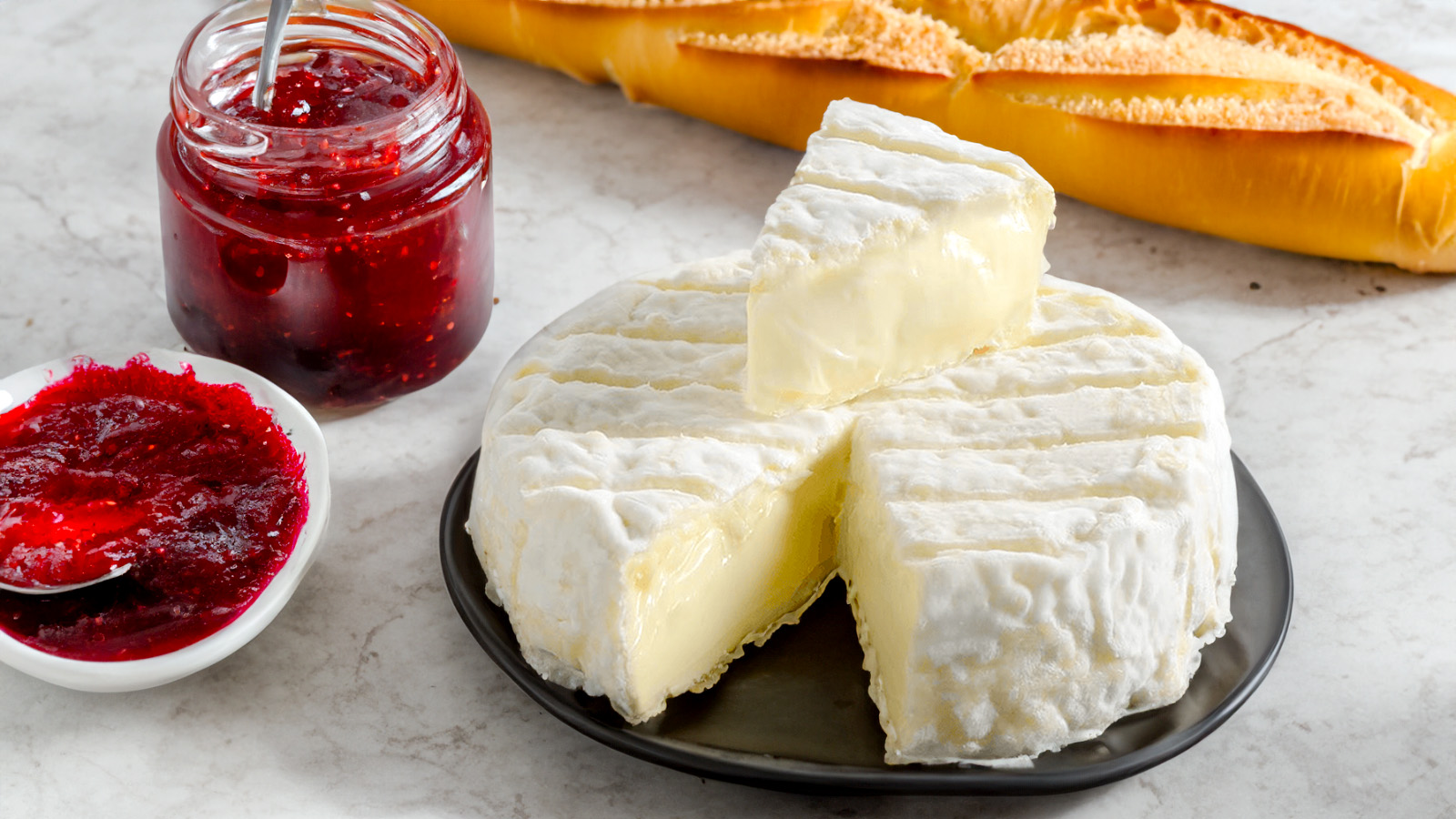
Saint-Félicien is often called the "velvet dream" of French cheese boards — and for good reason! Originating in the Dauphiné region of Rhône-Alpes, this soft cheese boasts an irresistibly smooth texture that easily melts in your mouth. Its luxurious creaminess has made it a favorite since the 19th century, admired by fromagers and cheese lovers worldwide. Recently honored as one of the world’s best cheeses, Saint-Félicien continues to shine on elegant cheese platters and rustic tables alike.
Legend has it that a 19th-century monk crafted this delicacy especially for pilgrims, affectionately dubbing it “angel’s cream” because of its silky softness and heavenly taste. Whether spooned directly from the rind or paired with fresh bread and wine, this cheese captivates with its delicate blend of rustic tradition and sophisticated flavor.
Why Saint-Félicien Stands Out
Unlike many French cheeses which can be dense or crumbly, Saint-Félicien offers a texture that is uniquely velvety and spoonable. It is crafted using hand-ladling techniques that encourage moisture retention, resulting in a custard-like paste reminiscent of luxurious dessert creams. This makes it perfect not only for cheese boards but also for sophisticated dishes that call for that touch of indulgence.
Moreover, its rich fat content—typically between 60-70%—gives it a decadent quality perfect for pairing with everything from earthy mushrooms to sweet honey drizzles. This intro to Saint-Félicien sets the stage for diving deeper into the fascinating origins, production, and culinary magic of this Dauphiné specialty.
2. The Origins and History of Saint-Félicien
Rooted in Dauphiné's Rich Heritage
The story of Saint-Félicien begins in its namesake town nestled in the Dauphiné region, a historical province known for its diverse landscapes and robust culinary traditions. Originally, this cheese was made with goat’s milk, reflecting rural farming practices, but over time, cow’s milk took precedence due to its creamier composition and richer flavor profile. This evolution closely mirrors the agricultural shifts and tastes in Rhône-Alpes, making Saint-Félicien a true expression of its terroir.
Interestingly, a relative called caillé doux, made from goat’s milk, still thrives in nearby Ardèche. Although similar in appearance, these cousins have distinct taste profiles and textures, with Saint-Félicien standing out for its indulgent creaminess.
Historic Moments and War-Time Tales
Saint-Félicien’s legacy extends beyond taste into history. During World War II, farmers in Dauphiné cleverly hid wheels of this cheese in haylofts to prevent their confiscation by occupying forces. This act of quiet defiance earned it the nickname "Resistance cheese," symbolizing the region’s resilience and cultural pride. This story adds a layer of meaning to enjoying Saint-Félicien—it’s not just a cheese but a symbol of heritage and survival.
Compared to its close relative, the Saint-Marcellin, Saint-Félicien is notably creamier and twice as wide, earning it the affectionate title of the region’s indulgent older cousin. These cheeses together paint a rich picture of the gastronomic identity of the Dauphiné area.
| Characteristic | Saint-Félicien | Brie | Saint-Marcellin |
|---|---|---|---|
| Texture | Silky, spoonable | Buttery, dense | Creamy, firm |
| Flavor Notes | Fresh milk, mushrooms | Earthy, nutty | Tangy, lactic |
| Fat Content | 60-70% | 45-50% | 45-50% |
Saint-Félicien’s silky texture and high fat content create a cheese that is richer than Brie and creamier than Saint-Marcellin, making it a true luxury on any cheeseboard. This distinction comes from its artisanal ladling technique, which preserves moisture in the curds, giving it that coveted custard-like softness that melts easily at room temperature.
The brief aging period of just 4-6 weeks allows the cheese to retain its delicate texture while developing its iconic wrinkled rind, a hallmark of Rhône-Alpes terroir that showcases the region’s unique microclimate and artisanal traditions.
3. How Saint-Félicien is Made: Traditional Cheese Production Methods
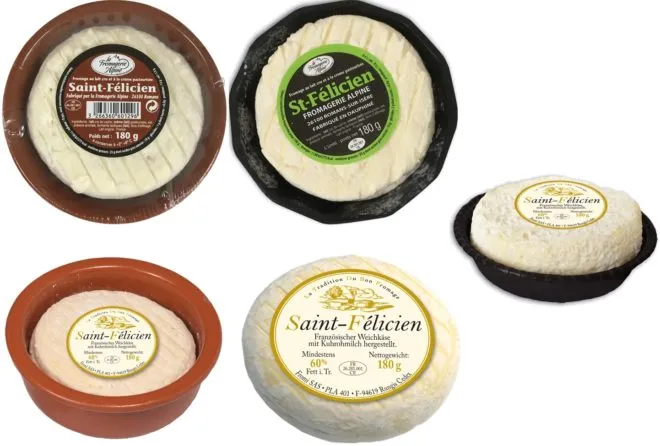 Artisanal Craftsmanship at its Finest
Saint-Félicien’s production is a celebration of traditional French cheesemaking, where precision and patience converge. Farmers use raw cow’s milk collected every 48 hours, prized for its fresh grassy notes that carry the essence of the alpine pastures. The curds are then hand-ladled into molds called faisselles, a delicate process known as moulage à la louche (ladling by hand), ensuring the curd is not compressed, preserving natural moisture and softness.
This ancient method no longer relies on machines but on seasoned skill and care. Traditional aging occurs in humid cellars for approximately two weeks, allowing a wrinkly rind to develop while the inside softens into its famous oozy core. The patience and expertise embedded in this process result in an exquisite balance between creaminess and delicate flavor.
The Secrets Behind Its Unique Qualities
Unlike industrial cheeses, some producers still employ century-old wooden molds believed to impart a subtle "forest essence" to the rind. This cherished practice not only connects modern-day cheesemakers with their heritage but also subtly influences the cheese’s aromas and mouthfeel.
Additionally, the raw milk regulations in place ensure that farmhouse Saint-Félicien versions remain less salted and develop complexity through natural microbial activity rather than additives. This respect for tradition shapes every wheel, affirming Saint-Félicien as a living example of pure French cheesemaking art.
4. The Cultural Significance of
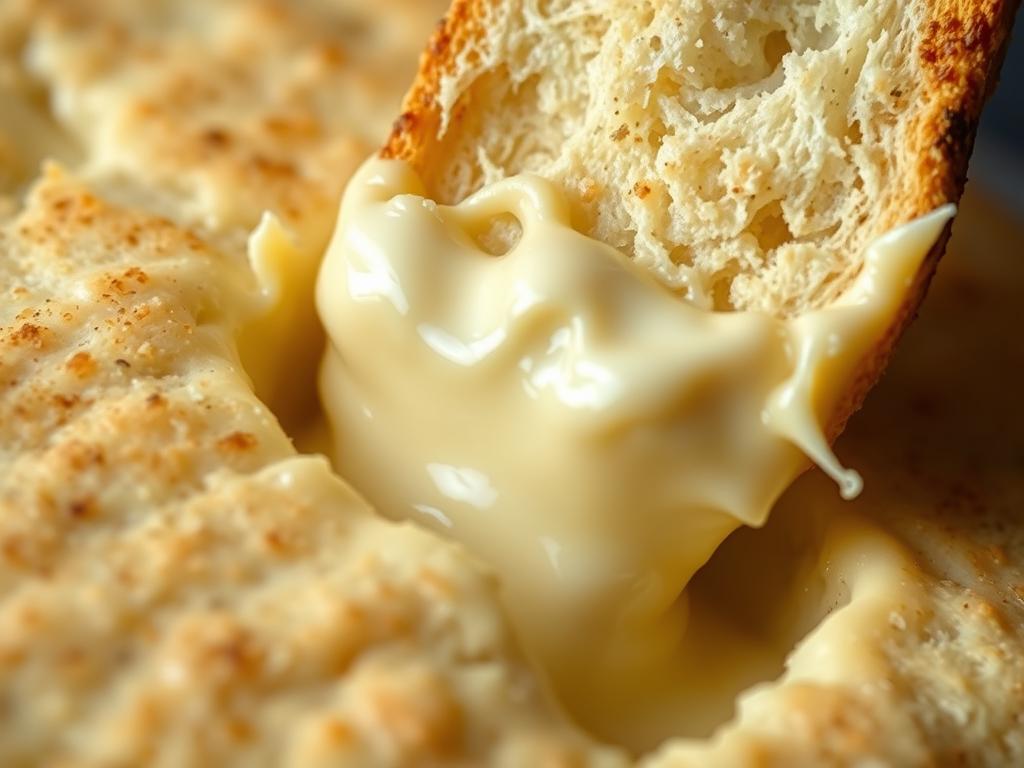
Saint-Félicien as a Regional Symbol
In France, cheese transcends nutrition and becomes a vital cultural emblem, and Saint-Félicien perfectly represents this fact. Particularly in the Dauphiné region, the cheese is honored annually at lively events like the Fête du Fromage in Lyon and festive gatherings during the L'Ardéchoise 2025 cycling race. These celebrations blend sport, tradition, and gastronomy, showcasing Saint-Félicien alongside prized local wines and artisan goods.
Cheesemakers in the region even engage in friendly competitions, such as balancing wheels on their heads, underscoring the camaraderie and passion surrounding this cultural treasure. These festivities reaffirm cheese’s integral role in community life and reinforce its status as more than just food—it’s a way of life.
A Star on the French Culinary Stage
On French tables, Saint-Félicien shines as the "showstopper" cheese that captivates guests with its oozy texture and savory richness. Whether baked over potatoes, draped over fresh baguettes, or sampled with fine wines like Côtes du Rhône, it elevates everyday meals to gastronomic pleasures. Families cherish and pass down recipes featuring Saint-Félicien, weaving culinary heritage into each generation.
These cultural significances extend beyond taste — they are reflections of identity, history, and shared experience that bind communities and enrich France’s gastronomic tapestry.
| Statistic | Value |
|---|---|
| French Cheese Varieties | 1,000+ |
| Annual Cheese Consumption (France) | 26 kg per person |
| Soft Cheese Export (Global) | $4.2 billion |
| Dauphiné Cheese Production | 12,000 tons/year |
5. Saint-Félicien Today: Latest News & Events
L’Ardéchoise Cycling Festival & European Granfondo Championships
Starting in 2024 through 2025, Saint-Félicien takes center stage during the prestigious European Granfondo Championships held in Rhône-Alpes. Over 15,000 cycling enthusiasts race scenic routes that pass through the cheese’s terroir, making the event a perfect blend of sport and gastronomy. Along the courses, cheese tasting booths offer participants chances to savor Saint-Félicien paired with regional delights like honey and fresh sourdough.
The event’s festive atmosphere also features communal *dégustations* where locals and tourists enjoy Côtes du Rhône wines alongside the velvety cheese. Such festivals highlight how Saint-Félicien serves as a cultural ambassador for the region, connecting generations and visitors to Rhône-Alpes’ rich traditions.
Voted France’s Best Cheese in 2025
In the 2025 national cheese survey by Paris Secret, Saint-Félicien earned the top spot, beating renowned cheeses like Comté and Roquefort. Voted by 40,000 gourmands nationwide, this accolade celebrates its "velvety decadence" and balanced blend of alpine freshness and rich, grass-fed creaminess.
Chefs and critics alike praised its unique ability to unify traditional artisanal quality with modern palates, proving the resilience and appeal of small-scale producers amidst an industry dominated by mass production.
6. Taste Profile and Characteristics of Saint-Félicien
A Delicate, Creamy Flavor Journey
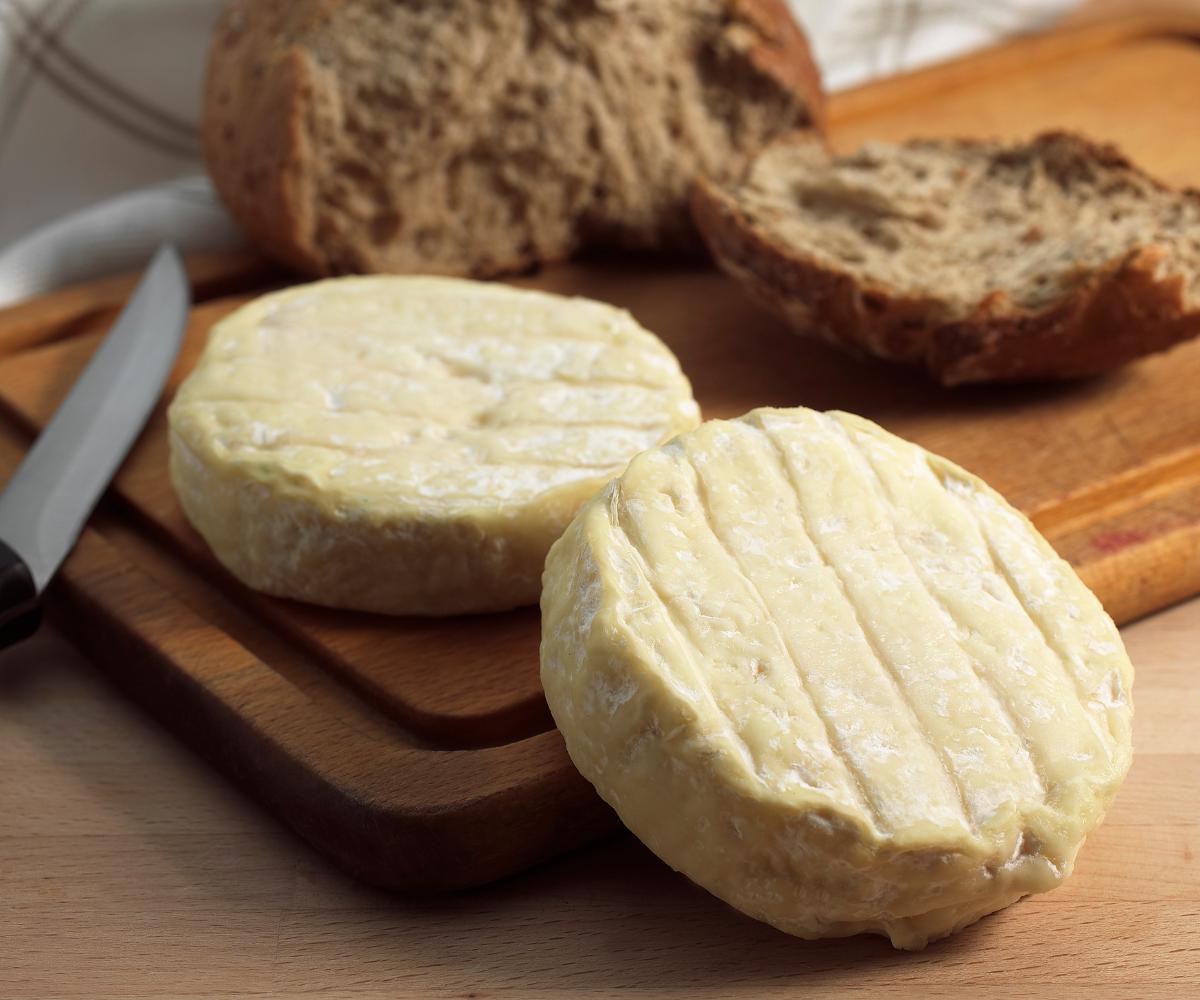
Under its soft, delicate bloomy rind, Saint-Félicien hides a gently buttery paste that’s milder than its cousin Brie. Its flavor profile combines subtle hints of fresh milk with earthy mushroom undertones, creating a balanced and soothing experience for the palate. When aged 4-6 weeks, the interior reaches a spoonable state with a consistency similar to pastry cream.
The triple-cream "Tentation" version amps up the decadence to rival prestigious cheeses like Brillat-Savarin, boasting an impressive 70% fat content. This richness makes it a standout during the peak season from April to September when its flavors and textures are at their best.
Tips for Optimal Enjoyment
For the perfect tasting experience, let Saint-Félicien ripen until it gently wobbles like a water balloon when touched—this is peak perfection. At this stage, the cheese’s complex aromas and flavors best express themselves, offering a luscious mouthfeel that enchants both casual eaters and connoisseurs.
Enjoy it paired with mild wines or light fruits to highlight its creamy nuances, or try it melted over dishes to infuse rich textures and subtle flavors that elevate your culinary creations.
7. Health Benefits of Saint-Félicien Cheese
Nutritional Perks of Indulgence
While Saint-Félicien is undeniably rich and indulgent, it also offers an array of beneficial nutrients. Each 100g serving provides approximately 340 kcal, 15g of protein to support muscle health, and 320mg of calcium essential for strong bones. It also contains probiotics that aid digestive health, enhancing gut flora through its raw milk fermentation process.
Although high in saturated fat (around 60%), moderation combined with its natural production methods ensures a well-rounded nutritional profile. Farmhouse versions often use less salt, offering a cleaner option compared to some other cheeses, making it a thoughtful choice for balanced diets.
Pairing for Health and Pleasure
Pairing Saint-Félicien with heart-healthy options like apples or walnuts can create meals that are both flavorful and nutritionally balanced. These complementary foods add fiber, vitamins, and healthy fats, enhancing the overall dining experience.
Historically, alpine shepherds relied on its nutrient-dense profile for stamina during strenuous mountain treks, illustrating how this cheese has sustained and fueled people through generations, mixing deliciousness with practicality.
| Nutrient (per 100g) | Amount |
|---|---|
| Calories | 340 kcal |
| Protein | 15g |
| Fat | 30g (60% sat.) |
| Calcium | 320mg (32% DV) |
| Sodium | 480mg |
8. Expert Opinions: What Chefs Say About Saint-Félicien
Michelin-Starred Chefs Celebrate its Versatility
Leading French chefs rave about Saint-Félicien’s exceptional melting quality and subtle flavor synergy. Yannick Alléno, a 3-Michelin-starred chef, praises its adaptability, layering it with black truffle honey to create dishes that transcend simple creaminess into transcendental experiences.
Anne-Sophie Pic, awarded World’s Best Female Chef, highlights a family recipe adding Chartreuse liqueur when baking Saint-Félicien. She describes this as “celestial ooze,” elevating the earthy mushroom and milk notes into liquid gold perfection.
A Team Player in Diverse Culinary Creations
Chef Éric Ripert from Le Bernardin acknowledges the cheese’s ability to complement and not overpower dishes, enhancing pears, walnuts, and even seafood terrines. Saint-Félicien’s gentle personality on the plate makes it a versatile tool in haute cuisine.
Common serving suggestions from chefs include baking it with rosemary and figs, pairing it with sourdough and berry compote, or creating rich sauces for roasted vegetables—each showcasing its smooth melt and layered flavor.
Yannick Alléno (3 Michelin stars):
"Saint-Félicien is a blank canvas. I layer it with black truffle honey—the earthiness lifts its creaminess into something transcendental."Anne-Sophie Pic (World’s Best Female Chef):
"When baked, it flows like liquid gold. My grandmother’s trick? A whisper of Chartreuse—it harmonizes the mushrooms and milk."Éric Ripert (Le Bernardin):
"Unlike Brie, it doesn’t dominate. It’s a team player—enhancing pears, walnuts, even seafood terrines."
9. Where to Buy Saint-Félicien: Product Availability
Authenticity Guaranteed at Trusted Markets
To enjoy the authentic taste of Saint-Félicien, look for the Label Régional (LR) certification which guarantees regional origin and quality. The best place to find these cheeses remains the traditional markets of Dauphiné, where small farms offer freshly made wheels straight from local producers.
For those abroad, reputable vendors such as iGourmet and Fromages.com stock Saint-Félicien with careful handling and shipping. Specialty stores like La Fromagerie in the UK also carry it.
Tips for the Savvy Cheese Hunter
A fun insider tip: family-run farms near Saint-Étienne often sell “undercut” or slightly imperfect wheels. These treasures may be discounted but hold all the signature flavor and creaminess of traditional Saint-Félicien, perfect for keen cheese explorers.
If you're lucky enough to visit the Rhône-Alpes region, a pilgrimage to local markets is highly recommended. Not only can you sample freshly made cheeses but also soak in the cultural experience that’s inseparable from the cheese’s identity.
10. How to Store and Serve Saint-Félicien Properly
Storage Tips to Preserve Flavor
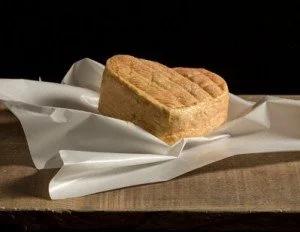
Never serve Saint-Félicien straight from the fridge as chilling dulls its aromas and soft texture. Instead, store it wrapped in wax paper or parchment, and place it in the vegetable drawer of your fridge to maintain humidity without suffocation. Avoid plastic wrap which traps moisture and can spoil the cheese.
Allow the cheese to come to room temperature about one hour before serving to maximize its creamy richness and nuanced flavors. If you notice ammonia-like odors or gritty textures, it’s best to discard as this indicates spoilage.
Pro Tips for Serving
An interesting natural trick to encourage gentle ripening is to place Saint-Félicien alongside ripe pears—the ethylene gas released helps ripen the cheese evenly, enhancing its texture and flavor without artificial means.
The cheese’s spoonable consistency makes it ideal for spreading on bread or pairing with fresh fruits and nuts. Experiment with light drizzles of honey, fresh herbs like thyme, or a hint of chartreuse liqueur, all of which complement its velvet texture perfectly.
11. Dos and Don’ts When Enjoying Saint-Félicien
| Do | Don’t |
|---|---|
| Pair with French wines like Beaujolais | Over-refrigerate, which dulls flavor |
| Spread generously on crusty baguettes | Microwave it – it will weep and lose texture |
| Try the edible rind for enhanced flavor | Skip resting it at room temperature before serving |
12. The Silky Texture Experience
Sensory Journey of Creaminess
Texture defines the Saint-Félicien experience. Imagine delicately slicing through a creamy velvet that melts like liquid silk on your tongue. This sensorial journey goes beyond taste — it’s about savoring the sensation of smoothness, softness, and richness that comforts and excites simultaneously.
The secret lies in the traditional hand ladling which traps moisture and creates a custard-like paste that spreads effortlessly yet holds its structure. Perfect for spreading on crusty bread or pairing with sweet figs, the cheese’s texture makes every bite a delight.
Versatility in Culinary Uses
Saint-Félicien’s forgiving texture allows it to shine in many applications. It works wonderfully on charcuterie boards, melted into sauces, or folded into fresh salads for a creamy touch. Even imperfect "undercut" wheels deliver a rich and enjoyable taste, making it a versatile kitchen favorite whether for gourmet chefs or home cooks.
Its texture doesn’t just soften dishes—it transforms them, inviting creativity and indulgence in every meal.
13. Taste the Creamy Goodness
A Rich, But Gentle Flavor Profile
Tasting Saint-Félicien is like wrapping your palate in a gentle, buttery hug. Every spoonful delivers layers of fresh cream mingled with subtle mushroom earthiness that soothes rather than overwhelms. Its aroma — earthy, milky, and inviting — hints at its alpine roots and artisanal care, encouraging savoring slowly and appreciatively.
Unlike more pungent cheeses, Saint-Félicien is approachable for a wide range of cheese lovers, offering complexity balanced by softness. It’s a cheese that comforts while showcasing sophistication.
Ideal Pairings to Highlight Its Charm
Pair it with crisp white wines like a lively Sancerre or a fruity Beaujolais to complement its delicate flavors and creamy texture. Fresh stone fruits or lightly toasted nuts also enhance its natural sweetness and savory notes.
These thoughtful combinations elevate Saint-Félicien from a simple cheese to a centerpiece of refined tasting experiences that celebrate the richness of French culinary tradition.
14. Perfect Pairings for Every Occasion
Romantic and Festive Pairing Ideas
For a romantic evening, pair Saint-Félicien with bubbly champagne and fresh strawberries to balance its richness with sweet, bright notes. During holidays, baking it with honey and thyme creates an oozy star centerpiece bound to spark conversation and delight guests.
This cheese also lends itself beautifully to informal occasions—spread on crackers with spicy chorizo or alongside charcuterie for a delicious game-day snack. Its adaptability allows it to shine no matter the setting.
Versatility Across Meals and Events
Saint-Félicien's creamy nature makes it an MVP of French cheese varieties, able to pair well with everything from robust wines to sweet fruits and savory nuts. It adapts as easily to casual picnic boards as it does to sophisticated dinner tables, making it a reliable and indulgent companion for every cheese lover.
By experimenting with pairings, you’ll discover new ways to elevate your meals with the signature soft French cheese that combines tradition with sheer deliciousness.
15. Easy Ways to Enjoy Saint-Félicien
Simple Meal Ideas to Elevate Any Time
Elevate everyday meals with Saint-Félicien using easy, delightful recipes:
- Breakfast: Smear on toast with apricot jam for a creamy, sweet start.
- Lunch: Melt into potato gratin for velvety, comforting layers.
- Dinner: Crown a perfectly cooked steak with a melting wedge that adds richness.
- Dessert: Pair with poached pears and dark chocolate for luxurious finishers.
Even leftovers can be transformed—stir Saint-Félicien into scrambled eggs for a rich and creamy twist that feels gourmet but is effortless.
Creative Uses Beyond the Cheeseboard
Try incorporating Saint-Félicien into warm dips, creamy pasta sauces, or even baked goods that benefit from its smooth melt and subtle flavor. Its forgiving texture means that even novice cooks can achieve impressive results.
This accessibility paired with indulgence makes it an ideal cheese for both casual and elegant culinary experiments.
16. Conclusion: Why Saint-Félicien Embodies French Cheese Magic
Saint-Félicien is much more than a soft French cheese; it is a symbol of the rich culinary heritage of the Dauphiné region and the artistry of traditional French cheesemaking. Its signature silkiness, achieved through artisanal ladling and careful aging, offers a unique texture that sets it apart from more common cheeses like Brie and Camembert.
Rooted in a history marked by resilience—from its WWII role as the “Resistance cheese” to its modern acclaim as France’s best cheese—Saint-Félicien connects us with generations of passion and tradition. Its place in festivals, everyday cuisine, and gourmet kitchens prove its lasting cultural significance.
Whether you’re savoring it at a cycling festival with local wines or enjoying it in your home kitchen, Saint-Félicien invites you into a world where flavor, texture, and history melt together. Ready for your own French cheese adventure? Visit the curated French Cheese collection and discover more treasures like nutty Comté, tangy Chèvre, and bold Roquefort—all waiting to tantalize your taste buds.
17. FAQ Section
- Why is Saint-Félicien creamier than Brie?
Saint-Félicien typically contains a higher fat content (up to 70% in triple-crème versions) and undergoes a slower, hand-ladled aging process, which retains more moisture and creates its signature spoonable texture. Brie, by contrast, is denser and less rich in fats, resulting in a firmer crumb and buttery mouthfeel rather than melt-in-your-mouth creaminess. - Can I freeze Saint-Félicien?
Freezing Saint-Félicien is not recommended as it destroys the delicate structure and moisture balance that gives the cheese its velvety texture. Once thawed, frozen soft cheese becomes grainy and watery. Best enjoy it fresh and at room temperature. - What makes French cheese varieties unique?
French cheese varieties owe their uniqueness to the concept of terroir — the interplay of local soil, climate, and centuries-old artisanal techniques that create distinct regional flavors and textures. This diversity is unparalleled worldwide, showcased by over 1,000 cheese types crafted in the country. - Are raw milk cheeses safe to eat?
Yes! Strict European Union regulations govern raw milk cheese production to ensure safety without compromising flavor complexity. Raw milk cheeses like traditional Saint-Félicien offer richer, more nuanced tastes due to diverse natural flora that pasteurized cheeses lack. - How do I identify quality Saint-Félicien?
High-quality Saint-Félicien will have a resilient yet wobbly texture, a wrinkled white rind with no cracks, and a fresh, milky aroma without ammonia or unpleasant smells. Look for the Label Régional (LR) certifying regional authenticity. - What other Dauphiné cheeses should I try?
Aside from Saint-Marcellin, a creamier but firmer cousin, Bleu du Vercors is another regional favorite—a creamy blue cheese rich in character. Exploring these allows a deeper taste of Dauphiné’s rich cheese heritage. - Why is cheese so important in French culture?
Cheese is a marker of regional identity, tradition, and community in France. Many French villages produce their own local cheeses, celebrated through festivals, family recipes, and daily consumption, making cheese central to French gastronomic pride and social life.
Discover More: Trusted Resources on French Cheese and Terroir
- Cheese Science Toolkit – An in-depth resource for understanding the science behind terroir and cheese production, helping enthusiasts learn how environment shapes cheese character.
- European Food Safety Authority (EFSA) – For insights on raw milk cheese safety regulation in the EU, ensuring cheese lovers understand quality and health aspects.
- Fromages.com – A trusted online store and encyclopedia covering diverse French cheeses, ideal for discovering purchase options and detailed profiles.
- International Dairy Federation – Provides global dairy industry data and trends, useful for understanding France’s place in cheese production and export markets.
- Paris Secret’s Best Cheese List – Explore curated selections and tasting notes from a respected French gastronomy authority, offering recommendations and inspiration.