Key Takeaways
- Brie de Meaux is celebrated for its creamy texture, mushroomy rind, and large-scale production, making it accessible and versatile.
- Brie de Melun boasts a bolder, more intense flavor with a rustic rind, thanks to its extended lactic fermentation process.
- Both cheeses hold prestigious AOC status, ensuring authentic production rooted in their historic French regions.
- Seasonal and production differences affect availability and flavor complexity—Melun remains a rare artisan treasure.
- Perfect wine and food pairings enhance each Brie’s unique profile, from delicate Loire reds to robust charcuterie boards.
Table of Contents
- The Rich Origins of Brie
- Latest News and Events (June 2025)
- Brie de Meaux: The Creamy, Buttery Classic
- Brie de Melun: A Bold and Flavorful Alternative
- Brie de Meaux vs. Brie de Melun: Key Differences Explained
- What Chefs Say: Expert Insights
- Nutritional Comparison
- Finding Authentic Brie & Storage Tips
- Brie Etiquette: Common Mistakes to Avoid
- Which Brie Should You Choose?
- Conclusion: Celebrating France’s Cheese Legacy
- Frequently Asked Questions
- Further Resources to Explore
Discover the rich heritage and distinctive flavors of two of France’s most revered Brie cheeses
Imagine a cheese so steeped in history and tradition that it has graced royal banquets and fueled wartime resistance. Brie de Meaux and Brie de Melun are not just cheeses—they’re edible stories, each with a unique character and legacy waiting to be explored. Whether you’re just starting a cheese journey or you’re a seasoned enthusiast, this comparison will help you appreciate what sets these French legends apart. For more on French cheeses, check out our guide on French Cheese Certification. From their methods of production to ideal pairings, get ready to savor every fascinating detail. So let’s slice into the world of Brie and uncover why these varieties deserve your attention!
The Rich Origins of Brie: From French Dairy Traditions to Global Fame
Historic Roots and Regional Significance
Centuries ago, the lush pastures of Île-de-France nurtured the birth of Brie cheeses, with farmers seeking ways to preserve fresh milk through natural fermentation. This simple origin blossomed into a prestigious tradition, encapsulated by two iconic cheeses: Brie de Meaux and Brie de Melun. The former quickly gained royal attention, becoming a symbol of elegance at the French court, while the latter gained renown among monks for its rustic qualities. Their geographic proximity belies distinct terroirs that shape unique characteristics. Both now enjoy protected AOC status, safeguarding their traditional methods and birthplace identity.
These denominations not only ensure authenticity but also cultivate local pride and economic sustainability by preserving artisanal craftsmanship. The region’s landscape imparts floral aromas and grassy undertones essential to the Bries’ profiles. As knowledge and appreciation for these cheeses grew globally, Brie evolved beyond a regional specialty to a cherished culinary icon. This phase of development highlights the intimate connection between landscape, culture, and gastronomy.
Traditional Celebrations Highlighting Brie’s Legacy
The cultural importance of Brie cheeses is celebrated annually with exuberant festivals that keep tradition vibrant. May ushers in the Meaux Cheese Festival, a lively convergence of tastings, cheesemaker workshops, and impressive historical reenactments inspired by Charlemagne’s reign. This event stitches past and present, engaging audiences with the cheese’s regal past and production artistry.
Meanwhile, October’s Fête du Melun spotlight turns to Brie de Melun, a festival rich with local markets showcasing this robust cheese paired with honey and locally favored wines such as Syrah. These events are more than celebrations—they are educational platforms that promote terroir, flavor exploration, and community interconnectedness. Discovering these customs fosters deeper appreciation for Brie’s role in French heritage.
Latest News and Events (June 2025)
 PDO Status and Innovation in Production
As of June 2025, both Brie de Meaux and Brie de Melun continue to hold firm on their prestigious PDO status, reinforcing a commitment to quality rooted in centuries-old tradition. While production processes have largely resisted industrial shortcuts, artisan cheesemakers are actively exploring ways to adapt to environmental and market changes. Innovations such as extended aging in Meaux aim to intensify the development of complex mushroom notes without compromising AOC rules.
On the Melun side, the ancestral lactic fermentation remains a cornerstone, meticulously timed between 12-18 hours to forge distinct textures and flavor profiles. Sophie Loiseau, an expert master ager, highlights how this deliberately slow fermentation fosters layers of intensity meaningfully absent in standard bries. These adaptations demonstrate how tradition and modernity coexist, preserving artisanal heritage amidst evolving consumer demands.
Production Volume & Seasonal Impacts
Despite Brie de Meaux's larger annual production—about 7,000 tons—the true scarcity lies in Brie de Melun’s artisanal output, with less than 300 tons produced yearly. This rarity makes Melun a coveted find for specialty cheese shops worldwide. Seasonal factors heavily influence quality and flavor in Melun cheese, peaking during summer and early fall, correlating directly with pasture conditions that nurture robust milk quality.
Various European Union initiatives have recently been launched to support small-scale makers, helping elevate the profile of this “hidden gem” internationally. Still, Melun’s bold flavor and limited shelf life pose challenges in mass marketing compared to the more widely distributed Meaux. These dynamics reveal an ever-evolving cheese landscape balancing terroir preservation with global commerce.
Brie de Meaux: The Creamy, Buttery Classic
 Production and Flavor Nuances
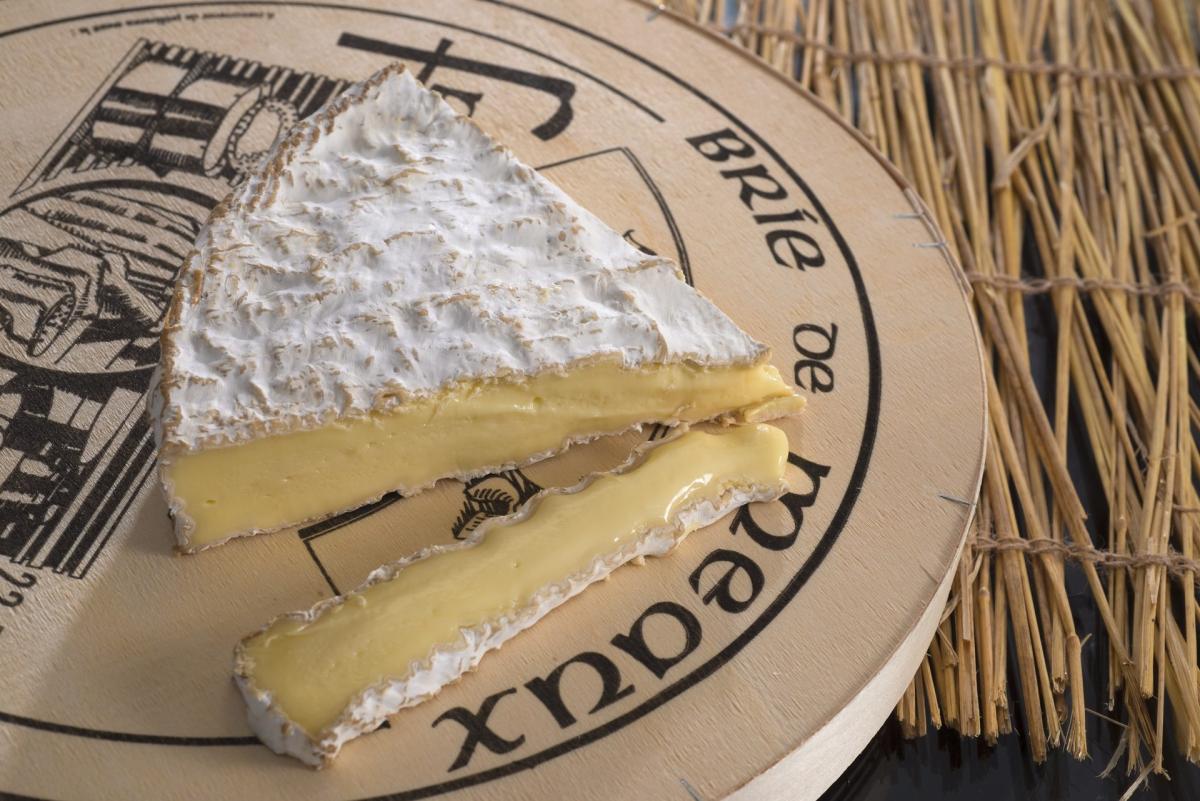
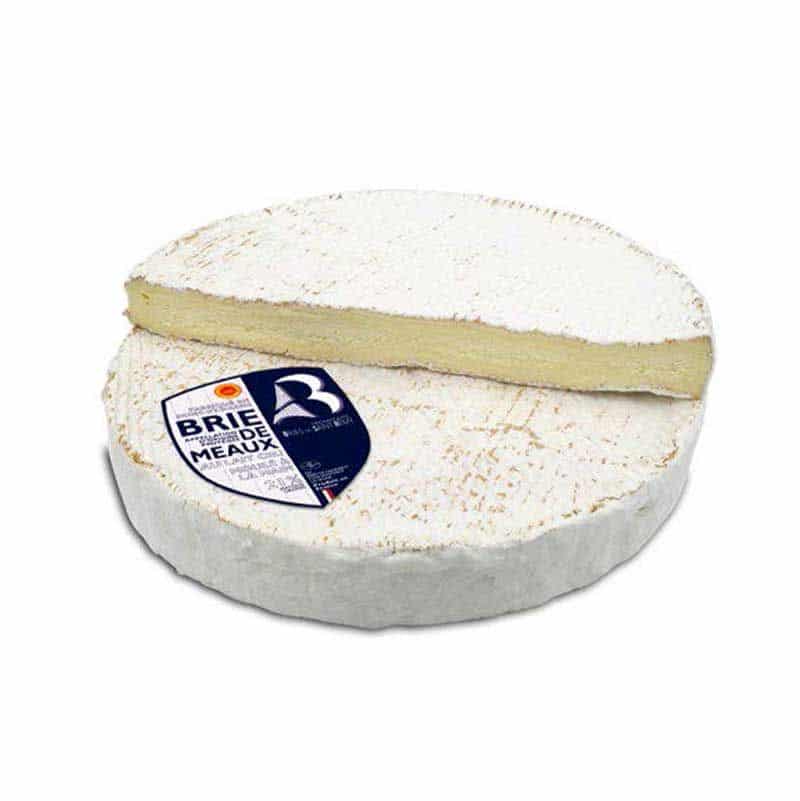
Brie de Meaux is crafted from raw cow’s milk with the aid of rennet coagulation, a process that takes about 30 minutes to set the curd. Following this, the cheese undergoes aging for at least four weeks, during which a signature snowy white rind develops. This rind matures into delicate mushroomy undertones that beautifully complement the creamy, spreadable interior’s subtle sweetness and buttery richness.
The texture can best be described as silky and custard-like at optimal ripeness, a feature that makes it irresistible on crusty bread alongside crisp apple slices or mild fruit preserves. This cheese’s refined profile promises a gentle yet indulgent tasting experience, inviting even newcomers to French cheeses to delight without intimidation.
Historical Significance and Cultural Stories
Brie de Meaux’s storied past adds a layer of enchantment to its flavor. It earned the regal title "King of Cheeses" after triumphing in a renowned royal tasting in 1814. Charlemagne himself was said to have adored the cheese, ordering annual deliveries to his palace as early as the 8th century. Even more intriguingly, during World War II, French Resistance members famously concealed secret messages within wheels of Brie de Meaux, underscoring its importance as a national symbol beyond the culinary realm.
Such tales enrich the eating experience, tying every slice to centuries of French history and culture. Paired with Loire Valley Cabernet Franc as noted by Culture Cheese Mag, Brie de Meaux becomes not only a delicious cheese but a living piece of French heritage. For more on pairing ideas, see our Artisan Cheese Pairing Guide.

Marin French Triple Crème Brie - 8 Oz
Indulge in the rich and creamy goodness of this delectable brie that elevates any cheese board or snack platter
Product information
Product Review Score
4.45 out of 5 stars
50 reviewsProduct links
Brie de Melun: A Bold and Flavorful Alternative
 Distinctive Production and Tasting Notes
Brie de Melun takes a different path from its sibling, using an extended lactic fermentation process lasting 12 to 18 hours. This significantly influences its texture and flavor, producing a firmer cheese with a grainy curd and a thick, rustic rind. Its robust profile delivers a salty tang and barnyard funk, often described as an inviting "cozy hug" that surprises and delights bold palates.
This cheese’s depth makes it ideal for adventurous eaters who enjoy flavors that challenge and satisfy. Melun’s intense personality shines when paired with honey, smoked charcuterie, or strong varietals such as Syrah. Its unique character transforms simple food pairings into layered tasting experiences that celebrate artisanal cheesemaking.
Historical Resilience and Cultural Reverence
Brie de Melun’s history is colored by rebellion and resilience. Medieval monks treasured it for its bold flavors, and during the French Revolution, it was hidden to avoid confiscation. Later, during Nazi occupation, this cheese was smuggled through Paris in vegetable carts, symbolizing a source of courage amidst adversity.
Contemporary cheese makers fiercely protect its small-scale production, ensuring this "blue-collar hero" known as described by My French Life remains a cherished delicacy for true connoisseurs. Its rarity and intensity elevate it to a revered status in French cheese culture.
Brie de Meaux vs. Brie de Melun: Key Differences Explained
Production Techniques and Physical Characteristics
The core distinction between Brie de Meaux and Brie de Melun originates in their fermentation processes. Brie de Meaux employs rennet coagulation, which takes approximately 30 minutes, yielding a creamy, soft texture. In contrast, Brie de Melun’s extended lactic fermentation (12-18 hours) gives it a firmer body and complex acidity. Physically, Meaux cheeses are larger, typically 2.5 to 3 kg with concave sides, whereas Melun tends to be smaller, ranging from 1.5 to 2.2 kg, and slightly convex.
These fundamental disparities manifest in both mouthfeel and flavor development—Meaux’s gentler process produces subtle earthiness, while Melun’s method intensifies tangy, salty, and funky notes. Aging periods differ as well, with Meaux aging at least 7-8 weeks and Melun ranging from 4 to 14 weeks, allowing for diverse flavor stages.
Production Volume, Seasonality, and Market Availability
Brie de Meaux’s larger production volume (~7,000 tons/year) makes it widely available internationally as a supermarket staple. In contrast, Melun's limited output (<300 tons) preserves its artisanal exclusivity. Seasonal variations have a pronounced effect on Melun, peaking during summer and early fall, correlating directly with pasture conditions that nurture robust milk quality.
Melun’s scarcity often results in selective availability, making it a prized choice for specialty shops and discerning consumers. Meaux’s steady year-round production enhances consistent market presence, helping introduce Brie’s elegance to broader audiences. Each cheese’s production nuances directly inform their roles in gastronomy and cheese culture.
| Feature | Brie de Meaux | Brie de Melun |
|---|---|---|
| Production Method | Rennet fermentation (30 min coagulation) | Lactic fermentation (12-18 hrs) |
| Size & Weight | 2.5-3 kg, concave sides | 1.5-2.2 kg, convex shape |
| Aging Period | 7-8 weeks (min) | 4-14 weeks |
| Flavor Profile | Refined, earthy mushrooms, soft texture | Robust, salty, barnyard funk, firm texture |
| Annual Production | ~7,000 tons | <300 tons |
Understanding these differences illuminates how tradition and terroir shape accessibility and flavor appeal. Brie de Meaux's broad availability contrasts with Melun’s artisan exclusivity, creating distinct experiences for casual consumers versus cheese hunters. Source: Classpop
What Chefs Say: Expert Insights on Brie de Meaux and Brie de Melun
Brie de Meaux: Elegance and Subtlety
"Brie de Meaux is the velvet glove of cheeses – it seduces you with subtlety. Its creamy interior and delicate mushroom notes are a masterclass in understated elegance."
— Paris by Mouth
Chefs praise Brie de Meaux for its approachable nature and luxurious smoothness. Its velvety texture and understated earthy flavors allow it to pair elegantly with simple accompaniments like fresh baguettes or sophisticated recipes such as truffle-infused soufflés. Special care in serving temperature enhances its nuanced flavors, requiring it to rest at room temperature for 1 hour prior to tasting. This attentiveness by culinary experts highlights Brie de Meaux's refinement.
This gentle and balanced profile makes Brie de Meaux ideal for introducing enthusiasts to raw-milk cheeses and French terroir. Its versatile character offers endless uses in both traditional and innovative dishes, securing its place as a staple on many menus.
Brie de Melun: Boldness and Culinary Versatility
"Brie de Melun doesn’t just sit on your palate; it throws a party. Its bold, barnyard funk and firm texture make it the life of any cheese board."
— Marcella the Cheesemonger
The intensity of Brie de Melun inspires culinary creativity, excelling in both raw and cooked applications. Its firm texture allows it to hold shape, ideal for melting atop steaks or caramelizing in tartlets. The "barnyard funk" results from complex microbial activity during lactic fermentation, offering a playful challenge to the palate. Its robust character demands bolder pairings such as smoked meats and Syrah wines, making it a centerpiece for adventurous food lovers.
These attributes have earned Melun the affectionate title "blue-collar hero of Île-de-France," respected for its culinary resilience and powerful flavor. Chefs continue to champion it as a versatile yet distinctive ingredient in modern cuisine.
"To grill Brie de Melun atop a steak is to discover umami nirvana. Its salty tang cuts through richness, creating a symphony of flavors."
— My French Life
This insight underscores Melun’s growing reputation beyond traditional presentations. The heat activates enzymatic interactions amplifying savory notes, making it a luxurious addition to meat dishes and sauces. Despite its rarity, Melun is increasingly coveted by chefs for its transformative qualities.
Nutritional Comparison: Brie de Meaux vs. Brie de Melun (Per 1 oz Serving)
Macronutrients and Minerals
Both Brie cheeses offer significant nutritional benefits. A 1-ounce serving provides roughly 95-100 calories, with fat content ranging from 8 to 8.5 grams and protein between 5.5 to 6 grams. These nutrients support satiety and energy, making Brie a suitable indulgence in balanced diets. Calcium content ranges from 18% to 20% of the daily value, contributing to bone health and mineral intake.
Differences in nutritional values stem partly from milk treatment—raw milk in Meaux retains more natural fats and probiotics than the typically pasteurized Melun. This raw quality correlates with potential gut health benefits but requires caution among vulnerable groups.
Health Considerations and Dietary Tips
Brie de Meaux’s higher probiotic count supports microbiome diversity, enhancing digestive wellness. However, raw-milk cheeses are regulated strictly in some countries due to safety concerns. Brie de Melun’s pasteurization makes it a safer choice for pregnant women and immunocompromised individuals without sacrificing flavor richness.
For mindful consumption, pairing Brie with fiber-rich foods like apples or whole-grain crackers may help balance fat absorption. Both cheeses’ relatively high fat content recommends portion control. Their nutritional profiles reaffirm why Brie remains beloved in traditional French diets, blending flavor with functional benefits. For more on healthy eating, see our guide on Healthy Deli Food Choices.
| Nutrient | Brie de Meaux | Brie de Melun |
|---|---|---|
| Calories | 95 | 100 |
| Fat (g) | 8 | 8.5 |
| Protein (g) | 6 | 5.5 |
| Calcium (% DV) | 20% | 18% |
| Probiotics | High (raw milk) | Moderate (pasteurized) |
Finding Authentic Brie de Meaux & Brie de Melun: Buying and Storage Tips
Where and How to Buy Authentic Brie
The pursuit of authentic Brie de Meaux and Brie de Melun begins with carefully selecting sellers known for quality. Specialty shops such as Murray’s Cheese or reliable online retailers like igourmet.com offer trusted sources. Always look for the official AOC label on packaging to ensure provenance. Texture and aroma are key indicators: Meaux should feel soft but not slimy, Melun should have a pungent yet pleasant scent—never overwhelmingly ammoniated.
Seasonal availability is another consideration—Melun shines brightest in summer months, echoing its rustic terroir and artisanal production cycles. Connecting with cheesemongers who understand Brie’s nuances can offer personalized recommendations and rare finds.
Storage Best Practices for Optimal Freshness
Storage plays a crucial role in maintaining the integrity of Brie cheeses. Always wrap Brie in parchment or wax paper to allow it to breathe, avoiding plastic wrap which traps moisture and encourages spoilage. Store in the cheese drawer or a cool part of the refrigerator, ideally between 45°F and 55°F (7°C - 13°C).
Consume Brie within 7 days of purchase for peak flavor and freshness. If blue mold or off smells develop, it’s time to part ways. Utilizing traditional French preservation techniques can extend shelf life and enhance experience during consumption.
Isigny Ste Mère Double Cream Brie Cheese, 350g
Indulge in the rich and creamy flavor that transforms any dish into a gourmet experience
Product information
Product Review Score
4.38 out of 5 stars
166 reviewsProduct links
Pro Tip: Parchment-wrapped Brie left at room temperature for 30 minutes before serving unlocks the best texture and flavor expression.
Brie Etiquette: Common Mistakes to Avoid
- DO serve Brie at room temperature—always take it out about 1 hour prior.
- DON’T discard the rind! It’s edible and adds distinctive earthy depth.
- DO pair Brie de Meaux with gentle, fruity wines like Beaujolais for harmony.
- DON’T drown Brie de Melun with overly sweet jams; let its bold profile shine.
- Pro tip: Avoid cutting off the “nose” or tip of the Brie wheel, as this creamiest part offers the richest flavor. Marcella the Cheesemonger wisely advises: "The rind is your flavor compass—embrace it!"
A charming tradition at formal French dinners is to serve Brie on oak leaves, enhancing aroma and presentation—a nod to monastic customs dating back to the 12th century. For more tips on creating the perfect charcuterie board, see our guide on Charcuterie Board Essentials.
Brie de Meaux vs. Brie de Melun: Which One Should You Choose?
Choosing Brie de Meaux for a Crowd-Pleaser
Brie de Meaux’s creamy and mild profile makes it perfect for picnics, casual gatherings, or those new to cheese appreciation. Its buttery, earthy flavors appeal broadly and pair seamlessly with mild wines and fresh bread. Its consistency and accessibility make it an excellent "safe bet" that won’t overwhelm guests.
Additionally, Meaux’s larger production ensures steady availability in many markets worldwide, making it easier to source without sacrificing authenticity. For those seeking comfort and elegance in a cheese, Brie de Meaux remains a timeless favorite.
Opting for Brie de Melun for Culinary Adventurers
Brie de Melun beckons to those craving boldness, intensity, and a distinctive tasting experience. Its tangy "barnyard funk" and firm texture invite culinary creativity and memorable pairings with robust wines and meats. It’s an ideal choice to impress foodies or to elevate artisan cheese boards.
Given its rarity and potent flavor, Melun is best reserved for special occasions or for diners ready to explore deeper French cheesemaking traditions. One Normandy cheesemonger summed it up perfectly: "Meaux is your first love; Melun is your wild affair!"
Why not offer both at your next wine night? They complement each other beautifully alongside cured meats and artisan pairings, celebrating French ingenuity through flavor contrasts.
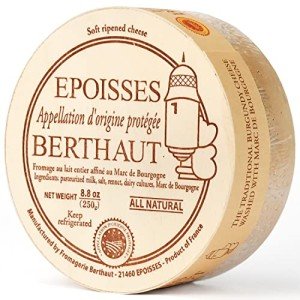
French Epoisses AOC Cheese - 8.8 oz
Rich and creamy with a bold flavor that’s perfect for your cheese board
Product information
SGD 79.30
Product Review Score
4.42 out of 5 stars
230 reviewsProduct links
Conclusion: Celebrating France’s Cheese Legacy
Our deep dive into Brie de Meaux and Brie de Melun reveals not only a fascinating contrast in flavor, texture, and production methods, but also a storied cultural tapestry that enriches every bite. These cheeses embody centuries of French artisanal dedication, from royal banquets to resilient monastic hiding places. Their enduring protected AOC status ensures that each wheel produced sustains traditions vital to Île-de-France’s rural heritage.
Choosing between Meaux and Melun is less about finding a “better” cheese, and more about embracing different facets of French cheese artistry—Meaux offering buttery elegance and Melun delivering spirited boldness. Each cheese invites you to participate in a legacy of slow food, craftsmanship, and terroir storytelling. Indulging in their unique profiles is to savor history, culture, and the joy of genuine artisanal care.
Ready to continue your gourmet exploration? Visit our curated French cheese collection to find authentic Brie de Meaux, Brie de Melun, and other treasures. Click, savor, and join thousands of cheese lovers who know: life’s too short for bland fromage! 🧀
Frequently Asked Questions
1. Why does Brie de Melun have a stronger smell than Brie de Meaux?
- The extended 18-hour lactic fermentation in Brie de Melun produces more ammonia and complex microbial compounds, resulting in its signature barnyard aroma. This contributes to both the intensity of smell and a deeper layered flavor, while Brie de Meaux’s shorter rennet fermentation yields milder fragrance.
- 2. Can I use Brie in baked dishes? Which type works best?
- Absolutely! Brie de Meaux melts smoothly and is perfect for silky sauces and soufflés. Brie de Melun, with its firmer texture, holds up better to baking, making it ideal atop tarts or grilled meats, where it retains shape while adding robust flavor.
- 3. What’s the white mold on Brie rinds? Is it safe?
- The white mold, Penicillium candidum, is a harmless and edible fungus essential for Brie’s flavor and rind development. It creates the velvety rind and contributes to the softening of the cheese interior during aging.
- 4. Why is raw-milk Brie de Meaux banned in some countries?
- Many countries have strict regulations restricting unpasteurized cheeses aged less than 60 days due to food safety concerns. Raw-milk Brie poses a higher risk of pathogens, so it’s essential to check local laws before purchasing or importing.
- 5. How do I rescue an over-chilled Brie?
- Simply unwrap and let the cheese rest at room temperature for 1-2 hours. For a quick warm-up, place it near (not on) a warm oven or stove for about 10 minutes. This allows the fats and enzymes to soften and release flavors fully.
- 6. Are there vegetarian versions of these Bries?
- Traditional Brie uses animal rennet from calves, but some producers employ microbial or vegetable rennet alternatives. Look for "vegetarian rennet" labels if you prefer rennet-free options that align with vegetarian diets.
- 7. What bread pairs best with each Brie?
- Brie de Meaux pairs beautifully with airy, delicate baguettes that don’t overpower its creamy texture. Brie de Melun’s stronger profile shines alongside nutty whole-grain or rye breads that complement its bold and tangy character.
- 8. Can I age Brie further at home?
- Home aging is not recommended because precise humidity and temperature control are necessary to prevent spoilage or undesirable textures. Commercial aging facilities use specialized environments that are difficult to replicate, so attempting at home risks ruining your Brie.
- 9. Why does Brie sometimes taste bitter?
- Bitter or sharp ammonia-like notes typically arise from over-aging or improper storage conditions causing excessive ammonia buildup. If the cheese stings your nose or tastes unpleasantly bitter, it’s likely past its prime.
- 10. How did Brie get its name?
- Brie derives its name from the historic Brie region east of Paris, a fertile area known for dairy farming since at least the 8th century. The name reflects its deep roots in this particular French terroir.
Share your Brie adventures with us below—we’d love to hear your pairing triumphs and cheese board masterpieces! 🥖🍷
Further Resources to Explore
- Cheese Month Club – An in-depth guide to French cheeses offering historical context and tasting tips to expand your cheese knowledge.
- Culture Cheese Magazine – Features expert articles and tasting notes on Brie and other French artisan cheeses.
- Paris by Mouth – Offers professional insights into French food culture, including detailed Brie profiles.
- Fromages.com – A rich source for cheese education on varieties, pairing, and proper storage techniques.
- The Dairy Secret – Explores French cheese classifications and the secrets behind their production, helping enthusiasts decode the complexity of Brie cheeses.
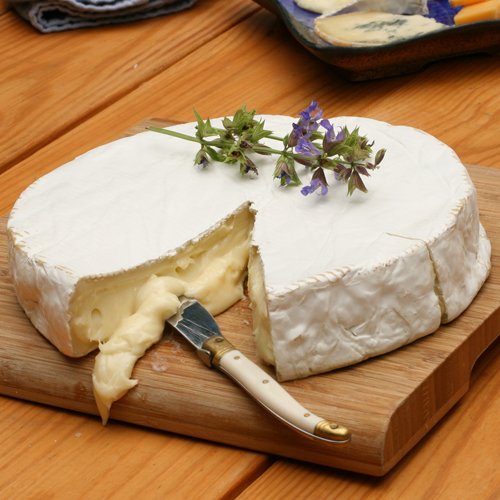
French Brie Cheese - 2 Pound Wheel
Indulge in the rich and creamy texture of our artisan French Brie, perfect for your cheese board or gourmet recipes
Product information
SGD 63.99 SGD 58.92
Product Review Score
4.58 out of 5 stars
163 reviewsProduct links
Lactalis Brie Cheese from Paris 8oz
Indulge in the rich, creamy flavor of authentic French Brie cheese perfect for any cheese board or snack
Product information
Product Review Score
4.22 out of 5 stars
109 reviews