Alright, let's dive into the world of meat curing! Picture this: you're in your kitchen, surrounded by the aroma of spices and the promise of delicious, homemade cured meats. But hold up—before you start slicing and seasoning, there's something crucial you need to know: nitrate safety guidelines for meat curing. Think of it like learning to drive. You can't just hop in the car and expect to know everything; you need to understand the rules of the road. The same goes for meat curing—knowing the guidelines ensures that your culinary adventures are both delicious and safe.
Understanding Nitrates and Nitrites
The Science Behind Curing
Nitrates are naturally occurring compounds found in soil, plants, and even in our bodies. During the curing process, nitrates transform into nitrites, which play a vital role in preserving meats, enhancing color, and developing unique flavors. But here's the kicker: while nitrates are relatively inert, nitrites are the real MVPs in preventing harmful bacteria like Clostridium botulinum, which can cause botulism. This transformation happens during curing, especially with the help of salt and sugar.
Pro Insider Secrets
Did you know that the balance of nitrates and nitrites can make or break your cured meat? Too much, and you risk health issues; too little, and your meat might not be safe to eat. Industry pros recommend using pre-measured curing salts to ensure you're within safe limits.
Related Products
- OXO Good Grips Chef's Precision Digital Instant Read Thermometer
- 8 Tray Electric Food Dehydrator with Digital Timer
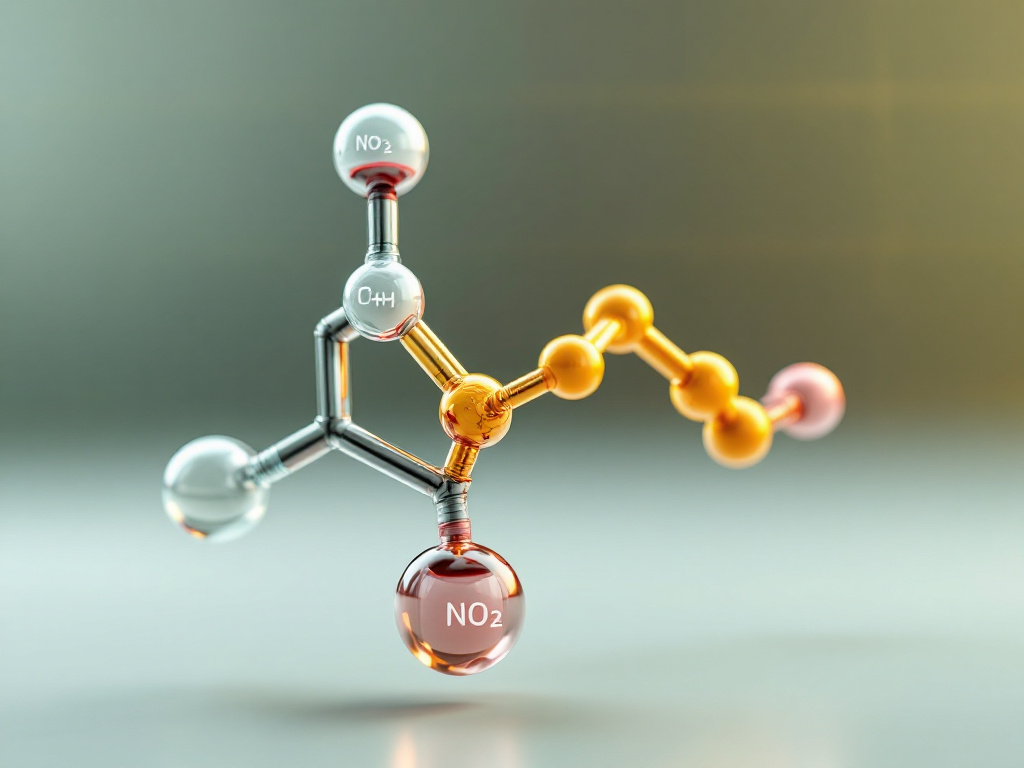 The molecular structure of nitrates and nitrites, essential for meat preservation.
Safe Levels for Meat Curing
Adhering to Regulations
When it comes to meat curing, adhering to safe levels of nitrates and nitrites is non-negotiable. These compounds are essential for preservation and flavor, but they need to be monitored closely. Regulatory agencies set these limits based on health implications, so it's crucial to follow recipes that have been tested and verified for safety.
Myth-Busting Corner
Myth: All nitrates are bad for your health.
Reality: While excessive consumption of nitrites can be harmful, nitrates used in meat curing—when applied according to guidelines—serve an important purpose. They prevent bacterial growth and enhance flavor.
What This Means for You: Moderation is key. Enjoy cured meats as part of a balanced diet, knowing that they're safe when prepared correctly.
Practical Hacks
- Use Pre-Measured Curing Salts: These contain the correct amounts of nitrates and nitrites, ensuring you stay within safe limits.
- Proper Storage: Keep cured meats in a cool, dry place to slow bacterial growth.
- Monitor Ingredients: Be cautious about natural nitrate sources like celery juice, which can introduce additional nitrates.
Related Products
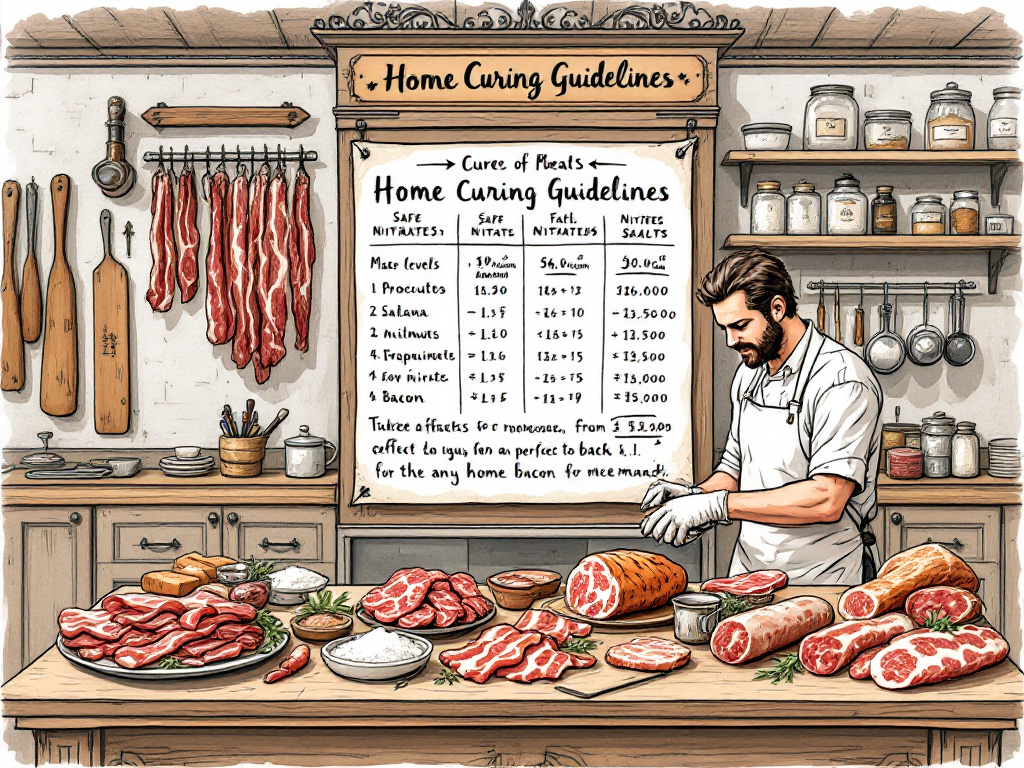 Safe levels of nitrates and nitrites in cured meats, with home curing guidelines.
Best Practices for Proper Curing
Temperature Control
Maintaining the right temperature is crucial for preventing bacterial growth. Aim for a range between 34°F to 40°F (1°C to 4°C). A refrigerator or dedicated curing chamber can help maintain this ideal environment.
Proper Ventilation
Good airflow during the drying phase is essential for developing texture and enhancing flavor. Use fans or ensure your curing area is well-ventilated to prevent moisture buildup and spoilage.
Sanitation
Cleanliness is next to godliness in meat curing. Thoroughly clean all tools and surfaces before starting to avoid contamination and potential health risks.
Related Products
 A step-by-step guide to proper meat curing, including temperature control, ventilation, and sanitation tips.
Common Myths About Nitrates
Debunking Misconceptions
Myth: Cured meats are always unsafe to eat.
Reality: When prepared following proper guidelines, cured meats can be enjoyed as part of a balanced diet. The key is understanding the role of nitrates in preservation.
Myth: Natural nitrates are healthier than synthetic ones.
Reality: While vegetables offer vitamins and minerals along with nitrates, the difference in how the body processes these compounds is often exaggerated. Nitrates used in curing meat are commonly found in nature and have been used safely for centuries.
Related Products
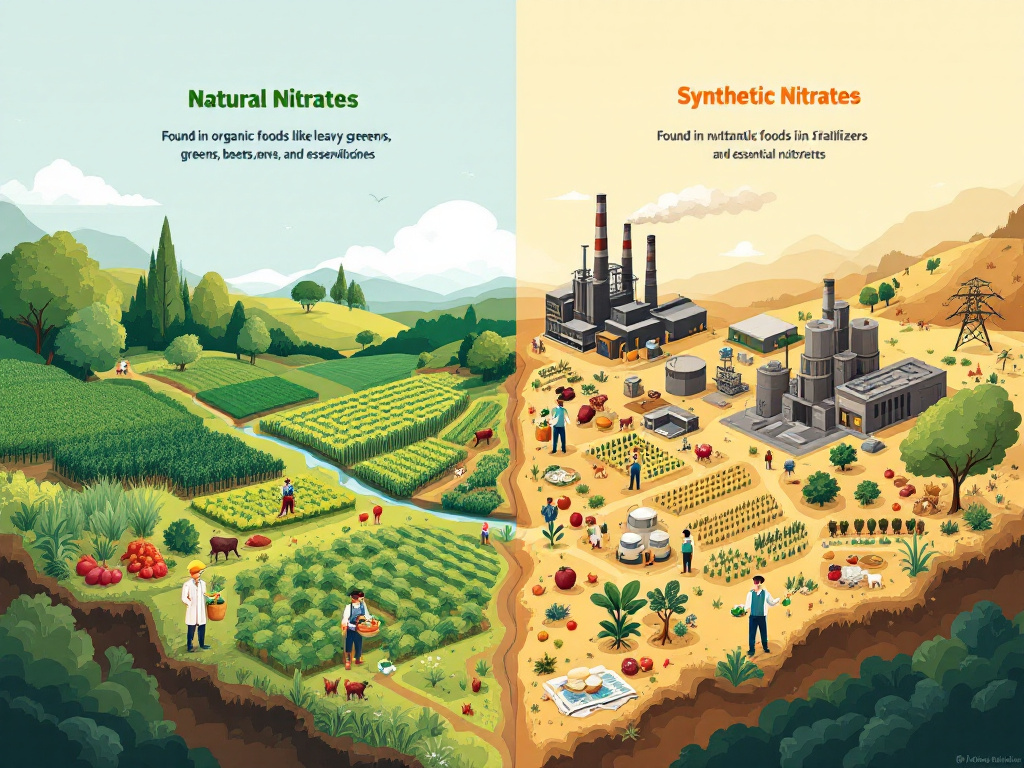 Comparing natural and synthetic nitrates, debunking common myths about their health impacts.
Expert Roundup
Insights from Industry Professionals
John Stevens, Master Butcher: "The key to safe meat curing is consistency. Always follow tested recipes and use high-quality ingredients. Don't be afraid to experiment, but always prioritize safety."
Jane Smith, Food Scientist: "Nitrates and nitrites are essential for preservation, but they must be used responsibly. Stay informed about regulatory updates and always adhere to safe levels."
Real-World Applications
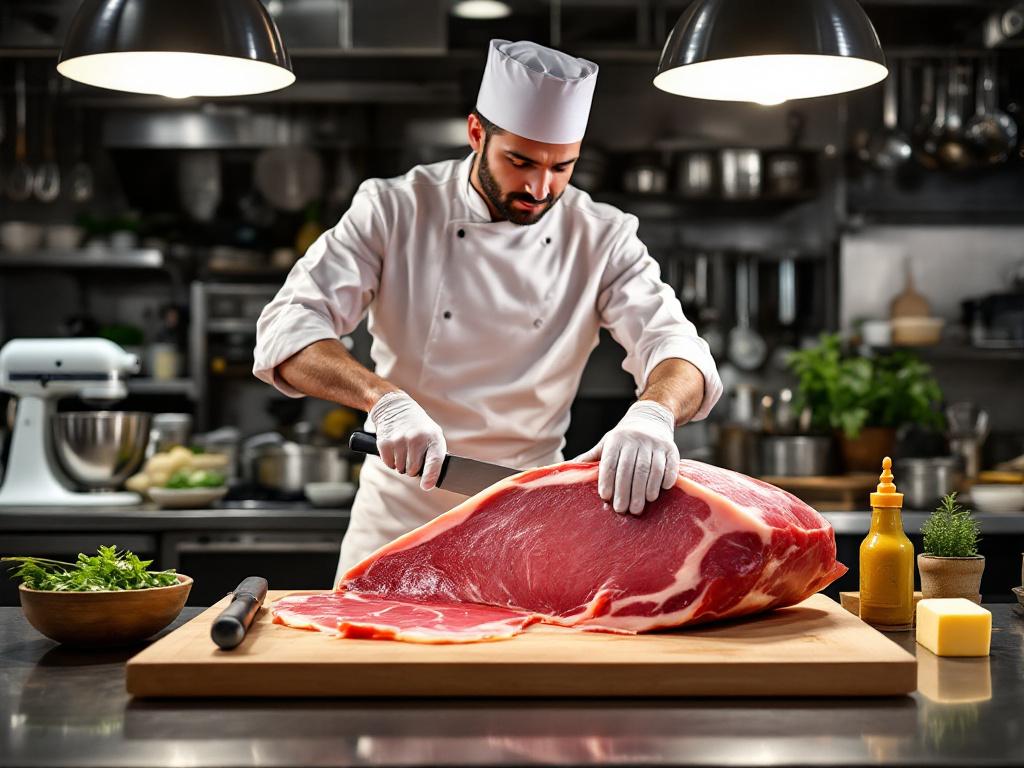
In your own kitchen, applying these guidelines means you can create delicious, safe cured meats. Whether you're making bacon, ham, or salami, following these best practices ensures that your culinary creations are not only tasty but also safe to enjoy.
Related Products
 Expert tips and real-world applications of nitrate safety guidelines for meat curing.
Behind-the-Scenes Insights
The Secrets Pros Don't Want You to Know
Insider Tip: A 20-year industry veteran reveals that the best-cured meats often come from small, local butchers who follow traditional methods and prioritize quality over quantity.
Unexpected Backstory: The art of meat curing has been passed down through generations, with each culture adding its unique twist. Understanding these traditions can enhance your own curing practices.
Future Trends
The science of food safety is always evolving. New research may influence the safe levels of nitrates and nitrites allowable for curing meats. Staying informed and adhering to guidelines ensures that you can enjoy your homemade delicacies without compromising your health.
Related Products
- Anova Culinary Precision Vacuum Sealer Pro Black
- FoodSaver V4400 Automatic Vacuum Sealer with Starter Kit
 Future trends in meat curing, highlighting the importance of staying informed about regulatory updates.
Funny Story Time!
Picture this: I'm in my kitchen, surrounded by an array of spices, a giant slab of pork belly, and a determination to create the perfect bacon. I've got my nitrate safety guidelines printed out, my apron on, and I'm ready to go. But then, disaster strikes. I realize I've forgotten to buy pink curing salt—the essential ingredient for safe curing. Panic sets in, but then I remember the backup plan: a quick trip to the local deli, where they always have the best curing supplies.
Fast forward to the deli, and I'm frantically explaining my situation to the butcher. He looks at me, smiles, and says, "Don't worry, we've all been there. Here's what you need." Armed with my pink curing salt and a newfound appreciation for the deli, I return home, ready to conquer the world of bacon-making.
And conquer I did. The bacon turned out perfectly—crispy, smoky, and oh-so-delicious. But the real lesson? Always double-check your ingredients and have a backup plan. Because in the world of meat curing, preparation is key.
Conclusion
So there you have it—a comprehensive guide to nitrate safety guidelines for meat curing. By understanding the science behind nitrates and nitrites, adhering to safe levels, and following best practices, you can create delicious, safe cured meats in your own kitchen. Remember, knowledge is power, and in the world of meat curing, it's the key to culinary success.
Now, go forth and cure with confidence! Your taste buds (and your loved ones) will thank you.