Hey there, food lovers! Grab a seat and let's dive into the world of delicatessen delights. Today, I want to share with you some of my favorite finds that will make your taste buds dance with joy.
Simple Ways to Improve Your Curing Process
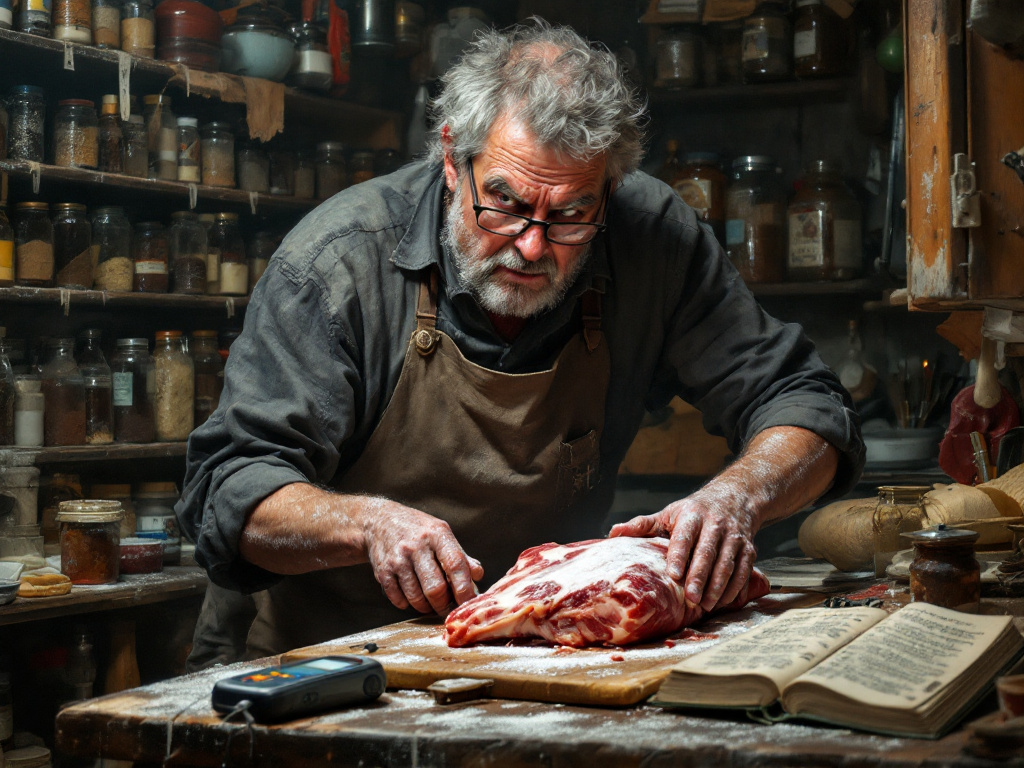
A person struggling to cure meat, with a frustrated expression, surrounded by curing tools and ingredients.
Understanding Common Curing Issues
Curing meat is an art form that requires patience, precision, and a bit of culinary magic. But let's face it, even the most seasoned deli enthusiasts encounter hurdles along the way. Whether it's the dreaded white mold or uneven curing, these issues can turn your masterpiece into a disappointment. But fear not! With the right knowledge and tools, you can overcome these challenges and achieve perfectly cured delights every time.
Pro Insider Secrets
Did you know that the type of salt you use can significantly impact the curing process? Using the right curing salts, which contain sodium nitrite, can prevent unwanted bacteria growth and enhance the flavor of your meat. It's a small detail that makes a big difference.
Related Products:
- OXO Good Grips Chef's Precision Digital Instant Read Thermometer
- 8 Tray Electric Food Dehydrator with Digital Timer
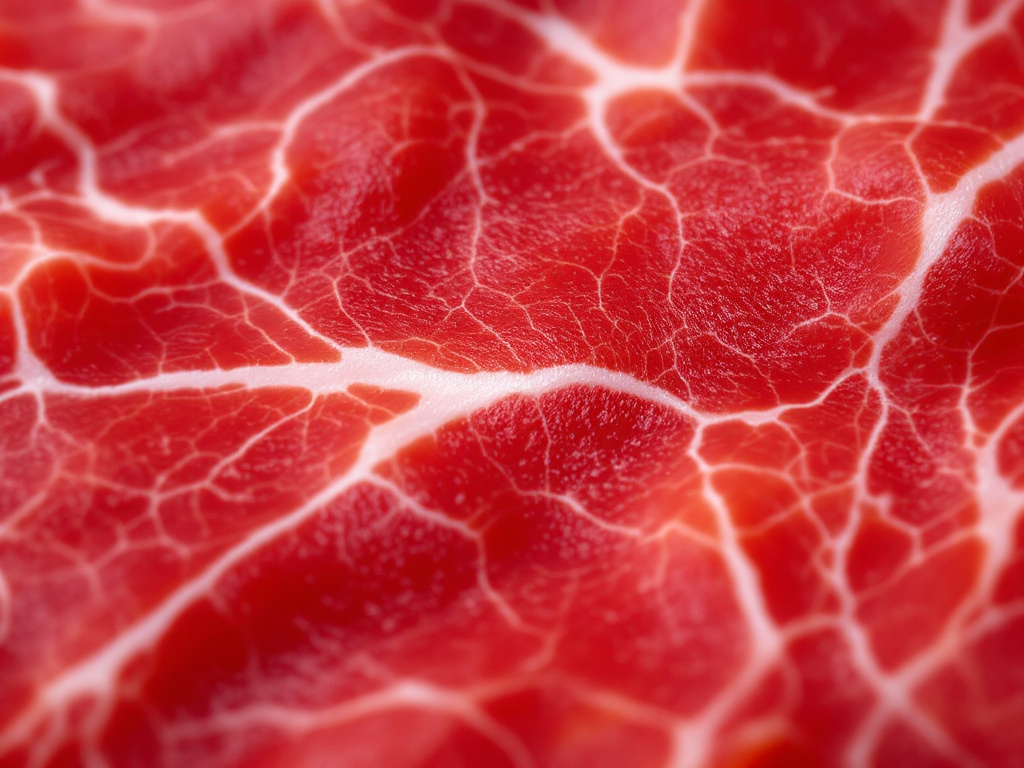
A close-up of perfectly cured meat, showcasing the ideal texture and color.
The Truth About White Mold
White mold is a common sight during the curing process, but it can be a cause for concern if not managed properly. While a little bit of mold is normal, too much can lead to off-flavors and undesirable textures. The key is to identify and address it early on.
Myth-Busting Corner
Myth: All white mold is harmful and should be removed immediately.
Reality: Not all white mold is bad. Some molds are actually beneficial and can enhance the flavor of your cured meat. The trick is to distinguish between good and bad mold. Safe molds are typically white and powdery, while harmful molds can be fuzzy or discolored.
What This Means for You: Don't panic if you see white mold. Observe it closely and take action if it seems suspicious. A vinegar and water solution can help clean the meat without compromising its flavor.
Practical Hacks
To prevent white mold, ensure your curing environment is well-ventilated and maintain the right humidity levels. Regularly check your meat and adjust your curing setup as needed.
Related Products:
 A diagram illustrating the ideal curing environment, including temperature and humidity levels.
The Art of Even Curing
Uneven curing can ruin the texture and flavor of your meat. Ensuring an even coat of the curing mixture and storing the meat at the right temperature are crucial steps to avoid this issue.
Expert Roundup
Industry Veteran Tip: "Consistency is key in curing. Make sure your curing mixture is evenly distributed and monitor the temperature closely. Small adjustments can make a big difference in the final product."
Real-World Applications
Imagine you're curing a beautiful piece of prosciutto. You've followed all the steps, but the result is uneven. By ensuring an even coat and maintaining the right temperature, you can achieve a perfectly cured prosciutto that melts in your mouth.
Related Products:
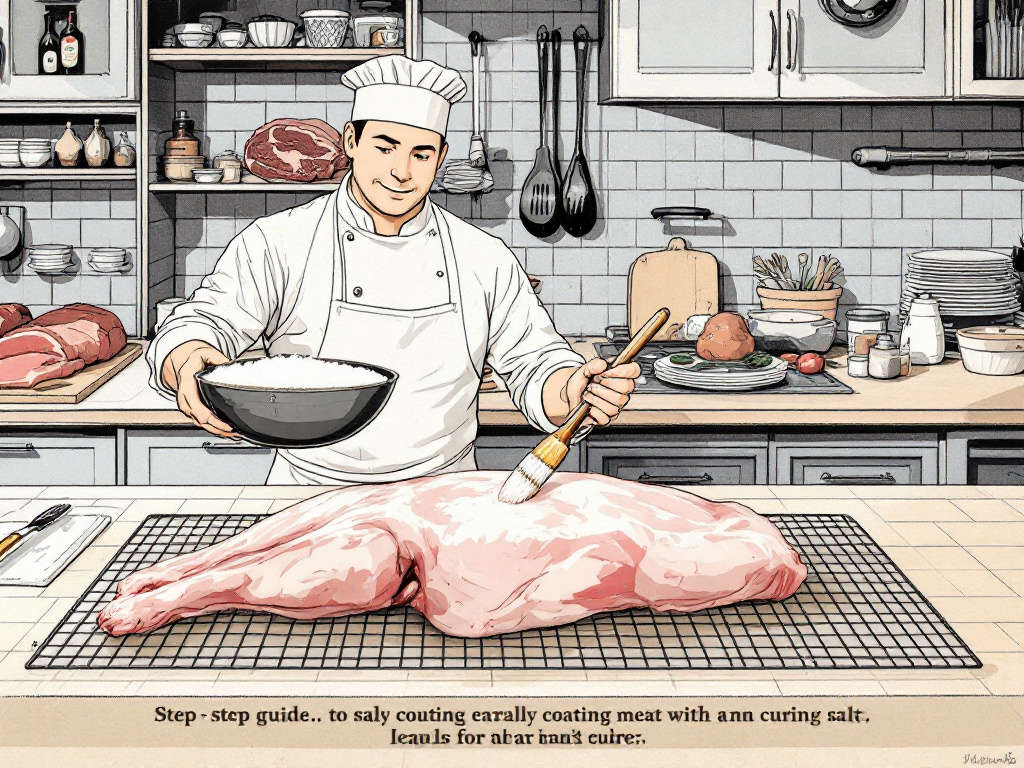 A step-by-step guide on how to evenly coat meat with a curing mixture.
Behind-the-Scenes Insights
Curing meat is not just about following a recipe; it's about understanding the science behind it. The right environment, temperature, and humidity levels can make or break your curing process.
The Expert Solutions for Curing Issues Secrets Pros Don't Want You to Know
Insider Tip: "The ideal curing conditions are between 50°F to 65°F with humidity levels around 70% to 80%. Use a reliable thermometer and hygrometer to monitor your curing environment closely."
Future Trends
The future of curing is all about precision and control. With advancements in technology, we can expect to see more innovative tools and techniques that help achieve perfect curing results every time.
Related Products:

An infographic showing the future trends in meat curing technology.
Funny Story Time!
Picture this: It's my first attempt at curing bacon. I've got my apron on, my tools laid out, and my confidence sky-high. I follow the recipe to the letter, but as the days pass, I notice something peculiar. My bacon has turned into a science experiment gone wrong, with more mold than meat. I panic, thinking I've created a culinary monster. But then I remember the expert tips I've read and the stories I've heard. I take a deep breath, adjust my curing environment, and start over. This time, with a bit more patience and a lot more knowledge, I achieve bacon perfection. The moral of the story? Curing is a journey, and every failure is a step closer to success.
Conclusion
Curing meat is an adventure filled with trials and triumphs. By understanding the common issues and applying expert solutions, you can elevate your culinary skills and achieve delicious, well-cured meats. So, grab your tools, roll up your sleeves, and let's get curing!
References
- USDA Food Safety and Inspection Service - A comprehensive guide on curing meat safely.
- The Spruce Eats - Detailed instructions and tips for curing meat at home.
- Serious Eats - Expert advice on the science behind meat curing.
- Amazing Ribs - In-depth articles on the art and science of curing meats.
- Charcuterie: The Craft of Salting, Smoking, and Curing - A highly recommended book for anyone interested in the craft of charcuterie.
Types of Cured Meats
-
Bacon: Typically cured using a combination of salt, sugar, and nitrites, bacon is a popular choice for curing. The curing process for bacon involves coating the meat with the cure mixture and allowing it to rest for a specific period before smoking or cooking.
-
Ham: Ham is often cured using a brine solution, which involves soaking the meat in a mixture of water, salt, sugar, and spices. This method ensures that the meat is evenly cured and flavored throughout.
-
Salami: Salami is a type of cured sausage made from ground meat, spices, and curing salts. The mixture is stuffed into casings and allowed to cure and ferment, resulting in a tangy and flavorful product.
-
Prosciutto: Prosciutto is an Italian-style ham that is typically dry-cured with salt. The curing process for prosciutto involves covering the meat with salt and allowing it to cure for an extended period, often several months, resulting in a delicate and flavorful product.
-
Pancetta: Pancetta is an Italian-style bacon that is typically dry-cured with salt and spices. The curing process for pancetta involves coating the meat with the cure mixture and allowing it to rest for a specific period before slicing and cooking.
Curing Methods
-
Dry Curing: Dry curing involves applying a mixture of salt, sugar, and spices directly to the meat. The meat is then allowed to rest for a specific period, during which the salt draws out moisture and preserves the meat. Dry curing is commonly used for products like bacon, pancetta, and prosciutto.
-
Brine Curing: Brine curing involves soaking the meat in a solution of water, salt, sugar, and spices. This method ensures that the meat is evenly cured and flavored throughout. Brine curing is commonly used for products like ham and corned beef.
-
Smoking: Smoking involves exposing the meat to smoke from burning wood, which adds flavor and helps preserve the meat. Smoking can be used in combination with dry curing or brine curing to enhance the flavor and preservation of the meat.
Factors Affecting Meat Curing
-
Temperature: Temperature plays a crucial role in the curing process. The ideal temperature for curing meat is typically between 35°F and 40°F (1.7°C and 4.4°C). Higher temperatures can lead to spoilage, while lower temperatures can slow down the curing process.
-
Humidity: Humidity is another important factor in the curing process. The ideal humidity for curing meat is typically between 60% and 70%. Higher humidity can lead to mold growth, while lower humidity can cause the meat to dry out too quickly.
-
Time: The curing process requires time for the salt and other ingredients to penetrate the meat and draw out moisture. The curing time can vary depending on the type and size of the meat, as well as the desired level of preservation and flavor.
-
Ingredients: The ingredients used in the curing process, such as salt, sugar, and spices, play a crucial role in the final flavor and preservation of the meat. The type and amount of ingredients used can vary depending on the desired outcome.
Essential Tools for Meat Curing
-
Digital Scales: Accurate digital scales are essential for measuring the appropriate amount of salt and curing agents based on the weight of the meat. This ensures precision in the curing process and helps achieve the desired level of preservation and flavor.
-
Curing Chamber: A curing chamber provides a controlled environment for curing meat. It allows for precise control of temperature and humidity, ensuring optimal conditions for the curing process.
-
Meat Pump: A meat pump is used to inject brine solution into the meat, ensuring even distribution of the cure throughout the meat. This is particularly useful for larger cuts of meat.
-
Smoker: A smoker is used to expose the meat to smoke from burning wood, adding flavor and helping preserve the meat. Smokers come in various sizes and styles, allowing for different types of wood and smoking techniques.
Safety Guidelines for Meat Curing
-
Use Fresh Meat: Always start with fresh, high-quality meat for curing. This ensures the best flavor and reduces the risk of spoilage.
-
Maintain Proper Temperature and Humidity: Ensure that the curing environment maintains the ideal temperature and humidity for the curing process. This helps prevent spoilage and ensures optimal preservation and flavor.
-
Monitor the Curing Process: Regularly check the meat's weight and appearance to gauge the curing process's progression. This helps ensure that the meat is properly cured and prevents over-curing or spoilage.
-
Store Cured Meat Properly: After curing, store the meat in a cool, dry place to maintain its quality and safety. Proper storage helps prevent mold growth and ensures the meat's longevity.
Troubleshooting Tips for Meat Curing
-
Mold Growth: If mold growth occurs during the curing process, it can be removed by wiping the meat with a vinegar solution. This helps prevent the mold from spreading and ensures the meat's safety.
-
Over-Salting: If the meat becomes over-salted during the curing process, it can be rinsed and soaked in water to remove excess salt. This helps balance the flavor and prevents the meat from becoming too salty.
-
Uneven Curing: If the meat is unevenly cured, it can be re-coated with the cure mixture and allowed to rest for a longer period. This helps ensure even distribution of the cure and prevents uneven preservation and flavor.
Related Product List
- OXO Good Grips Chef's Precision Digital Instant Read Thermometer
- 8 Tray Electric Food Dehydrator with Digital Timer
- Cosori 6 Tray Food Dehydrator for Jerky
- Silicone Food Storage Bags Set of 6
- Airtight Food Storage Containers Set for Pantry
- Precision Pro Vacuum Sealer with 10 Functions
- Fullstar All-in-One Vegetable Chopper and Slicer
- Beswood 10 Premium Electric Food Slicer 240W
- Stainless Steel Manual Meat Slicer for BBQ
- Beswood 10 Electric Meat and Cheese Slicer