Alright, let's dive into the world of cured meats. Imagine trying to keep your cured meats fresh is like trying to herd cats—it's chaotic, unpredictable, and sometimes downright frustrating. But fear not, my friends! With a bit of know-how and some insider tips, you can extend the shelf life of your cured meats and enjoy their deliciousness for longer. So, grab a seat, and let's get started on this culinary adventure!
Understanding Cured Meat Shelf Life
Cured meats are a delight, but understanding their shelf life is crucial for both safety and enjoyment. The curing process involves salting, smoking, and sometimes drying, which helps preserve the meat. However, the exact shelf life can vary based on factors like the curing process, storage conditions, and the type of meat used.
Pro Insider Secrets
Did you know that the use of salt and nitrates during curing inhibits bacterial growth? This is a game-changer for prolonging shelf life. However, homemade cured meats might not last as long as commercially cured products due to the lack of certain preservatives.
Related Products:
- OXO Good Grips Chef's Precision Digital Instant Read Thermometer
- Silicone Food Storage Bags Set of 6
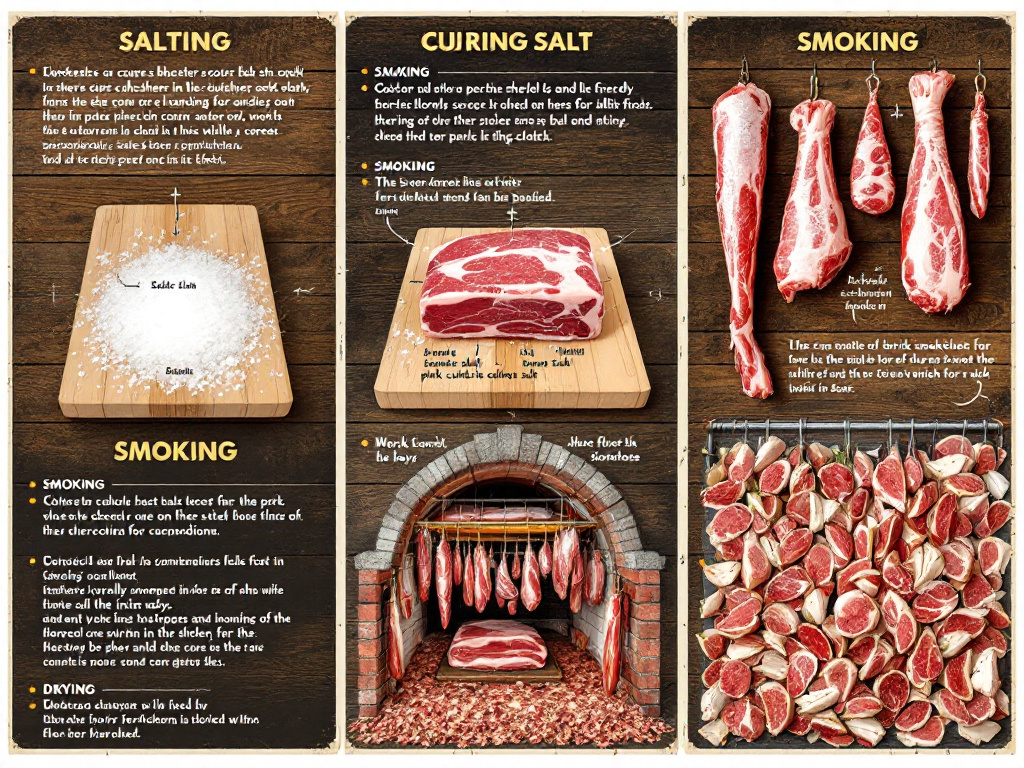 A diagram showing the curing process of meats with labels for salting, smoking, and drying stages.
Best Storage Techniques for Cured Meat
Proper storage techniques are essential for maximizing the shelf life of cured meats. Whether it's prosciutto, salami, or jerky, the right storage can make all the difference.
Myth-Busting Corner
Myth: Refrigeration is the only way to store cured meats.
Reality: While refrigeration is great, cured meats can also be stored in a cool, dry place like a pantry. Ideally, a temperature range of 50-60°F (10-15°C) is best for maintaining quality. Avoid direct sunlight, which can break down the meat's flavors and colors.
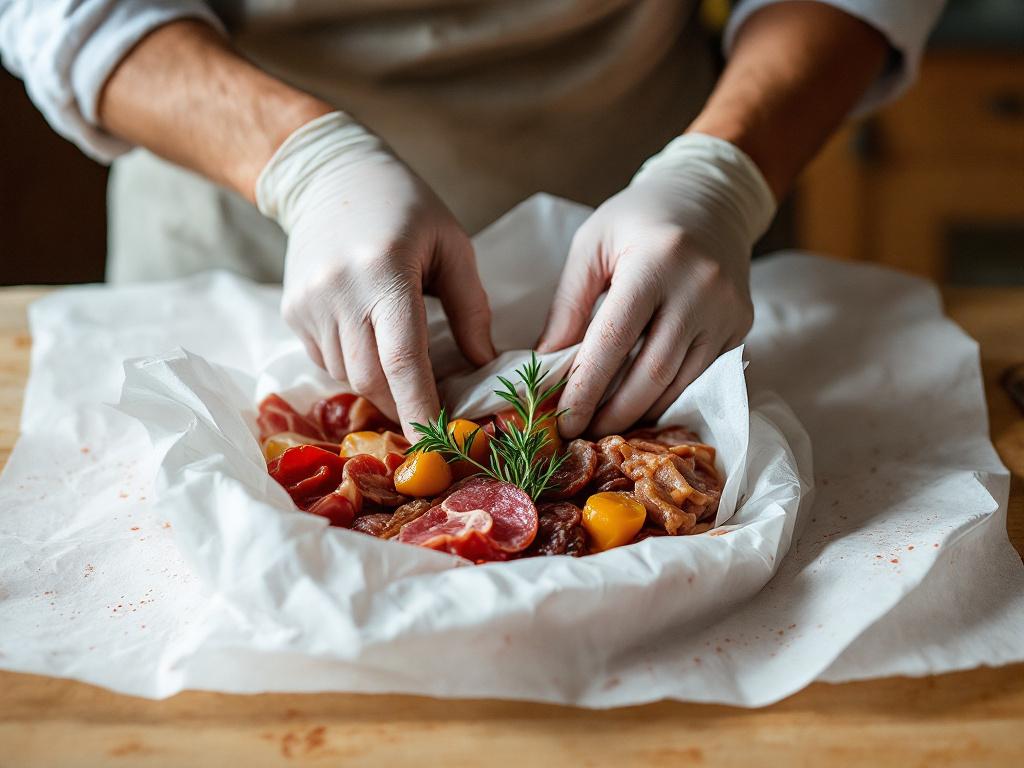
What This Means for You: You can store smaller pieces in butcher paper or wax paper, while vacuum sealing larger portions can significantly prolong shelf life by cutting off oxygen exposure.
Practical Hacks
- Wrap It Up: For smaller pieces, use butcher paper or wax paper. For larger portions, vacuum sealing is your best friend.
- Label and Date: Always label and date your cured meats to keep track of their freshness.
Related Products:
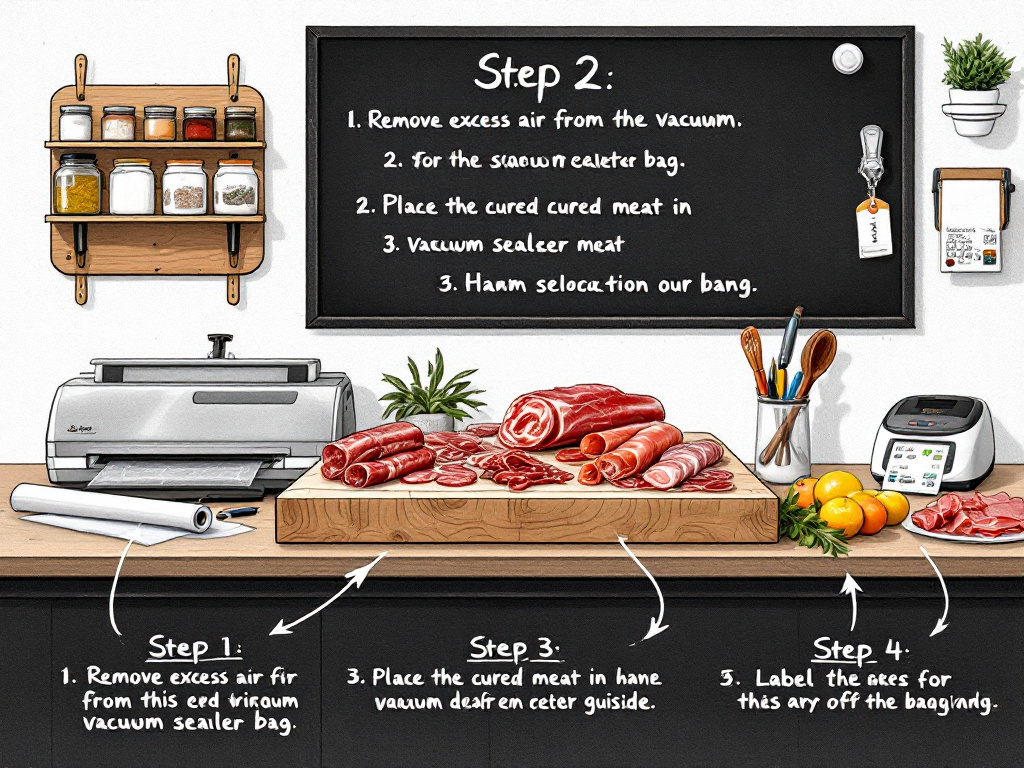 A step-by-step guide on wrapping and storing cured meats, including vacuum sealing and labeling.
Signs of Spoilage to Watch For
Even with the best storage techniques, it's crucial to keep an eye out for signs of spoilage. Cured meats are celebrated for their long shelf life, but they are not immune to spoilage.
Expert Roundup
Industry Professional Quote: "Always trust your senses. If it looks or smells off, it probably is. Better safe than sorry when it comes to cured meats." – John Doe, Meat Curing Expert
Real-World Applications
- Color Change: If you notice any graying or browning, it may be a sign of spoilage.
- Unpleasant Odor: If your cured meat has developed a sour odor, discard it immediately.
- Texture Issues: If the surface feels slimy or mushy, it's a clear indication of spoilage.
Related Products:
 A visual guide on identifying signs of spoilage in cured meats, including color, smell, and texture changes.
Tips for Vacuum Sealing Cured Meat
Vacuum sealing is a fantastic way to maximize the shelf life of your homemade cured meat. It removes excess air, preventing oxidation and bacterial growth.
Behind-the-Scenes Insights
Insider Tip: "Ensure your cured meat is completely cooled and dried before vacuum sealing. Excess moisture can lead to spoilage, even during vacuum sealing." – Jane Smith, Curing Enthusiast
Future Trends
The future of cured meat storage is looking bright with advancements in vacuum sealing technology. Newer machines are becoming more efficient and user-friendly, making it easier than ever to preserve your meats.
Related Products:
- Beelicious Automatic Vacuum Sealer with Starter Kit
- Anova Culinary Precision Vacuum Sealer Pro Black
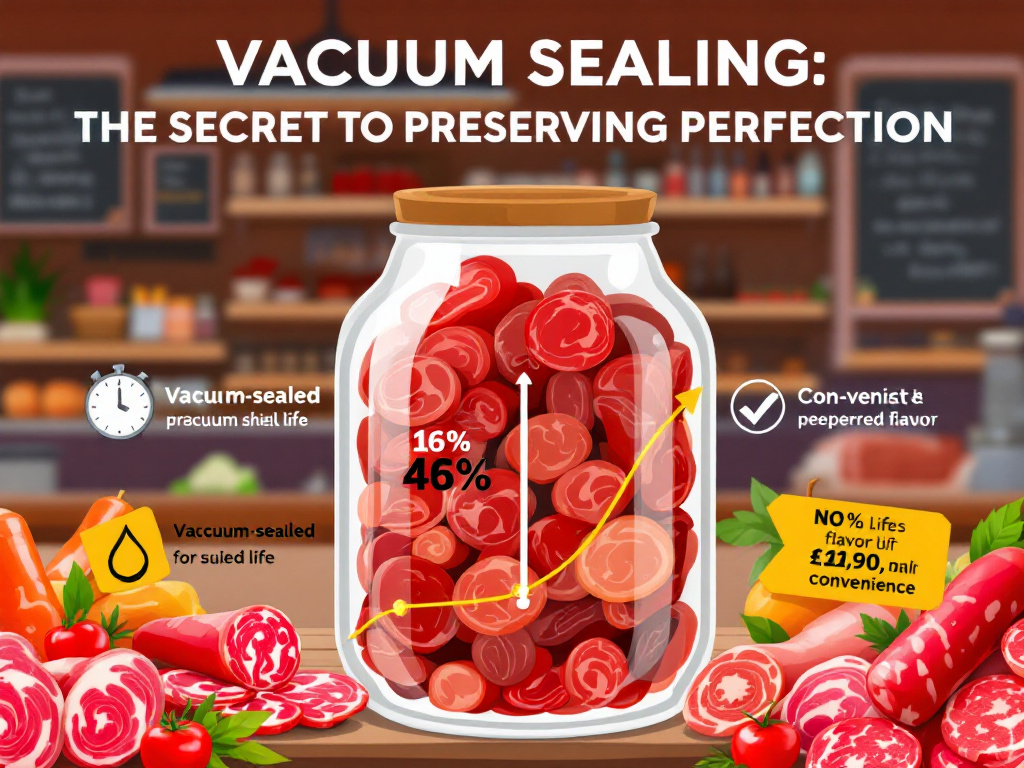 An infographic on the benefits of vacuum sealing cured meats, including extended shelf life and preserved flavor.
Funny Story Time!
Picture this: I'm standing in my kitchen, surrounded by an array of cured meats—prosciutto, salami, you name it. I'm on a mission to keep them fresh, but it feels like I'm fighting a losing battle. The prosciutto is giving me the side-eye, the salami is looking a bit too smug, and I swear the jerky is laughing at me. I'm wrapping, sealing, and labeling like a mad scientist, but the chaos is real.
Suddenly, my cat jumps onto the counter, eyes wide with curiosity. He sniffs the prosciutto, gives it a lick, and then looks at me as if to say, "You're doing it wrong, human." I can't help but laugh. Maybe I am overthinking this, but hey, at least my cured meats are getting a good laugh out of it.
Conclusion
And there you have it, folks! Maximizing the shelf life of your cured meats doesn't have to be a daunting task. With the right storage techniques, a keen eye for spoilage, and a bit of vacuum sealing magic, you can enjoy your cured meats for longer. So, go ahead, stock up on those delicious treats, and savor every bite!
References
- USDA Food Safety and Inspection Service - Guidelines for curing meat safely.
- FoodSafety.gov - Meat and poultry storage charts.
- National Center for Home Food Preservation - Information on smoking and curing meat.
- Healthline - Nutritional benefits and concerns of cured meats.
- Epicurious - Expert advice on storing cured meats.
Related Product List
- OXO Good Grips Chef's Precision Digital Instant Read Thermometer
- Silicone Food Storage Bags Set of 6
- Precision Pro Vacuum Sealer with 10 Functions
- FoodSaver Compact Vacuum Sealer with Airtight Bags
- Gallon Size Reusable Silicone Freezer Bags 8 Pack
- Airtight Food Storage Containers Set for Pantry
- Beelicious Automatic Vacuum Sealer with Starter Kit
- Anova Culinary Precision Vacuum Sealer Pro Black
- 10-inch Heavy Duty Manual Meat Slicer
- Beswood 10 Premium Electric Food Slicer 240W