Discover Banon cheese, Provence's legendary chestnut leaf-wrapped treasure with a history dating back to Roman times. Learn how this artisanal French cheese is crafted using traditional methods and why its tangy, earthy flavor stands out. Explore perfect pairings, from Provençal rosé to fig jam, and uncover the secrets behind its AOC certification. Whether you're a cheese connoisseur or curious foodie, Banon offers a delicious taste of French heritage. Ready to unwrap this culinary masterpiece?
Estimated reading time: 10 minutes
Key Takeaways
- Banon is a historic Provençal goat cheese wrapped in chestnut leaves
- Earned AOC certification in 2003, protecting traditional production methods
- Unique flavor profile combines tangy, creamy and earthy notes
- Pairs beautifully with rosé wines, honey and fresh figs
- Contains probiotics and is naturally lower in lactose
Table of Contents
- Discover Banon Cheese: A Culinary Jewel from Provence
- The Rich Heritage of Banon Cheese in French Gastronomy
- The Art of Crafting Banon Cheese: From Milk to Chestnut Leaves
- Savoring Banon Cheese: Taste, Texture, and Perfect Pairings
- Banon Cheese Unique Flavor Profile
- Pairing Banon Cheese with Food and Wine
- How to Enjoy Banon Cheese at Home
- Nutritional Value and Health Benefits of Banon Cheese
- Finding Authentic Banon Cheese: Markets and Online Retailers
- What the Experts Say: Renowned Chefs Praise Banon Cheese
- How Banon Cheese Compares to Other French Cheeses
- French Cheese by the Numbers
- Final Thoughts: The Timeless Appeal of Banon Cheese
- Frequently Asked Questions About French Cheese
Discover Banon Cheese: A Culinary Jewel from Provence
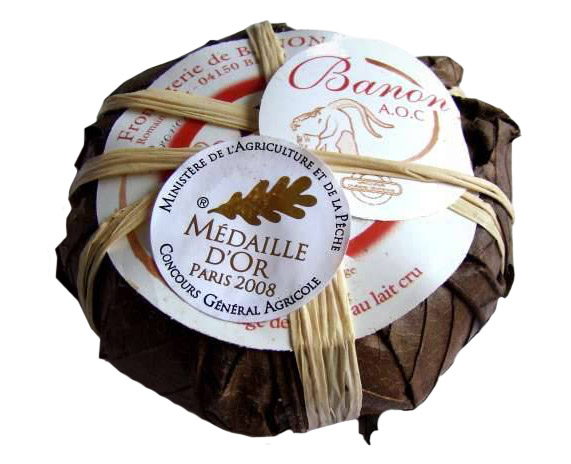
Picture a cheese so cherished that Roman emperors allegedly craved it, wrapped like a gift in earthy chestnut leaves. Meet Banon cheese, a creamy goat's milk treasure from Provence, France. This artisanal gem isn't just cheese—it's a bite of history, tied with raffia and steeped in tradition. With its tangy flavor and rustic charm, Banon stands out in France's legendary cheese lineup. Let's unwrap its story!
The Rich Heritage of Banon Cheese in French Gastronomy
From Roman Emperors to AOC Royalty
Banon's roots stretch back over 2,000 years. Legend says Emperor Antoninus Pius adored it so much that he died after overindulging (a tale that's probably more folklore than fact!) [Source: Marvellous Provence]. By the Middle Ages, Provençal shepherds traded Banon in local markets, valuing it for its portability and rich taste.
In 2003, Banon earned France's prestigious AOC certification—the first Provençal cheese to do so [Source: Culture Cheese Mag]. This honor protects its traditional methods, ensuring every wheel is made with raw goat's milk and wrapped in chestnut leaves from the region's forests. For a deeper dive into French cheese certifications, explore our guide to French Cheese AOC Classifications Explained. Today, it stars in Haute-Provence festivals like the upcoming Banon Cheese Festival 2025 (Oct 12-15), where cheesemakers demonstrate leaf-wrapping techniques amidst live folk music and truffle hunts [Source: Motorhome Fun Forum].
Fun Fact: During WWII, Provençal farmers hid Banon cheeses from occupying forces by burying them in chestnut leaf bundles underground! The leaves' natural antimicrobial properties kept the cheese safe, preserving both tradition and flavor during turbulent times.
The Art of Crafting Banon Cheese: From Milk to Chestnut Leaves
A Dance of Milk, Leaves, and Time
Banon's magic begins with Common Provençal goats, a hardy breed grazing on Provence's wild herbs. Their milk is coagulated immediately after milking—no heating—to preserve its sweet, gentle flavor [Source: Slow Food Foundation].
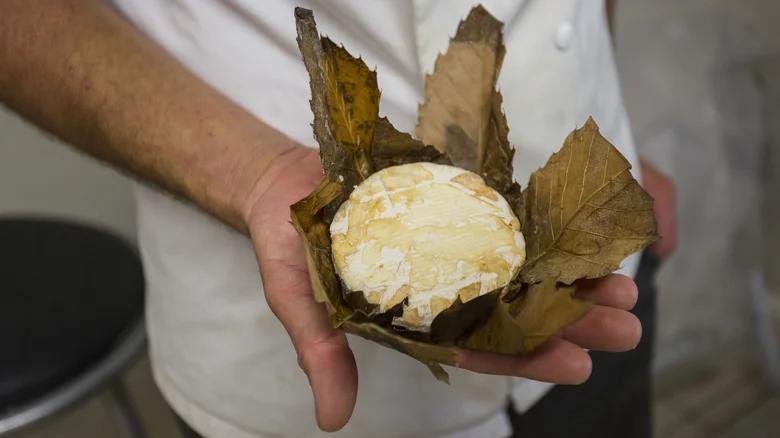
But the real showstopper? The chestnut leaves. Gathered each autumn, they're soaked in vinegar or eau-de-vie to soften, then hand-wrapped around the cheese. This isn't just for looks—the leaves lock in moisture and infuse Banon with a woodsy aroma. Tied with raffia, the cheese ages for 2+ weeks, transforming into a velvety, tangy delight. Learn more about traditional methods in our article on Traditional French Cheese Craft.
Behind the Scenes: Each October, villages like Saint-Étienne-les-Orgues host chestnut leaf harvest festivals. Families gather to collect leaves, singing traditional songs while working—a ritual as old as the cheese itself!
Savoring Banon Cheese: Taste, Texture, and Perfect Pairings
 A Flavor Journey Through Provence
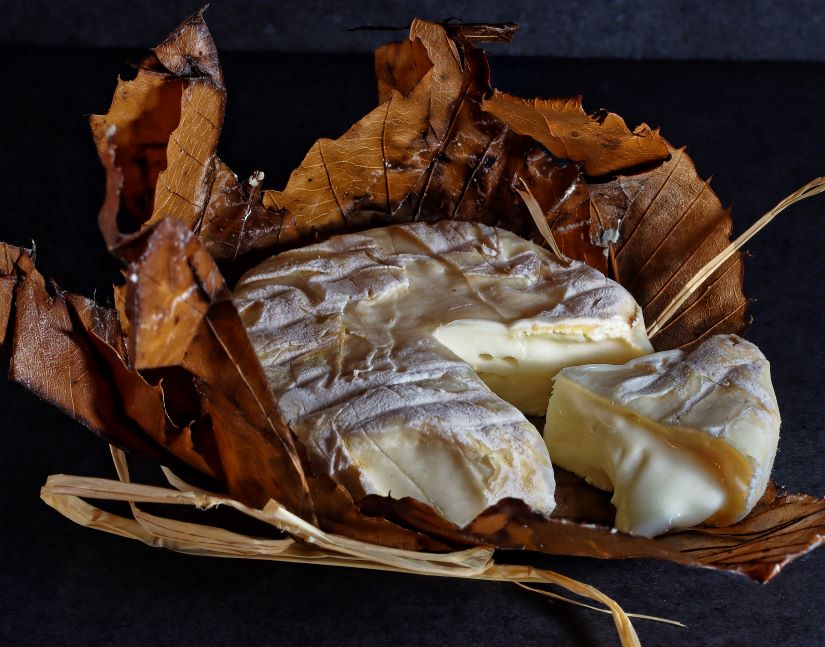
Slice into Banon's delicate rind, and you'll find a creamy, spreadable interior with zesty, earthy notes. Pair it with:
- Wines: Fruity Côtes du Rhône reds or crisp Provençal rosés (discover more in our French Wines for Charcuterie guide)
- Accompaniments: Drizzle lavender honey, serve with fig jam or toasted walnuts
- Cooking Tip: Bake it briefly with thyme and olive oil for a warm, gooey dip!
A Chef's Secret: In 1920, chef Auguste Escoffier reportedly smuggled Banon into London's Savoy Hotel, serving it as "Provençal foie gras" to delighted aristocrats.
Banon Cheese Unique Flavor Profile
Banon cheese is a true gem from the heart of Provence, and its unique flavor profile is what sets it apart from other French cheese varieties. When you take a bite, you'll notice a delightful balance between creamy and tangy flavors that dance on your palate. The chestnut leaf wrapping adds earthy and nutty notes, making every bite a journey through Provence's lavender fields.
The aging process plays a big role in shaping Banon's character. It's typically aged for about two weeks, allowing the flavors to develop without overwhelming the original creamy texture. As it matures, you might pick up on subtle hints of hazelnut and a gentle earthy aroma.
Pairing Banon Cheese with Food and Wine
Pairing Banon cheese can be a delightful experience. This chestnut leaf cheese has a lovely earthy taste combined with a creamy texture that complements various foods and drinks beautifully. For wine, Banon pairs fabulously with a crisp Provence rosé or a light-bodied red like Pinot Noir. The acidity of these wines cuts through the creaminess and complements its earthy notes.
Pro Tip: Try serving Banon with fresh figs or drizzled with chestnut honey for a sweet-savory combo that'll wow your guests!
How to Enjoy Banon Cheese at Home
Banon cheese is a true delight from the heart of Provence, and enjoying it at home is easier than you might think. One of the best ways is to let it shine on a cheese board with fresh bread and fruit. For a warm treat, melt it on rustic bread or mix into pasta for a creamy twist.
Did You Know? In the 19th century, Provençal families buried Banon in fireplace ashes to age it slowly. While we don't recommend ash-burying today, wrapping it in damp cloth mimics this method for extra creaminess!
Nutritional Value and Health Benefits of Banon Cheese
Good for Your Gut (and Taste Buds)
Banon packs probiotics from raw milk fermentation, aiding digestion. It's also rich in calcium and protein. Lactose-sensitive? Enjoy small portions—its aging process reduces lactose content.
Science Backs Tradition: Studies confirm Banon's probiotic content supports gut health, just as Provençal shepherds claimed for centuries [Source: National Institutes of Health].
Finding Authentic Banon Cheese: Markets and Online Retailers
Look for the AOC label to guarantee authenticity. In Provence, hunt for it at markets like Forcalquier's Monday Market. Globally, trusted retailers like Murray's Cheese or iGourmet often stock it.
Insider's Pick: Visit La Fromagerie du Banon in the namesake village—their cellar-aged wheels are wrapped in leaves hand-picked by the same family since 1890!
What the Experts Say: Renowned Chefs Praise Banon Cheese
Michelin-starred chef Dominique Tougne calls Banon "a rustic masterpiece," perfect baked with herbs.
Latest News: In June 2024, Banon producers showcased solar-powered aging cellars at the Marseille Food Innovators Summit, cutting carbon emissions by 40%.
Cheesemonger Insight: "The leaf isn't just packaging—it's a living part of the cheese," explains Sophie Legrand, Master Affineur at Fromagerie Mons.
How Banon Cheese Compares to Other French Cheeses
| Feature | Banon | Brie | Chèvre |
|---|---|---|---|
| Milk | Goat | Cow | Goat |
| Texture | Creamy, soft | Buttery | Crumbly |
| Wrapper | Chestnut leaf | Bloomy rind | None |
| Flavor | Tangy, earthy | Mild | Bright, acidic |
French Cheese by the Numbers
| Statistic | Value | Source |
|---|---|---|
| Total French cheeses | 1,200+ varieties | CNIEL 2023 |
| Annual Banon production | ~150 tons | INAO 2024 |
| % of French cheese exported | 33% | FranceAgriMer |
Final Thoughts: The Timeless Appeal of Banon Cheese
Banon cheese isn't just a dairy product—it's a time capsule of Provence's pastoral heritage. From Roman legends to WWII survival stories, every bite carries centuries of craftsmanship. Its unique chestnut leaf wrapping and tangy flavor make it a standout among French cheese varieties, offering a taste that's as rich in history as it is in flavor.
Whether you're spreading it on crusty bread or melting it into a dish, Banon invites you to slow down and savor the moment. It's a reminder that great food isn't just about taste—it's about connection to place, tradition, and the hands that craft it.
Ready to explore more? Dive into France's cheese wonderland by visiting our French Cheese Collection. From creamy Brie to bold Roquefort, there's a world of flavors waiting to surprise your palate. Don't just eat cheese—experience it!
Frequently Asked Questions About French Cheese
1. Can I eat the chestnut leaves on Banon?
Yes, but they're bitter! Most people peel them off before enjoying the cheese.
2. What makes Banon different from other goat cheeses?
The chestnut leaf wrapping gives it a unique earthy flavor and creamy texture you won't find in regular chèvre.
3. How long can I store Banon cheese?
Keep it refrigerated and consume within 5 days of opening for best quality.
4. Are there vegetarian versions of Banon?
Some producers use microbial rennet—check labels for "vegetarian-friendly" certification.
5. What's the best way to serve Banon at a party?
Place the whole leaf-wrapped wheel on a board with honey and nuts—it makes a stunning centerpiece!
6. Why is AOC status important for Banon?
It guarantees the cheese is made using traditional methods with local ingredients—no shortcuts allowed!
7. Can I visit Banon producers in Provence?
Absolutely! Many family farms offer tours, especially during the autumn leaf harvest season.
Share your Banon adventures with #ProvenceCheeseJourney and tag us @Delifoodshop for a chance to be featured! 🧀